You step through a wall of jungle, or descend beneath the waves, fully expecting more mud, roots, or rock… and suddenly you are standing in the middle of a vanished world. That is what it feels like when archaeologists uncover a lost city, especially one that belonged to a culture you have never even heard of before. These discoveries do not just add a few details to history; they can rip up what you thought you knew about how, and where, complex civilizations once thrived.
In the last couple of decades, researchers have been quietly rewriting the story of the ancient world. Laser scans of rainforest canopies, sonar maps of the seafloor, and satellite images of remote deserts keep revealing planned cities, road systems, and ceremonial centers where people once assumed there was only wilderness. When you look closely at how these lost cities are found and what they contain, you start to realize something unsettling and exciting at the same time: the map of ancient civilizations is still very incomplete, and huge chapters of human history are only now coming into view.
You Live in a World That Keeps Rediscovering Its Past
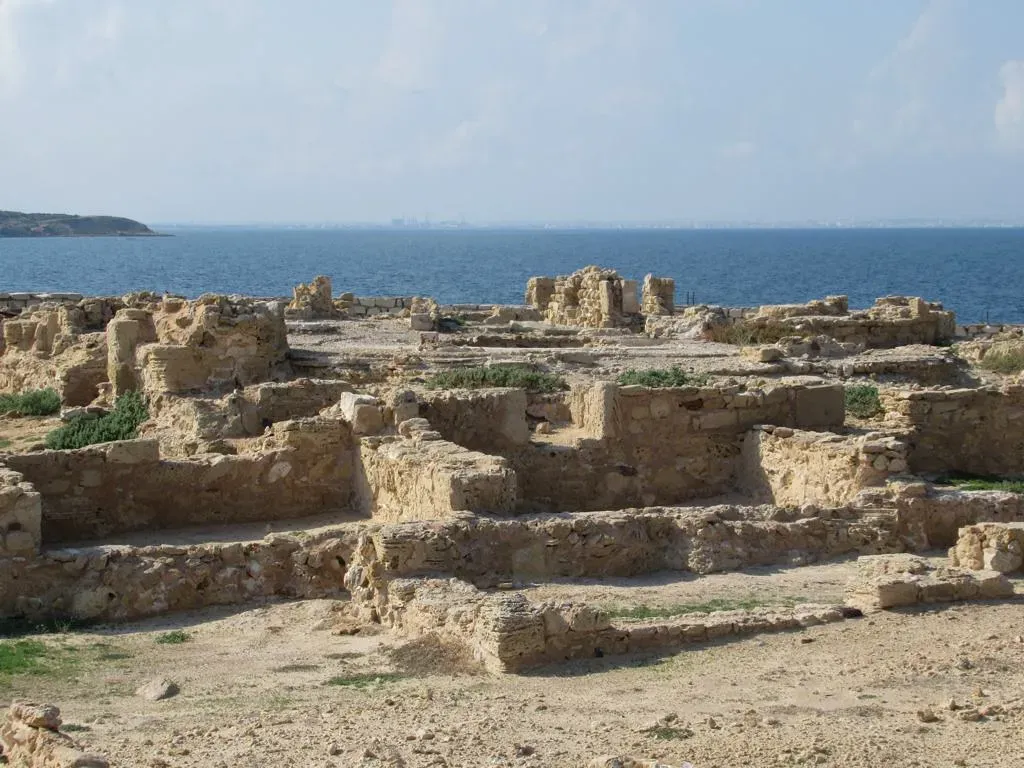
When you think of “lost cities,” you probably picture dramatic legends: golden temples, cursed jungles, or entire islands swallowed by the sea. The reality is usually less theatrical and far more interesting. A lost city, in archaeological terms, is simply a once‑important settlement that fell into decline, was abandoned, and then slipped out of collective memory until someone found it again. That means you are surrounded, in a sense, by potential lost cities wherever the landscape can hide ruins under sand, forest, or water.
Over time, vegetation, erosion, and new settlements cover older ones, turning stone walls into anonymous hills or reef‑like lumps on the seafloor. Written records may have disappeared, been destroyed, or never existed in the first place if the people relied on oral traditions. From your perspective, it looks like nothing was ever there. From an archaeologist’s point of view, that “nothing” might actually be streets, plazas, reservoirs, defensive walls, and temples. The gap between those two viewpoints is exactly where rediscovery happens, and why each new find has the power to surprise you.
How You Would Actually “See” a Lost City Before Setting Foot There
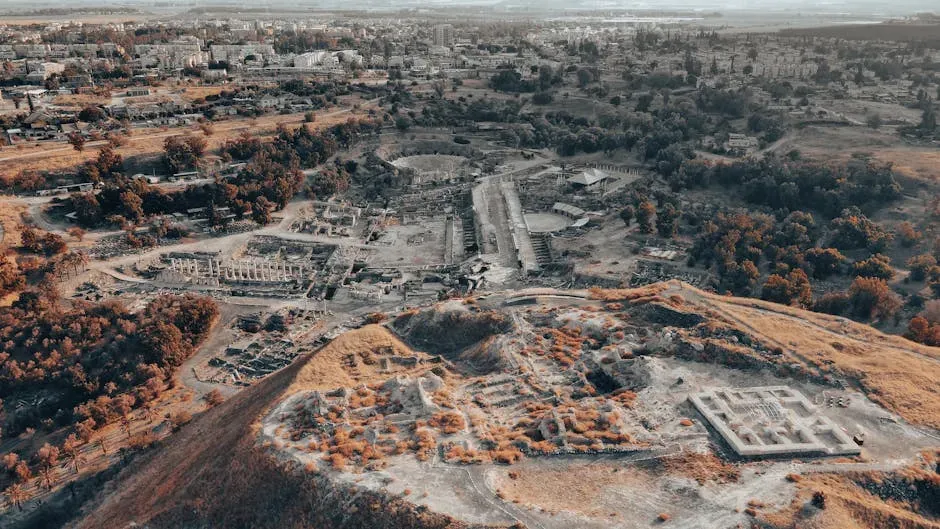
If you imagine lost cities being found only by explorers with machetes hacking through jungle, you are missing the technology that is changing everything. Today, if you flew over a dense rainforest, you could fire pulses of laser light down through the canopy using a tool called LiDAR. That laser effectively strips away the vegetation in the data, leaving you with a bare‑earth 3D model. When you look at that model, what seemed like random green jungle can suddenly resolve into sharp straight lines, pyramidal mounds, and rectangular platforms. You are basically putting on X‑ray glasses for landscapes.
In Central America and Mexico, LiDAR surveys have revealed entire urban networks linked by causeways, reservoirs, and terraced fields in regions once written off as thinly populated forest. When you see those images, it hits you that what looks “empty” on the surface can actually be the ghost of a city grid. Underwater, sonar and high‑resolution mapping play a similar role, tracing walls, roads, and harbors that now lie beneath meters of water and marine growth. Instead of wandering and hoping, you can now arrive at a precise set of coordinates already knowing you are about to walk into an ancient settlement no one in your time has ever properly seen.
When a Lost City Belongs to a Civilization You Never Knew Existed
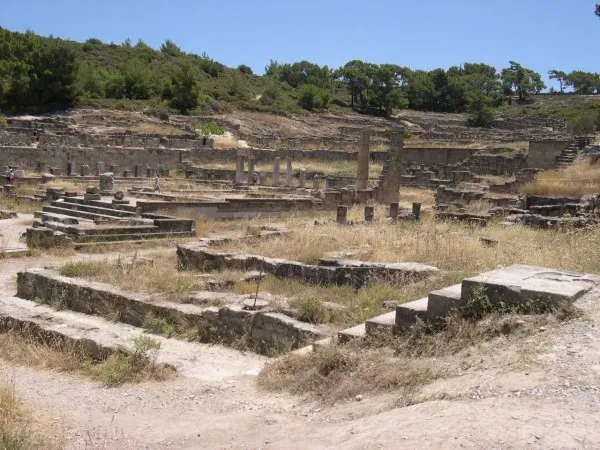
Some rediscovered cities belong to well‑known cultures, like the Maya or the Greeks, and fill in missing pieces of a familiar picture. Others are more startling because they point to populations and political systems you did not even realize were there. In the dense rainforests of Central and South America, mapping and excavation have revealed cities that do not quite fit into the classic categories you grew up hearing about. You may see architecture that is not fully Maya, not clearly Inca, and not obviously tied to any famous empire, yet still sophisticated and carefully planned.
When archaeologists study the layout of these sites – how plazas connect, how houses cluster, where ceremonial complexes sit – they can tell that you are looking at a real urban tradition, not a one‑off village. You might find stone seats carved with animal‑human hybrids, intricate drainage systems, and sculpted earthworks that suggest distinct beliefs and rituals. At that point, you are no longer just talking about a lost city; you are seeing the visible face of a lost civilization, one that had its own political alliances, trade routes, and worldview but left behind almost no written name for you to use.
What You Learn Inside the Ruins: Everyday Lives, Not Just Myths
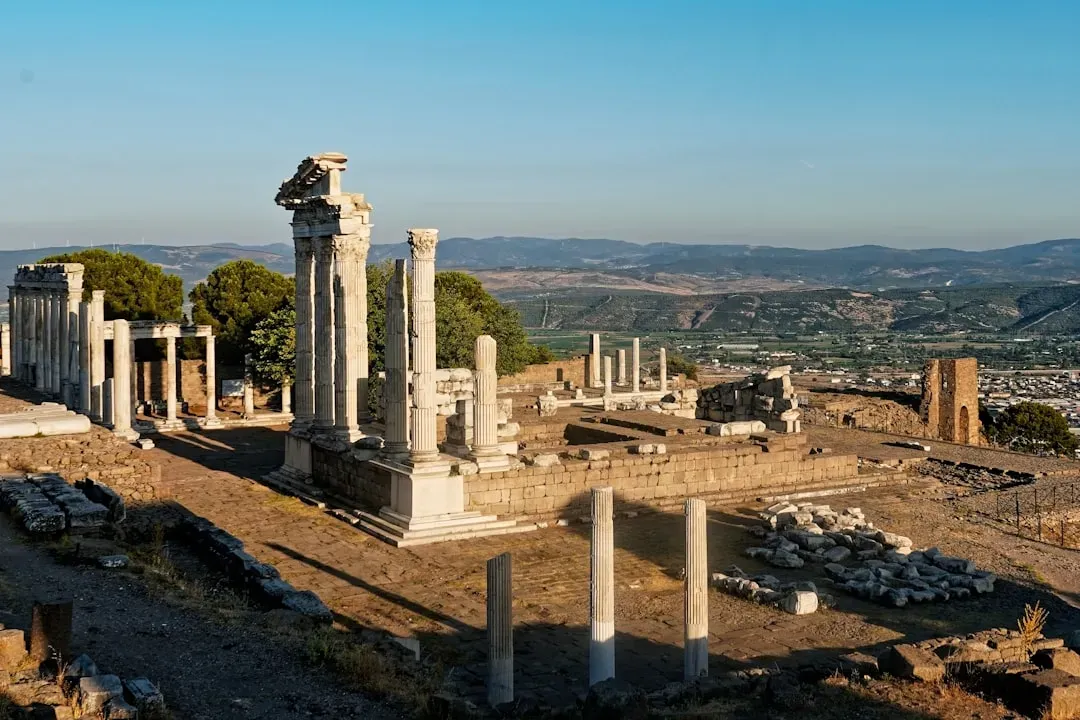
It is tempting to focus only on the spectacular finds – pyramids, palaces, and dramatic statues – but a lost city really comes alive for you in the smaller details. When archaeologists open up house platforms, trash pits, and workshops, they start pulling out pottery fragments, stone tools, cooking hearths, and food remains. Suddenly, you can imagine what it felt like to grind maize on a stone slab, walk across a plaza in the rainy season, or listen to music in a ritual gathering. You stop seeing the place as a backdrop for legends and start recognizing it as a home for thousands of ordinary people.
You also learn how deeply these cities were plugged into wider networks. Traces of obsidian from distant volcanic zones, shells from far‑off coasts, or pigments from another ecological region reveal trade stretching across hundreds of kilometers. If the city belonged to a previously unknown culture, those trade links tell you who its neighbors were and how power moved across the landscape. In that sense, a single lost city can act like a USB drive of information: once you plug it into your knowledge of surrounding regions, you start uncovering a much larger, interconnected civilization that had been invisible to you before.
Why So Many Civilizations Disappeared From Your View
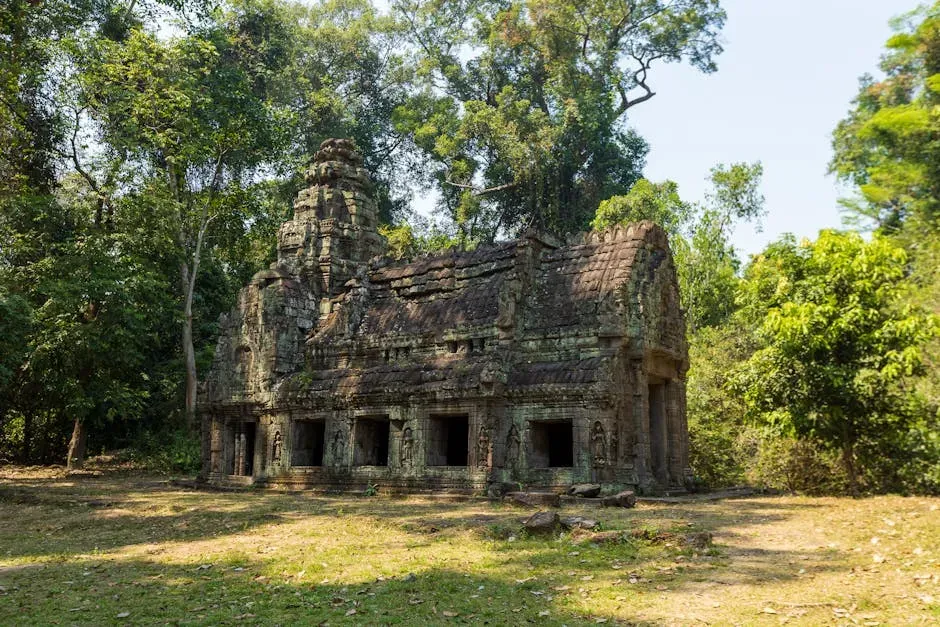
When you hear that entire urban societies were “unknown” until recently, it can sound almost absurd. How do you miss a city? But if you picture a tropical rainforest creeping over stone for centuries, or a coastline slowly sinking as sea levels rise, the disappearance starts to make sense. Organic materials rot, roofs collapse, and once water systems fail, people move away. Within a few generations, only local memories remain, and if those memories are disrupted by war, disease, or colonization, they can vanish entirely from the record you rely on today.
Climate shifts, volcanic eruptions, changing rivers, and the arrival of new diseases after European contact all played roles in erasing cities from your awareness. In places like the Americas, early European expeditions sometimes reported bustling settlements and dense populations, only for later travelers to find what looked like untouched forest after pandemics swept through. Without continuous documentation, urban spaces can revert into “nature” from your perspective very quickly. That is why each modern discovery forces you to confront how fragile visibility really is: civilizations do not just die, they can be almost completely forgotten if their material traces are covered up and their stories are not passed on.
How These Discoveries Change the Way You See “Wilderness” Today
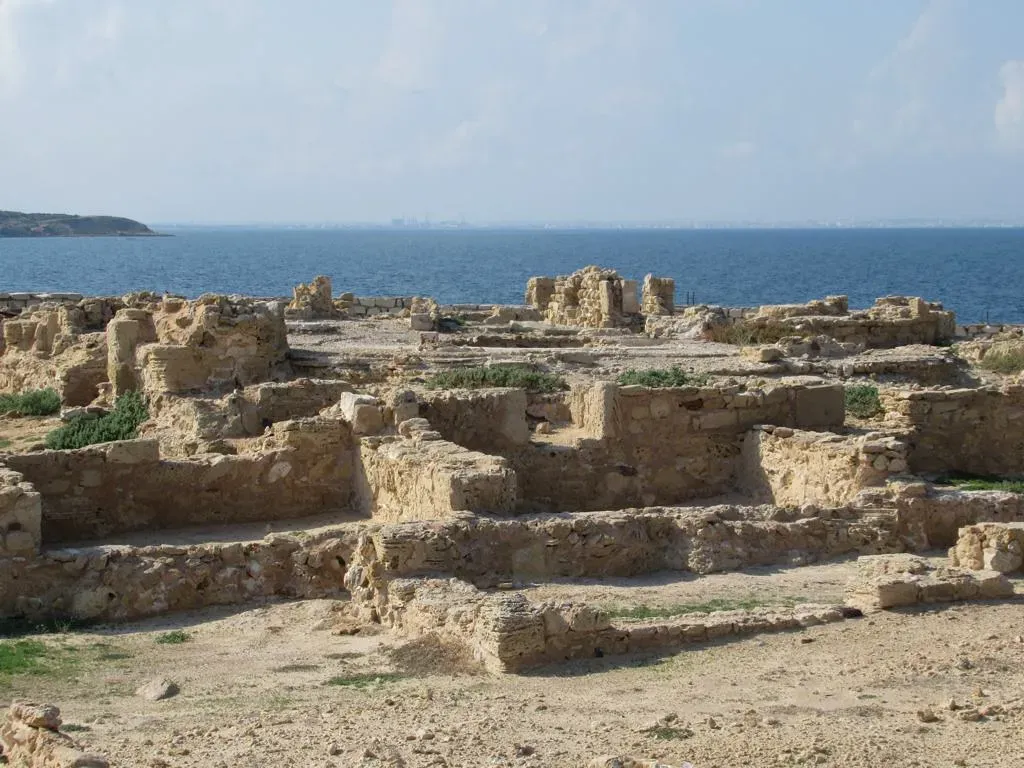
Once you understand that jungles, savannas, and even some stretches of ocean floor hide the footprints of past cities, you stop seeing those places as pure wilderness. In many regions, what looks wild to you is actually the overgrown remnant of carefully managed landscapes – terraced hillsides, engineered wetlands, and agricultural fields that were once maintained by large populations. This matters for you now, because it changes how you think about conservation, land rights, and what counts as “pristine” nature.
If you walk through a rainforest and realize that platforms under your feet might be ancient house mounds, you are less likely to treat the area as empty or disposable. The discovery of unknown urban traditions strengthens the case that Indigenous communities, who often still maintain oral connections to these landscapes, have been part of sophisticated systems for far longer than outsiders assumed. It also reminds you that human impact is not automatically destructive; past civilizations often blended architecture, agriculture, and ecology in ways you can still learn from as you cope with modern climate and environmental challenges.
What This Means for Your Future Understanding of the Ancient World
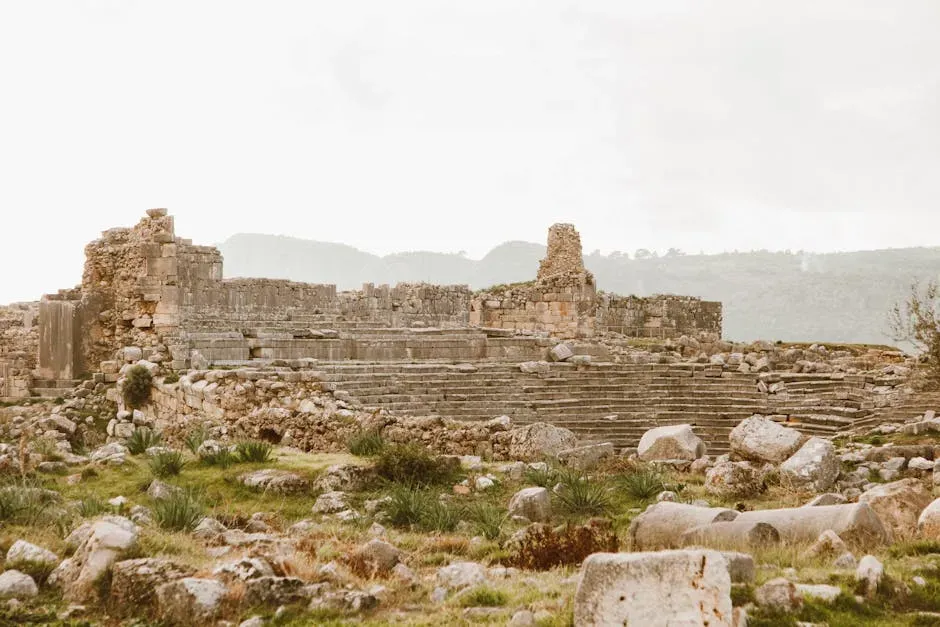
The most mind‑bending part for you may be that archaeologists are clear: there is still a lot left to find. With better satellite imagery, expanded LiDAR coverage, and improved underwater mapping, you should expect more announcements about hidden cities and unexpected civilizations in the coming years. Entire regions of the Amazon, Central Africa, Central Asia, and coastal shelves around the world remain only lightly surveyed. Every time technology jumps forward, it reveals new geometric patterns and alignments that hint at buried walls, roads, and plazas you had not even suspected were there.
For you, that means the story of ancient civilization is not a closed book; it is a draft that is being edited in real time. Ideas that once sounded fringe – like large, interconnected societies in areas long assumed to be sparsely populated – are already gaining solid evidence. Instead of picturing human history as a straight line from a few “cradles of civilization” outward, you can start seeing a mosaic of regional centers, some of which flickered briefly and then vanished from view. Every new lost city that emerges from jungle, desert, or sea adds another tile to that mosaic and reminds you that the past is still expanding in your direction.
In the end, when archaeologists uncover a lost city that reveals an unknown ancient civilization, they are not just pushing the timeline of human complexity back or sideways. They are asking you to reconsider who gets remembered and who gets written out, which landscapes you label as empty, and how many stories might still be sleeping just out of sight. The surprising truth is that you are living at a rare moment when buried worlds are coming into focus faster than ever before. Knowing that, you might look at the next stretch of forest, coastline, or plain you see and quietly wonder: what forgotten city could be waiting right underneath your feet?