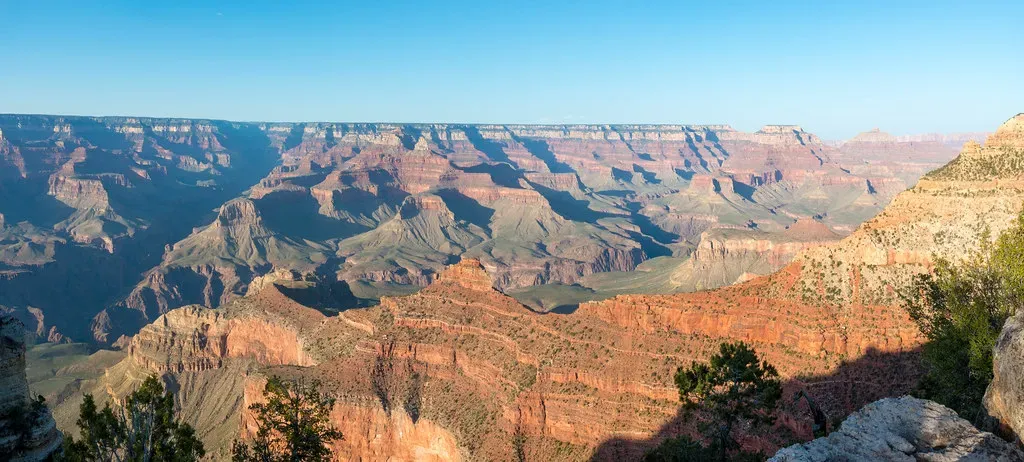
If you have ever stood at the edge of a canyon, you know that strange mix of awe and vertigo you feel when you look down. Now imagine that sensation stretched across nearly three hundred miles, with walls of rock that are taller than the tallest skyscrapers in most cities. That is the Grand Canyon, and it is not just a pretty view you see on postcards. It is one of the clearest, most dramatic records of deep time that you can actually walk into, touch, and trace with your own eyes.
When you explore the Grand Canyon, you are not just visiting a national park; you are stepping into a stone library where each layer is a page, and each page covers millions of years. You do not need to be a geologist to feel that weight of time pressing in from both sides of the canyon walls. With a bit of guidance, you can start to read the story written there: ancient oceans, lost shorelines, vanished mountains, and even missing chapters that tease you with what used to exist and is now gone forever.
You Are Looking Back Nearly Two Billion Years
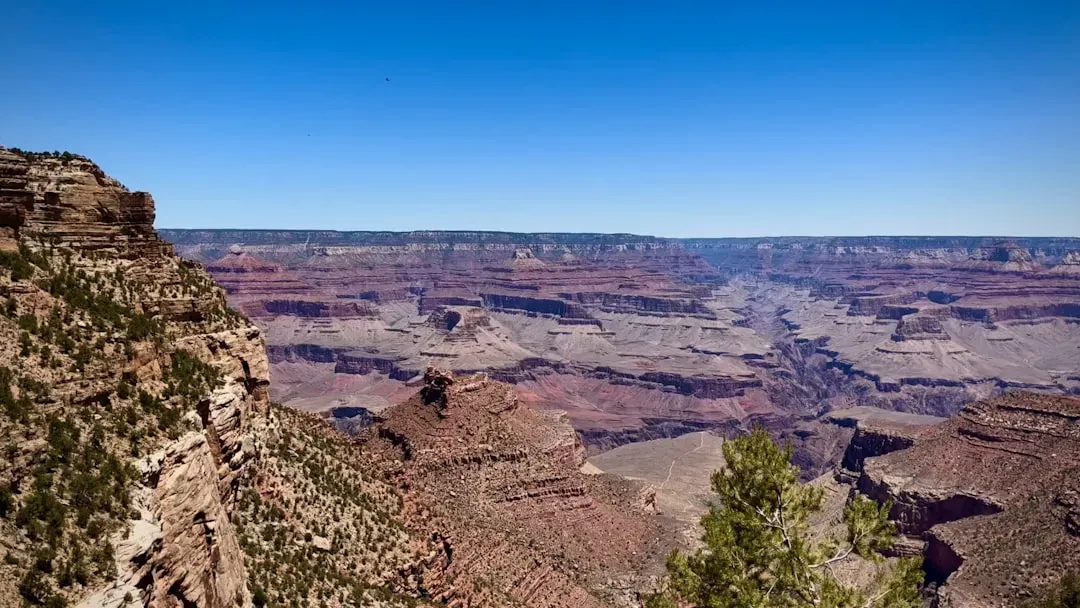
The wildest truth about the Grand Canyon is that when you stare at those banded walls, you are looking back through almost two billion years of Earth’s history. If you hike all the way down from the rim to the river, every few steps you take bring you deeper into the past, like walking down a staircase made of time instead of concrete. Near the top, you see relatively young rocks that formed when life on land was already well underway. Near the bottom, you hit ancient dark rocks that formed long before animals with shells or bones even existed.
To put that in perspective, if you squeezed Earth’s entire history into a single year, the rocks at the bottom of the canyon would form in something like early March, while humans would not show up until late on New Year’s Eve. You are literally surrounded by stone that formed long before trees, flowers, or dinosaurs. It is humbling in a way that is hard to describe until you feel it for yourself, standing there and realizing your entire life is not even a blink in that timeline.
Each Colorful Layer Tells a Different Ancient Story
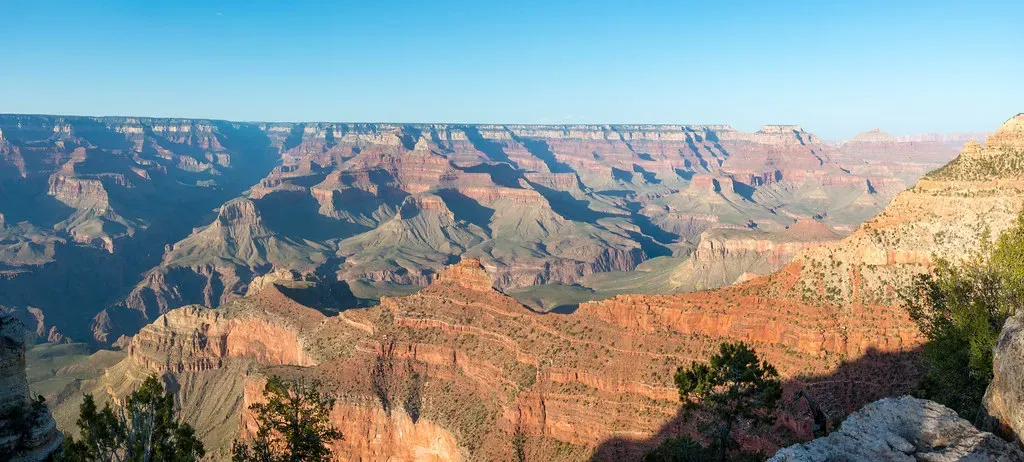
One of the first things that grabs your attention at the Grand Canyon is the color: rusty reds, creamy whites, soft purples, and deep browns stacked in sharp bands. Those colors are not just pretty; they are clues to totally different worlds that used to exist in the same place where you stand now. A red layer might tell you that iron in the rock rusted when it was exposed to air in an ancient desert. A pale sandstone might hint at dunes shaped by winds that blew across dry land for ages.
As you follow a trail down, you move from one environment to another: shallow seas, muddy shorelines, coastal swamps, and vast deserts, all layered on top of one another. You can actually see where one world ended and another began, sometimes marked by sharp boundaries showing a sudden change in climate or sea level. It is like walking through a stack of old maps, each one drawn for a different age of the planet, all tucked together in one steep-sided corridor.
Ancient Oceans and Beaches Still Linger in the Rock
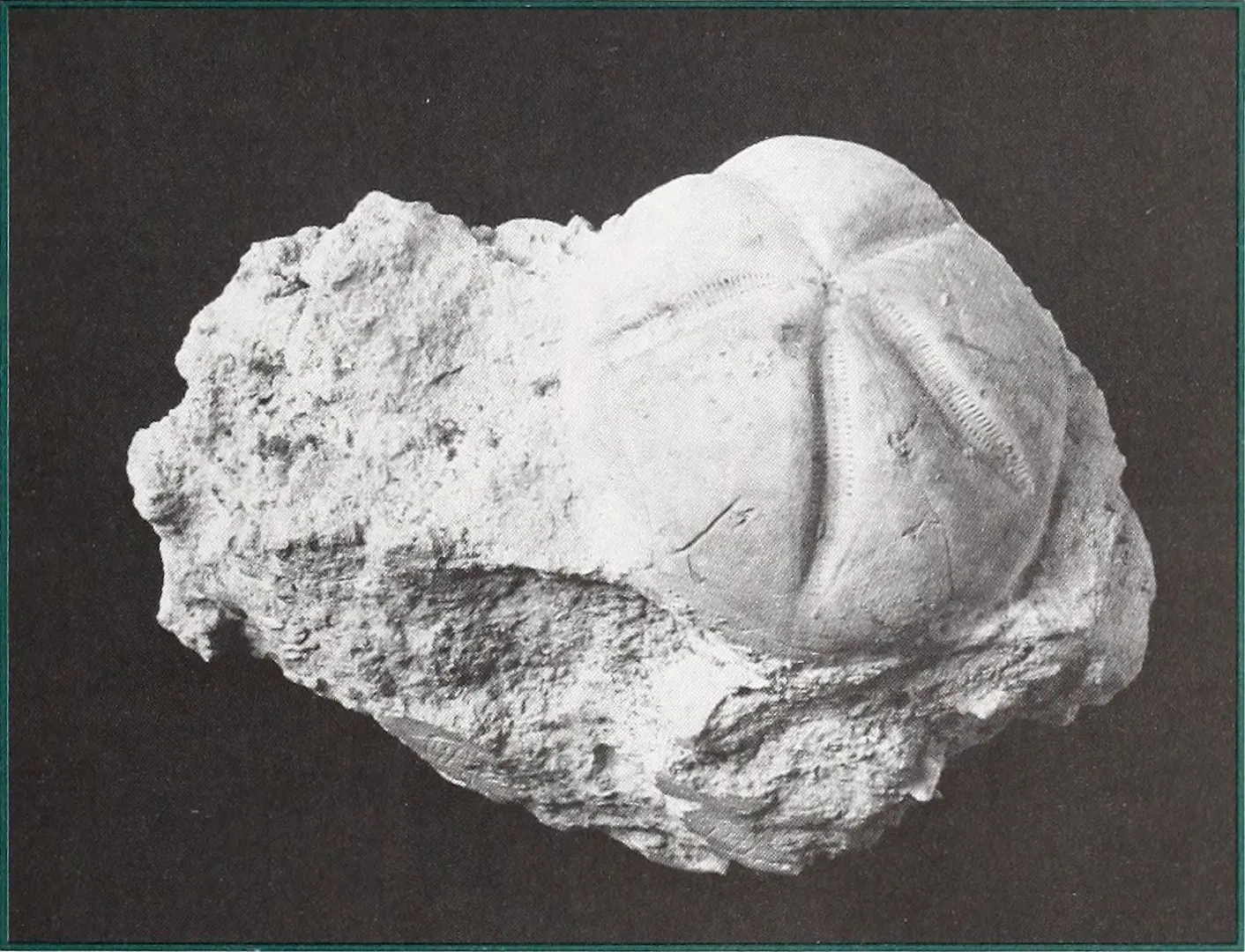
It can be a shock to realize that where you see dry rock and dust today was once covered by warm, shallow oceans. If you look closely at some of the limestone layers along the canyon walls, you may spot fossilized shells, corals, or the burrows of long-gone sea creatures. These tiny remains whisper that the canyon region spent a lot of its history under water, more like a tropical seafloor than a desert plateau. You are basically walking across an old, uplifted seabed.
In other places, the rock preserves ripples that look almost exactly like the patterns you see on a beach when a wave recedes. Those ripple marks, frozen in stone, tell you that waves rolled over these sediments again and again, shaping them before they hardened. It is an eerie feeling to rest your hand on a rock surface and realize you are touching the ghost of an ancient shoreline, the last trace of waves that broke and vanished hundreds of millions of years ago.
Canyons Are Carved by Time, Not Just Water
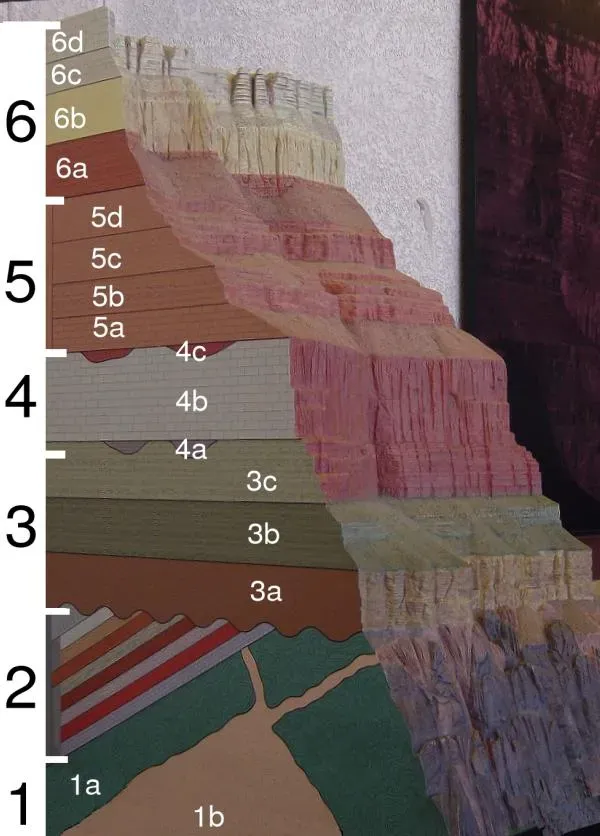
It is tempting to think of the Colorado River as the lone sculptor of the Grand Canyon, slicing down through rock like a knife. The truth is more layered and, in some ways, more fascinating. The river did cut down over millions of years, but it worked hand in hand with other forces: uplift of the land, the pull of gravity, pounding storms, freezing nights, and blazing days. You are looking at a place where rock, water, and time made a complicated bargain, and the result is this maze of cliffs and side canyons.
When the Colorado Plateau slowly rose higher, the river suddenly had more energy to slice into the rising rock, deepening its channel and steepening its sides. Rain and ice then attacked the canyon walls from above, breaking off chunks and carrying them downslope. Over time, side canyons chewed their way toward the main channel, creating that branching, fractal pattern you see from the rim. So when you stand there thinking the river did everything, remember that you are really seeing the combined work of an entire climate system acting on a rising piece of crust.
You Can Trace the Great Unconformity, a Missing Chapter of Time
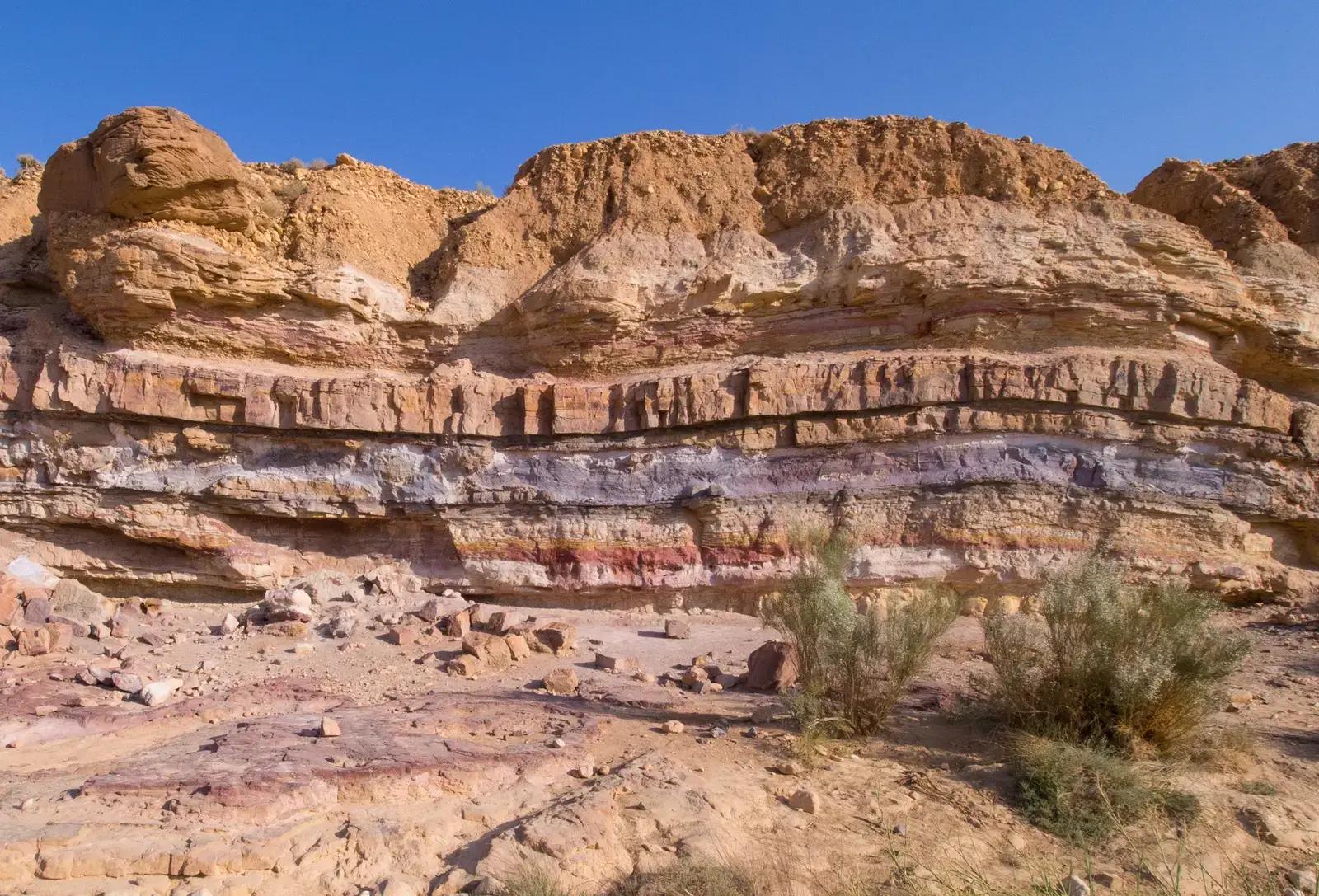
One of the strangest secrets you can discover in the canyon is something that is not there: a missing slice of geologic history called the Great Unconformity. In several parts of the canyon, you can put your hand on a line where much younger sedimentary rocks rest directly on top of much older basement rocks. Between them, in time, lies a gap of more than a billion years, completely erased. It is like reading a long novel and suddenly realizing that an entire volume in the middle is gone.
No one has a simple, neat answer for exactly how that much rock was removed or why the record is missing there, though weathering, erosion, and shifting environments all likely played a part. For you, as a visitor, it is a powerful reminder that even the most solid-looking landscape hides mysteries and lost chapters. When you notice that sharp boundary, you are literally touching an edge where billions of years of Earth’s history used to be, and now only questions remain.
Life Has Been Written Into These Rocks Again and Again
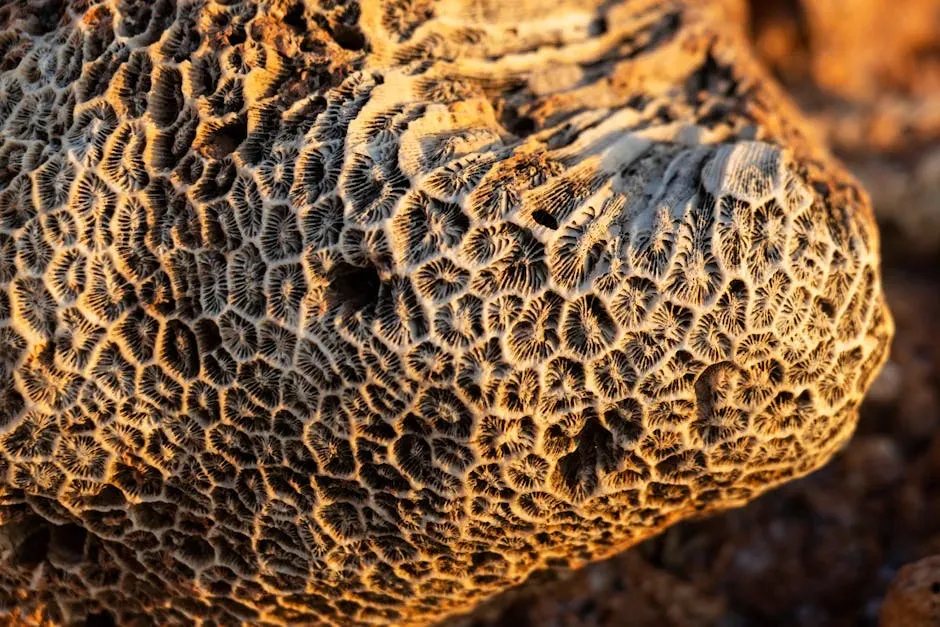
Even though the canyon’s walls sometimes look barren from a distance, they hold countless traces of life. Fossils of trilobites, brachiopods, and other ancient sea creatures appear in some of the older layers, telling you that these rocks once formed under oceans crowded with strange animals. Higher up, you might find traces of plants, burrows, or other imprints that mark the spread of life onto land. Each fossil you see is a tiny snapshot of a vanished ecosystem that once thrived here.
Beyond the fossils, life still clings to the canyon today in ways that echo its past. Desert plants like cactus and scrub grow in cracks and ledges, while bighorn sheep, condors, and lizards move along cliffs and slopes. In a way, you are watching a current chapter of life being written on top of all those older ones. When you sit quietly on a ledge and see a raven glide past the cliffs, you are sharing a moment in a story that stretches back through so many layers that it almost defies imagination.
Human Eyes Add a New Layer of Meaning to the Canyon
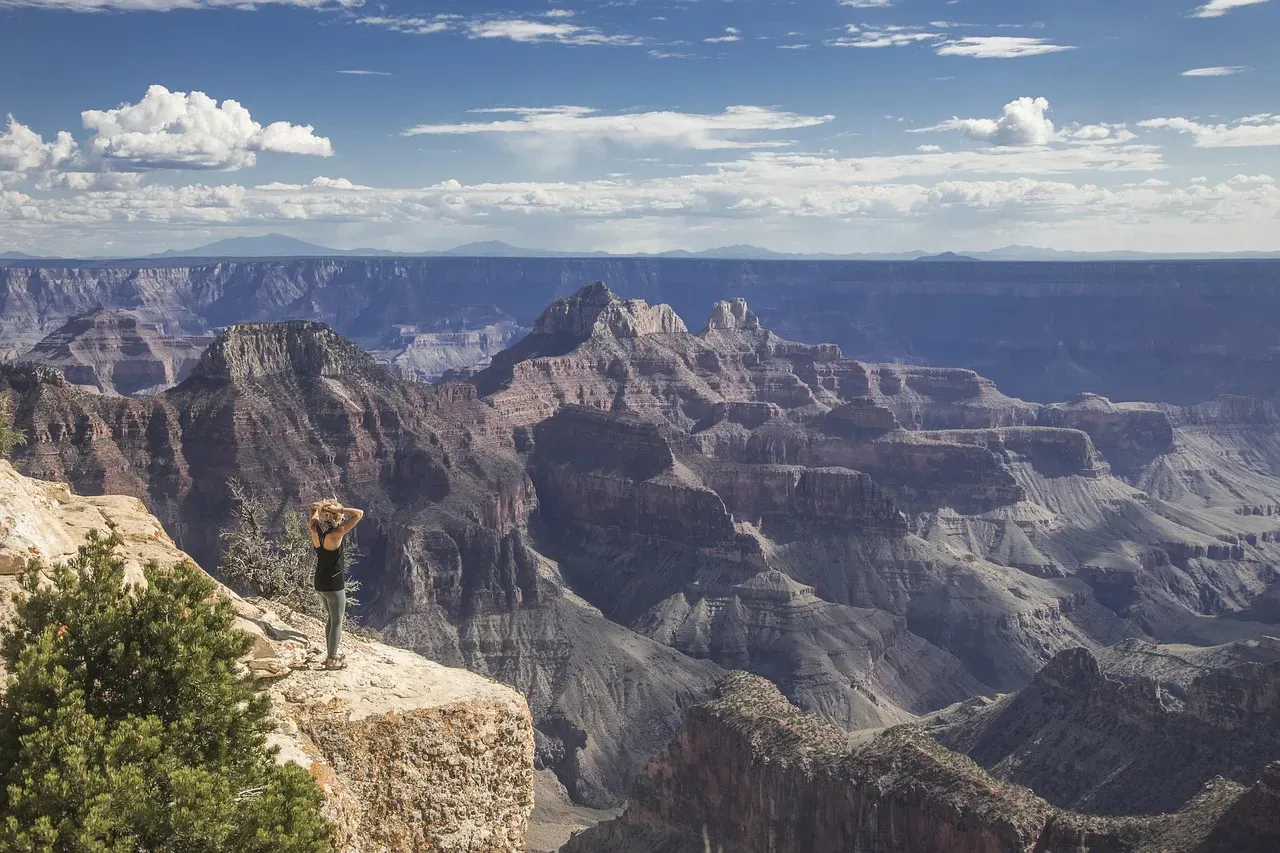
Long before it became a national park or a vacation spot, the Grand Canyon was home and sacred ground to Indigenous peoples who read its cliffs and side canyons in their own ways. As you explore, you are walking through a place connected to traditions, migrations, and stories that reach back many generations. Rock shelters, ancient dwellings, and cultural sites remind you that this is not just a geological wonder; it is part of a living heritage. Your footsteps are joining a path that has been followed for a very long time.
Today, when you stand at an overlook or hike a trail, you bring your own experiences and questions into that space. Maybe you are curious about science, or maybe you are just trying to feel small in a good way for a while. Either way, your reaction becomes another layer on top of the physical rock layers. You add your own meaning to a place that has already meant so many different things to so many people, from the earliest residents to modern visitors chasing sunrise photos.
Visiting the Grand Canyon Changes How You See Time
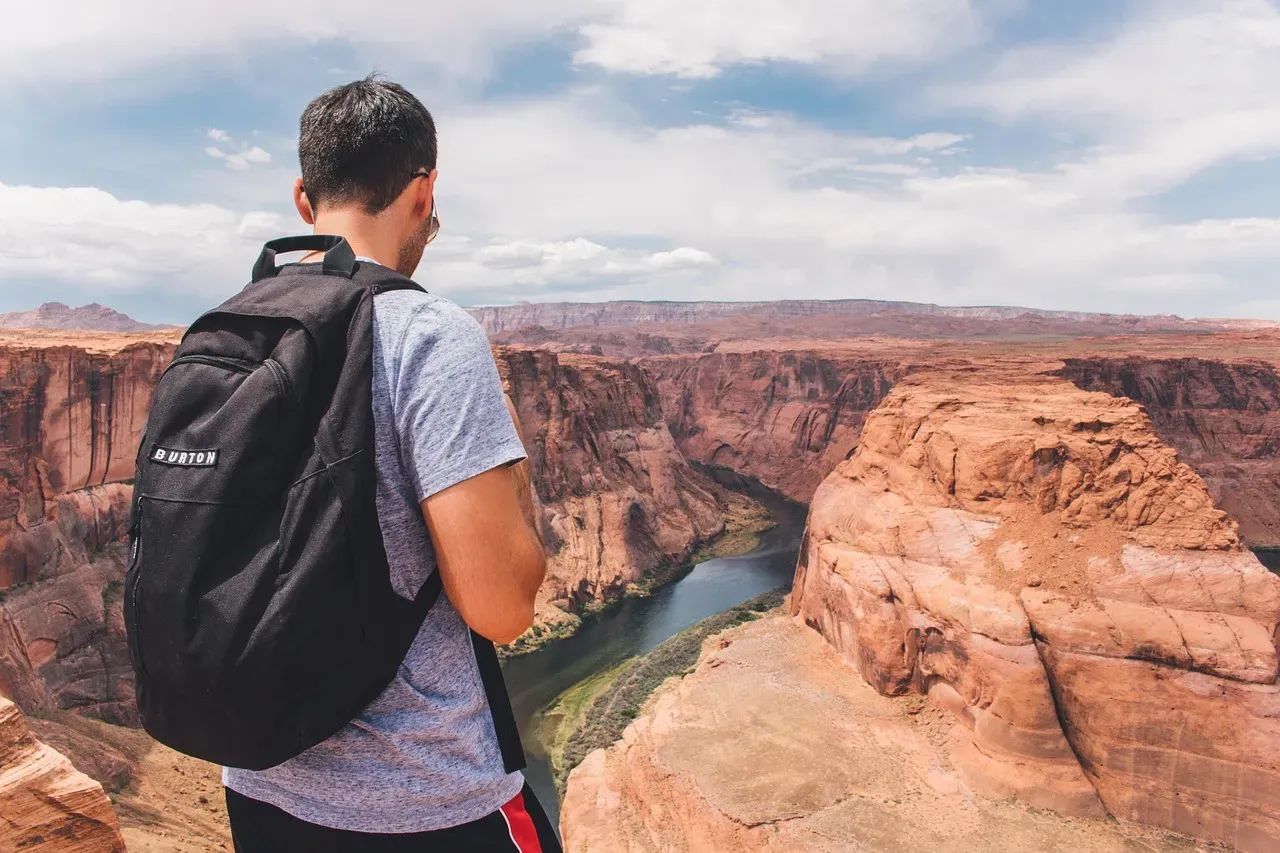
After you spend a day or two at the Grand Canyon, your sense of time starts to stretch. Everyday worries suddenly feel tiny when you compare them to cliffs that have been weathering storms for millions of years. When you look at the thin, fragile line of the river far below, still slowly cutting its path, you realize that change can be both relentless and patient. You stop thinking of time as just minutes and hours, and start thinking in layers, slopes, and terraces.
That shift can follow you home. You may find yourself looking at a roadside rock cut or a small stream in your neighborhood and wondering what story it tells and how long it has been there. The canyon trains you to notice those things, to see the world as a place where the ground under your feet has a long, complicated past. Once you have seen Earth’s history etched so clearly in stone, it becomes hard to ignore the fact that you are living on a planet that is still changing, one slow step at a time.
In the end, the Grand Canyon is not just a spectacular hole in the ground; it is a window into almost unimaginable spans of time that you can actually enter. When you lean over the rim or hike down a steep switchback, you are not simply sightseeing, you are tracing the arc of Earth’s story through layer after layer of rock. That realization does something quiet but powerful to you, stretching your imagination beyond your own years and even beyond human history. The next time you think about time, will you picture a ticking clock, or will you see those towering canyon walls fading into the distance?