
You’ve probably met someone who just exudes confidence without saying a word. It’s almost magnetic. They walk into a room and you immediately sense their presence, not because they’re loud or flashy, but because there’s a calm certainty radiating from them.
Here’s the thing though. Genuine confidence isn’t about putting on a show. It’s not about puffing up your chest or dominating conversations. It comes through in subtle, observable ways that reveal what’s happening beneath the surface. If you pay attention to truly confident people, you’ll notice specific patterns in how they move through the world. These habits aren’t always obvious at first, but once you know what to look for, they become unmistakable.
Recent research in psychology reveals that confident individuals share specific habits that both signal and reinforce their internal security. So let’s get started and uncover what really sets these people apart.
You Maintain Steady Eye Contact Without Staring

Eye contact is one of the simplest ways to see confidence in action, described as natural, steady, human connection. Think about the last time someone truly looked at you while you were speaking. Not through you, not past you, just at you. That kind of attention makes you feel heard and valued.
Confident individuals have mastered this balance. If you can hold someone’s gaze for a moment, especially in everyday situations like ordering a coffee or asking a question, you’re showing a level of self-assurance you might not realize. They don’t avoid eyes out of fear, and they don’t hold contact so long it becomes uncomfortable.
People who lack self-trust tend to avoid eye contact, glancing down or looking away quickly, or feeling exposed when someone meets their eyes. Honestly, I think this is one of the easiest habits to practice and also one of the most powerful. When you meet someone’s gaze calmly, you’re communicating that you’re present and unafraid.
You Stand Tall With Open Posture

Body language speaks volumes before you even say a word. Standing or sitting straight with your shoulders back and your head held up nonverbally reflects your confidence, and it doesn’t matter how tall you are. When your posture is upright and aligned instead of slumped, you naturally appear more in control.
How we position our body has profound effects on our emotional state, self-assurance, and even how others perceive us, with upright posture to purposeful gestures reinforcing or undermining our sense of self-worth. It’s almost like your physical stance creates a feedback loop that affects your mood. Stand taller, and you feel a bit more assured. Slouch, and your energy dips.
Widening your stance can help you appear more powerful and give the message that you cannot be pushed around, with this claiming of territory being a subconscious cue that you are feeling confident. When you take up space without apology, you’re telling the world you belong there. Simple as that.
You Listen More Than You Speak

Confidence doesn’t need to shout. A confident person allows others to speak without interruption and without feeling they need to prove something, listening to understand rather than to hurry and plan what they’re going to say next. This is tough for a lot of people because there’s this urge to jump in, to add your two cents, to be heard.
Confident folks do neither; they listen at high resolution and contribute with precision. You know that friend who waits until everyone’s finished before they share their thoughts? That’s the one people actually want to hear from. Their words carry weight because they’re not thrown around carelessly.
Let’s be real, when you’re rushing to fill every silence, it usually comes from insecurity. You’re worried that if you’re not constantly contributing, you’ll be forgotten or overlooked. Confident people know their value doesn’t depend on dominating the conversation. They trust that when they do speak, it will matter.
You Embrace Discomfort and Growth Challenges
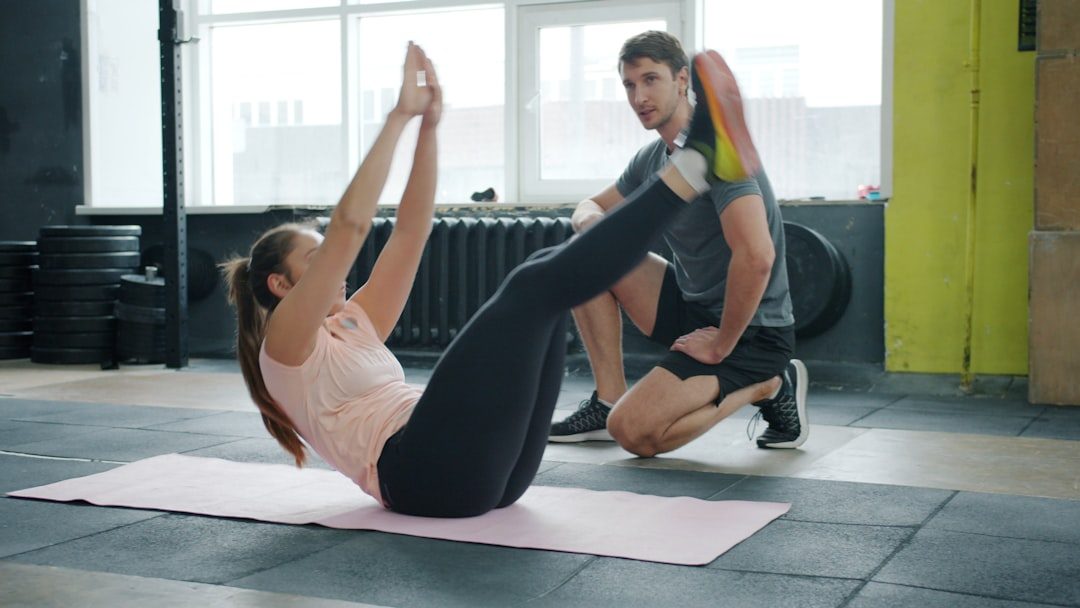
Confident individuals regularly place themselves in growth-oriented uncomfortable situations, and this habit creates a psychological resilience that becomes evident in their demeanor. Think about it. The people who seem most self-assured are often the ones who’ve voluntarily stepped into situations that scared them.
Authentic confidence emerges from competence, and confident people invest in preparation rather than winging it. They don’t avoid the hard stuff. Instead, they lean into challenges because they know that’s where growth happens. Each time they survive something difficult, their confidence gets a little stronger.
I’ve seen this in my own life. The moments when I pushed myself outside my comfort zone, even when I was terrified, were the moments I grew the most. You can’t build genuine confidence by staying safe all the time. The mere act of preparation tends to increase confidence because preparedness in one domain leads to psychological changes in other domains, which are often associated with readiness to engage in actions.
You Accept Criticism Without Defensiveness

Nothing reveals insecurity faster than someone who can’t handle feedback. Instead of feeling crushed by negative feedback or criticism, you can learn to welcome it as a stimulus to growth, though in the moment you could overreact and come across defensive, which is why having a few scripts to pull out can help. Confident people have learned to separate criticism of their work from criticism of their worth.
The ability to respect the thoughts, feelings, and ideas of others is a quality of the truly self-confident person, and unlike the extreme narcissist who always has to be right, the self-confident person can learn from others and be flexible enough to adapt to their needs and ideas. They understand that being wrong about something doesn’t make them a failure as a person.
This habit takes practice, honestly. Your first instinct when someone points out a mistake might be to defend yourself, explain why it wasn’t your fault, or downplay the issue. Confident individuals pause instead. They take a breath. They consider whether the feedback has merit. Even if it stings a little, they know it’s an opportunity to improve.
You Show Empathy and Genuine Interest in Others

Empathy is a significant trait in those who are confidently humble, as instead of focusing solely on their own feelings and perspectives, they have the ability to understand and share the feelings of others. Here’s something people often get wrong about confidence. They think it means being self-focused or only concerned with your own achievements.
In conversations, instead of dominating with their own opinions or achievements, they listen attentively and show genuine interest in what others have to say, validating other people’s feelings and experiences and offering support or advice when appropriate. That’s the real magic. When you’re secure in yourself, you don’t need to constantly prove your worth. You can genuinely celebrate others and make them feel seen.
This habit of showing empathy not only makes them approachable and respected, but it also keeps their confidence in check by constantly engaging with others’ experiences and emotions, maintaining a grounded perspective that deters any potential slide into arrogance. It’s like a natural protection against becoming arrogant. You stay humble because you’re constantly reminded that everyone has their own struggles and triumphs.
You Set Clear Boundaries Without Apology

Confident people understand the importance of setting boundaries, which isn’t about being standoffish or unapproachable but about respecting their own time, energy, and emotional well-being, and they aren’t afraid to say no when needed. This is huge. So many people struggle with this because they’re afraid of disappointing others or being seen as difficult.
They make it clear what behavior they will accept and what they won’t, and while setting boundaries might be tough love, it’s a crucial habit that distinguishes self-confident individuals from those who allow their lives to be dictated by others, serving as a testament to their self-respect and a clear signal to others that while they are kind and respectful, they demand the same in return.
Saying no doesn’t make you selfish. It makes you realistic about your limitations and priorities. Confident people know they can’t be everything to everyone, so they choose where to invest their energy wisely. That clarity is incredibly freeing, both for them and for the people around them who always know where they stand.
You Stay Adaptable When Plans Change

Confidence helps you stay flexible because confident people do not need everything to go perfectly, they do not crumble when schedules shift or when someone shows up late or when a problem appears, they adjust, they stay steady, they breathe through it. Life is messy and unpredictable. The dinner reservation falls through. The meeting runs late. The flight gets canceled.
If you can adapt in public settings without spiraling, you’re showing a form of confidence that is quiet but incredibly powerful. I think this is one of the most underrated signs of true confidence. Anyone can appear self-assured when everything goes according to plan. But watch how someone handles chaos, and you’ll see what they’re really made of.
Insecure people tend to unravel when things don’t go as expected because they’ve built their sense of control on rigid expectations. Confident people know that control is often an illusion. They focus on what they can influence and let go of the rest. That flexibility is liberating.
You Practice Self-Compassion Instead of Self-Criticism

Catastrophizing is a cognitive habit where you trip once and your brain writes the headline “I’m failing at life,” but confident people feel the sting yet don’t romance the story, instead practicing self-compassion not as a soft escape but as fuel for persistence. This might surprise you. Many people think confidence means never doubting yourself or always having it together.
Self-compassionate folks take more responsibility, not less, because shame paralyzes while kindness stabilizes, and from that steadier place you can run the post-mortem and adjust. When you beat yourself up after a mistake, you’re too busy feeling bad to actually learn anything. Self-compassion gives you the emotional space to reflect objectively.
Confidence and self-doubt can coexist, and we’re all going through doubts no matter how seemingly together we seem. The difference is that confident people don’t let those doubts define them. They acknowledge the feeling, treat themselves with kindness, and move forward anyway.
Conclusion: Building Confidence Through Intentional Habits

Looking at these nine habits, you might notice something interesting. None of them require you to be the loudest, the smartest, or the most talented person in the room. They’re all about how you show up, how you treat yourself and others, and how you respond when life throws curveballs.
Confidence isn’t just about how you look or what you say, it’s about how you move through the world, and truly self-assured people have a unique set of habits that go beyond surface-level bravado, shaping their actions, mindset, and interactions. The beautiful thing is that these are all learnable skills. You might not nail all of them right away, and that’s perfectly fine.
Start with one habit that resonates with you. Maybe it’s practicing better eye contact, or setting firmer boundaries, or being kinder to yourself when things don’t go as planned. Small, consistent changes add up over time. Before you know it, you’ll be the person walking into a room with that quiet, unmistakable confidence that others can’t help but notice. What habit will you start working on today?