
You’ve probably heard it a thousand times: multitasking is the key to getting more done. Juggling emails while on a conference call, replying to texts during a meeting, or editing a report while browsing social media seems like the ultimate productivity hack. After all, if you can do three things at once, you’re basically tripling your output, right?
Well, here’s the thing. Your brain doesn’t actually work that way. What you think of as multitasking is really just rapid task switching, and it’s costing you far more than you realize. Let’s dive into why doing less might be the secret weapon you’ve been overlooking.
Your Brain Isn’t Built for Juggling Acts
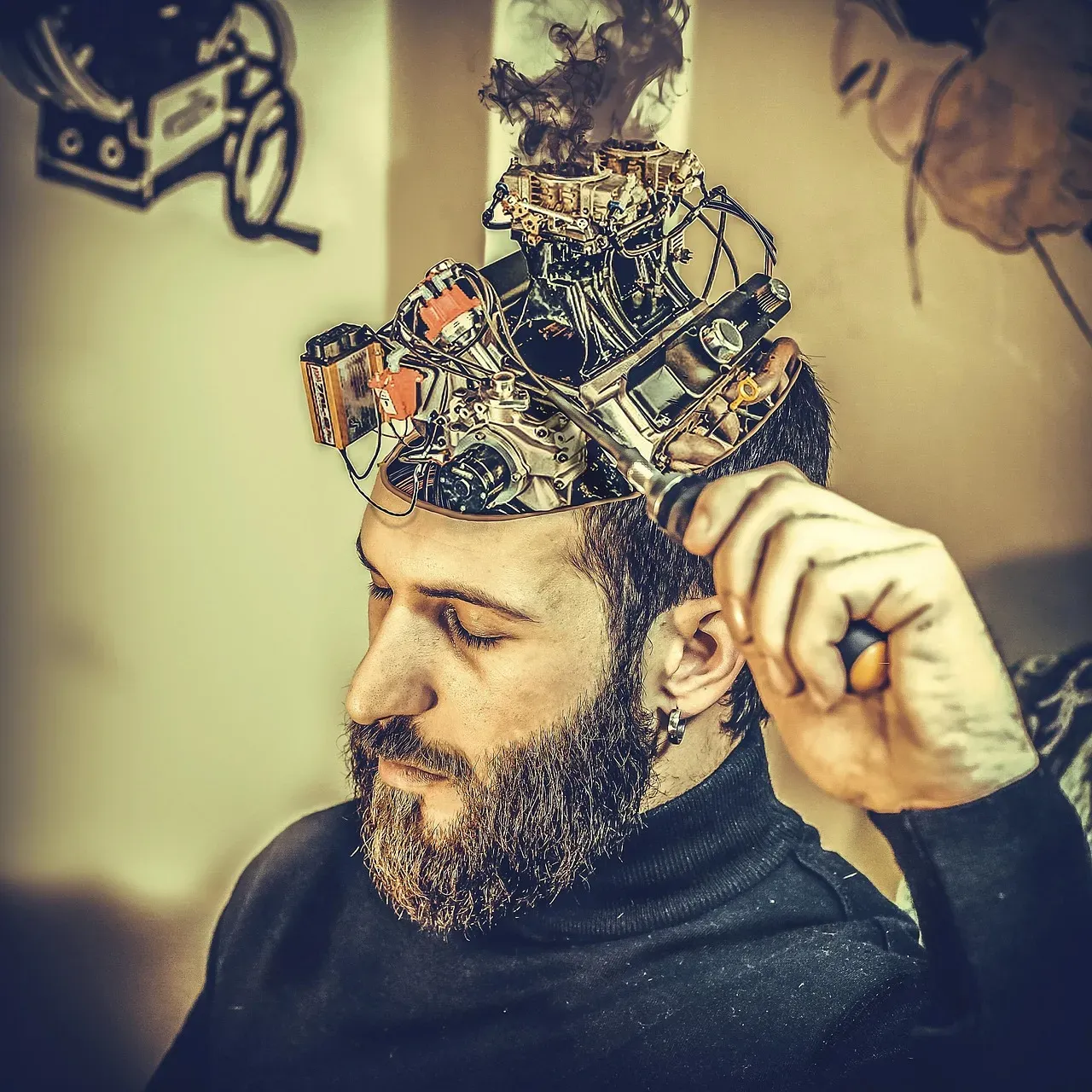
Let’s be real: when you think you’re multitasking, your brain is actually ping-ponging between different activities at lightning speed. It feels seamless, but it’s anything but efficient. Each time you switch from one task to another, your brain needs a moment to reorient itself, figure out where you left off, and load up the relevant information again.
Think of it like switching between different apps on your phone. There’s always that split second of loading time, even if it’s barely noticeable. Now imagine doing that hundreds of times a day. Those microseconds add up to significant chunks of wasted time and mental energy.
The cognitive cost of all this switching is enormous. Your attention gets fractured, your focus deteriorates, and you end up in a perpetual state of half-engagement with everything you touch.
The Hidden Tax on Your Mental Resources

Every time you shift your attention, you’re paying what researchers call a “switching cost.” It’s not just about the time lost in the transition itself. Your brain actually uses up glucose and other neurological resources just to make the switch happen.
Imagine trying to run a marathon while stopping every fifty meters to tie your shoelaces. You’d exhaust yourself way before the finish line, not from the running itself but from the constant interruptions. That’s essentially what you’re doing to your mind when you multitask.
The more complex the tasks you’re juggling, the steeper the tax becomes. Answering a simple text while walking? Minimal cost. Writing a detailed proposal while monitoring your inbox and participating in a video call? You’re basically bleeding productivity with every switch.
Quality Takes the Biggest Hit

Here’s something most people don’t want to admit: when you multitask, you’re not just slower, you’re sloppier. Your error rate shoots up because your brain simply can’t give full attention to multiple demanding tasks simultaneously.
You know that email you sent with the wrong attachment or that report with embarrassing typos? Chances are, you were doing something else at the same time. The quality of your work suffers in direct proportion to how divided your attention becomes.
It’s hard to say for sure, but many professionals have noticed that their best work happens during focused, uninterrupted sessions. The creative insights, the elegant solutions, the breakthrough moments rarely happen when you’re bouncing between five different browser tabs and three conversations.
The Illusion of Productivity Feels So Good
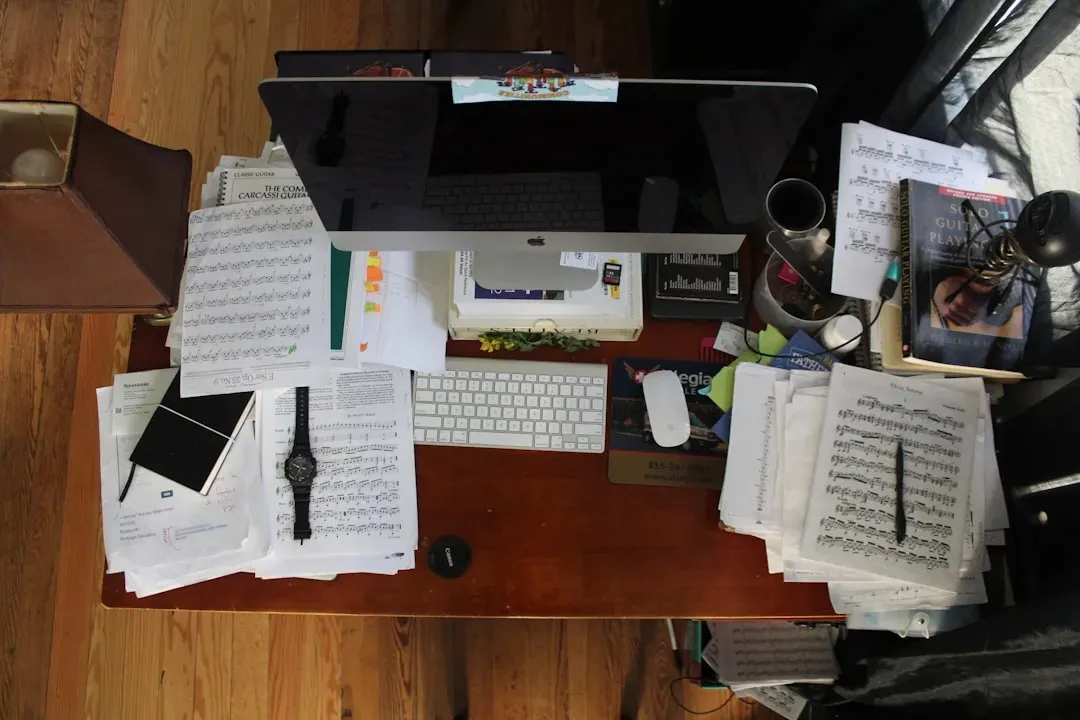
Honestly, multitasking can feel incredibly satisfying. There’s a certain rush that comes from responding to messages while simultaneously tackling your to-do list. You feel busy, important, and hyper-efficient.
This is where the trap really springs shut. Your brain releases little hits of dopamine every time you complete a micro-task, like sending an email or checking a notification. It creates an addictive loop that makes you feel productive even when you’re actually accomplishing less.
The sensation of busyness becomes confused with actual progress. You end the day exhausted from all that mental gymnastics, convinced you’ve been incredibly productive, only to realize you haven’t made meaningful headway on your most important projects. It’s a cruel illusion that keeps millions of people stuck in a cycle of frantic activity without substantial results.
Single-Tasking as Your Secret Weapon

What if you flipped the script entirely? Instead of trying to do everything at once, what if you committed to doing one thing at a time with your full attention? Sounds almost rebellious in today’s always-on culture, doesn’t it?
Single-tasking means choosing one activity and giving it your complete focus until it’s done or until you reach a natural stopping point. No email checking. No phone scrolling. Just you and the task at hand.
The results can be shocking. People who make this shift often report finishing tasks in half the time they expected, with significantly better outcomes. The work flows more naturally, ideas come more easily, and the quality jumps noticeably. It’s like suddenly discovering you’ve been driving with the parking brake on your whole life.
Practical Strategies to Break the Habit

Changing your multitasking habits isn’t easy, especially when the entire modern world seems designed to fragment your attention. Start small by creating protected blocks of time for your most important work. Even just twenty minutes of uninterrupted focus can make a difference.
Turn off notifications on your devices. Close unnecessary browser tabs. Put your phone in another room if you have to. These might sound like extreme measures, but they’re often necessary to break the addiction to constant task switching.
Try the “one tab rule” for a day. Keep only one browser tab open at a time, forcing yourself to complete or abandon one task before moving to the next. It feels weird at first, almost claustrophobic, but it can be incredibly revealing about how scattered your attention normally is. Batch similar tasks together rather than sprinkling them throughout your day, reducing the cognitive load of switching between completely different types of work.
When Multitasking Actually Works

Let me be clear: not all multitasking is created equal. There are certain combinations of activities that your brain can handle pretty well. The key is understanding the difference between tasks that require active cognitive effort and those that are essentially automatic.
You can absolutely listen to a podcast while washing dishes, or have a conversation while taking a walk. These pairings work because one activity is largely automatic and doesn’t compete for the same mental resources as the other.
The problem arises when you try to combine two tasks that both demand active attention and decision-making. Writing an email while listening to a presentation? Your brain can’t genuinely do both well. Roughly speaking, whenever you’re trying to process complex information or create original content, you need to give it singular focus. Save the multitasking for the genuinely routine stuff.
The Long-Term Payoff of Focused Work

Here’s what nobody tells you about breaking the multitasking habit: the benefits compound over time in ways you won’t expect. Your ability to concentrate actually strengthens like a muscle. Tasks that once felt impossibly difficult to focus on become manageable, even enjoyable.
You’ll likely notice improvements beyond just work productivity too. Your stress levels often drop because you’re no longer in that constant state of partial attention to everything. Your memory improves because you’re actually encoding information properly instead of skimming the surface of multiple things.
The career implications are substantial as well. In a world where nearly everyone is scattered and distracted, the person who can focus deeply becomes remarkably valuable. The vast majority of people are stuck in reactive mode, responding to every ping and notification. When you can think deeply, solve complex problems, and produce high-quality work consistently, you stand out dramatically. It’s honestly one of the few remaining competitive advantages in the modern workplace.
Making Peace with Doing Less

There’s something deeply counterintuitive about accepting that doing fewer things can lead to greater achievement. Our culture celebrates busyness and rewards those who seem to be everywhere at once. Admitting you’re going to focus on less feels like giving up or settling for mediocrity.
The truth is exactly the opposite. Choosing where to direct your undivided attention is an act of strategic thinking. It’s about recognizing that your time and mental energy are finite resources that deserve to be invested wisely rather than scattered recklessly.
You might finish your workday having tackled only three major tasks instead of twenty minor ones. Initially, that might feel unsatisfying. Over time, though, you’ll notice that those three tasks are the ones that actually move the needle, while the twenty would have just kept you busy without meaningful progress. The psychological shift from valuing busy-ness to valuing effectiveness takes time, but it’s transformative once it clicks. You stop feeling guilty about what you didn’t do and start feeling genuinely satisfied with what you accomplished.
Conclusion

The multitasking myth is one of the most expensive lies in modern productivity culture. You’ve been told that doing more simultaneously makes you more efficient, but the reality is that it makes you slower, sloppier, and more exhausted. Your brain simply wasn’t designed to give quality attention to multiple complex tasks at once.
Embracing single-tasking means swimming against the cultural current, but the rewards are immediate and substantial. Better work, less stress, and actual progress on the things that matter most. It’s not about working harder or longer. It’s about working smarter by respecting how your mind actually functions.
What would happen if you gave just one task your complete attention today? What do you think you might accomplish? The answer might surprise you more than you expect.