
Have you ever walked into a room and immediately sensed tension, even though nobody said a word? Maybe you’ve caught someone’s eye across a crowded space and understood exactly what they were thinking. That’s the fascinating power of nonverbal communication at work. While we spend so much time crafting the perfect words, the truth is that our bodies are constantly broadcasting messages we might not even realize we’re sending.
Think about it this way: you can tell someone you’re happy to see them, yet if your arms are crossed and you’re avoiding eye contact, they’ll probably pick up on something else entirely. Only a small percentage of human communication is based on spoken words, while the majority happens via body language. That’s a staggering reality. Most of what we communicate has nothing to do with the sentences we form.
The thing is, most of it happens without conscious awareness. You’re not deliberately choosing to tap your foot when you’re anxious or lean in when you’re intrigued. These movements just happen. Learning to decode this hidden language can completely transform how you navigate social situations, build relationships, and even advance your career. So let’s dive into what your body language is really saying.
The Silent Symphony Your Body Performs Every Day
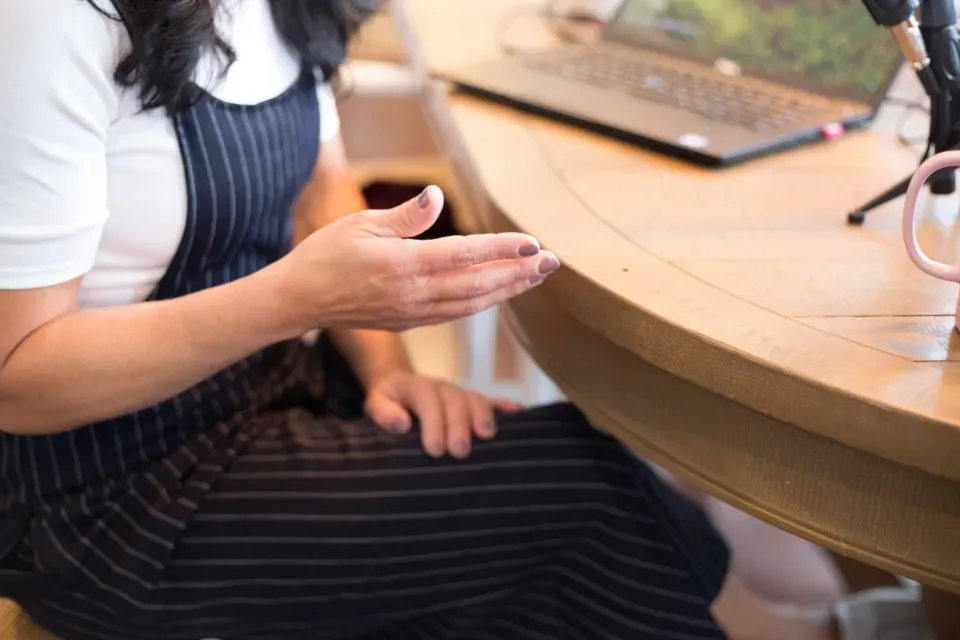
Every single day, you’re engaged in a silent conversation with everyone around you. Your posture, the way you hold your hands, where your eyes wander – all of these elements create a complex message system. The way you move and carry yourself communicates a wealth of information to the world. It’s like an ongoing performance that never stops, even when you’re standing perfectly still.
What’s really interesting is that this isn’t just about sending signals to others. The spontaneous hand movements that people make when they talk often communicate a good deal more than they intend. Sometimes your gestures reveal thoughts you’re trying to keep hidden, or emotions you haven’t fully acknowledged yourself. Your body might be more honest than your words.
Body language is thought to account for between 60% to 65% of our communication. This means that when you’re catching up with a friend or making your point during a meeting, the actual words you use only amount to 40% of how others understand you. Let that sink in for a moment. More than half of what you’re saying has nothing to do with language at all. It’s all in how you say it, how you stand, and what your face does while you’re speaking.
Why Crossed Arms Don’t Always Mean What You Think

Let’s tackle one of the biggest myths in body language interpretation: crossed arms automatically equal defensiveness or hostility. Sure, that can be true sometimes. Even if someone is giving you a positive verbal message, crossing their arms or legs means they may be disinterested in what you’re saying. That’s one possible reading.
However, the same gesture or expression can have different meanings depending on the situation. For example, crossed arms might indicate defensiveness in one context, but simply a comfortable resting position in another. Maybe the room is cold. Maybe they just prefer standing that way. Maybe they’re self-soothing because they’re nervous, not because they dislike you.
This is where reading body language becomes more art than science. To accurately interpret nonverbal cues, it is important to consider the overall context, including the relationship between the individuals involved, the setting, and the cultural background. You can’t just memorize a list of gestures and their meanings like vocabulary flashcards. Context is everything.
What Your Eyes Are Really Saying When You’re Not Talking

Eyes are often called the windows to the soul, and honestly, there’s some truth to that cliché. Eye contact is a huge nonverbal cue. If someone is holding your gaze steady, it’s usually a sign they’re engaged, whereas looking away can be an indicator of disengagement or discomfort. When someone really looks at you, it feels different than when they’re just glancing in your direction.
Yet here’s where it gets tricky. People often avoid direct eye contact when lying, liars frequently try to offset this by holding eye contact for too long. If you notice someone maintaining excessive eye contact with you, there’s a chance they’re not being truthful. So too little eye contact might signal dishonesty, yet too much can signal the exact same thing. Confusing, right?
Cultural factors also play a massive role here. In traditional Anglo-Saxon culture, avoiding eye contact usually portrays a lack of confidence, certainty, or truthfulness. However, in the Latino culture, direct or prolonged eye contact means that you are challenging the individual with whom you are speaking or that you have a romantic interest in the person. Also, in many Asian cultures, prolonged eye contact may be a sign of anger or aggression. What’s considered polite or engaged in one culture can be perceived as aggressive or inappropriate in another.
The Subtle Power of Posture and Physical Positioning

How you hold your body speaks volumes before you even open your mouth. When someone sits or stands in an upright, erect posture and maximizes the amount of physical space their whole body fills, it conveys power and authority and likely means they are eager to engage in conversation. Think about confident leaders or speakers – they tend to stand tall, occupy space, and move with purpose.
Conversely, slouching or making yourself smaller can signal the opposite. For listeners, posture can communicate receptiveness, understanding, and encouragement. Conversely, it can also suggest disinterest, defensiveness, or even hostility. When you’re hunched over with your shoulders curved inward, you’re unconsciously broadcasting discomfort or lack of confidence.
There’s even research suggesting that your posture doesn’t just communicate to others – it affects how you feel about yourself. Striking a confident pose can shift your internal chemistry – like affecting cortisol and testosterone levels – and feed back into how self-assured you feel. This means that changing your physical stance might actually change your mental state. Your body influences your mind just as much as your mind influences your body.
The Hidden Messages Your Hands Are Broadcasting
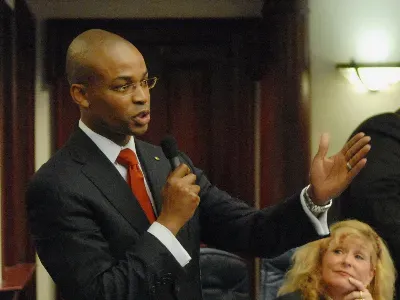
Your hands are incredibly expressive, often moving and gesturing without you consciously directing them. Gestures are woven into the fabric of our daily lives. You may wave, point, beckon, or use your hands when arguing or speaking animatedly, often expressing yourself with gestures without thinking. Some people talk with their hands constantly, while others barely move them at all.
What makes hand gestures so fascinating is that they often reveal more than you intend. The spontaneous hand movements that people make when they talk often communicate a good deal more than they intend. Maybe you’re nervously fidgeting with a pen during a meeting, or touching your face when you’re stressed. These movements can betray anxiety, boredom, or discomfort that your words are trying to hide.
When someone shakes your hand and the grip is appropriately firm, it means they’re attempting to convey a sense of poise and confidence. A handshake is one of those fascinating little rituals where so much is communicated in just a few seconds. Too weak and you seem uncertain; too strong and you might come across as aggressive. Finding that balance matters more than most people realize.
Microexpressions and the Emotions You Can’t Hide

Sometimes emotions flash across your face so quickly that you barely register them yourself, yet others might catch them. Micro-gestures are subtle and spontaneous body movements that are proven, together with micro-expressions, to be more reliable than normal facial expressions for conveying hidden emotional information. These tiny, involuntary movements are nearly impossible to fake or suppress.
The human face is extremely expressive, able to convey countless emotions without saying a word. The facial expressions for happiness, sadness, anger, surprise, fear, and disgust are the same across cultures. This universality means that regardless of where you’re from, a genuine smile or an expression of disgust is recognizable to almost everyone.
Micro-gestures are defined as subtle and involuntary body movements that reveal peoples’ suppressed or hidden emotions. They are not performed for any illustrative or communicational purposes at all; they are spontaneous or involuntary body responses to the onset of certain stimuli, especially negative ones. You might scratch your head when confused, touch your nose when uncomfortable, or play with your clothing when nervous – all without realizing you’re doing it.
Reading the Room: Understanding Personal Space and Proximity

How close you stand to someone says a lot about your relationship and comfort level. Distance between speaker and listener is another aspect of nonverbal communication. Proximity is often the result of the speaking situation, including the size of audience and purpose of the communication, and the comfort level of those involved in the speaking exchange. Closer proximity is reserved for more intimate, often informal situations, and more distance is indicative of public, more formal interactions.
Think about how uncomfortable it feels when someone you don’t know well stands too close to you in an elevator or during a conversation. That discomfort isn’t random – it’s your brain recognizing a violation of social norms around personal space. Different relationships call for different distances. You wouldn’t maintain the same physical distance with a romantic partner as you would with a business colleague.
Cultural differences make this even more complex. What feels like appropriate personal space in one country might seem distant and cold in another, or invasively close depending on where you are. Being aware of these differences can help you avoid making others uncomfortable or misreading their intentions when they stand at distances that feel unusual to you.
When Words and Body Language Tell Different Stories

One of the most telling aspects of body language is when it contradicts what someone is saying verbally. When your nonverbal signals match up with the words you’re saying, they increase trust, clarity, and rapport. When they don’t, they can generate tension, mistrust, and confusion. People instinctively pick up on these mismatches, even if they can’t articulate exactly what feels off.
Nonverbal communication often speaks louder than words. While you might be saying one thing verbally, your body language can reveal something entirely different. For instance, a person may say they are confident, but their slouched posture and lack of eye contact might indicate otherwise. Your body doesn’t lie as easily as your words can.
This is precisely why paying attention to these inconsistencies matters so much. If you get the sense that someone isn’t being honest or that something isn’t adding up, you may be picking up on a mismatch between verbal and nonverbal cues. Trust that gut feeling. Your subconscious mind is often processing these signals faster than your conscious mind can analyze them.
Mastering the Art of Nonverbal Communication in Your Daily Life

What you communicate through your body language and nonverbal signals affects how others see you, how well they like and respect you, and whether or not they trust you. This isn’t just about decoding others – it’s also about becoming more aware of what you’re broadcasting. Being mindful of your own nonverbal cues can dramatically improve how others perceive and respond to you.
Improving your nonverbal communication skills can have a significant impact on your personal and professional relationships. Whether you’re navigating a job interview, going on a first date, negotiating a business deal, or simply trying to connect more deeply with friends and family, understanding body language gives you a genuine advantage.
Start by becoming more observant. Watch how people interact in different settings. Notice the small shifts in posture when someone becomes uncomfortable, or how facial expressions change when a topic hits a nerve. The more you practice paying attention, the more naturally you’ll start to read these signals. It’s like learning a new language – awkward and conscious at first, then gradually becoming second nature.
Conclusion

The hidden language of body gestures is all around you, constantly shaping your interactions in ways you might not fully appreciate. From the firm handshake that builds trust to the microexpression that reveals hidden doubt, these nonverbal cues create a rich tapestry of meaning beneath our spoken words. Understanding this silent language isn’t about becoming a human lie detector or manipulating others – it’s about connecting more authentically and communicating more effectively.
The beauty of body language is that it’s learnable. You don’t need some special gift or intuition to get better at reading people. Pay attention, consider context, and remember that clusters of signals tell a more accurate story than any single gesture. Your awareness will grow with practice, and you’ll start noticing things you never saw before.
So the next time you’re in a conversation, tune into what’s not being said. Watch the hands, notice the posture, catch those fleeting facial expressions. You might be surprised by how much more you understand. What signals have you been sending without even knowing it? What messages have you been missing from the people around you?