Life throws challenges at all of us. Sometimes it feels like one thing after another, with barely enough time to catch your breath before the next wave hits. You might wonder why some people seem to navigate these storms with grace while others get stuck in the struggle.
Here’s the thing: resilience isn’t some magical trait you’re either born with or without. It’s a skill that can be cultivated and strengthened with intentional practice. Think of it like building a muscle – the more you work on it, the stronger it becomes. What if you could face life’s inevitable difficulties with more confidence, bounce back faster from setbacks, and actually grow through adversity? Let’s dive in.
Embrace a Growth-Oriented Perspective
You know that voice in your head that says “I can’t do this” or “I’m just not good at handling stress”? That’s a fixed mindset talking. A growth mindset is the belief that abilities and intelligence can be developed through dedication and hard work, and when you adopt this mindset, challenges become opportunities for growth rather than roadblocks.
The beauty of this approach lies in how you interpret setbacks. Instead of seeing failures as permanent, view them as learning experiences. When something goes wrong, ask yourself what you can learn from it rather than beating yourself up. This shift might feel awkward at first, but over time it fundamentally changes how you respond to adversity. You start seeing problems as puzzles to solve rather than threats to avoid.
Build Strong Social Connections

Resilience is not just about individual strength – it’s about knowing when to reach out for support, and building and maintaining a strong support network is crucial to overcoming challenges. Let’s be real: trying to handle everything alone is exhausting and unnecessary.
A strong support system is crucial because it provides emotional resources, encouragement, and practical help when facing challenges, and connections with friends, family, and professional networks can make navigating uncertainty more manageable. Don’t isolate yourself when times get tough. Reach out to people who genuinely care about you. Join groups where you can share experiences and learn from others. Even virtual connections can provide meaningful support when face-to-face interaction isn’t possible.
Honestly, some of the strongest people are those who know they can’t do it all alone. Building these relationships before a crisis hits makes them easier to lean on when you need them most.
Practice Mindfulness and Stay Present

During those moments when you’re stressed or feeling anxious, it’s a good idea to remember and practice mindfulness, giving yourself the space to breathe and think about your reactions. When your mind races with worries about tomorrow or regrets about yesterday, you miss what’s actually happening right now.
When practiced consistently, mindfulness and meditation boost your self-awareness, emotional control, and stress management, and each is a staple trait for any individual possessing high resilience and a well-developed mental muscle. Start small – maybe just a few minutes of focused breathing each morning. You don’t need fancy apps or expensive classes. Simply paying attention to your breath while waiting in line or taking a mindful walk can sharpen your mental edge. The goal is to anchor yourself in the present moment rather than getting swept away by anxious thoughts.
Develop Healthy Coping Strategies

Not all coping mechanisms are created equal. Some people turn to unhealthy habits when stressed, which only compounds problems in the long run. Effective stress management techniques are essential for building resilience and include deep breathing exercises, progressive muscle relaxation, and time management skills, and by managing stress, individuals can maintain focus and handle challenges more effectively.
All those things you can do to lead a healthy life – exercise, a well-balanced diet and sleep – can also help when it comes to your emotional resilience. Exercise doesn’t just keep your body healthy; it actually changes your brain’s ability to handle stress. Exercise helps you cope with stress more efficiently, lowering cortisol and epinephrine levels and impacting areas that help you regulate your emotional response to stress. Find what works for you, whether it’s journaling, meditation, talking with a friend, or going for a run.
Reframe Challenges as Opportunities

One of the most powerful tools for overcoming adversity is perspective, and instead of viewing challenges as roadblocks, see them as stepping stones where failure isn’t final – it’s feedback. This might sound like positive thinking fluff, but there’s real substance here.
When you’re in the thick of a difficult situation, it’s natural to feel overwhelmed. Taking a step back to ask “What can this teach me?” or “How might this make me stronger?” transforms your experience. You’re not denying that things are hard – you’re choosing to find meaning in the struggle. Having a growth mindset helps you become more resilient in managing failure, and it can be difficult to reframe failure and learn from it since we tend to see failures as an injury to our ego, but an inability to learn from failure has been shown to reduce the odds of future success.
Establish Clear Purpose and Values

To get started on the road to a resilient mindset, it’s vital to analyze your sense of purpose – why you show up, and when you’re tied to a strong sense of purpose, opportunities and threats become more manageable. Without knowing what truly matters to you, it’s easy to feel adrift when difficulties arise.
Take time to reflect on your core values. What gives your life meaning? What would you fight for? Understanding what truly matters to you provides a strong foundation to rely on during uncertain times. When you’re grounded in your values, decisions become clearer and setbacks feel less devastating because you maintain perspective on the bigger picture. This isn’t about having everything figured out – it’s about knowing your anchor points when storms hit.
Cultivate Self-Compassion and Emotional Awareness

If you want to build mental toughness, you might think you need to be tough on yourself to do so – but the opposite is true, and fostering self-compassion can go a long way in building mental fortitude. Being harsh with yourself when you’re struggling doesn’t make you stronger; it drains your resilience reserves.
Your mental strength, which affects how you deal with stress and challenges, can be built up by acknowledging your feelings and practicing self-compassion. Notice what you’re feeling without judgment. Are you anxious? Frustrated? Sad? Simply naming your emotions reduces their power over you. Then treat yourself with the same kindness you’d offer a good friend going through a tough time. This combination of emotional awareness and self-compassion creates a foundation for genuine resilience rather than brittle toughness that eventually cracks.
Stay Flexible and Embrace Discomfort

A common misconception is that resilience is something you’re either born with or not, but in reality, resilience isn’t an innate trait – it’s a skill that can be cultivated and strengthened with intentional practice, meaning you can build a more resilient mindset no matter where you are in your journey. Part of that practice involves deliberately stepping outside your comfort zone.
To embrace discomfort is to actively seek out things that make you feel uncomfortable, which challenges you to overcome yourself and become comfortable with feeling uncomfortable, though one should not take giant leaps but start small and build up, and if there is something you’re shying away from because it’s difficult or will make you feel awkward or anxious, do it and embrace that discomfort. This doesn’t mean being reckless – it means gradually expanding your capacity to handle uncertainty and challenge. Maybe it’s having a difficult conversation you’ve been avoiding or trying something new that makes you nervous. Each time you lean into discomfort rather than away from it, you strengthen your resilience muscle.
Mental toughness enhances your ability to adapt to unexpected changes with flexibility in your thinking and more creativity in your solutions, making you better equipped to handle new situations and environments. Life rarely goes according to plan, and rigid thinking only increases suffering when circumstances shift.
Conclusion
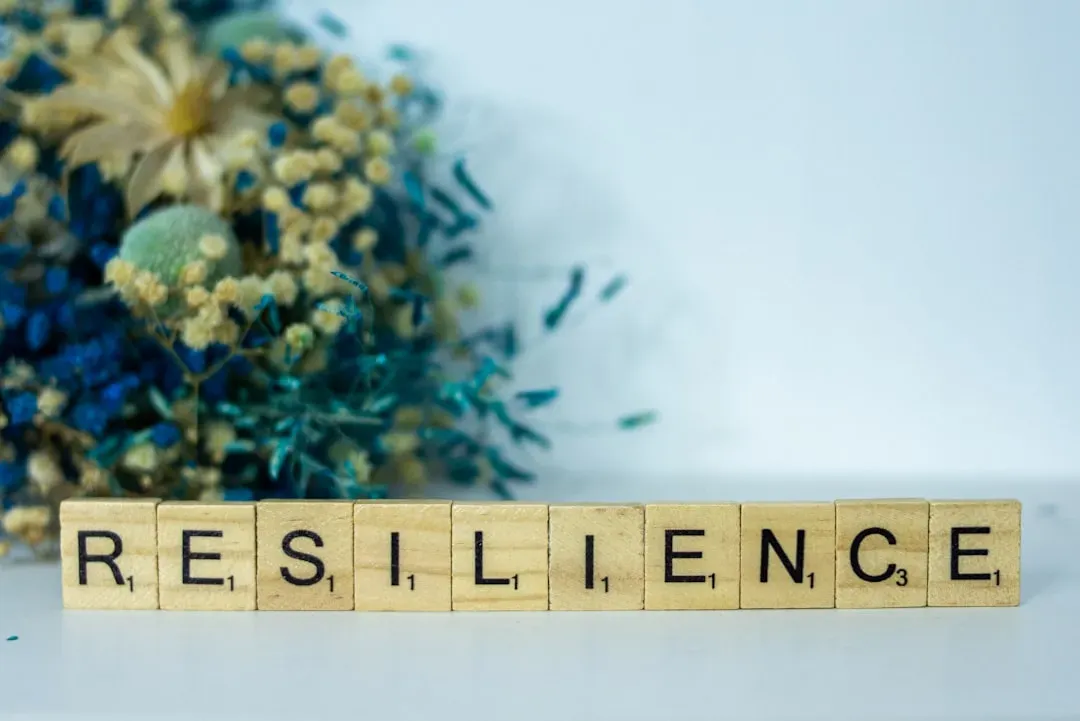
Building a resilient mindset isn’t about becoming invincible or never feeling pain. Being resilient doesn’t mean you’re invincible, as resilient people still feel the pain that comes with challenging times – the key difference is that they don’t wallow in negative feelings or stress, or let it stop them from moving on or leading a healthy life. It’s about developing the tools and perspective to navigate difficulties with greater ease and confidence.
The strategies we’ve explored – from shifting your perspective and building connections to practicing self-compassion and embracing discomfort – work together to create a foundation for genuine resilience. You don’t need to master all of them at once. Pick one or two that resonate with you and start there. Small, consistent efforts compound over time into real transformation.
Remember, resilience is built one choice at a time. The next time life throws you a curveball, you’ll have these tools ready. What do you think – which strategy will you try first?