The world of paleontology thrives on discovery and reinterpretation. For centuries, scientists have unearthed fossilized remains that offer glimpses into Earth’s distant past, piecing together narratives about extinct creatures and ancient ecosystems. However, science is never static. What makes paleontology particularly fascinating is how new technologies, methodologies, and discoveries can dramatically transform our understanding of well-established fossils. In recent years, several famous specimens that once seemed definitively classified have come under renewed scrutiny, challenging long-held assumptions about evolutionary relationships and prehistoric life. This article explores how and why iconic fossils sometimes undergo radical reinterpretations, reshaping our understanding of the ancient world.
The Nature of Scientific Uncertainty in Paleontology
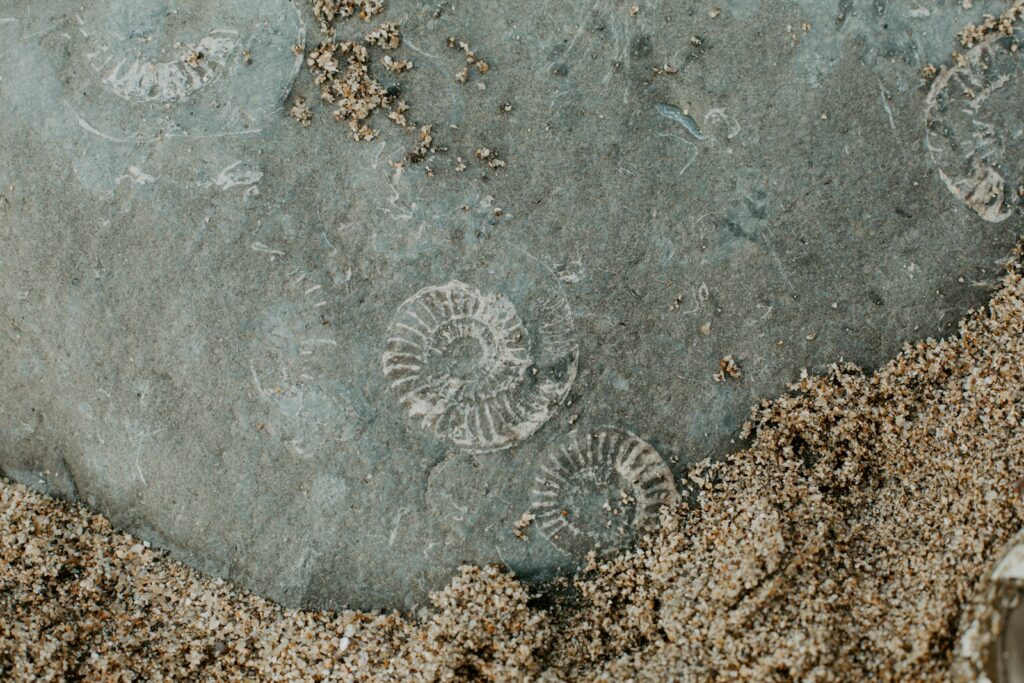
Paleontology, despite its scientific rigor, inherently deals with incomplete information. Scientists work with remains that have survived millions of years of geological processes, often fragmentary and distorted from their original form. This fundamental limitation means that interpretations of fossils are always provisional, subject to revision as new evidence emerges. The fragmentary nature of the fossil record creates what scientists call “preservation bias” – only certain organisms and body parts preserve well, leaving significant gaps in our understanding. Additionally, the process of fossilization itself can distort anatomical features, making identification challenging. These uncertainties create a scientific field where reinterpretation isn’t just common – it’s essential to progress toward more accurate representations of prehistoric life.
Archaeopteryx: Bird, Dinosaur, or Something In Between?
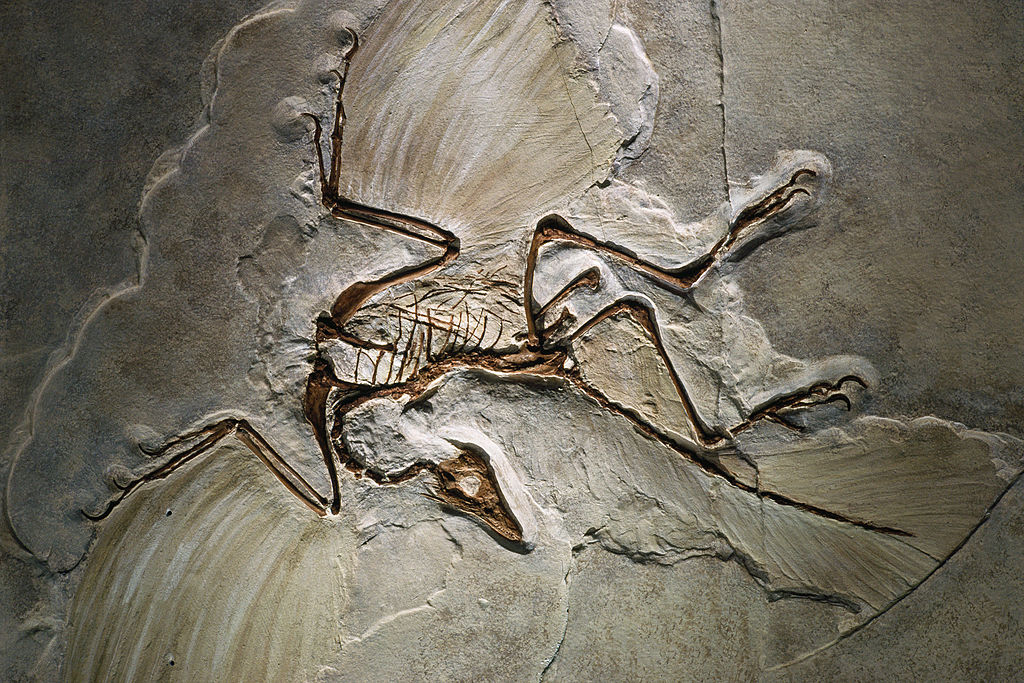
Archaeopteryx has long stood as one of paleontology’s most celebrated transitional fossils since its discovery in 1861 in the Solnhofen limestone of Germany. Initially hailed as the perfect intermediate between reptiles and birds, this crow-sized creature displayed feathers like a modern bird but retained dinosaurian features, including teeth, a long bony tail, and clawed fingers. For over a century, Archaeopteryx was positioned as the “first bird” and the earliest ancestor of modern avians. However, recent discoveries of feathered dinosaurs from China, such as Microraptor and Anchiornis, have complicated this narrative significantly. Modern cladistic analyses suggest Archaeopteryx may not be directly ancestral to modern birds at all, but rather represents one of many experimental evolutionary branches of feathered dinosaurs. This reclassification doesn’t diminish Archaeopteryx’s importance but transforms our understanding of it from “the first bird” to one of many bird-like dinosaurs exploring the evolutionary advantages of feathers and flight.
Advanced Imaging Technologies Revealing Hidden Truths

The emergence of sophisticated imaging technologies has revolutionized how paleontologists study and interpret fossil specimens without causing physical damage. Techniques like computed tomography (CT) scanning, synchrotron radiation, and neutron imaging allow scientists to see inside fossils, revealing internal structures previously hidden from view. These methods can detect soft tissue impressions, uncover anatomical features obscured by matrix rock, and even reveal chemical compositions that hint at original coloration. For instance, the application of synchrotron rapid scanning X-ray fluorescence to fossils has revealed trace elements indicating pigmentation patterns in ancient feathers, showing that some dinosaurs had reddish-brown coloration. Similarly, micro-CT scanning of the famous Archaeopteryx specimens revealed previously unknown details about its braincase and inner ear structure, significantly altering our understanding of its sensory capabilities and behavior. These technological breakthroughs frequently lead to reinterpretations as fossils quite literally reveal new faces under advanced scrutiny.
The Controversial Case of Tiktaalik
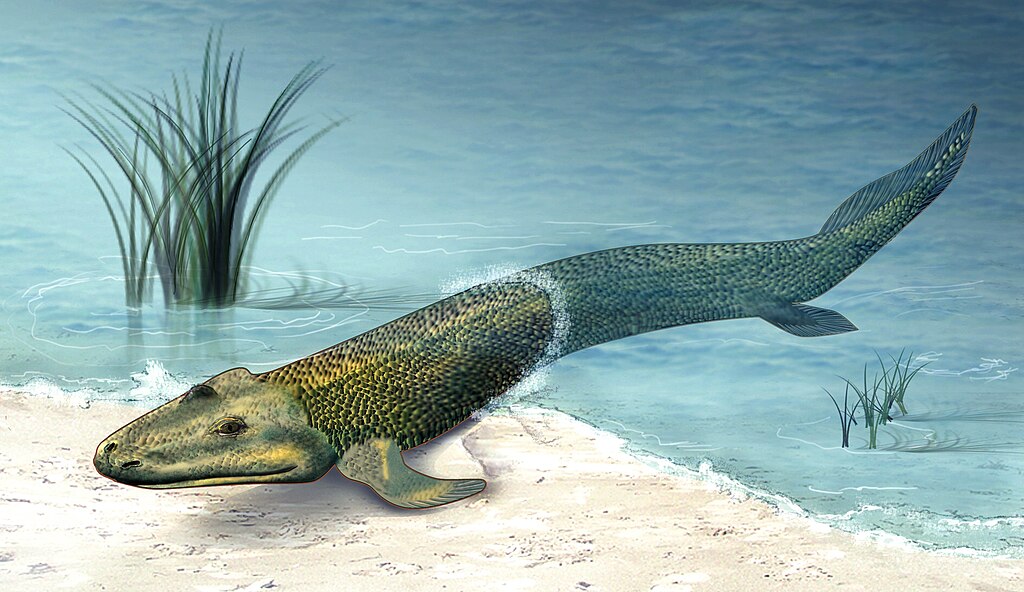
When discovered in 2004 in the Canadian Arctic, Tiktaalik roseae was immediately celebrated as the perfect transitional fossil between fish and tetrapods (four-limbed land animals). This 375-million-year-old creature possessed gills and scales like a fish but also had primitive wrist bones and a neck—features associated with land animals. Scientists initially positioned Tiktaalik as the perfect intermediate step showing how fish evolved limbs before venturing onto land. However, the subsequent discovery of tetrapod trackways in Poland dating to 397 million years ago—nearly 20 million years before Tiktaalik—has complicated this narrative. These footprints indicate that animals with developed limbs were walking on land well before Tiktaalik existed, suggesting that while Tiktaalik remains an important transitional fossil, it cannot be the direct ancestor of land animals as once thought. Instead, it likely represents one of several parallel evolutionary experiments with limb-like fins, highlighting how evolution often progresses through multiple simultaneous pathways rather than a single linear progression.
Taxonomic Reshuffling and Its Implications
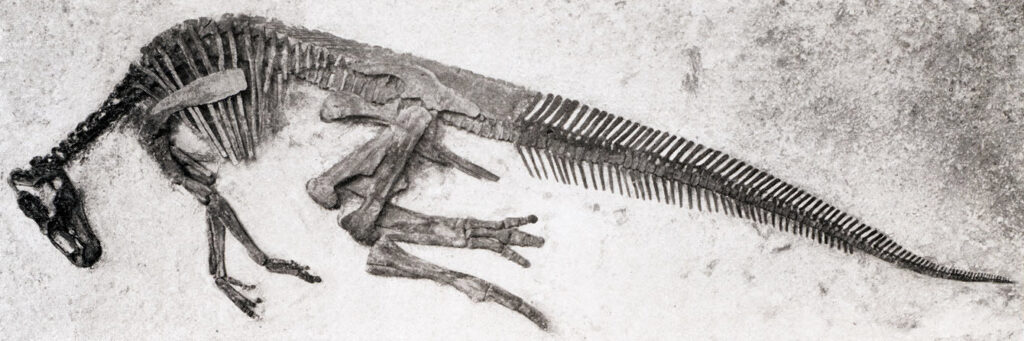
Reclassification in paleontology often represents major shifts in our understanding of evolutionary relationships rather than minor academic adjustments. When famous fossils undergo taxonomic reshuffling, entire evolutionary trees may need reconstruction, affecting numerous related species. This process, known as phylogenetic recalibration, cascades through scientific literature, museum displays, and educational materials worldwide. A famous example occurred with Brontosaurus, long merged with Apatosaurus but reinstated as a distinct genus in 2015 after a comprehensive analysis revealed sufficient anatomical differences. Similarly, Triceratops was briefly suggested to be the juvenile form of Torosaurus, though this hypothesis has since been largely rejected. These taxonomic debates reflect the dynamic nature of paleontological classification, where categories remain fluid as new methodologies and specimens emerge. Each reclassification ripples through the scientific understanding of prehistoric ecology, forcing reconsideration of evolutionary timelines, ancient ecological relationships, and the development of key adaptations.
The Iconic Fossil That Started It All: Lucy
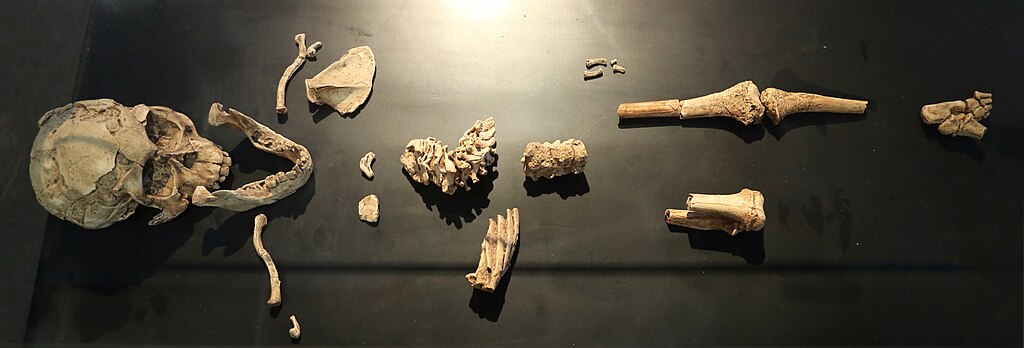
Discovered in Ethiopia in 1974, the 3.2-million-year-old partial skeleton known as “Lucy” (Australopithecus afarensis) transformed our understanding of human evolution by providing evidence that our ancestors walked upright before developing larger brains. For decades, Lucy was positioned as a direct human ancestor and a crucial link in hominin evolution. However, more recent discoveries and analyses have complicated Lucy’s place in the human family tree. Some researchers now suggest that Australopithecus afarensis may represent a side branch rather than a direct ancestor of modern humans. CT scans of Lucy’s bones revealed surprisingly ape-like structures in her upper limbs, suggesting she spent significant time climbing trees despite her bipedal locomotion. Additional fossilized footprints from Tanzania dating to Lucy’s era show variations in bipedal gaits, indicating greater diversity in early hominin locomotion than previously thought. These findings don’t diminish Lucy’s importance but recontextualize her as one representative of a diverse adaptive radiation of early hominins rather than a single link in a linear chain leading to humans.
Fraudulent Fossils and Scientific Misconduct

Not all fossil reinterpretations stem from honest scientific progress—some famous specimens have been revealed as deliberate frauds or victims of overenthusiastic misinterpretation. The infamous Piltdown Man, “discovered” in 1912 and exposed as a hoax in 1953, combined a human skull with an orangutan jaw and filed-down teeth, misleading evolutionary science for four decades. More recently, the “Archaeoraptor” fossil announced in 1999 was later proven to be a composite of unrelated fossils artificially combined to create a missing link between dinosaurs and birds. Even without deliberate fraud, confirmation bias can lead researchers to see what they expect or hope to find. The initial classification of the Homo floresiensis (“Hobbit”) fossils from Indonesia sparked controversy, with some researchers claiming they represented pathological modern humans rather than a new species—a debate that continued for years before additional evidence confirmed their status as a distinct hominin species. These cases highlight how human factors, including ambition, expectation, and occasionally dishonesty, can influence fossil interpretation and underscore the importance of rigorous peer review and reanalysis in paleontological research.
Reinterpreting the Age of Fossils
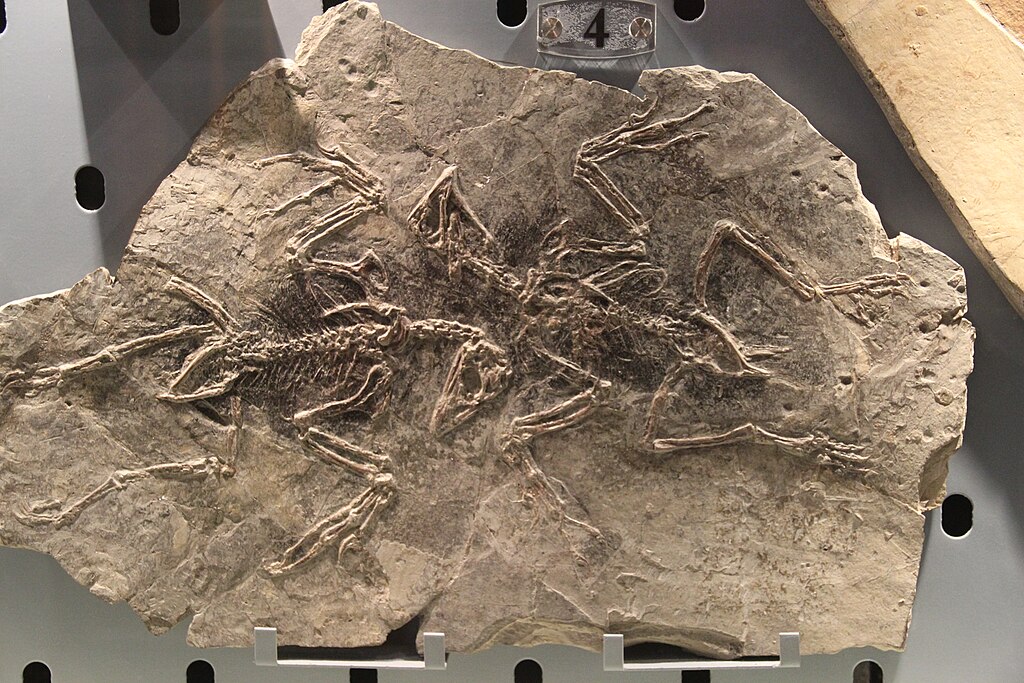
Dating technologies have advanced dramatically in recent decades, leading to significant revisions in the ages assigned to many famous fossils. Radiometric dating methods, including potassium-argon, argon-argon, and uranium-lead techniques, have become more precise, sometimes shifting previously established dates by millions of years. The Homo erectus fossils from Java, originally thought to be around 500,000 years old, were later redated to between 1.6 and 1.8 million years old, dramatically extending the known timeline of human evolution in Asia. Similarly, the famous fossil bird Confuciusornis from China was initially dated to about 120-125 million years ago, but revised dating methods placed it closer to 131 million years ago, significantly altering its position relative to other early birds in evolutionary timelines. These chronological revisions don’t just change numbers on a timeline—they transform our understanding of migration patterns, extinction events, and evolutionary rates. A fossil that appears primitive for its supposed age might represent an evolutionary holdover, but if redating shows it’s actually much older, it might instead represent an innovative early form of its lineage.
The Burgess Shale Reinterpretation Revolution
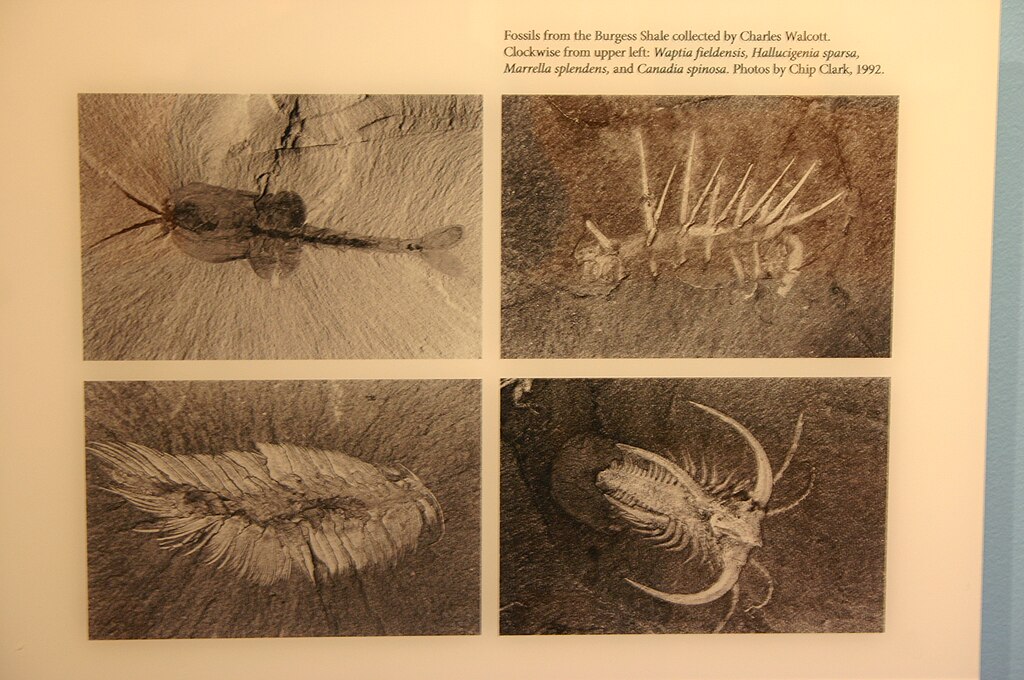
The Burgess Shale fossils of British Columbia, discovered in 1909, represent one of paleontology’s most dramatic reinterpretation stories. These 508-million-year-old fossils from the Cambrian period initially seemed classifiable within known animal groups, despite their strange appearances. However, in the 1970s and 1980s, paleontologist Stephen Jay Gould and others challenged these classifications, suggesting that many Burgess Shale creatures—like the five-eyed Opabinia and the bizarre Hallucigenia—represented entirely separate evolutionary experiments with no modern descendants. This revelation supported Gould’s theory of “contingency” in evolution, suggesting that early animal evolution produced far more diversity than previously recognized, with many lineages going extinct through chance rather than competitive disadvantage. More recent analyses have partially reversed this view, successfully placing some of these strange creatures within known phyla after all. For instance, Hallucigenia, once reconstructed upside-down and backward, is now recognized as an early velvet worm relative. This ongoing reinterpretation saga demonstrates how even the most alien-seeming fossils can eventually find their place in evolutionary trees with improved analytical methods and new discoveries.
The Dueling Dinosaurs and Preservation Context
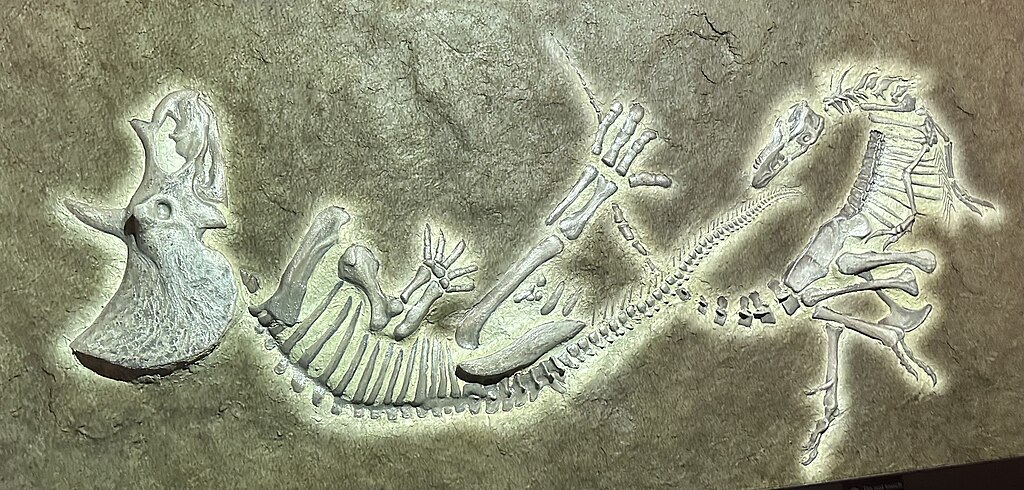
Discovered in Montana in 2006, the “Dueling Dinosaurs” fossil represents one of paleontology’s most remarkable specimens—a Tyrannosaurus rex and a Triceratops apparently preserved together, potentially in the act of combat. Initially interpreted as evidence of predator-prey interaction frozen in time, closer analysis has raised questions about this dramatic narrative. Taphonomic studies, which examine how organisms become fossilized, suggest the two dinosaurs might have died separately and been deposited together by geological processes rather than being preserved mid-battle. This case highlights how preservation context critically influences fossil interpretation. Similar reinterpretations have occurred with the famous fossil Ichthyosaur site at Berlin-Ichthyosaur State Park in Nevada, where multiple specimens were initially thought to have died in a mass stranding event. Recent sedimentological analysis indicates they likely died in deeper water and accumulated in the same location due to ocean currents. These examples demonstrate how initial dramatic interpretations of fossil stories sometimes give way to more nuanced explanations as scientists better understand the complex processes that create fossil deposits.
Microstructural Analysis Changing Macroscopic Interpretations

Advances in microscopy have revolutionized how paleontologists interpret fossils by revealing cellular and tissue-level details invisible to the naked eye. Histological analysis—the microscopic examination of fossilized tissues—can determine growth patterns, metabolism, and even approximate age at death for extinct species. For example, studies of dinosaur bone microstructure have revealed growth rings similar to those in trees, overturning previous assumptions about continuous rapid growth. These findings transformed our understanding of dinosaur development, showing that even massive species like Tyrannosaurus rex experienced growth spurts and plateaus rather than steady expansion. Similarly, microscopic examination of tooth enamel in early human fossils revealed seasonal stress patterns, providing unprecedented insights into ancient diets and developmental challenges. Perhaps most dramatically, analysis of cellular structures in the controversial Tullimonstrum (Tully Monster) fossil from Illinois has shifted its classification multiple times—from worm to mollusc to vertebrate and back—as different tissue characteristics are identified. These microstructural insights often contradict superficial interpretations based solely on gross morphology, highlighting how the smallest details can have the most significant impact on our understanding of extinct life forms.
The Role of Confirmation Bias in Fossil Interpretation

Confirmation bias—the tendency to interpret evidence in ways that confirm existing beliefs—has significantly influenced fossil interpretation throughout paleontological history. Early interpretations of Neanderthal fossils portrayed them as stooped, brutish creatures, reflecting 19th-century preconceptions about human evolution rather than anatomical reality. Modern analyses show Neanderthals walked upright and possessed complex social behaviors, demonstrating how cultural biases colored scientific interpretation. Similarly, the “Dinosaur Renaissance” of the 1970s and 1980s challenged long-standing views of dinosaurs as slow, cold-blooded reptiles, reinterpreting the same fossil evidence to support active, possibly warm-blooded animals. This dramatic shift came not primarily from new fossils but from questioning ingrained assumptions about reptilian physiology and behavior. Even today, debates about feathered dinosaur reconstructions sometimes reflect researcher preferences for either more reptilian or more avian appearances rather than strictly evidence-based conclusions. Recognizing these biases has become an important aspect of modern paleontology, with scientists increasingly acknowledging how their own cultural context and expectations might influence their interpretations of ancient life.
The Future of Fossil Reinterpretation in the Digital Age

Digital technologies are transforming fossil analysis in ways that will likely accelerate reinterpretation in the coming decades. Three-dimensional modeling allows researchers to manipulate fossil structures virtually, testing the range of motion, biomechanical constraints, and functional morphology without risking damage to irreplaceable specimens. Machine learning algorithms are being trained to identify patterns in fossil data that might escape human observation, potentially recognizing subtle anatomical relationships across diverse species. Digital repositories of CT scans and 3D models make specimens globally accessible, enabling broader scientific collaboration and increasing the chances that specialists might notice features overlooked by others. Paleogenomics—the recovery and analysis of ancient DNA and proteins—continues to extend further back in time, occasionally contradicting morphology-based classifications with molecular evidence. While ancient DNA is unlikely to be recovered from dinosaurs or older fossils, protein residues have been identified in specimens over 100 million years old, offering new avenues for classification. Together, these innovations suggest we may be entering an era of accelerated fossil reinterpretation, where digital analysis and global collaboration challenge historical classifications at unprecedented rates.
Conclusion
The reinterpretation of famous fossils is not a sign of failure in paleontology but rather evidence of its vitality as a scientific discipline. As new technologies emerge, methodologies improve, and additional specimens are discovered, our understanding of ancient life continues to evolve. What makes these reinterpretations particularly valuable is how they demonstrate science at its best: self-correcting, responsive to evidence, and willing to abandon even cherished ideas when new data demands it. Far from undermining the significance of iconic fossils, these reexaminations often enhance their scientific value by placing them in more accurate evolutionary and ecological contexts. The stories of these fossil reinterpretations remind us that in paleontology, as in all sciences, certainty is provisional and knowledge remains forever open to refinement. This dynamic quality of paleontological understanding ensures that even the most famous fossils continue to reveal new secrets, making the study of prehistoric life an endless journey of discovery and reconsideration.