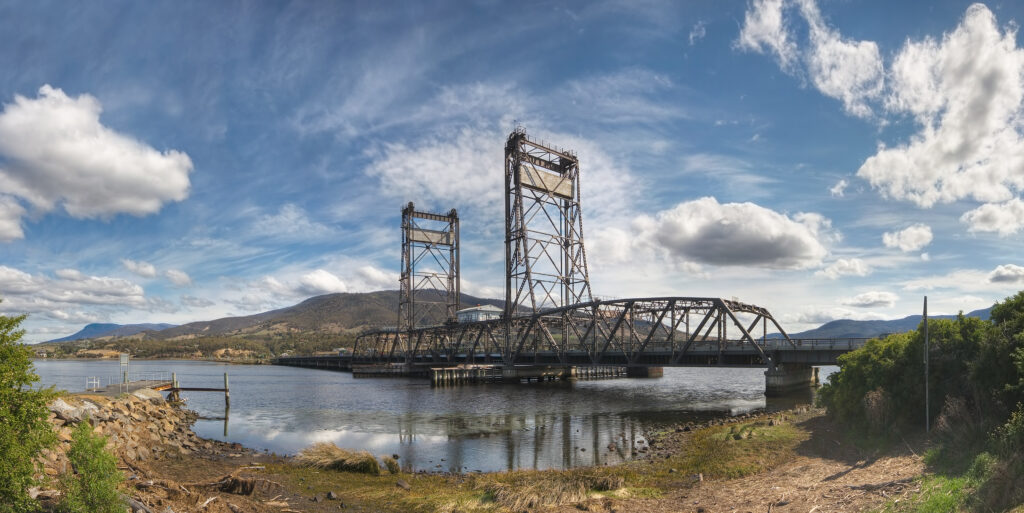
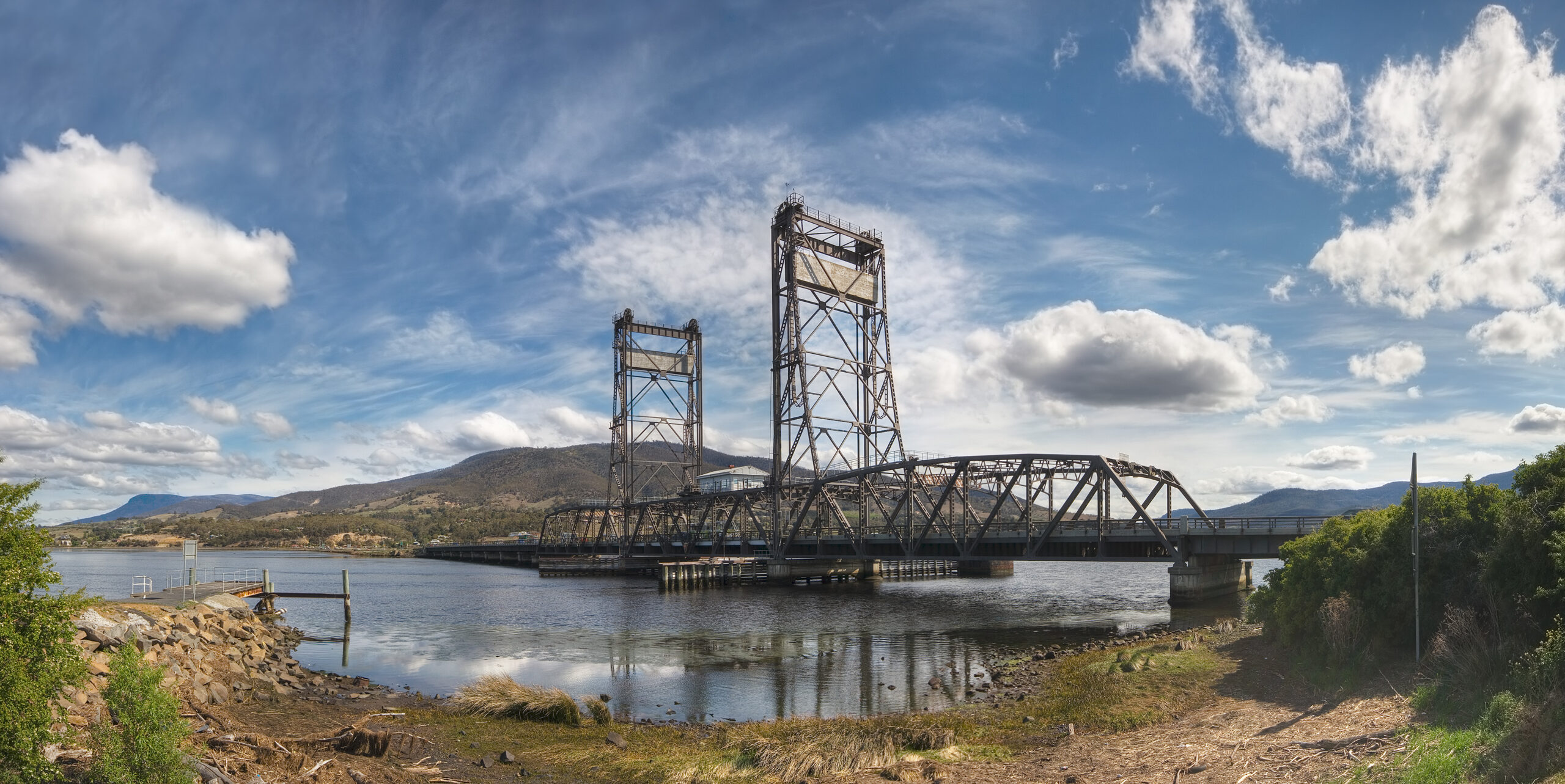
Tasmania – The King River carves through rugged rainforests and jagged peaks of the West Coast Range before reaching Macquarie Harbour near the coastal town of Strahan. This scenic waterway, once teeming with life, now carries a heavy burden from over a century of upstream copper mining. Despite the closure of operations at Mount Lyell, pollution lingers, challenging conservation efforts in one of Australia’s most pristine regions.
A Century of Extraction Leaves Deep Scars
A Century of Extraction Leaves Deep Scars (Image Credits: Upload.wikimedia.org)
Mining at Mount Lyell began in the 1880s near Queenstown, transforming the area into one of Australia’s richest copper producers. Operators dumped millions of tonnes of sulfide-rich tailings directly into the Queen River, a key tributary of the King. By 1995, approximately 100 million tonnes of waste had entered the system, with annual discharges peaking at 1.5 million tonnes in later decades.
The practice continued largely unchecked until regulations tightened. Tailings dams replaced river disposal after the mine’s main phase ended, but exposed waste rock and underground tunnels kept generating acid mine drainage. This process, where sulfide minerals react with air and water, released toxic metals like copper, zinc, and iron into the rivers.
Hydroelectric dams, including Crotty Dam above the rivers’ confluence, further altered flows and trapped sediments. The resulting delta at the King River’s mouth into Macquarie Harbour spans vast areas contaminated by heavy metals.
Acid Drainage: The River’s Unseen Killer
Acid mine drainage persists today from historic waste rock dumps and adits, discharging low-pH water laden with dissolved metals. The lower King River runs tea-brown, its bed coated in iron precipitates and toxic sediments. Tasmania’s Environment Protection Authority describes sections as biologically dead, with pollution levels toxic to most aquatic life.
Floods and heavy rainfall remobilize these sediments, spreading contamination downstream. Owen Missen, a geochemist at the University of Tasmania, noted, “Even if mining stops, the contaminants don’t simply disappear.” Climate change intensifies the issue by increasing erosion and flushing events.
Such legacy pollution affects not just local rivers but global waterways, with studies showing mine waste impacting hundreds of thousands of kilometers worldwide.
Wildlife Pays the Price
Sensitive macroinvertebrates, the base of freshwater food webs, have vanished from polluted stretches. Mayflies, stoneflies, and caddisflies – known as EPT taxa – dominate clean Tasmanian rivers but are absent here, replaced by hardy, tolerant species.
Fish communities suffer too. Galaxiids, small migratory species called jollytails or whitebait, persist only in cleaner tributaries, unable to navigate contaminated lower reaches. Downstream, Macquarie Harbour hosts the critically endangered Maugean skate, now stressed by copper sediments, low oxygen, and altered chemistry.
- Mayflies (Ephemeroptera): Eliminated by acidity and metals.
- Stoneflies (Plecoptera): No longer found in affected waters.
- Caddisflies (Trichoptera): Sensitive larvae wiped out.
- Galaxiids: Populations confined to unpolluted areas.
- Maugean skate: Harbor habitat degraded by sediment influx.
These losses simplify ecosystems, disrupting nutrient cycles and predator-prey dynamics essential for conservation.
Remediation Battles Against the Odds
The Mt Lyell Acid Drainage Remediation Act of 2003 enabled targeted interventions. Operators completed water diversions to separate clean flows from acid sources and built storage for treatment. Copper Mines of Tasmania manages ongoing discharges, but full remediation proves elusive due to vast waste volumes and high costs – estimated at tens of millions initially.
A 2025 update to the Act aims for long-term oversight. Monitoring tracks metal levels and biology, revealing some improvements post-2016 flooding but persistent toxicity. Challenges include self-funding via metal recovery, which stalled after failed proposals.
Missen emphasized, “Mining has fundamentally changed how these river systems function,” underscoring the need for sustained effort.
Lessons for a Mineral-Hungry World
Tasmania’s King River stands as a stark reminder that mining legacies endure for centuries, demanding proactive conservation. With global demand for copper surging for renewables and technology, similar scars risk emerging elsewhere. Recovery hinges on binding regulations, innovative treatments, and climate adaptation.
Yet hope lingers in tributary refuges and monitoring data. Protecting these waters secures Tasmania’s unique biodiversity for future generations.
Key Takeaways
- Over 100 million tonnes of tailings poisoned the King River system.
- EPT insects and galaxiid fish have disappeared from polluted sections.
- Ongoing AMD requires costly, long-term remediation amid climate pressures.
What steps should governments take to address mining legacies? Share your thoughts in the comments.