Tropical forests worldwide face relentless pressures from deforestation, disease outbreaks, and rampant wildlife trade, pushing many primate species toward the brink. Scientists, conservationists, and local communities have launched a coordinated push to reverse these trends, rebuilding shattered populations and stitching together fragmented habitats. This movement, captured in Mongabay’s Primate Planet video series, spotlights stories of determination from remote parks to isolated islands.
Confronting Deadly Threats Head-On
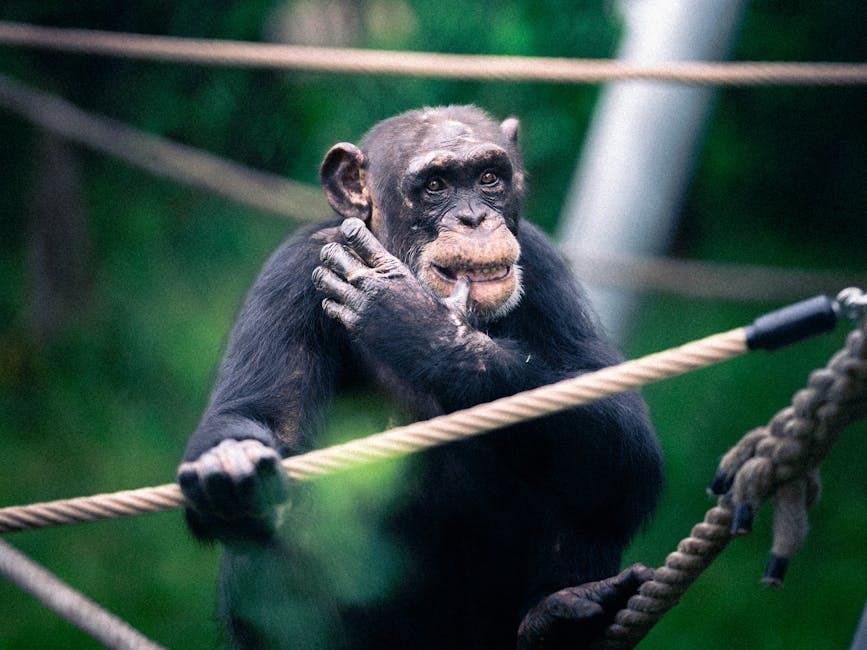
Confronting Deadly Threats Head-On (Image Credits: Pexels)
In Nigeria’s vast Gashaka Gumti National Park, spanning 600,000 hectares, the Nigeria-Cameroon chimpanzee clings to survival as the world’s rarest subspecies, with estimates placing survivors between 3,500 and 9,000 across fragmented ranges. Conflict fueled by groups like Boko Haram forced researchers out by 2018, leaving the area open to poachers who killed primates and other wildlife, including 24 monkeys in one raid. Nigeria lost 70% of its wildlife over the past 50 years, exacerbated by illegal grazing, mining, and trafficking through porous borders.
Similar dangers plague other regions. Deforestation carves up habitats, isolating groups and amplifying disease risks, while trade funnels primates into markets. Local hunters, driven by traditional beliefs, add to the toll, but renewed patrols signal a shift.
Local Heroes Fueling the Fight
Field assistants like Maigari from Gashaka village emerged as unsung guardians. A self-proclaimed “bushman” raised by a hunter father, he tracked chimpanzees voluntarily amid dangers, declaring, “It’s our bush. If they want to kill me, they will kill me because the chimps are my friends.” Even after projects faltered, he persisted, patrolling sites like Kwano Valley.
Conservationist Elisha Emmanuel praised such figures: “The presence of Maigari and the other field assistants really gave the park hope of existing again. I celebrate them as heroes.” Co-management deals with nonprofits like the Africa Nature Investors Foundation hired over 180 rangers armed to deter intruders, restoring security and enabling research revival. These efforts echo across the tropics, where communities partner with experts to safeguard their forests.
Innovations Bridging Habitats and Hardships
Technology transforms challenges into opportunities. In Gashaka, a helicopter accessed rugged highlands like Gangirwal and Chappal Waddi, deploying camera traps up to 100 kilometers away to monitor chimpanzees and spot threats like poacher camps. Cameras captured new groups with infants, hinting at population growth amid silenced gunshots.
Elsewhere, ingenuity abounds. Natural bridges reconnect forests for Java’s last gibbons, while re-training programs prepare rescued orangutans for wild release. These approaches, from canopy corridors to surveillance tech, demonstrate creative collaboration against isolation.
- Helicopter-aided camera surveys in Nigeria reveal unknown chimpanzee troops.
- Forest canopy bridges aid Javan gibbons’ movement across gaps.
- Rehabilitation sanctuaries like Ekola ya Bonobo reintroduce bonobos to Congo Basin wilds.
- Retraining initiatives return orangutans to their native ranges.
- Singing lemur studies uncover behavioral insights for broader conservation.
Tales of Recovery and Hope
Howler monkeys staged a comeback from near extinction through targeted protections, while efforts shield the last Tapanuli orangutans and Cross-River gorillas from deforestation’s advance. In the Congo Basin, bonobos returned to forests via sanctuary programs, proving reintroduction works.
These stories underscore a pattern: fragmented groups rebound when habitats link and threats recede. Primate Planet chronicles such progress, from 2019 bonobo releases to 2026 chimpanzee tracking, blending fieldwork with community resolve.
| Threat | Response | Example |
|---|---|---|
| Deforestation & Fragmentation | Habitat reconnection | Javan gibbons’ natural bridges |
| Poaching & Trade | Armed ranger patrols | Gashaka’s 180+ rangers |
| Conflict & Insecurity | Tech monitoring | Helicopter camera traps |
Key Takeaways
- A growing tropical alliance counters primate declines with hands-on rebuilding.
- Local resilience, like Maigari’s patrols, sustains efforts through crises.
- Innovations such as aerial surveys and bridges yield measurable recoveries.
These primate safeguards offer a blueprint for biodiversity’s defense, proving collective action prevails over peril. What role can you play in supporting these forests? Share your thoughts in the comments.