
Life has this interesting way of testing you when you least expect it. Maybe it’s a sudden job loss, a personal relationship that crumbles, or just the weight of everyday stress that keeps piling up. Whatever form it takes, adversity is inevitable. The question isn’t whether you’ll face tough times, but rather how you’ll respond when they arrive.
Here’s the thing: cultivating a positive mindset isn’t about pretending everything is fine or slapping a fake smile on your face. It’s about building genuine mental strength and learning how to bounce back when life knocks you down. Think of it as training your mind the same way you’d train your body at the gym. So let’s dive into practical ways you can strengthen your mindset and develop real resilience that lasts.
Understanding What a Positive Mindset Really Means

A positive mindset is about focusing on solutions, seeing challenges as opportunities, and maintaining an optimistic outlook even during difficult times without ignoring reality or dismissing problems. It’s not some magical thinking where you pretend bad things don’t exist. Instead, you’re approaching situations with a constructive attitude while staying grounded in what’s actually happening around you.
Positivity is more about your overall perspective on life and the tendency to focus on all that is good rather than simply smiling and looking cheerful. When you develop this kind of mindset, you’re essentially training yourself to look for possibilities instead of dwelling on limitations. You acknowledge the difficulty but refuse to let it define your entire experience or future.
Practicing Gratitude as Your Daily Anchor

People who practice gratitude regularly experience more positive emotions, feel more alive, sleep better, express more compassion and kindness, and even have stronger immune systems. This isn’t just feel-good advice. The science backs it up repeatedly. When you take time each day to acknowledge what’s going right, you’re literally rewiring your brain to notice the good stuff more often.
Gratitude has the power to shift your outlook, and in times of stress, writing down things you’re grateful for can help improve your mood, reduce toxic thoughts, and build resilience. You don’t need some elaborate gratitude ritual either. Start simple. Before bed, jot down three things that went well today. They don’t have to be monumental achievements. Maybe someone held the door for you, or you had a really good cup of coffee. Let yourself appreciate the small moments.
Building Emotional Resilience Through Self-Compassion

Resilience is the ability to bounce back from adversity, adapt to stress, and keep moving forward despite setbacks, and it’s a skill that can be cultivated and strengthened over time. One of the most overlooked aspects of resilience is how you treat yourself when things go wrong. Most of us are our own harshest critics, aren’t we?
Self-compassion is an important part of building resilience, so be kind to yourself, as everyone adjusts to change and upheaval differently, and don’t criticize your coping skills or beat yourself up for every mistake you make. When you stumble or fail, talk to yourself like you’d talk to a good friend who’s struggling. Acknowledge the difficulty without piling on judgment. This gentle approach actually helps you recover faster and learn more effectively from challenges.
Reframing Negative Thoughts and Situations

One of the most effective ways to build resilience is by cultivating cognitive flexibility, the ability to view situations from multiple perspectives, and when faced with challenges, reframing thoughts can help change your emotional response and behavior. Let’s be real: your first reaction to a setback is rarely your most helpful one. That initial panic or frustration is natural, but it doesn’t have to be where you stay.
Changing the way you think about a situation can be a big help, especially when a challenge feels too difficult at first, and many people find using images or metaphors can have a positive impact on how they feel. Try asking yourself: What can I learn from this experience? How might this situation actually help me grow? Sometimes the most painful moments teach us the most valuable lessons, though it’s hard to see that in the moment.
Connecting With Others During Difficult Times

Research shows social connection is one of the strongest predictors of resilience and well-being. Honestly, one of the worst things you can do when you’re struggling is isolate yourself. It feels natural to withdraw, to hide away until you’ve got everything figured out. Resist that urge.
Don’t withdraw in tough times, even though you may be inclined to retreat or feel too exhausted to reach out, but try to keep up with social activities even when you don’t feel like it. Good friends won’t consider you a burden – they’re more likely to feel flattered that you trust them enough to confide in them. Reach out. Text someone. Make plans for coffee. You’ll be surprised how much lighter you feel after connecting with people who genuinely care about you.
Taking Care of Your Physical Health

Since the body and mind are so closely linked, investing in self-care is an important part of building resilience and getting through times of great stress, and when your body feels strong and healthy so, too, will your mind. You can’t think clearly or manage emotions effectively when you’re running on empty. Sleep matters. Movement matters. What you eat matters.
Make sure to engage in regular physical activity, eat a balanced diet, and get enough rest, as even simple activities like walking, stretching, or practicing yoga can have profound effects on both your physical and mental health. Exercise releases endorphins, the body’s natural mood lifters, and regular physical activity has been shown to reduce the body’s natural reaction to stress, supporting a more balanced mental state. You don’t need to become a marathon runner. Just move your body regularly in ways that feel good to you.
Finding Purpose and Meaning in Your Journey

Having a sense of purpose or meaning in life is a key factor in building resilience, and individuals who have a strong sense of purpose are better equipped to cope with adversity, as purpose can act as a motivational force, providing direction and clarity during challenging times. When things get tough, having something bigger to hold onto makes all the difference. What matters to you? What values do you want to honor?
To find or reconnect with your sense of purpose, consider what values are most important to you and engage in activities that align with your passions and long-term goals, whether it’s career-related, personal growth, or helping others, as finding a greater meaning can help you push through difficult moments. Purpose doesn’t have to be some grand mission to change the world. Maybe it’s being a supportive friend, creating something beautiful, or simply showing up for the people you love. Let that guide you when everything else feels uncertain.
Developing Daily Mindfulness Practices

Training your mind to be more present for as little as 12 minutes a day is enough to effect a significant positive change. Mindfulness isn’t about emptying your mind or achieving some perfect state of zen. It’s about noticing what’s happening right now without immediately judging it as good or bad.
Meditation is a very good way of bringing awareness to thoughts that are perhaps becoming intrusive or not good for you, having the ability to redirect attention away from them, and it helps you assess your thoughts without judgment and redirect your attention to thoughts that better your mind. Methods such as deep breathing and meditation have the effect of soothing the amygdala, leading to a decrease in cortisol and a subsequent reduction in stress. Even a few minutes of focused breathing can help you reset when anxiety starts climbing. There are tons of apps and free resources if you need guidance getting started.
Staying Committed to Your Long-Term Vision
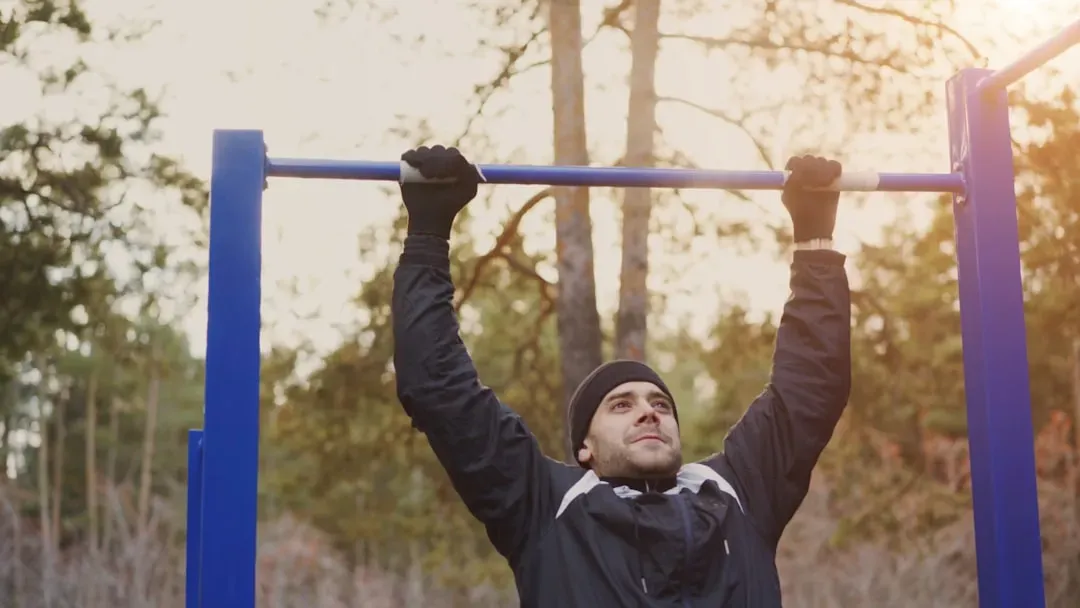
Resilience isn’t just about surviving tough times; it’s about staying committed to your long-term goals regardless of obstacles, and staying focused on the bigger picture even when day-to-day challenges feel overwhelming, breaking goals into smaller, manageable tasks and celebrating progress along the way. When you’re in the thick of a difficult period, it’s easy to lose sight of where you’re trying to go.
Breaking goals down not only keeps you motivated but also helps you build momentum, and by keeping your eyes on your long-term vision, you’ll maintain the determination and motivation needed to push through tough times and ultimately achieve your aspirations. Write down your big goals, then break them into ridiculously small steps. Celebrate each tiny win. That momentum builds on itself, and before you know it, you’ve covered more ground than you thought possible. Progress isn’t always linear, but it’s still progress.
Building a positive mindset and embracing resilience isn’t a one-time achievement. It’s an ongoing practice, something you return to again and again as life throws new challenges your way. Some days will be easier than others. Some techniques will work better for you than others, and that’s completely fine. The important thing is that you keep showing up for yourself, keep trying different approaches, and keep believing in your ability to grow through whatever comes your way.
What’s one small step you can take today to strengthen your resilience? Maybe it’s writing down three things you’re grateful for, reaching out to a friend, or simply taking ten deep breaths when stress hits. Start there. Your future self will thank you.