Bozeman, Montana – Road maintenance crews in Montana collected between 6,000 and 7,000 animal carcasses from roadways last year, stark evidence of the state’s second-highest national rate of wildlife-vehicle collisions. On April 18, the Yellowstone to Yukon Conservation Initiative partnered with Montana State University’s Office of Sustainability for a public panel that explored wildlife crossings as a proven remedy. Moderated by experts and featuring state agency representatives, the event underscored Montana’s timely opportunity to expand infrastructure that safeguards both animals and motorists.
Montana’s Alarming Collision Statistics
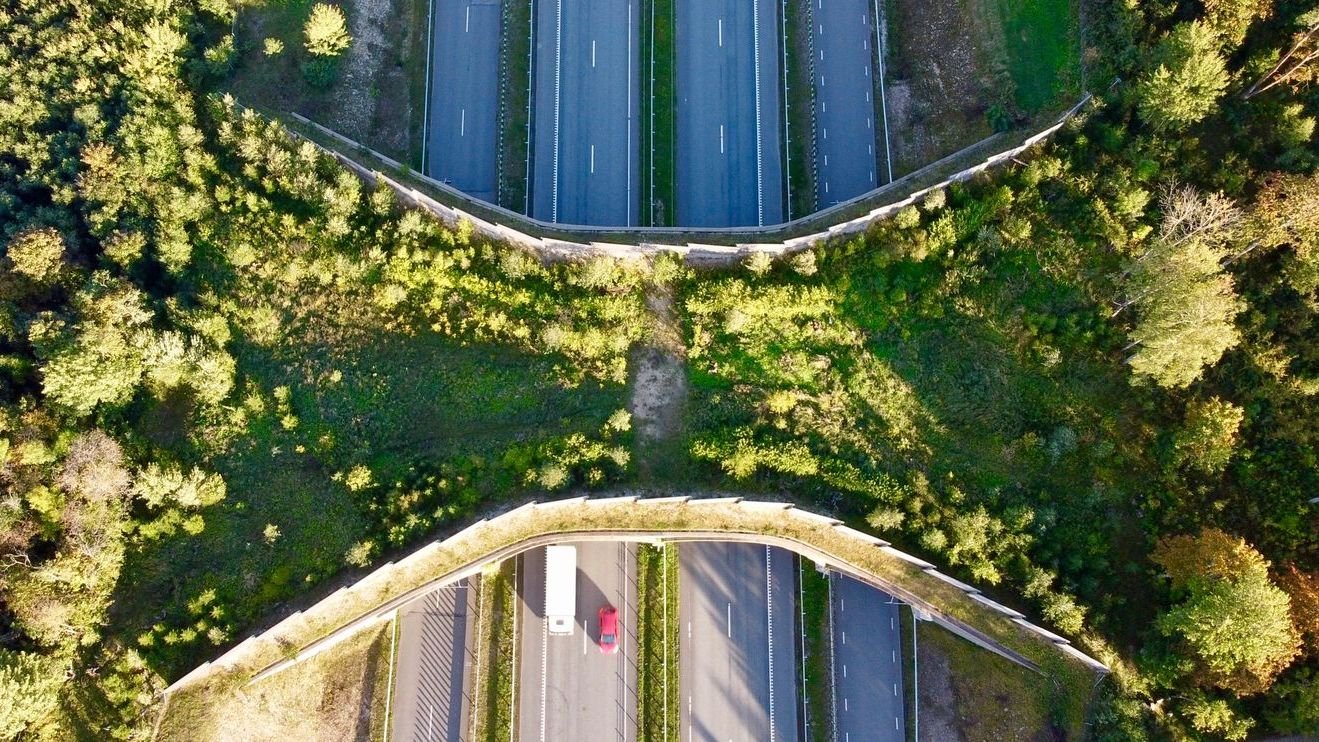
Montana’s Alarming Collision Statistics (Image Credits: Upload.wikimedia.org)
Wildlife-vehicle crashes pose a persistent danger across Montana’s vast landscapes. The state faces a one-in-53 chance of such incidents for drivers, contributing to annual economic damages estimated in the millions. These collisions not only claim animal lives but also endanger human safety and strain repair budgets.
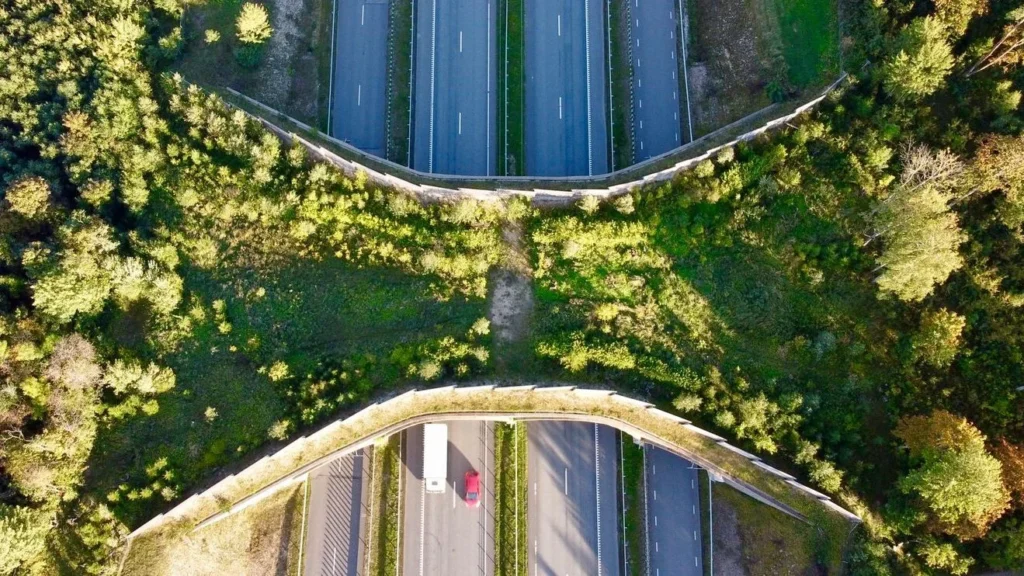
Panelists highlighted how fragmented habitats exacerbate the problem. Roads sever migration routes for species like deer, elk, grizzlies, and even fish, leading to genetic isolation over time. Solutions such as overpasses, underpasses, fencing, and signage have demonstrated reductions in collisions by as much as 97 percent in other regions.
Key Players Convene in Bozeman
The April 18 gathering at MSU’s Norm Asbjornson Inspiration Hall drew students, residents, and professionals eager to discuss road ecology. Part of Y2Y’s “Living Up to the Landscape” tour, the free event continued the next day in Missoula. Daniel Anderson, Y2Y’s senior outreach specialist for wildlife passage, delivered opening remarks and emphasized community-driven progress.
Panelists brought diverse expertise to the table:
- Breanna Ball, vice president of the Wyoming-based WYldlife Fund;
- Dustin Rouse, chief engineer at the Montana Department of Transportation;
- Lee Spangler, director of the Western Transportation Institute;
- Deb Wambach, representative from Montana Fish, Wildlife and Parks.
The discussion covered engineering designs tailored for various species, from large mammals to amphibians and aquatic life. Attendees praised the interdisciplinary approach required for success.
Expert Perspectives on Prevention
Deb Wambach stressed the overdue need for action. “Preventative action is never going to be soon enough,” she remarked during the panel. Anderson echoed this urgency, noting Montana’s strategic position. “As the state considers expanding wildlife crossing infrastructure, local voices across communities are driving practical solutions,” he stated. He described the state as being at a pivotal moment for wildlife conservation and road ecology.
MSU civil engineering student Jackson Queneau, who attended, marveled at the collaboration. “It’s incredible how much engineers and wildlife experts work together. None of these big projects – highway overpasses, underpasses for wildlife – would be possible without interdisciplinary work,” Queneau said. Residents like Bozeman’s Ashley Siana raised concerns about population growth intensifying risks to endangered species and driver safety.
“There’s a lot more people here in a place that was relatively low-populated previously. [My] concerns are more over safe driving in general, and also animal populations and endangered species.”
Ashley Siana, panel attendee
Navigating Funding and Implementation Challenges
High costs and competition for federal grants emerged as primary obstacles. Montana and neighboring states vie for limited resources to build and maintain structures amid aging infrastructure. Yet bipartisan momentum offers hope: Republican legislators created the state’s first dedicated wildlife crossing fund in 2025, unlocking federal matches.
Anderson, raised on a Montana ranch near Yellowstone, has championed such efforts through initiatives like Yellowstone Safe Passages. His work at Y2Y focuses on partnerships across agencies, tribes, NGOs, and communities to ensure connected habitats from Yellowstone to the Yukon. This October’s similar MSU presentation built on themes of human safety and economic benefits resonating broadly.
Local Ted James advocated for Montana to pioneer education efforts. “I think it would be really cool if Montana could have the bull by the horns approach to lead on this issue and educate a lot of people,” he said, pointing to the influx of summer visitors.
Montana’s Path Forward
The Bozeman panel reinforced that wildlife crossings extend beyond conservation to protect lives and livelihoods. With new funding mechanisms in place and growing collaboration, the state stands poised to implement scalable solutions. Ongoing tours like Y2Y’s signal sustained commitment. For more on these efforts, visit the Yellowstone to Yukon Conservation Initiative website. As development pressures mount, Montana’s actions could set a national example in balancing human progress with ecological integrity.