Wildlife protections that safeguard clean water, stable food chains, and thriving ecosystems directly support everyday American lives. The World Wildlife Fund recently emphasized this connection in a statement defending the Endangered Species Act amid intensifying debates over its future. Enacted over five decades ago, the law has shielded countless species from extinction, positioning the United States as a conservation leader.
Building a Legacy of Recovery
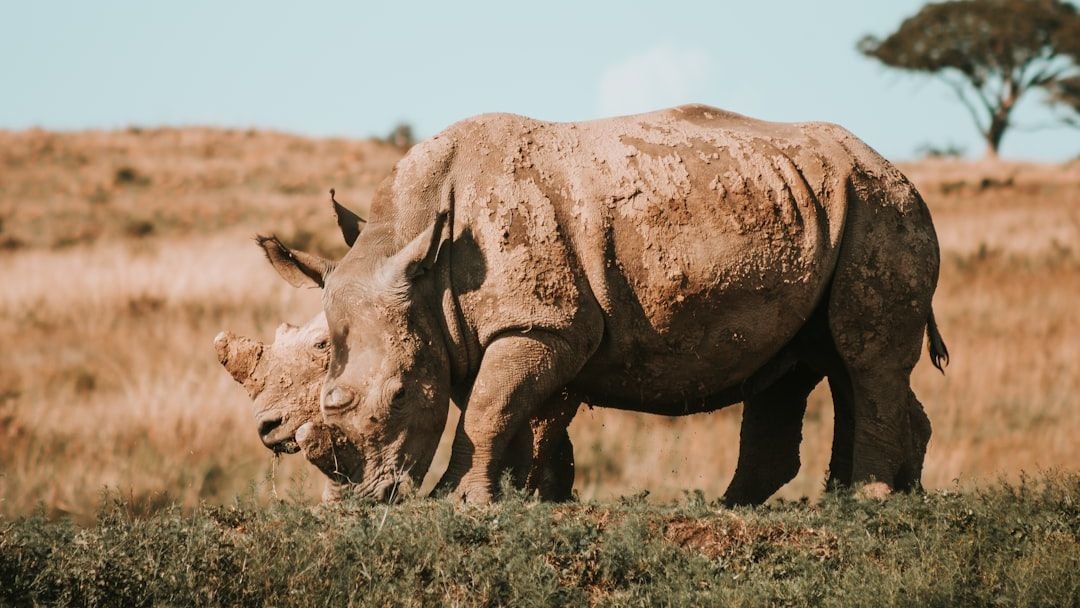
Building a Legacy of Recovery (Image Credits: Unsplash)
The Endangered Species Act emerged in 1973 with strong bipartisan backing. Lawmakers recognized the urgent need to halt biodiversity loss after witnessing dramatic declines in fish, wildlife, and plant populations. Federal agencies gained authority to list species as endangered or threatened based on scientific evidence, followed by habitat safeguards and recovery plans.
Results soon followed. The Act has prevented extinction for more than 99 percent of species placed under its protection. This track record sets it apart as one of the world’s most effective conservation tools. Populations receive ongoing monitoring, with recovered species removed from the list once stable.
From Near Extinction to Thriving Populations
Concrete examples illustrate the law’s impact. The bald eagle, America’s national symbol, teetered on the edge in the 1960s with only about 400 breeding pairs in the contiguous United States. Listing under predecessor laws, followed by Endangered Species Act enforcement, banned harmful pesticides like DDT, protected nesting sites, and supported captive breeding. By 2007, numbers exceeded 10,000 pairs, leading to delisting.
Other recoveries highlight similar progress:
- Humpback whale: Listed in 1970, nine of 14 populations rebounded to over 60,000 individuals by 2016, aided by reduced ship strikes and fishing gear entanglements. Delisted for those groups.
- Black-footed ferret: Down to near zero in the 1980s from prairie dog declines and disease, captive breeding and reintroductions now sustain nearly 400 in the wild.
These stories demonstrate how targeted interventions restore balance to ecosystems. Recovery timelines vary, influenced by habitat quality, reproduction rates, and external pressures like climate shifts.
Broader Benefits for People and Prosperity
Species protection extends beyond wildlife. Healthy habitats filter water, prevent soil erosion, and sustain fisheries that feed millions. The Act coordinates efforts across federal, state, tribal, and local levels, fostering partnerships essential for long-term viability.
Economically, thriving biodiversity underpins industries from tourism to agriculture. WWF notes that weakening these safeguards risks the natural systems Americans depend on for health and security. Threats persist, including habitat fragmentation and poaching, underscoring the need for vigilance.
WWF’s Firm Stance in Ongoing Debates
Released on April 23, 2026, the WWF statement addresses current discussions about potential changes to the law. It reaffirms the Act’s foundational role without ambiguity.
The United States has been a global leader in wildlife conservation thanks in large part to the foundational success of the Endangered Species Act. Since its enactment with bipartisan support in 1973, the ESA has proven incredibly effective by preventing the extinction of over 99% of listed species, including the bald eagle, the humpback whale, and the black-footed ferret. The critical protections the ESA provides to these species and their habitats should only be strengthened, not weakened, to protect the integrity of critical natural systems that Americans rely upon for their health, food security, and economic prosperity.
This position aligns with WWF’s long-term advocacy for the law as a model for global efforts.
As debates continue, the organization’s message carries weight from decades of on-the-ground conservation. Strengthening the Act promises continued benefits for wildlife and human communities alike. Future policy decisions will shape whether this legacy endures for generations.