
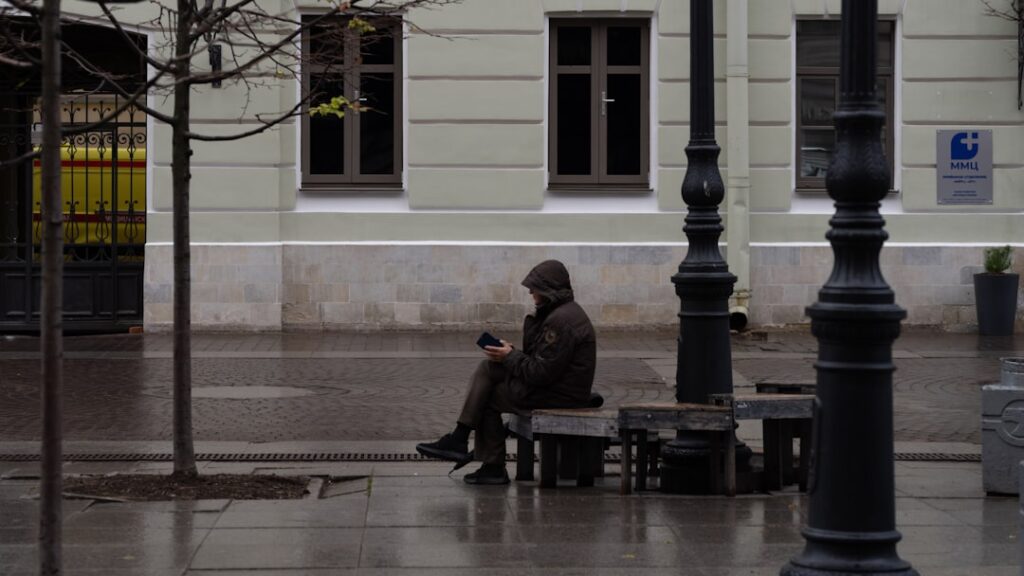
Ever notice how some people can walk into a room and instantly make everyone feel at ease, while others seem to carry an invisible force field that keeps people at a safe distance? It’s a curious thing. The desire for connection runs deep in all of us, yet certain personality traits can create an unintended barrier that makes others hesitate before getting too close. You might not even realize you’re doing it.
The truth is, the way you show up in relationships matters more than you think. Your behaviors, reactions, and patterns can either invite people in or signal them to keep their distance. Let’s explore what might be happening beneath the surface.
You Hide Behind Emotional Walls

Being chosen by someone you truly care for can often trigger deep fears and make maintaining closeness difficult. When you refuse to let anyone see what’s really going on inside, people sense it. You might treat vulnerability like it’s kryptonite, having learned that showing weakness equals getting hurt, perhaps from opening up once and getting burned.
When someone wants to connect on a deeper level, the fear of possible hurt becomes stronger, leading to avoidant behaviors designed to protect your inner world, though you may not even be aware you’re pushing people out. People around you can feel the invisible barrier. They knock on the door, but you never quite let them inside, leaving them wondering if they’ll ever truly know you.
You’re Hyper Independent to a Fault

There’s a difference between healthy independence and building an entire identity around not needing anyone. If you’re especially hyper independent, someone who pushes back against requests for assistance and believes on a deep level that you don’t need anyone but yourself, it’s obvious you appear afraid of what a relationship might cost you.
Those with intimacy avoidance tend to prioritize personal space and independence over shared activities, seeking autonomy and maintaining emotional distance, creating barriers to deeper connection, with this extreme need for space feeling like avoidance. People start to wonder if there’s room for them in your life at all. Your fierce independence, while admirable in some ways, can actually communicate that you don’t value what others have to offer.
You Sabotage Things Right When They Get Good

When things are going well, people who push others away often feel deeply uncomfortable, as the happiness feels temporary, fake, or undeserved, so they find ways to confirm their negative beliefs about relationships. You pick fights out of nowhere. You become hypercritical. You withdraw emotionally precisely when someone is trying to get closer.
Even when relationships are great, you can’t help but imagine how things could go horribly wrong, thinking maybe this means they’re not right for you, feeling overwhelmed and responding by backing away, ultimately shutting down the connection, believing it’s better to end it now before getting really hurt. This pattern leaves people confused and hurt, wondering what they did wrong when the reality is that your own fear is driving the bus.
You’re Emotionally Color Blind

Because avoidant people have learned to ignore and deny their own negative emotions, it becomes very difficult to recognize emotional cues in others or have much empathy, making them emotionally color blind, though they’re likely unaware they’re not accurately perceiving or adequately attending to others’ emotions. You miss the subtle signals that something’s wrong. You don’t pick up on the hurt in someone’s voice.
People raised in certain ways begin to ignore social cues that could signal being rejected or marginalized. When friends or partners try to share their feelings, you might dismiss them, change the subject, or offer logical solutions instead of emotional support. This leaves people feeling unseen and unheard, which is one of the loneliest feelings in a relationship.
You Keep Everyone at Arm’s Length With Sarcasm

Sarcastic people may be insecure, uncomfortable with intimacy, or scared of being the butt of a joke themselves, and that behavior becomes wearing over time, though people put up with it more easily if they’re funny enough or truly apologetic when told they’ve been hurtful. Sure, humor can be a great social tool, but when it’s your only tool, it becomes a problem.
Rather than leaning into emotional conversations, intimacy-avoidant individuals may joke, tease, or use sarcasm to avoid getting too serious. Every time someone tries to have a real conversation, you deflect with a joke. Every vulnerable moment gets wrapped in irony. People eventually stop trying because they realize they’ll never get past the comedy routine to the real person underneath.
You’re a Chronic Perfectionist

Perfectionists can find it hard to form intimate relationships because they demand a lot of themselves and sometimes of others, have extreme concern about how others see them, and may see their partners as holding impossible expectations for the relationship, leading to anger and conflict. Nothing is ever quite good enough, including the people around you.
This relentless need for perfection creates an environment where people feel they’re constantly being evaluated and found lacking. They walk on eggshells, worried about making mistakes or not measuring up to your standards. Eventually, they realize that no matter what they do, it won’t be enough, so they stop trying altogether.
You’re Always Busy With Everything Except Connection
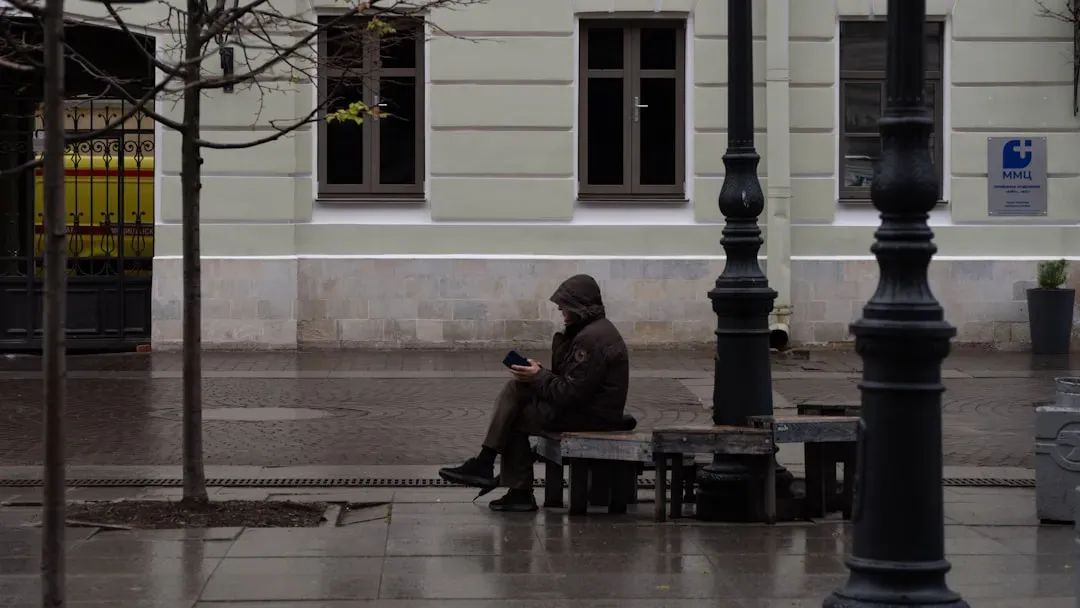
People with intimacy avoidance may throw themselves into work, hobbies, or routines as a way to sidestep emotional closeness, with staying busy giving them a convenient excuse to avoid vulnerable moments or deeper conversations, making their partner feel always second to a project, task, or schedule, creating distance physically and emotionally over time.
People who generally avoid intimacy out of fear they will not be loved and accepted have a pattern of trying to fill the intimacy gap in various ways like excessive busyness, sex, television, mobile phone use, anything that takes one away from one’s feelings and from sharing them. Your calendar is packed, but somehow there’s never time for the conversations that matter. People begin to feel like an inconvenience rather than a priority.
You Lash Out When People Get Too Close
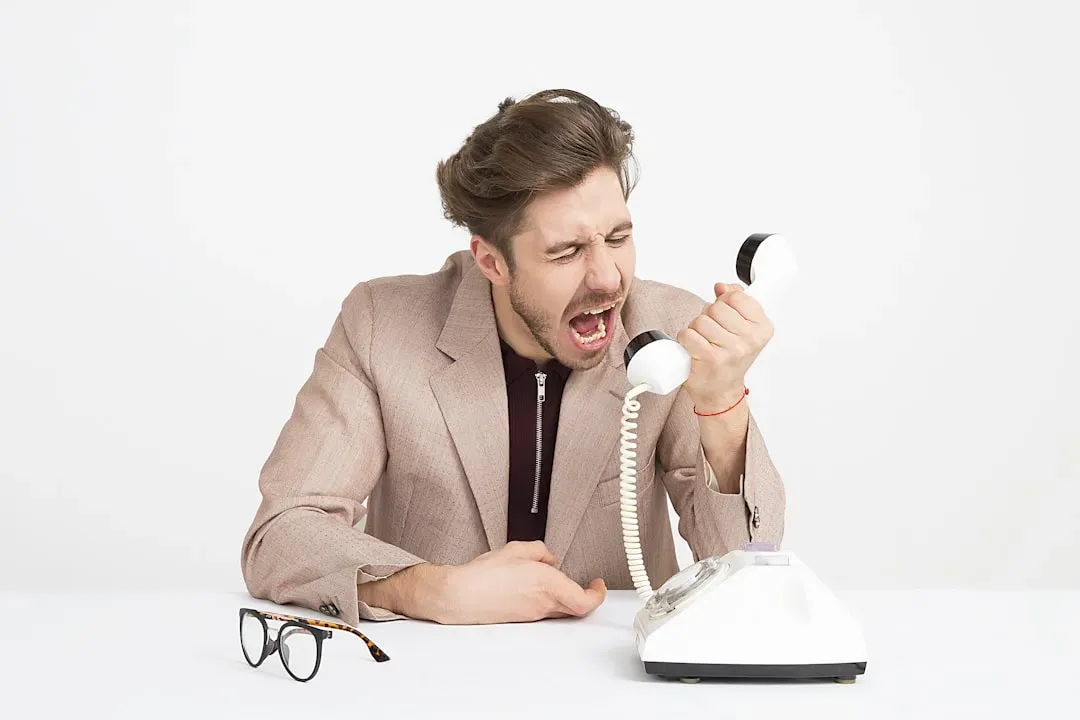
Anger is a secondary emotion, what we feel when trying not to feel something else like hurt, fear, or sadness, and for people who push others away, anger becomes their go-to defense mechanism because it’s easier to be angry than afraid and simpler to lash out than to admit you’re hurting.
Others may react intensely to situations, such as being controlling or overly critical, using guilt on their partner to express hurt, or being clingy. When someone tries to discuss feelings or address problems in the relationship, you explode. Your intensity becomes a weapon that keeps people from wanting to approach you with anything real or difficult.
You Expect Everyone to Eventually Let You Down

People who push others away often carry a deep belief that disappointment is inevitable, having already played out the ending in their heads where it doesn’t go well, so they figure why not skip to the part where everyone leaves, making this expectation a self-fulfilling prophecy where you start interpreting actions through that lens.
If you felt unseen or misunderstood as a child, you may have a hard time believing someone could really love and value you, with the negative feelings developed toward yourself becoming a deeply embedded part of who you think you are, so when someone is loving and reacts positively toward you, you experience internal conflict and often react with suspicion and distrust. Your constant anticipation of abandonment makes you look for evidence that people are pulling away, even when they’re not.
You Control the Narrative by Keeping Distance

Control can look like keeping everyone at arm’s length, and when you push people away, you’re controlling the narrative, deciding when and how the relationship ends, protecting yourself from the unpredictability of genuine connection. This need for control stems from deep fear.
By pushing people away, you feel you’re maintaining control over your emotional environment, because allowing others to get too close means relinquishing some control and opening yourself up to potential hurt or disappointment, and closeness equals vulnerability that doesn’t feel safe, so you run away and decide it’s for the best, avoiding facing your own vulnerabilities, child wounds, traumas, and unhealthy relationship patterns because that feels safe. People sense they’re being managed rather than truly known, which makes authentic intimacy impossible.
Finding Your Way Back to Connection

Here’s what you need to understand. Avoidance of intimacy doesn’t necessarily mean you don’t care, it usually isn’t even a conscious process, it is in large part a biological reaction ingrained in the structures of the central nervous system through certain parenting practices in childhood. The patterns you’ve developed aren’t character flaws, they’re protective mechanisms that once served a purpose.
Intimacy avoidance, while a protective mechanism, can inhibit personal growth and the development of deep, meaningful relationships, however, with understanding, self-awareness, and professional help, individuals can overcome their fear of intimacy and open themselves up to the enriching experience of close emotional connections. Recognition is the first step. Once you see these patterns in yourself, you have the power to change them. It won’t happen overnight, but with patience and willingness to be uncomfortable, you can learn to let people in. The walls you built to protect yourself might actually be the very thing keeping you from what you need most. What patterns do you recognize in yourself? Tell us in the comments.