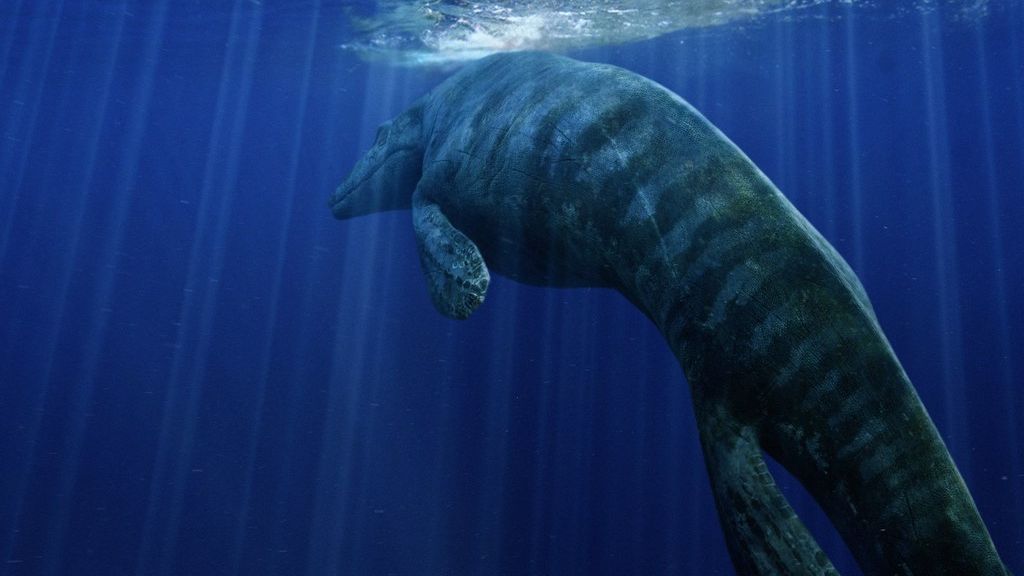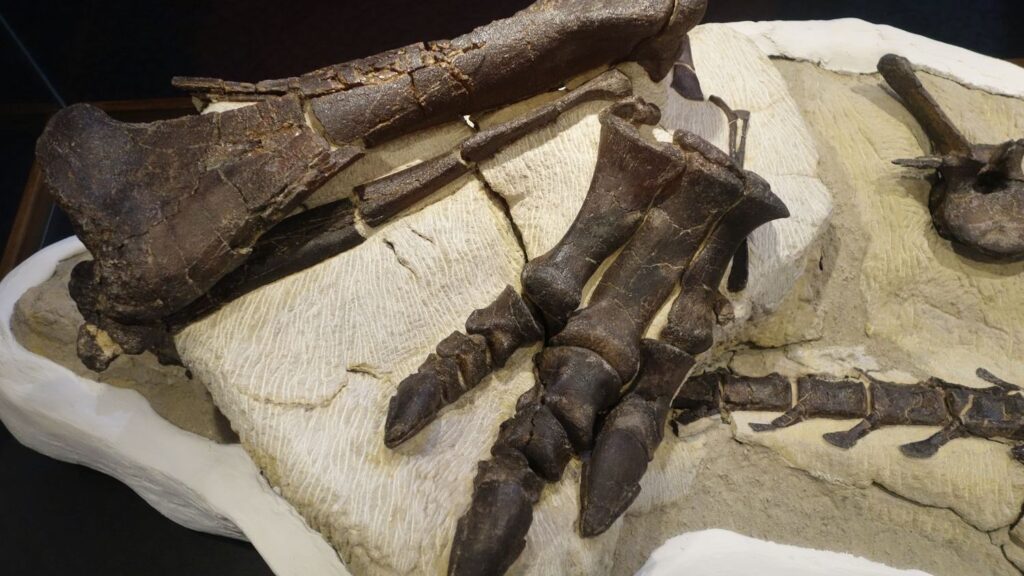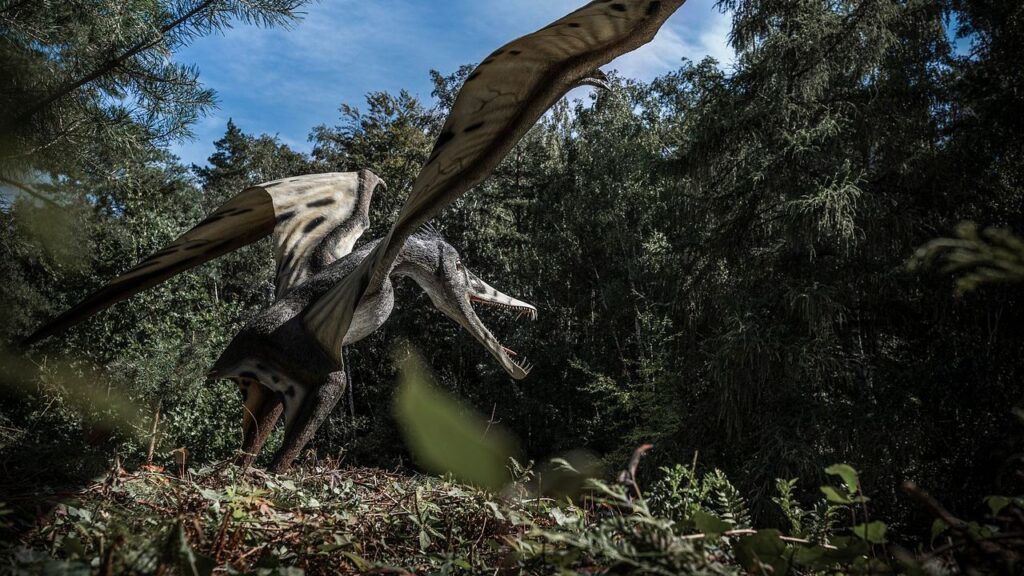
If you could step outside your door in North America about seventy million years ago and look up, you would not just see birds. You would be staring into the vast wingspans of gigantic flying reptiles, some as long as a small airplane, gliding over ancient shorelines and inland seas. These were pterosaurs, the rulers of the skies long before modern birds took over, and they turned the air above Cretaceous North America into one of the most dramatic stages nature has ever built.
When you dive into their story, you start to realize that your mental picture of prehistoric life is probably too small. You might think of dinosaurs thundering across the ground, but you rarely imagine what was happening above their heads. Once you see how big, strange, and surprisingly sophisticated these flying reptiles were, it is hard not to feel a mix of awe and unease – like realizing that the sky itself once had apex predators cruising silently through it.
You Are Not Thinking Big Enough: How Huge These Flyers Really Were
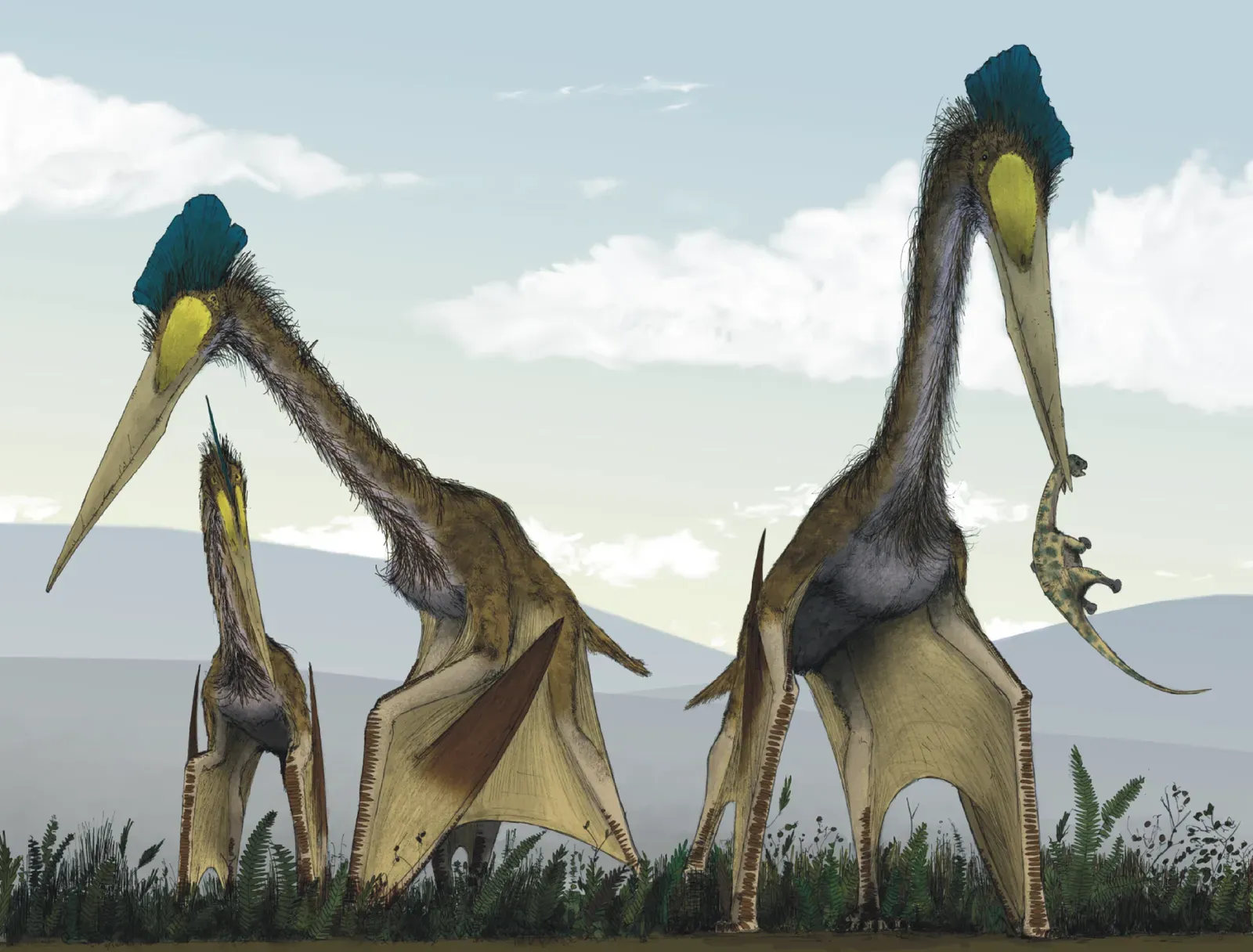
When you hear “flying reptile,” you might picture something the size of a large bird, but you need to scale that up dramatically. Some of the largest North American pterosaurs, like Quetzalcoatlus, had wingspans that could stretch roughly as wide as a small private plane, possibly reaching around ten meters from tip to tip. You are talking about an animal that, if it glided over a two-story house, would cast a shadow that swallowed the roof. This is not a big bird; this is moving architecture.
Now imagine walking across an ancient coastal plain while one of these giants launches nearby. You would see a body roughly the size of a giraffe rise up on long, pillar-like limbs, beat its enormous wings, and then lift into the air with a few powerful strokes. If you had been there, you would have felt the rush of air and maybe even dust blasting your face as it took off. Just recognizing that your continent once hosted creatures this big instantly shifts how you think about “possible” life on Earth.
You Are Not Looking at Dinosaurs: Pterosaurs Were Their Own Line
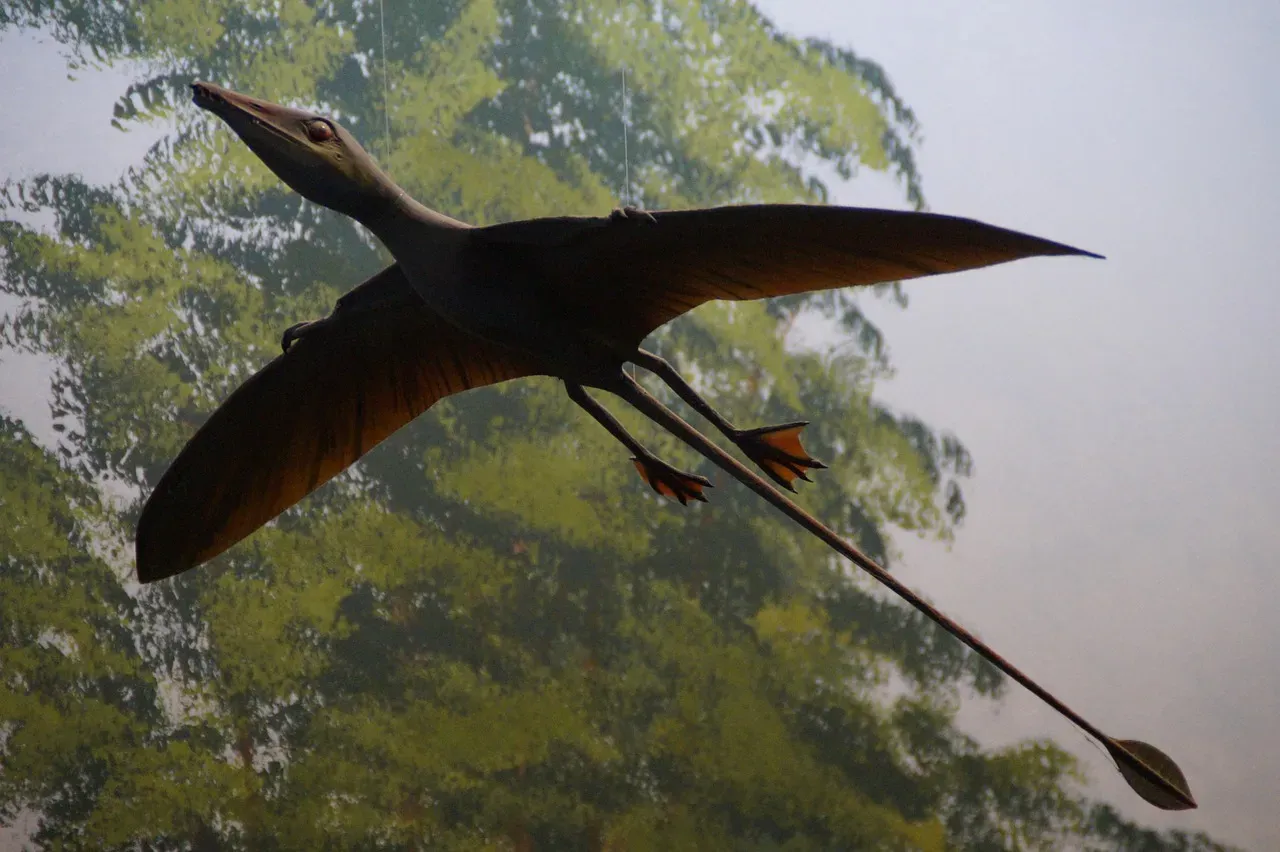
If you have always lumped these animals in with dinosaurs, you are not alone – but you are also missing something important. Pterosaurs were flying reptiles that shared the planet and common ancestors with dinosaurs, yet they formed their own distinct branch of the reptile family tree. You can imagine them as cousins to dinosaurs rather than members of the same immediate household, evolving flight in a completely different way from birds, which came from small, feathered theropod dinosaurs. Once you see that, you start to notice how different their entire design really was.
In North America, pterosaurs coexisted with famous dinosaurs like Tyrannosaurus and Triceratops, but they filled a separate role in the ecosystem. While big predators patrolled the land, these flyers were the air force, cruising above inland seas, river deltas, and open coasts. If you could time-travel to that world, you would not just watch a single “age of dinosaurs”; you would be watching parallel empires – dinosaurs on the ground, pterosaurs in the sky – rising, overlapping, and eventually vanishing on different timelines.
You Would Have Seen a Sky Full of Specialists, Not Just One Giant Species
![You Would Have Seen a Sky Full of Specialists, Not Just One Giant Species ([3] archive copy at the Wayback Machine, CC BY-SA 3.0)](https://nvmwebsites-budwg5g9avh3epea.z03.azurefd.net/dinoworld/b738d07b0a1e0e0fb1ecc5721dcca33d.webp)
It is tempting to picture only the giants, but if you had actually looked up over Cretaceous North America, you would have seen a whole community of pterosaurs of different sizes and lifestyles. Some species were probably not much bigger than a crow, zipping around like aerial insects hunters, while others had moderate wingspans and long, delicate jaws specialized for grabbing fish. The giant azhdarchids, like the famous Texas giants, likely patrolled coastlines and floodplains, using their long necks to scan for prey on the ground. You would not see a uniform sky; you would see layers of activity, like traffic at different altitudes over a busy airport.
If you picture a modern coastal city with gulls, pelicans, and raptors all using the same space differently, you get a rough sense of how busy ancient skies could have been. Some pterosaurs would have soared high and wide, using rising air currents to travel long distances with minimal effort, while smaller ones darted in quick, acrobatic maneuvers lower down. Once you realize how diverse these animals were, you stop thinking of them as a single “type” and start seeing them as an entire airborne ecosystem in their own right.
You Would Have Been Startled by Their Strange, Efficient Bodies
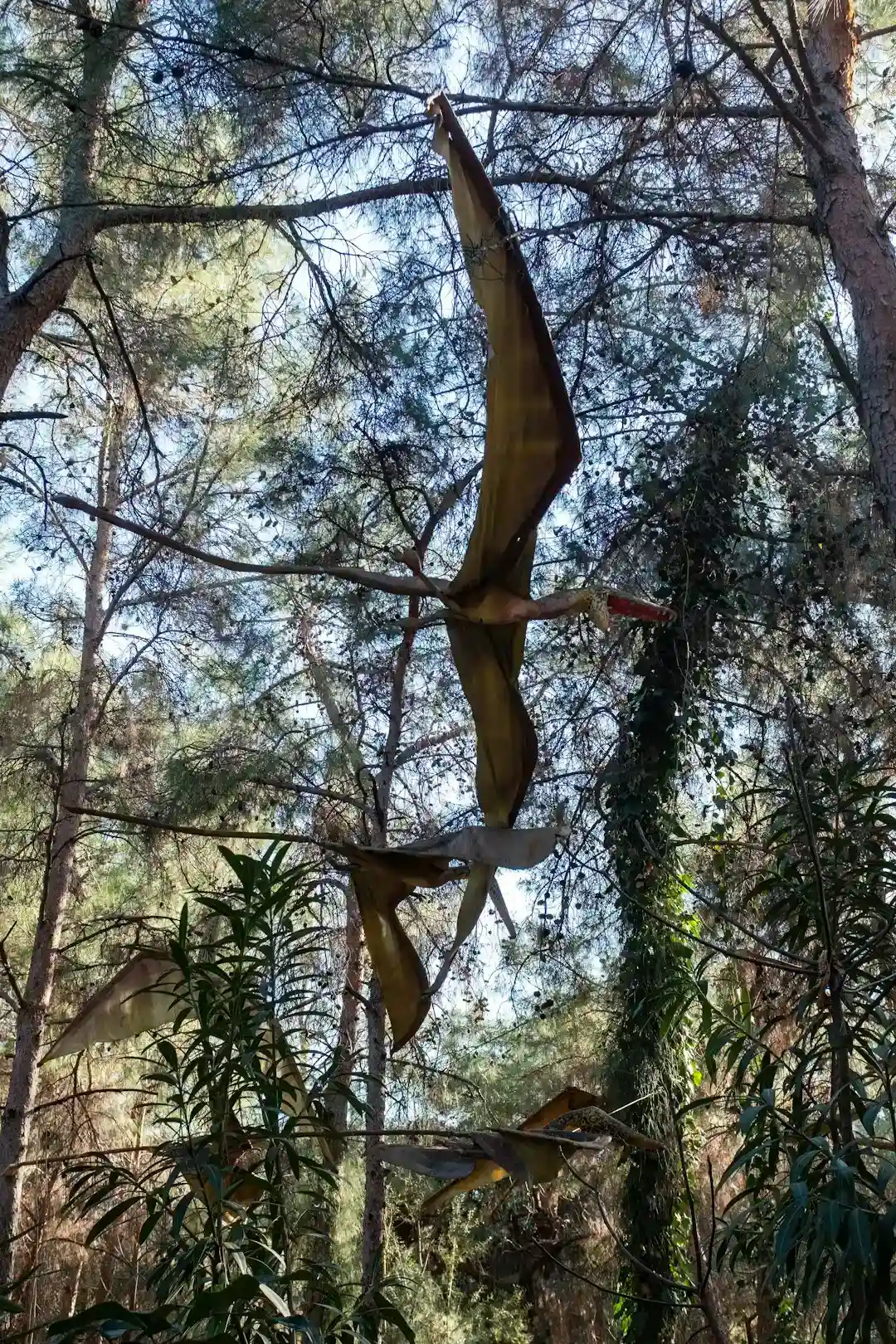
If you could walk up to one of these animals, you would notice immediately that its body was oddly light and almost fragile-looking, built for flight in ways your eyes might struggle to trust. Pterosaurs had hollow bones reinforced with internal struts, kind of like the inside of a metal tower, giving them strength without much weight. Their wings were made from a membrane of skin and muscle stretching from an extremely elongated fourth finger down to the body and sometimes the legs. Once you picture that fourth finger as a flexible wing spar, you can see how radically different their approach to flight was compared with birds’ feathered wings.
You might also be surprised to learn that many pterosaurs had some form of fuzzy body covering, a hair-like coating that likely helped with insulation and temperature control. That means you are not just imagining cold, scaly reptiles gliding silently; you are dealing with warm-blooded, active animals more like flying, leathery-bodied, fuzzy gliders. Add to that their complex crests, long necks, and specialized jaws, and you are picturing a creature that looks part crane, part bat, and part something completely alien. It is the kind of animal that makes you rethink what evolution can assemble when it works on the same problem – flight – from a different starting point.
You Would Have Watched Them Hunt Like Aerial Predators and Stalking Giants
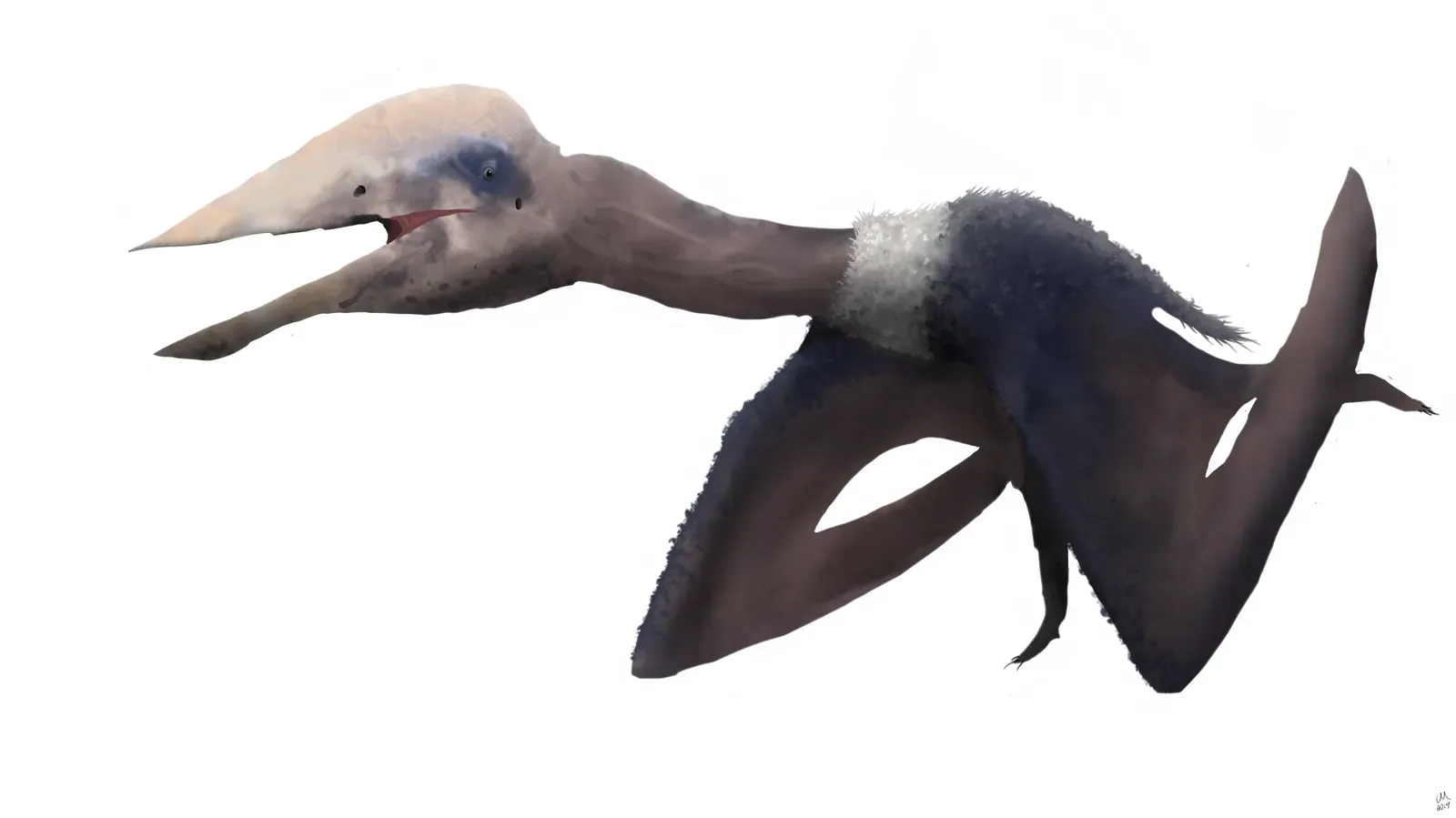
When you think about how these animals fed, you might imagine them diving like modern seabirds, and in some cases you would be right. Certain pterosaurs probably skimmed low over the water, snapping up fish and small marine animals near the surface of ancient inland seas that once split North America into eastern and western landmasses. Others may have stood along shorelines or waded in shallow waters, using their long beaks to probe for prey. If you had watched them at dusk, you might have seen silhouettes gliding low over the waves, turning the sea surface into a hunting ground.
The huge land-walking azhdarchid pterosaurs likely hunted in a very different way that might surprise you. Instead of living just like oversized seabirds, they may have stalked open plains and riverbanks on foot, picking up small animals, carrion, or anything they could swallow whole. You can imagine one striding across a muddy floodplain like an impossibly tall stork, pausing to jab its head down at a scurrying mammal or young dinosaur. Once you picture them not just as fliers but as roaming, long-legged hunters, you see how thoroughly they could dominate both sky and ground in certain habitats.
You Would Have Shared North America With Them for Tens of Millions of Years
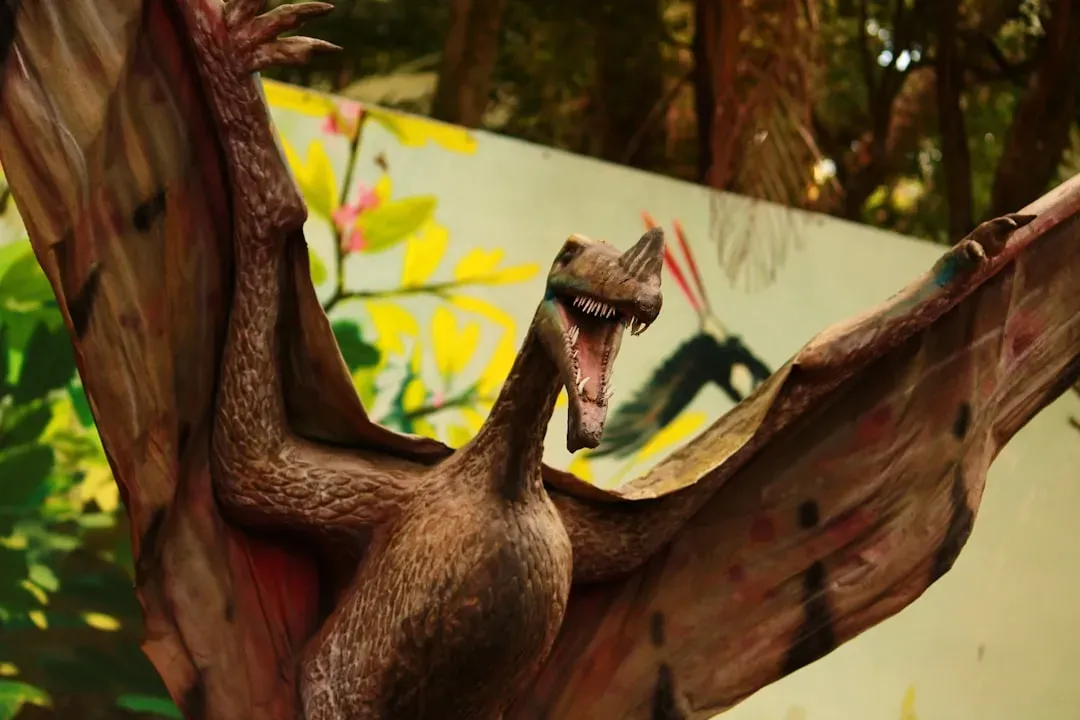
If you laid out the history of pterosaurs on a timeline, you would see they were not a brief sideshow; they were a long-running presence. They first appeared during the Triassic Period and stayed all the way into the very end of the Cretaceous, sharing the world with dinosaurs for over one hundred million years. In North America, their fossils show up in rocks that record a huge stretch of time, from early forms connected to shallow seas to late giants cruising over the last age of dinosaurs. If you had been born at almost any time in that world, chances are you would have lived under their silhouettes.
What really hits you is how gradual and persistent that presence was. These were not experimental oddities that came and went; they were stable, successful, and constantly adapting to new environments and food sources. You would have watched species come and go, but the idea of a large flying reptile in the sky would have felt as normal to you as seeing gulls or hawks feels today. Only when the catastrophic changes at the end of the Cretaceous hit would you suddenly lose that familiar shape from your horizon.
You Would Have Watched Them Vanish in the Same Catastrophe That Ended the Dinosaurs
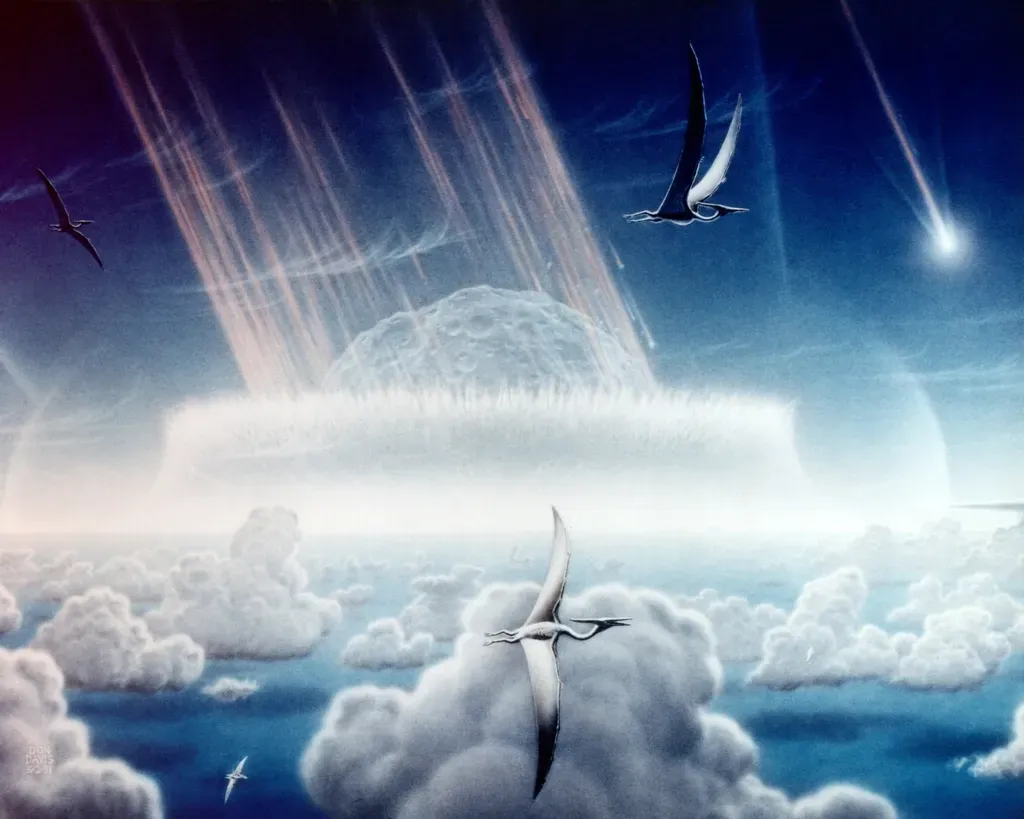
At the end of the Cretaceous, about sixty-six million years ago, your North American skies changed almost overnight in geological terms. An asteroid impact, combined with volcanic activity and climate chaos, triggered one of the most severe mass extinctions in Earth’s history. If you had been living then, you would have seen food webs collapsing, temperatures and light levels swinging wildly, and habitats shrinking or transforming faster than large animals could adapt. In that storm of change, the big pterosaurs, especially the largest forms, disappeared along with non-avian dinosaurs.
What is striking for you today is that birds, the only surviving dinosaurs, managed to hold on and eventually take over many of the roles pterosaurs had once filled. The skies above North America did not stay empty for long in evolutionary terms, but they were never again ruled by gigantic reptiles with ten-meter wingspans. When you watch a pelican soaring over the coast or a vulture circling a canyon, you are seeing only a faint echo of that lost world. The original masters of long-distance soaring and giant-body flight simply never came back.
You Can Still Track Them Across North America Through Their Fossils
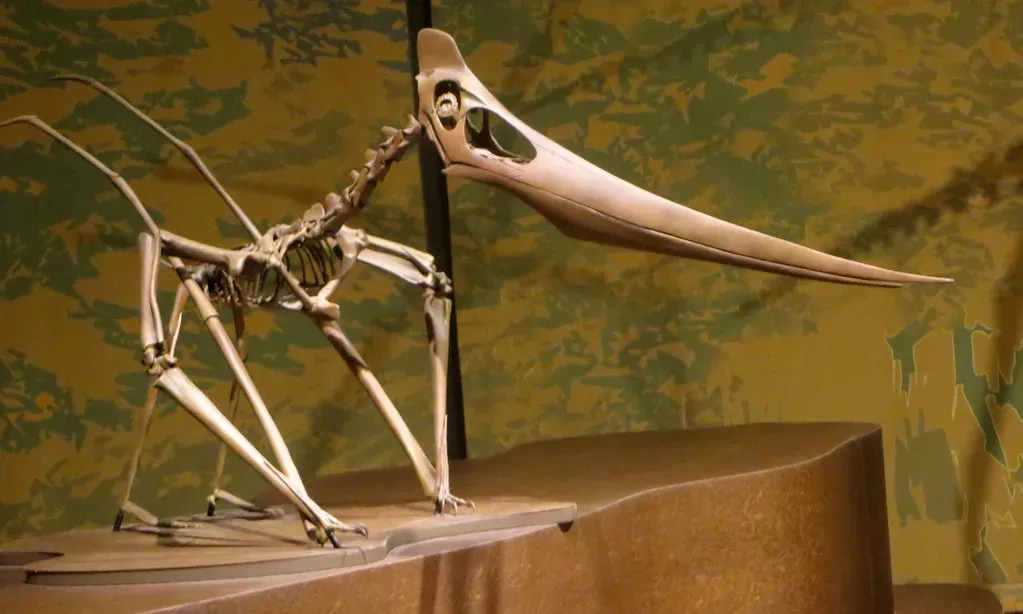
Today, you can actually trace where these animals once flew by looking at the rocks under your feet across North America. Fossils of pterosaurs have been found from Texas to Alberta, with famous sites in places like Big Bend in Texas, the Western Interior Seaway deposits in the central United States, and parts of Canada that once bordered ancient coasts. When paleontologists pull delicate bones from these layers, you are essentially seeing scraps of the old sky preserved in stone. Even though the bones are rare and fragile, each one anchors another point on the map of where these giants lived.
If you were to road-trip through the western United States and parts of Canada with this in mind, you could treat the landscape as a quiet museum of vanished skies. Those long, flat plains you see from the highway might once have been shallow seas with pterosaurs gliding above them. The cliffs and badlands that look so dry and empty today once supported rich, lush environments full of prey for these flying hunters. Realizing that, you start to feel like you are constantly driving through the shadows of wings you can no longer see.
You Are Closer to Them Than You Think: How They Change How You See Modern Flight
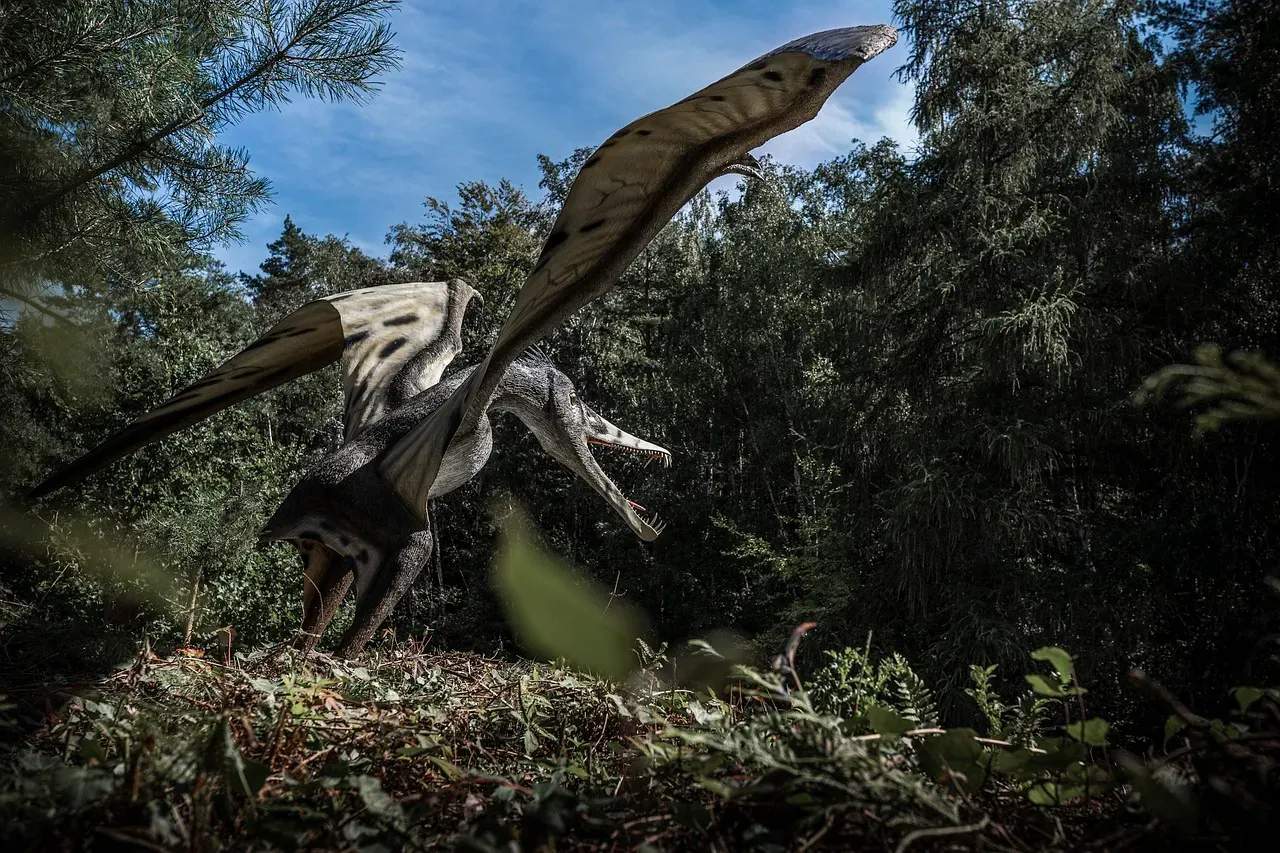
Even though you will never see a living pterosaur, understanding them changes how you look at birds, bats, and even airplanes. You realize there is more than one way for life to solve the problem of flight, from feathered wings to membrane wings to aluminum and engines. When you watch a glider silently circling on rising air currents, you are seeing humans copy a strategy pterosaurs used tens of millions of years ago. If you pay attention to the shapes of wings and the way animals tilt and bank, you start to notice echoes of those lost reptiles in modern engineering and biology.
On a more personal level, knowing that North American skies were once dominated by enormous flying reptiles gives you a humbling sense of how temporary your current world really is. The landscapes you consider normal, the animals you take for granted, and even the idea of what belongs in the sky have all changed dramatically over deep time. When you stand outside at sunset and watch a hawk circling high above, you can let your mind overlay a second scene: a gigantic, long-necked pterosaur cruising along the same thermal, casting a much larger shadow. Once you let that image in, the sky over your head never feels quite the same again.
Conclusion: When You Look Up, You Are Standing in an Ancient Flight Path
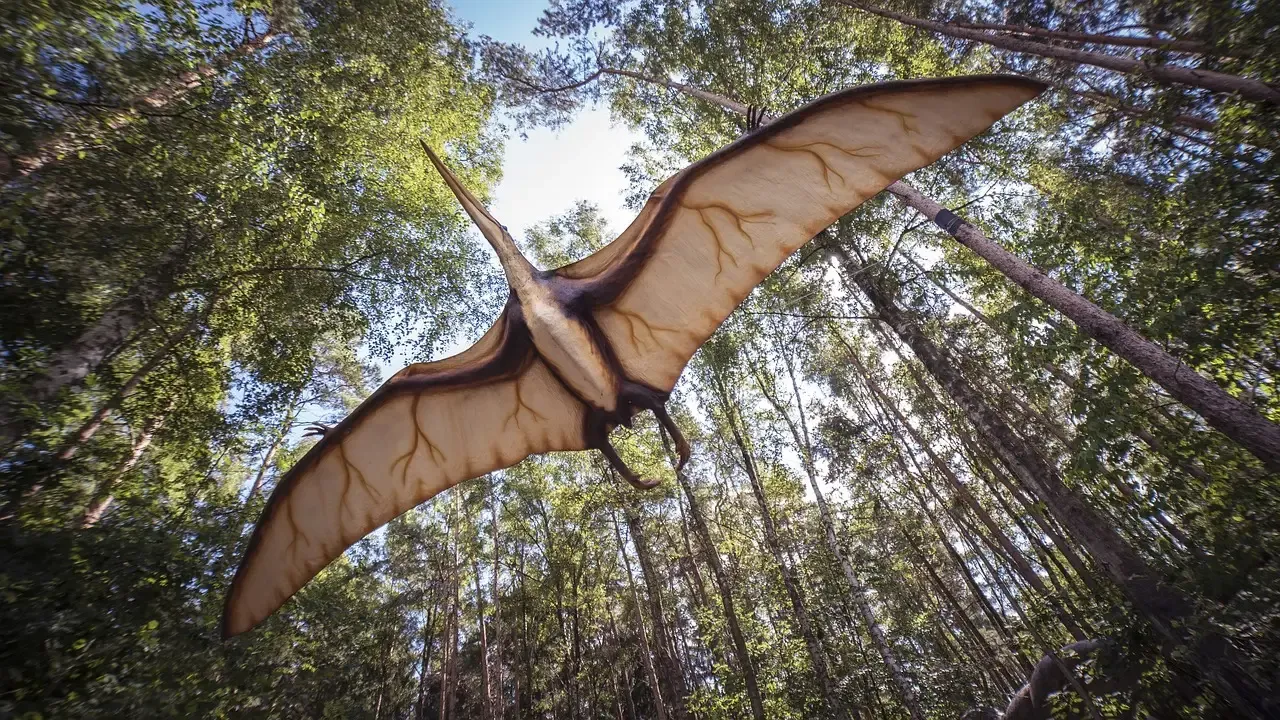
When you pull all of this together, you start to see that North America’s past skies were not just empty backgrounds for dinosaur dramas; they were crowded, dangerous, and full of gigantic flying reptiles that ruled their own domain. Pterosaurs were not dinosaurs, but they were their long-time companions and competitors, wielding hollow bones, membrane wings, and strange, elegant bodies to dominate the air for tens of millions of years. They evolved a breathtaking variety of forms, from small, quick fliers to land-stalking giants with wingspans rivaling small planes, and they turned ancient inland seas and coastal plains into three-dimensional hunting grounds. When the final mass extinction hit, they vanished completely, leaving only indirect echoes in birds and in the designs humans now build to conquer the sky.
For you, their story is a reminder that the world above your head has a deep, wild history that is easy to forget when you only see jets and sparrows. The same continent you live on once echoed with the soft wing beats of enormous reptiles gliding across sunset-streaked horizons, their silhouettes as normal then as contrails and power lines are to you now. Next time you step outside and tilt your head back, you can imagine those ancient shapes sliding silently across the clouds, sharing the same air you breathe but belonging to a completely different age. Knowing that, do you ever wonder what future creatures might one day look back at your world and feel the same kind of awe?