You probably don’t realize it, but right now you’re running on autopilot. Think about the last time you brushed your teeth or unlocked your phone. Did you consciously decide each movement, each action? Probably not. That’s because your brain has quietly handed over control to something far more powerful than willpower: habit.
We like to believe we’re in charge of our choices. Yet research now shows something that might surprise you. Two-thirds of our everyday behaviors are habits. That morning coffee ritual, the route you take to work, even the way you respond to stress – these aren’t really decisions anymore. Your brain learned them once and now replays them automatically, freeing up mental energy for more demanding tasks. The question is: are your habits working for you, or against you? Let’s dig into the fascinating world beneath the surface.
The Hidden Autopilot Running Your Life
Nearly half of our actions are performed almost daily and in the same context. That’s a startling realization when you stop to consider it. You wake up, reach for your phone, brew coffee, check emails – all without a second thought. Habits serve a critical purpose in making our behavior more efficient, reducing the decision burden we face each day and freeing up mental energy for more demanding tasks.
Here’s the thing, though. While habits make life easier, they also mean you’re not always present in your own experience. Think about the drive home from work where you suddenly realize you don’t remember the last ten minutes. Your habit system took over completely. The brain has to be able to use and switch between two different strategies: one based on habits and one based on goals. When that balance tips too far toward autopilot, you might find yourself biting into a donut during a diet or scrolling social media when you meant to work.
Your Brain’s Clever Three-Step Dance
Every habit you have follows a surprisingly simple pattern. The answer lies in the habit loop, a pattern comprised of three components: cue, routine, and reward. It starts with a trigger – maybe stress, boredom, or just walking past your favorite bakery. That cue sparks a routine, the actual behavior itself. Finally comes the reward, which reinforces the whole cycle.
Let’s say you feel anxious at work. Your brain, trying to help, remembers that checking your phone gave you a little hit of distraction last time. So it nudges you to do it again. When KCC2 levels are reduced, dopamine neurons fire more rapidly, which encourages the formation of new reward associations. Over time, this loop gets carved deeper into your neural pathways until it becomes automatic. The scary part? Because habits are automatically triggered and carried out without much involvement of our frontal thinking lobe, we don’t always notice these patterns of behaviour.
The Battle Between Two Brain Systems
A stimulus–response system that encourages us to efficiently repeat well-practiced actions in familiar settings, and a goal-directed system concerned with flexibility, prospection, and planning. These two systems are constantly competing for control of your behavior. One wants efficiency through repetition. The other wants thoughtful decision-making aligned with your goals.
Getting the balance between these systems right is crucial: an imbalance may leave people vulnerable to action slips, impulsive behaviors, and even compulsive behaviors. Ever meant to eat just one cookie and finished the whole package? That’s your habit system overpowering your planning system. Goal-directed behavior has been linked to the corticostriatal associative loop, which connects the prefrontal cortex and orbitofrontal cortex with the dorsomedial striatum. Meanwhile, habitual behavior has been linked to the corticostriatal sensorimotor loop, which connects the sensorimotor cortex to the dorsolateral striatum.
How Long Does It Really Take to Form a Habit?
You’ve probably heard that it takes twenty-one days to form a habit. That’s actually a myth. Automaticity plateaued on average around 66 days after the first daily performance, although there was considerable variation across participants and behaviours. Some habits stick faster, others take longer – it depends on complexity and consistency.
Habits are typically formed through the repetition of an intended behavior. That morning oats breakfast? Switching from cereal to overnight oats might have started as an effortful, intentional action each morning but soon becomes a habit through repetition. The key insight here is patience. You’re not broken if your new gym routine doesn’t feel automatic after three weeks. Give your brain time to rewire itself.
The Emotional Puppet Strings You Didn’t Know About

Our emotions are incredible drivers of our behaviour. Usually without us even realising. This is where things get really interesting. You might think you reach for chocolate because you like chocolate. The truth is often deeper. Often when you fall into one of these negative states of mind, your brain tries to come up with ways to solve them. To bring you back to a more positive baseline. And one trick it has up its sleeve to do this is to get you to do something that creates a reward.
Boredom triggers snacking. Loneliness triggers social media scrolling. Stress triggers whatever your personal comfort behavior happens to be. This is why feeling low can trigger habitual behaviours. Because your brain knows from experience that when you carry out that particular behaviour, you get a reward of some kind. The problem? That reward is usually temporary, and the habit can become destructive over time.
Why Breaking Bad Habits Feels Impossible
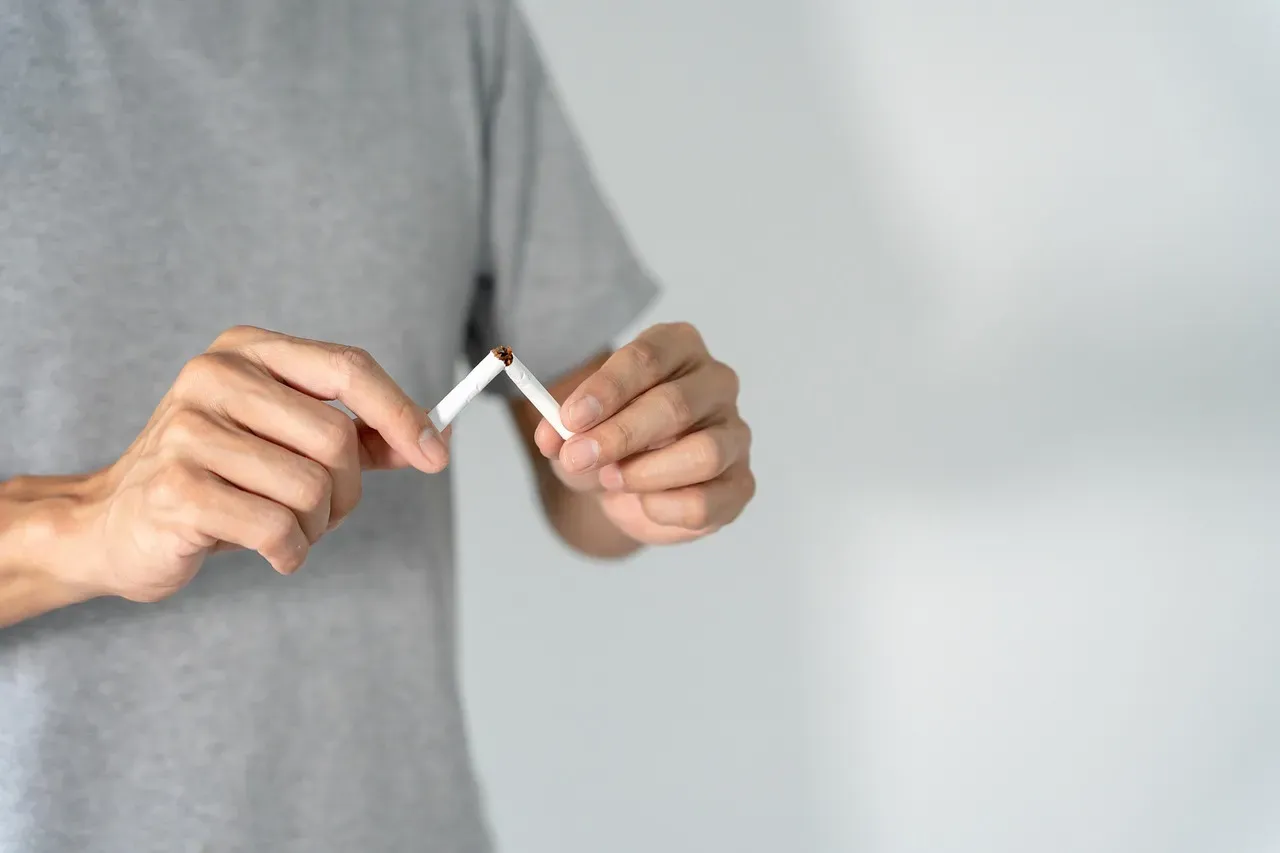
A major reason breaking bad habits is challenging is that they are no longer as dependent on goals as they were during the formation phase. Simply put, they have become automatic. When you try to white-knuckle your way through quitting something, you’re fighting against deeply grooved neural pathways that fire without conscious thought.
Replacing a first-learned habit with a new one doesn’t erase the original behavior. Rather, both remain in your brain. That’s why you can quit smoking for years and still feel the urge when stressed. The old pathway is still there, just dormant. Habits start as behavioral solutions to an underlying emotional trigger, often anxiety or stress. Because they work – you get an immediate moment of relaxation when you check your phone or pour a drink – they get repeated, and with repetition, the behavior gets hot-wired in your brain. Breaking that wiring requires more than willpower alone.
The Power of Replacement Over Resistance
Research shows that replacing a bad behavior with a good one is more effective than stopping the bad behavior alone. The new behavior interferes with the old habit and prevents your brain from going into autopilot. This is honestly one of the most practical insights from habit science. Instead of trying not to snack, you plan to eat carrots when the craving hits. Instead of fighting the urge to check your phone, you pick up a book.
Breaking a bad habit is not about white-knuckled stopping but a planned replacement. The key word there is planned. You can’t figure out your replacement behavior in the moment – your habit will already have taken over by then. Know what you’ll do about the movie, mocktail, or phone at 4pm. If you wait, the triggers will be too overwhelming.
Spotting Your Hidden Triggers
Habits follow a simple pattern: Trigger → Behavior → Results. The tricky part is identifying what’s actually triggering you. Sometimes it’s obvious – walking past a coffee shop. Other times it’s subtle. If these patterns are bad habits, then you may want to take stock of how you feel at this time of day. In many cases, your habits are a signal of how you feel.
You might notice you always procrastinate at three in the afternoon. Is that when you’re tired? Bored? Anxious about the task ahead? A key step in learning to recognize your triggers involves paying attention when situations generate a strong emotional response. Keep a simple log for a week. Note when you engage in the habit, where you are, who you’re with, and what you’re feeling. Patterns will emerge that surprise you.
Building New Habits That Actually Stick
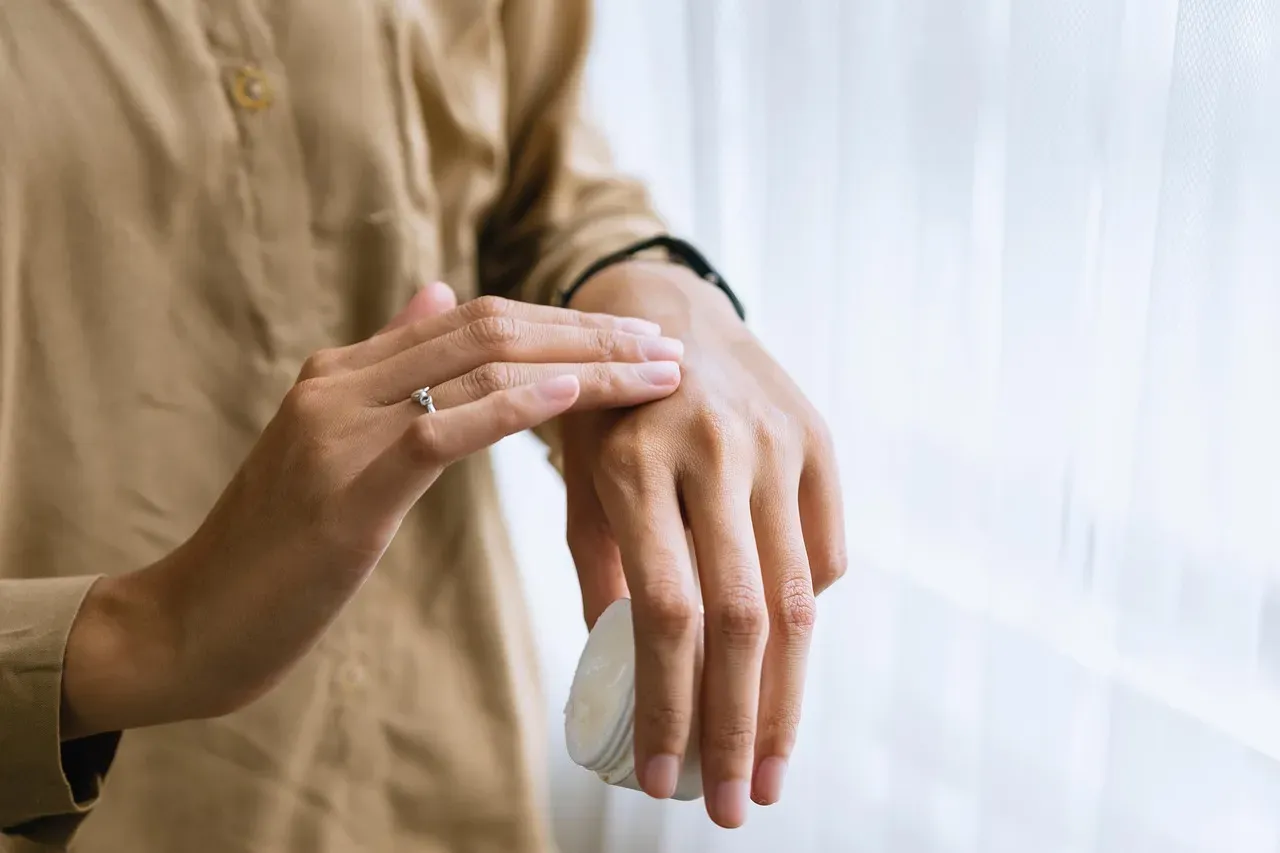
Making habits is facilitated by repetition, reinforcement, disengagement of goal-directed processes, and stable contexts. Translation? Make it easy, make it rewarding, make it consistent, and keep your environment the same. Want to meditate every morning? Put your meditation cushion right next to your bed so you literally trip over it.
Habit stacking – the practice of linking new habits to established ones – has received significant empirical validation in recent years. A 2025 study found that habit stacking increased success rates by 64% compared to establishing standalone habits. So instead of trying to remember to floss, you could decide: after I brush my teeth, I will floss. The existing habit becomes the cue for the new one. Simple, but shockingly effective.
The Long Game: Patience and Self-Compassion
The goal isn’t to make the old habit disappear, because it won’t. You’re just trying to strengthen the new routine so eventually it takes over, and the old habit isn’t even a thought. This requires a mindset shift. You’re not failing when you slip up – you’re learning. It’s a constant process, made easier with self-compassion, because there’s no way to prepare for every situation or be able to predict when and where a trigger might happen.
The majority of daily behaviors were intentional, providing evidence of significant overlap (46%) between habits and intentions. That means your habits aren’t working against you – they’re just following outdated instructions. If we set out to create a positive habit, whether that’s around better sleep hygiene, or nutrition, or general wellbeing improvements, we can rely on an internal autopilot to take over and help us maintain those habits. You can retrain your autopilot. It just takes time and a bit of detective work into your own mind.
Understanding the psychology of your everyday habits isn’t about perfection. It’s about awareness. When you start seeing the loops, the triggers, the emotional patterns beneath your behaviors, you gain back a measure of control. You realize you’re not lazy or undisciplined – you’re just human, running on a brilliantly efficient but sometimes outdated operating system. The good news? You can update that system, one small habit at a time.