You probably grew up picturing dinosaurs as big, lumbering reptiles painted in the same two colors: dull green and muddy brown. Movies, toys, and old-school illustrations trained you to see them as walking camouflage, blending into some foggy, prehistoric swamp. But when you look at what scientists have uncovered in the last couple of decades, that picture turns out to be wildly incomplete.
Today, you have a very different story to explore: dinosaurs with stripes, iridescent sheens, and even patterns similar to the birds outside your window. You now know enough about microscopic pigments in fossil feathers to say with some confidence that at least some dinosaurs were strikingly colorful. And while the science is still evolving, the old idea of a world full of drab, colorless giants simply does not hold up anymore.
The Old Green-and-Brown Myth You Grew Up With

When you imagine a dinosaur from childhood, you probably see something that looks like a giant lizard dipped in army paint. You were fed this image by early books, documentaries, and plastic toys that almost always went with “safe” natural colors like olive, gray, or brown. Artists and filmmakers were not trying to deceive you; they just did not have direct evidence of dinosaur color, so they leaned on modern reptiles as a model and kept things understated.
Because of that, you might still subconsciously assume that bright colors would have been unrealistic or even silly. In reality, this belief is rooted more in tradition than in data. Until recently, paleontologists were focused on bones, not soft tissues, and they had little reason to argue about hue beyond educated guesswork. Now that scientists can actually test aspects of fossilized color, you can finally let go of the idea that dinosaurs were stuck in a permanent green-and-brown filter.
How Fossils Can Reveal Color You Cannot See With the Naked Eye

At first glance, a dinosaur fossil looks like shades of stone and dust, and you might wonder how color could possibly survive for tens of millions of years. The trick lies in microscopic structures called melanosomes, tiny pigment-bearing bodies that are also found in the feathers of birds today. With powerful microscopes and chemical analyses, researchers can compare the shape and arrangement of these fossil melanosomes to those in living animals whose colors you already know.
Different melanosome types are associated with different colors, such as reddish browns or glossy blacks, and by mapping those patterns across a fossil, scientists can reconstruct broad color schemes. You are not getting a perfect, full-color photograph of a dinosaur’s skin or feathers, but you are getting something far more solid than a guess. This means that when you see a modern reconstruction of a small, feathered dinosaur with a dark mask or striped tail, that pattern may actually be based on direct fossil evidence, not just artistic flair.
Feathered Dinosaurs: Your First Real Look at Ancient Color
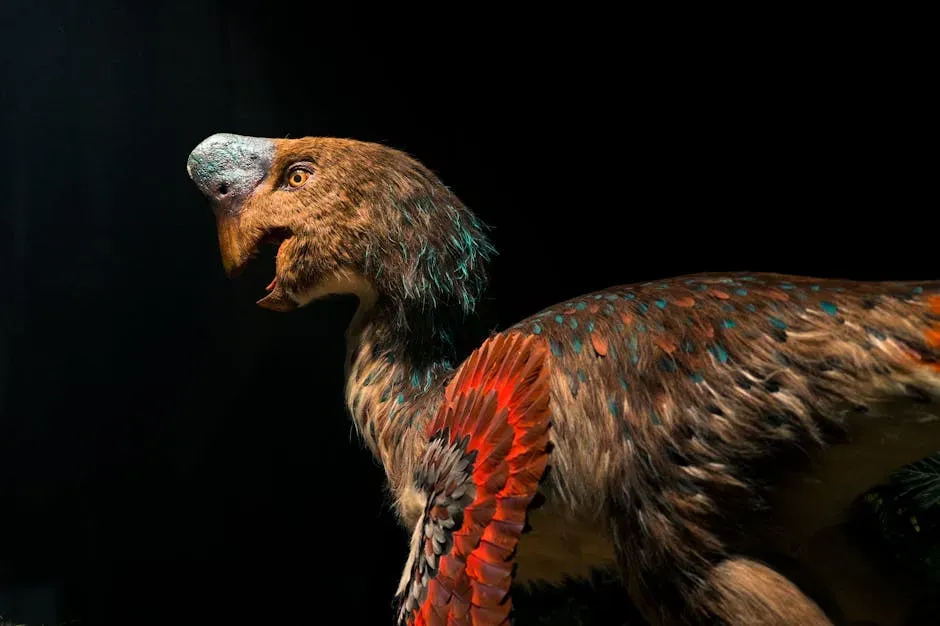
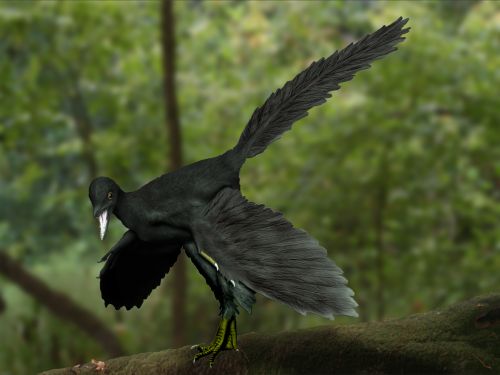
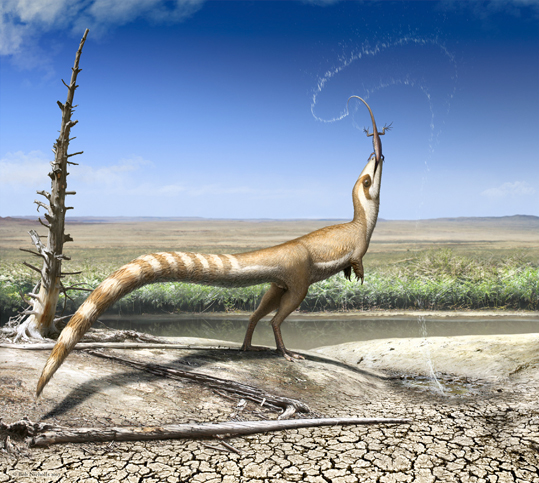
If you want to see where dinosaur color really comes alive, you start with the feathered ones closely related to birds. Some small, raptor-like dinosaurs are known from exquisitely preserved fossils that still hold imprints of feathers and melanosomes. When scientists studied one of these animals, they found evidence for banded tails, dark body masks, and mixtures of light and dark tones that would look surprisingly familiar if you watch modern birds.
In some cases, the evidence points to patterns like a dark head contrasted with a lighter body, or speckled and barred feathers that suggest camouflage mixed with display. You can picture these creatures darting through prehistoric forests, not as flat gray shadows, but as vividly patterned animals that communicated and survived using color. Once you accept that some dinosaurs wore feathers with complex patterns, it becomes a lot easier to imagine color as a major part of their world.
Lessons From Living Birds: What They Teach You About Dinosaur Color
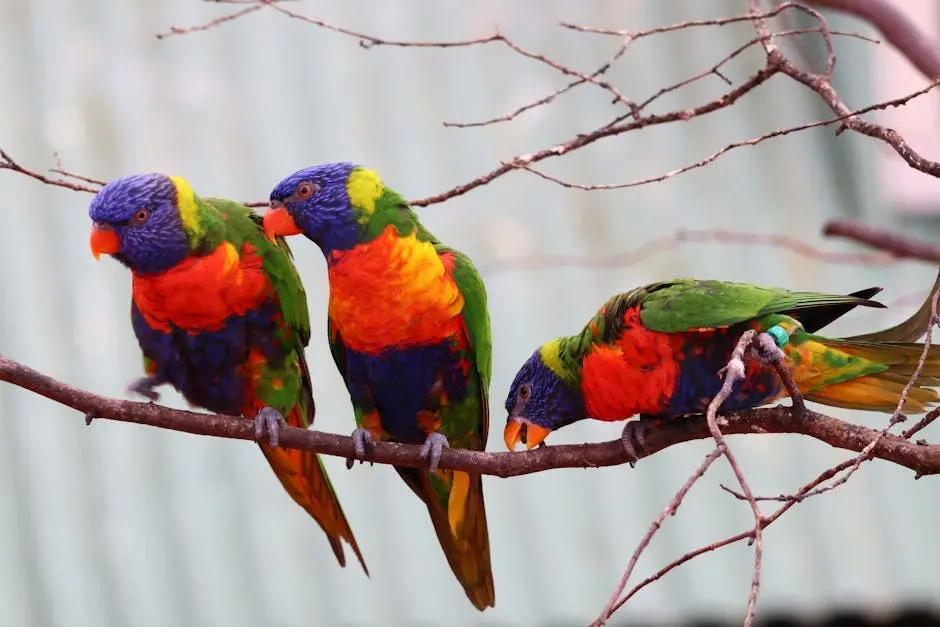
To get a sense of how wild dinosaur color could have been, you only need to step outside and watch the birds around you. Parrots, kingfishers, hummingbirds, and peacocks show you that intense blues, greens, reds, and even iridescent rainbows are entirely natural. Since birds are living dinosaurs, you can use them as a clue: the same basic toolkit of pigments and feather structures that creates those colors likely existed in at least some of their extinct relatives.
Birds also show you that color is not just decoration; it plays roles in courtship, species recognition, and even intimidation. When you see a bright crest or a boldly patterned wing, you are watching communication in action. Transfer that idea back in time, and it becomes reasonable to think many dinosaurs also used color to attract mates, warn rivals, or help youngsters recognize parents. While you cannot paint every dinosaur in neon shades, you can confidently say that a world that produced peacocks and macaws was already experimenting with vivid color long before you arrived.
Why Color Was Useful: Survival, Camouflage, and Showmanship
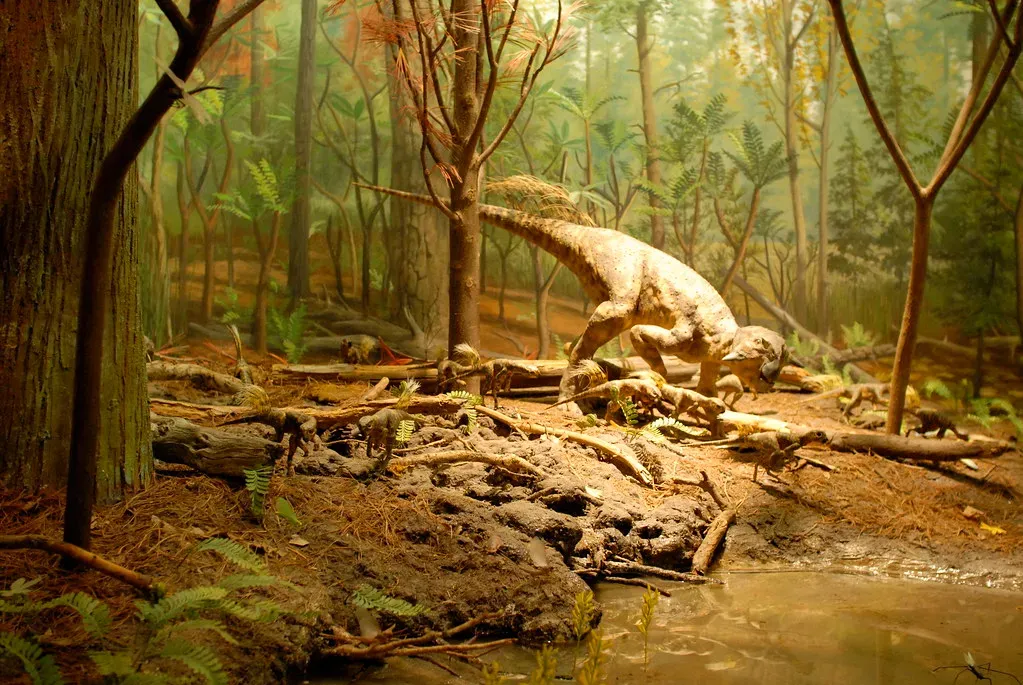
You might assume that being bright and colorful makes an animal easy lunch, but nature rarely works in such a simple way. For some dinosaurs, mottled or striped patterns may have helped them vanish into dappled light, just as many birds and mammals do today. Colors can break up an animal’s outline, help it hide among plants, or make it harder for a predator’s eye to track a moving body. So even when you picture a more colorful dinosaur, you should not think in terms of simple solid blocks of paint, but in terms of clever patterns that worked with the environment.
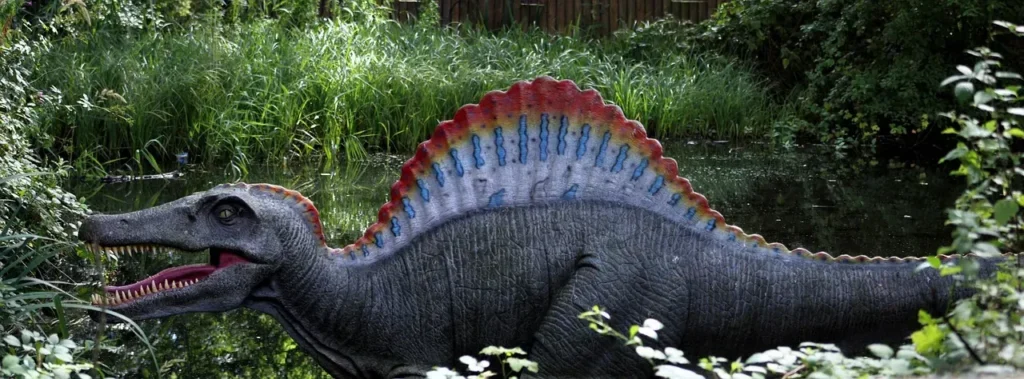
On the flip side, color can be a powerful way to stand out when you want to be seen. You can imagine crests, frills, or feathered fans used like signs that advertise strength, health, or readiness to mate, much as deer antlers or bird plumage do today. Even a mostly muted dinosaur might have had a splash of brighter color around the face, tail, or display structures that only showed up during courtship or confrontation. When you realize how often modern animals balance camouflage and display, it becomes hard to rule out similar strategies in dinosaurs.
Not Every Dinosaur Was a Walking Rainbow
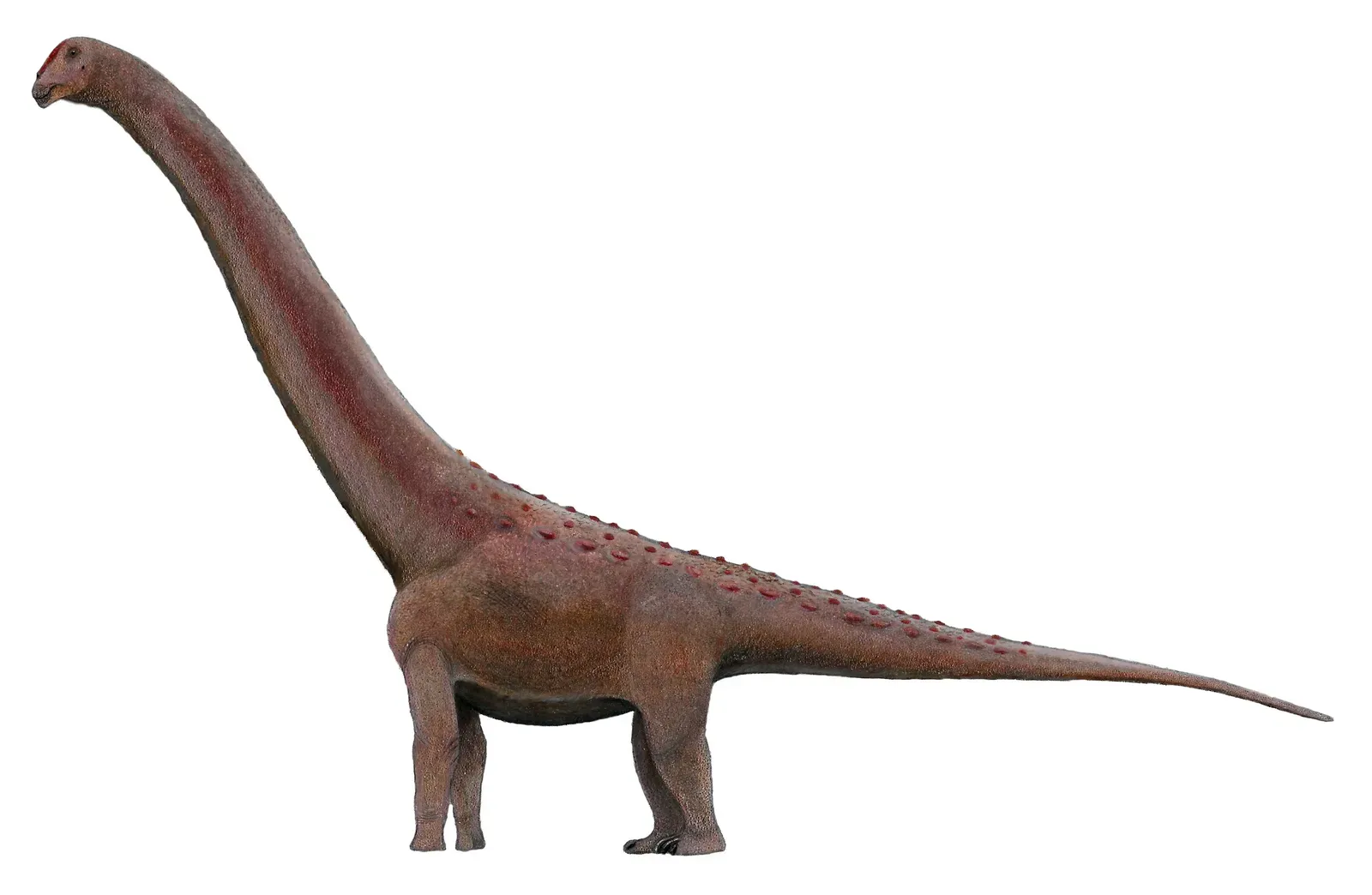
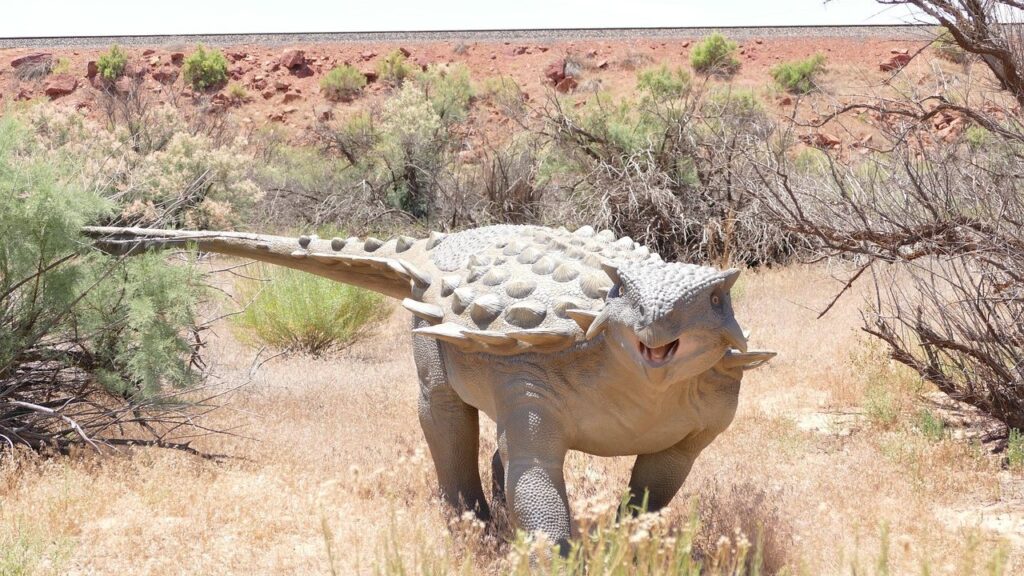
As tempting as it is to repaint every dinosaur in bright tropical colors, you need to stay honest about what the evidence can support. Large herbivores and massive predators may still have tended toward more subdued palettes, especially if their lifestyles favored blending in rather than showing off. Many modern big animals, like elephants or rhinos, are not flashy, and some dinosaur lineages may have followed similar patterns. So while you should move beyond the old stereotype, you also should not swing all the way to a fantasy of universal neon dinosaurs.
What you can reasonably imagine is a spectrum: some species with fairly plain, earthy tones, others with bold patterns or localized splashes of color, and a few that might rival striking birds in their vibrancy. The trick is to remember that nature rarely picks just one approach. When you look at a new reconstruction, it is fair to ask yourself how much of the color is supported by evidence and how much is filling in the gaps. That mindset keeps you open to wonder without drifting into pure invention.
How Future Discoveries Might Change What You Picture
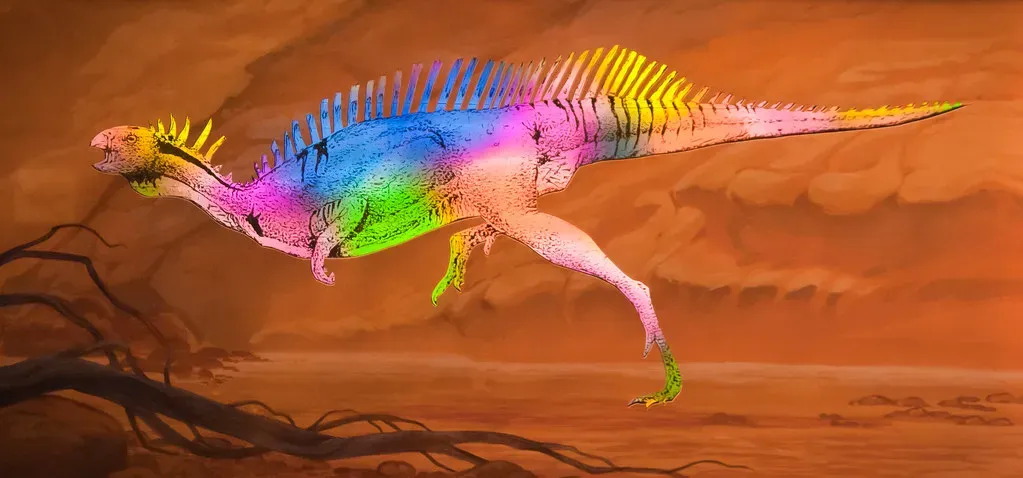
Right now, you are living through a time when methods for studying fossil color are still relatively young and improving quickly. New fossil finds with better-preserved soft tissues could suddenly make one group of dinosaurs far more vivid in your imagination. As scientists refine their techniques, they may be able to pick up subtler differences in pigments or even structural colors that create iridescent effects. That means the image in your head is not fixed; it is a work in progress that will likely get more detailed as the science advances.
For you, that is both exciting and humbling. The next time you see an updated illustration or museum exhibit, you might be looking at the result of techniques that barely even existed a couple of decades ago. You are essentially watching the color return to a world that was long thought to be dusty and gray. If you stay curious and willing to adjust your mental picture, you will always be rewarded with a richer, more accurate view of life in the age of dinosaurs.
Conclusion: Rethinking the Dinosaur World in Full Color
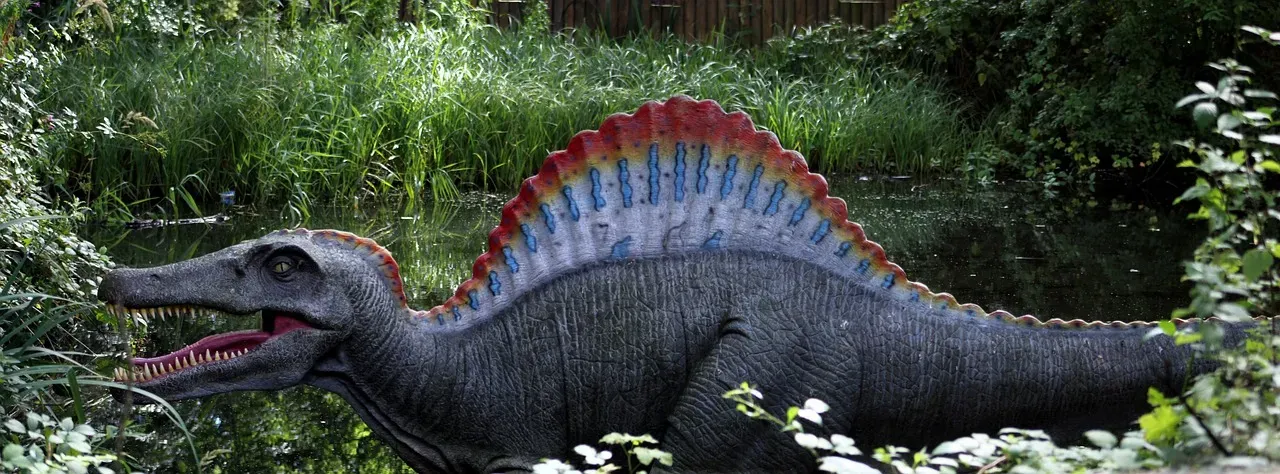
When you put it all together, you are no longer stuck with the drab, swamp-monster dinosaurs that once dominated school posters and movie screens. You can now envision at least some of them with patterned feathers, contrasting masks, and clever color schemes shaped by both survival and social signals. The evidence from melanosomes, feather impressions, and comparisons with birds gives you solid footing to imagine a prehistoric world that was more visually complex than you were ever told as a kid. While not every detail is known, the overall direction is clear: color mattered.
So the next time you hold a plain green dinosaur toy or rewatch an old dinosaur movie, you might find yourself mentally repainting those creatures in richer, more varied hues. You are not just indulging in fantasy when you do that; you are following where the science cautiously leads. The age of dinosaurs was not a black-and-white film tinted in two muddy shades, but a dynamic, evolving drama where color played real roles in life and death. Knowing that, how can you ever look at a “plain” dinosaur the same way again?