You usually picture dinosaurs as silent movie monsters: giant teeth, crashing trees, maybe a dramatic roar borrowed from a lion or an alligator. But if you could step back into the Mesozoic, you wouldn’t just see a different world, you’d hear one. The age of dinosaurs was not quiet at all; it was full of low rumbles, hissed warnings, deep booms carrying through misty forests, and subtle calls you might even feel more than hear.
Because sound doesn’t fossilize, you’re left piecing this ancient soundtrack together from bones, air sacs, ear structures, and the behavior of their closest living relatives. That means much of what you imagine about dinosaur noise comes from science, not cinema. When you look closely, you start to realize something wild: you’re probably wrong about how dinosaurs sounded – and the truth is far stranger and more fascinating than a Hollywood roar.
You Cannot Hear Fossils, So You Learn to Read Them Instead
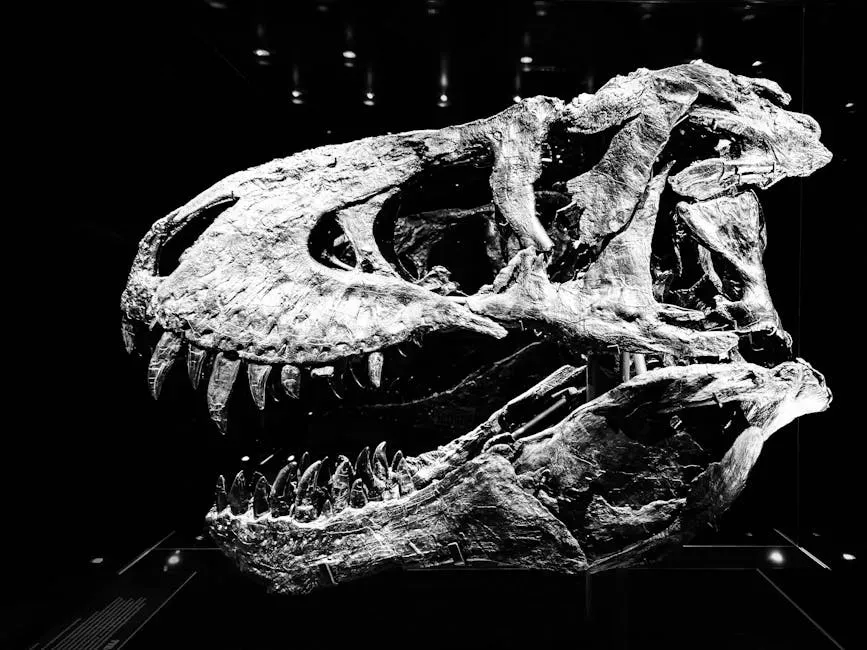
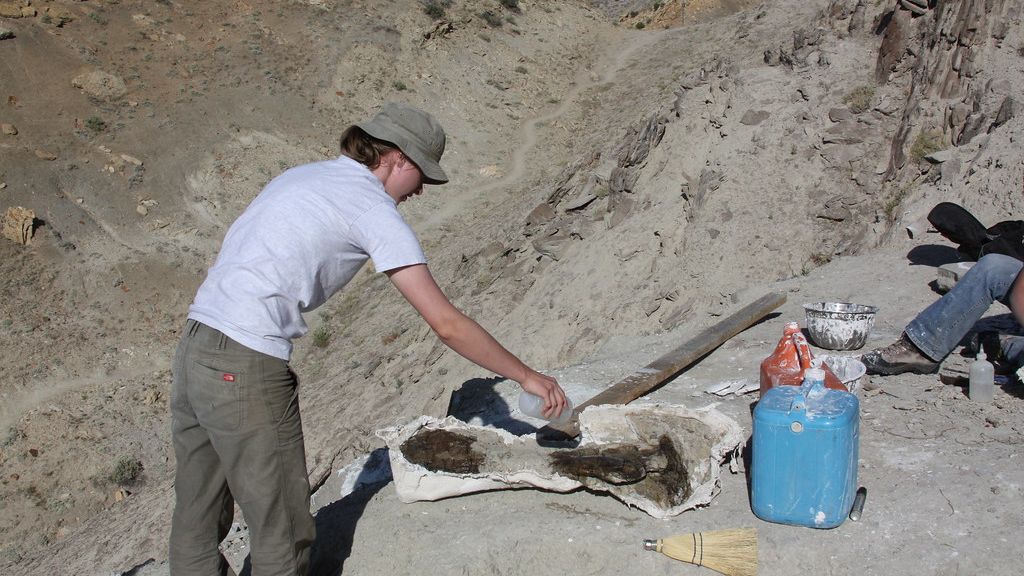
When you think about dinosaur sounds, your first problem is simple: nothing about a call, a hiss, or a boom gets preserved directly in stone. So you have to become a bit of a detective, reading bones, skull shapes, and even tiny inner-ear structures as clues. You look at openings for airways, possible resonating chambers, and the thickness and shape of skull roofs that might have amplified low-frequency vibrations.
You also lean heavily on something that feels indirect but powerful: comparison. You compare dinosaurs to birds and crocodiles, their closest living relatives, to see what kinds of vocal tools they might’ve shared. You look at how modern animals with similar skull shapes call to each other, how they use low rumbles for long-distance communication or high, sharp sounds for close-range threats. Bit by bit, the fossils start to whisper what the air might once have carried.
You Hear Dinosaurs Best by Listening to Birds and Crocodiles
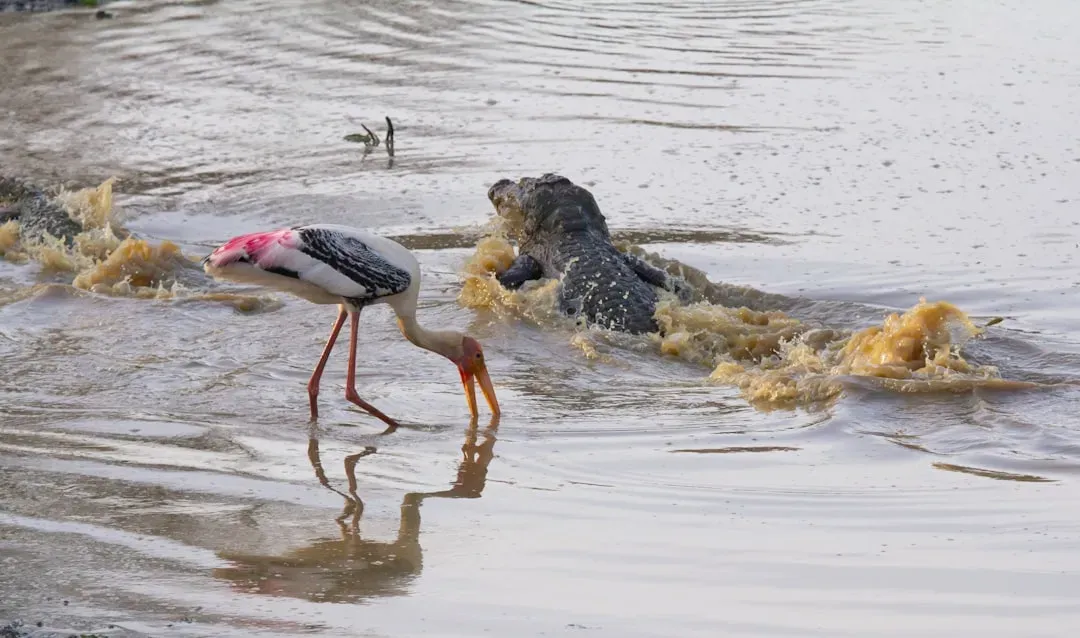
If you want to get anywhere close to the truth, you start by listening to the animals that bracket dinosaurs on the family tree. On one side, you’ve got birds, with their complex songs, throat-based vocal organs, and sometimes eerie, haunting calls. On the other side, you have crocodiles and alligators, producing low, chest-rattling bellows that you often feel in your body before your brain even processes the sound.
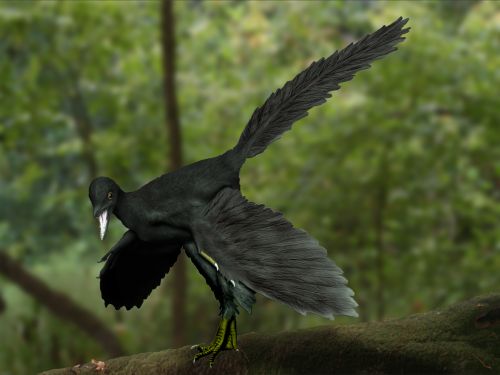
When you put those together, you get a strong hint about dinosaur voices: they were probably not all about high, shrieking roars. You picture deep, low-frequency booms that could travel through dense forests or along the surface of lakes, much the way a crocodile’s call rolls across water today. At the same time, some smaller, birdlike dinosaurs likely produced more complex, chirping, cooing, or whistling sounds, turning parts of the ancient world into something more like a bizarre, alien bird sanctuary than a predator-only horror track.
You Probably Imagine T. rex Roaring, But It May Have Rumbled Instead
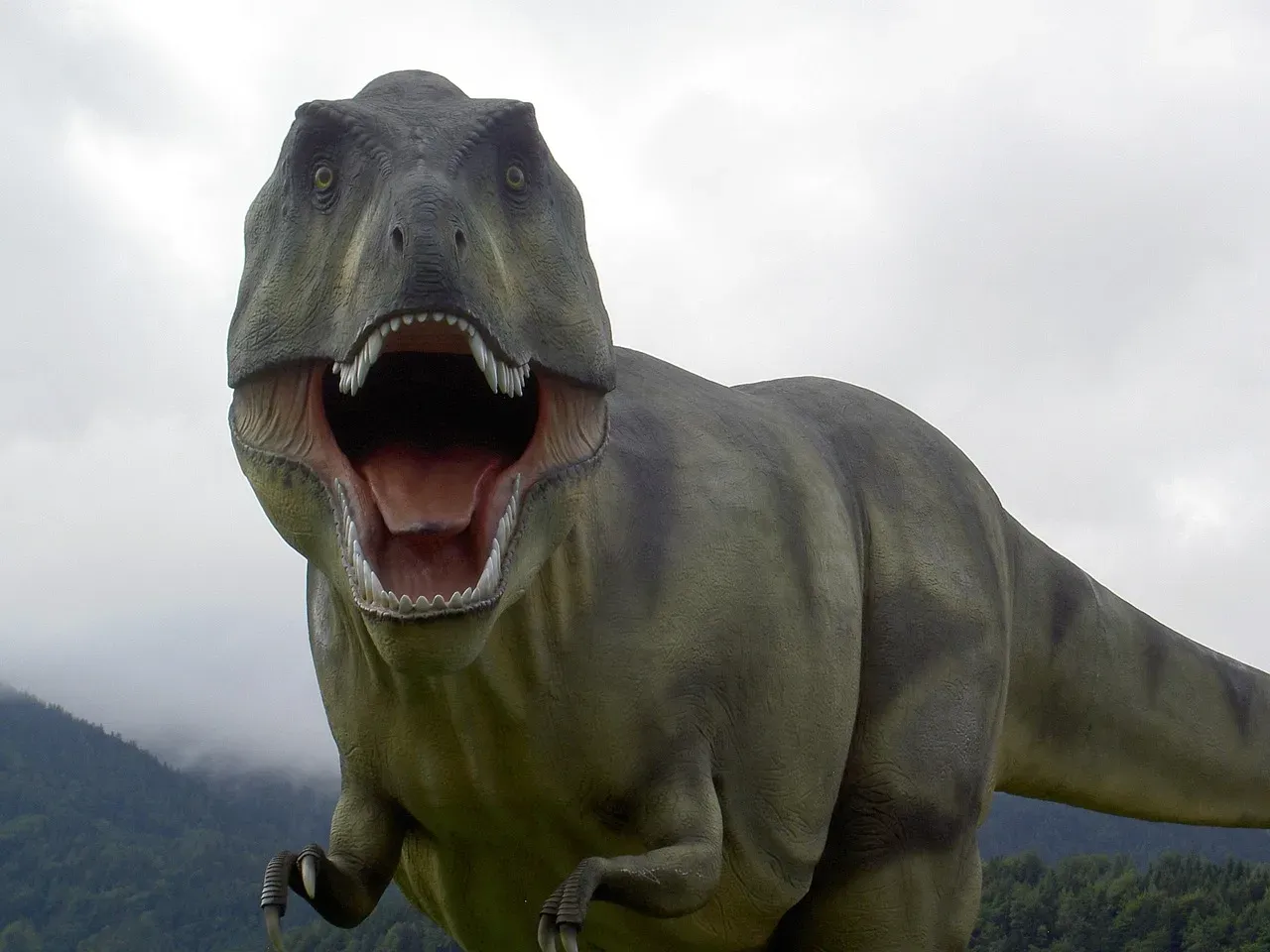
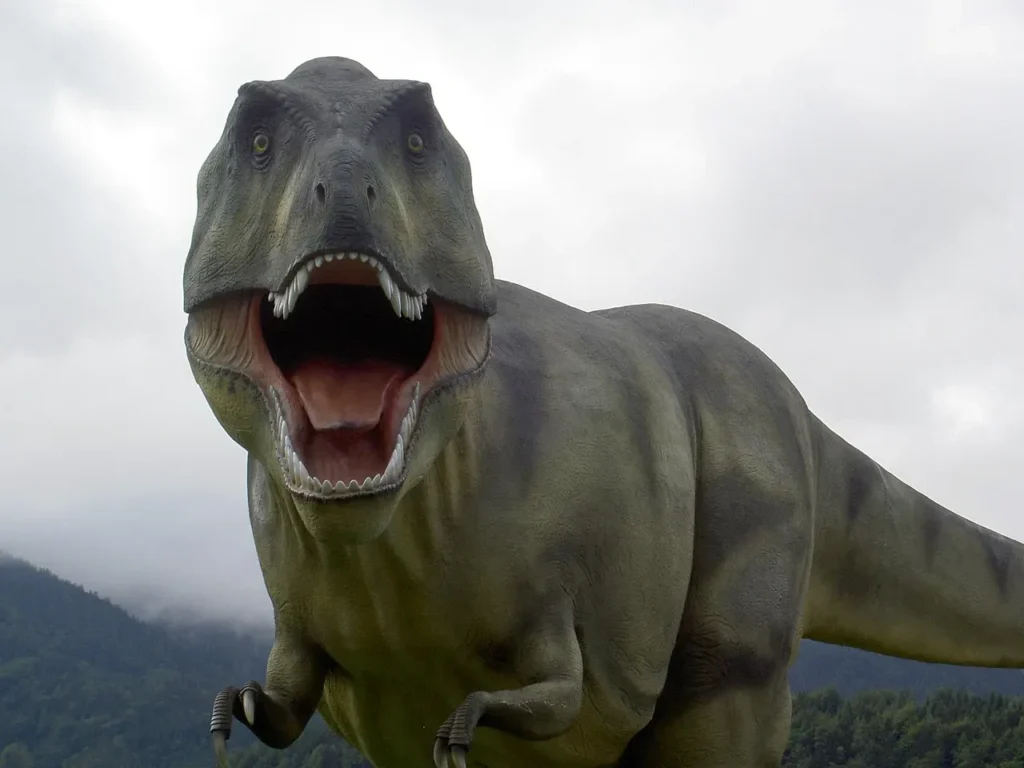
In your head, Tyrannosaurus rex is almost guaranteed to roar like a superpowered lion, maybe mixed with some tiger and earthquake for good measure. The reality, based on what you know from anatomy and living relatives, is probably very different. Instead of roaring with an open mouth like a big cat, it may have produced closed-mouth, low-frequency sounds, more like a huge bird booming or a crocodile bellowing, using air sacs and body cavities to make deep vibrations.
You can imagine standing near one and not necessarily hearing a sharp roar, but feeling a heavy, rolling vibration in your chest and bones – a sound that might have been as much physical sensation as noise. Those deep calls travel far and bend around obstacles, which would have been useful for a giant predator communicating over distance or broadcasting its presence. So while the movie roar is dramatic, the real soundscape might have been subtler, darker, and somehow even more unsettling.
You Find Some Dinosaurs Built Like Living Musical Instruments
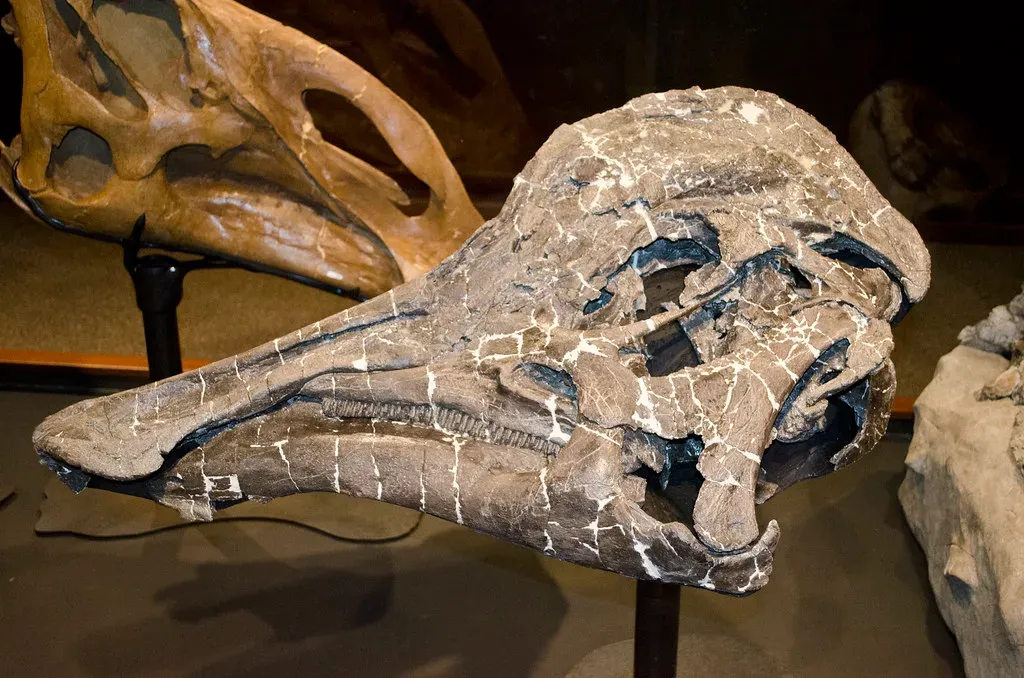
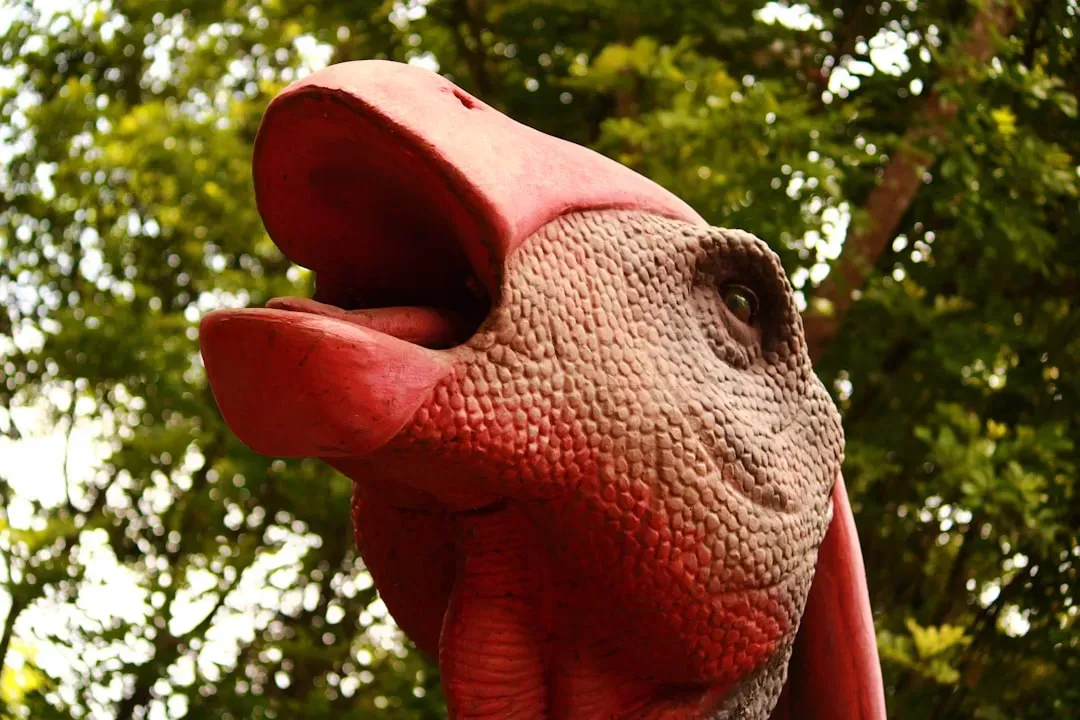
Certain dinosaurs basically carried natural sound systems on their heads. When you look at hadrosaurs – the so-called duck-billed dinosaurs – you often find elaborate hollow crests connected to their nasal passages. These strange tubes and chambers are not just decorative; they look a lot like built-in wind instruments. You see this especially clearly in genera with long, curved or helmet-like crests that could have acted as resonating pipes.
By using digital models and airflow simulations, researchers can estimate the kinds of noises those crests might have produced. You end up with low, haunting, almost horn-like tones, the kind that could echo through a valley or forest. You can picture a herd of these animals calling to each other at dawn, their voices overlapping into something that might remind you of foghorns or distant ship horns on a prehistoric sea of ferns and conifers.
You Realize Many Ancient Calls Were Too Low for You to Hear Well
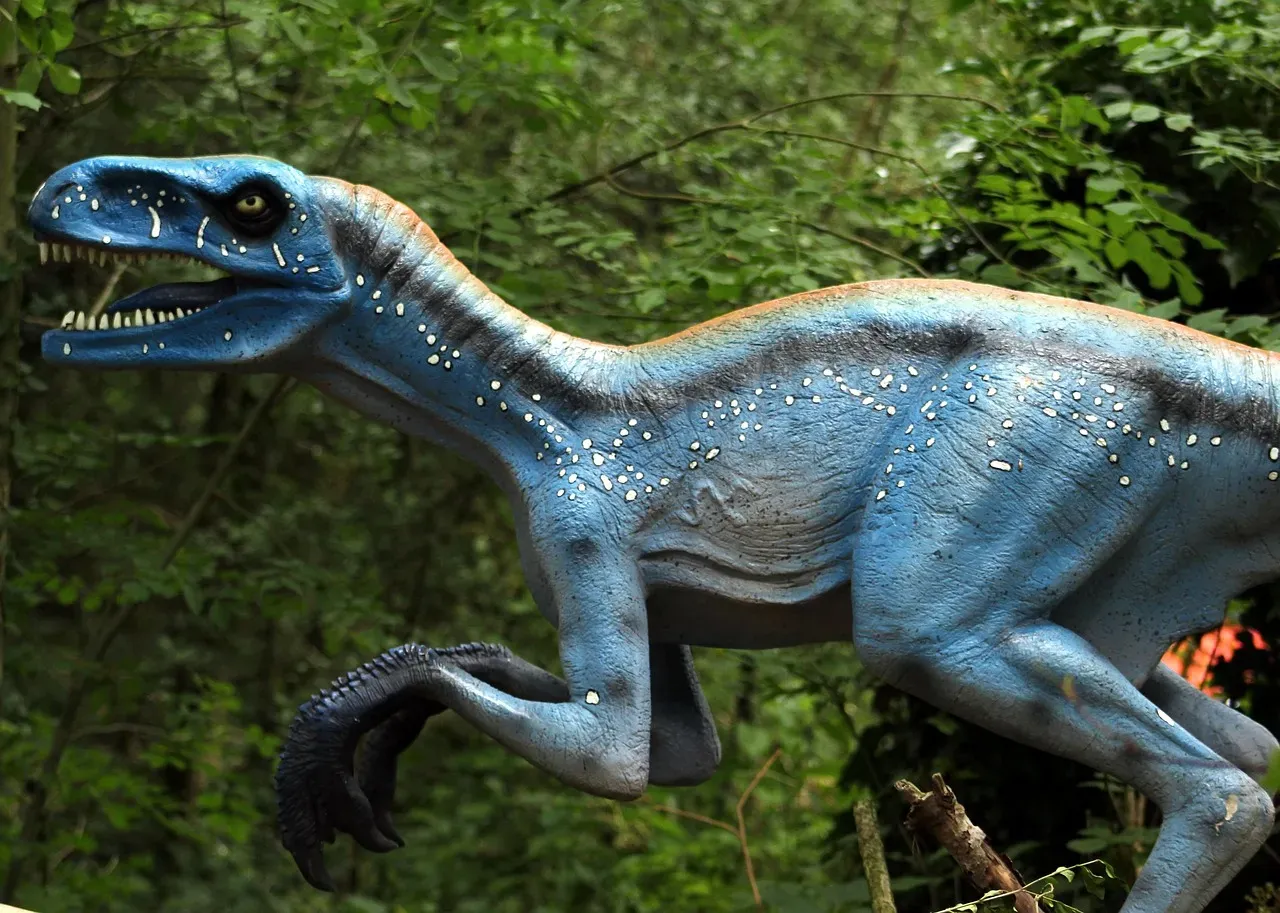
A lot of the most important dinosaur sounds probably sat in very low frequency ranges, lower than what you normally pay attention to. Modern elephants, whales, and crocodiles use deep infrasound to talk across long distances, and dinosaurs likely tapped into a similar trick. Low-frequency sounds travel farther, bend around trees and rocks, and penetrate dense vegetation or atmospheric haze far better than high-pitched cries.
That means if you could time-travel back, your ears might miss part of the conversation. You might feel a vague pressure in the air, a sense of humming, but not hear the full richness of what was being communicated. Predators and herbivores alike may have relied on these rumbles to keep track of each other, find mates, or signal alarm, creating a hidden layer of communication woven into the landscape like an invisible web of vibration.
You See That Dinosaurs Used Silence and Subtle Sounds as Survival Tools
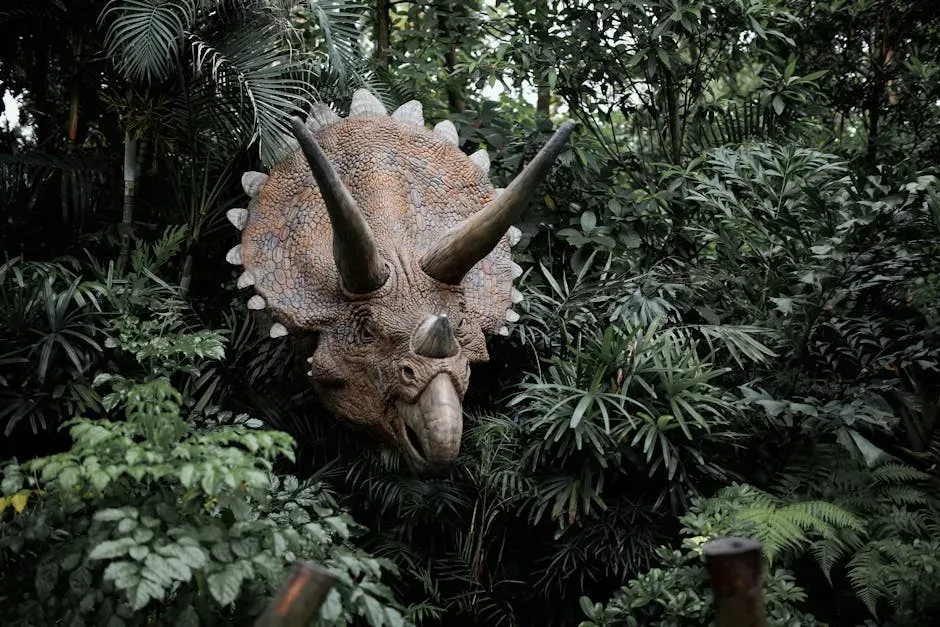
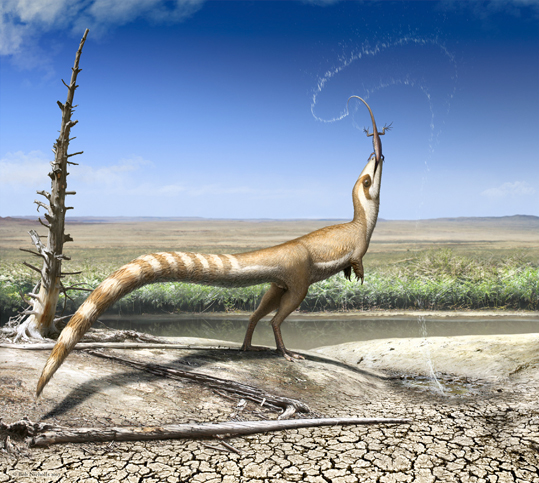
Not every dinosaur call would have been a dramatic boom or eerie horn note. When you think like an animal trying not to be eaten – or trying to catch something that does not want to be eaten – you start to appreciate quiet. Many dinosaurs, especially smaller ones, likely used soft clucks, grunts, hisses, and rustling movements that stayed below the radar of big predators. A soft contact call between parent and young, or between members of a group, could be just loud enough to be heard nearby and no further.
You also realize that body language and non-vocal sound probably carried a lot of weight. Tail slaps, foot stomps, the crack of vegetation, the shuffle of scales against scales – these are all parts of an acoustic world too. Just as today you can tell a lot from the sound of a bird’s wings or a deer moving through brush, dinosaurs would have read their environment by a constant backdrop of subtle sound and sudden, telling noises that meant danger, opportunity, or social tension.
You Learn That Dinosaur Ears Were Tuned to Specific Parts of This Symphony
To really understand what dinosaurs sounded like to themselves, you have to look not just at how they might have made sounds, but at how they heard them. Fossilized skulls preserve inner ear structures that tell you something about which frequencies an animal was best at detecting. When you study these structures in different dinosaur groups, you see patterns: some seem better suited to hearing lower frequencies, others more sensitive to higher ones, just like different instruments tuning to different notes.
This tuning shapes how you imagine their world. A large herbivore with ears optimized for low sounds might ignore high chirps but be very sensitive to distant booms and rumbles, while a small, agile predator might rely more on sharper and higher sounds that hint at quick movement. In other words, each species heard a slightly different version of the same ancient soundscape, like multiple listeners at the same concert, each paying attention to different parts of the music.
You Start to Hear the Mesozoic as a Layered, Living Soundscape
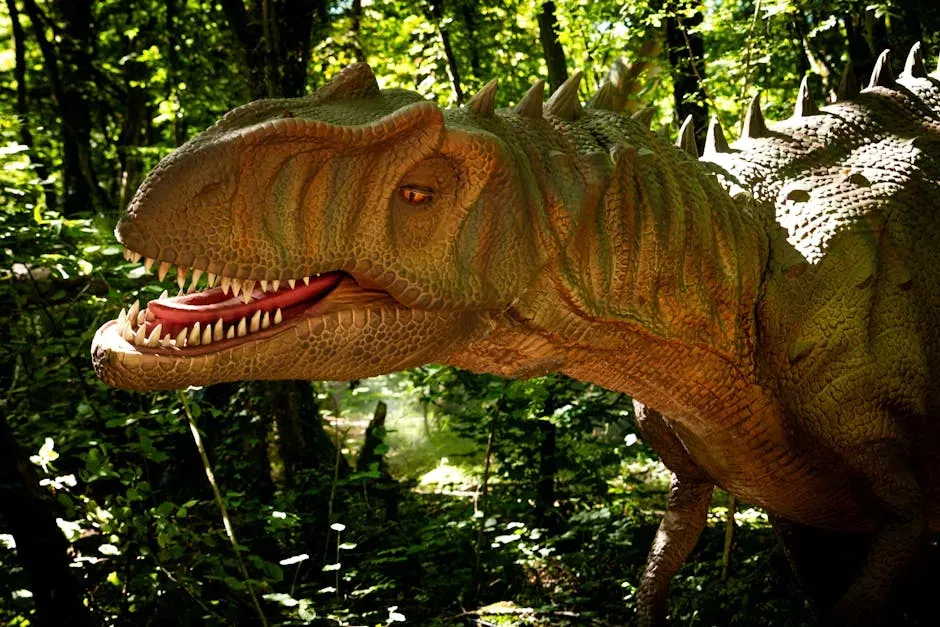
Once you put all these pieces together – low rumbles, hollow-crest calls, subtle grunts, rustling bodies, and tuned ears – you stop thinking of the dinosaur age as a single loud roar and start hearing a layered symphony. At dawn, you can imagine deep calls rolling across a foggy floodplain, answered by resonant horn-like tones from distant herds. Smaller creatures weave in their higher clicks and chirps, while predators announce territory or presence with chest-deep booms you feel like thunder.
By midday, the soundscape changes: insect-like calls from early relatives of modern groups, wind moving through giant ferns, splashes from semi-aquatic animals, and the occasional explosive crash of something huge pushing through trees. At night, maybe the lowest calls dominate, along with stealthy movement and sudden alarm cries. You realize that, in many ways, this world was not quieter than yours; it was simply different, tuned to frequencies and patterns you are only just learning to imagine.
When you step back, you see that the age of dinosaurs was not just a parade of strange shapes but a whole lost universe of sound. You will never hear those calls directly, but by listening carefully to bones, birds, crocodiles, and the physics of sound, you can sketch the outlines of that vanished symphony. Maybe the most powerful part is this: the next time you hear a low boom of thunder, a crocodile’s bellow, or a strange bird call at dusk, you are catching faint echoes of an acoustic tradition that stretches all the way back into that ancient, unseen concert hall. What do you think you would notice first if you really could stand there and listen?