
You’ve probably wondered what truly makes people happy. Not the fleeting kind of happiness that fades once the initial excitement wears off, but the deep, enduring contentment that seems to anchor some individuals no matter what life throws at them. The truth is, happiness isn’t just random luck or something you’re born with, though genetics play a role. Scientists have been digging into what really drives joy, and the findings are fascinating. Some of what they’ve discovered might surprise you.
It turns out that lasting happiness is less about what happens to you and more about how you navigate your inner world and relationships with others. Think of it like learning to play an instrument. You need to understand the fundamentals and practice consistently. The same applies to cultivating joy in your life.
Cultivating Gratitude Changes Your Brain

Let’s be real, practicing gratitude can sometimes feel like an overused cliché. Yet the research backing it up is genuinely compelling. People who wrote gratitude letters reported significantly better mental health four weeks and 12 weeks after their writing exercise ended, compared to those who didn’t engage in this practice.
What’s interesting here is that the mental health benefits of gratitude writing did not emerge immediately, but gradually accrued over time. Gratitude letter writers showed greater activation in the medial prefrontal cortex when they experienced gratitude three months after the letter writing began, indicating that simply expressing gratitude may have lasting effects on the brain. Your brain literally rewires itself to become more sensitive to positive experiences. Honestly, if there were a pill that could do this, everyone would want it.
Social Connections Are Your Survival Superpower

You might think you’re fine being a bit of a loner. Maybe you are, to an extent. Still, the data on social connection is hard to argue with. Social connection increases odds of survival by roughly half, which is a staggering statistic when you think about it.
Researchers found that almost anything we do is more enjoyable with other people, as participants consistently rated activities as more enjoyable when engaged in alongside another person. Even mundane tasks like cleaning become less tedious when someone’s with you. Social interaction with friends and family is the key driver impacting happiness among midlife and older adults. The quality of your relationships matters far more than how many people you know or how often you post on social media.
Mindfulness Meditation Reduces Emotional Reactivity

Meditation used to be considered esoteric, something monks did in remote monasteries. Now it’s gone mainstream, and for good reason. Mindfulness brings about various positive psychological effects, including increased subjective well-being, reduced psychological symptoms and emotional reactivity, and improved behavioral regulation.
Studies suggest that mindfulness affects many aspects of our psychological well-being, improving our mood, increasing positive emotions, and decreasing our anxiety, emotional reactivity, and job burnout. I think what makes mindfulness particularly powerful is how it teaches you to observe your thoughts without getting swept away by them. You learn to create space between stimulus and response. That gap can be life-changing, especially when anxiety or stress tries to hijack your day.
Physical Activity Releases Your Natural Happiness Chemicals
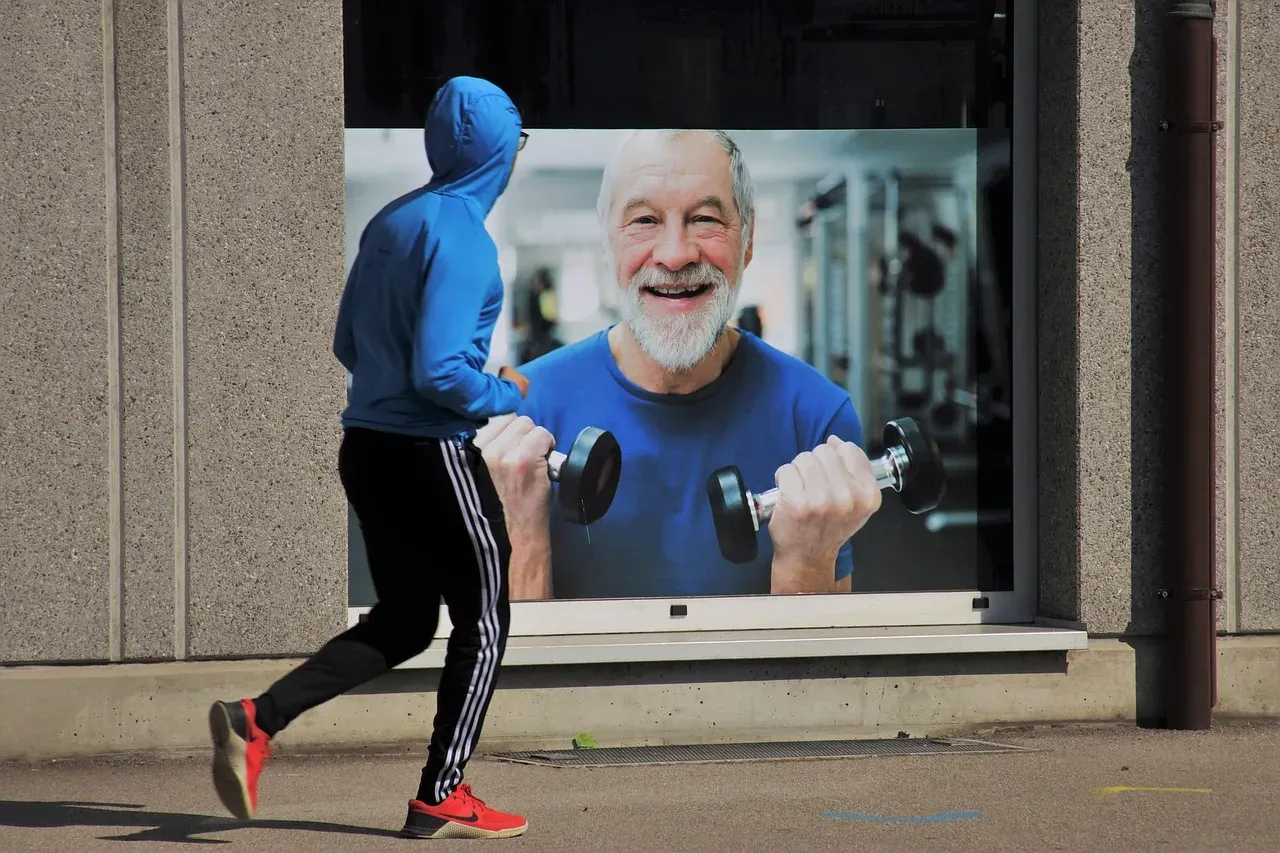
Exercise isn’t just about looking good or staying healthy, though those are nice benefits. Running for about fifteen minutes a day or walking for an hour may reduce the risk of major depression by roughly a quarter. That’s a significant protective effect from something as simple as moving your body.
Exercise promotes all kinds of changes in the brain, including neural growth, reduced inflammation, and new activity patterns that promote feelings of calm and well-being, plus it releases endorphins, powerful chemicals in your brain that energize your spirits and make you feel good. Active people showed higher levels of happiness and self-esteem, and after just four weeks of exercising, beginners revealed greater life satisfaction and happiness. You don’t need to become a marathon runner. Consistency matters more than intensity.
Well-Being Actually Boosts Self-Control

Here’s something that flips conventional wisdom on its head. Most people assume that having strong self-discipline leads to happiness. Research findings suggest that psychological well-being acts as a precursor to self-control rather than a result of it, indicating that individuals who prioritize their emotional health may be better equipped to pursue long-term goals.
Think about it this way: when you feel good emotionally, you’re naturally more capable of making choices aligned with your values. When you’re depleted or miserable, willpower becomes a scarce resource. So instead of white-knuckling your way through life, focusing on what brings you joy might actually make achieving your goals easier. It sounds counterintuitive, but the science backs it up.
Trusting Others Improves Your Life Satisfaction

Trust feels risky, especially if you’ve been burned before. Yet holding back might be costing you more than you realize. People who tended to trust others more were happier and more satisfied with life than those who trusted less, and experiencing greater well-being fostered more trust down the road. It creates a positive feedback loop.
Interestingly, our distrust of others is sometimes misguided, as students who saw posters providing accurate messages about their classmates’ willingness to engage in positive social behavior experienced benefits. We often underestimate how willing people are to help or connect. Lowering your guard just a bit might open doors you didn’t know existed.
Doing Good Makes You Feel Good

There’s an old debate about whether being moral actually makes you happy or if it’s just something people tell themselves. Research published this year found that doing good and feeling good go hand in hand, as adults who demonstrated traits like being compassionate, respectful, fair, loyal, dependable, and honest also reported higher happiness and sense of meaning.
This isn’t about forcing yourself to be virtuous for some external reward. It’s that acting in alignment with your values creates internal coherence. When your actions match your beliefs, there’s less psychological friction. That sense of integrity feeds directly into your overall sense of well-being.
Positive Emotions Are Remarkably Durable

Life throws curveballs at everyone. Wars, pandemics, personal tragedies. Yet something remarkable happens with positive emotions. Positive emotions such as laughter, enjoyment, and respect are remarkably stable and endure even in times of crisis, and psychological research confirms that positive emotions broaden awareness and help people build lasting resources such as coping strategies, relationships, and resilience, making positive experiences more permanent than negative, more transient emotions.
This doesn’t mean ignoring pain or pretending everything’s fine when it’s not. It means that cultivating positive experiences builds a psychological foundation that can weather storms. Negative emotions tend to fade faster when you have that foundation in place.
Pursuing Psychological Richness Offers Another Path

You’ve probably heard about happiness versus meaning, the idea that you can pursue pleasure or purpose. Researchers have introduced a third dimension called psychological richness, experiences that challenge you, change your perspective and satisfy your curiosity, and for a significant minority of people around the world, that third path is the one they would choose, even if it means giving up happiness or meaning.
A psychologically rich life can come from something as simple as reading a great novel or hearing a haunting song, and it doesn’t have to be about dramatic events, but it can shift the way you see the world. This explains why some people actively seek out challenging or uncomfortable experiences. They’re not chasing pleasure or even purpose necessarily. They want to grow, to see things differently, to feel alive through novelty and complexity.
Valuing Happiness Has Immediate Benefits

Does wanting to be happy actually make you happier, or does it backfire by setting up unrealistic expectations? The answer is nuanced. Those who valued happiness generally exhibited higher well-being as manifested by life satisfaction, more positive affect, and less negative affect, and additional analyses indicated that valuing happiness had contemporaneous positive effects on well-being, though these findings indicate that endorsing happiness goals may have immediate psychological benefits but may not necessarily translate into long-term positive outcomes.
So yes, prioritizing your happiness in the present moment seems to help. The longer-term picture is more complicated, probably because happiness isn’t something you can chase directly. It emerges as a byproduct of how you live. Setting happiness as a goal can help orient your daily choices, just don’t expect it to be a finish line you cross.
Conclusion

The science of happiness reveals that joy isn’t some mysterious force beyond your control. It’s built through daily practices and conscious choices. You can rewire your brain through gratitude. You can strengthen the social bonds that quite literally keep you alive. You can move your body, trust others a bit more, and act in ways that align with your values.
None of this is about achieving permanent bliss or eliminating difficult emotions. That’s not realistic or even desirable. It’s about building resilience, creating conditions where positive emotions can flourish, and developing the psychological flexibility to navigate whatever comes your way. The remarkable thing is that these aren’t grand gestures. They’re small, repeatable actions that compound over time.
What surprised you most about these findings? Did any of them challenge what you thought you knew about happiness?