

Have you ever woken up from a bizarre dream, your heart racing, trying to piece together the fragmented storyline? You might have wondered why your brain conjured such strange scenarios while you slept peacefully. Dreams have captivated humanity for centuries, sparking endless debates among philosophers, scientists, and artists alike. Yet despite decades of research, the true purpose of these nightly mental voyages remains one of psychology’s most intriguing mysteries.
Your brain produces over two hours of dreams each night, though you likely remember only fragments, if anything at all. These unconscious narratives feel incredibly real while you experience them, transporting you to fantastical worlds where the impossible becomes mundane. Let’s explore what modern psychology and neuroscience have uncovered about why your sleeping brain takes you on these extraordinary adventures.
Your Brain’s Nightly Theater: What Happens During Sleep

When you drift off to sleep, your brain doesn’t simply shut down for the night. Your brain, disconnected from the environment, can generate by itself an entire world of conscious experiences. This remarkable phenomenon occurs most intensely during a specific sleep stage.
Dreaming can happen during any stage of sleep, but dreams are the most prolific and intense during the rapid eye movement stage. During this phase, your brain activity resembles that of waking consciousness, yet you remain physiologically asleep. Everyone is thought to dream between three and six times per night, with each dream lasting between five to twenty minutes, though around ninety-five percent of dreams are forgotten by the time you get out of bed.
The Emotional Processing Laboratory
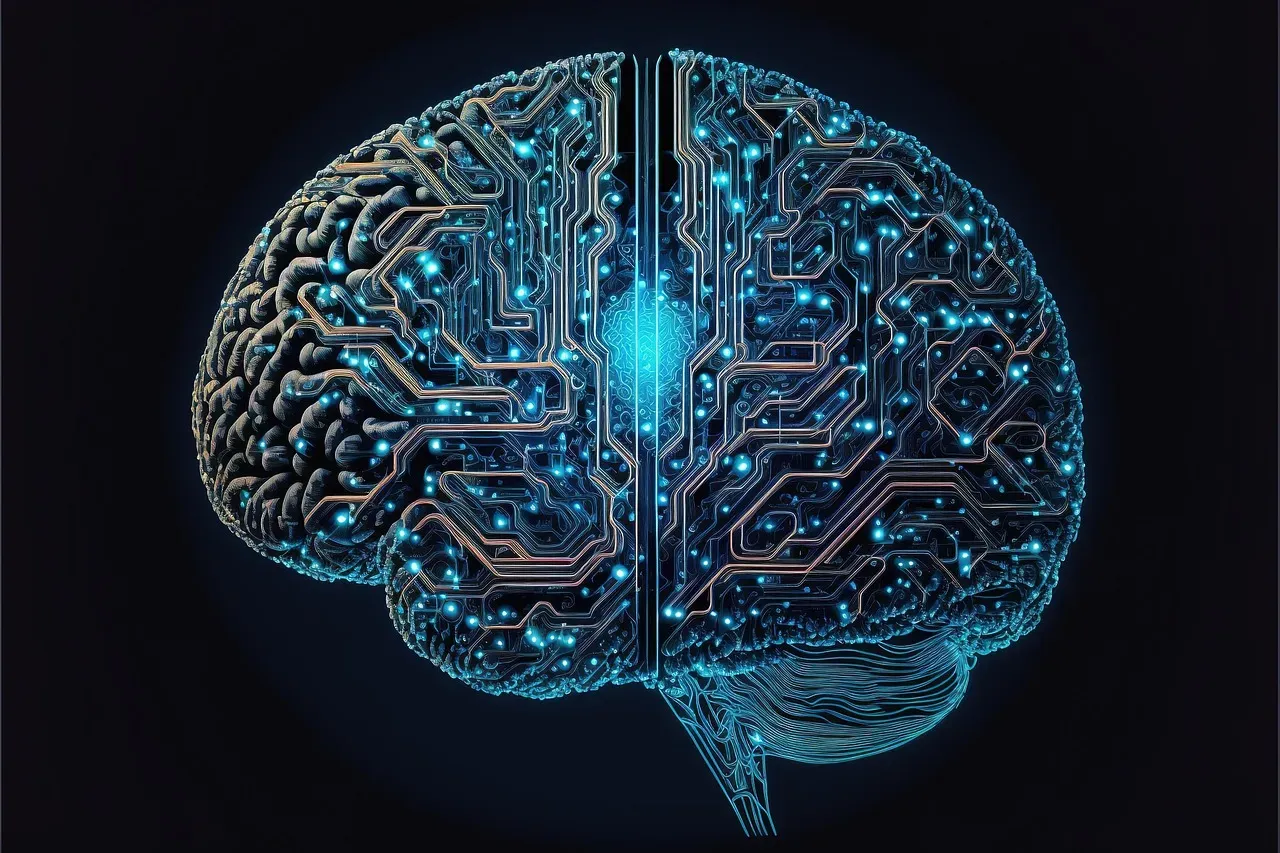
One of the most compelling theories suggests your dreams serve as an overnight therapy session. During REM sleep, the prime time for vivid dreams, your emotional brain fires up while your logical brain naps. This unique neurological state might explain why dreams overflow with intense feelings rather than rational thought.
The REM sleep emotional homeostasis hypothesis asserts that REM sleep functions to strip away the emotional charge from the previous day’s affective experiences whilst consolidating encoding of episodic events. Think of it as your mind’s way of filing away memories without the overwhelming emotions attached. Research has shown that the emotional memory trade-off occurs only in those who reported dreaming, and sleep-dependent reductions in emotional reactivity also appear only in dream recallers.
Memory Consolidation and Learning While You Sleep

Dreaming can help you learn and develop long-term memories. Your sleeping brain doesn’t waste those precious hours of rest. Instead, it’s actively sorting through the day’s experiences, deciding what to keep and what to discard.
Dreaming is influenced by the consolidation of memories during sleep, weaving together new information with existing knowledge. This process might explain why you sometimes dream about recent events mixed with older memories in seemingly random combinations. Your brain creates these peculiar mashups while strengthening neural connections and integrating new knowledge into your mental framework.
The Threat Simulation Theory: Rehearsing for Danger

Here’s where things get interesting. Some researchers propose that dreams function as your brain’s virtual reality training program. The threat simulation theory suggests that dreaming should be seen as an ancient biological defense mechanism that provided an evolutionary advantage because of its capacity to repeatedly simulate potential threatening events.
From this perspective, when you dream about running from danger or facing challenging situations, your brain is essentially conducting survival drills. These nocturnal simulations might have helped your ancestors prepare for real-world threats, enhancing their ability to recognize and respond to danger. While you probably don’t face saber-toothed tigers in modern life, your brain continues this ancient practice, perhaps adapting it to contemporary stressors.
When Dreams Turn Dark: Understanding Nightmares

Not all dreams offer pleasant escapism. Nightmares typically occur within rapid eye movement sleep, and while dream recall can also occur within non-REM sleep, dreaming is less prominent, vivid and detailed than in REM sleep. These distressing dreams serve a different, though potentially important, psychological function.
Normal dreaming serves a fear-extinction function and nightmares reflect failures in emotion regulation. When you experience persistent stress or trauma, your brain’s emotional processing system can become overwhelmed, resulting in recurring nightmares. Honestly, it’s your mind’s way of signaling that certain emotional experiences need conscious attention and processing during waking hours.
The Conscious Dreamer: Lucid Dreams and Awareness

Lucid dreaming is the experience of achieving conscious awareness of dreaming while still asleep. Imagine realizing you’re dreaming while the dream unfolds around you. This fascinating state offers researchers a unique window into consciousness itself.
A study with the largest dataset of its kind has identified distinct brain activity patterns that separate lucid dreaming from both REM sleep and wakefulness. Roughly fifty-five percent of people claim to have experienced lucid dreams at least once in their lifetime, and approximately twenty-three percent report experiencing them on a regular basis, as often as once a month or more. These experiences blur the boundaries between sleeping and waking consciousness in remarkable ways.
Dreams as a Window to Your Unconscious Mind

Sigmund Freud called dreams the royal road to the unconscious and saw dream analysis as a way to access hidden psychological content. While modern neuroscience has moved beyond some of Freud’s specific theories, the basic idea that dreams reveal unconscious processes remains relevant.
Dreams speak in symbols, metaphors, and sometimes straight-up surrealism because your conscious filters are offline, allowing what bubbles up to be the raw, unfiltered you, a state mostly inaccessible to your conscious mind in everyday life. When you examine your dream content, you might discover patterns reflecting your deepest concerns, desires, and conflicts that you don’t fully acknowledge while awake.
The Ongoing Mystery: Why Multiple Theories Exist

Experts in the fields of neuroscience and psychology continue to conduct experiments to discover what is happening in the brain during sleep, but even with ongoing research, it may be impossible to conclusively prove any theory for why we dream. The truth is, dreaming likely serves multiple overlapping functions.
Your brain is extraordinarily complex, and dreams probably evolved to serve several purposes simultaneously: processing emotions, consolidating memories, simulating threats, and maintaining psychological balance. Perhaps dreams aren’t instilled with meaning, symbolism, and wisdom in the way we’ve always imagined, and they simply reflect important biological processes taking place in the brain, yet with all that science has uncovered about dreaming and the ways in which it links to creativity and memory, the magical essence of this universal human experience remains untainted.
Conclusion

Your nightly dreams remain one of the most captivating frontiers in psychological research. These mysterious mental experiences serve multiple purposes, from emotional regulation and memory consolidation to threat simulation and unconscious processing. While we’ve learned much about the neurological mechanisms underlying dreams, the complete picture remains tantalizingly out of reach.
Each night when you close your eyes, your brain embarks on journeys that may help you process emotions, strengthen memories, and maintain psychological wellbeing. Whether you remember your dreams vividly or barely recall them at all, they’re working behind the scenes of your consciousness, performing essential psychological housekeeping. The next time you wake from a particularly vivid dream, take a moment to appreciate the extraordinary complexity of your sleeping brain. What did your last dream reveal about your inner world?