
The Shocking Village Encounter (Image Credits: Pixabay)
Bihar – A startling clash between a curious toddler and a venomous intruder unfolded in a quiet village, underscoring the fragile balance between human lives and India’s diverse wildlife. The incident which occurred in July 2025 turned out to be one of the most viral new stories of 2025 with reports in western dailies like the Metro and The Daily Mail.
The Shocking Village Encounter
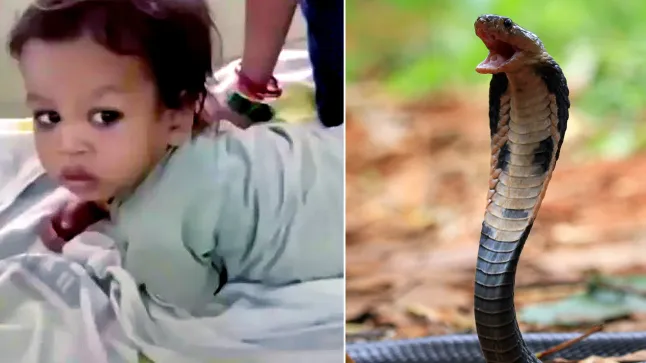
In Bettiah, a town in West Champaran’s lush countryside, a two-year-old boy named Govinda Kumar turned an ordinary afternoon into a tale of survival. The child mistook a two-foot-long cobra for a plaything and grabbed it, leading to the snake coiling around his tiny hands. In a reflexive act, he bit the reptile’s head, causing its immediate death. Family members rushed to the scene as the boy fainted shortly after, fearing the worst from a potential venom strike.
Local reports described the moment as reminiscent of ancient myths, like the legendary battle between young Krishna and the serpent Kaliya. Yet this event carried real peril, with the cobra’s fangs posing a lethal threat in a region where snakebites claim numerous lives annually. The boy’s quick action, though instinctual, spared him from what could have been a fatal outcome. Authorities confirmed the snake’s demise on the spot, while the child received urgent medical attention.
Why the Boy Survived Unscathed
Doctors at a nearby hospital examined Govinda and found no traces of venom in his system, a rare stroke of fortune. The cobra likely did not inject poison during the brief struggle, as its fangs may not have fully penetrated the skin. Experts noted that young children sometimes escape severe envenomation due to their smaller size and rapid medical intervention, though such cases remain exceptional.
The incident drew attention from medical professionals who emphasized the cobra’s potency – one of India’s most dangerous snakes, responsible for thousands of bites each year. In this case, the reptile’s death by bite highlighted an unusual reversal of roles. Govinda recovered quickly after observation, discharged without complications. This survival story prompted discussions on the unpredictable nature of wildlife interactions in rural settings.
Snake-Human Conflicts in Bihar’s Countryside
Bihar’s villages often border dense forests and farmlands, habitats where cobras thrive amid rodents and monsoon floods. Encroaching human settlements disrupt these ecosystems, forcing snakes into homes and increasing encounters. The World Health Organization estimates that snakebites cause 81,000 to 130,000 deaths globally each year, with India bearing a heavy burden. In Bihar, such incidents peak during the rainy season, when reptiles seek drier ground.
Conservationists point to habitat loss as a key driver, with agricultural expansion reducing safe spaces for non-venomous prey and pushing predators closer to people. Recent efforts in the state, like the push to designate Kaimur Wildlife Sanctuary as a tiger reserve, aim to protect broader biodiversity, indirectly benefiting snake populations. Still, rural communities face daily risks without adequate awareness or infrastructure.
Safety Measures for Rural Families
Preventing such close calls requires community-wide strategies. Families in cobra-prone areas should seal home entry points and use protective gear during fieldwork. Education campaigns promote identifying venomous species and seeking immediate help for bites.
Here are essential tips for minimizing risks:
- Keep living spaces clutter-free to deter rodents that attract snakes.
- Install fine-mesh screens on doors and windows during monsoons.
- Teach children to avoid touching unfamiliar objects in the yard.
- Carry a first-aid kit with anti-venom access information nearby.
- Report frequent sightings to local wildlife officials for relocation.
- Wear boots and long pants in fields, especially at dawn or dusk.
Broader Implications for Wildlife Conservation
This bizarre event spotlights the need for integrated conservation in Bihar, where wildlife sanctuaries like Valmiki already safeguard tigers and leopards. Expanding protected areas could reduce human-snake overlaps, preserving both species. Government initiatives, including revised proposals for new reserves, signal progress toward eco-friendly development.
Yet challenges persist, with poaching and urbanization threatening habitats. The toddler’s story serves as a wake-up call for investing in antivenom distribution and training programs. As Bihar balances growth with nature, such incidents remind residents of their shared environment.
Key Takeaways
- The boy’s survival hinged on no venom injection, a fortunate rarity in cobra encounters.
- Rural Bihar sees heightened snake risks due to habitat encroachment and seasonal changes.
- Conservation expansions, like new tiger reserves, offer hope for reducing conflicts.
In the end, Govinda’s triumph over the cobra not only saved his life but also ignited conversations on living harmoniously with India’s wild heritage. What steps can communities take to prevent future scares? Share your thoughts in the comments.