If you picture dinosaur bones as dusty old museum pieces, you’re massively underestimating them. Some individual bones and skeletons have completely reshaped how you see these animals: how they lived, how they raised their young, even how they turned into the birds outside your window right now. A single claw, a broken hip, or a fragile feather impression has forced scientists to throw out old ideas and start again from scratch.
In this article, you’ll walk through ten famous fossil discoveries that flipped the script on dinosaur life. You’ll see how one skeleton turned a movie villain into a real animal, how a “good mother lizard” challenged the idea of dinosaurs as cold, careless brutes, and how delicate feathers locked in stone proved that birds are not just “related to” dinosaurs – they are dinosaurs. As you go, try to imagine holding each bone in your hands and realizing that it changes the story of an entire world.
1. The First Archaeopteryx Feather: A Single Plume That Tied Dinosaurs To Birds
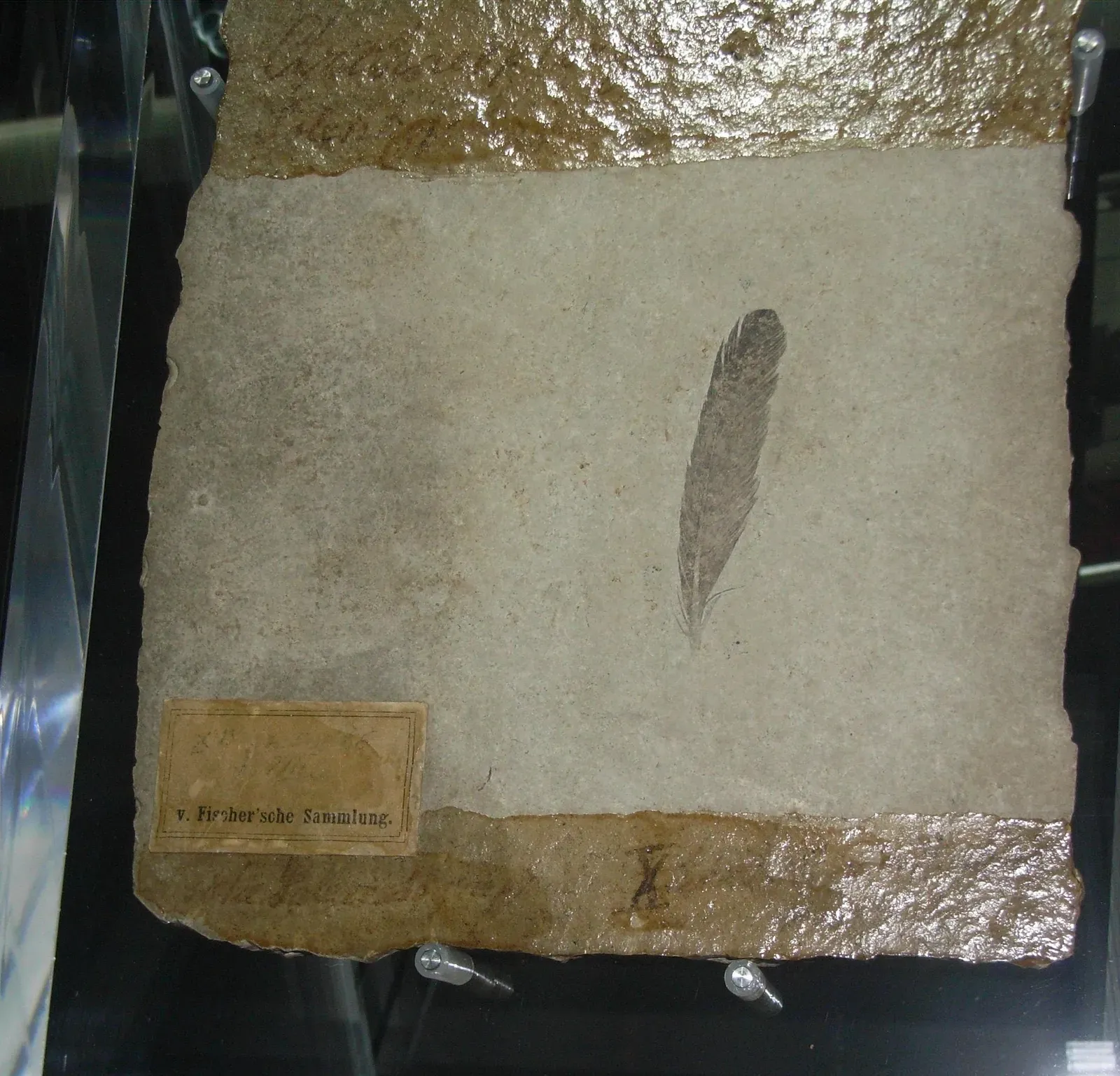
You might think you’d need a whole skeleton to shake up science, but the first fossil that really tied dinosaurs to birds was just one feather. When that beautifully preserved feather turned up in German limestone in the nineteenth century, it was clearly birdlike, yet the rock dated back about one hundred and fifty million years, to the Late Jurassic. That meant that something with modern-style feathers was living at the same time as classic dinosaurs, not arriving long after them like a completely separate story.
Later, skeletons of Archaeopteryx from the same region showed you an animal with both reptilian traits like teeth and a long bony tail, and avian traits like wings and flight feathers. When you put that original feather together with these skeletons, you get a vivid transitional creature that sits right on the line between non‑avian dinosaurs and birds. For you today, that feather is your starting gun: it tells you that the evolution of feathers, and eventually of flight, began well inside the age of dinosaurs, not after it.
2. Archaeopteryx Skeletons: The “First Bird” That Refused To Fit Neatly In A Box
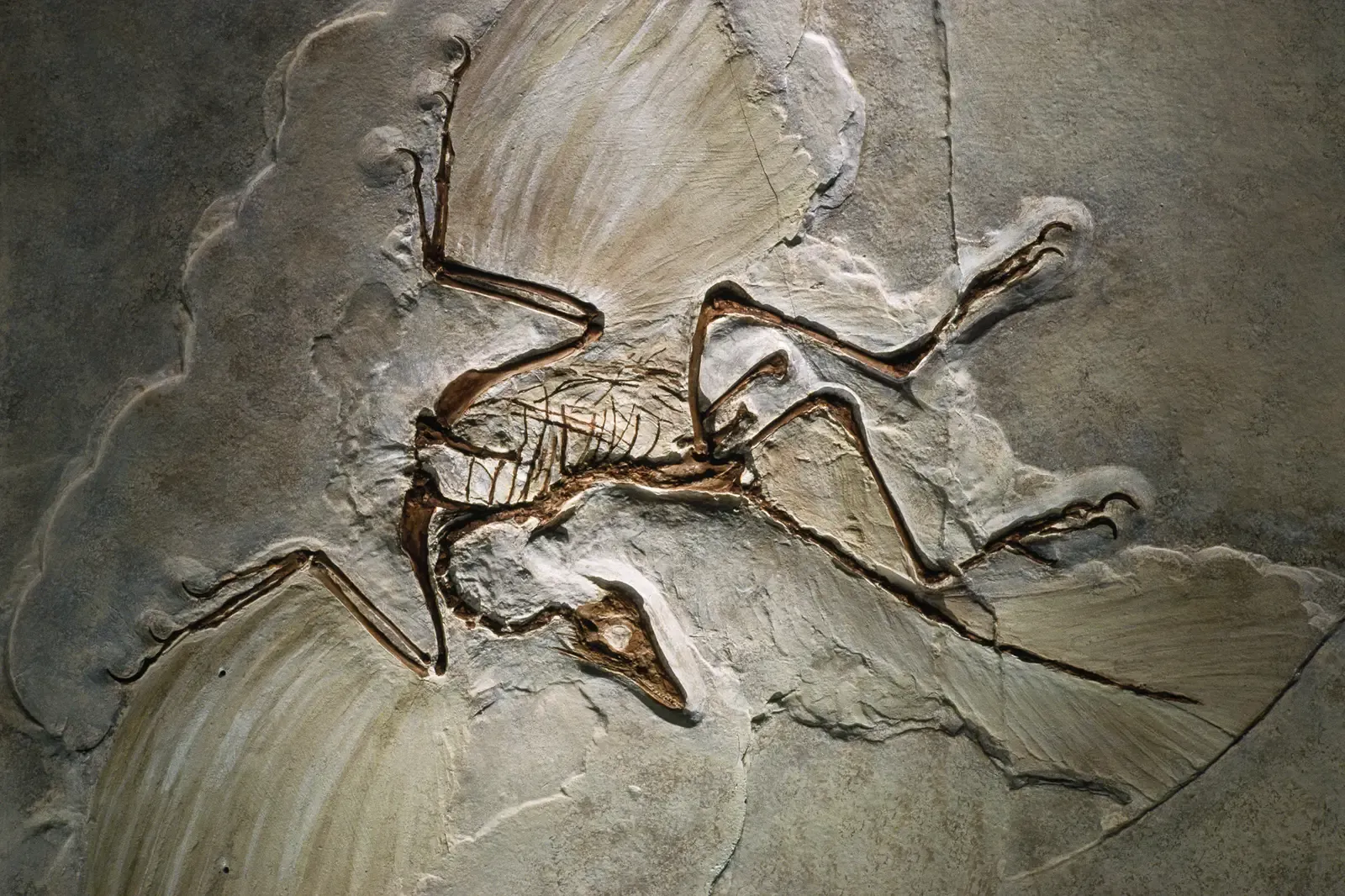
When you look at an Archaeopteryx skeleton, you’re basically staring at an argument frozen in stone. For decades, people called it the first bird, and you can see why: it has wings, asymmetrical flight feathers, and a wishbone. But then you notice the long reptilian tail, clawed fingers on the wings, and teeth in the jaws, all things you expect from small theropod dinosaurs, not from modern birds. You’re forced to admit that the line between “dinosaur” and “bird” is a lot blurrier than you were taught as a kid.
Modern work on Archaeopteryx has gone even further, revealing birdlike features in its skull, hints of a mobile tongue, and specialized structures around the snout that echo the sensory systems of living birds. At the same time, new feathered dinosaurs from China have shown you that Archaeopteryx is part of a whole cloud of birdlike forms, not a lone leap. Taken together, these skeletons push you to see birds as deeply nested within the dinosaur family, and to think of powered flight as something that evolved step by step, not in a single dramatic jump.
3. Sinosauropteryx And The First Dinosaur “Fuzz”: Feathers Before Flight
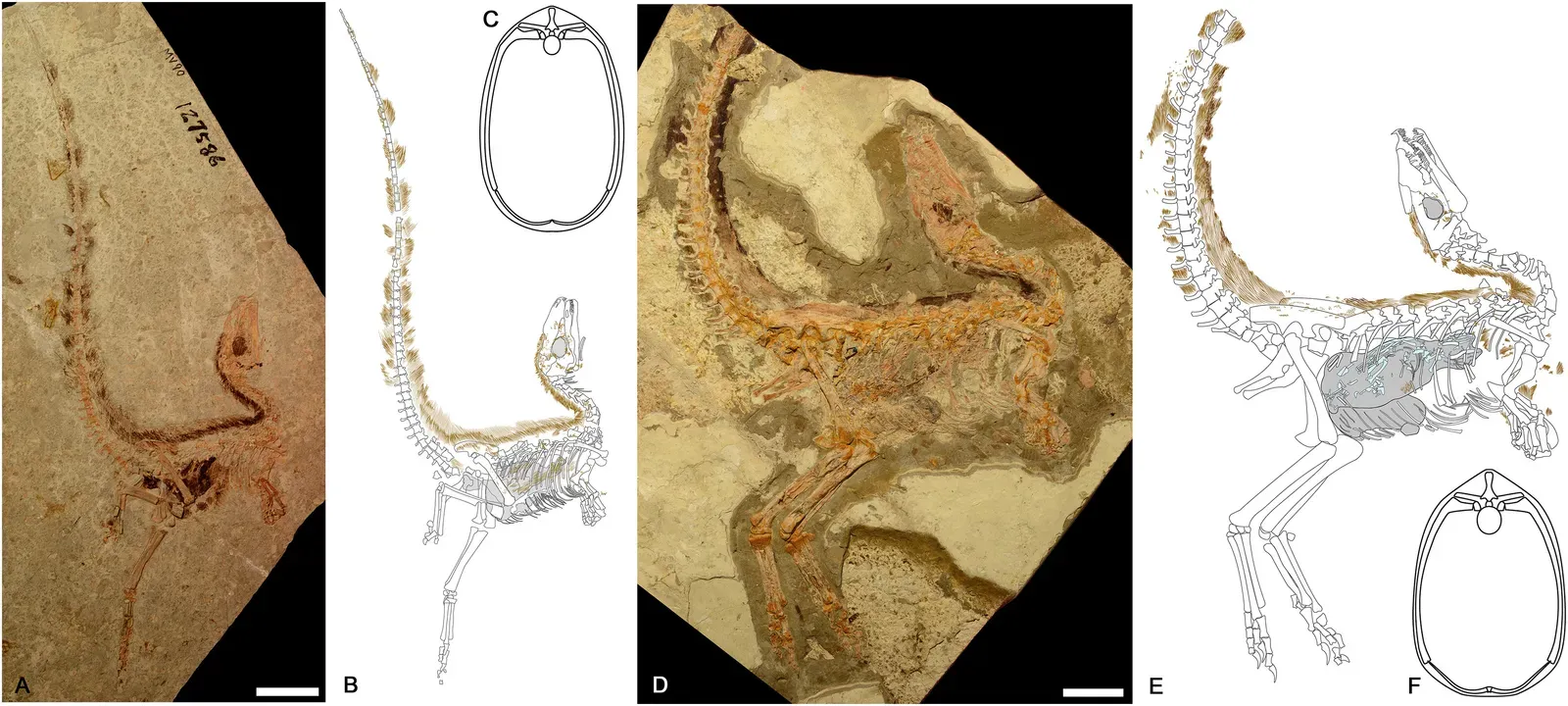
Imagine expecting dinosaurs to be all scales and spikes, then meeting Sinosauropteryx. When this small theropod from northeastern China was first described, it preserved a halo of filamentous structures running along its body and tail. They weren’t plant debris or artifacts of the rock; they were real, hair‑like coverings attached to the skin. Suddenly you’re faced with a dinosaur that clearly had some kind of proto‑feather coat, even though it was far too chunky and ground‑bound to be a flier.
What this does to your understanding is huge: it tells you that feathers did not evolve “for flight” and only later show up in birds. Instead, they likely started as insulation, display structures, or both, long before true wings. As more feathered dinosaurs came out of the same rocks, from fluffy oviraptorosaurs to dromaeosaurs with fully developed wings, you can no longer honestly picture most small theropods as naked reptiles. You’re almost required to imagine them as fuzzy, colorful creatures, more like strange ground‑running birds than Hollywood monsters.
4. The “Killer Claw” Of Deinonychus: Rethinking Raptors And Dinosaur Behavior
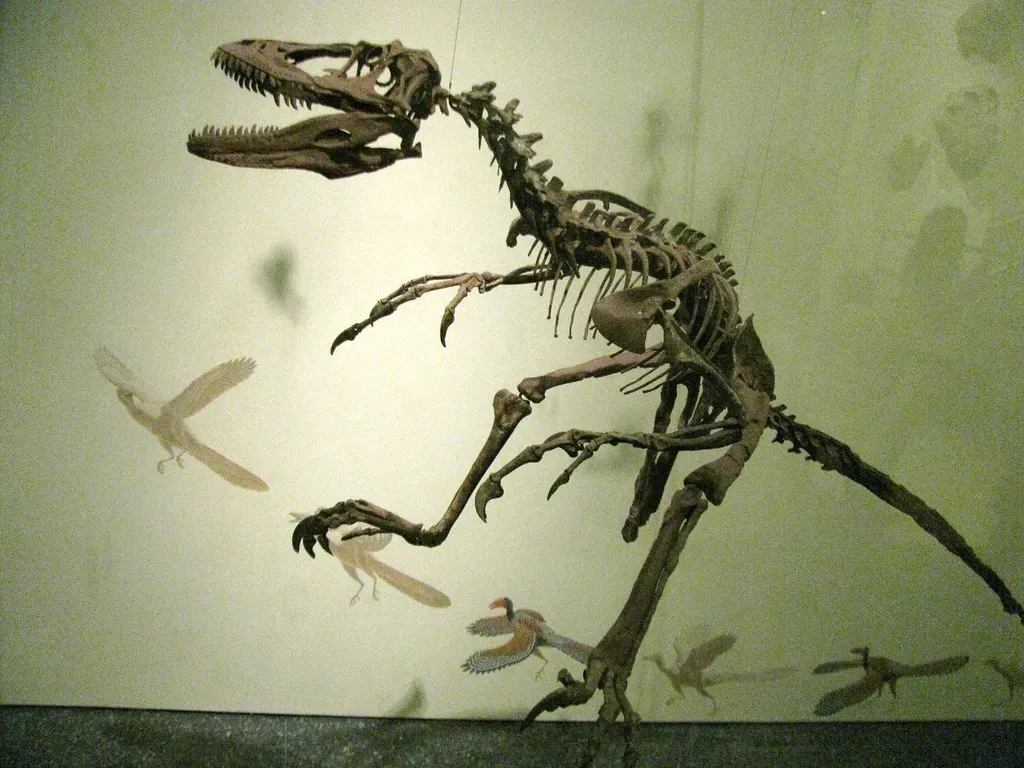
If you pick one single bone that rewired how you see predatory dinosaurs, it might be the enlarged sickle‑shaped claw on the second toe of Deinonychus. Before this animal was studied in detail in the late twentieth century, big theropods were usually portrayed as slow, tail‑dragging brutes. But the Deinonychus skeleton, especially that huge recurved claw and the stiffened tail, screamed agility and precision. You’re looking at a predator built for quick, controlled strikes rather than lumbering charges.
That one claw helped inspire the entire concept of “raptors” as pack‑hunting, intelligent killers, later popularized in movies, even if the Hollywood version exaggerates things. Scientifically, it nudged you toward viewing theropods as active, warm‑blooded animals with complex hunting strategies and high metabolic demands. Whether Deinonychus itself truly hunted in cooperative groups or not, its anatomy forces you to think in terms of dynamic, athletic dinosaurs occupying a role more like big cats or birds of prey than sluggish crocodiles on legs.
5. Maiasaura’s Nesting Bones At Egg Mountain: Discovering A “Good Mother Lizard”
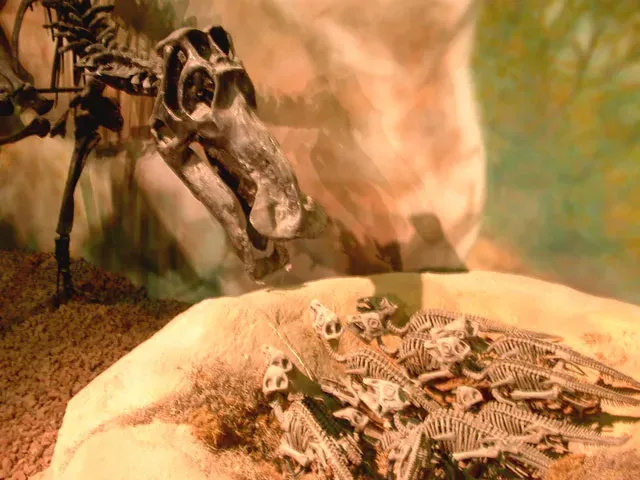
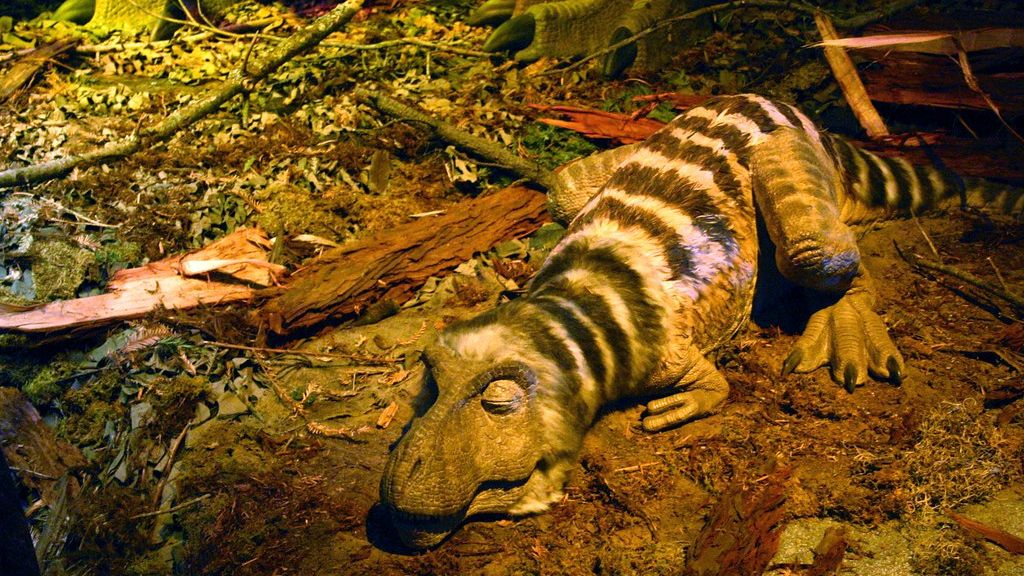
When you hear the name Maiasaura, which roughly translates to “good mother lizard,” you’re hearing a direct reaction to the bones that were found. At a Montana site nicknamed Egg Mountain, paleontologists uncovered clusters of nests packed with eggs, hatchlings, and juvenile bones all from this hadrosaur. The arrangement told you that these dinosaurs returned to the same nesting grounds repeatedly and raised their young there in groups, more like a seabird colony than a reptile burying its eggs and disappearing.
The tiny, weak limb bones of the hatchlings also suggested the babies weren’t ready to walk or forage on their own, meaning they likely depended on adults for food and protection. That instantly undermines the old picture of dinosaurs as cold, indifferent parents. Instead, you’re confronted with social, nurturing behavior that looks surprisingly familiar if you’ve ever watched birds at a rookery or penguins huddled around their chicks. Through Maiasaura’s nesting remains, you learn that dinosaur family life could be complex, cooperative, and emotionally rich in ways you might not expect.
6. Oviraptor On A Nest: From Egg Thief To Devoted Parent
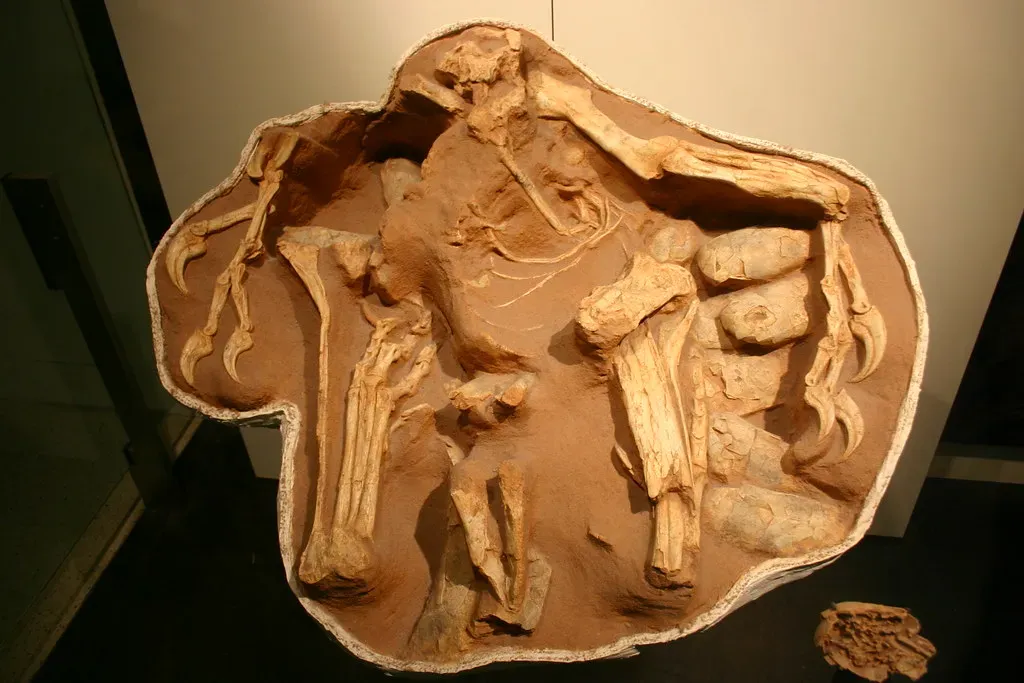
Oviraptor is a perfect example of how a single misinterpreted fossil can mislead you – and how better fossils can set things right. Early on, an Oviraptor skeleton found near a nest led to the assumption that it was stealing eggs, which is how it got the name that basically means “egg thief.” But years later, more fossils from Mongolia captured oviraptorosaurs crouched directly on top of clutches of eggs, in a posture almost identical to a brooding bird sitting over its nest.
Some of those eggs even preserved developing embryos, proving the adults were caring for their own offspring, not raiding someone else’s. The arms were spread in a way that would have covered the eggs, shielding them just like feathery wings would in a modern bird. Once you see those skeletons, you can’t cling to the idea of dinosaurs as careless or purely opportunistic. You’re pushed toward a vision of them as attentive parents, investing time and energy into guarding and incubating their young, and suddenly the path from brooding oviraptorosaurs to brooding birds feels much more direct.
7. The “Sue” Tyrannosaurus Rex Skeleton: Turning A Monster Into A Living Animal
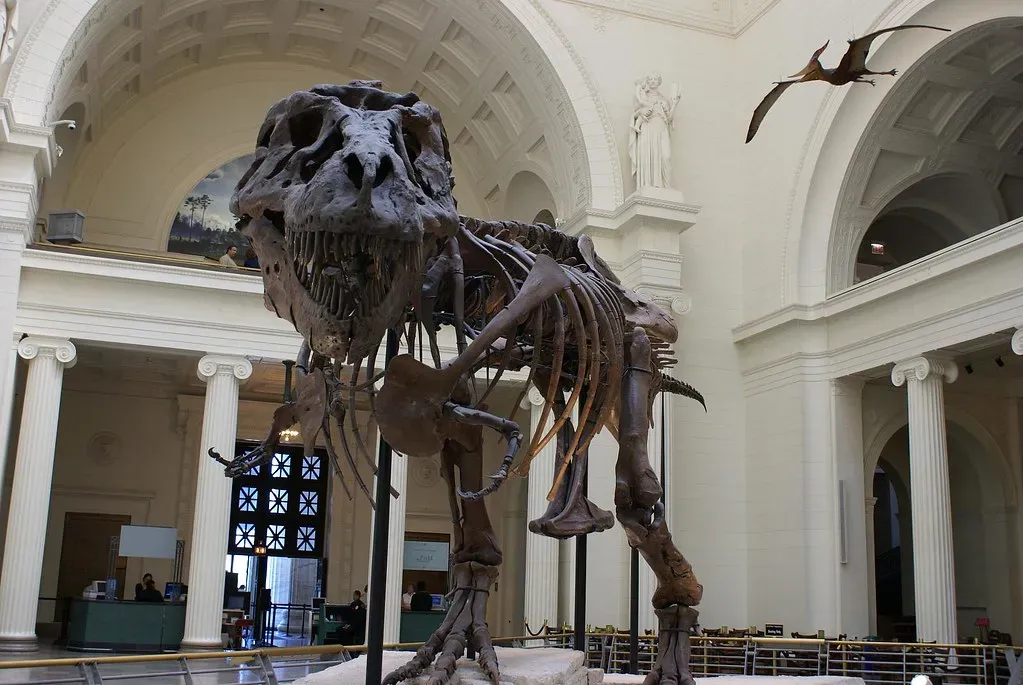
When you stand beneath the fossil known as “Sue” the T. rex at the Field Museum in Chicago, you’re not just looking at a trophy skeleton; you’re looking at a turning point in how you understand the most famous dinosaur on Earth. Sue is one of the most complete, best‑preserved Tyrannosaurus rex specimens ever found, stretching more than forty feet from snout to tail and towering at the hip. That completeness gives scientists an unusually detailed look at the body proportions, muscle attachment sites, and overall build of a fully grown top predator from the Late Cretaceous.
But the real shock comes when you focus on the signs of life etched into the bones: healed fractures, strange holes in the skull that may reflect infection or disease, and uneven wear on the teeth. You start to see not an invincible movie monster, but an animal that got injured, sick, and old, yet survived long enough to heal. Detailed study of Sue’s limbs, skull, and growth patterns has helped refine everything from T. rex’s bite force and hunting style to its growth rate and life span. In other words, this skeleton lets you talk about tyrannosaurs in the same everyday biological terms you’d use for lions or bears, rather than as vague symbols of prehistoric terror.
8. Triceratops Frills And Horn Cores: From Armor Plates To Social Billboards
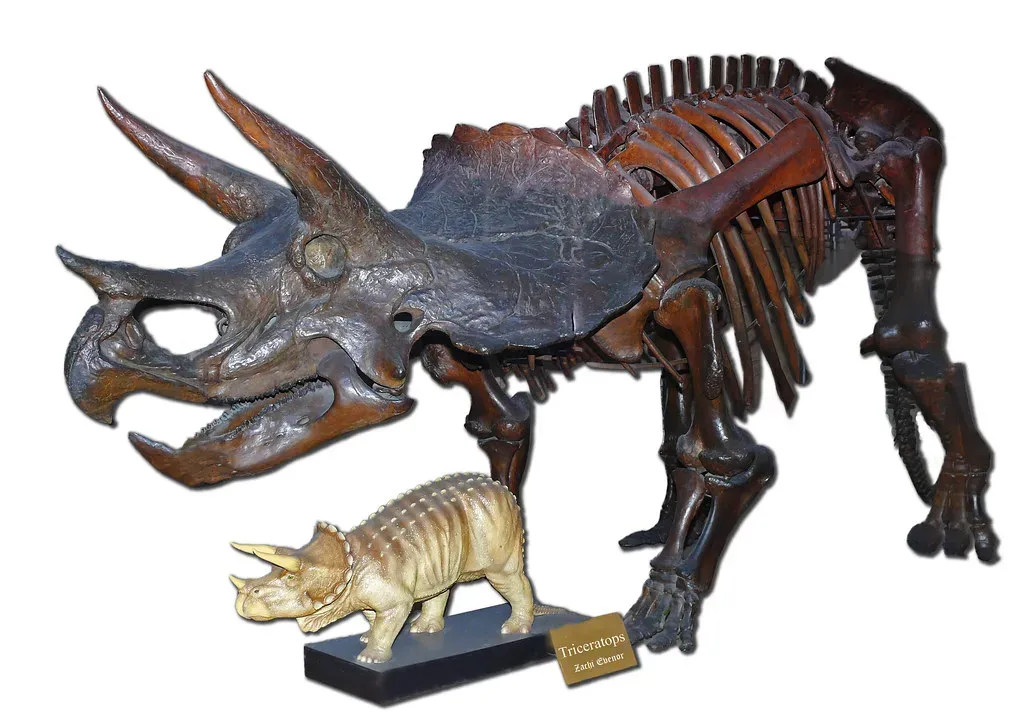
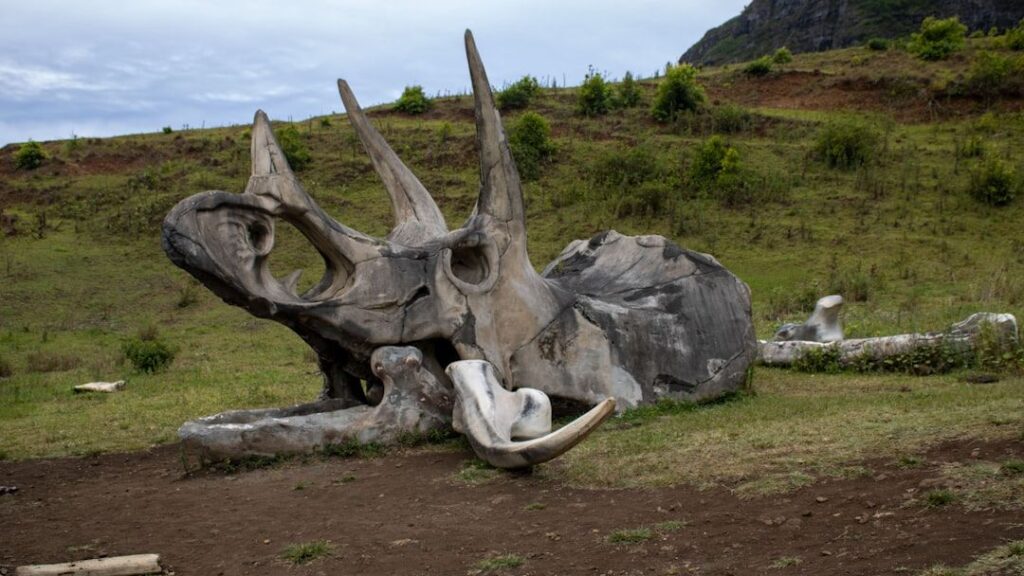
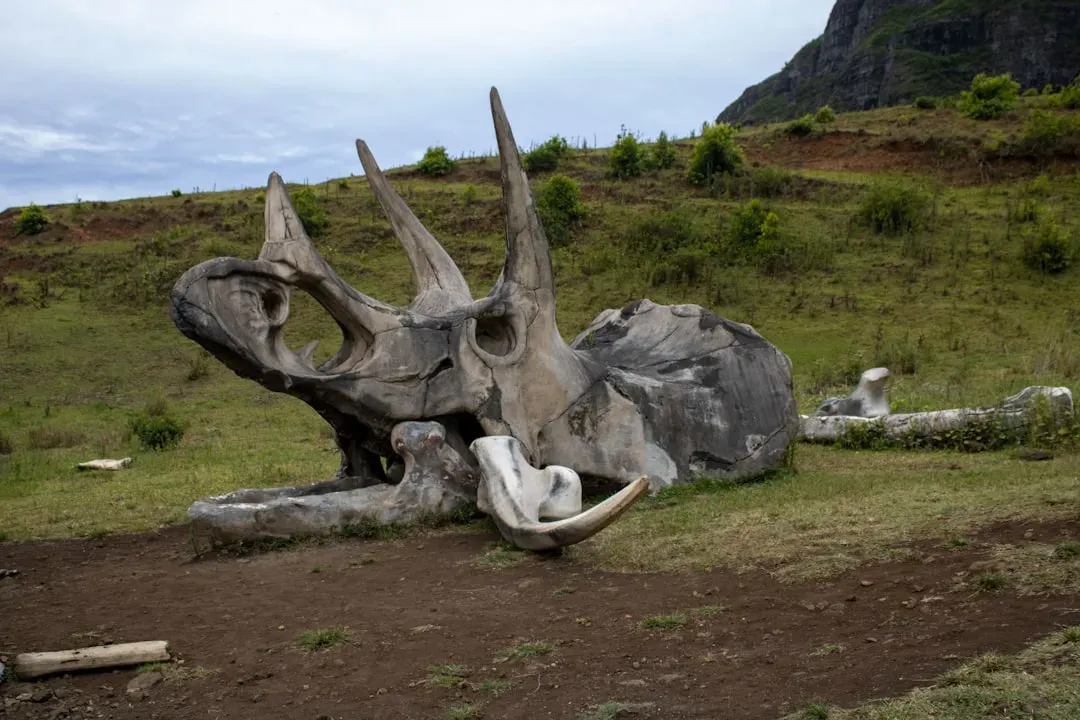
If you grew up thinking of Triceratops frills as defensive shields, you are not alone. For a long time, those big bony plates at the back of the skull were often cast as armor protecting the neck from bites by predators like T. rex. But when researchers started carefully examining the bone texture, growth patterns, and variation in frill shape, a different story emerged. The frills and horn cores changed dramatically as individuals grew, and they varied a lot between related species, which is exactly what you expect from structures used for display and social signaling.
Healed punctures and lesions on some frills match up surprisingly well with the horns of other ceratopsians, hinting that these animals may have locked horns or jousted with each other in ritualized combat. That pushes you to imagine Triceratops not just as a walking tank, but as a dinosaur engaged in social contests, mate attraction, and possibly even dominance displays. Instead of thinking about frills purely in terms of survival against predators, you begin to see them as billboards of identity and status, as vital to social life as a peacock’s tail or a deer’s antlers.
9. Hadrosaur Skin Impressions And “Mummies”: Seeing Dinosaurs In Full Detail
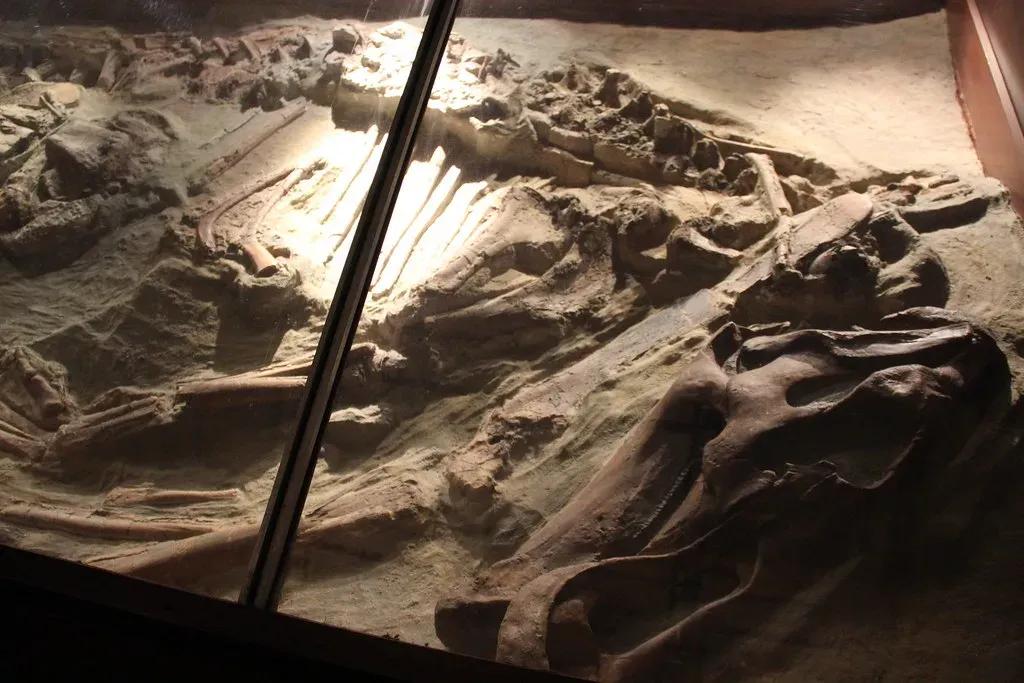
Every time you see a dinosaur model covered in scales or patterns, you’re benefiting from rare fossils that preserved more than just bone. Some hadrosaur skeletons, often nicknamed “mummies,” include extensive impressions of skin, showing you the exact pattern and size of the scales over large parts of the body. Instead of guessing at the texture of the skin, you can literally trace the outlines of individual scales on the neck, flanks, and tail, and see how they changed from one area to another.
These impressions tell you that many dinosaurs had quite complex body surfaces, combining different scale shapes and sometimes raised structures that could have held distinctive color patterns. There is even evidence in some fossils for preserved pigments and microscopic structures that hint at original coloration. When you put all that together, you’re forced to let go of drab, single‑color dinosaurs and embrace the idea of vibrant, patterned animals that used color for display, camouflage, or both. It turns the mental image in your head from grey lizard‑cow into something more like a living, breathing, highly visual creature.
10. Bonebeds And Trackways: Mass Deaths That Reveal Herds, Migrations, And Disasters
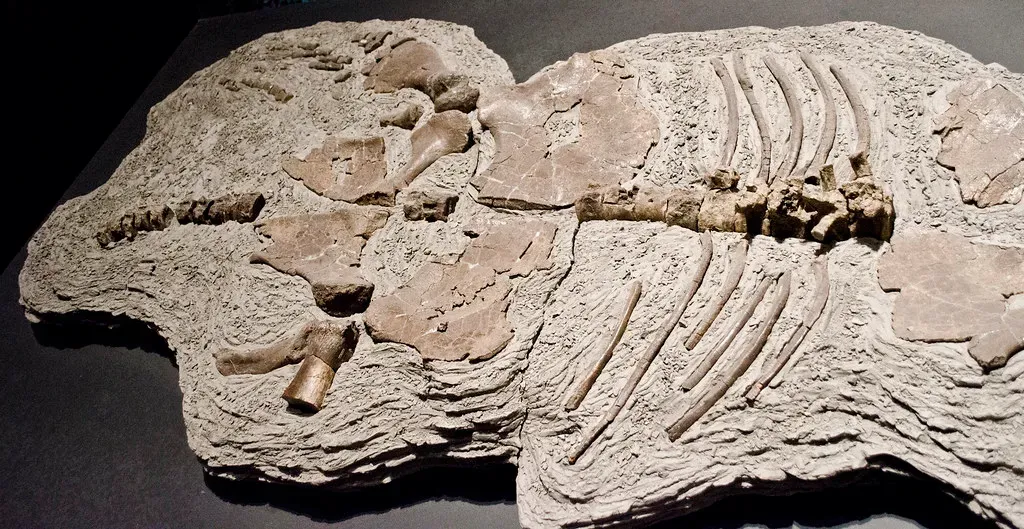
Sometimes it is not one spectacular skeleton that changes your view, but hundreds of bones all jumbled together. Large dinosaur bonebeds – places where many individuals of the same or related species died and were buried together – tell you about herd behavior and catastrophic events on a scale a single skeleton never could. When you find dozens or even hundreds of hadrosaurs, ceratopsians, or sauropods in the same layer, it is hard to avoid the conclusion that these animals lived and moved in groups, much like modern grazing mammals.
Paired with fossil trackways that preserve footprints marching in parallel lines or clustered patterns, you get a powerful picture of dinosaurs traveling together, possibly migrating, caring for young within the herd, and suffering mass deaths during floods, droughts, or storms. These mass deposits let you treat dinosaurs not just as solitary specimens, but as members of ecosystems and social systems. They give you the raw evidence to ask questions about population structure, herd size, and even seasonal movements, making dinosaur worlds feel far more like real, functioning environments than isolated scenes on a museum wall.
Conclusion: What These Bones Really Change For You
When you step back and look at these ten iconic finds together, you can feel your understanding of dinosaurs stretching in every direction. Feathers show up long before birds take off, killer claws and nurturing nests sit side by side in the fossil record, and a supposedly mindless predator like T. rex turns out to have lived a long, injury‑scarred life. Instead of a world of sluggish reptiles doomed to extinction, you’re staring at a planet full of active, social, often warm‑blooded animals that blurred the boundaries between what you call reptiles, birds, and mammals.
Maybe the most important shift is this: you stop seeing dinosaur bones as static relics and start treating them as evidence in an ongoing investigation. Every new fossil – one more clutch of eggs, one more weird feather, one more nearly complete giant – has the power to rewrite part of the story you thought you knew. As you walk past a skeleton in a museum now, you might find yourself wondering not just how big it was, but what secret about behavior, evolution, or survival is still locked inside its bones. Which of these discoveries surprised you the most, and which old image of dinosaurs are you now ready to let go of for good?