

Have you ever felt like the world is just too loud, too bright, or too much? Maybe you’ve been told you’re overreacting or that you need to toughen up. If that sounds familiar, you might be part of a unique group that experiences life with extraordinary depth. The way you process emotions, absorb your surroundings, and connect with others could mean you’re wired differently than most people around you.
Roughly one out of every five to seven people shares this trait, yet many go through life feeling misunderstood or out of place. The truth is, what you experience isn’t a weakness or something to fix. It’s a fundamental part of who you are, with its own set of incredible strengths and yes, some challenges too. Let’s explore what it really means to be highly sensitive and why embracing this gift might be the key to unlocking your full potential.
You’re Overwhelmed by Sensory Stimulation

Your threshold for sensory awareness is lower than most people’s, meaning loud noises and chaotic stimuli have a greater impact on you. That crowded shopping mall or noisy restaurant that others seem to enjoy? For you, it feels like an assault on your senses. The fluorescent lights buzz too loudly, the music pounds in your chest, and the competing conversations create a wall of noise that makes thinking nearly impossible.
You feel uncomfortable with loud noises, bright lights, pungent smells, or strong flavors, and you’re irritated by physical sensations like being too hot or cold, tight clothing, or scratchy fabrics. It’s not that you’re being picky or difficult. Your nervous system genuinely processes these inputs more intensely, turning what others barely notice into something that demands your full attention and drains your energy.
You Feel Emotions on a Profound Level

When you feel something, you really feel it. You have increased emotional sensitivity and stronger reactivity to both external and internal stimuli. Joy can feel euphoric, disappointment can be crushing, and even a touching commercial might bring tears to your eyes. Some people might laugh this off as being dramatic, but for you, emotions aren’t just passing feelings – they’re full-body experiences.
You think things through very thoroughly with longer processing time, and you can sense others’ moods while hating conflict. This emotional depth isn’t something you can simply turn off or dial down. It’s like having the volume permanently set higher on your emotional radio. The upside? You experience beauty, love, and connection with an intensity that makes life feel genuinely meaningful.
You Absorb Other People’s Emotions Like a Sponge

You feel deeply affected by the moods of other people around you. Walking into a room where there’s been an argument, you can feel the tension immediately, even if everyone is pretending everything’s fine. When your friend is anxious, their worry seeps into your own chest. When someone’s excited, their energy lifts you up too.
You’re hyper-aware of changes to other people’s emotions and body language, and you may also feel their emotions on a deeper level. This makes you an incredible friend and a natural empath, but it also means you carry emotional weight that isn’t even yours to carry. Sometimes you might struggle to figure out where your feelings end and someone else’s begin.
You Need Regular Alone Time to Recharge

In noisy, crowded, or busy environments, you might feel the need to withdraw and get relief from the stimulation of those surroundings. After socializing or a busy day at work, you’re not just tired – you’re completely depleted. Other people might be ready to hit another party or make dinner plans, but you desperately need to retreat to your quiet space.
You frequently need time alone to recharge following social interactions or busy periods. This isn’t antisocial behavior or depression. Think of it like your internal battery draining faster than others’ because you’re processing so much more information and stimulation. Solitude becomes necessary medicine, not a luxury. That time alone allows your overstimulated nervous system to settle and helps you return to your baseline.
You’re Deeply Moved by Art, Music, and Beauty
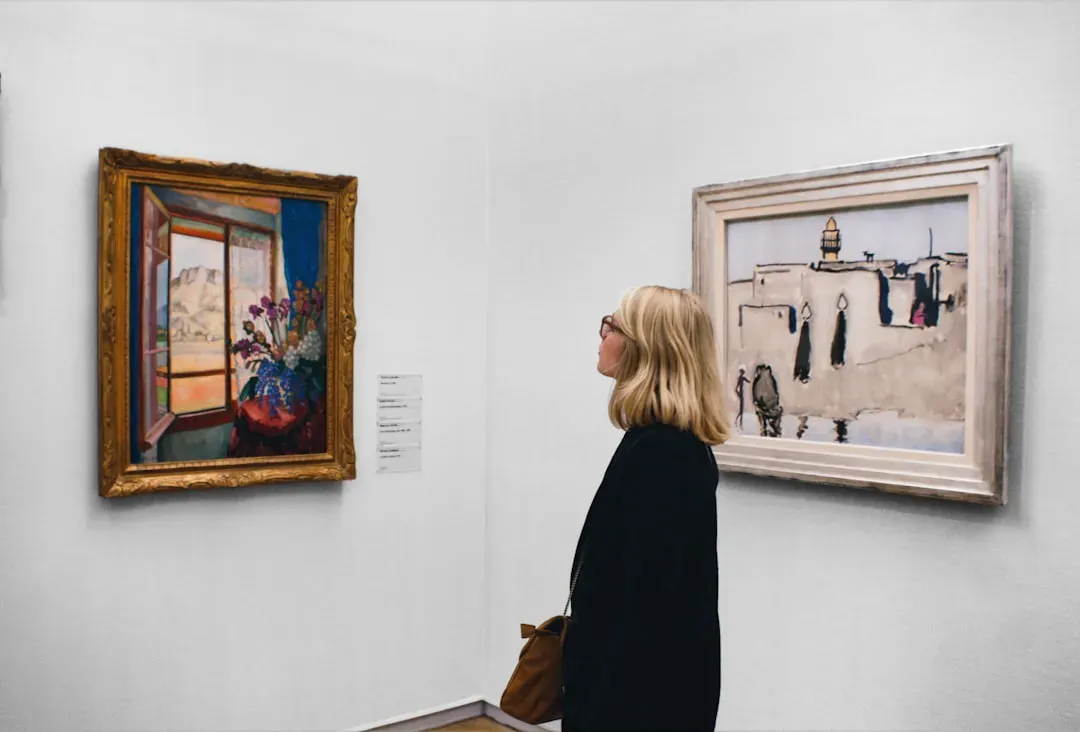
Beauty hits you differently. High sensitivity is linked to higher levels of creativity, richer personal relationships, and a greater appreciation for beauty. A stunning sunset doesn’t just look pretty to you – it can move you to tears. A piece of music can transport you to another emotional realm entirely. You notice details in paintings, architecture, and nature that others walk right past.
You tend to excel at creativity and the ability to make connections that others do not see. This heightened aesthetic sensitivity isn’t superficial. It’s about experiencing the world with all your senses fully engaged. You can lose yourself completely in a beautiful moment, whether that’s watching rain fall or hearing a song that seems to speak directly to your soul.
You’re Bothered by Violence and Disturbing Content

Whilst it’s typical to dislike violence, you are likely to be more distressed or deeply disturbed by violence. Horror movies? No thanks. Graphic news footage? You have to look away. While others might shrug off violent scenes as “just entertainment,” you can’t separate yourself from the suffering you’re witnessing, even when you know it’s fictional.
You’re more disturbed than others by violence, tension, or feelings of being overwhelmed, and as a result, you make concerted efforts to avoid situations in which such things are likely to occur. This isn’t weakness or being sheltered. Your empathy and emotional processing are so strong that you essentially experience others’ pain as if it were your own. Protecting yourself from disturbing content is a form of self-preservation.
You’re Prone to Feeling Overwhelmed by Too Many Demands

When people try to get you to do too many things at once, you quickly become overwhelmed by all the demands. Multitasking isn’t your strong suit, not because you’re incapable, but because you process each task thoroughly and deeply. When demands pile up, it’s not just your schedule that feels overwhelmed – your entire nervous system starts to protest.
You feel overwhelmed in large crowds or when a lot is happening simultaneously. A day that others might describe as busy but manageable can leave you completely frazzled. Your deep processing style means you can’t skim the surface of tasks or interactions. You engage fully with everything, which is both a gift and an exhausting reality when life gets hectic.
You Have a Rich and Complex Inner Life

You have a complex inner life with deep thoughts and strong feelings that go with it. Your mind is constantly active, reflecting on conversations, analyzing situations, and exploring ideas. You might replay interactions over and over, not because you’re anxious necessarily, but because you’re processing all the layers you picked up on.
Your brain processes information and reflects on it more deeply. This means you’re probably introspective and self-aware, constantly examining your own motivations and responses. Some people might call this overthinking, but really, it’s just how your mind naturally works. You don’t do shallow – your thoughts naturally go deep, exploring nuances and connections others might miss entirely.
You’re Startled Easily and React Strongly to Surprises

You startle easily to loud noises or being surprised. Someone walking up behind you unexpectedly can make you jump out of your skin. A door slamming or a car horn can send a jolt through your entire body that takes minutes to recover from. Others might laugh it off, but your heart is genuinely racing.
This trait reflects a survival strategy of being observant before acting, and your brain actually works a little differently than others’. Your nervous system is essentially on higher alert, which made evolutionary sense for survival. You’re the person who would have noticed the predator approaching or sensed danger before it arrived. In modern life, though, it just means surprise parties are definitely not your thing.
You’re Conscientious and Notice Subtle Details

You know subtleties in your environment that other people don’t pick up on. You notice when someone gets a haircut, when the lighting in a room has changed, or when something in a familiar space has been moved. You pick up on micro-expressions and subtle shifts in tone that reveal what people are really feeling beneath their words.
You notice small changes in people and the environment, adjusting your approach accordingly. This makes you incredibly thoughtful and considerate. You remember what matters to people because you’re genuinely paying attention. You can sense when someone needs space or when they need support, often before they’ve said a word. This attention to detail is one of your quiet superpowers.
You Avoid Conflict and Stressful Confrontations

You usually shy away from overwhelming stimuli like stressful conflicts or confrontations, and you may avoid conflict altogether, sometimes constantly keeping the peace. Arguments feel physically painful to you. The tension, the raised voices, the negative energy – it’s almost unbearable. You’ll go to great lengths to maintain harmony, sometimes at the expense of your own needs.
Misreading neutral comments as criticism, avoiding conflict, or feeling deeply wounded by minor disagreements is common. This isn’t cowardice. Conflict genuinely affects your nervous system more intensely than it does others’. The aftermath of a confrontation can leave you shaken for hours or even days. Learning to navigate necessary conflicts while protecting your sensitive nature becomes an essential life skill.
How to Embrace Your Sensitivity as a Superpower

If you’ve recognized yourself in these signs, it doesn’t mean you’re abnormal – you’re just wired to experience the world differently, and embracing your sensitivity can significantly enhance how you feel. The first step is understanding that your sensitivity isn’t a flaw to be fixed. It’s a legitimate personality trait with real neurological differences that come with genuine advantages.
Self-care is critical for you, particularly when faced with stressful situations – getting enough sleep, eating a healthy diet, limiting caffeine and alcohol, and taking time for decompression are all useful strategies. Setting boundaries and learning to say no can be particularly difficult, but remember that you can be polite, kind, and caring while still saying no. Create environments that support your nervous system rather than constantly battling against it. Protect your alone time fiercely. Surround yourself with people who appreciate your depth rather than criticize your sensitivity.
The most important thing is remembering that this is who you are – there’s no need to apologize for feeling too deeply or caring about the world around you and the people you love. Your sensitivity allows you to experience profound joy, create meaningful art, build deep relationships, and notice what needs attention in the world. In a culture that often values toughness over tenderness, your ability to feel deeply and respond with compassion is needed more than ever. What would the world look like if we honored sensitivity instead of dismissing it?