
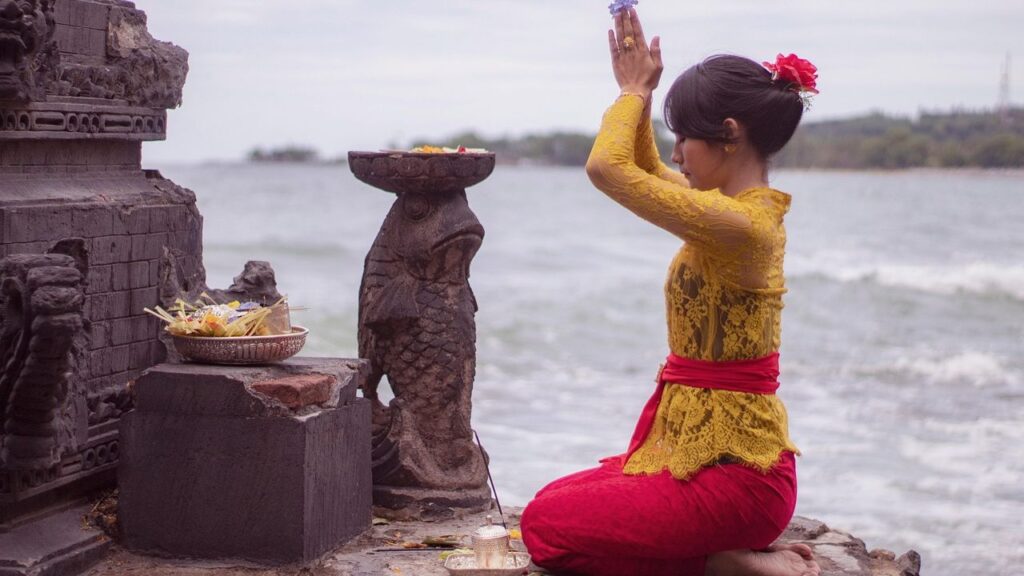
Have you ever noticed how tightly you grip certain things in your life? Your relationships, your possessions, even your opinions about how things should be. You might cling to these elements believing they define you, only to feel anxiety when they slip away or don’t meet your expectations. Here’s the thing: ancient wisdom traditions discovered something thousands of years ago that might transform how you live today.
They figured out that your suffering doesn’t come from life itself but from your desperate need to control it. Let’s be real, that’s both unsettling and liberating at the same time. These age-old philosophies offer you a radical alternative to the constant stress of holding on too tightly.
So let’s dive in and explore what these ancient teachers have to say about releasing your grip on life.
Buddhism’s Path to Freedom Through Non-Attachment
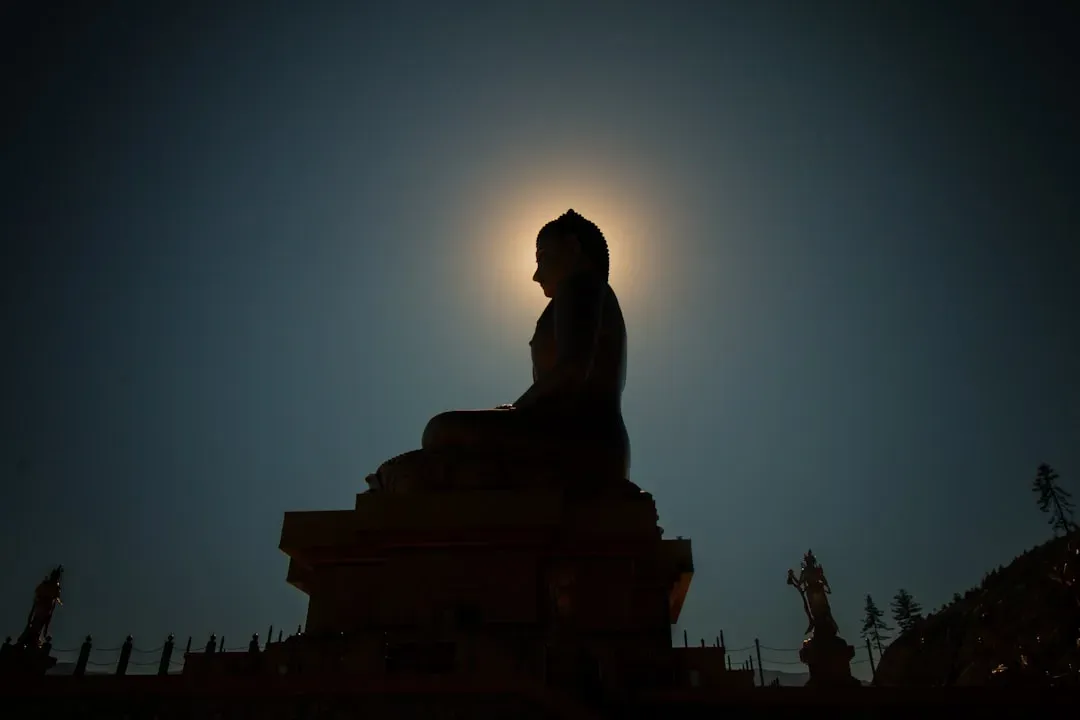
Buddhism teaches that all suffering is caused by attachment and desire, a principle that forms the very foundation of this ancient practice. Buddhists teach that attachment and desire are the root of all suffering, and by letting go of attachments and desires, individuals can achieve liberation from this suffering. What’s fascinating is how this doesn’t mean you stop caring about people or abandon your goals.
Instead, you learn to engage fully with life while releasing your stranglehold on specific outcomes. Think about the last time you desperately wanted something to turn out a certain way. The anxiety you felt wasn’t about the situation itself but about your attachment to one particular result. Non-attachment involves letting go of our attachment to material possessions, relationships, and even our thoughts and emotions.
When you practice this Buddhist wisdom, you’re essentially training your mind to flow with life rather than constantly battling against it. Buddhism teaches that suffering is caused by our attachment to things that are impermanent and that the path to enlightenment involves letting go of these attachments. It’s hard to say for sure, but most people find that once they stop fighting reality, they experience more peace than they ever imagined possible.
Stoicism’s Dichotomy of Control
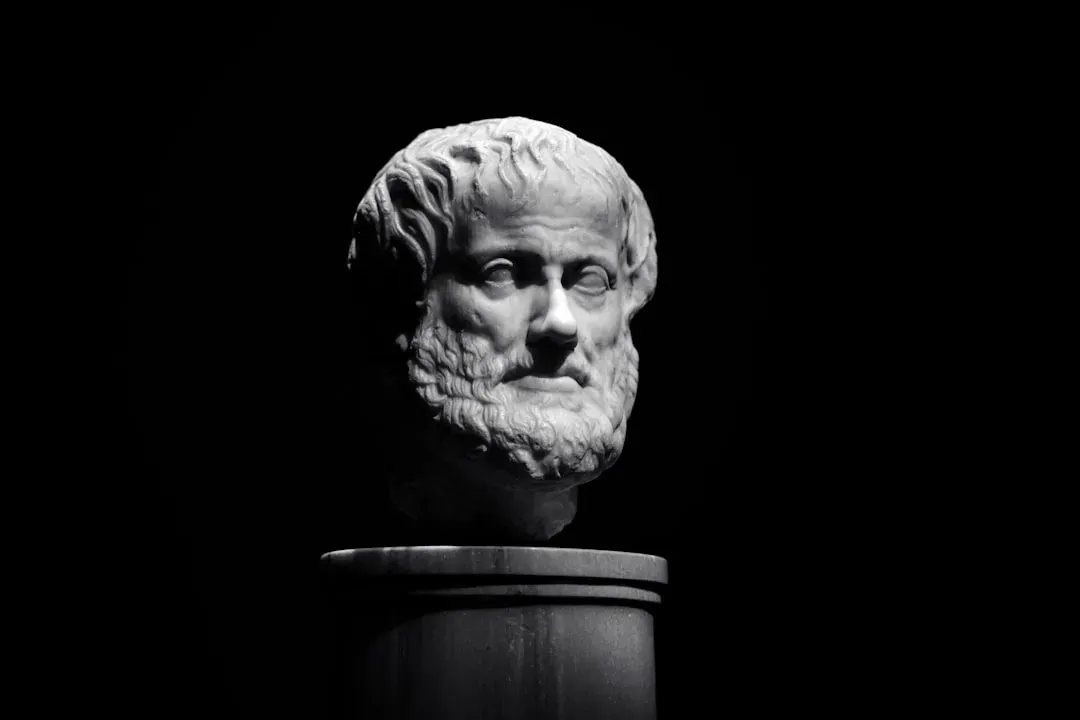
The Stoics had this brilliantly simple insight: there are things you can control and things you cannot. Stoics teach that individuals should accept the things they cannot control, which includes external circumstances and the actions of others, in order to avoid unnecessary suffering. By accepting what cannot be changed, individuals can focus on what they can control and find a sense of inner peace. Honestly, when you really grasp this, it changes everything about how you approach daily challenges.
According to Stoicism, the key to living a good life is to focus on what is within our control and accept what is outside of our control. The Stoics believed in living in harmony with nature and saw reason as the ultimate guide to living a good life. Picture yourself stuck in traffic, seething with frustration. You’re not actually angry about the traffic itself but about your belief that it shouldn’t be happening. You’ve attached yourself to an idea of how reality should be, and when reality disagrees, you suffer.
The Stoic approach asks you to release control over external events while mastering your internal responses. For Stoics, it meant eradicating the tendency to react emotionally or egotistically to external events, the things that cannot be controlled. For Stoics, it was the optimally rational response to the world, for things cannot be controlled if they are caused by the will of others or by Nature; only one’s own will can be controlled. This practice of distinguishing between what’s yours to manage and what isn’t becomes a profound form of freedom.
Taoism’s Way of Wu Wei
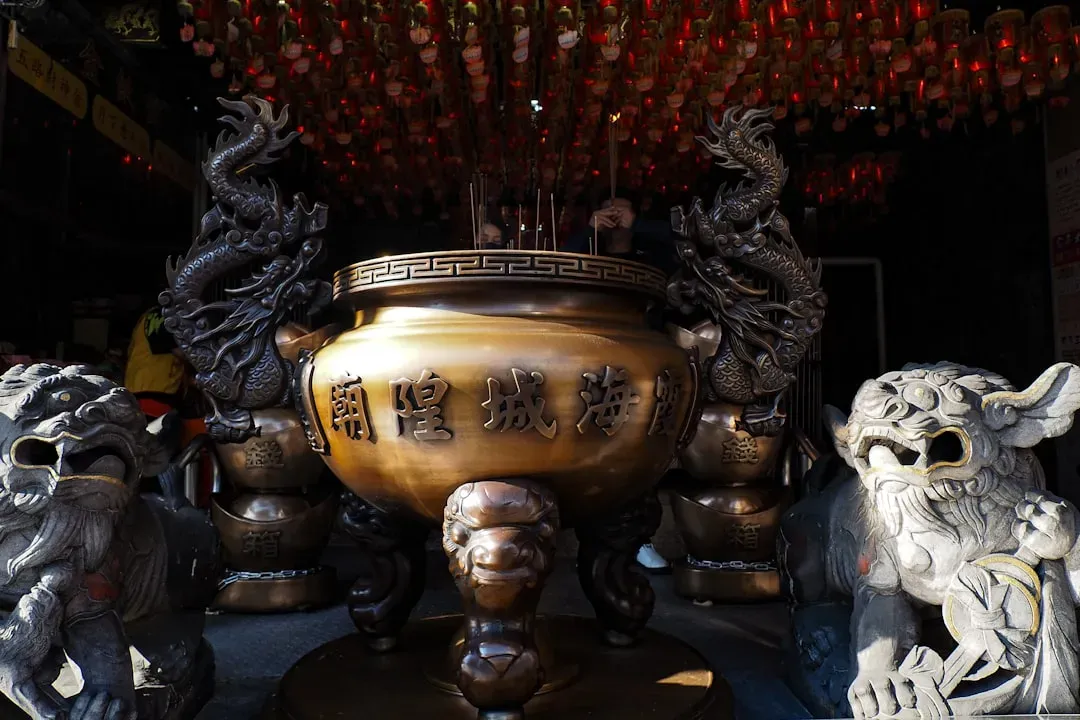
Taoism emphasizes the importance of living in harmony with nature and the Tao, or the way of the universe. According to Taoism, the key to living a good life is to cultivate a sense of inner peace and harmony by embracing the natural flow of life. The Taoist concept of Wu Wei translates roughly to effortless action or non-action, which sounds paradoxical until you understand what it really means.
You’re not sitting around doing nothing. Wu Wei means “effortless action.” You let things happen on their own. You do not force anything. Imagine water flowing around rocks in a stream. It doesn’t fight or force; it simply moves with what’s there. That’s Wu Wei in action.
Instead of trying to control the world around you, release yourself from the burden of ambition and allow the universe to guide your actions. When you fully engage with the Tao, you become like a newborn child. This teaching invites you to stop exhausting yourself by pushing against life’s natural rhythms. The Tao is impartial, it doesn’t take sides. That’s the kind of impartiality Laozi is talking about. When you align with this flow, you find that things often unfold more smoothly than when you try to force every detail.
Hindu Wisdom on Vairagya
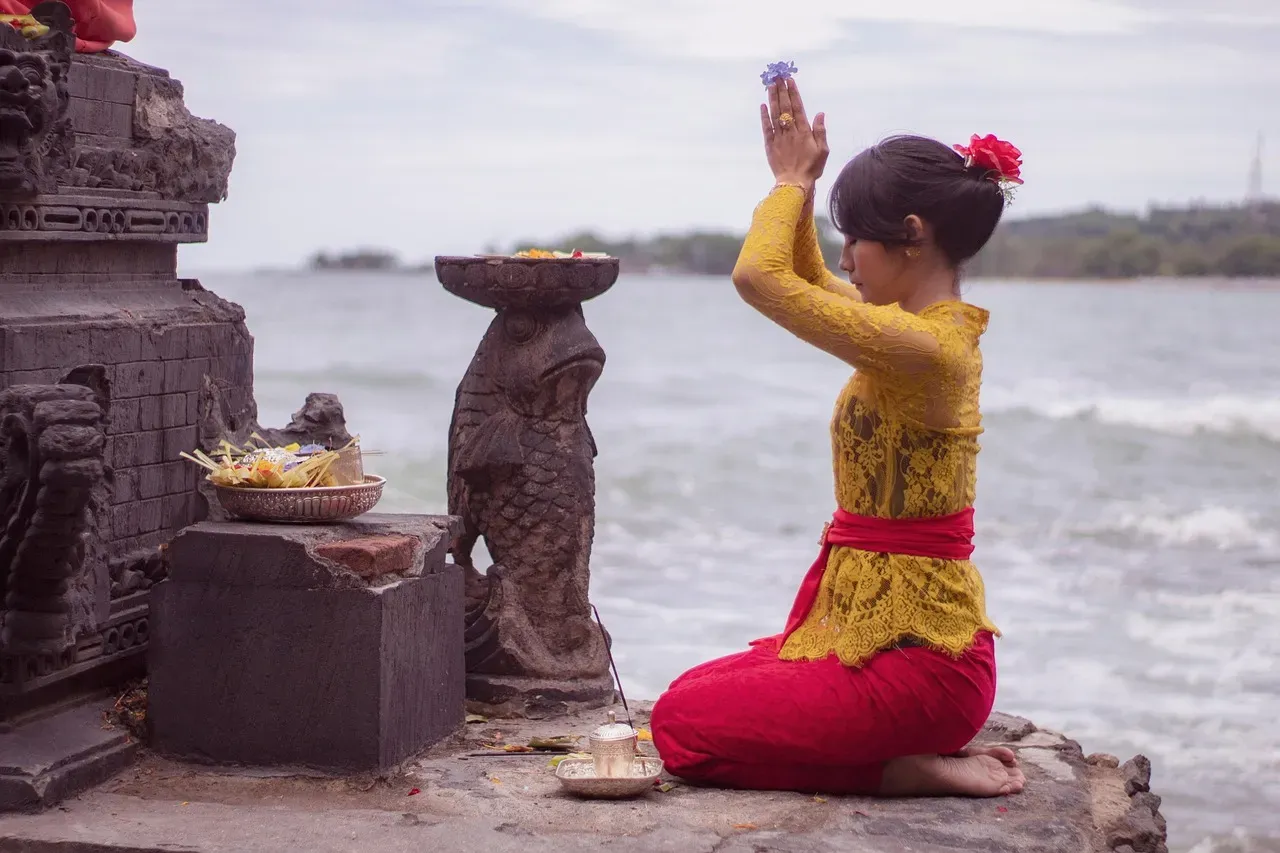
In Hindu philosophy, the concept of Vairagya represents the practice of detachment or dispassion. In Hindu philosophy, Aparigraha is a key ethical principle that emphasizes non-possessiveness, non-greed, and detachment from material possessions. Derived from the Sanskrit words “a” (not) and “parigraha” (grasping or holding), Aparigraha literally means “non-grasping” or “non-possessiveness”. This ancient teaching doesn’t ask you to reject the world but to change your relationship with it.
In Hindu philosophy and spirituality, the concept of “Vairagya” holds a central place, signifying the practice of dispassion or detachment from the material world. Vairagya is a Sanskrit term that roughly translates as dispassion or renunciation, in particular – renunciation from the pains and pleasures in the temporary material world. The Bhagavad Gita, one of Hinduism’s most sacred texts, emphasizes this principle throughout its teachings.
The roots of attachment lie deep in the awareness of “I” and “mine.” My primary attachment is to everything I identify as “I” (usually my body, often mind too). My secondary attachment is to everything I identify as “mine” (my family, friends, possessions, ideas, feelings, and so much more). When you examine your attachments through this lens, you begin to see how your ego creates suffering. The practice isn’t about becoming cold or indifferent but about finding freedom from the constant demands of “I” and “mine.”
The Impermanence of All Things

Let’s be real: everything changes. Both Buddhism and Stoicism stress the importance of contemplating the transitory nature or impermanence of the world around us. Buddhism also insists strongly on impermanence throughout its philosophy. Emotions, experiences, and physical forms are transient and therefore subject to change. Yet you probably spend much of your energy trying to make things permanent, don’t you?
When you deeply accept impermanence, something shifts in your perspective. You stop trying to freeze moments or prevent inevitable change. Stoicism encourages us to contemplate the impermanence and potential loss of the things we hold dear. This practice, known as negative visualization, is reminiscent of the Buddhist concept of non-attachment. By reflecting on the temporary nature of our possessions, relationships, and even our own lives, we can cultivate gratitude and an appreciation for the present moment.
This understanding doesn’t make you pessimistic. It makes you present. You appreciate what’s here now because you recognize it won’t always be. Embracing impermanence cultivates a profound understanding of life, empowering individuals to fully live in the present moment. The ancient philosophers knew that accepting change is the gateway to peace.
Releasing the Illusion of Control
You might think you have control over many aspects of your life, but honestly, that’s mostly an illusion. The attachment isn’t emotional or physical; the attachment is in the control that we all try to rest over the people and things we interact with. When you’re pissed because there’s traffic and there “isn’t supposed to be traffic,” you’re only pissed because things are happening that are different from how you’ve decided they are “supposed to be”. Notice how much suffering comes from this desire to dictate reality.
The key is to examine our attachments, those things that we cling to in our minds so strongly that we cause pain to ourselves and others. This examination, this self-watching, can begin with understanding the three kinds of attachment: attachment to recognition, attachment to security, and attachment to control. These three attachments probably run much of your life without you even realizing it.
When you release the need to control everything, you paradoxically gain more power. This is where non-attachment, real non-attachment, comes in. If we are able to let go of our perceived control over a thing, person, or situation, then not only do we see it as it really is, but we also appreciate it more because we are no longer judging it for all the things we thought it should be, but wasn’t. It’s an interesting paradox that the less you try to control, the more peace you experience.
Practicing Detachment in Daily Life
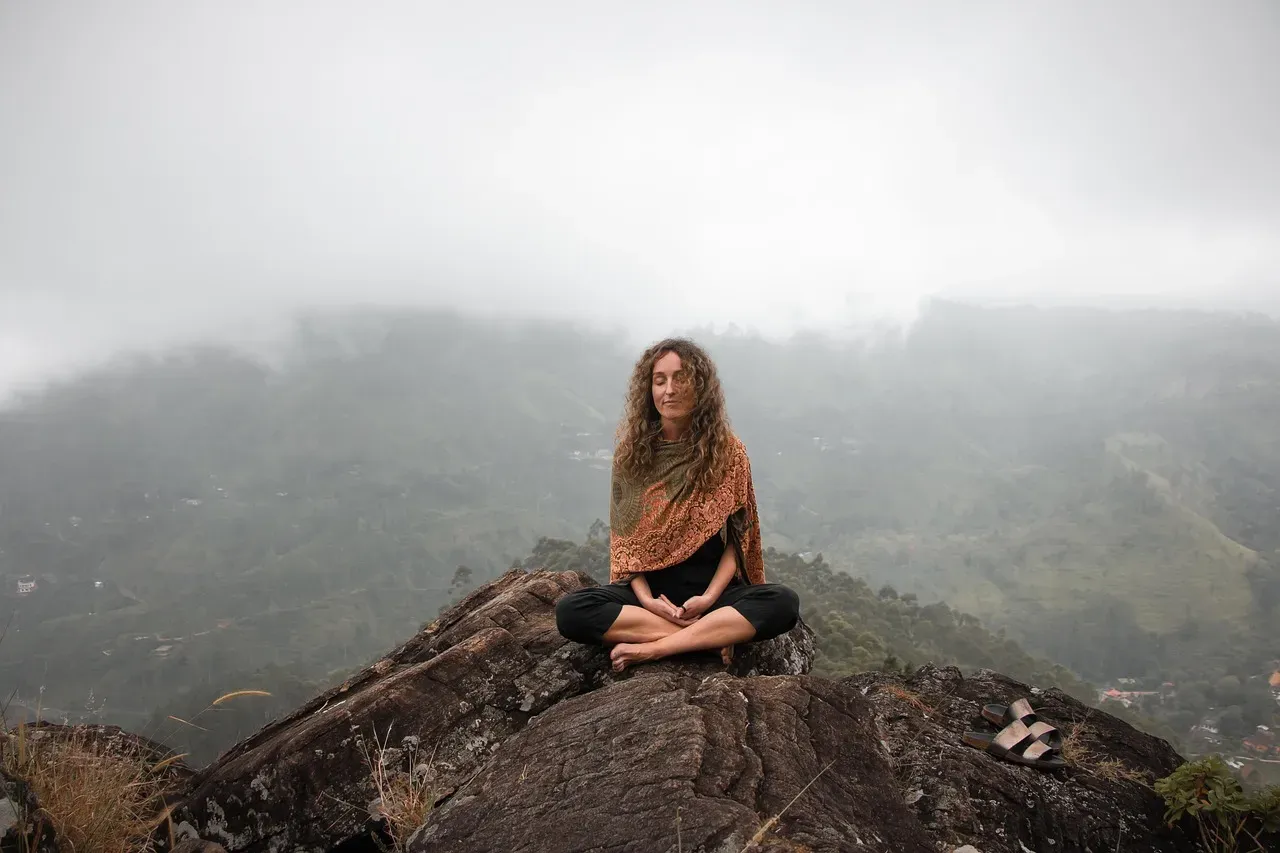
So how do you actually apply these ancient teachings to your modern life? These practices can help you cultivate inner peace and detachment from external fluctuations. Reflect on the Transient Nature of Life: Regularly contemplate the transient nature of life. Recognize that both joy and sorrow are fleeting and that true happiness comes from a state of inner equanimity. Start small, perhaps by noticing when you’re gripping tightly to an expectation.
Mindfulness is a key tool in detachment. By practicing mindfulness and staying focused on the present moment, you prevent yourself from becoming overly attached to past regrets or future worries. When you catch yourself obsessing over outcomes, pause and ask whether the situation is within your control. If it isn’t, practice releasing your mental hold on it.
Perform your duties with love and sincerity, but do not expect appreciation, reciprocation, or specific outcomes. Keep the focus on the action, not the result. This approach transforms how you engage with work, relationships, and even daily tasks. You give your best effort without demanding a specific return, which paradoxically often leads to better outcomes anyway.
Finding Freedom in Letting Go
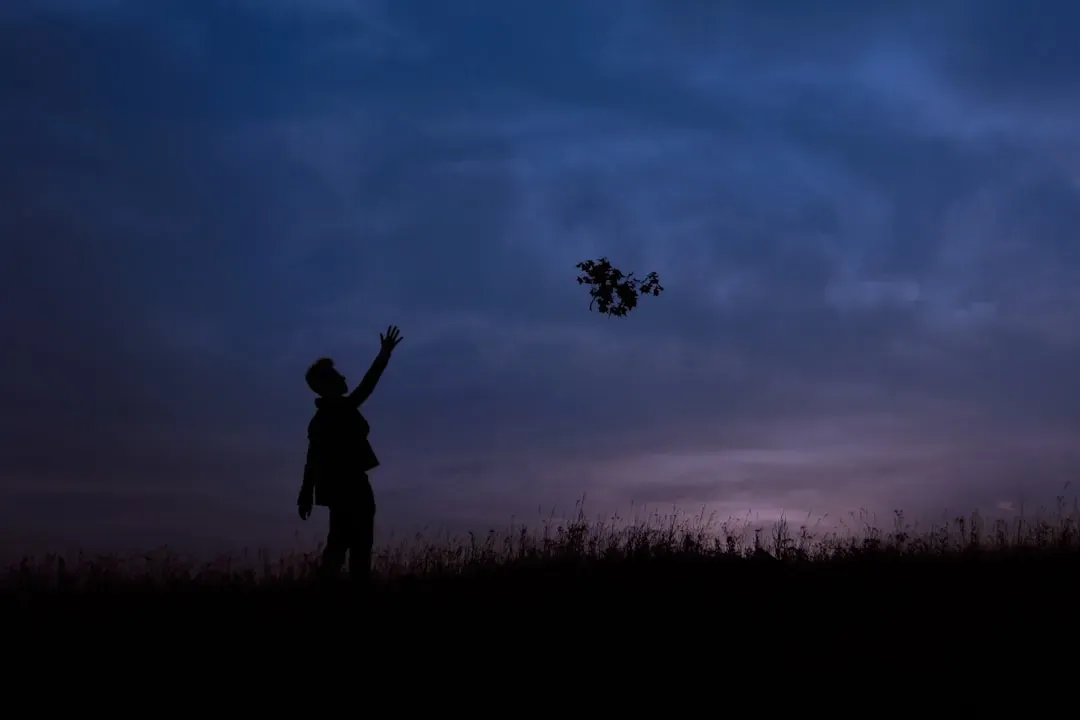
The ultimate gift these ancient philosophies offer you is freedom. As we cultivate detachment, we may find that we actually enjoy life more fully. Free from the constant worry about outcomes and losses, we can appreciate each moment for what it is – a divine gift and an opportunity for spiritual growth. When you stop clinging so desperately to people, possessions, and outcomes, you discover space within yourself you never knew existed.
Embracing detachment doesn’t mean withdrawing from life; it means engaging with life more authentically, without clinging to things we cannot control. When you practice vairagya, you gain the ability to live more fully and freely, with less emotional suffering and more peace. Imagine showing up fully present in your relationships without the anxious need to control how others respond to you. Picture pursuing your goals with passion while remaining unshaken if things don’t unfold exactly as planned.
This is the freedom that comes from mastering the art of letting go. Taoist way of detachment guides you to let go, embrace balance, and find inner peace without losing care for life or others. You’re not becoming indifferent or cold. You’re becoming wise enough to know what deserves your energy and what doesn’t.
These ancient teachings from Buddhism, Stoicism, Taoism, and Hinduism all point to the same fundamental truth: your peace doesn’t depend on controlling external circumstances. It comes from releasing your grip on what you cannot change while skillfully managing what you can. The philosophers who walked this earth thousands of years ago discovered what modern psychology is only now confirming. Attachment to outcomes, people, and things creates suffering, while wise detachment creates freedom.
What would your life look like if you started practicing even one of these principles today? Maybe you’d discover that the peace you’ve been desperately seeking through control has been waiting for you all along in the simple act of letting go. What aspect of your life are you holding onto too tightly right now? Share your thoughts in the comments below.