

Have you ever wondered whether the kind acts you witness around you come from a place of sincere compassion or something else entirely? We’ve all encountered people who seem generous and caring on the surface, yet something feels off underneath. Maybe you’ve even questioned your own ability to tell the difference between authentic altruism and acts performed for recognition or personal gain.
In our increasingly connected world where every good deed can be broadcast to thousands of followers in seconds, distinguishing genuine kindness from its performative cousin has become more important than ever. Understanding the subtle signs of true altruism not only helps you recognize the authentically caring people in your life but also guides you toward cultivating deeper, more meaningful connections. Let’s explore the telltale markers that separate real compassion from its carefully staged imitation.
1. Their Kindness Remains Consistent Across All Settings

Genuine empathy is consistent across all settings, not just when there’s an audience. Pay attention to how someone behaves when nobody’s watching versus when they’re surrounded by people who might praise them. Performative kindness thrives on visibility, showing up loud and proud when there’s a group, a camera, or social media involved, but when the audience disappears, so does the effort.
Think about that colleague who’s endlessly supportive during staff meetings but turns cold and dismissive in private conversations. If someone treats the janitor with the same respect they show their boss, you’re likely witnessing authentic kindness. A good question to ask yourself is this: would this person still do the kind thing if no one ever found out?
2. They Focus on the Recipient’s Needs, Not Their Own Image

When kindness is genuine, the focus is on the other person’s need, but when it’s performative, the focus shifts back to the giver. Truly altruistic individuals don’t make a grand production of their generosity. They’re not constantly reminding you of what they’ve done or fishing for compliments about their charitable nature.
You’ll notice they ask thoughtful questions about what would actually help rather than imposing what looks impressive. Genuine kindness is often quiet, unassuming, and doesn’t seek recognition. Their actions feel less like a spotlight moment and more like a natural extension of who they are. The help they offer matches what you actually need, not what would make the best story later.
3. Their Actions Are Steady Rather Than Flashy

Performative kindness often comes in bursts with big gestures and dramatic moments, then long stretches of indifference, while genuine care shows up again and again, even in small ways. Real altruism isn’t about one spectacular act that gets talked about for months. It’s the person who checks in regularly, remembers details about your life, and quietly follows through on what they said they’d do.
Watch for those who consistently offer small gestures of support. Someone who remembers your coffee order, asks how your sick parent is doing weeks after you mentioned it, or shows up to help you move when nothing’s in it for them. Consistency may not look impressive, but it’s deeply kind. These steady patterns reveal character far more reliably than isolated grand gestures.
4. They Never Keep Score or Attach Strings

Not all strings are obvious, and some are wrapped in smiles and gentle reminders, but genuine care doesn’t keep score while performative care does. Have you ever had someone throw their past kindnesses in your face during a disagreement? That’s a red flag. People with authentic altruistic tendencies don’t maintain a mental ledger of favors owed.
They give freely without expecting reciprocation or using their generosity as leverage later. You’ll never hear them say things like “After everything I’ve done for you” when you can’t help them in return. When you do things for others without an agenda and without expecting anything in return, you are following the moral practice of altruism, and your good deeds may not bring you any tangible rewards or advantages, but they end up impacting other people in a positive way, which enriches your life.
5. They Respect Your Boundaries Even While Helping

When kindness is used to override someone’s boundaries, it stops being kind and becomes intrusive. Authentic helpers ask permission rather than assuming they know what’s best. They don’t push assistance where it wasn’t requested or make you feel guilty for declining their help.
Performative kindness often insists on being needed, pushes help where it wasn’t asked for, and frames discomfort as gratitude waiting to happen. Genuinely caring people understand that sometimes the kindest thing they can do is step back. They honor your autonomy and don’t use their helpfulness as a reason to invade your personal space or make decisions for you. Their assistance empowers rather than creates dependency.
6. They Listen Actively Without Making It About Themselves

Truly empathetic individuals practice active listening, seeking to understand rather than to be praised. When you share something difficult, do they truly absorb what you’re saying or are they already formulating their response? Genuine kindness involves being fully present without constantly redirecting the conversation back to their own experiences.
They ask follow-up questions that show they’re engaged with your story specifically. Real empathy often manifests as a quiet, steady presence rather than grand gestures. You won’t find them interrupting to talk about how they dealt with something similar or offering unsolicited advice when you just needed someone to listen. Their attention feels like a gift rather than a performance.
7. You Feel at Ease, Not Indebted, After Their Help

After genuine kindness, there’s usually a sense of ease, relief, and sometimes gratitude, and even if the situation itself is still hard, something feels steadier. Pay attention to how you feel after someone helps you. Do you feel lighter and supported, or do you feel uncomfortably obligated?
Performative kindness often leaves behind confusion, guilt, and a vague discomfort you can’t quite explain. Trust your instincts here. Your body and intuition often pick up on things your conscious mind hasn’t fully processed yet. When kindness is authentic, it doesn’t come with hidden emotional price tags or make you feel like you owe the person your eternal gratitude.
8. Their Compassion Extends Beyond Their Social Circle

Notice how someone treats people from whom they could gain absolutely nothing. Do they show consideration to service workers, strangers on the street, or people from completely different social backgrounds? Research in real-world altruists, including altruistic kidney donors, bone marrow donors, humanitarian aid workers, and heroic rescuers findings that these altruists are primarily distinguished from other adults by unselfish traits and decision-making patterns, suggesting that human altruism reflects genuinely high valuation of others’ outcomes.
Authentic altruism doesn’t discriminate based on social benefit. People with genuine kindness treat everyone with basic dignity, regardless of status, appearance, or what that person can do for them. They don’t reserve their warmth only for people who might advance their career or enhance their reputation. Their compassion flows naturally toward anyone in need.
9. They Demonstrate Empathy Through Understanding, Not Just Sympathy

Performative kindness often relies on stock responses that don’t adapt to the moment or the person, checking all the boxes yet somehow missing the heart. There’s a profound difference between someone who delivers perfectly scripted condolences and someone who truly tries to understand your experience. Genuine empathy requires effort to see things from your perspective.
Research suggests that the skills involved in empathy, taking someone’s perspective and sharing in their feelings, may underlie altruistic behavior. You can recognize this when someone asks thoughtful questions, acknowledges the specific difficulties of your situation, and adjusts their support based on what you actually need rather than what the “helping handbook” says they should do. Their responses feel personalized, not rehearsed.
10. They Accept Gratitude Humbly Without Broadcasting It

How does someone respond when their kindness is acknowledged? Do they brush it off modestly and move on, or do they ensure everyone within earshot knows about their good deed? Your small acts of kindness and selflessness often go unnoticed, but you also don’t put a lot of emphasis on them, and even when people notice your altruistic behavior and try to be thankful, you accept that with humility.
Authentically generous people feel uncomfortable with excessive praise because helping genuinely wasn’t about recognition for them. A truly anonymous act of kindness is the exception, as most “anonymous” donations are no secret to the giver’s immediate family. Still, those with real altruistic tendencies don’t weaponize their good deeds on social media or drop them into conversations for validation. Their satisfaction comes from the act itself, not from the applause.
Conclusion
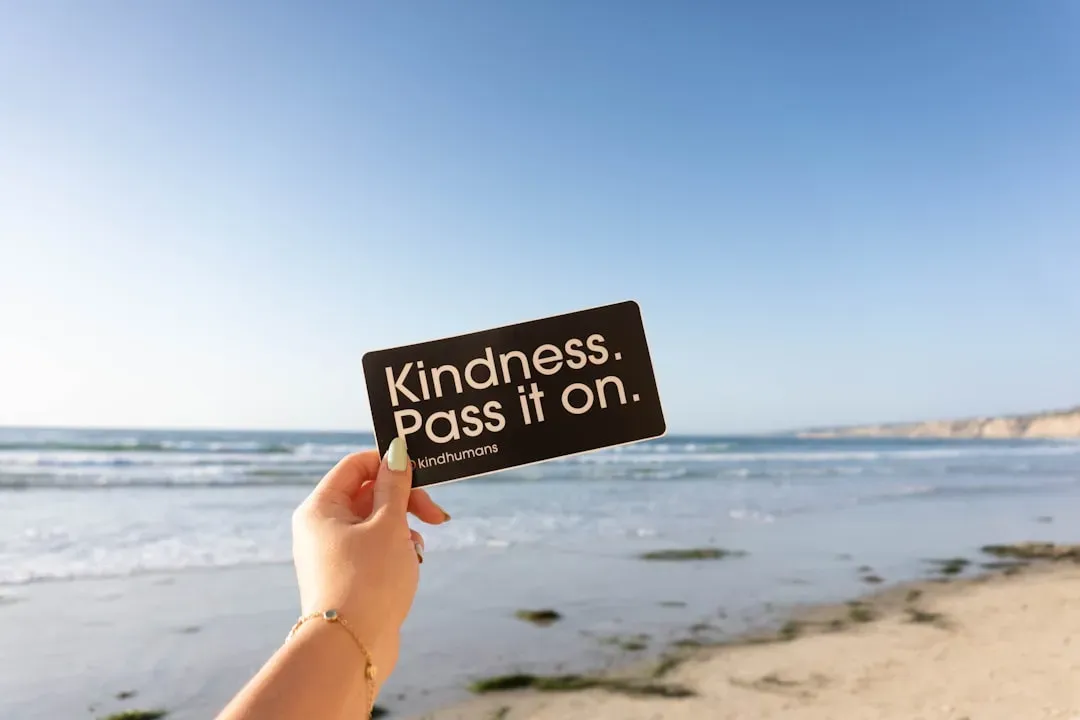
Recognizing is ultimately about watching for patterns over time rather than judging isolated incidents. Learning to recognize the difference can protect your energy and your heart, and as we move through different stages of life, discernment becomes its own quiet wisdom as we get better at telling the difference between what looks good and what feels right.
The world desperately needs more authentic compassion, and by learning to identify it, you can surround yourself with people who truly care while also holding yourself to the same standard. Remember that nobody’s motivations are purely one thing or another. We’re all complex beings navigating the space between self-interest and genuine concern for others. Still, the more we practice recognizing and cultivating authentic kindness, the richer our relationships and communities become. What patterns have you noticed in the truly kind people in your life?