A Promising Start to Calving Season (Image Credits: Imgs.mongabay.com)
Southeastern U.S. waters – Scientists tracking the critically endangered North Atlantic right whale have spotted an uptick in newborn calves during the early months of 2026, offering a rare spark of optimism for the species’ survival.
A Promising Start to Calving Season
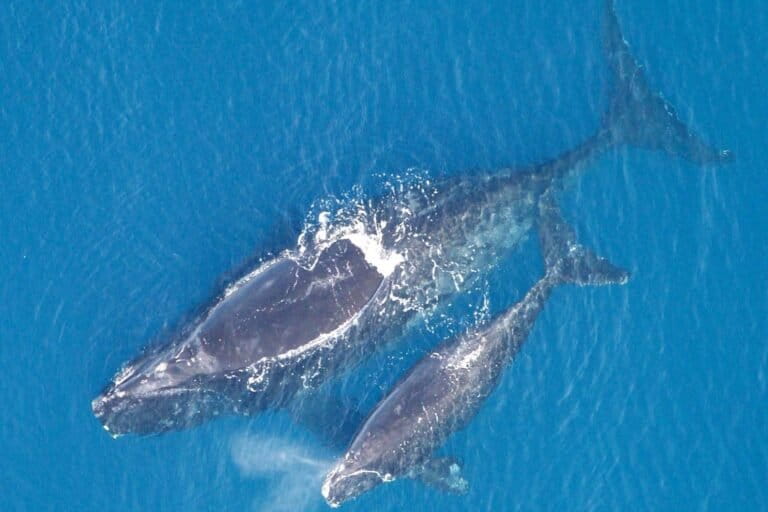
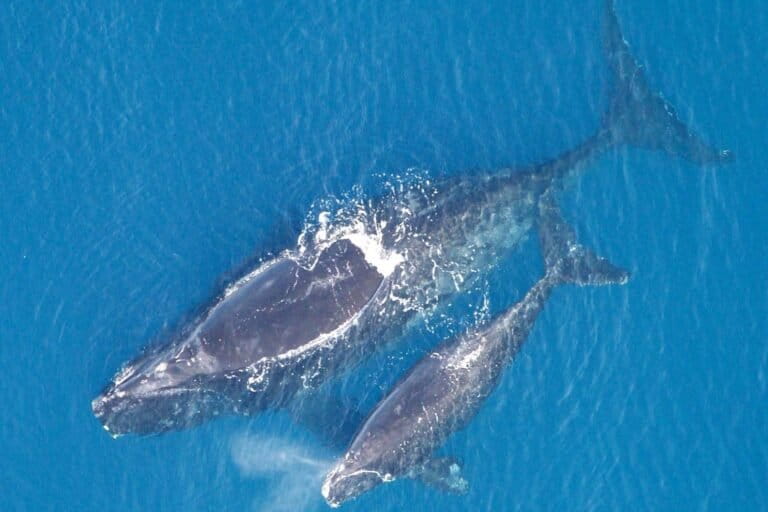
Researchers confirmed the sighting of 15 calves swimming alongside their mothers in recent weeks, a number that already surpasses last season’s early counts. This development stands out against the backdrop of years marked by declining numbers and zero births in some winters. Biologists emphasize that such increases, though modest, signal potential shifts in reproductive patterns among the remaining population.
The North Atlantic right whale, known for its massive size and gentle demeanor, faces relentless pressures from human activities. Yet, these new arrivals highlight the resilience embedded in the species. Monitoring teams from organizations like the New England Aquarium have documented these calves through aerial surveys and vessel observations, ensuring each identification contributes to broader conservation data.
Tracing the Population’s Slow Climb
By the close of 2024, experts estimated the whale population at 384 individuals, a gradual rise from the 358 recorded in 2020. This 7% growth over four years marks the first sustained upturn since a sharp decline earlier in the decade. Factors such as improved habitat conditions and reduced entanglements in fishing gear appear to play a role in this stabilization.
Still, the arithmetic remains precarious for a species so few in number. Each calf represents not just an addition but a vital link in the chain of recovery. Conservationists note that without continued interventions, even small gains could reverse quickly due to ongoing threats.
Insights into Breeding Behaviors
Among the new mothers identified this season, several are first-time parents, while others have shortened the typical three-to-five-year interval between calves. Such observations suggest that some females are responding positively to protective measures implemented in recent years. These changes in breeding dynamics provide clues about the health of the overall group and the effectiveness of current safeguards.
Biologists track these patterns meticulously, as they inform models predicting future population viability. For instance, a higher calving rate could bolster genetic diversity, essential for long-term survival. However, experts caution that one strong season does not guarantee enduring progress.
Ongoing Threats and Conservation Needs
Despite the encouraging births, the North Atlantic right whale remains perilously close to extinction. Vessel strikes and entanglements in fishing equipment continue to claim lives at alarming rates. Climate-driven shifts in prey distribution further complicate migration and feeding, exacerbating the strain on this ancient marine giant.
Efforts to mitigate these dangers include mandatory speed restrictions for ships in key habitats and innovative gear designs to reduce bycatch. International collaborations have expanded protected zones across the whales’ range from Canada to the U.S. Southeast. Yet, advocates stress the need for stricter enforcement and broader adoption of these technologies to secure lasting recovery.
Key conservation priorities include:
- Enhancing real-time monitoring with drone and satellite technology.
- Promoting ropeless fishing systems to eliminate entanglement risks.
- Expanding seasonal closures in high-traffic areas.
- Addressing ocean noise pollution from shipping.
- Supporting research into climate impacts on copepod populations, the whales’ primary food source.
Key Takeaways
- The 2026 calving season has seen 15 confirmed newborns, exceeding early expectations.
- Population growth of 7% since 2020 underscores the impact of targeted protections.
- Sustained efforts against human-induced threats are essential to prevent reversal.
As these calves navigate their first ocean journeys, their presence reminds us of the delicate balance required to restore marine ecosystems. The path forward demands unwavering commitment from policymakers, industries, and the public. What steps do you believe are most urgent for safeguarding these majestic creatures? Share your thoughts in the comments below.