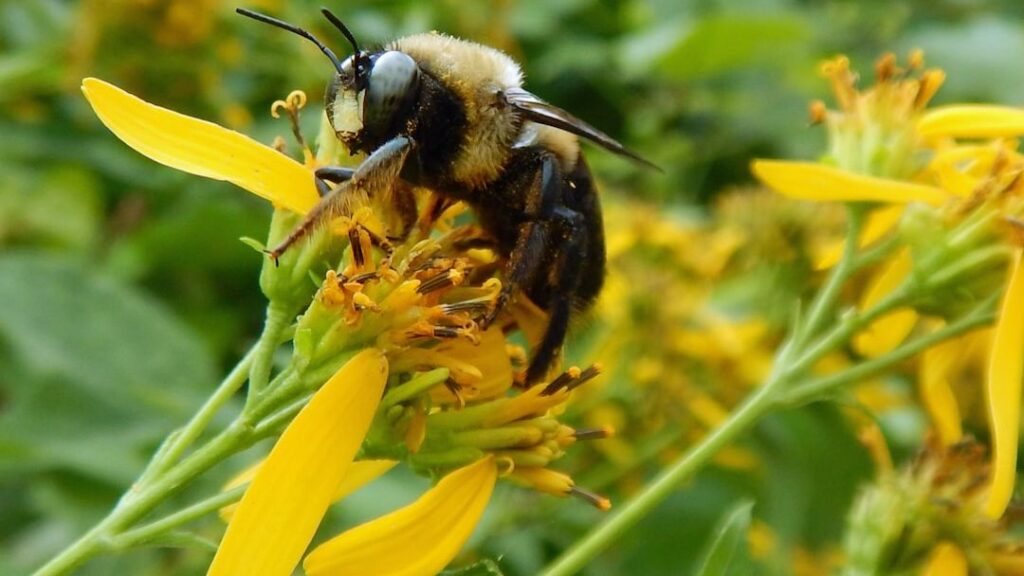
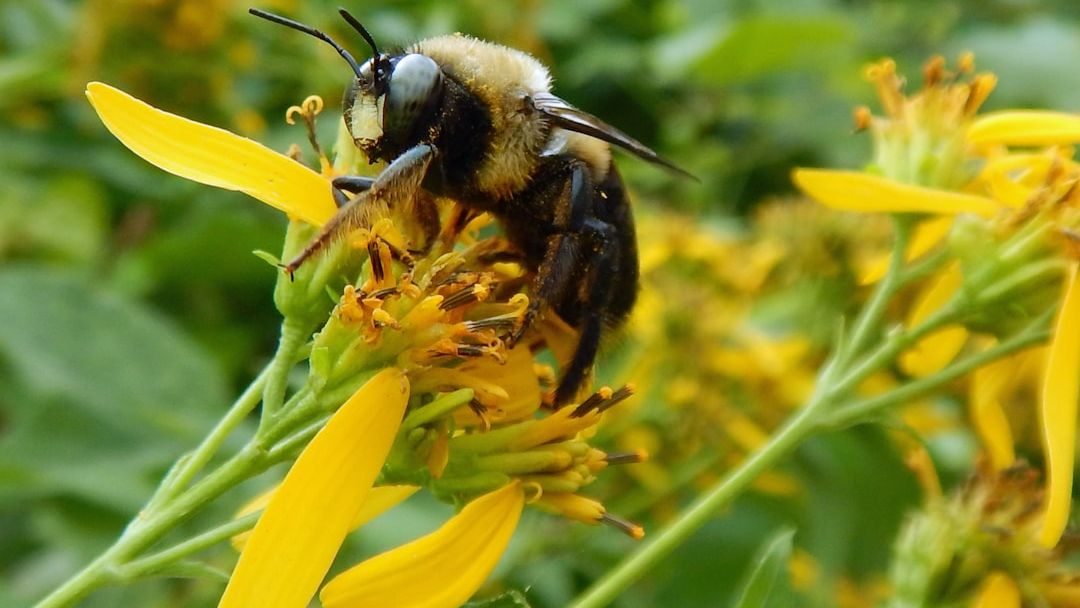
How higher temperatures can benefit (or devastate) bumble bee populations – Image for illustrative purposes only (Image credits: Unsplash)
New findings on bumble bee nesting habits are adding important detail to ongoing efforts to understand pollinator declines. Researchers have identified that moderate increases in temperature can support certain species, especially those that build nests below ground. At the same time, bouts of extreme heat appear to erase those gains and may help explain sharper population drops in the southeastern United States.
The work, published in the Journal of Animal Ecology, focuses on how nesting biology shapes vulnerability to climate conditions across social bee species in the genus Bombus. By examining these patterns, the study offers a clearer picture of why some bumble bee populations persist while others face mounting pressure.
Nesting Depth Shapes Temperature Tolerance
Bumble bees that place their colonies underground appear better positioned to handle gradual warming. The soil layer provides insulation that keeps nest temperatures more stable than those experienced by species nesting closer to the surface. This natural buffer can translate into improved colony survival and reproduction when average temperatures rise within a moderate range.
In contrast, above-ground or shallow-nesting species lack this protection and show greater sensitivity to the same temperature shifts. The distinction highlights how small differences in nesting behavior can produce noticeably different outcomes under changing climate conditions.
Extreme Heat Cancels Out the Advantage
While moderate warming can support subterranean colonies, periods of intense heat quickly reverse those benefits. High temperatures that exceed typical thresholds stress the bees regardless of nest location, reducing foraging success and increasing mortality. The study notes that these extreme events are becoming more frequent, limiting the protective effect of underground nesting over time.
Researchers emphasize that the balance between benefit and harm depends on both the degree and duration of temperature changes. Short-term spikes appear especially disruptive, even for species that otherwise gain from warmer averages.
Explaining Regional Population Trends
Declines among bumble bees have been particularly pronounced in the southeastern United States. The new analysis links these patterns to the combined pressures of rising average temperatures and more frequent heat waves. Species with subterranean nests may experience temporary relief from moderate warming, yet the offsetting impact of extremes helps account for continued losses in the region.
The findings suggest that local climate conditions, rather than broad temperature increases alone, play a decisive role in shaping outcomes. This regional focus provides a more precise lens for interpreting why certain areas see steeper drops than others.
Refining Conservation Priorities
Understanding the role of nesting biology can help guide more targeted approaches to supporting bumble bee populations. Efforts that focus solely on overall temperature trends may miss the specific ways extreme events interact with nest placement. Incorporating these details could improve models used to forecast future distributions and identify areas where intervention is most needed.
The research also underscores the value of continued monitoring across different nesting types. As climate patterns evolve, tracking how subterranean and surface-nesting species respond will remain essential for effective conservation planning.
These insights add nuance to the broader challenge of protecting pollinators amid shifting environmental conditions. By clarifying how nesting choices influence resilience, the study points toward strategies that account for both the opportunities and the limits created by a warming climate.