Ever wondered how creatures as massive as sauropods or as fierce as tyrannosaurs managed to dominate Earth for over 160 million years? It’s hard to say for sure, but these prehistoric giants weren’t just lucky. They developed some seriously impressive survival tactics that allowed them to conquer environments that would have wiped out lesser creatures. From freezing polar winters to scorching desert heat, dinosaurs found ways to not just survive but absolutely thrive in conditions that challenge our very understanding of what reptiles can do.
Think about it for a moment. We’re talking about animals that lived through volcanic eruptions, dramatic climate shifts, and ecosystems so different from today’s world that they might as well be alien planets. The secret to their success? A toolkit of adaptations so diverse and clever that scientists are still uncovering new details about how these ancient animals pulled it off. So let’s dive in.
Insulating Feathers Kept Them Warm in Freezing Climates
The discovery of fuzzy feathers on dinosaur specimens, similar to insulation found in modern birds, provides crucial insight into their ability to cope with the cold. These weren’t the flight feathers you see on today’s birds. Instead, think of them more like a down jacket – fluffy protofeathers that trapped heat close to the body.
The presence of fuzzy feathers in dinosaurs played a crucial role in their ability to cope with cold temperatures, providing insulation and warmth. This adaptation gave early dinosaurs a massive advantage, especially during volcanic winters when temperatures plummeted. Volcanic winters eliminated animals that did not have insulation such as feathers, fat, or thick layers of fur, while dinosaurs that had sufficient insulation survived and took over. It’s honestly fascinating when you consider that while other reptiles struggled to maintain basic functions in the cold, feathered dinosaurs were already equipped to handle the harsh climate that eventually helped them dominate the planet.
Reduced Body Size Conserved Energy in Resource-Scarce Regions
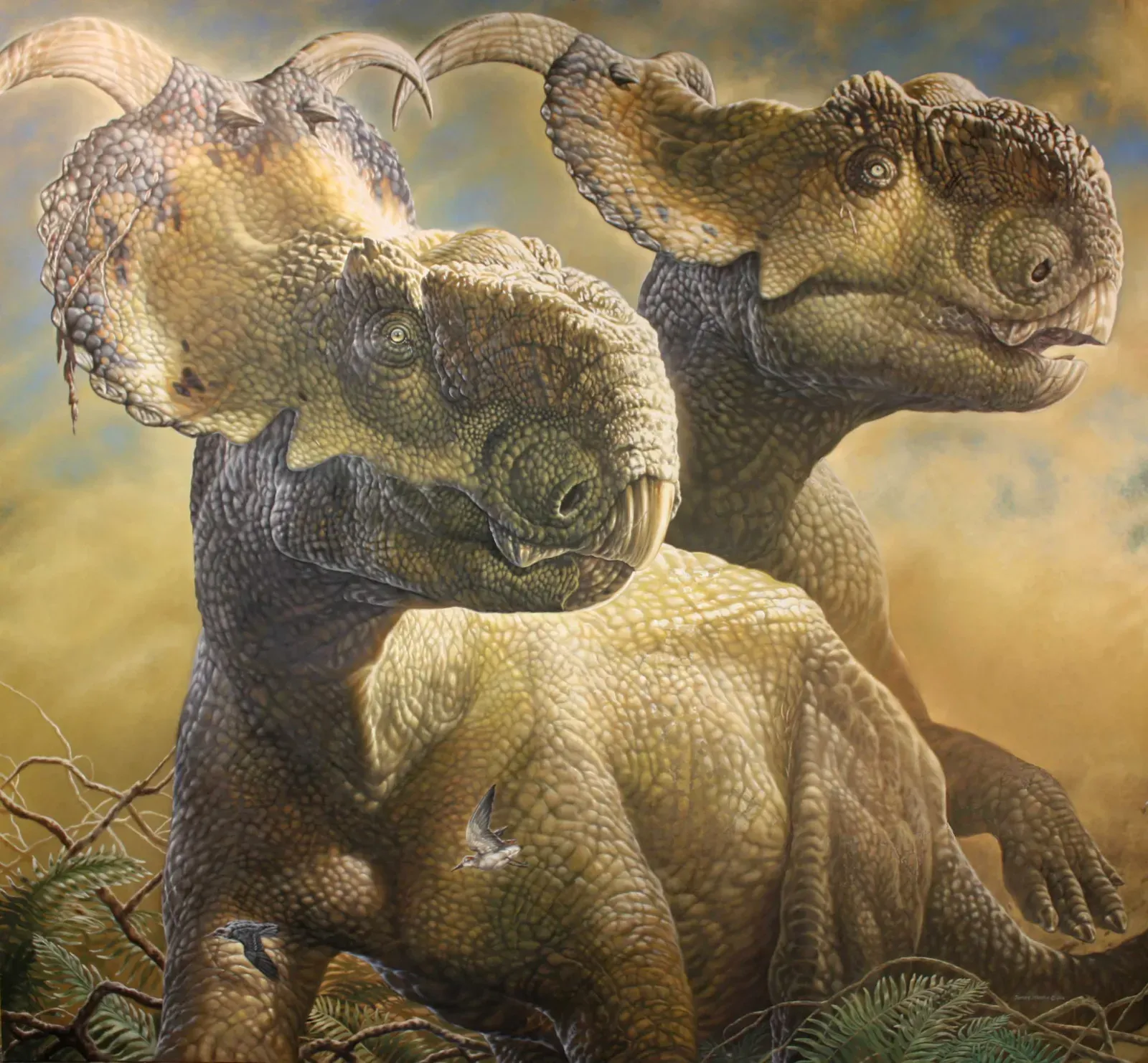
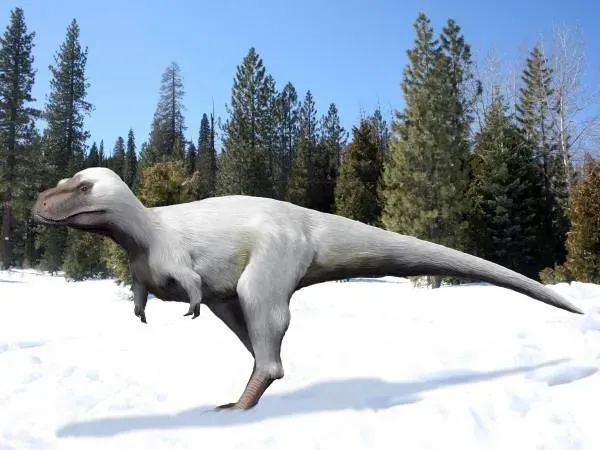
Bigger isn’t always better, especially when food is scarce. The comparatively small stature of dinosaurs like Nanuqsaurus, as well as the downsized species of horned dinosaur called Pachyrhinosaurus in the area, hints that types of dinosaurs that grew big elsewhere adapted to become smaller and thereby get by on less food in places like ancient Alaska. When you’re living near the poles where vegetation is limited, being a giant requires too much fuel.
This strategy wasn’t just about eating less. Smaller dinosaurs had lower metabolic demands overall, which meant they could survive lean winters when plant growth slowed or stopped entirely. Polar dinosaurs were already biologically predisposed to surviving on less during the cold months, with the dinosaurs growing faster again during the lush summers, while the ground did not freeze in these places, providing enough vegetation. It’s a bit like how some modern Arctic animals are smaller than their temperate cousins – nature favors efficiency when resources run thin.
Burrowing Behavior Provided Shelter from Extreme Temperatures
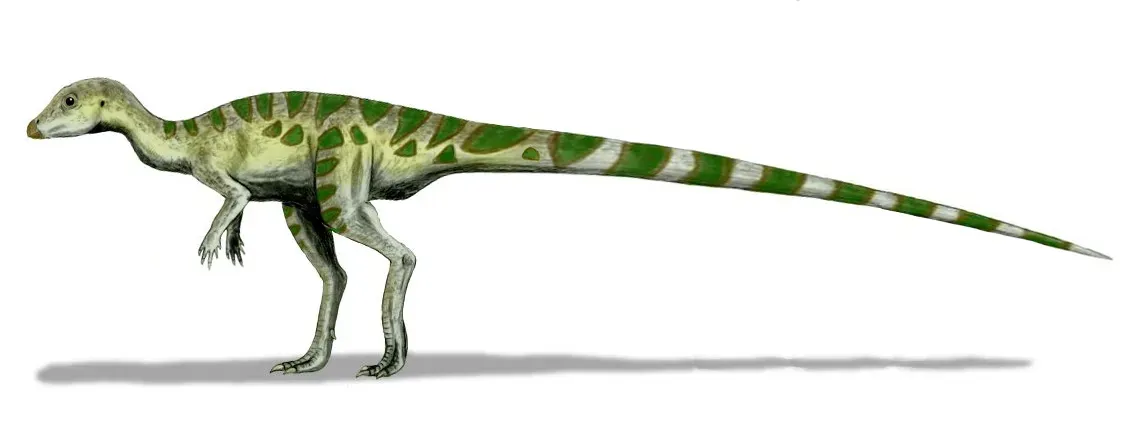
When the weather turns nasty, sometimes the best option is to go underground. Paleontologists working in southern Australia’s strata have found burrow-like structures from the age of Leaellynasaura, and elsewhere these structures actually contain small, herbivorous dinosaurs, suggesting that dinosaurs might have burrowed as a way to escape the cold. Let’s be real, this is a pretty clever survival tactic.
Adaptive mechanisms included efficient thermoregulation, water storage abilities, and behavioral adaptations like burrowing to escape extreme heat. The underground environment maintains a more stable temperature than the surface, protecting dinosaurs from both freezing cold and blistering heat. The presence of burrow-like structures in polar areas suggests that dinosaurs remained in these habitats year-round, utilizing underground shelters to protect themselves from harsh weather. It’s one of those adaptations that seems obvious in hindsight, yet it completely changed how we think about dinosaur behavior.
Specialized Respiratory Systems Filtered Desert Air
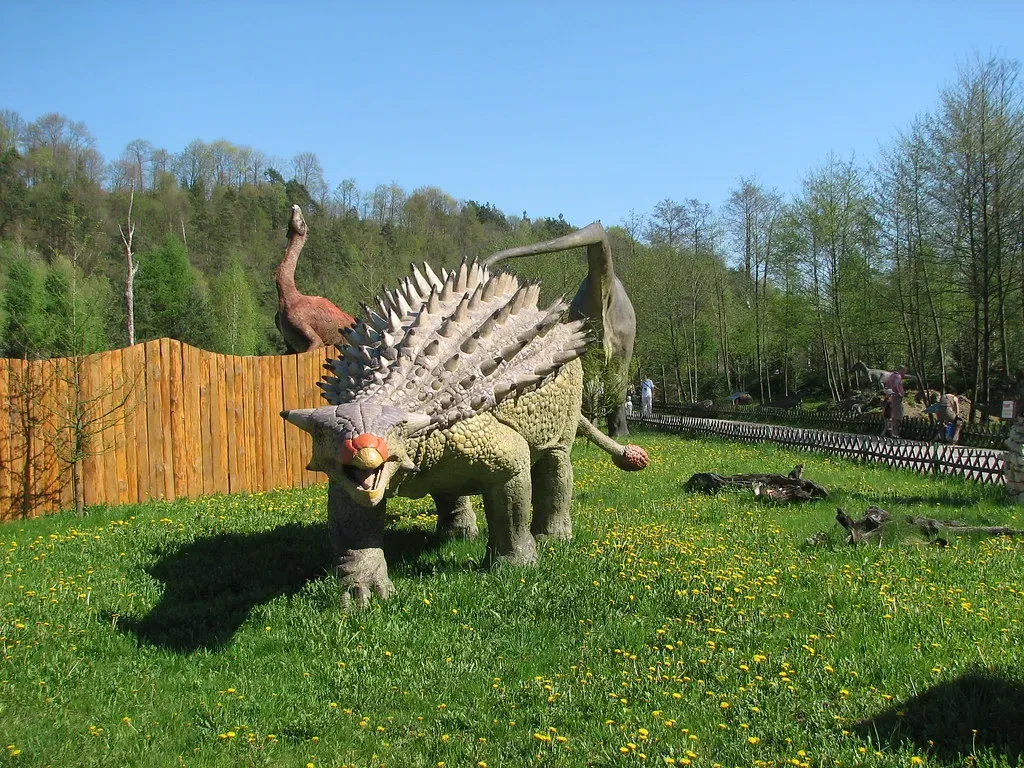
Living in a desert isn’t just about handling heat – it’s also about dealing with dust and dry air that can damage delicate lung tissue. Some dinosaurs developed truly remarkable solutions. Saichania had a complex respiratory system with specialized nasal passages to filter dust and regulate heat, making it exceptionally well-suited for harsh sandy environments.
These nasal adaptations functioned like a built-in air conditioning and filtration system. The specialized passages would warm cold air before it reached the lungs, cool down hot air, and trap dust particles that could otherwise cause respiratory problems. Studies have identified traits in dinosaur fossils that are found in modern endotherms, such as the presence of specific lung attachment and air sacs to increase oxygen intake during breathing, and structures in the nasal cavity to increase air temperature. Honestly, it’s hard not to be impressed by the engineering involved here.
Variable Thermoregulation Balanced Energy Needs with Environmental Demands
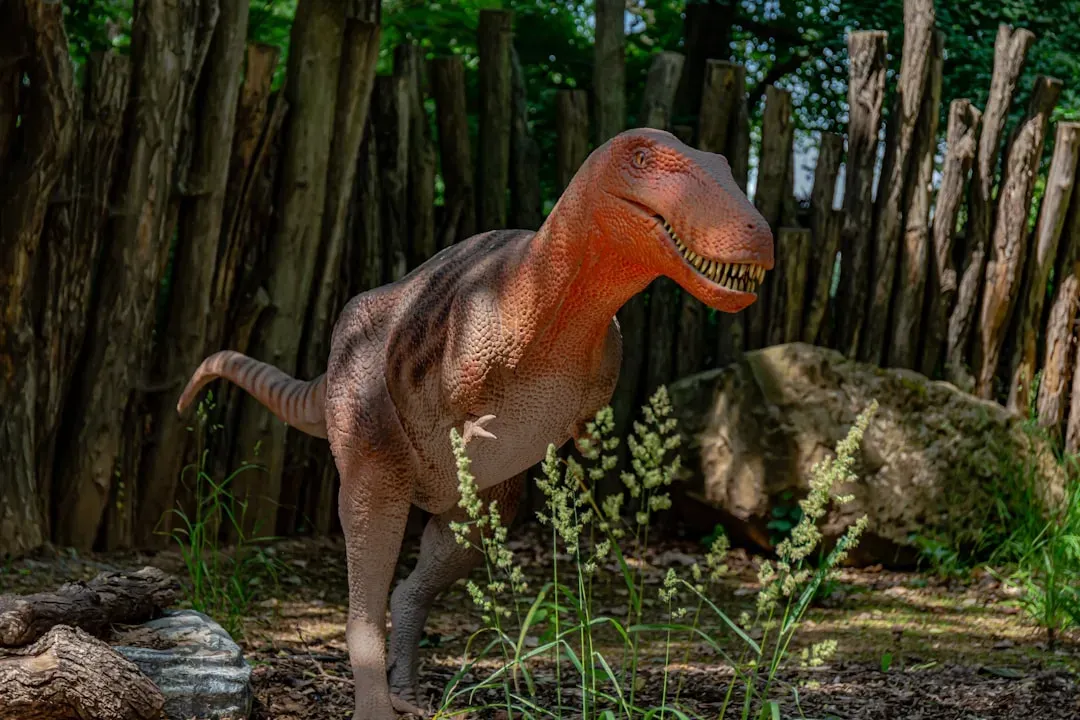
Theropod species with low body masses had high body temperature, while some gigantic sauropods had low body temperatures that were comparable to or slightly higher than the environmental temperature, suggesting that these Late Cretaceous giant species were endowed with a capacity of variable thermoregulation to control their body temperature. This flexibility was key to their survival across diverse climates.
Think of it as having multiple gears in a car. Similar to endotherms, mesotherms generate heat through metabolism to regulate their body temperatures, however, mesotherms do not keep their temperatures as stable as most endotherms do. This middle-ground approach meant dinosaurs could ramp up their metabolism when needed for hunting or escaping predators, then dial it back down during rest periods to conserve energy. It gave them advantages from both worlds – the energy efficiency of cold-blooded animals combined with the activity levels of warm-blooded ones.
Seasonal Growth Patterns Matched Resource Availability
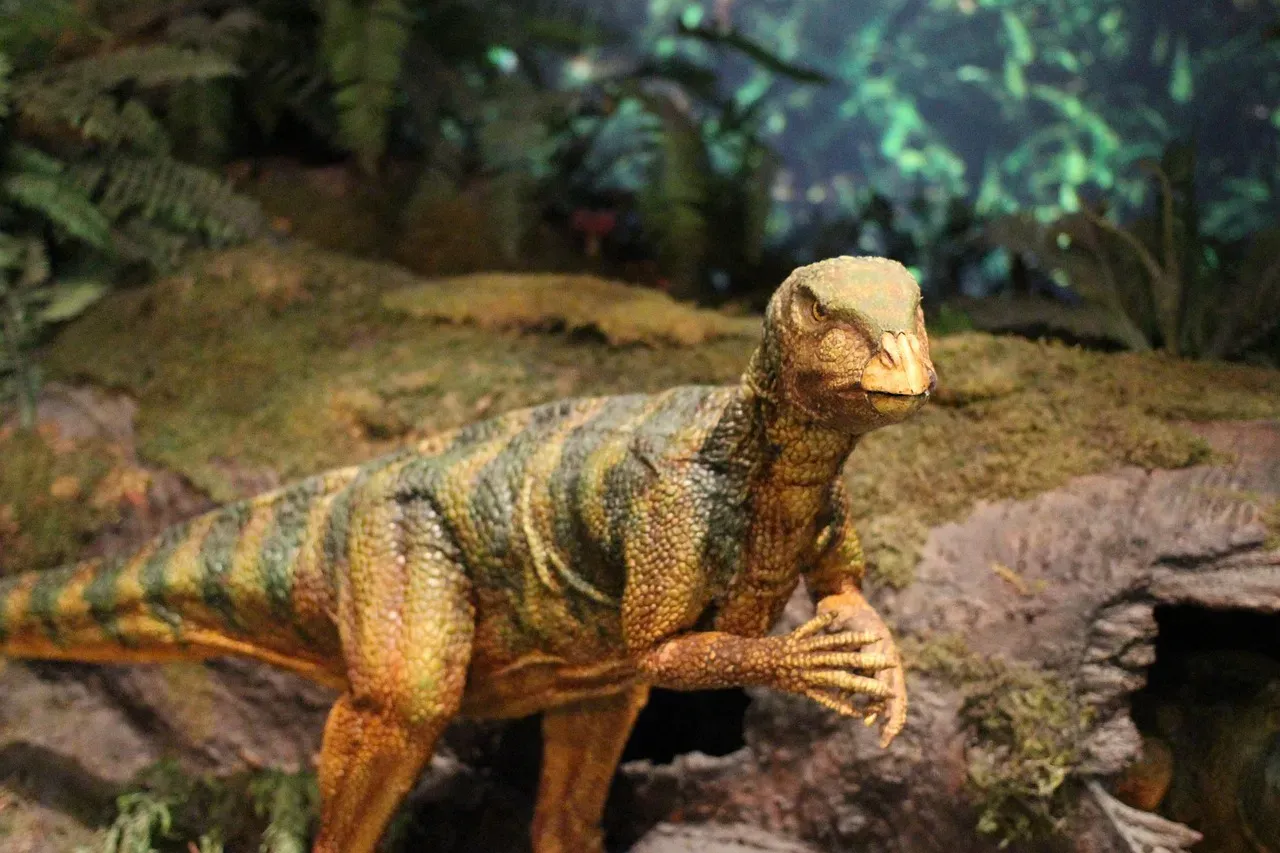
Smart organisms don’t waste energy when resources are scarce. Dinosaurs could temporarily stop growing in the harsh winters, enabling them to conserve energy while food was scarce. This adaptation allowed them to essentially hit pause on development during the toughest months of the year.
The discovery of jaw fossils and bone details provides insights into how dinosaurs adjusted their growth patterns to survive in freezing temperatures. When spring returned and food became abundant again, they’d resume rapid growth to make up for lost time. Polar dinosaurs were biologically predisposed to surviving on less during the cold months, with the dinosaurs growing faster again during the lush summers. It’s a strategy that requires remarkable physiological flexibility, something modern reptiles simply can’t match.
Efficient Resource Extraction Maximized Nutrition from Scarce Food
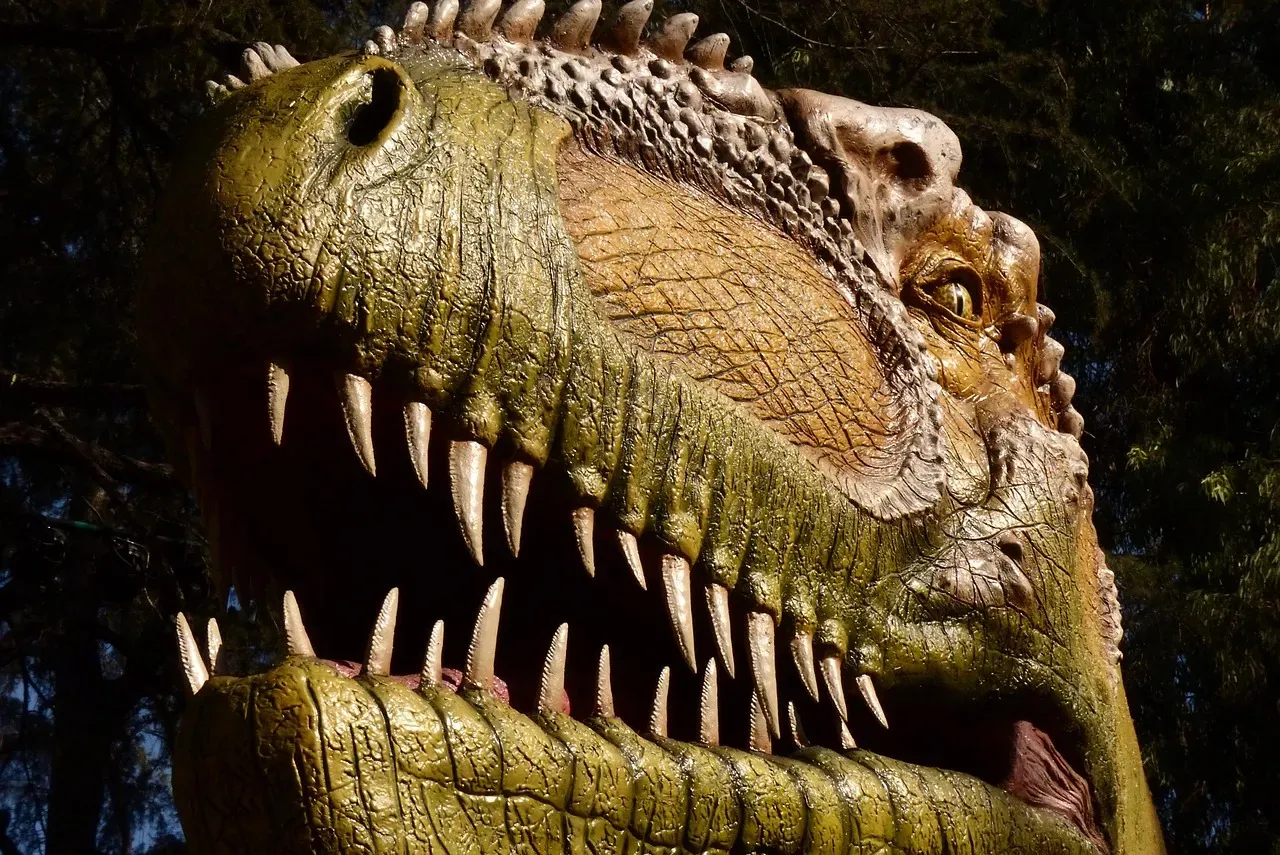
When every meal counts, you need to get absolutely everything you can from it. Analysis of wear patterns on carnivorous desert dinosaur teeth suggests adaptations for completely consuming prey, including bones and marrow, maximizing caloric intake from each successful hunt while extracting valuable moisture from their prey’s body tissues. Nothing went to waste.
These dietary specializations allowed desert dinosaurs to survive on significantly less food than their counterparts in more productive ecosystems, a critical adaptation for environments where food resources were widely dispersed and unpredictable. Some herbivorous dinosaurs developed complex chewing mechanisms that thoroughly broke down tough plant material, extracting maximum nutrition from low-quality vegetation. It’s the difference between merely eating and truly optimizing every nutrient available – a survival skill that separated the successful species from those that went extinct.
Migration and Habitat Selection Avoided Hostile Climates
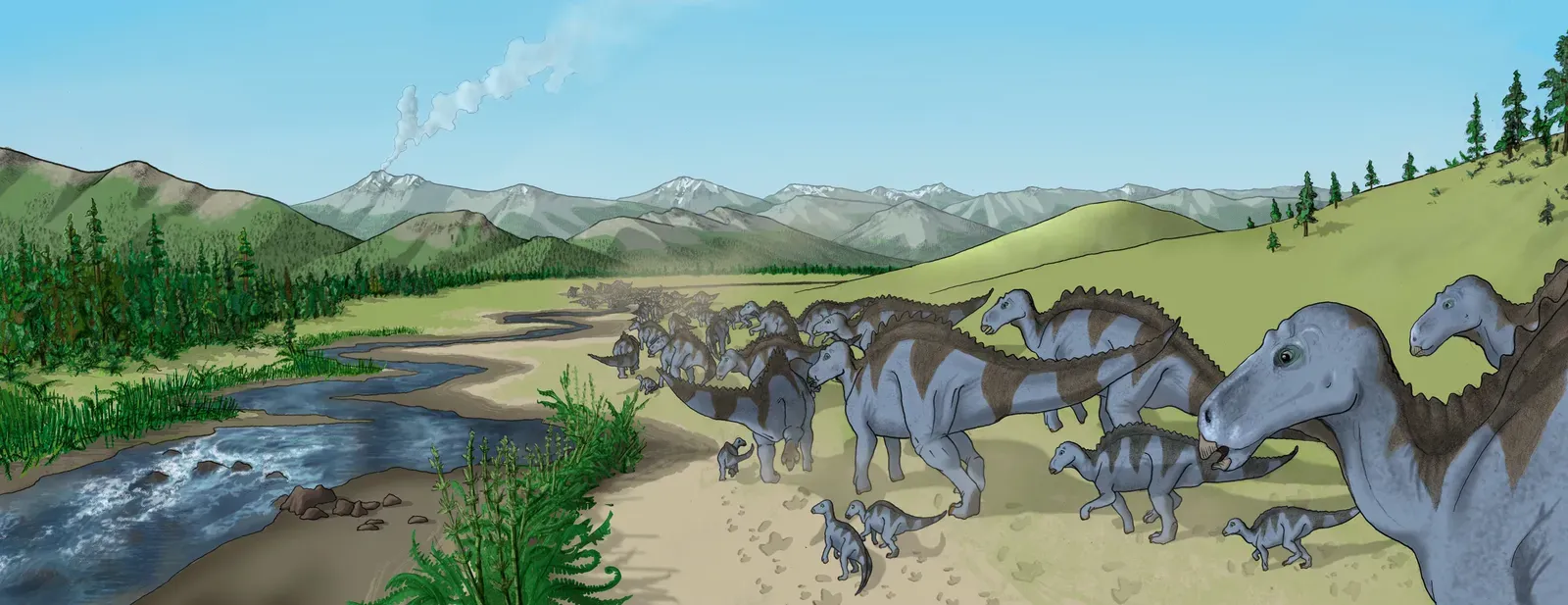
These traits would have served dinosaurs well on a planet that was extraordinarily hot overall by enabling them to avoid the tropics, with their extreme and unpredictable climatic patterns, in favor of temperate zones, where despite having to contend with seasonal winters they would have found more consistent food sources, as herbivores in particular loved the higher latitudes. Smart animals go where the living is easiest.
The composition of the fauna offers insights into which dinosaurs were better able to cope with or adapt to the long polar nights, with certain types of dinosaurs found in cooler places, as opposed to those that are missing. Some species simply avoided harsh environments altogether, while others moved seasonally to follow food sources. Nesting evidence suggests that dinosaurs reproduced and raised their young in polar habitats, indicating their ability to sustain life in challenging climates. This behavioral flexibility meant dinosaurs could occupy virtually every terrestrial environment on Earth, from pole to pole.
Conclusion
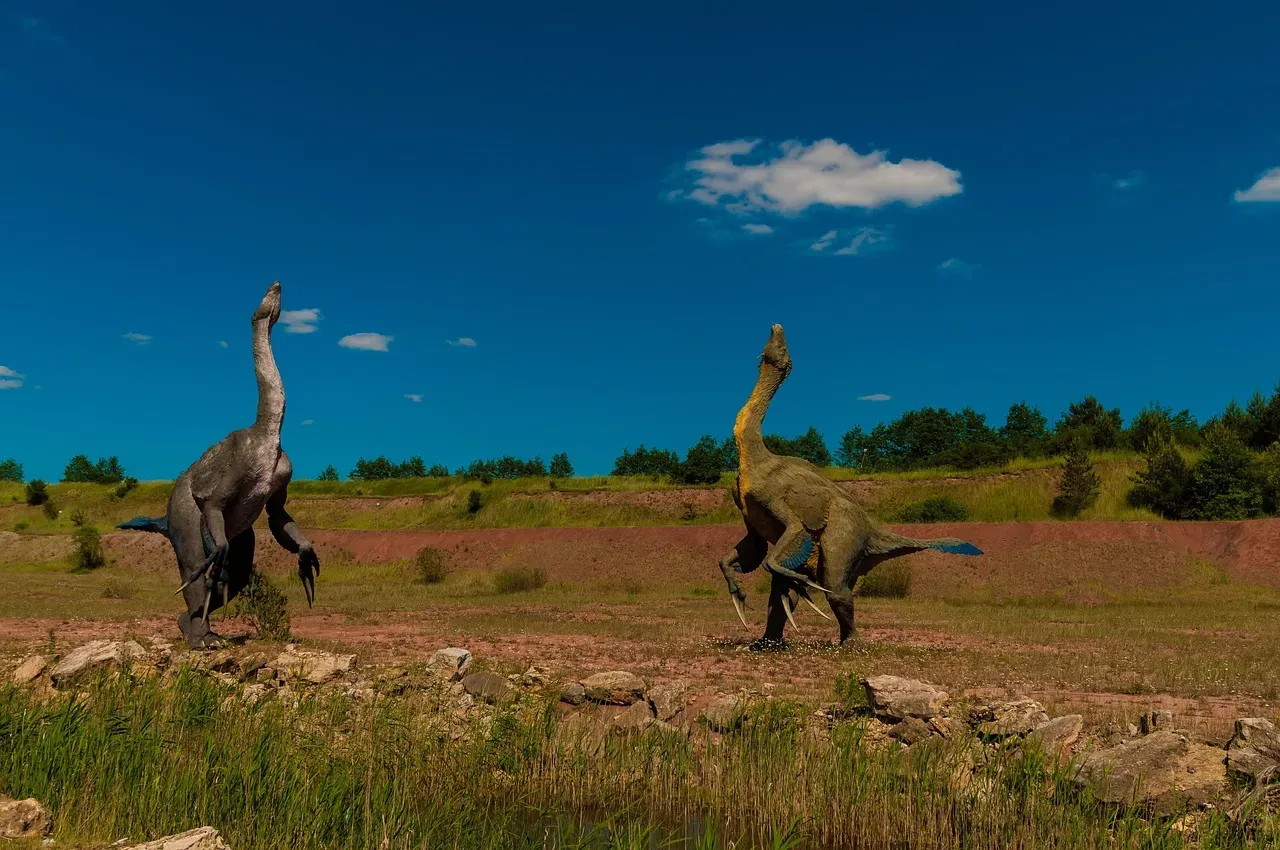
The story of dinosaur adaptations is ultimately about resilience and innovation. These weren’t simple, sluggish reptiles waiting around for extinction. They were dynamic, adaptable creatures that conquered environments ranging from frozen polar wastelands to scorching deserts. Through a combination of physiological adaptations like feathers and variable thermoregulation, behavioral strategies like burrowing and migration, and structural modifications from specialized respiratory systems to efficient digestive processes, dinosaurs proved that survival isn’t about being the strongest or the fastest – it’s about being the most adaptable.
Their success over 160 million years speaks volumes about the power of evolutionary innovation. What do you think about these incredible adaptations? Did any of them surprise you?