When you picture a classic American dinosaur dig, your mind probably wanders to the windswept badlands of Montana or the dusty red rock formations of Utah. Those western states practically own the market on prehistoric fame. Yet, here’s the thing that keeps catching paleontologists off guard: some of the most remarkable dinosaur discoveries have emerged from places you’d never expect.
We’re talking about states where you’d sooner hunt for lobsters than lizard kings. Places better known for colonial history than Cretaceous creatures. Sometimes the most fascinating scientific stories unfold not in remote deserts, but literally beneath shopping mall parking lots and suburban backyards. Ready to discover which unlikely corners of America have rewritten our understanding of dinosaur geography? Let’s dive in.
New Jersey: The State That Started It All
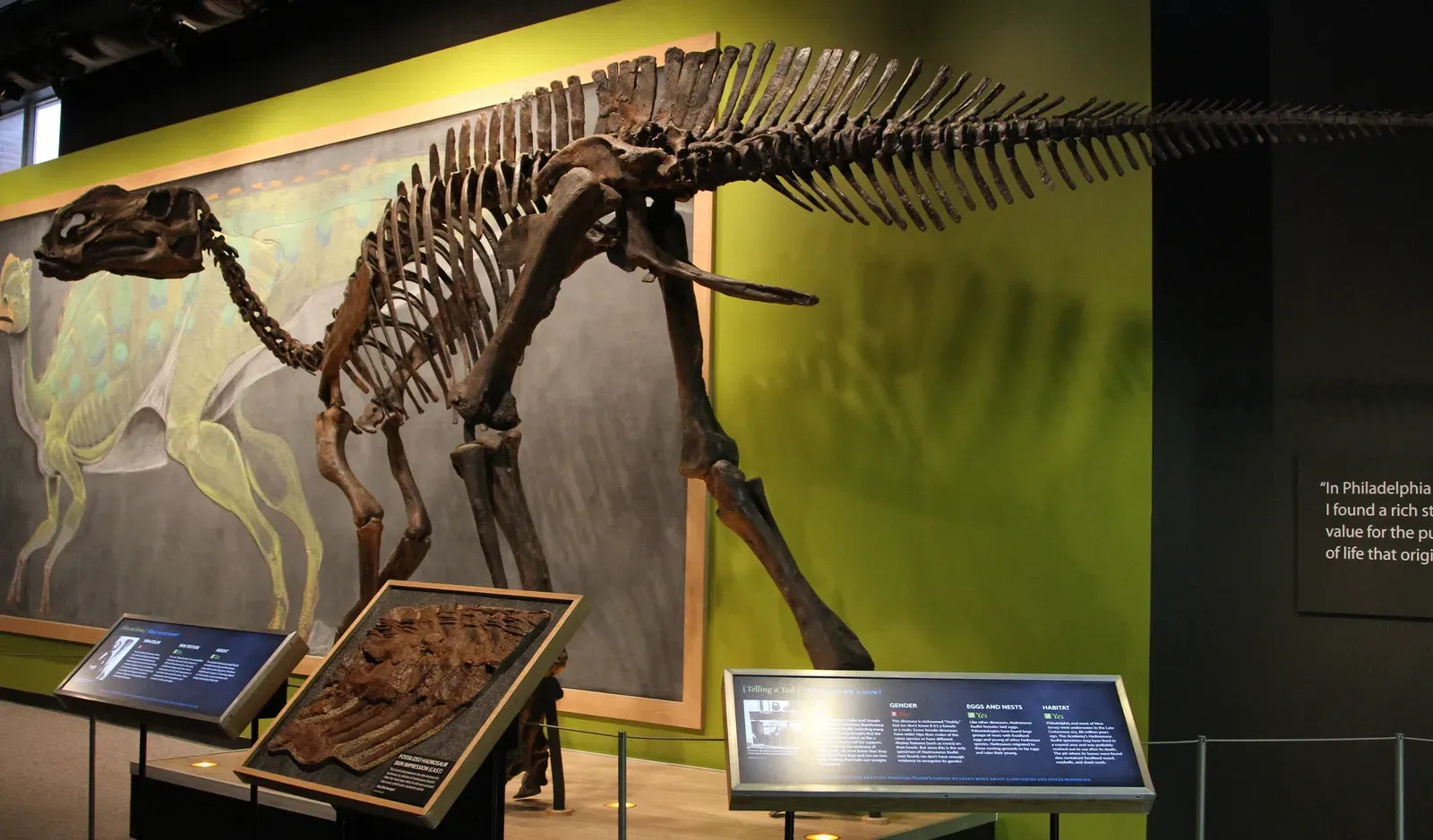
New Jersey was the very first state to identify and name a dinosaur – the Hadrosaurus – which was found in New Jersey in 1838. Think about that for a moment. Before anyone was excavating massive skeletons in Wyoming or Colorado, a marl pit in Haddonfield was making paleontological history. The first relatively complete set of dinosaur bones were discovered in 1838, and then fully excavated by William Parker Foulke in 1858, later named Hadrosaurus foulkii by Joseph Leidy.
This wasn’t just some random find, either. The Hadrosaurus discovery was considered to be the first dinosaur found in North America. That duck-billed herbivore, roughly the size of a school bus, became the blueprint for how scientists understood dinosaur anatomy. The site lingered in obscurity until 1984 when a local Boy Scout, as part of an Eagle Scout project, researched the site and generated publicity, eventually leading to the species being designated the official dinosaur of New Jersey. Sometimes it takes a kid with a dream to remind us where history was made.
Maryland: America’s Early Cretaceous Treasure Trove
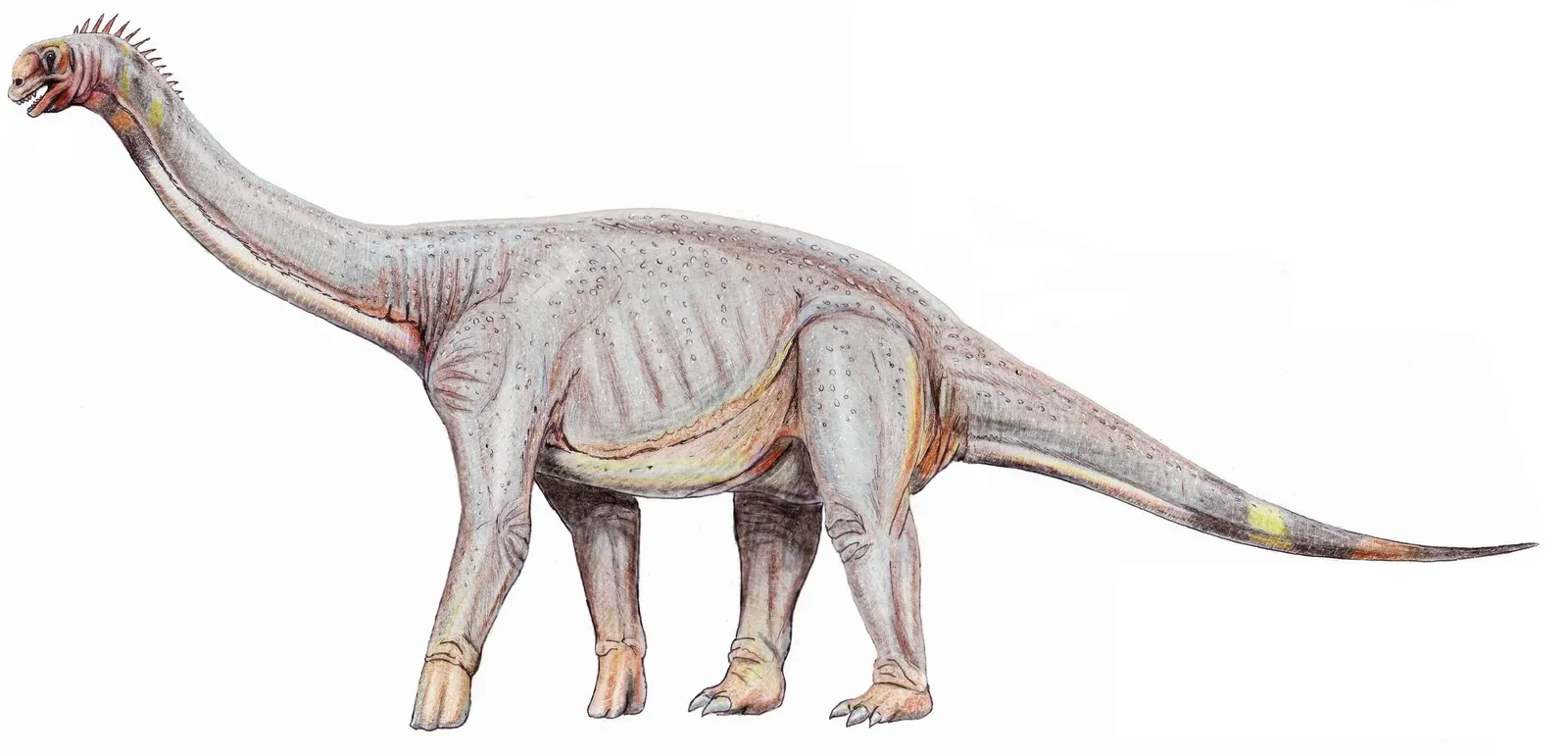
Picture the corridor between Washington D.C. and Baltimore. Traffic jams, government buildings, maybe some crab cakes. In the corridor between Washington, D.C., and Baltimore, so many Early Cretaceous dinosaur fossils were found in the course of surface mining for iron ore in the 18th and early 19th centuries that the area was nicknamed “Dinosaur Alley.” Let’s be real, that’s not a name you associate with the mid-Atlantic.
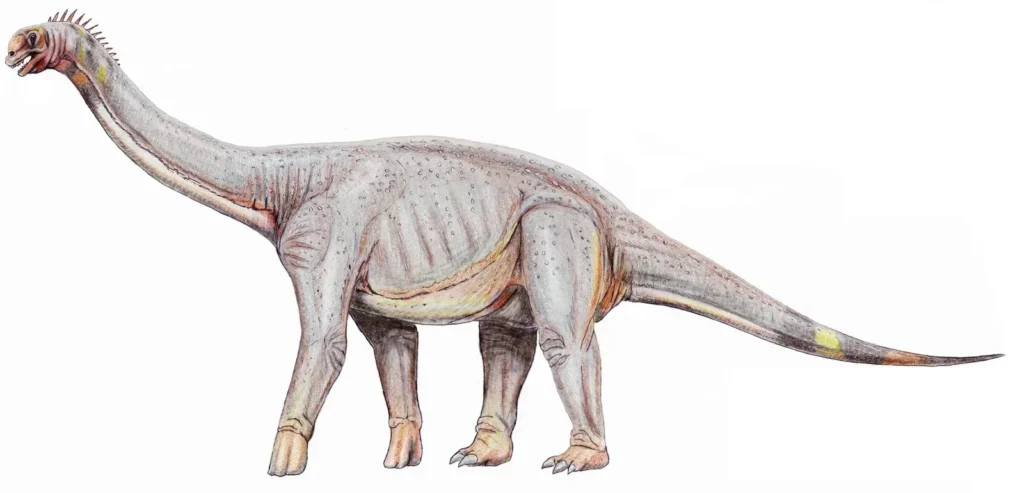
In 1865, famous pioneer of American paleontology, Dr. Joseph Leidy, formally described Astrodon johnstoni, making it the first sauropod dinosaur described from North America. More recently, things got even wilder. Paleontologists discovered the largest theropod fossil in Eastern North America during a dig experience program at the Dinosaur Park on April 22, 2023, and this is the first dinosaur bone bed discovered in Maryland since 1887. Honestly, finding a bone bed – a concentrated layer packed with multiple dinosaur species – is like hitting the paleontological jackpot. A 4-foot fossil is the largest dinosaur bone yet discovered on the East Coast.
Alaska: Where Dinosaurs Braved the Polar Cold
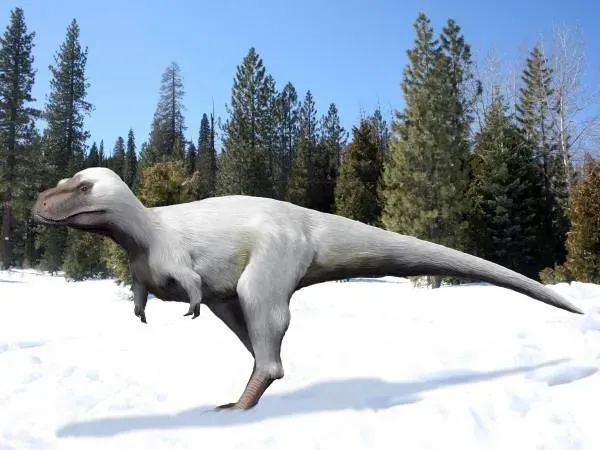
Alaska might seem like the last place on Earth you’d hunt for creatures associated with swamps and warm climates. Yet dinosaurs thrived there, challenging everything scientists thought they knew about these animals. Paleontologists discovered a new species of ceratopsid dinosaur, formally named Pachyrhinosaurus perotorum, on BLM-managed lands at the Kikak-Tegoseak Quarry near Alaska’s Colville River, demonstrating that the ancient Arctic was a rich biological ecosystem.
Dinosaurs and/or their footprints have been discovered from southeast Alaska to the North Slope and species include pachyrhinosaurus, hadrosaurus, and other plant eaters, as well as meat-eating theropods like Nanuqsaurus. The polar bear lizard, as it’s nicknamed, was a smaller cousin of T. rex adapted for Arctic survival. This discovery provides more evidence that Alaska was possibly the superhighway for dinosaurs between Asia and western North America 65-70 million years ago. Imagine herds of horned dinosaurs migrating through snowy landscapes, enduring months of darkness. It sounds crazy, but the fossils don’t lie.
Iowa: A Gravel Pit Surprise
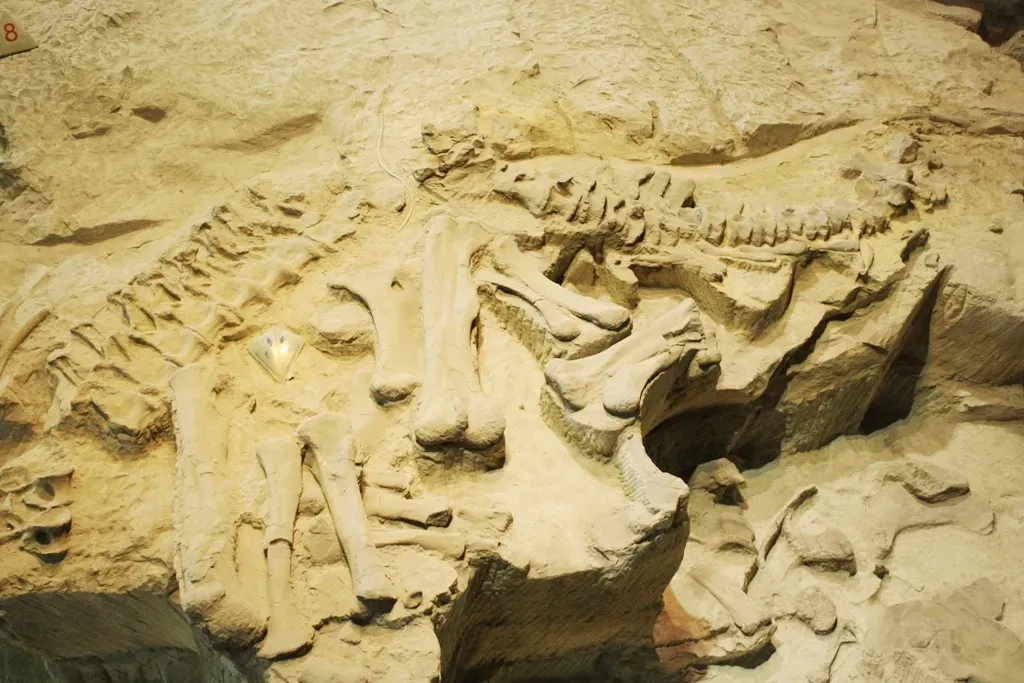
Iowa is famous for cornfields, not creature features. The state went without a confirmed dinosaur find for most of recorded history. Then came a load of landscaping gravel that changed everything. Charlie Gillette of Dickinson County picked up a dark-colored, 3-inch fossil bone from a load of landscaping gravel that came from a nearby gravel pit, and the discovery of Iowa’s first identifiable dinosaur bone was soon reported in the Des Moines Register.
Here’s where it gets even better. Sometime in the mid-1930s John Holdefer picked up a fossil bone from a conveyer in a gravel pit near Akron in Plymouth County, and the bone was kept on a shelf and occasionally used as a doorstop in the family’s home, later identified as a 4-inch dinosaur vertebra, likely from an hadrosaur. A doorstop. An actual prehistoric vertebra holding open doors for decades before anyone realized what it was. You honestly can’t make this stuff up.
Washington State: The Thirty-Seventh State Joins the Club
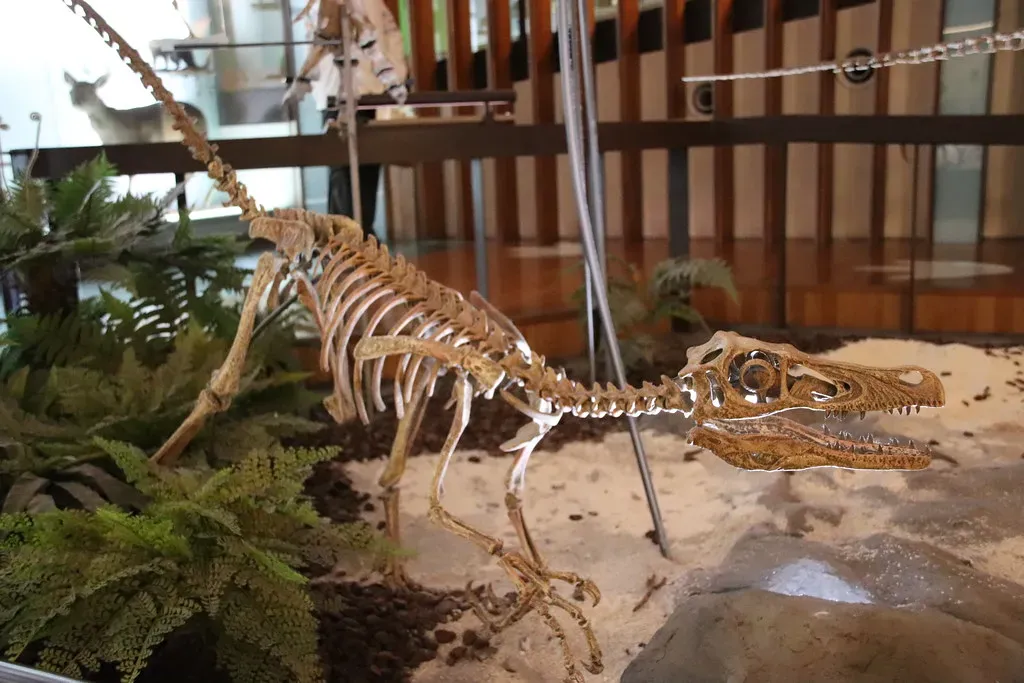
Washington is now the 37th state where dinosaurs have been found! For years, Washington seemed dinosaur-free, making scientists wonder if these creatures ever set foot in the Pacific Northwest. The fossil is a partial left thigh bone of a theropod dinosaur, the group of two-legged, meat-eating dinosaurs that includes Velociraptor, Tyrannosaurus rex and modern birds, found along the shores of Sucia Island State Park in the San Juan Islands and is approximately 80 million years old.
The discovery nearly didn’t happen. The shoreline where the fossil was found is now covered by landslides, so it is very fortunate that the Washington State Parks and the Burke Museum were able to excavate the fossil when they did! Sometimes timing is everything. That single bone proves dinosaurs once roamed what would become the Evergreen State, though they were likely much farther south at the time due to tectonic plate movements.
Connecticut: America’s First Dinosaur Tracks
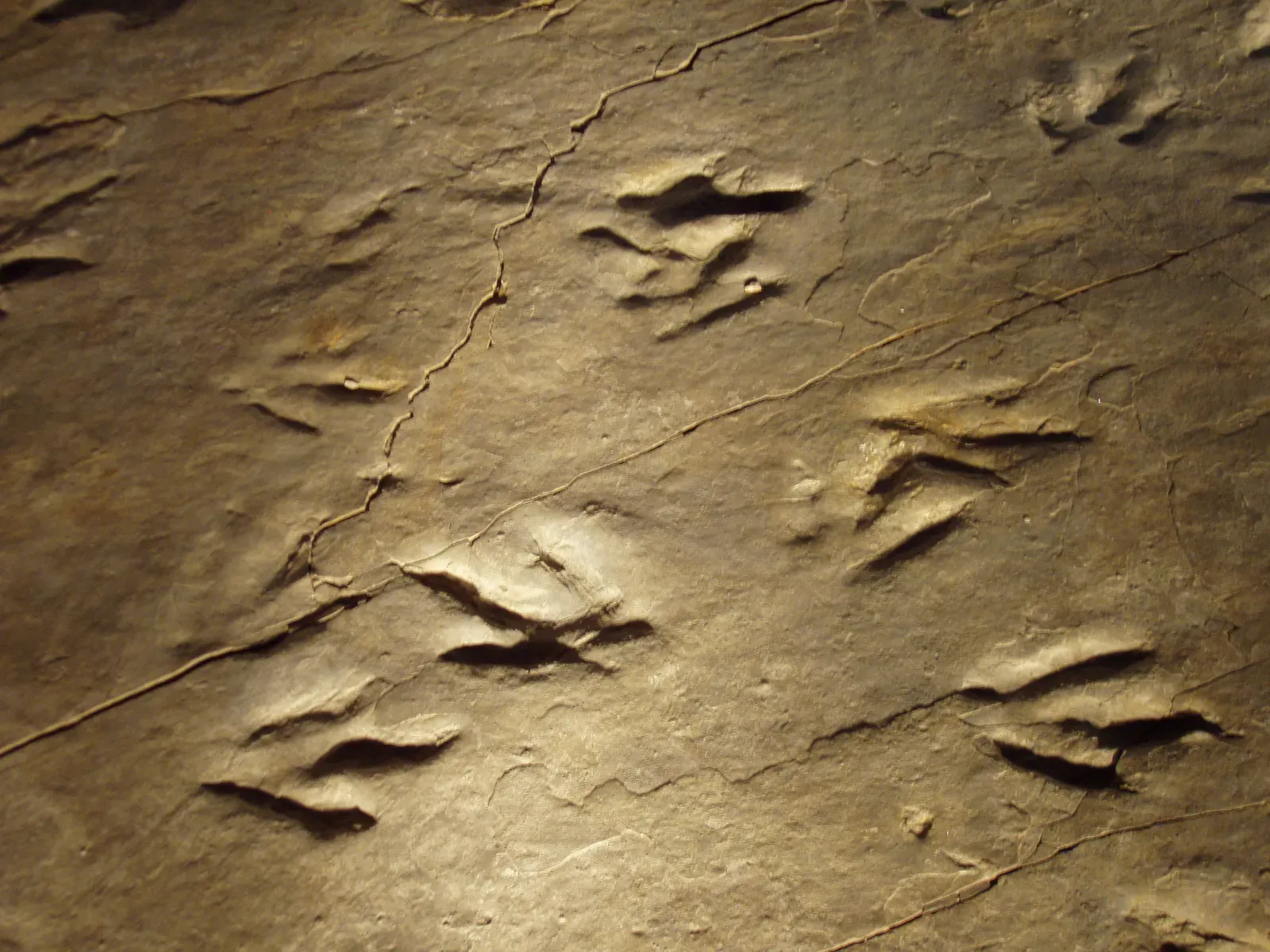
Among the earliest major fossil discoveries in America occurred in Massachusetts during the spring of 1802, when Pliny Moody uncovered a piece of reddish sandstone with bird-like three toed footprints while ploughing on his father’s farm in South Hadley, and this was the first recorded dinosaur footprint discovery in North America. Those tracks extended into Connecticut, where an entire fossilized lakebed would later emerge.
On August 23, 1966, bulldozer operator Edward McCarthy uncovered a fossilized Triassic lake bed in Rocky Hill while excavating a path for the new Interstate 91 highway, exposing six large, three-toed footprints, revealing that this former lake bed contained the most abundant display of Eubrontes tracks in North America. The discovery was so significant that they actually rerouted the highway construction. Dinosaur State Park preserves the highest concentration of Eubrontes tracks believed to be in one location, with the fossilized lake bed holding approximately 2,000 of these three-toed tracks. Picture carnivorous dinosaurs stalking the mudflats of ancient New England, leaving behind footprints that would survive nearly 200 million years.
Massachusetts: Where Paleontology Took Its First American Steps
Massachusetts gave America its dinosaur awakening long before anyone understood what they were seeing. Among the earliest major fossil discoveries in America occurred in Massachusetts during the spring of 1802 when a boy named Pliny Moody uncovered a piece of reddish sandstone with bird-like three toed footprints while ploughing on his father’s farm in South Hadley. People initially thought giant birds made those tracks. It would take decades before science caught up to reality.
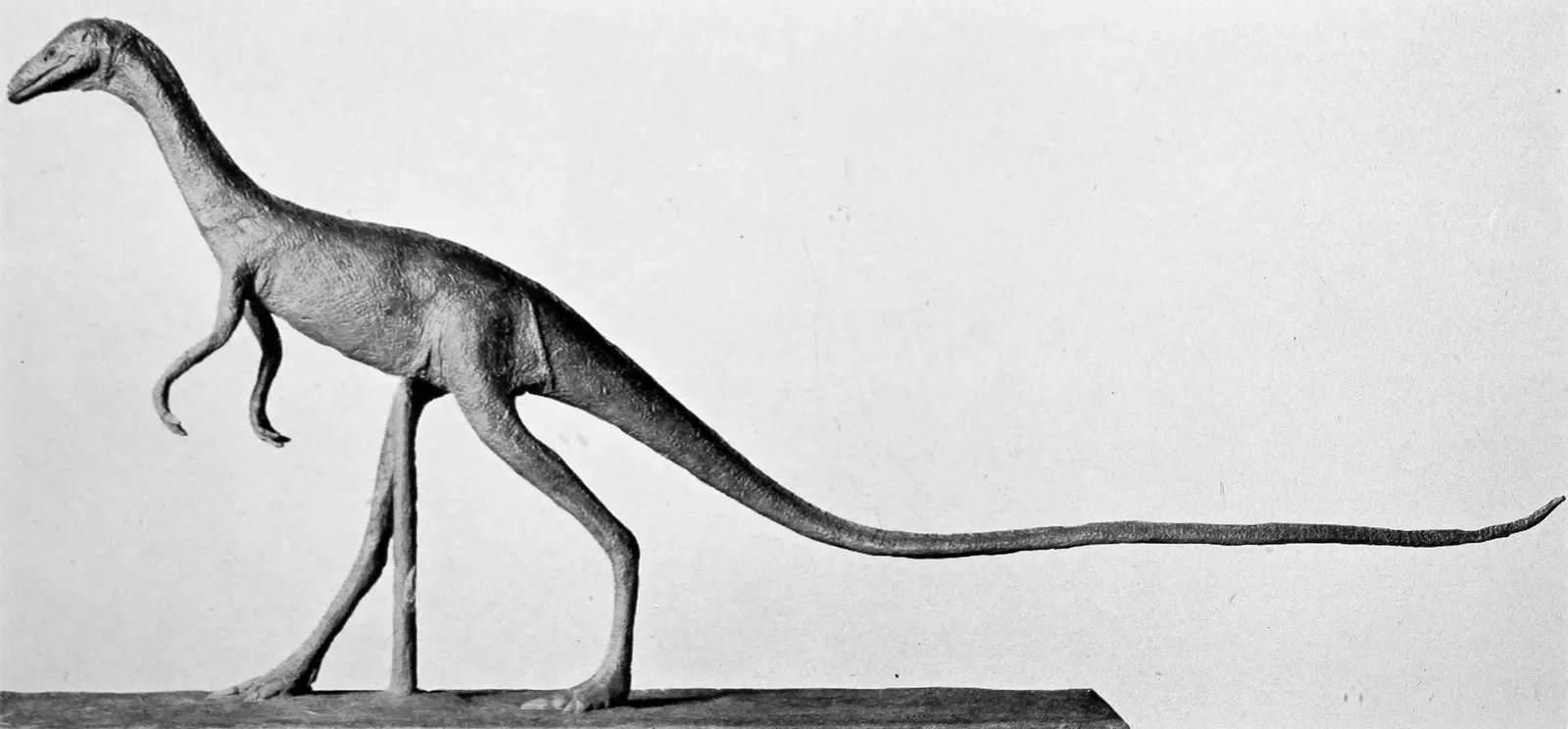
In 2022, Massachusetts became the latest state to announce an official dinosaur, Podokesaurus holyokensis, or ‘fleetfooted lizard,’ discovered in 1910 in western Massachusetts by Mount Holyoke College professor Mignon Talbot, also making her the very first woman in America to find, discover, name and describe a dinosaur! That chicken-sized predator represents a milestone not just in paleontology, but in breaking down barriers for women in science. The Connecticut River Valley running through Massachusetts proved to be one of the richest sources of dinosaur tracks anywhere on the planet, preserving a snapshot of Jurassic life in what’s now decidedly un-Jurassic New England.
Conclusion
The fossil record teaches us humility. Just when we think we’ve mapped out where ancient life existed, a bulldozer operator in Connecticut or a curious kid in Iowa proves us wrong. These unexpected discoveries remind us that dinosaurs didn’t respect our modern state boundaries or preconceptions about where fossils “should” be found.
The eastern United States might not have the dramatic badlands or exposed rock formations of the West, but beneath its forests, farms, and suburbs lies an equally compelling prehistoric story. Every construction project, every gravel pit, every backyard excavation carries the potential to rewrite what we know. The next groundbreaking discovery might be sitting under your neighborhood parking lot right now. What do you think about these surprising dinosaur hotspots? Which unexpected state discovery amazed you the most?