Have you ever wondered what our planet might look like without its most remarkable creatures? The world we know today is filled with breathtaking biodiversity, yet beneath this beauty lies a troubling reality. As we move deeper into the 21st century, we’re witnessing an extinction crisis of staggering proportions. Scientists warn that countless species could disappear within the next few decades if urgent action isn’t taken.
The animals facing extinction aren’t just statistics on a conservation list. They’re living beings with complex behaviors, unique adaptations, and irreplaceable roles in their ecosystems. From the tiniest porpoises to the largest rhinos, these creatures are sending us a distress signal. What happens when we lose them? More importantly, what can we do before it’s too late?
Vaquita: The Ghost of the Gulf
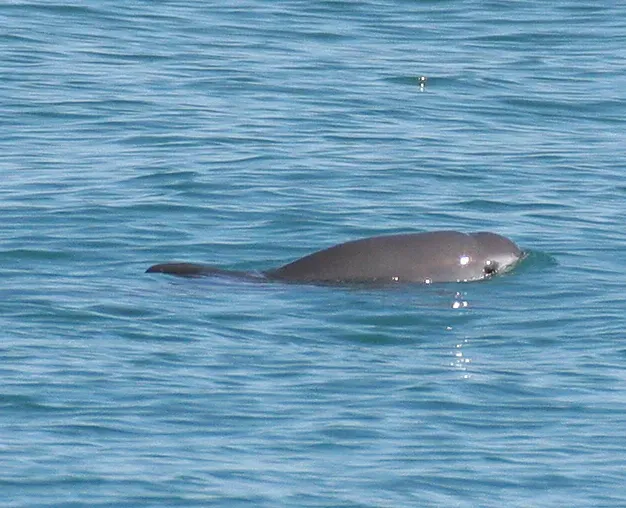
The vaquita is the most endangered marine mammal in the world, with fewer than ten individuals thought to be left in the wild, primarily threatened by entanglement in fishing nets. This tiny porpoise lives only in the Gulf of California, making it one of the rarest animals on Earth. Honestly, it’s hard to imagine a creature so close to vanishing completely.
What makes the vaquita’s situation especially heartbreaking is that they’re also often killed as bycatch or caught and sold into the illegal wildlife trade. Despite conservation efforts and fishing restrictions, enforcement remains challenging in remote waters. The clock is ticking for these elusive marine mammals, and every single individual matters.
Javan Rhinoceros: Asia’s Vanishing Giant
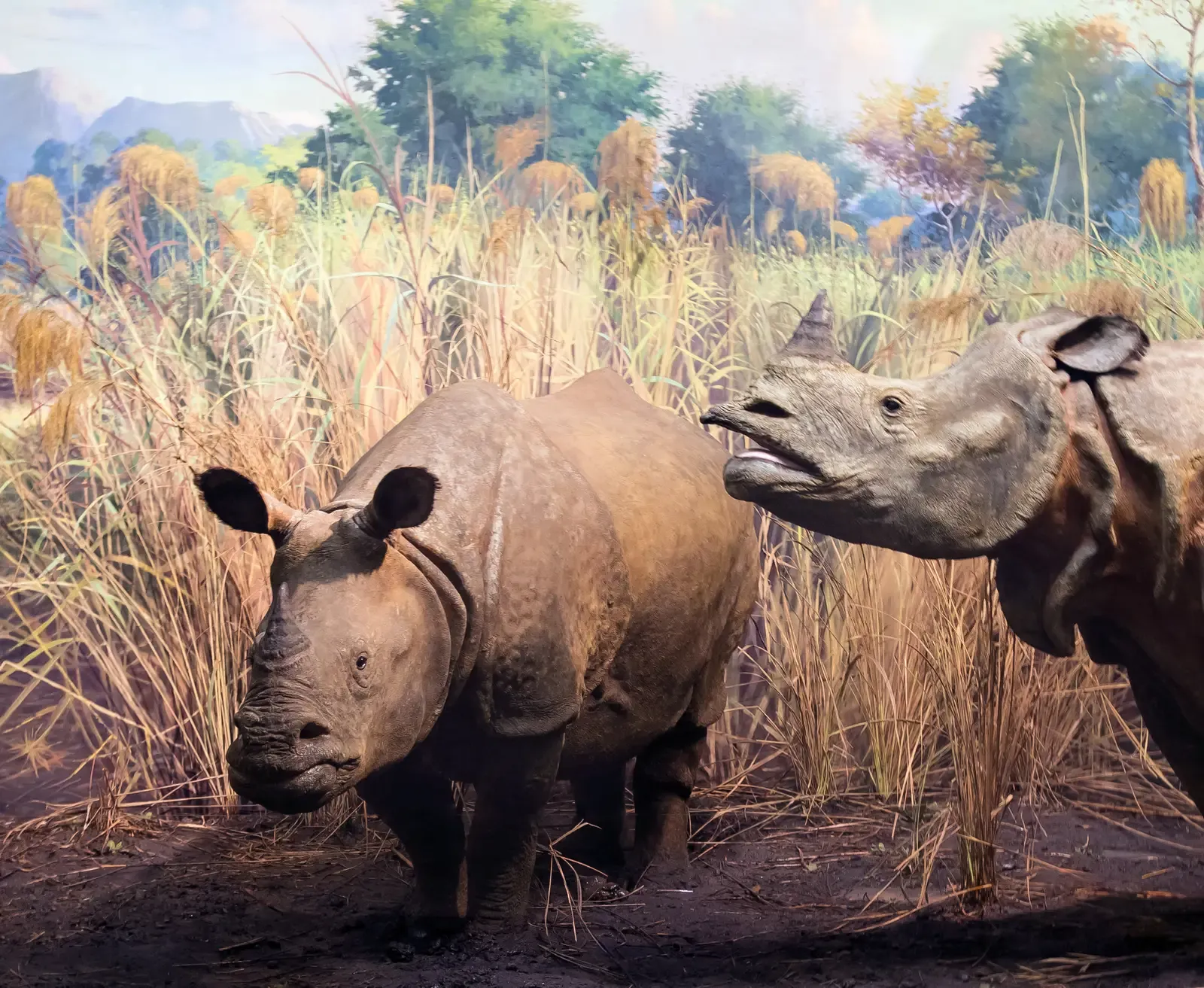
Javan rhino numbers have dropped by a third, from 76 animals to just 50 after local poaching groups allegedly wiped out 26 animals, mostly males. Let’s be real, this is devastating news for a species that already teetered on the edge. These magnificent single-horned rhinos now exist only in Ujung Kulon National Park in Indonesia.
In 2024, officials announced that recently arrested poachers confessed to killing a total of 26 Javan rhinos, potentially cutting the total population by one-third. The loss of so many males creates an additional problem for breeding potential. Still, there’s a glimmer of hope as several calves have been spotted recently, showing that reproduction continues despite the threats.
Sumatran Elephant: Forest Giants Under Siege
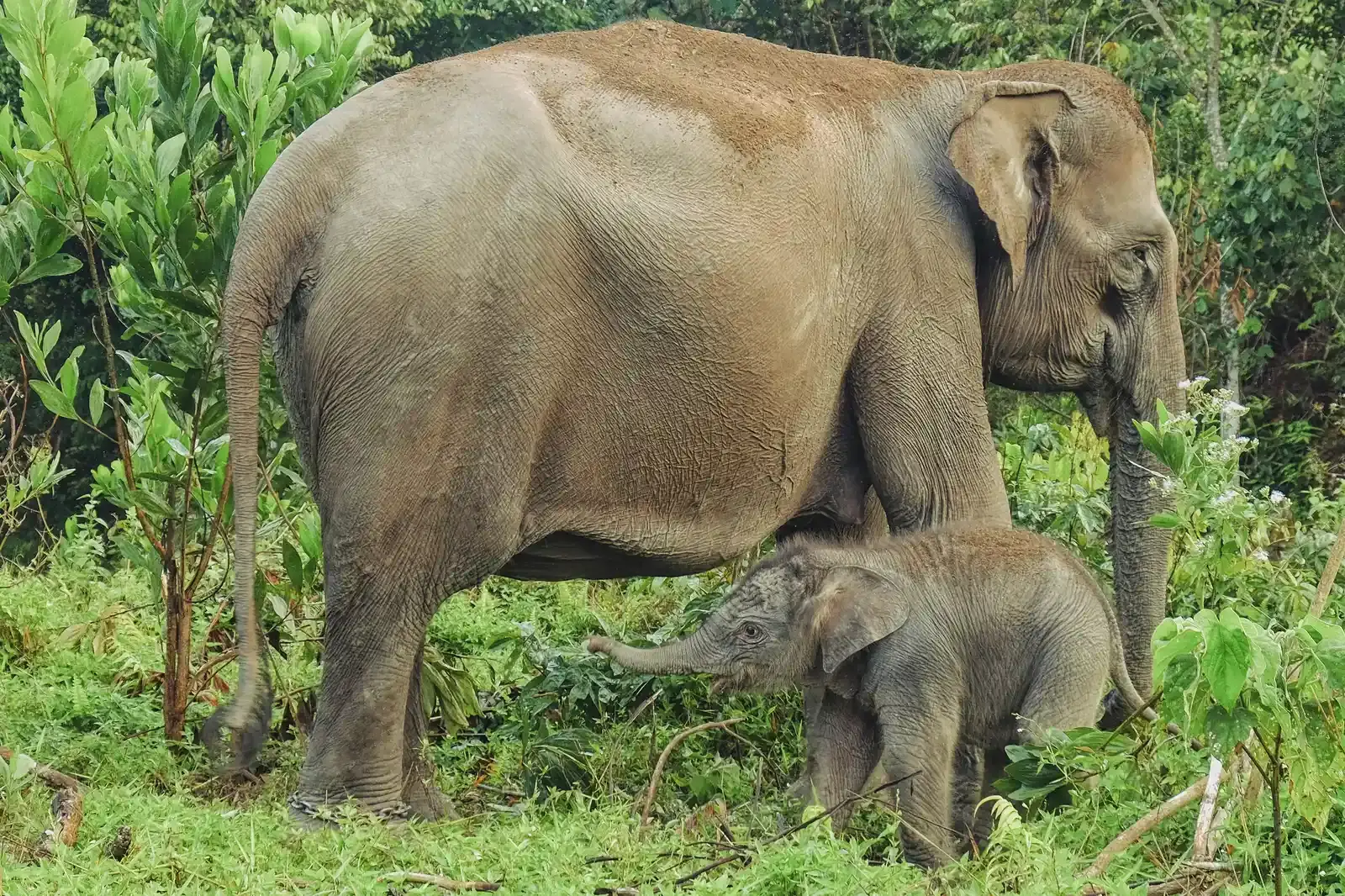
Sumatran elephants are critically endangered and protected under Indonesian law, with around 2,800 left in the wild. These gentle giants once roamed freely across the Indonesian island of Sumatra, but their world has been shrinking rapidly. Deforestation for palm oil plantations and human settlements has fragmented their habitat into isolated pockets.
Many of their remaining habitats are small and fragmented which means they can’t sustain an elephant population. Without sufficient space and resources, these elephants face malnutrition and conflicts with humans. Their plight represents a broader crisis affecting numerous species across Southeast Asia’s disappearing forests.
Sumatran Rhinoceros: The Hairy Rhino’s Final Stand
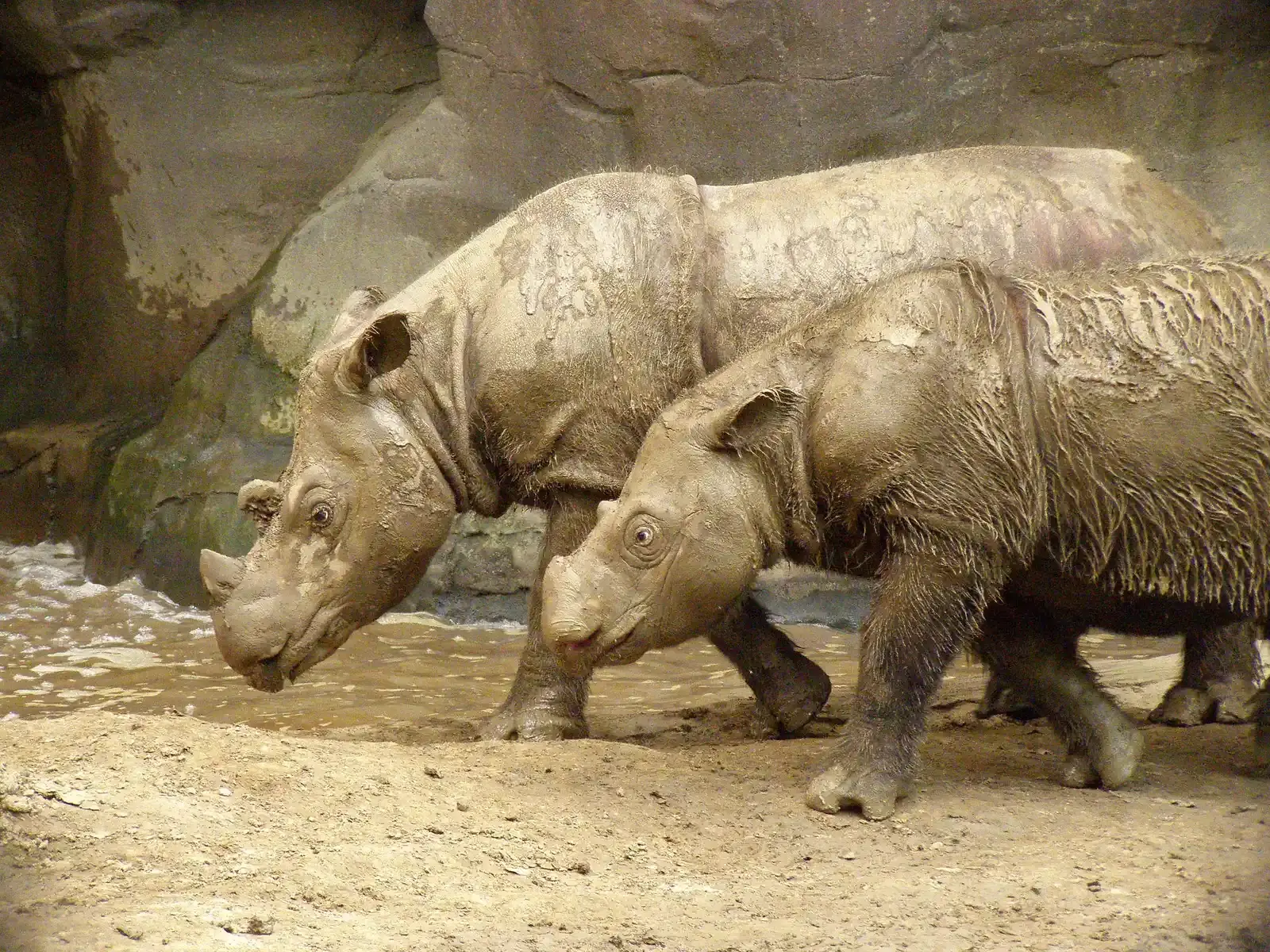
Sumatran rhinos remain at just 34-47 animals, making them the most threatened rhino and one of the most imperiled animals on the planet. This is the smallest rhino species and the only Asian rhino with two horns. They’re also the hairiest of all rhino species, an adaptation to their forest habitat.
Of all the rhino species, the Sumatran rhino numbers are the least certain, given the small number of animals, the rugged and remote terrain and their famous elusiveness. Conservation efforts include captive breeding programs, but the species faces enormous challenges. Their scattered populations make it difficult for individuals to find mates, and habitat loss continues unabated.
Bornean Orangutan: Intelligence Under Threat
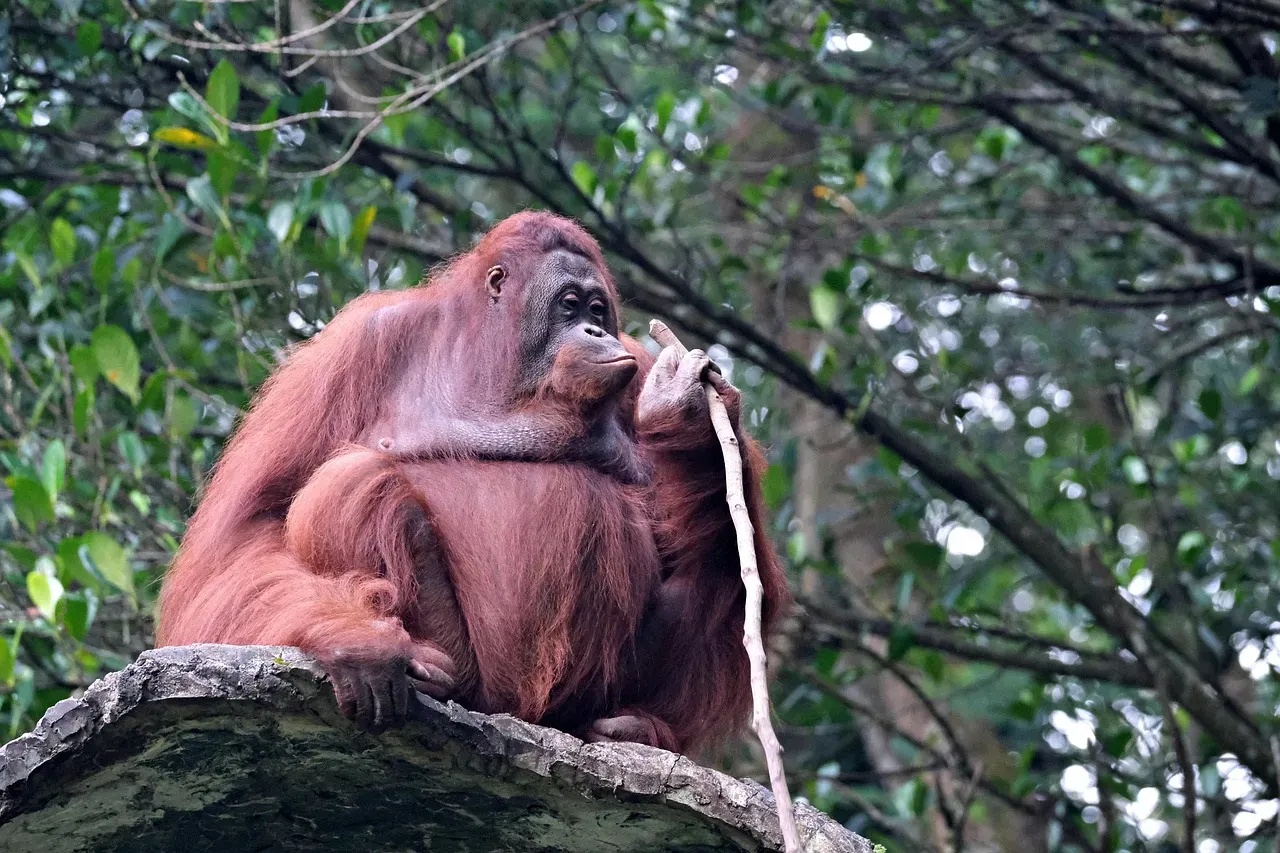
The Bornean orangutan is a critically endangered ape and an animal that could be extinct by 2050 unless deforestation and poaching are prevented. These remarkable primates are among our closest relatives, sharing roughly 97% of their DNA with humans. Their intelligence is extraordinary, and researchers have documented them using sophisticated tools.
Conservationists estimate the population has plummeted by 80% in the past 75 years due to habitat loss and poaching for their body parts. The demand for palm oil drives much of the deforestation destroying their homes. Meanwhile, illegal pet trade and hunting continue to take their toll on remaining populations.
Amur Leopard: The Rarest Big Cat
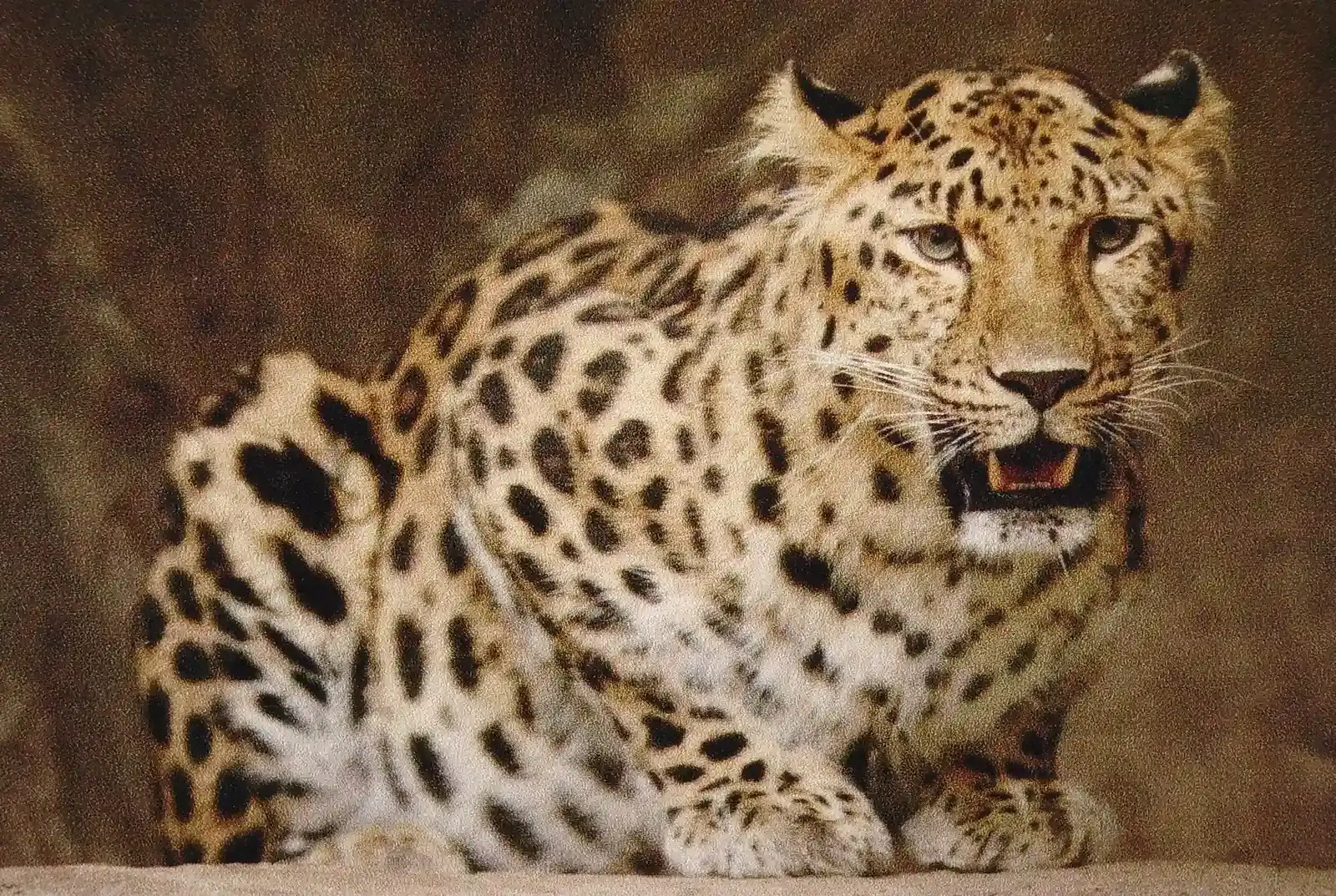
A mere 70 Amur leopards remain in the wild. These stunning cats with rosette-patterned coats live in the temperate forests of Russia’s Far East and northern China. They’re the rarest big cats on the planet, surviving in one of the harshest climates any leopard subspecies calls home.
Habitat loss, poaching, and prey depletion have pushed these magnificent predators to the brink. Climate change also poses new challenges as shifting weather patterns affect their forest habitats. Conservation programs have made some progress, but the population remains precariously small and vulnerable to disease outbreaks or sudden environmental changes.
Hawksbill Sea Turtle: Ocean Wanderer in Peril
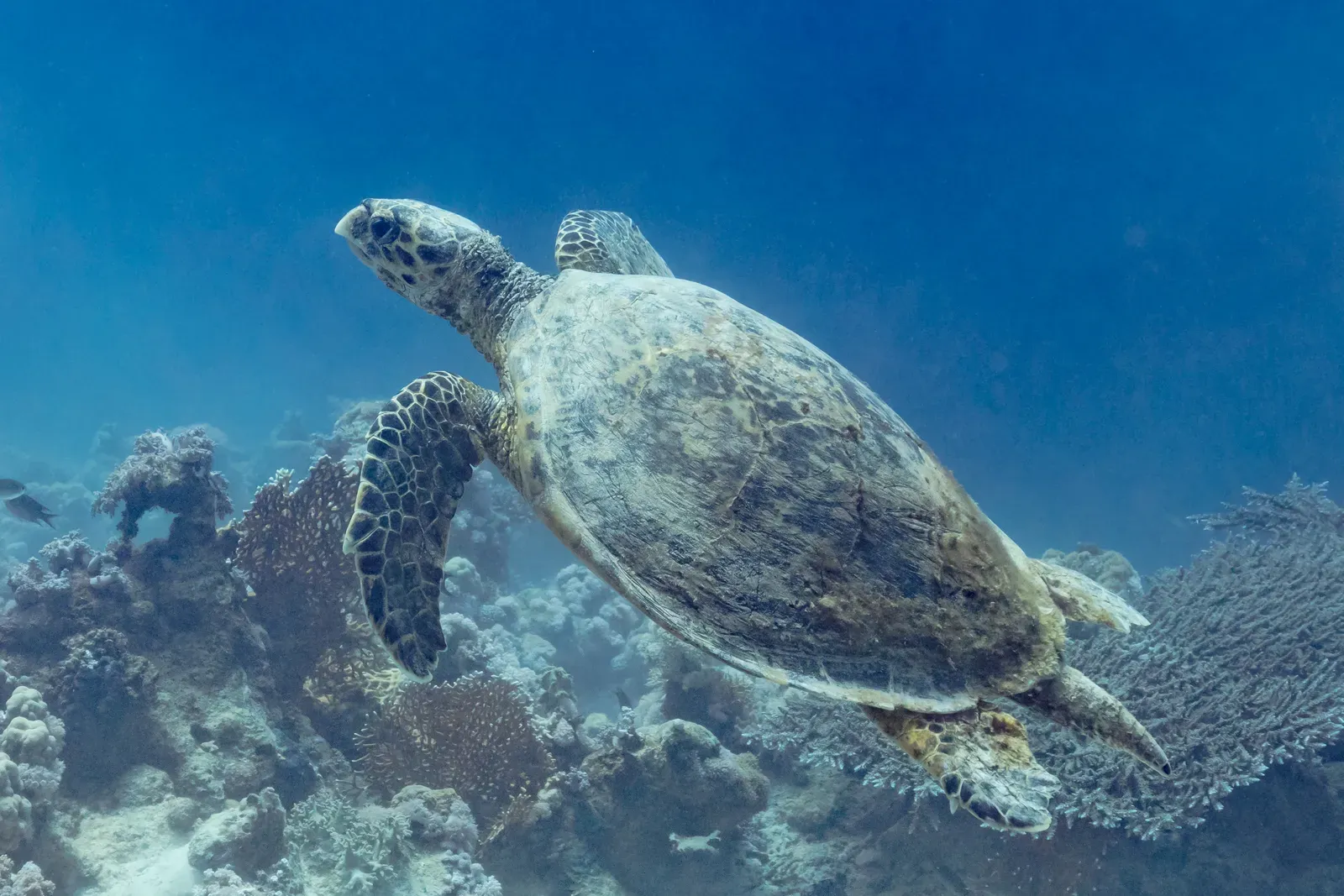
All seven sea turtle species are endangered, especially the hawksbill sea turtle, with extinction being caused by a range of human activities including the illegal trade in turtle shells, fishing, pollution, and disrupted turtle breeding caused by coastal development. These beautiful reptiles play a crucial role in marine ecosystems, particularly in maintaining healthy coral reefs.
The green sea turtle is experiencing imbalanced sex ratios due to warmer temperatures during egg incubation in their shoreline habitats, with females now accounting for 99% of newly hatched green sea turtles on some nesting beaches. This dramatic shift threatens long-term reproduction. The warming climate adds yet another layer of crisis to species already struggling with human threats.
Pangolin: The World’s Most Trafficked Mammal
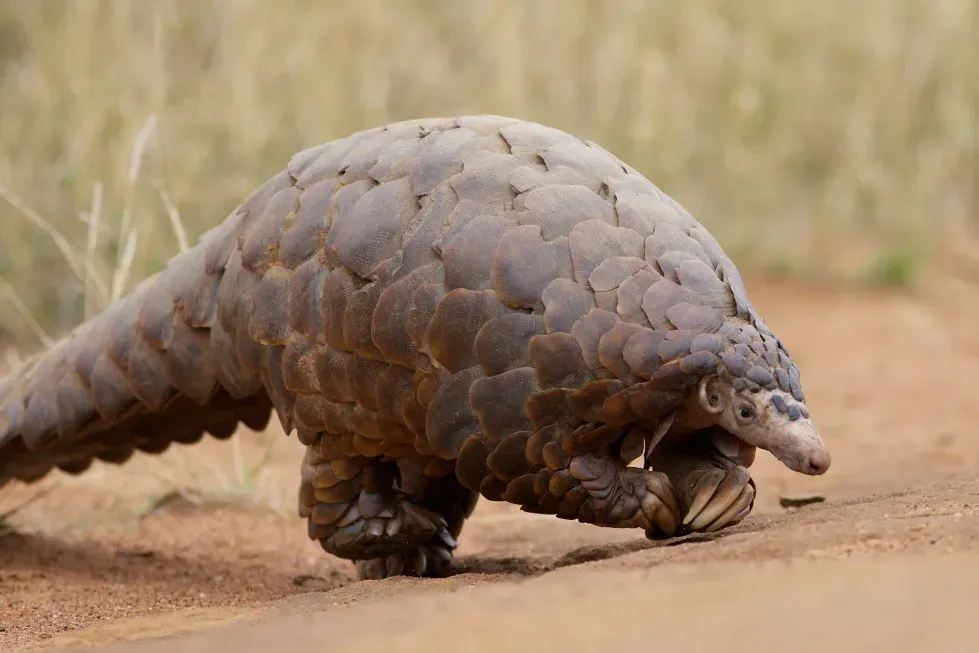
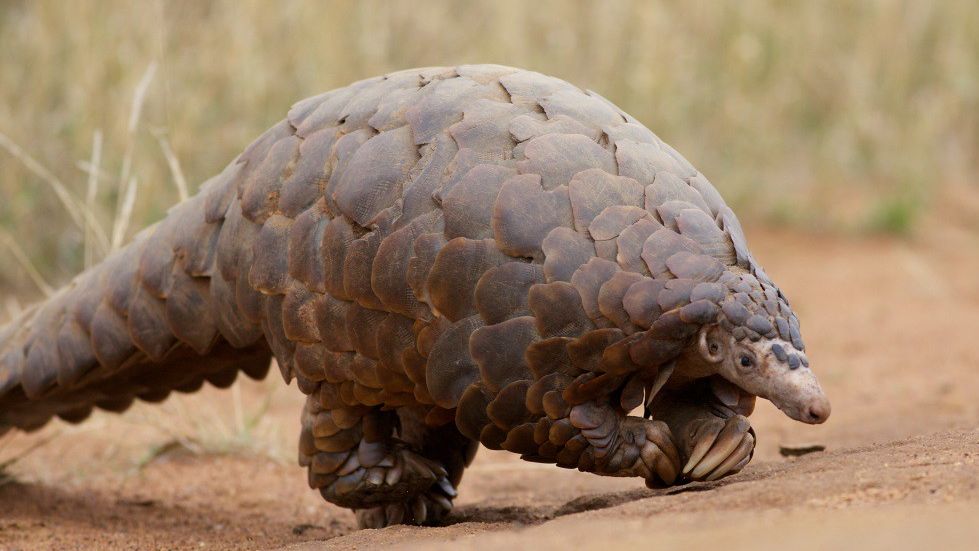
Pangolins are one of the most illegally trafficked animals in the world, often hunted for their meat and scales used in traditional Chinese medicine. These peculiar, scale-covered mammals are the only ones of their kind. When threatened, they roll into a tight ball, an effective defense against natural predators but utterly useless against human poachers.
Pangolins are also threatened by habitat loss and deforestation. All eight pangolin species face severe pressure, with several classified as critically endangered. Despite international protection efforts, the illegal trade continues to flourish, driven by demand in Asia where their scales are falsely believed to have medicinal properties.
Yangtze Finless Porpoise: China’s Freshwater Treasure
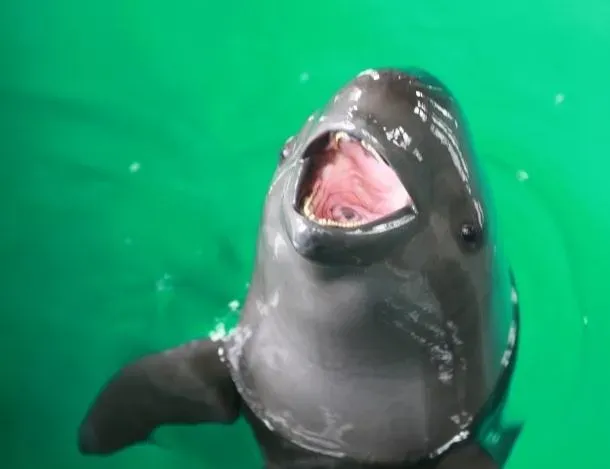
The Yangtze finless porpoise faces a precarious future in China’s longest river. These intelligent cetaceans have adapted to life in freshwater, a rare trait among porpoises. Their numbers have declined dramatically due to pollution, boat traffic, and habitat degradation along the heavily industrialized Yangtze River.
Fishing practices pose the greatest immediate threat. Though not directly targeted, these porpoises frequently become entangled in fishing gear and drown. The construction of dams and other river infrastructure has further fragmented their habitat. Conservation efforts include establishing protected reserves, but the challenges remain immense in one of the world’s busiest waterways.
North Atlantic Right Whale: Giants of the Deep in Danger
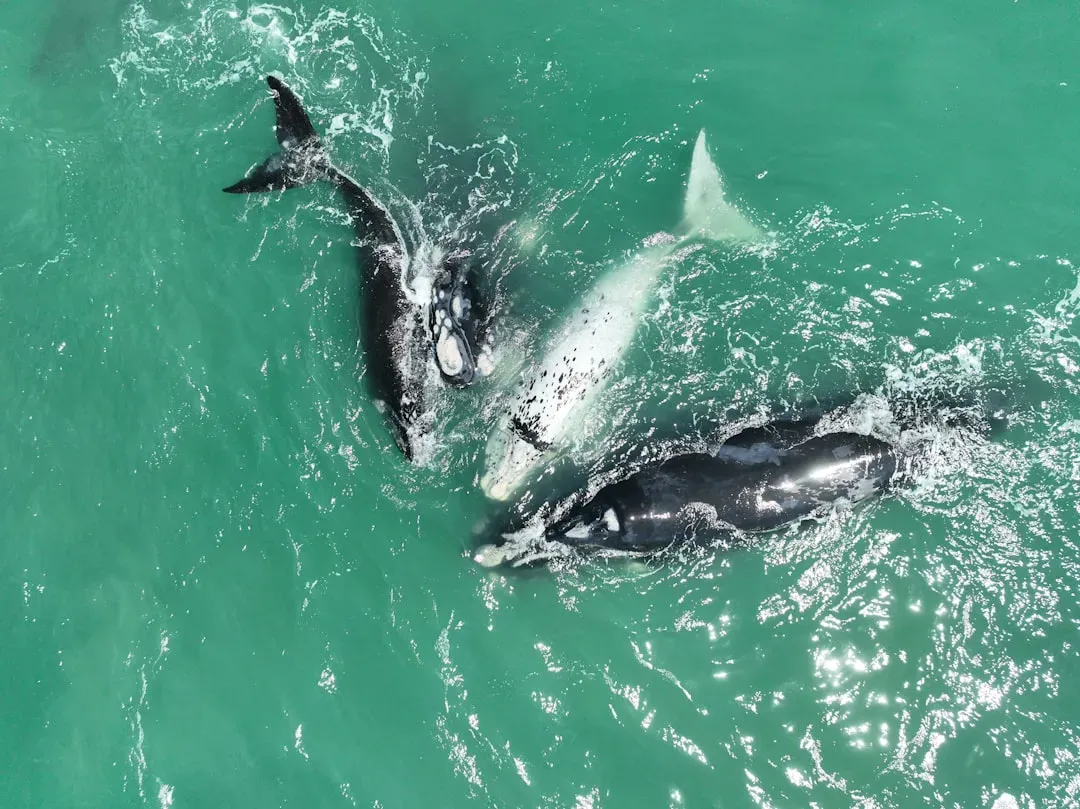
In 2022, there are fewer than 350 North Atlantic right whales left in the world, with the whales hunted to near extinction in the 19th century and human activity preventing them from regaining their population numbers. These massive marine mammals can weigh up to 70 tons and live for over 70 years. They’re slow swimmers, making them particularly vulnerable to ship strikes.
Entanglement in fishing gear kills or injures numerous right whales each year. The species breeds slowly, with females producing calves only every three to five years. Climate change is also affecting their food sources, forcing them into new areas where they face increased dangers. Without significant changes to shipping routes and fishing practices, these gentle giants may not survive another generation.
What Future Will We Choose?
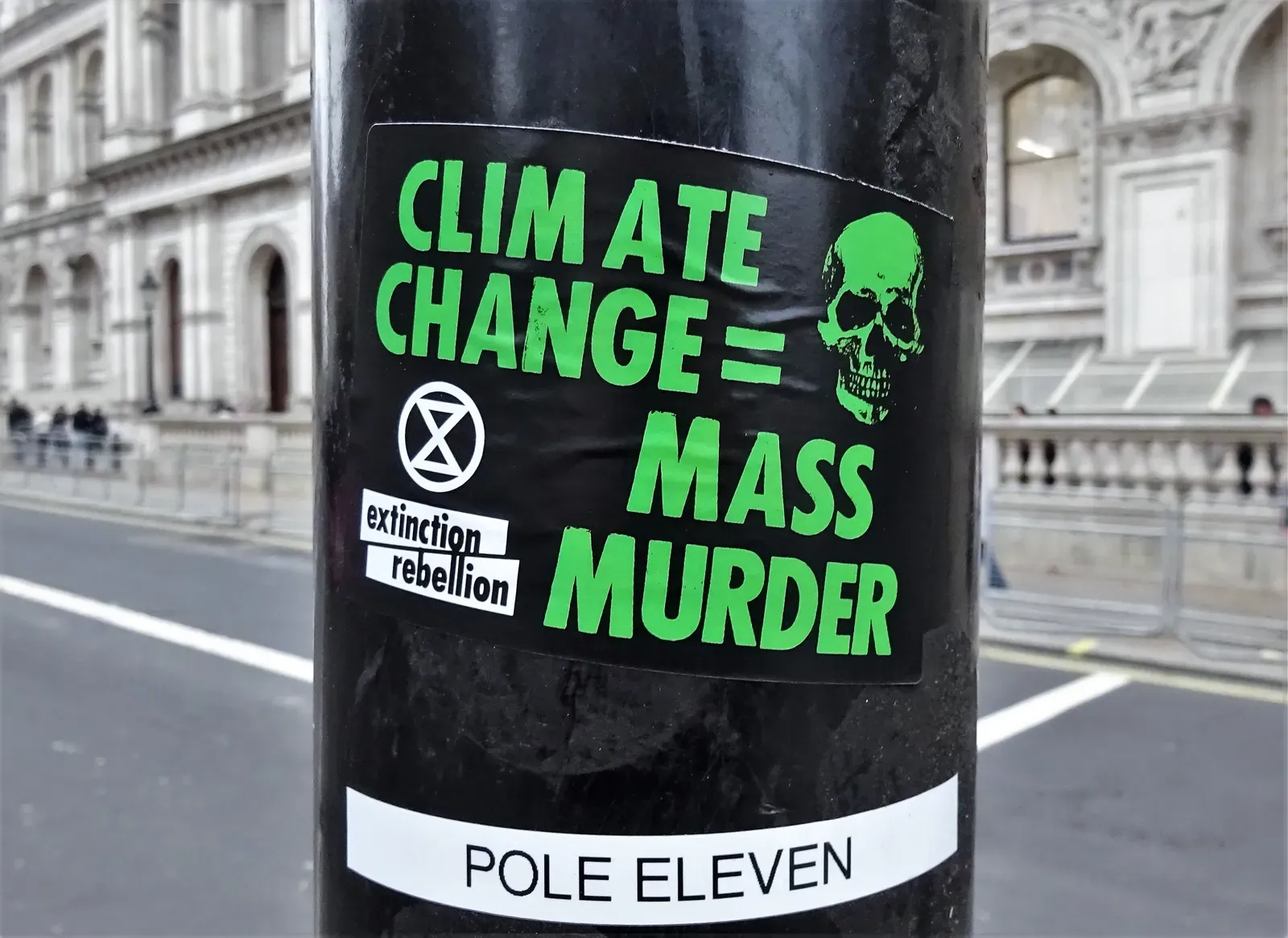
Global warming is projected to commit over one-third of the Earth’s animal and plant species to extinction by 2050 if current greenhouse gas emissions trajectories continue. This isn’t just about losing individual species. It’s about unraveling the intricate web of life that sustains our planet. Each extinction sends ripples through ecosystems, affecting countless other species and ultimately humanity itself.
Here’s the thing, though. We still have time to change course. Conservation efforts have proven successful when given proper support and resources. From establishing protected areas to combating poaching and reducing our carbon footprint, every action matters. The future of these magnificent creatures rests in our hands.
So what do you think? Are we ready to make the changes necessary to save these species? The answer will define not just their future, but ours as well.