Have you ever met someone who walks into a room with the commanding presence of a predator sizing up its territory? Or perhaps you know people who work in packs, coordinating their efforts with surgical precision to achieve a goal? The fascinating truth is that human personality traits often echo the behavioral patterns of the ancient apex predators that once ruled the Mesozoic Era. From roughly 252 to 66 million years ago, these magnificent beasts dominated every ecosystem they inhabited, each developing unique survival strategies that defined their success.
The parallels between these prehistoric hunters and modern human personalities aren’t just creative metaphors. They reveal something deeper about how certain behavioral patterns have proven successful across millions of years of evolution. Let’s be real, when you think about it, the same traits that made a Tyrannosaurus rex an unstoppable force or a Velociraptor a cunning strategist are qualities we recognize and even admire in people today.
The Commanding Presence of the T. Rex Personality
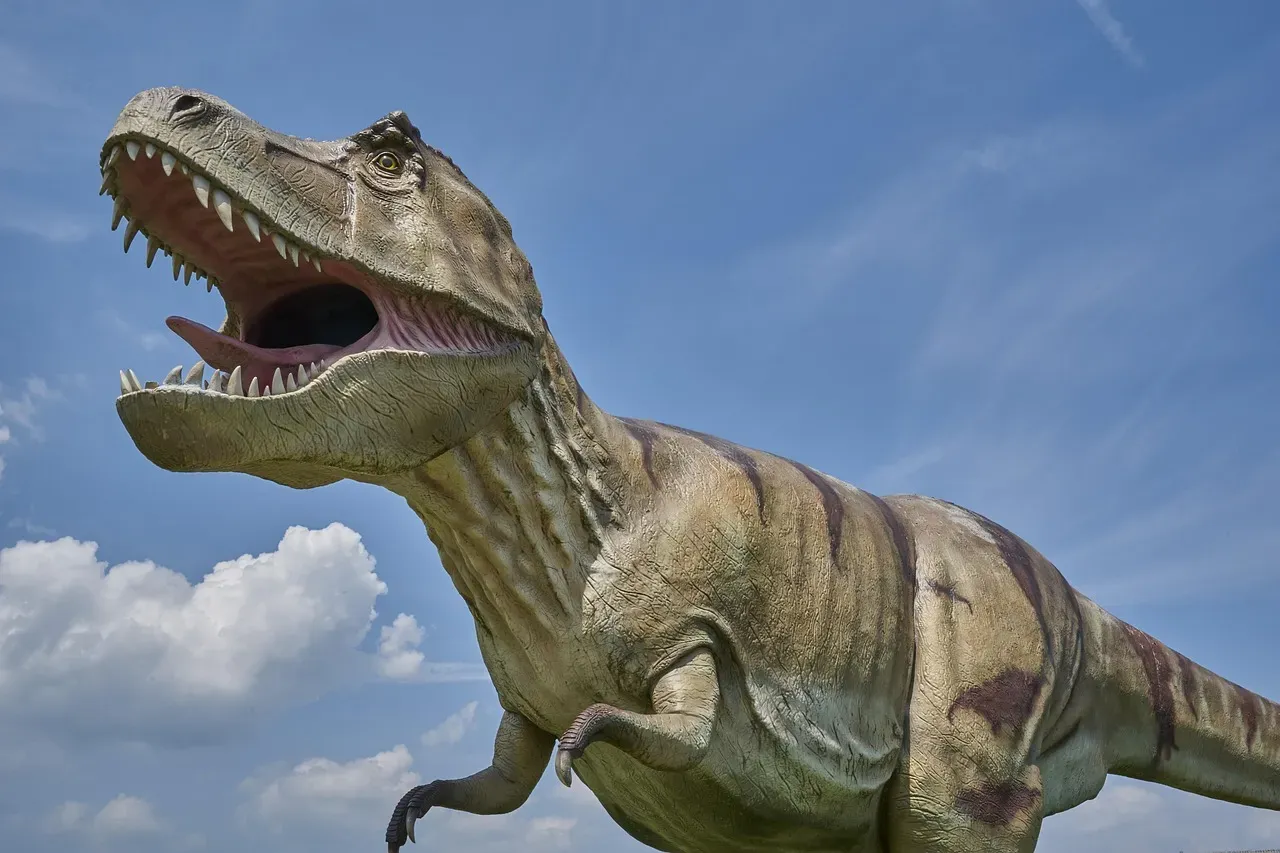
The T. rex was likely a dominant predator with aggressive territorial instincts, exhibiting behaviors typical of an apex hunter. You’ve likely encountered this personality type in your own life. These are the people who naturally take charge, the ones who command attention the moment they enter a space.
Those who love the T-Rex are usually great leaders with lots of friends, not afraid of expressing themselves and will do whatever it takes to meet their goals. They don’t apologize for taking up space. This personality type thrives on results, pushing through obstacles with the same determination that allowed the mighty T. rex to dominate the Late Cretaceous period.
What makes this parallel so striking is the underlying confidence. Tyrannosaur teeth were robust and banana-shaped, designed to withstand struggling prey and deliver immense bite forces, with T. rex alone estimated to have had a bite force between 35,000 to 65,000 Newtons. Similarly, people with this personality type possess an almost tangible strength of character that others instinctively recognize.
The Strategic Mastermind of the Velociraptor Type
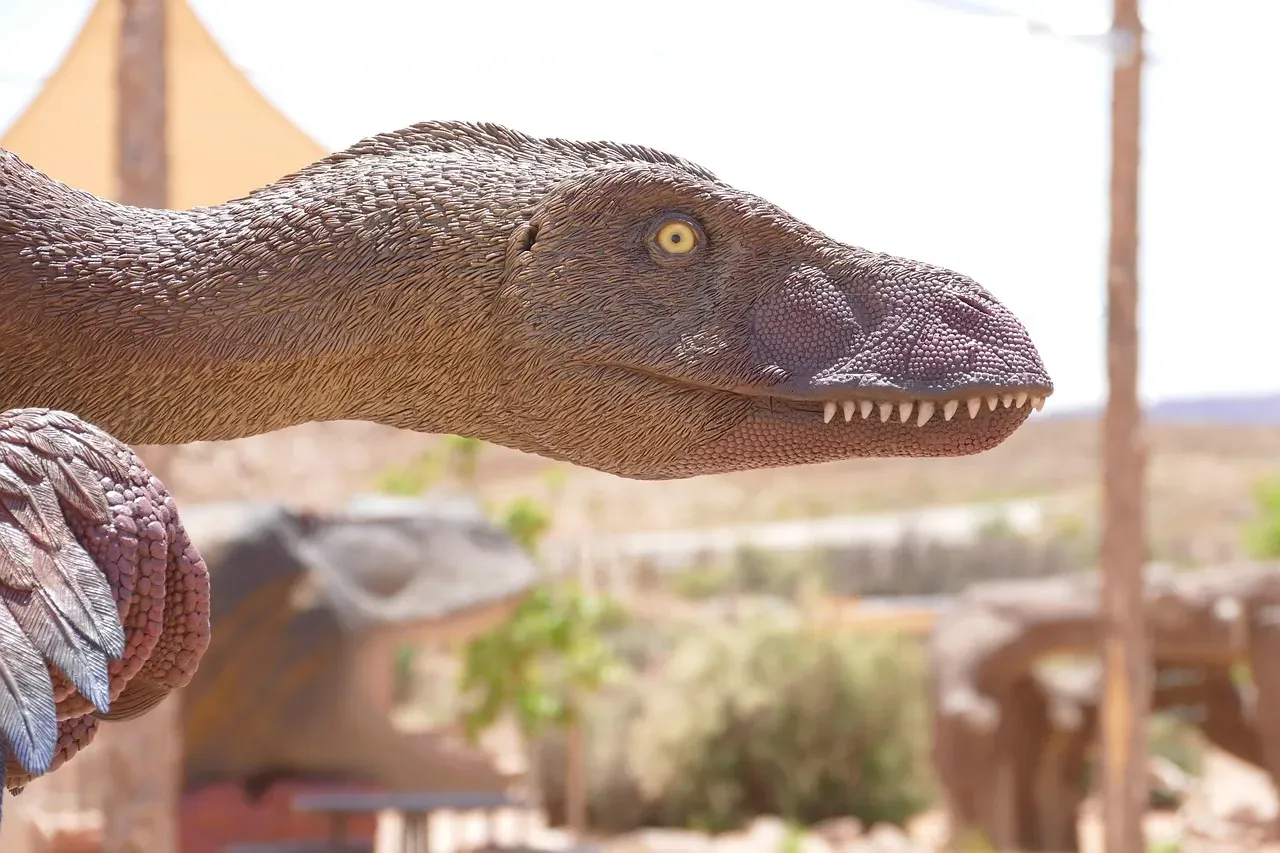
If INTJs were a dinosaur, they’d be the Velociraptor – sleek, calculated and not here to play games, at around 2 meters long and 20 kilograms, not the biggest predator but one of the most intelligent and ruthlessly efficient. This personality doesn’t need to be the loudest in the room to make an impact.
Intelligence becomes the ultimate weapon here. Strategy was instinctual for velociraptors as they not only ambushed prey but observed them and worked out clever ways to trap them, with real Velociraptors likely solitary or selective in collaboration. Sound familiar? These are the individuals who watch, calculate, and strike when the moment is precisely right.
People mirroring this predator type excel at pattern recognition and long-term planning. Raptor dinosaurs had sickle-shaped claws on their second toes, and were some of the most effective killing machines with incredible speed, agility, and intelligence. In modern contexts, this translates to professionals who outmaneuver competitors not through brute force but through strategic brilliance.
The Relentless Hunter of the Allosaurus Archetype
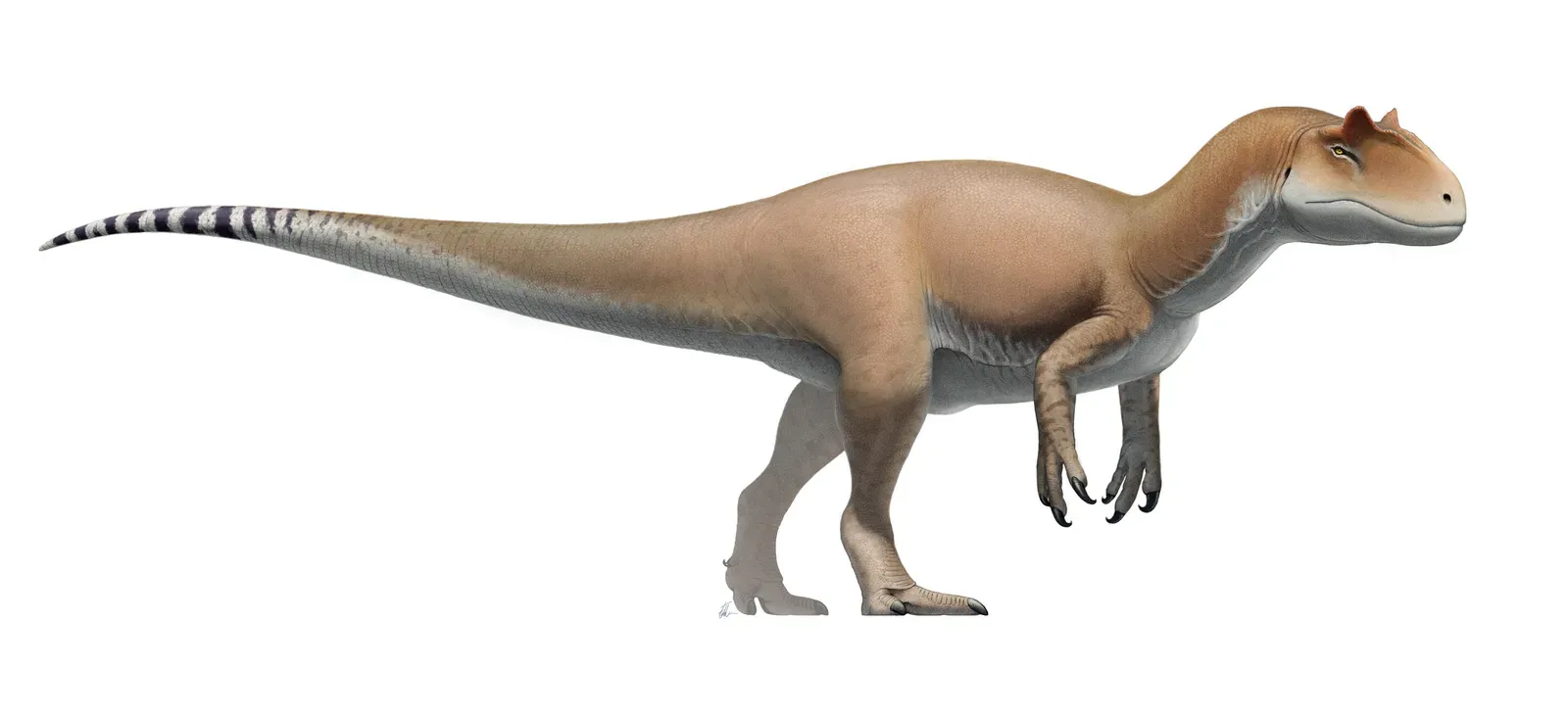
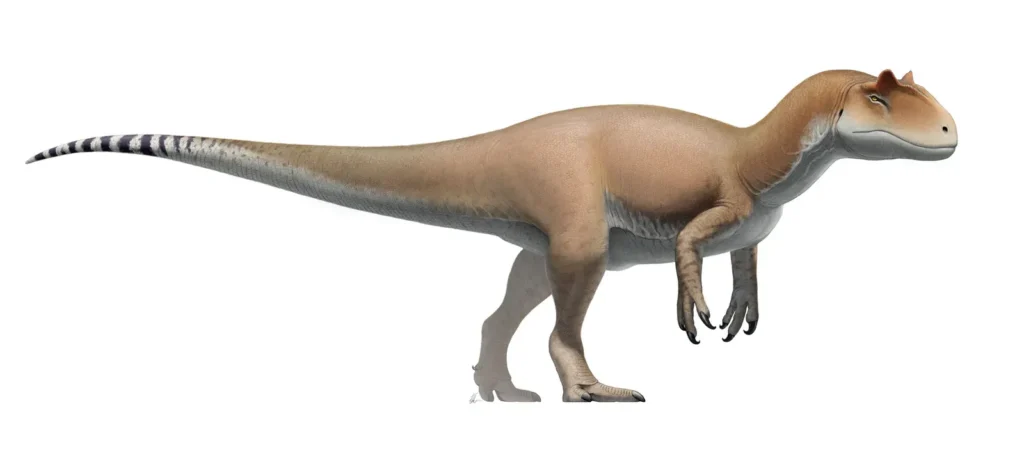
Here’s a personality type that doesn’t get enough recognition. Living around 150 million years ago, Allosaurus was the dominant predator of its time, striding through Jurassic North America like a boss, relying on calculation and planning rather than simple brute force. This describes people who succeed through methodical persistence.
Allosaurus thrived alone, not needing a pack to hunt, their personality suits the lone wolves of today who work best solo, taking charge and using razor-sharp claws and teeth to bring down prey. These individuals don’t wait for permission or validation from others. They see an opportunity and pursue it with singular focus.
What’s particularly interesting is their adaptability. The Allosaurus was not just a predator but also a survivor, and in changing climates they adapted, ensuring their survival. People embodying this archetype navigate life’s uncertainties with remarkable resilience, learning from each challenge and emerging stronger.
The Intelligent Opportunist of the Troodon Model
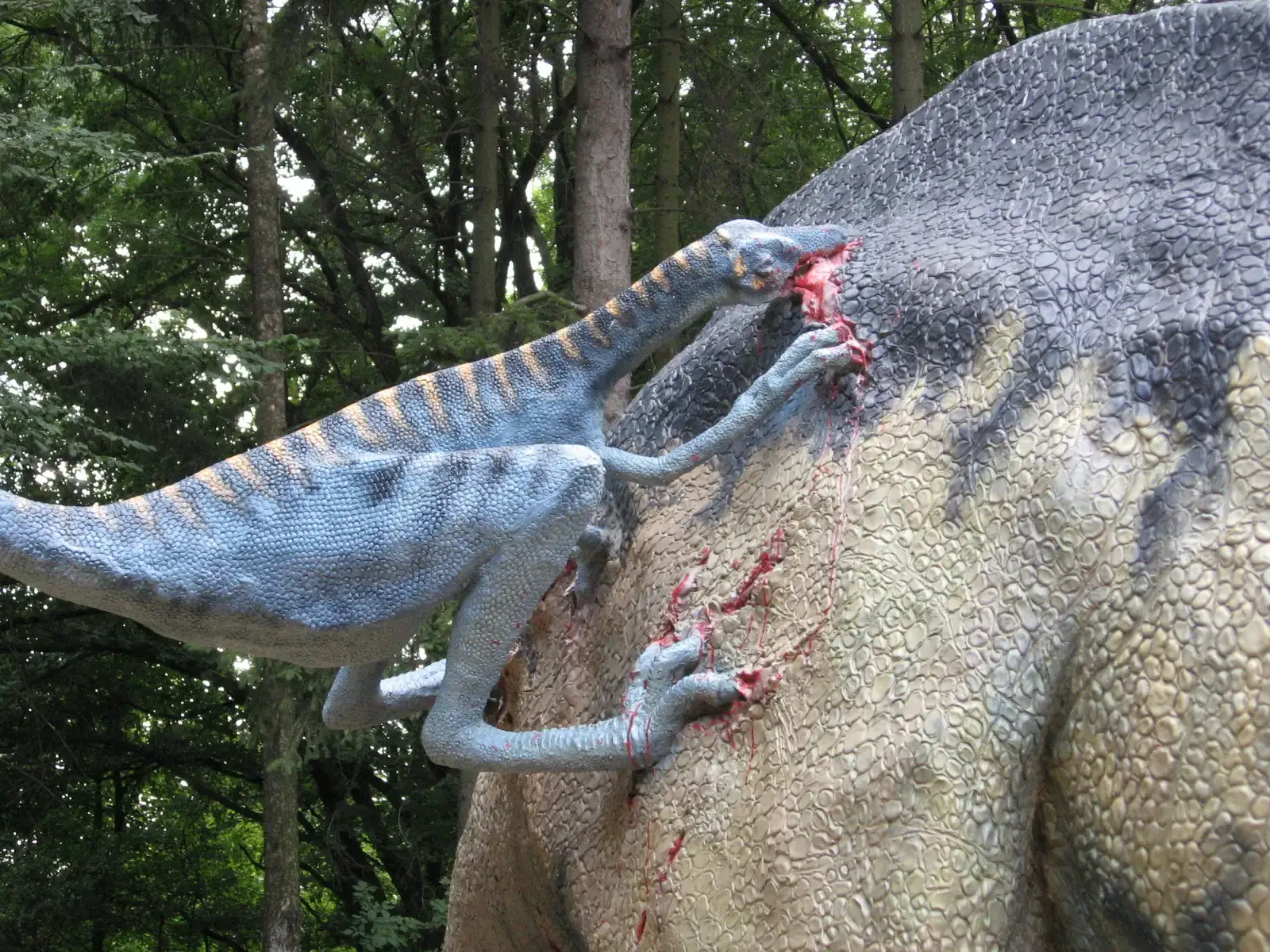
Often considered the Einstein of dinosaurs, Troodon had a relatively large brain for its body size, with excellent eyesight, stereo vision, and keen sense of hearing, with some paleontologists arguing it might have hunted in small groups. This mirrors individuals who leverage cognitive abilities over physical dominance.
The Troodon personality type represents those who succeed through awareness and adaptation. They’re the ones who notice subtle shifts in group dynamics, who pick up on nonverbal cues that others miss entirely. It’s hard to say for sure, but these might be the people who always seem one step ahead, not because they’re physically imposing but because they’re mentally agile.
Troodontids had some of the largest brains relative to body weight in the dinosaur world, with anatomy including stiff tails, grasping hands, and stereoscopic vision suggesting keen sensory abilities and possible social behavior. In human terms, this translates to exceptional emotional intelligence combined with analytical prowess.
The Coordinated Pack of the Deinonychus Dynamic
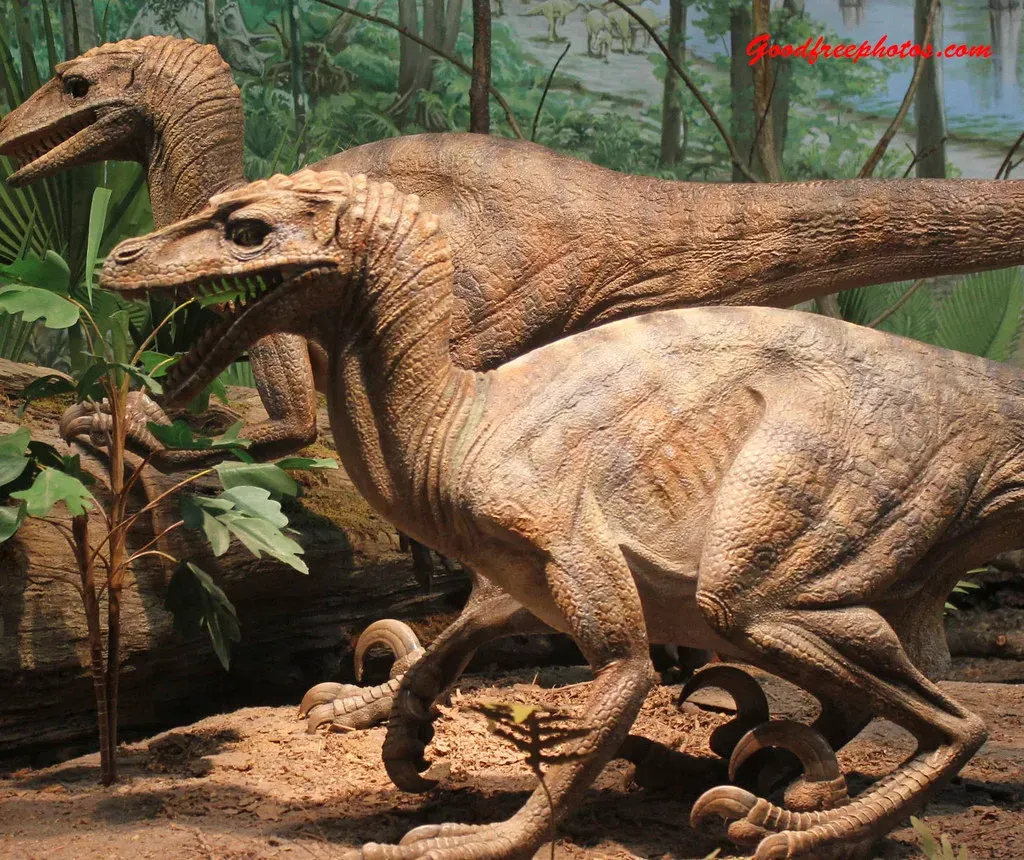
Deinonychus had a brain-to-body ratio similar to the modern ostrich, impressive for a predator from the Early Cretaceous period, agile, walked on two legs, and likely used pack hunting strategies. This personality type thrives in collaborative environments where coordination matters more than individual glory.
Think about the teams you’ve encountered that seem to operate with telepathic efficiency. Early interpretations suggested that dromaeosaurs hunted in coordinated packs to bring down much larger prey, though more recent research suggests possibly more disorganized mobbing behavior or solitary hunting. Even if the coordination was less formal, the principle remains: strength through strategic cooperation.
People with this personality understand that collective intelligence often surpasses individual brilliance. They excel at reading team dynamics, knowing when to lead, when to support, and when to synchronize efforts for maximum impact.
The Territorial Dominance of the Siats Personality
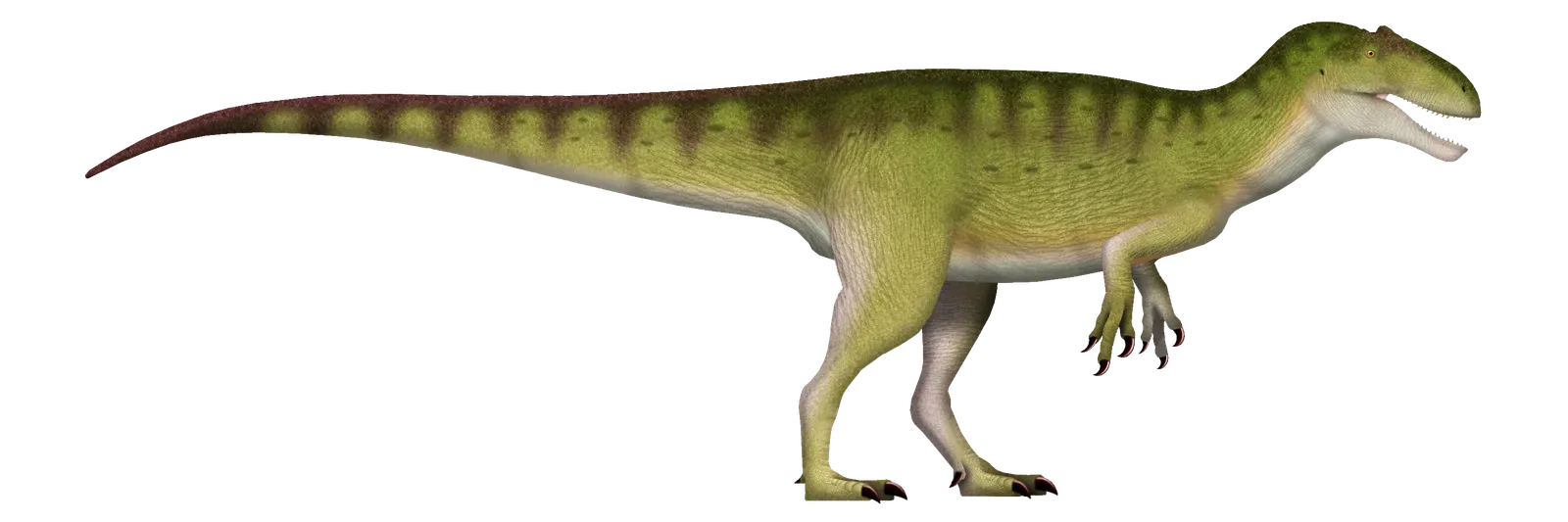
You probably haven’t heard of Siats meekerorum, but this predator deserves recognition. Zanno and her team estimate that Siats weighed more than 3,900 kilograms, and this dinosaur strolled western North America some 98 million years ago, with tyrannosaurs rising to power within the next 18 million years. This represents the personality that dominates through sheer presence and established authority.
These huge predatory allosaurs were the cap that kept tyrannosaurs from becoming dominant, and researchers aren’t yet sure what ecosystem change triggered their demotion. Similarly, certain individuals maintain control over their environments so effectively that emerging challengers simply can’t gain a foothold.
This personality type establishes boundaries and enforces them consistently. They create ecosystems around themselves where their rules govern, and others either adapt to that reality or find themselves excluded. It’s not always aggressive; sometimes it’s just quietly, utterly effective.
The Versatile Adaptability of the Spinosaurus Spirit
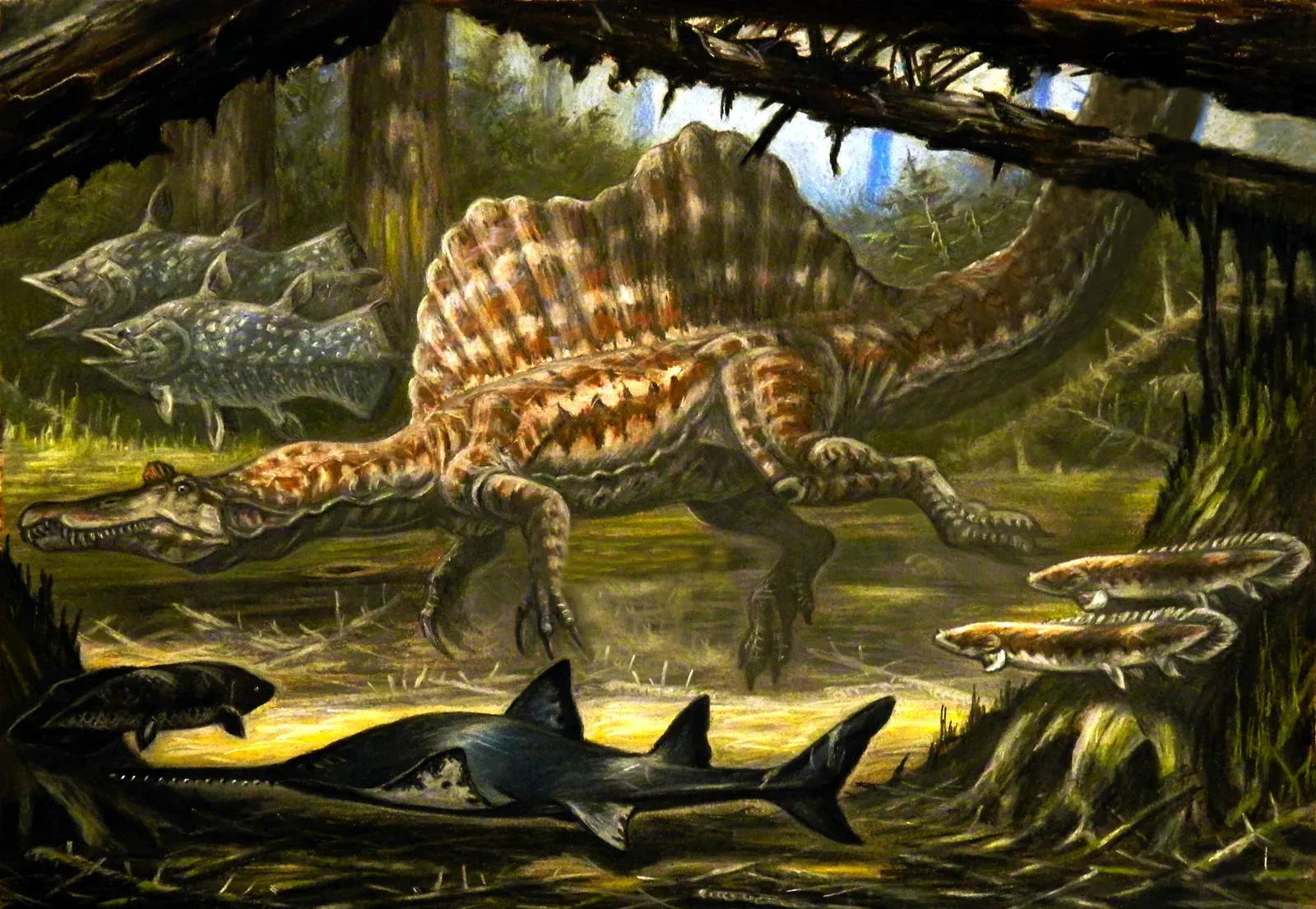
Since Spinosaurus was one of the first beasts to take a leap of faith and go for a swim, you’re more than likely up for any challenge life throws your way and adventurous, with trying new things sounding intriguing and leading to fascinating discoveries. This personality thrives on exploration and innovation.
What makes the Spinosaurus parallel so compelling is the willingness to break conventional patterns. Other large carnivores shaped the predatory landscape with diverse hunting methods, with Allosaurus growing up to 39 feet long and likely employing ambush tactics. But Spinosaurus went a different direction entirely, pursuing aquatic prey and developing specialized adaptations.
People embodying this archetype refuse to be boxed into traditional categories. They’re the entrepreneurs who pivot industries, the creatives who blend genres, the professionals who build careers that didn’t exist before they invented them. Their success comes from seeing opportunities in unexplored territories.
The Methodical Executor of the ESTJ Allosaurus Approach
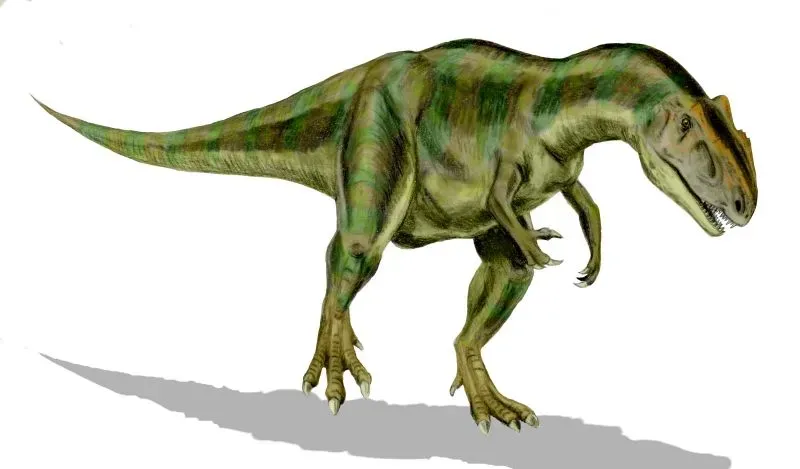
If ESTJs were a dinosaur, they’d be the fierce and intimidating Allosaurus, giant leaders of the dinosaur world that were confident, commanding, and effective, striding through Jurassic North America like a boss. This personality focuses on systems, structure, and measurable outcomes.
Fossil records suggest Allosaurs used ambush tactics and possibly coordinated attacks, with juveniles hunting differently than adults, adapting their strategy as they matured – that’s peak ESTJ energy. These individuals understand that different situations require different approaches, and they’re not afraid to adjust their methods while maintaining their ultimate objectives.
What distinguishes this type is their pragmatism. They don’t get caught up in theoretical possibilities or emotional considerations when making decisions. They assess the situation, determine the most efficient path forward, and execute with disciplined consistency.
The Ambitious Visionary of the ENTJ Tyrannosaurus Model
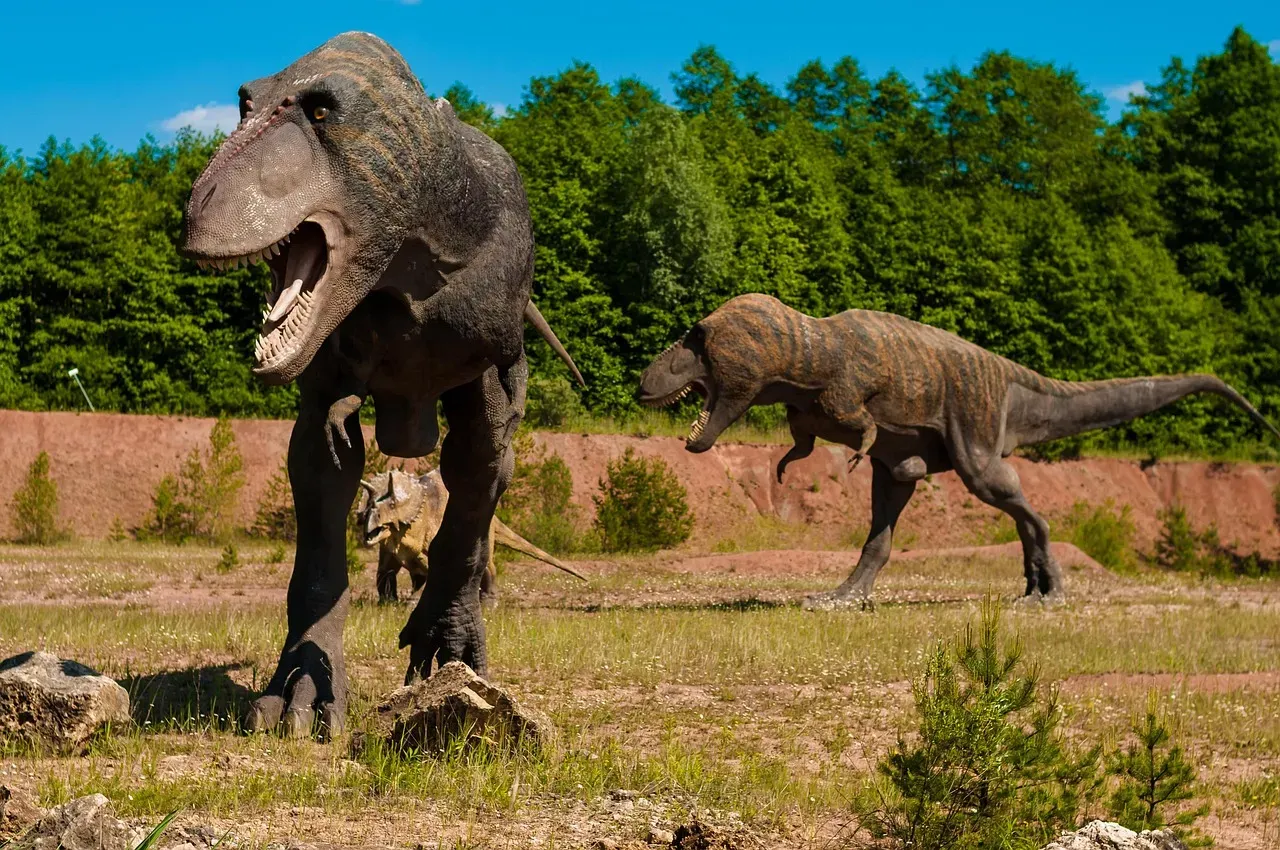
If ENTJs were a dinosaur, they’d be the Tyrannosaurus rex – bold, strategic, walking around like they own the Late Cretaceous, with an impressively developed brain for a dinosaur and razor-sharp instincts, long-range focus, and ability to outthink prey. This personality combines commanding presence with strategic intelligence.
The ENTJ-T. rex parallel captures something essential about leadership that transcends individual competence. Tyrannosaurus rex was a massive carnivore weighing 6 to 9 tons and reaching up to 43 feet long, with a bone-crushing bite capable of generating up to 7,800 pounds of force, and evidence suggests it was an opportunistic hunter. Similarly, people with this personality deploy overwhelming competence when necessary but also recognize when scavenging opportunities – networking, strategic partnerships, acquisitions – serve their purposes better.
They’re already planning ten moves ahead while others are still processing the current situation. This forward-thinking orientation, combined with the willingness to dominate when required, makes them formidable in any competitive environment.
The Enduring Survivor Across Extinction Events
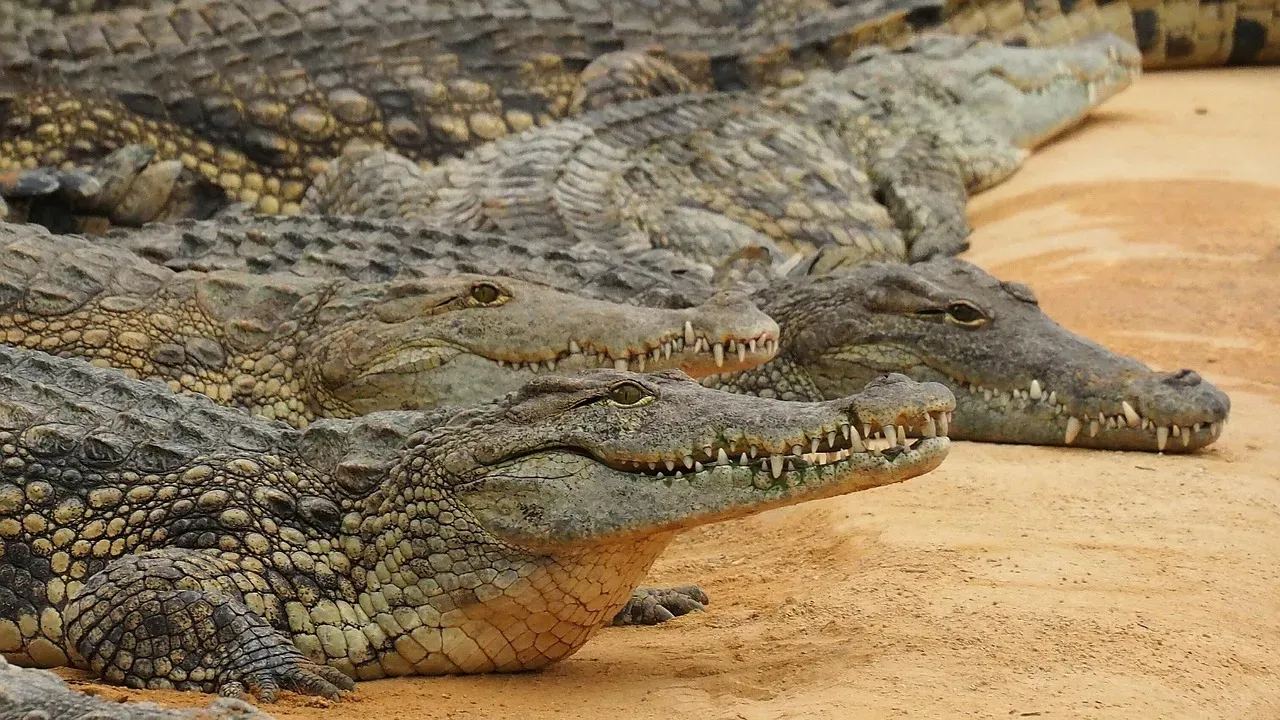
The immediate aftermath of the impact created conditions hostile to large predators, with some predatory lineages surviving in reduced form, including crocodylians and sharks, which possessed traits advantageous for surviving extinction like semi-aquatic lifestyles and ability to scavenge. This represents the personality type that endures when others collapse.
Certain individuals possess an almost uncanny ability to survive professional upheavals, economic crashes, and organizational restructurings that eliminate their peers. They’re not necessarily the most talented or the most connected, but they have something more valuable: adaptability and resilience.
The Mesozoic Era came to a dramatic conclusion with the Cretaceous-Paleogene extinction event approximately 66 million years ago, resulting in the extinction of non-avian dinosaurs and numerous other species. Yet some traits persist. The personalities that mirror these survivor species don’t just weather storms; they position themselves to thrive in whatever landscape emerges afterward.
Understanding the Evolutionary Psychology Behind the Parallels

Personality drives behavior, and it was recently shown to be a property that can be automatically measured, and as a mediator between genes and behavior, personality is more straightforward to translate between species. This scientific foundation validates what we intuitively recognize about behavioral patterns across vastly different organisms.
Every individual has an idiosyncratic way of feeling, thinking and behaving which is relatively stable across time and situations, recognized in many species including arthropods, fish, avian or mammals, with personality differences manifest in distinctive forms of dealing with selective pressures. The strategies that worked for Mesozoic predators work for modern humans because fundamentally similar challenges exist: resource competition, social hierarchy, environmental uncertainty.
What we’re recognizing when we see T. rex energy in a CEO or Velociraptor intelligence in a chess champion isn’t just metaphor. These are proven survival strategies that evolution has selected for across millions of years. The apex predators of the Mesozoic succeeded because their personality types – their consistent behavioral patterns – matched their ecological niches. The same principle applies to humans navigating modern social and professional ecosystems.
Understanding which predator archetype you most closely mirror isn’t about limiting yourself to a single identity. Rather, it’s about recognizing your natural strengths, the strategies that feel instinctive to you, and the environments where you’re most likely to thrive. Just as the Mesozoic featured diverse apex predators each dominating their particular niche, modern society benefits from the full spectrum of these personality types. The strategic thinker, the commanding leader, the adaptable innovator, the persistent survivor – each plays an essential role in the complex ecosystem of human civilization.