
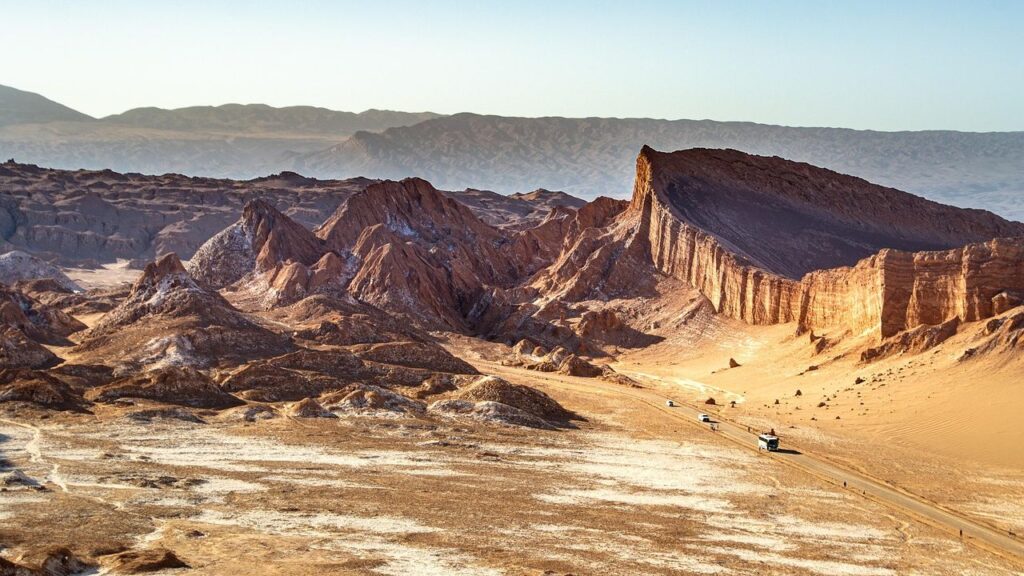
Think about the arid deserts and rugged mountain ranges of Wyoming, Utah, or Colorado. Dusty plains, bone-dry canyons, and sagebrush as far as you can see. Hard to believe, right? Yet the rocks beneath your feet tell a radically different story – one of steamy swamps teeming with crocodiles, forests draped in palm fronds, and lakes brimming with strange fish. The fossils locked inside those ancient layers don’t just hint at a warmer past. They scream it.
You might wonder how scientists piece together such a vivid picture from fragments of bone and fossilized leaves. It’s not magic. It’s meticulous detective work, and the evidence is overwhelming. Let’s dive in.
Ancient Lakes That Preserved an Entire World
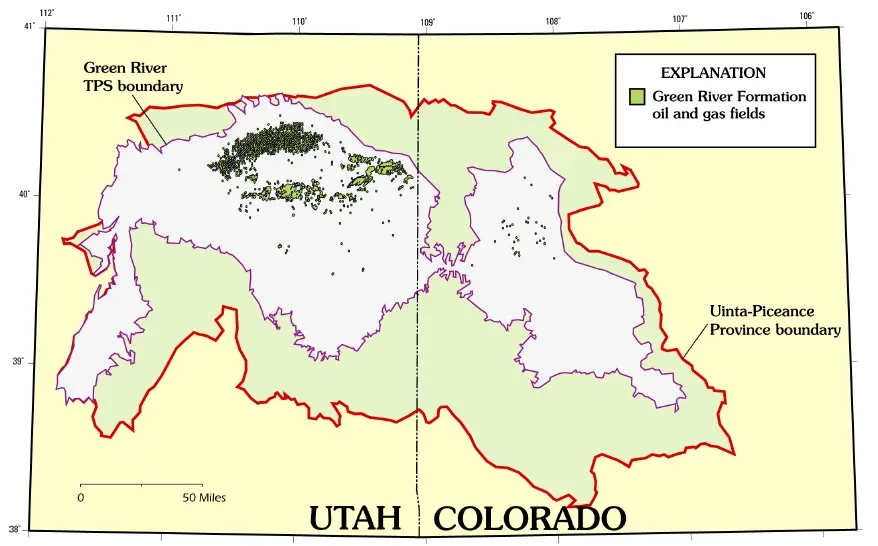
Roughly fifty million years ago, the Green River Formation recorded sedimentation in a group of intermountain lakes across present-day Colorado, Wyoming, and Utah, creating a continuous record spanning six million years. Imagine that – six million years of history locked in layered stone.
Plant fossils found at this site indicate a moist temperate or subtropical climate, with temperatures ranging from fifteen to twenty degrees Celsius, while fossilized crocodiles provide additional evidence of subtropical conditions. Crocodiles can’t survive freezing temperatures, making them perfect climate markers. Where you find fossil crocs, you know it was warm year-round.
Palm Trees in Wyoming Weren’t Science Fiction
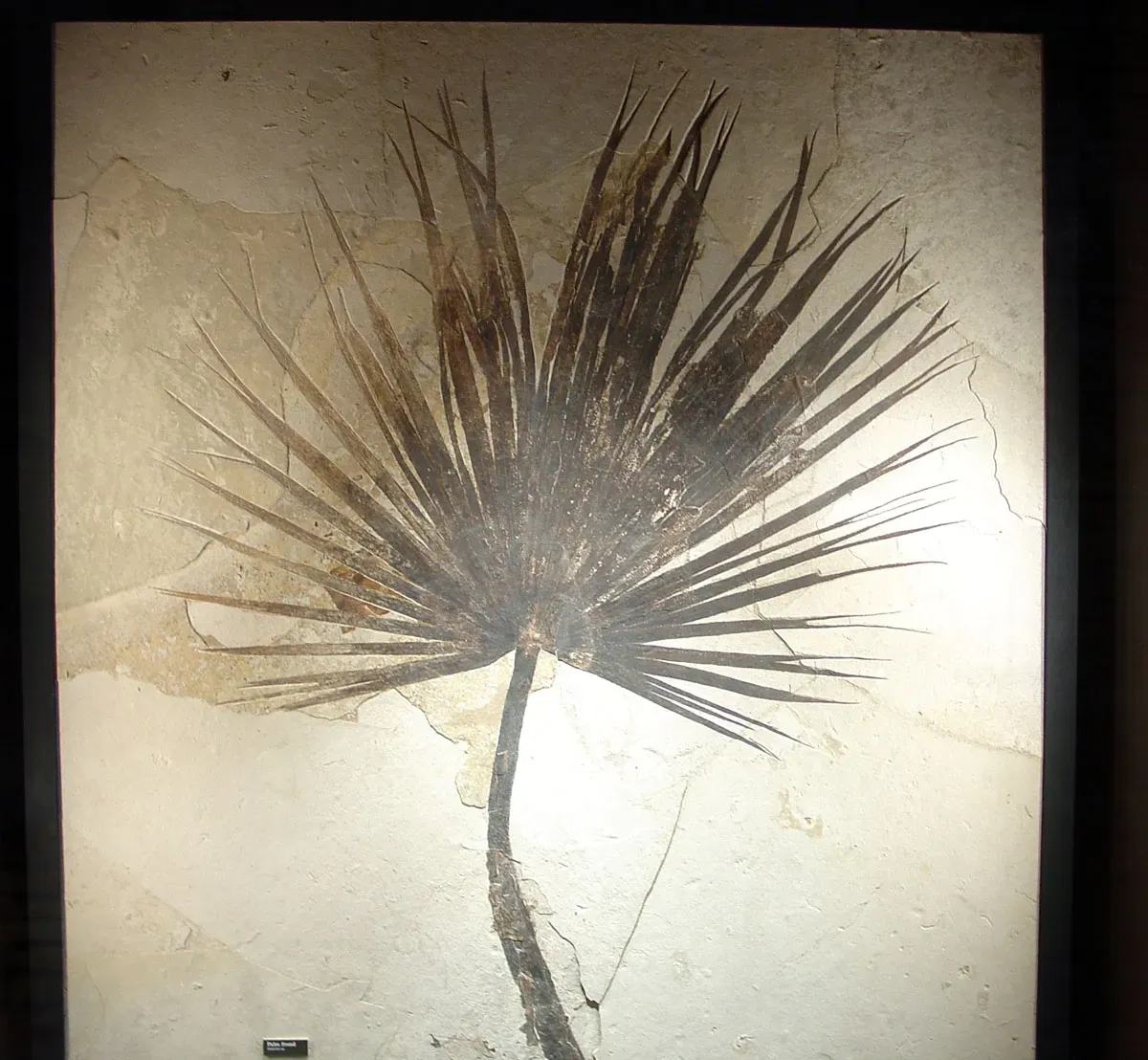
During the late Cretaceous through the Eocene epoch, Wyoming was home to palm trees and crocodiles, and so was the Arctic. Yes, you read that correctly. Palm trees in Wyoming – and even farther north. Fossils of subtropical and tropical trees and plants from the Eocene have been found in Greenland and Alaska, with tropical rainforests growing as far north as northern North America and Europe.
It sounds impossible until you realize Earth’s climate was fundamentally different back then. No polar ice caps existed for millions of years. The temperature difference between the poles and the equator was roughly half of what we experience today. You could travel from the tropics to the Arctic Circle and barely notice a chill.
When the West Was a Swampy Jungle, Not a Desert
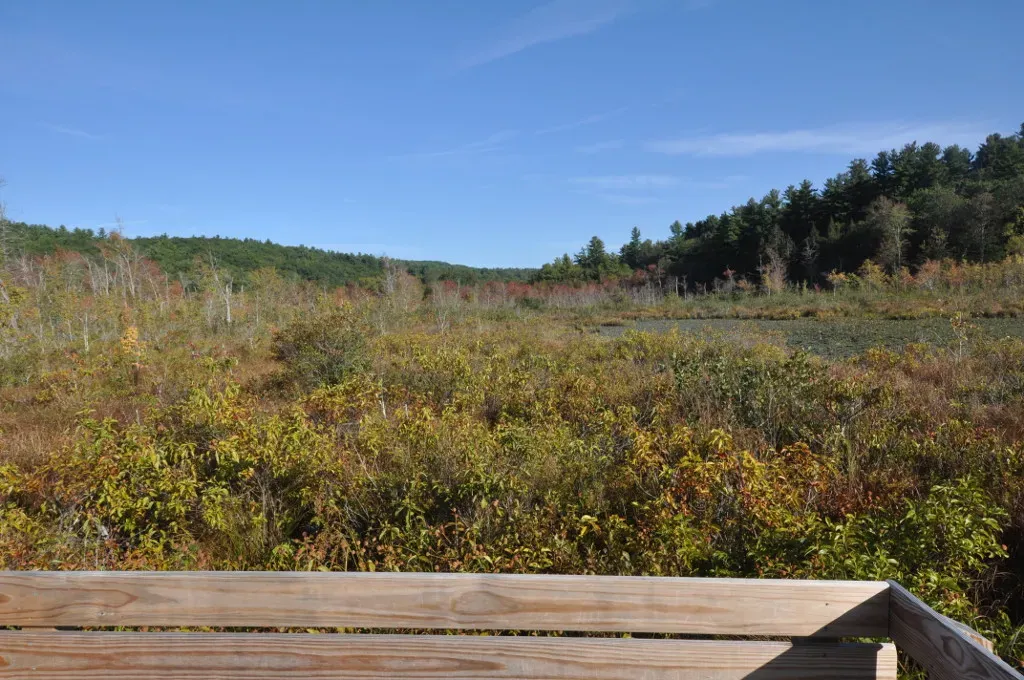
Flash forward – or rather, backward – to the late Cretaceous. The American West had a warm temperate, seasonal climate with flowering plants, conifers, palm trees, and ferns in swamps, and high diversity of angiosperm trees and shrubs in forests. Picture it: thick vegetation choking riverbanks, humidity hanging heavy in the air, and dinosaurs lumbering through the underbrush.
While most of Texas was covered by a shallow sea, the Dallas-Fort Worth area was part of a large peninsula that jutted out from the northeast, a lush environment of river deltas and swamps teeming with wildlife including dinosaurs, crocodiles, turtles, mammals, amphibians, fish, invertebrates, and plants. It was basically prehistoric Florida, sprawling across half the continent.
Fish, Insects, and the Preservation Miracle
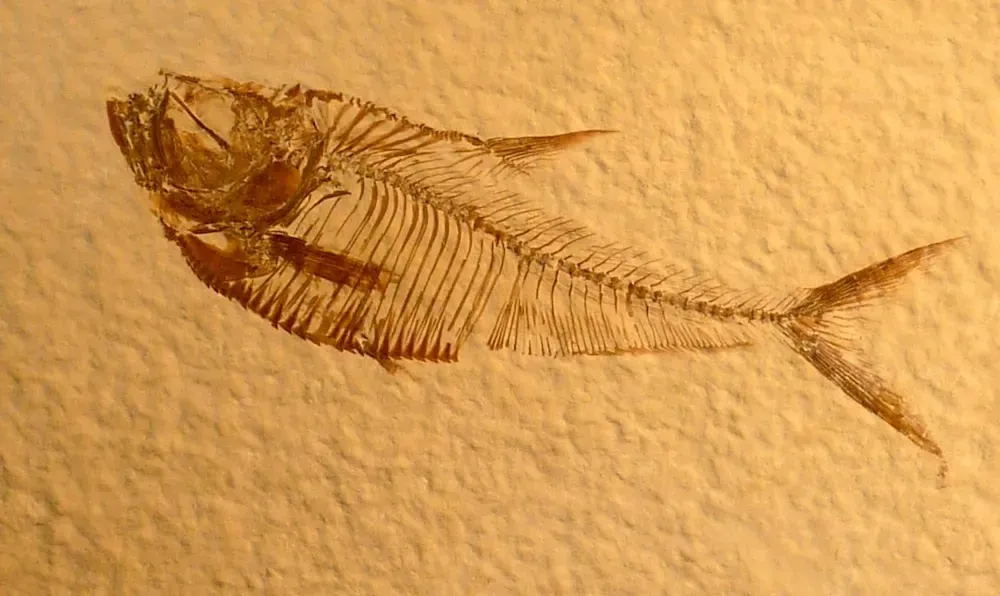
Let’s be real – fossils are rare. Most organisms decay and disappear without a trace. Yet the Green River Formation defies that trend spectacularly. The Lagerstätten formed in anoxic conditions in fine carbonate muds in lakebeds, where lack of oxygen slowed bacterial decomposition and kept scavengers away, preserving leaves of palms, ferns, and sycamores.
The limestone matrix is so fine-grained that fossils include rare soft parts of complete insects and fallen leaves in spectacular detail, with insects preserved whole, including delicate wing membranes and spider spinnerets. That’s extraordinary. We’re talking about fifty-million-year-old dragonfly wings you can still see today. Think about that next time you swat one away.
Crocodiles Everywhere You Look
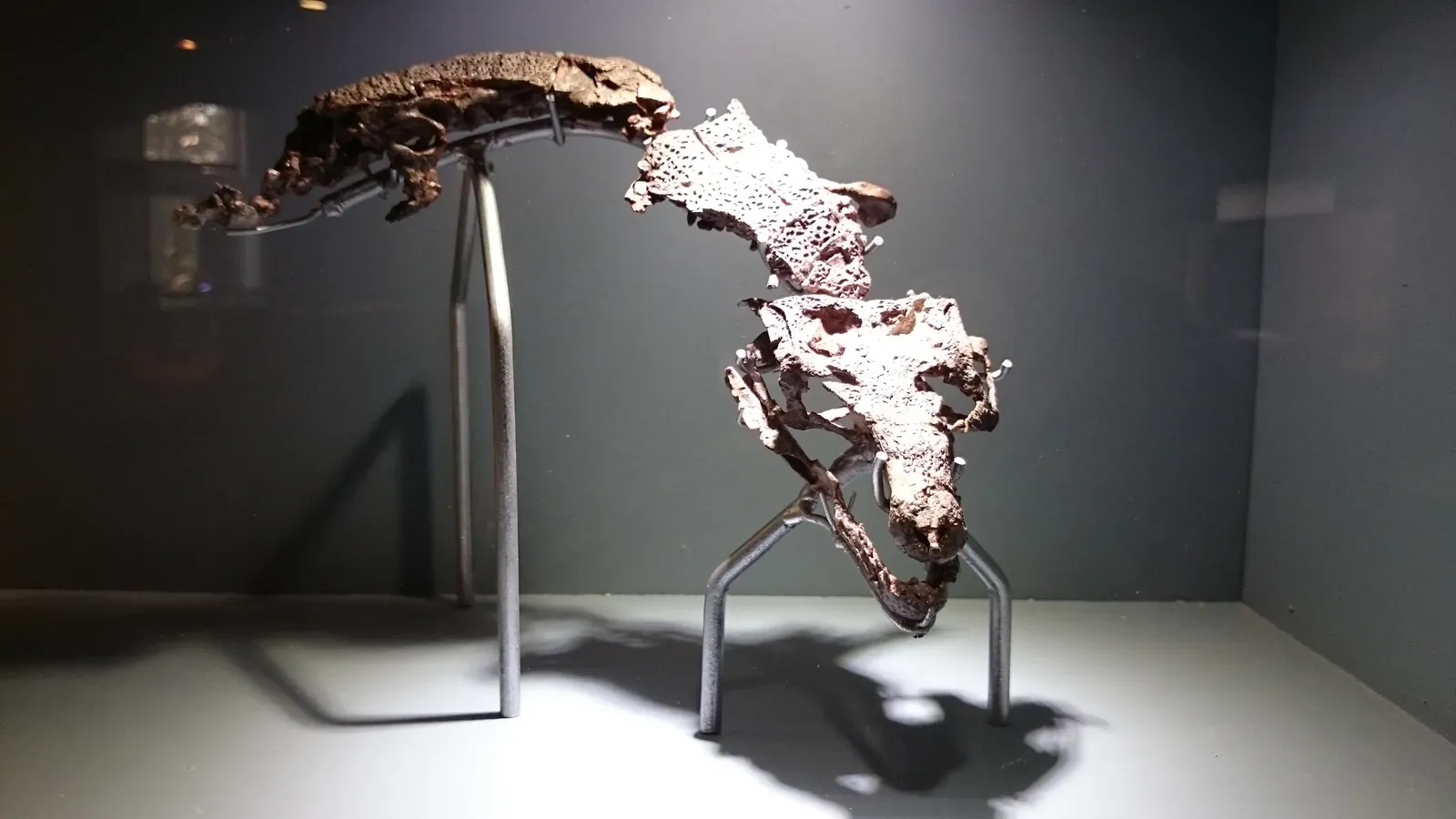
Crocodiles are a recurring character in this ancient drama. Fossilized crocodiles at the Green River site indicate subtropical climate because crocodiles can only survive in areas with constant, warm temperatures. Simple as that. No frost, no freeze, no problem.
The presence of crocodilians along with palm trees in the Hell Creek Formation suggests a subtropical and temperate climate with no prolonged freeze. Whether you’re examining rocks from Montana, Wyoming, or Texas, the message is the same: this place was warm and wet, a paradise for cold-blooded reptiles.
Rainforests Right After the Dinosaurs Died
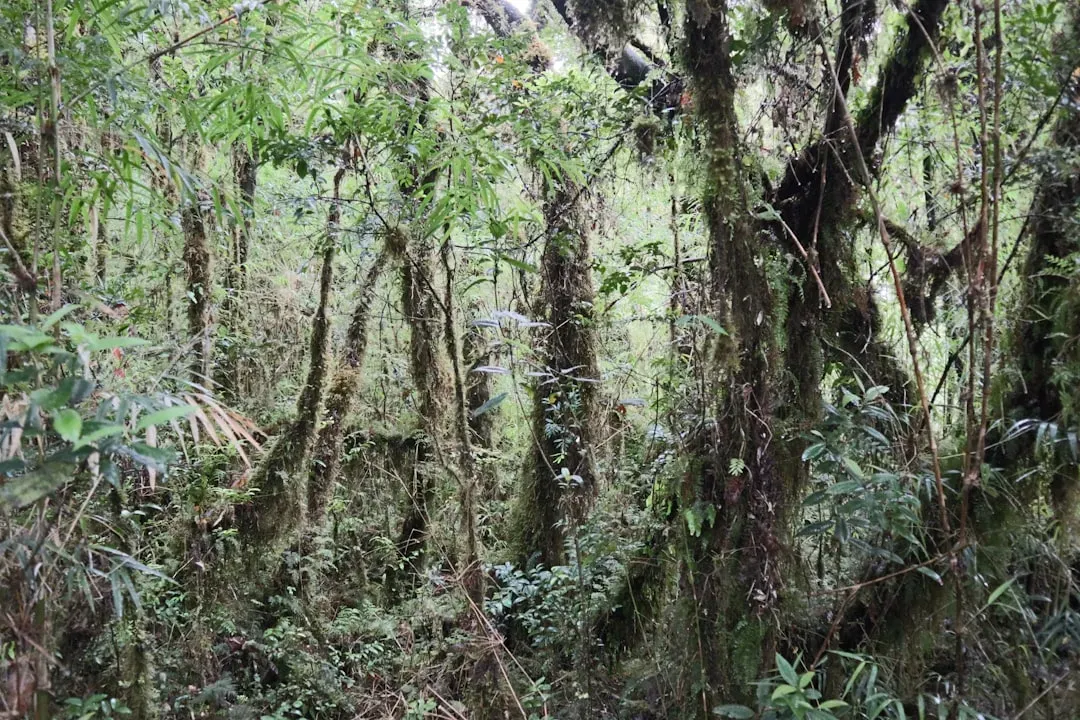
Here’s something that blows my mind. Near Golden, Colorado, at Castle Rock on the margin of the Denver Basin, there’s a very high-diversity assemblage of fossil leaves representing the oldest known tropical rainforest, existing just 1.4 million years after the end-Cretaceous extinction.
Think about the timing. The dinosaurs were wiped out by a catastrophic asteroid impact. The world burned. Yet within a geological blink – barely over a million years – tropical rainforests were thriving in what’s now Colorado. Life doesn’t just bounce back. It explodes.
What Changed? How Did Paradise Become Desert?
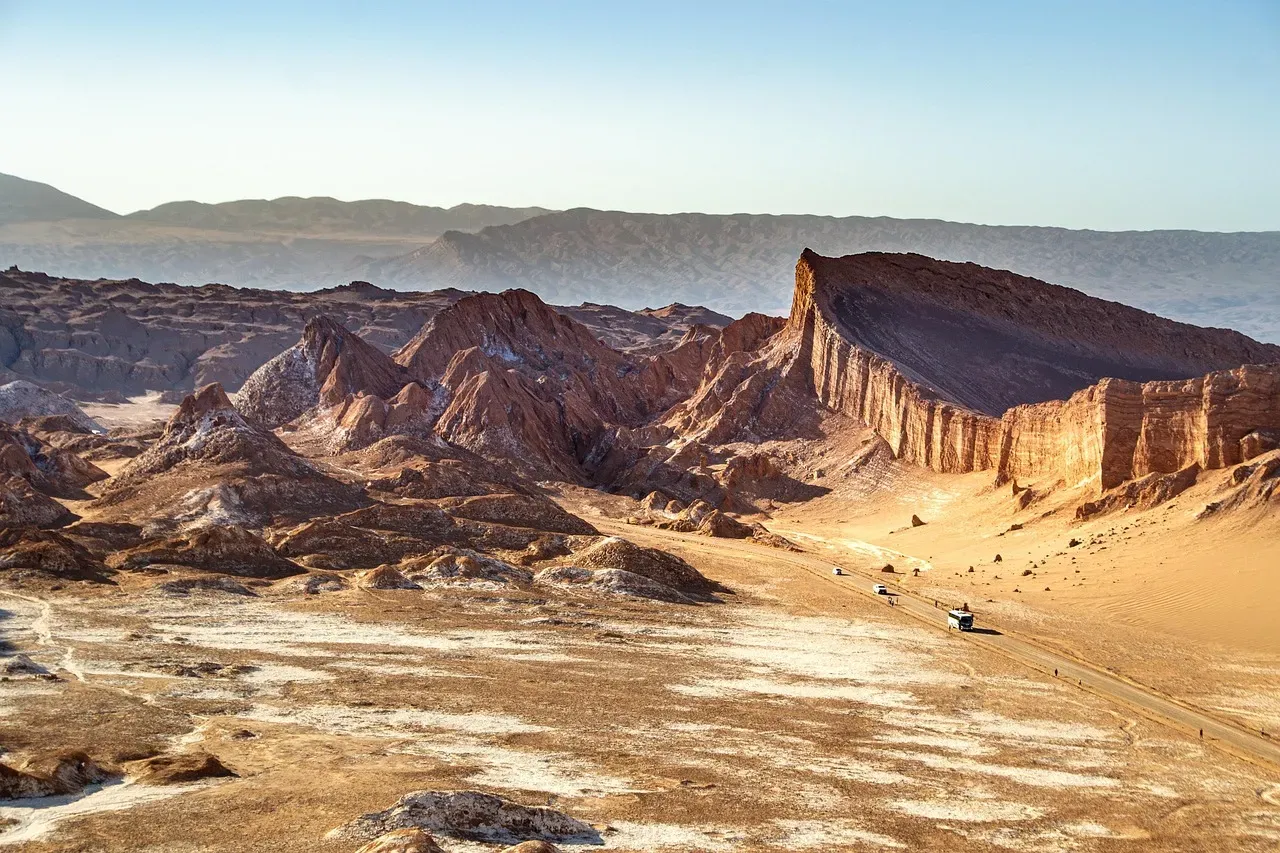
So what happened? Why isn’t Wyoming still a swampy jungle? The answer involves plate tectonics, changing ocean currents, and atmospheric shifts. The formation of intermontane basin and lake environments during the Eocene resulted from mountain building and uplift of the Rocky Mountains, with tectonic highlands supplying sediment from all directions.
As mountains rose, they blocked moisture. Ocean circulation patterns changed. Carbon dioxide levels in the atmosphere slowly declined over tens of millions of years. Gradually, the greenhouse world cooled. Ice returned to the poles. Temperate zones shifted southward. And the American West dried out, transforming into the arid landscape we recognize today.
Lessons From a Warmer World
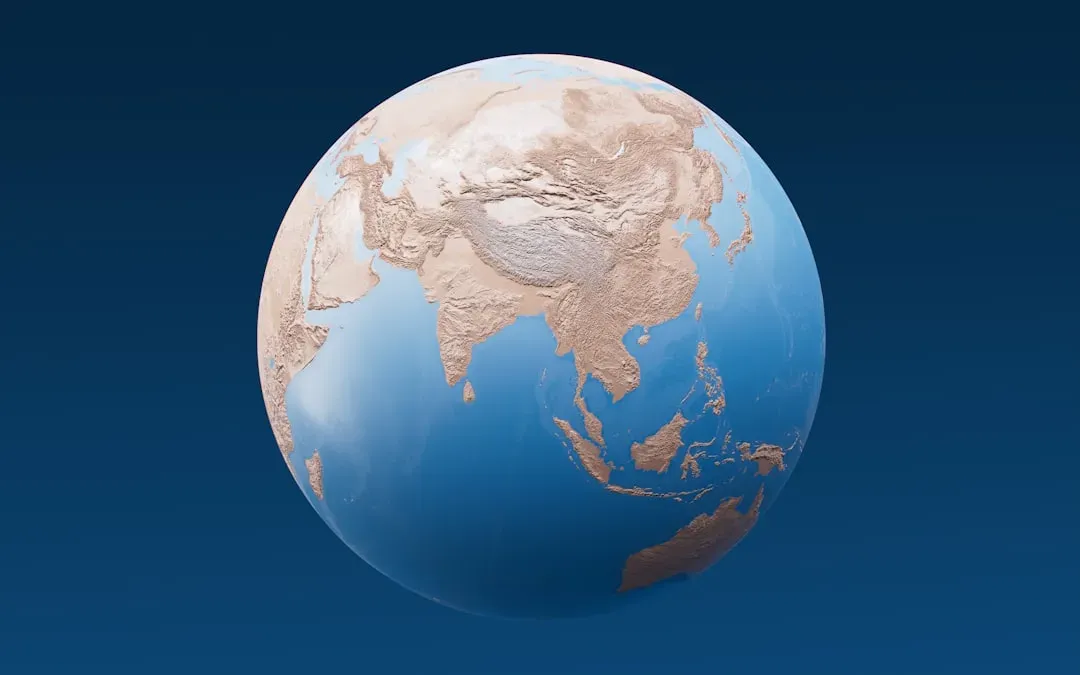
Why does any of this matter? Because the fossil record of the American West offers a window into what a much warmer Earth looks like. Fifty-six million years ago, as Earth’s climate warmed by five to eight degrees Celsius, new land mammals evolved, tropical forests expanded, giant insects and reptiles appeared, and the chemistry of the ocean changed.
We’re living through rapid climate change right now. Understanding how ecosystems responded in the deep past – when palm trees grew in Wyoming and crocodiles basked in Arctic rivers – might just help us predict what’s coming next. The fossils don’t lie. They never have.
What do you think? Does imagining a tropical American West change how you see the landscape around you? It should. The rocks remember everything.