
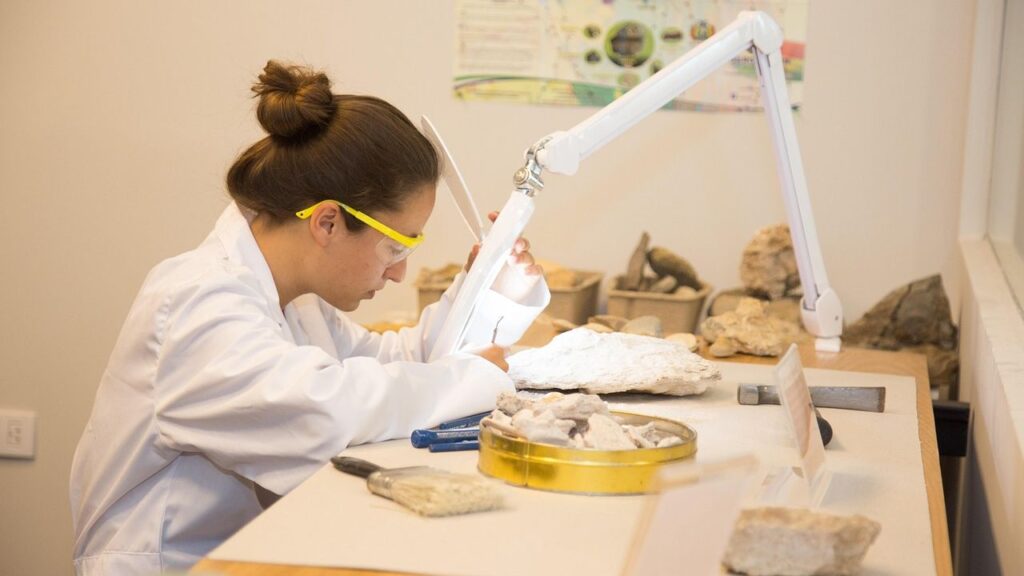
Picture holding a fragment of bone that’s millions of years old. You can see it, touch it, maybe even smell the mineral scent clinging to its surface. Yet what you’re really gripping is a puzzle piece from a world you’ll never witness firsthand. How do scientists take scattered remnants like this and build a vivid picture of ecosystems that vanished long before humans walked the Earth? It’s a question that captivates both researchers and curious minds alike. The truth is, reconstructing ancient ecosystems isn’t about guesswork or wild speculation. It’s about piecing together forensic evidence from the distant past using cutting-edge technology, chemistry, and good old detective work. Let’s dive in.
Reading the Rocks: Sediment as Nature’s Archive
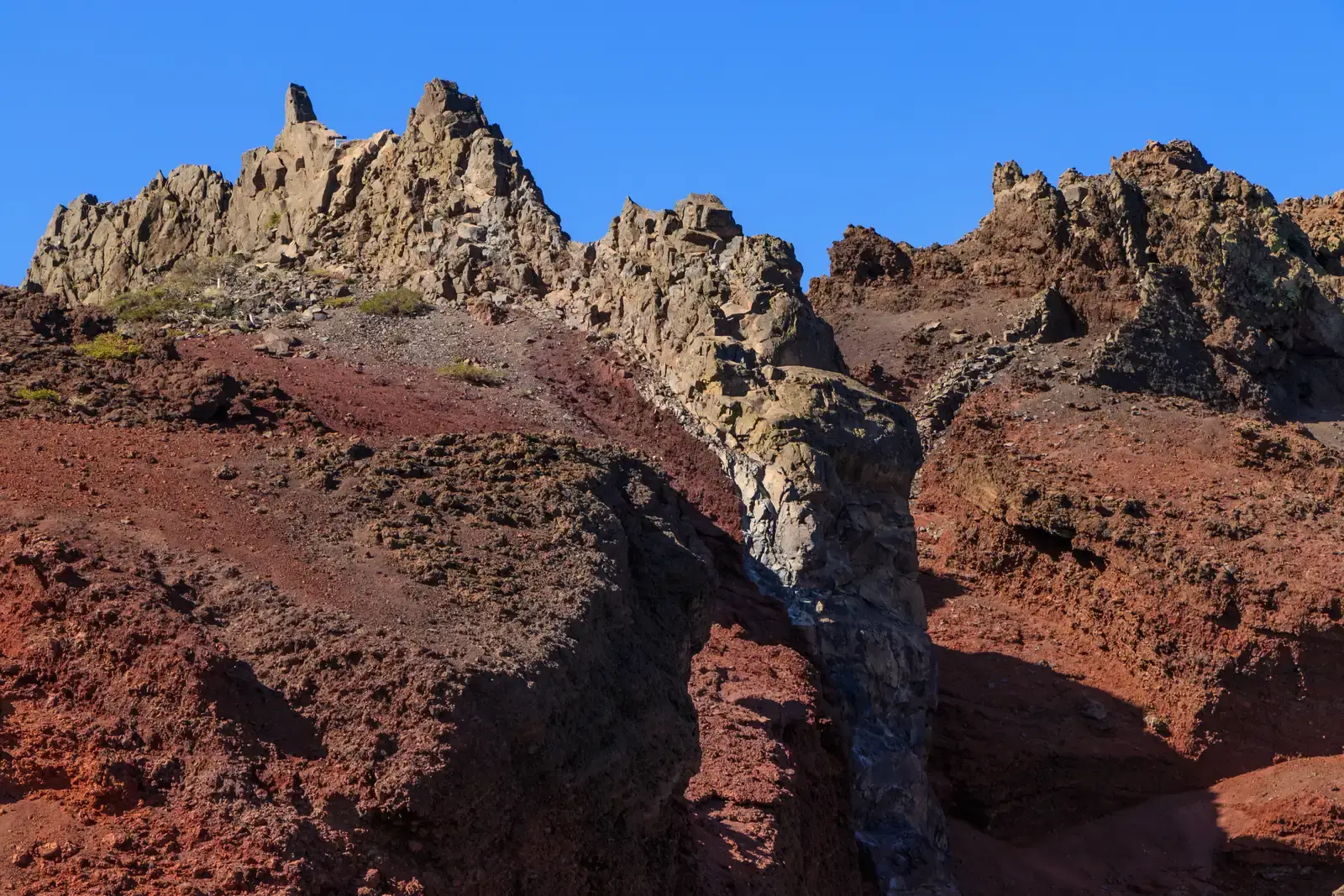
When paleontologists venture further back in time, proxies like sediment type, sediment features, and taphonomic processes play a larger role in reconstructing the paleoenvironment, with each piece of information helping to develop a more complete picture of the past environment. The rocks themselves hold secrets. Were ancient creatures living in shallow tropical seas or marshy swamps? Did they roam open grasslands or hide beneath dense canopies?
Rock type and composition indicate depositional environment, while grain size and sorting reveal energy levels in ancient environments. Think of it like reading a recipe written in stone. The ingredients tell the story. Honestly, the layers of sediment become pages in Earth’s autobiography, preserving not just the bones but the entire stage where ancient life played out.
The Fossil Lottery: What Gets Preserved and Why
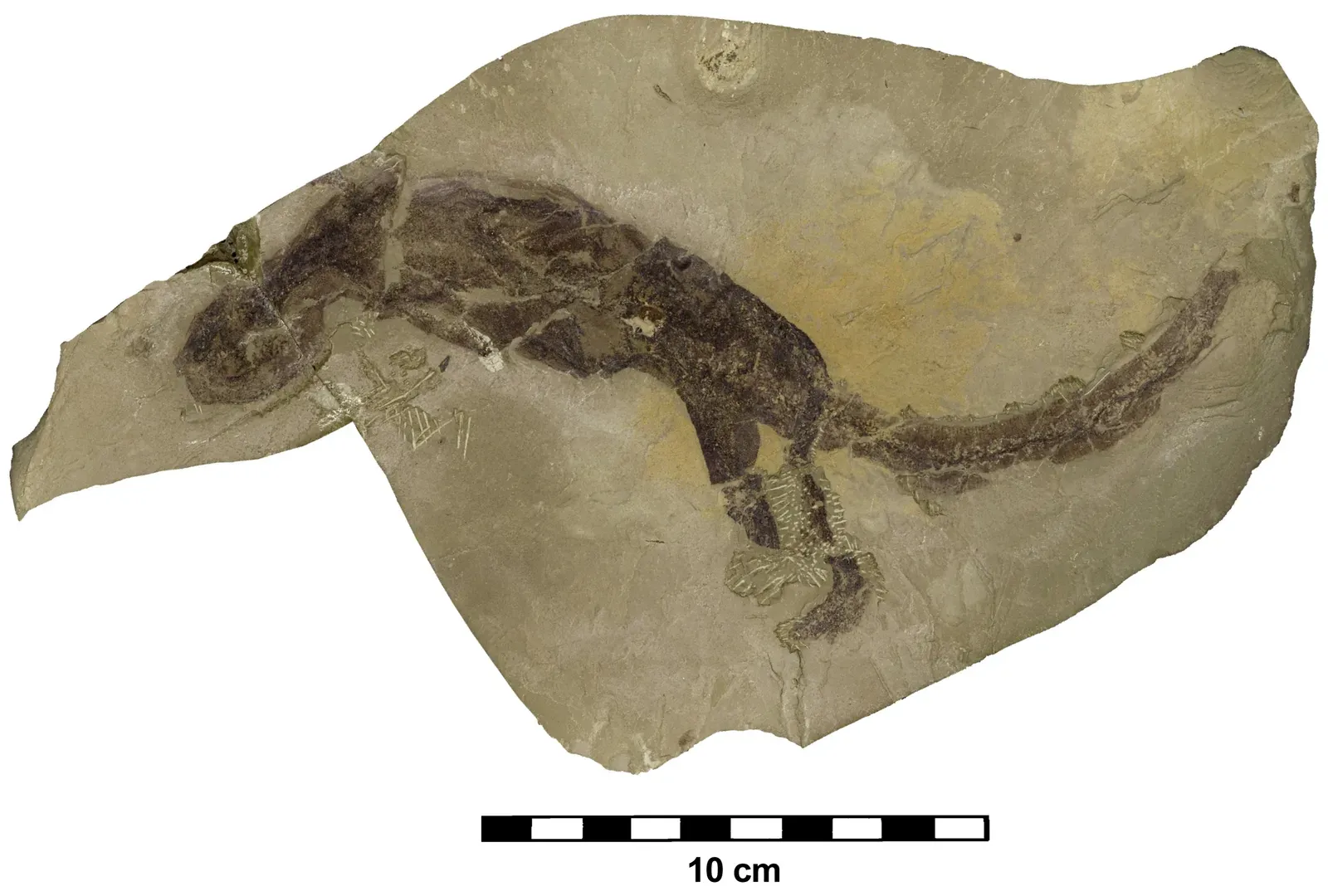
Here’s the thing about fossils: they’re incredibly rare. It is generally accepted that the fossil record is vastly incomplete. Most creatures that ever lived left no trace at all. You might be surprised to learn that marine environments favor fossil preservation because rapid burial by sediments is possible, while less favorable environments include rocky mountaintops where carcasses decay quickly or few sediments are being deposited.
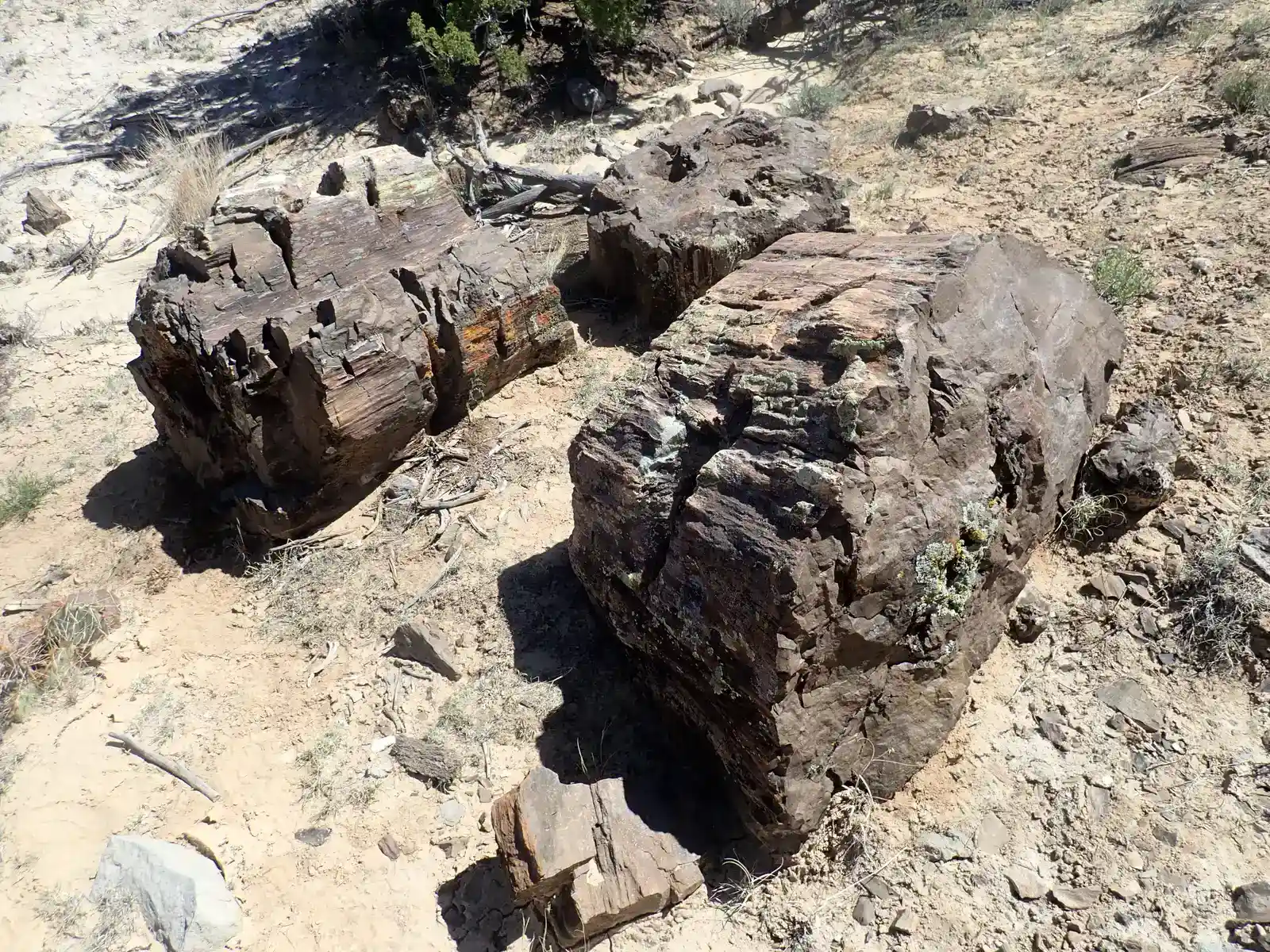
So what does survive? Shells, teeth, bones – the hard stuff. The most common method of fossilization is petrification through permineralization, where mineral-rich fluids moving through porous rock material fill shells, bones, or teeth with preserving minerals, eventually replacing the organic material entirely. Still, soft tissues occasionally make cameo appearances under exceptional conditions, offering rare glimpses into anatomy that hard parts alone could never reveal.
Chemical Time Capsules: Isotopes Tell Ancient Stories
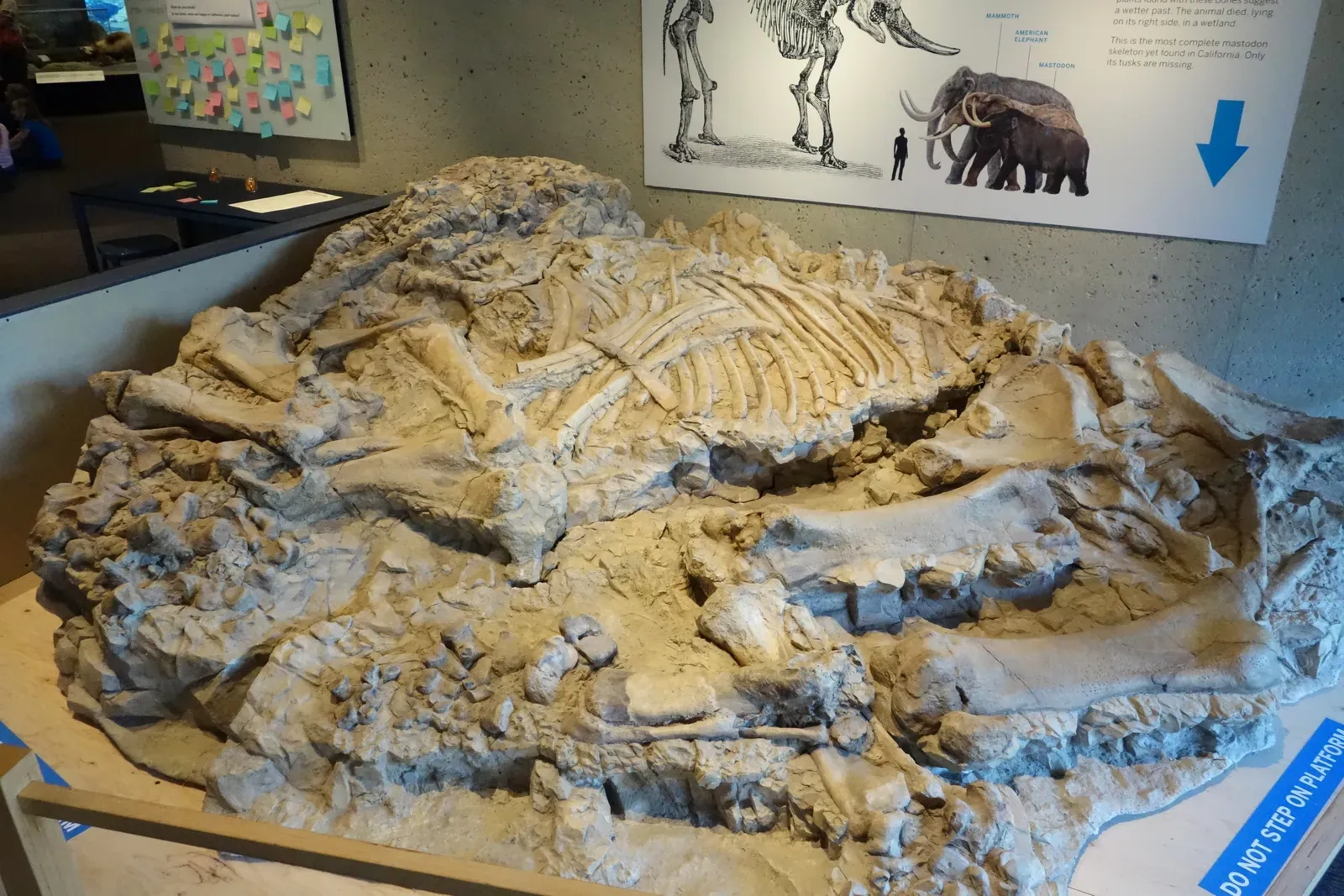
This is where it gets really fascinating. Researchers have uncovered thousands of preserved metabolic molecules inside fossilized bones millions of years old, offering a surprising new window into prehistoric life, and this approach could transform how scientists . Picture being able to determine what a squirrel ate three million years ago. Not just broadly, but specifically.
When an animal consumes plants with different carbon isotope values, the animal maintains a similar ratio in their tissues such as bone and tooth enamel, meaning scientists can reasonably determine what types of plants the animal ate and gain additional information about environment, distinguishing whether the community lived in a forest with a dense canopy or an open grassland. Oxygen isotopes reveal temperature and water sources. Nitrogen isotopes expose trophic levels and food webs. It’s like chemistry class meets time travel.
Building Food Webs from the Fossil Record
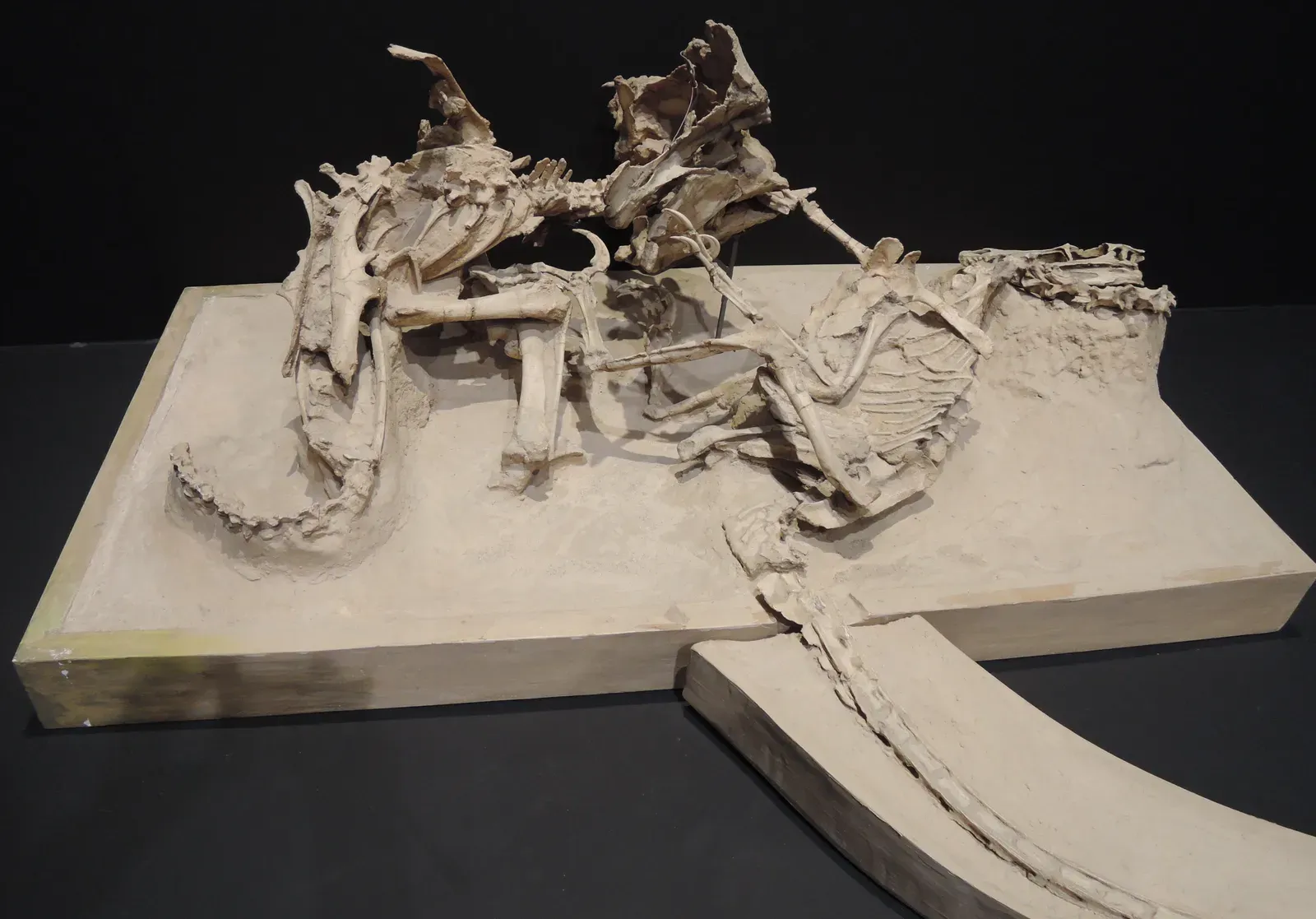
Reconstructing who ate whom millions of years ago sounds impossible, right? Yet paleontologists use the fossil record to reconstruct ancient food webs, though this is a challenging undertaking given that the fossil record is full of holes that encompass vast stretches of time and many types of organisms that have disappeared without a trace. The gaps create biases, naturally.
Still, researchers press on. The fossil record, though patchy, is capable of preserving information about the functional diversity of past ecosystems, with scientists grouping organisms together based on the types of functions they perform and adding the ways in which they interact on top. Every reconstructed food web adds another layer to our understanding. Some ancient ecosystems operated surprisingly similarly to modern ones, while others followed rules we’re still trying to decode.
Technology Meets Deep Time: Scanning the Invisible
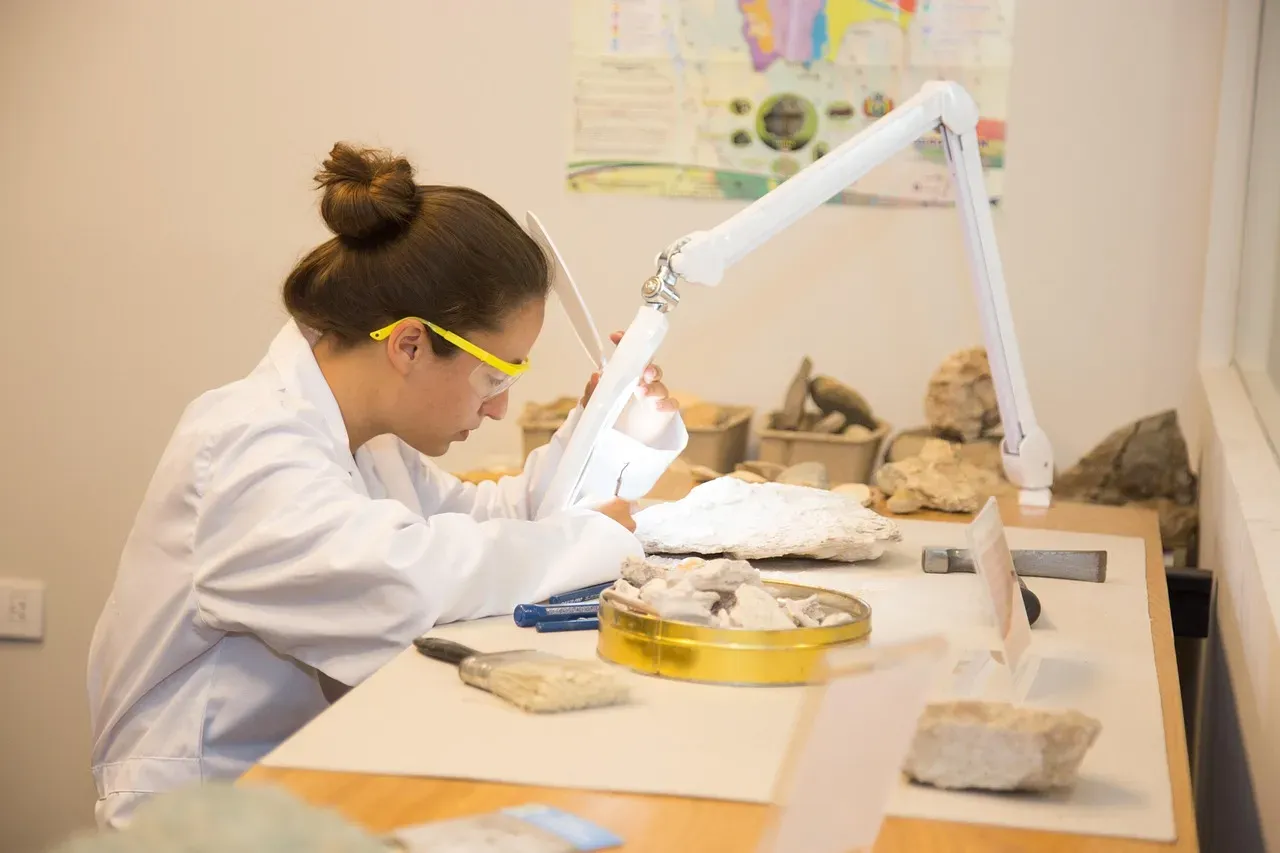
Let’s be real: modern paleontology looks nothing like dusty scholars hunched over bones with brushes. Computed tomography is a very powerful non-destructive technique that provides detailed 3D images of the exterior and interior of an object, enabling the reconstruction of preserved structures such as soft tissue from fossils. Scientists can now peer inside fossils without cracking them open.
Molecular paleontology, chemical imaging of fossils, and physical scanning instruments like laser and computed tomography have all been adapted in paleontological research, and based on available cutting-edge technologies, paleontologists now have the opportunity to use new approaches. X-ray fluorescence, laser-stimulated fluorescence, even ancient DNA extraction – these tools are revolutionizing what’s possible. The invisible becomes visible. The silent begins to speak.
Climate Clues Hidden in Plain Sight
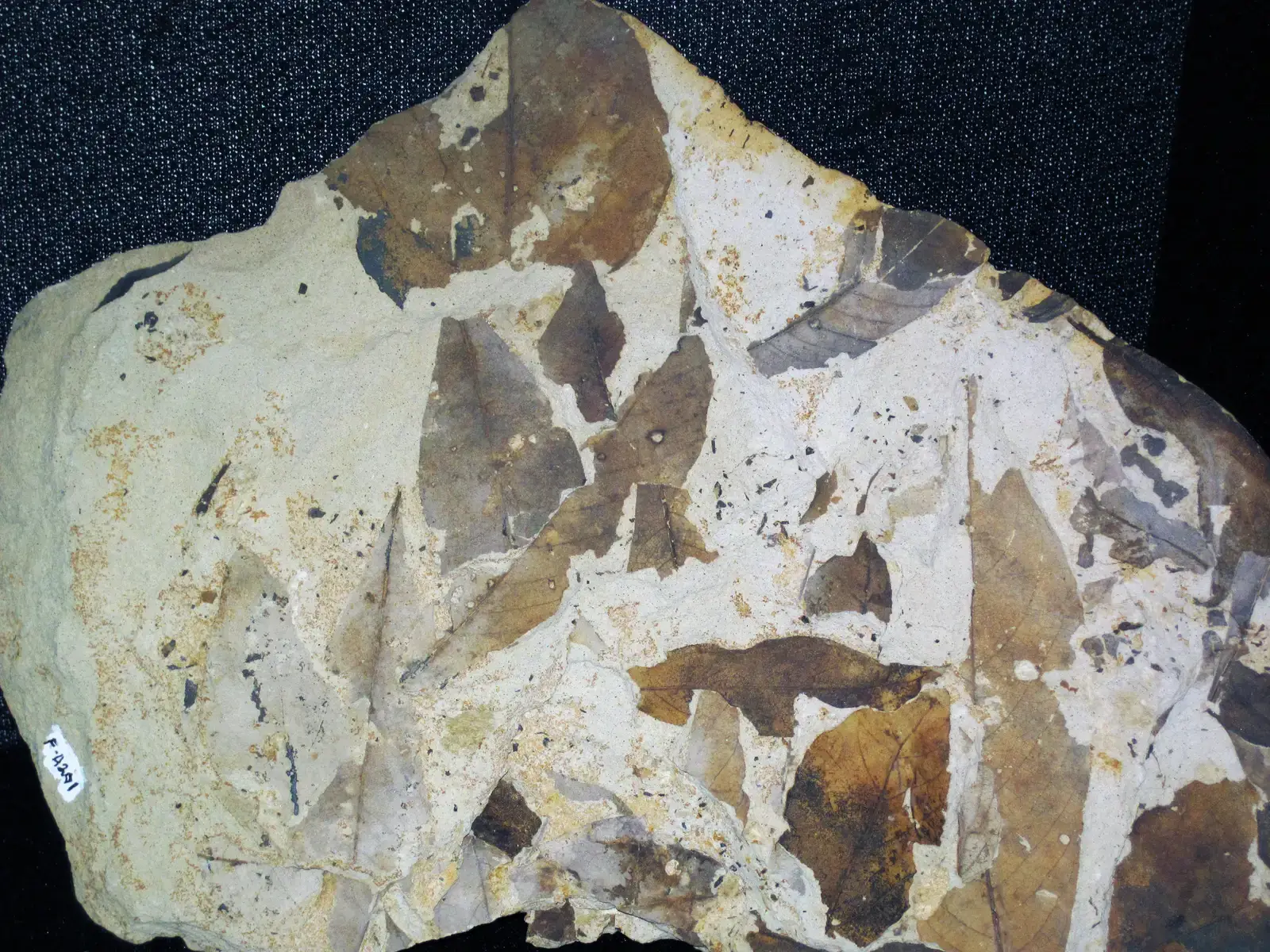
How warm or cold was the Cretaceous? Did it rain often in Triassic Tanzania? Fossils can provide valuable information about past climates, as many organisms are sensitive to temperature, humidity, and other climatic variables. Plants are particularly chatty witnesses. Leaf margin analysis, where the proportion of toothed versus untoothed leaves in fossil floras is used to estimate mean annual temperature, offers one avenue.
Meanwhile, across all studied locations, the fossil evidence consistently points to climates that were wetter and warmer than today. Ice cores and tree rings provide high-resolution climate data for more recent periods. Deeper in time, scientists rely on coral growth bands, soil chemistry, and the distribution of cold-adapted versus heat-loving species. Each method cross-checks the others, building confidence in reconstructions.
Conservation Paleobiology: Learning from Lost Worlds
Here’s something you might not expect: studying ancient ecosystems helps protect modern ones. Conservation paleobiology compares healthy fossilized ecosystems to those from modern times that have been denuded by humans, learning which functions or species are now missing and need to be restored. It’s about establishing baselines from before human disturbance.
In many places, looking at fossils is the only way to know what lived there before humans came along. Think about that. Without the fossil record, we’d have no idea what “normal” looked like for most ecosystems. We’d be flying blind in conservation efforts. The past becomes a roadmap for healing damaged landscapes and understanding natural variability.
Piecing Together the Bigger Picture
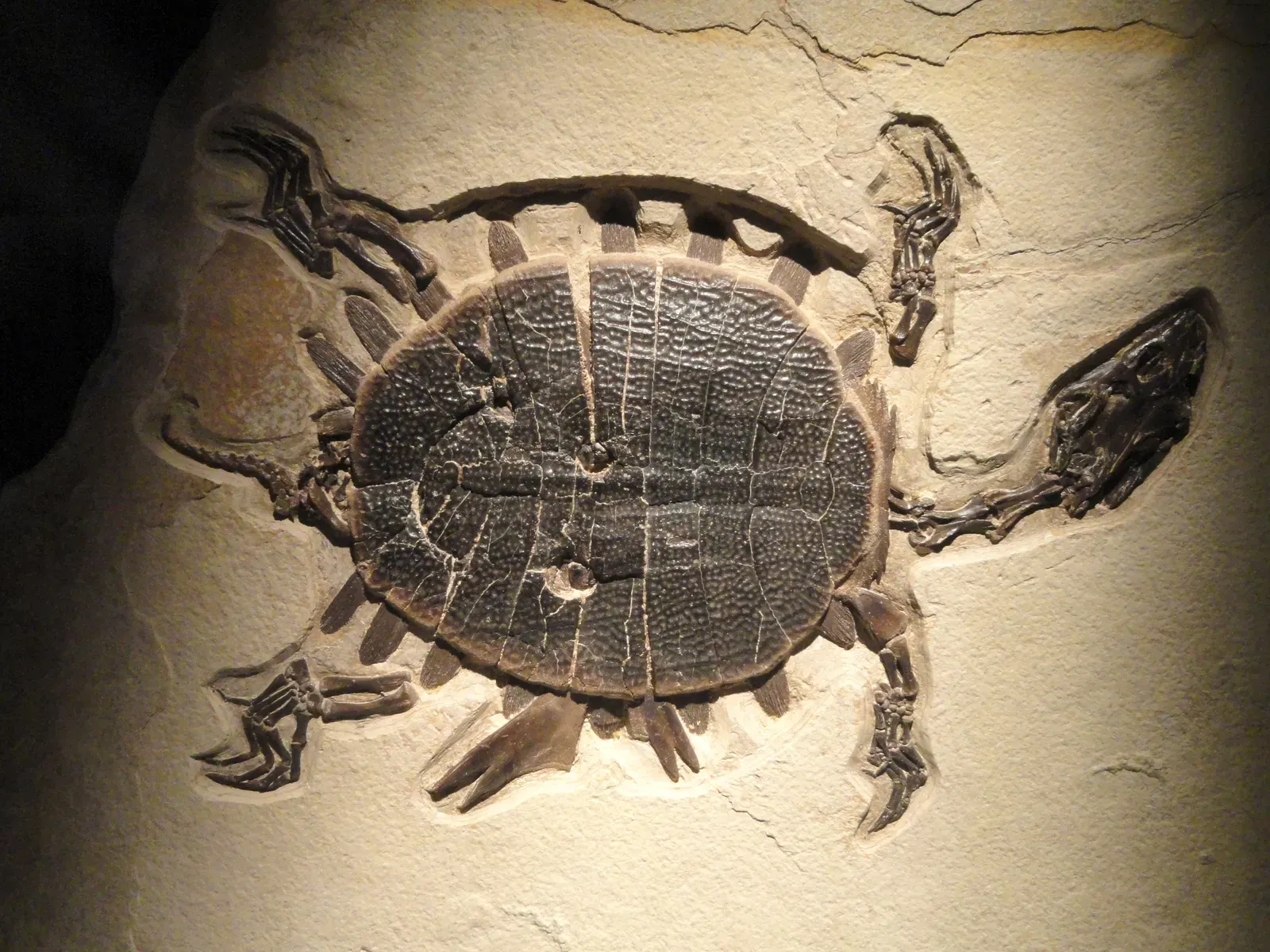
The aim of paleoecology is to build the most detailed model possible of the life environment of previously living organisms found today as fossils, requiring the use of archives, proxies, and chronology, while taking into consideration complex interactions among environmental factors such as temperatures, food supplies, and degree of solar illumination. No single method tells the whole story.
The complexity of nature, as well as the composition and availability of proxies in natural archives, requires a multidisciplinary approach that has continuously improved since the discipline of paleoecology was founded, with the application of new techniques and methods being fundamental in driving the evolution of this discipline. Geologists, chemists, biologists, statisticians – they all contribute pieces. The picture emerges slowly, revised and refined as new discoveries surface and technologies advance.
Conclusion
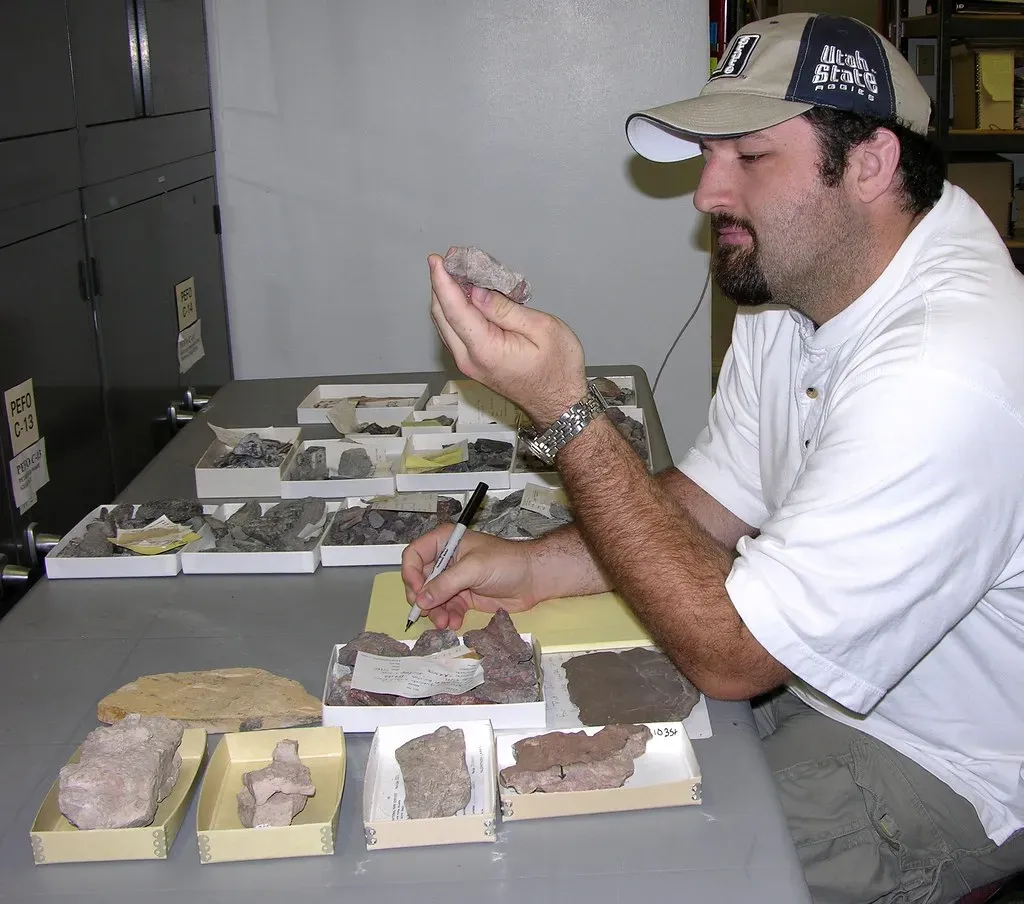
Reconstructing ancient ecosystems is part science, part art, and entirely fascinating. From analyzing the chemistry locked inside fossil teeth to scanning bones with cutting-edge imaging technology, paleontologists employ an arsenal of techniques to resurrect worlds that vanished millions of years ago. The work is painstaking, the gaps frustrating, yet the rewards are immense. We learn not just about dinosaurs and extinct mammals, but about how life responds to climate change, mass extinctions, and environmental upheaval. These lessons echo into the present, informing conservation strategies and deepening our understanding of the planet we inhabit.
Every fossil tells a story. Every isotope signature whispers secrets. The ancient world may be gone, but it’s far from silent. What do you think – should we invest more in understanding these lost ecosystems, or focus solely on the present?