
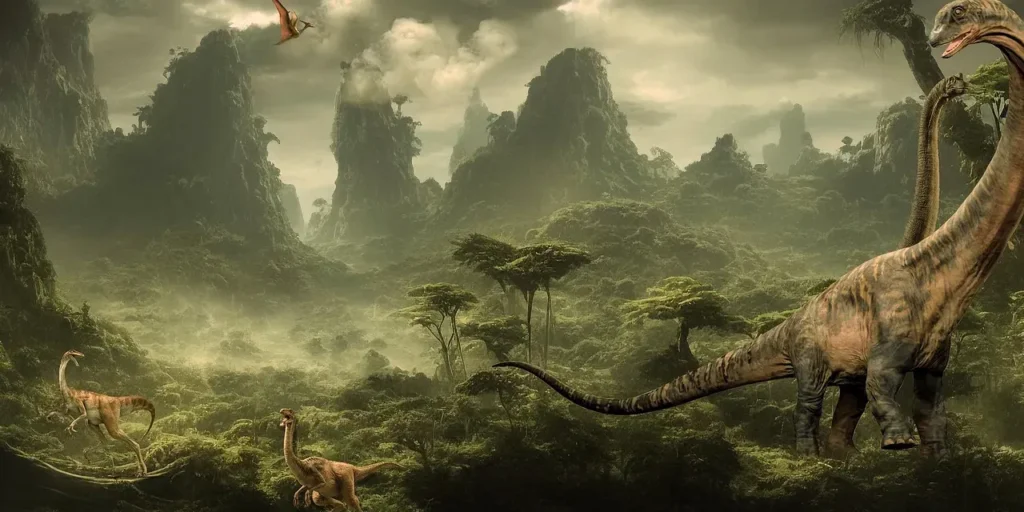
If you could step out of a time machine into the Jurassic Period, the first thing you’d probably notice is how overwhelmingly alive everything feels. Towering trees, dense ferns under your feet, the air heavy with warmth and moisture, and, almost everywhere you look, plant-eating giants quietly grazing their way across a green world. It was not some barren, reptile-only wasteland; it was more like a prehistoric garden on overdrive.
In this world, plant-eaters were not struggling to survive at the margins. They were the main event. You would see long-necked sauropods sweeping treetops like living cranes, smaller herbivores nipping at low shrubs, and entire landscapes reshaped by hungry mouths. When you zoom out, the Jurassic really does look like nature’s grand experiment in how big and how many plant-eaters an ecosystem can support when the world is warm, wet, and endlessly green.
A World Warmed Into Green Abundance
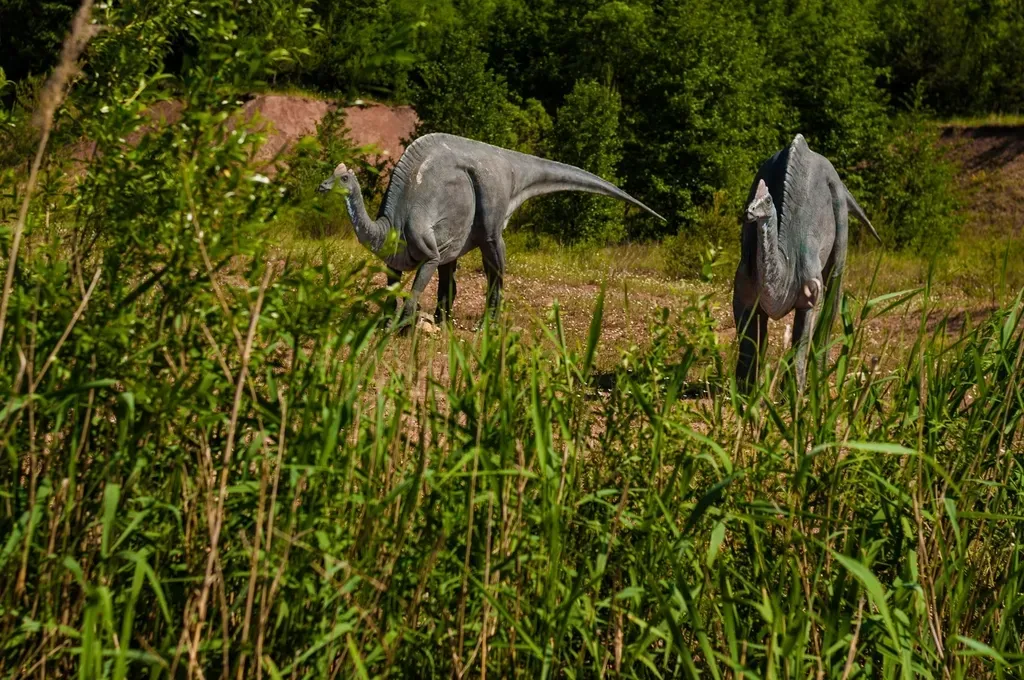
Imagine living in a time when your planet is generally warmer than today, with no polar ice caps and seas stretching farther inland than you’re used to. That was the Jurassic climate: mild to hot, with many regions experiencing long, humid growing seasons that kept plants thriving most of the year. You would not find the kind of harsh ice-bound winters that shut ecosystems down for months at a time now, which meant plants could keep growing and recovering from being eaten.
Because the climate was so kind to plant life, you would see broad belts of forests and woodlands spreading across continents, with lush river valleys cutting through them like green highways. Monsoon-like rains in many regions would regularly refill lakes and rivers, helping deep-rooted trees and sprawling fern beds to bounce back quickly after being grazed or trampled. For a plant-eater, this meant you were living in a world where your food supply was far more reliable and extensive than in many later periods.
Forests of Giants: Conifers, Tree Ferns, and Ancient Palms
When you picture Jurassic vegetation, it helps to forget modern broadleaf forests for a moment and think instead of conifer-dominated woodlands mixed with strange, primeval plants. You would walk through forests of towering conifers, some reaching heights that could rival modern skyscraper cranes, forming dense, shade-casting canopies. Beneath them, you’d see thick carpets of ferns, cycads that look a bit like palm trees with tough, thick leaves, and ginkgo-like trees with fan-shaped foliage.
This multi-layered plant world created both vertical and horizontal buffets for herbivores. Long-necked sauropods like Diplodocus and Brachiosaurus could access the top floors of the forest, stripping needles, cones, and leaves from branches you’d barely even see from the ground. Smaller herbivores would focus on lower shrubs, fresh fern fronds, and fallen plant matter, making use of what trickled down from the giants above. Because plant communities were diverse and structurally complex, you’re looking at an ecosystem that could support many different feeding styles at once without collapsing.
Plant-Eating Giants: Sauropods as Landscape Engineers
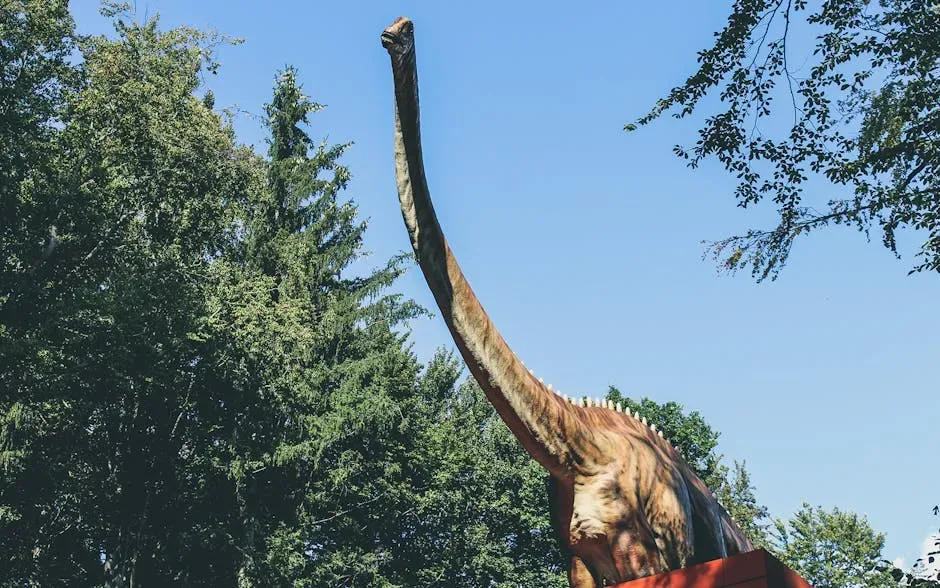
If you were a time-traveler watching Jurassic landscapes from the air, you’d probably notice that sauropods behaved almost like slow-moving storms, leaving changed vegetation patterns in their wake. These enormous plant-eaters, with their long necks and massive bodies, could consume truly staggering amounts of plant matter each day. Their constant browsing and trampling would open up gaps in forests, knock down trees, and create open clearings where sunlight suddenly reached the ground again.
Those clearings, in turn, would quickly fill up with fast-growing plants: ferns, horsetails, and shrubby vegetation that loved disturbed ground. In a sense, sauropods were repeatedly resetting parts of the landscape, making space for new growth and encouraging a patchwork of habitats. You can think of them as living bulldozers and gardeners combined, constantly reshaping where plants grew thickest and which species thrived. This meant that, far from destroying their own food supply, they helped maintain a dynamic balance that kept fresh plant life coming back.
Smaller Herbivores Thriving in the Shadows
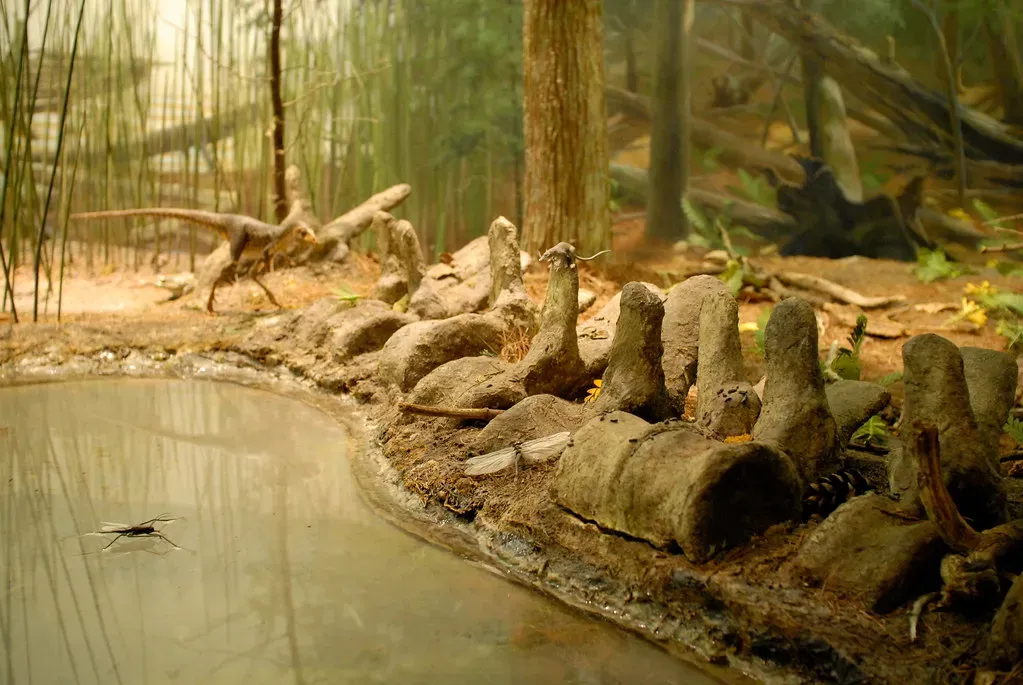
It’s easy to fixate on the titans, but if you looked a little closer at ground level, you’d see that the Jurassic was also a paradise for smaller plant-eaters. Herds of stegosaurs, for example, would wander through lower vegetation, using their beaks to crop leaves and shoots at about chest height. Other medium-sized ornithopods would move in groups, nibbling a mixture of ferns, cycads, and low shrubs, staying alert for predators but also taking advantage of the safer cover near forest edges.
Even below them, in the densest undergrowth and along riverbanks, small herbivorous and omnivorous creatures would exploit seeds, tender shoots, and fallen plant pieces left behind by larger animals. You can picture this as a cascading buffet where almost nothing went to waste: big animals shaped the terrain and broke vegetation, mid-sized herbivores harvested the accessible plants, and smaller creatures picked through what remained. Because there were so many layers of plant life, from canopy top to forest floor, there was room for countless plant-eating niches to coexist.
How Jurassic Plants Kept Up With All That Grazing
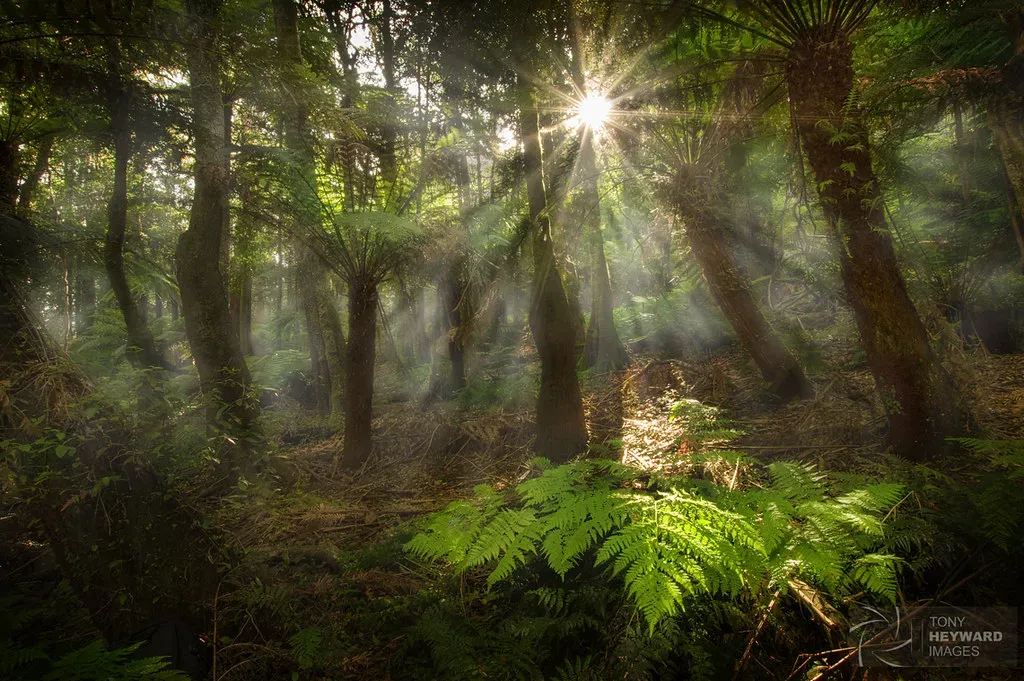
You might wonder how the plants managed to keep up when so many hungry mouths were chewing through them every day. Part of the answer lies in the growth strategies many Jurassic plants used. Ferns and horsetails, for instance, can regrow quickly from underground stems or root systems after being eaten or trampled, almost like a lawn that bounces back after heavy use. Many conifers and cycads also produced large numbers of seeds and new shoots, spreading across landscapes faster than constant browsing could wipe them out.
Some plants likely evolved tougher leaves, chemical defenses, or unappealing textures to discourage overfeeding, nudging herbivores to move around rather than strip one spot entirely. This constant back-and-forth between plants and plant-eaters helped stabilize the system, because no single species could dominate unchecked for long. In your mind, you can think of it as a long-running negotiation: plants investing in resilience and defenses, and herbivores responding with specialized teeth, digestive systems, and feeding behaviors tuned to make the most of whatever greenery was available.
Food Webs Built Around Plant Power
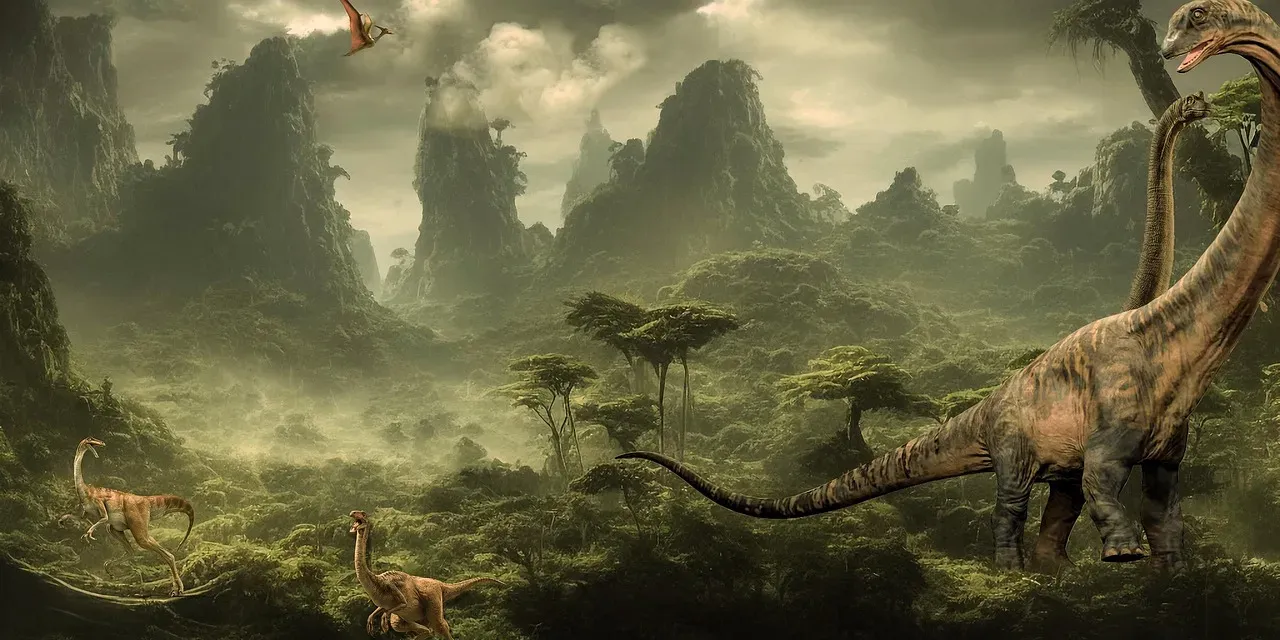
In a Jurassic ecosystem, you’re looking at a pyramid that rests firmly on plant energy. That means the massive herds of herbivores you imagine were not just decorations; they were the central players transferring energy from plants up the food chain. Carnivorous dinosaurs, no matter how fearsome, depended completely on the success of these plant-eating communities. When you picture a giant predator, you’re really looking at the end result of a long chain that starts with sunshine hitting a leaf.
Because plant production was so high in many regions, those food webs could support both enormous bodies and large populations of herbivores. That, in turn, made life possible for a range of predators, scavengers, and decomposers feeding on carcasses and waste. Every time a sauropod defecated, for example, it was delivering a concentrated package of nutrients back to the soil, feeding microbes, fungi, and invertebrates. You’re essentially seeing an economy that is powered overwhelmingly by greenery, constantly cycling nutrients through living bodies and back into the ground again.
Why This Green World Was So Good for Plant-Eaters
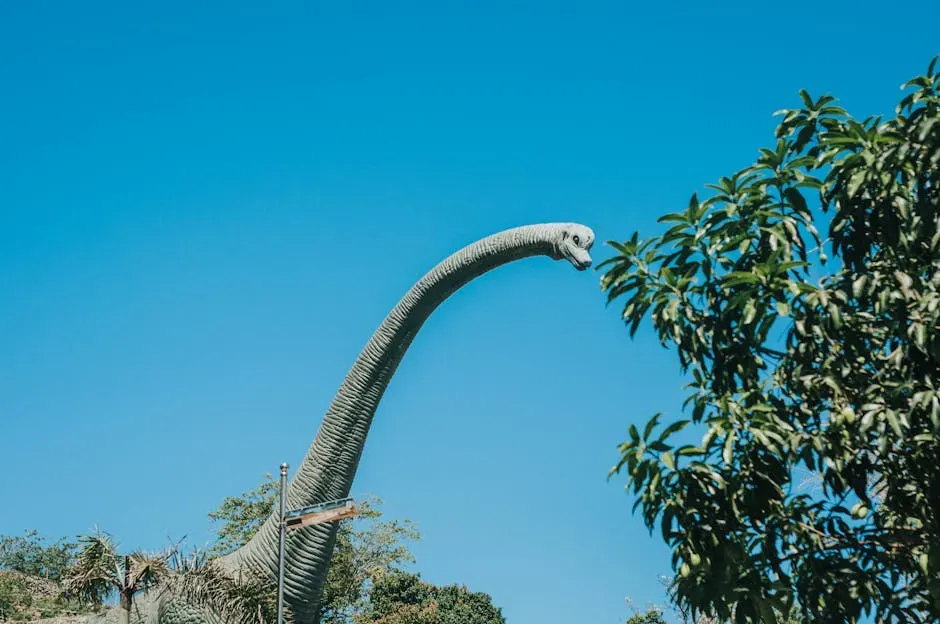
When you put all these pieces together – warm climate, extensive forests, fast-recovering plant communities, and complex food webs – you begin to see why the Jurassic felt like a paradise for herbivores. If you were a plant-eater then, you had access to a wide variety of food sources at different heights, in different habitats, and at different times of year. You did not rely on a single crop or narrow food source; instead, you grazed and browsed your way through a buffet that extended across continents.
Of course, it was not a risk-free world. Predators, droughts, volcanic activity, and shifting seas still posed threats, just as environmental changes do today. But in terms of the raw availability of plant food and the ability of ecosystems to bounce back after disturbance, you’d have struggled to find a better era to be a dedicated plant-eater. In many ways, those lush Jurassic landscapes show you what happens when climate, geography, and evolution line up to tip the balance of life toward big bodies, big herds, and big appetites fueled by endless green.
When you look back at the Jurassic from your modern perspective, you’re really gazing into a world where plants ruled quietly from behind the scenes, making everything else possible. The giant herbivores that capture your imagination were, at their core, walking expressions of what abundant, resilient plant life can support. If you picture yourself standing in that ancient forest, listening to leaves rustle above while distant footsteps shake the ground, you might wonder: in a world powered this completely by plants, would you have chosen to be anything other than a plant-eater?