
Have you ever watched a movie where a Tyrannosaurus rex opens its massive jaws and lets out a bone-rattling roar that shakes the entire screen? It’s thrilling, sure. But here’s the catch: those Hollywood sound effects were crafted using everything from elephant trumpets to baby koala squeals. The real story of how dinosaurs actually communicated is far stranger than fiction, and scientists are now piecing together this ancient sonic puzzle using cutting-edge technology and rare fossil finds. What you’re about to discover might completely change how you imagine these prehistoric giants.
The truth is, we’re living in a remarkable time for paleoacoustics – the study of ancient sounds. Researchers are no longer just guessing what dinosaurs sounded like based on their closest living relatives. They’re using CT scans, 3D printing, computer modeling, and incredibly rare fossilized voice boxes to reconstruct the actual vocalizations that echoed through Mesozoic landscapes. From deep, resonating booms to closed-mouth coos, the soundscape of the dinosaur world was likely nothing like we’ve been led to believe.
The Hollywood Myth We All Believed
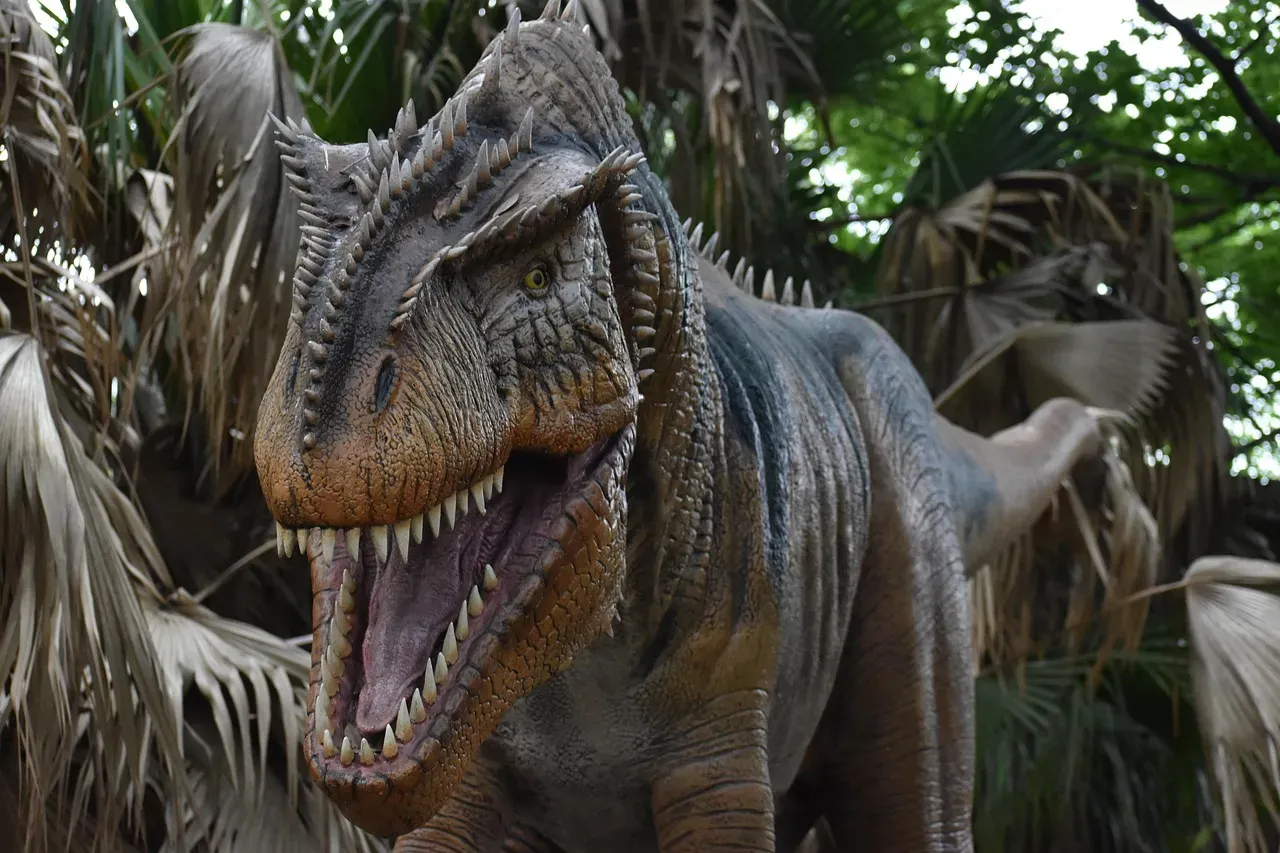
Most people believe the iconic film series Jurassic Park and Jurassic World correctly depict how dinosaurs communicated, but according to experts, most dinosaurs sounded completely different than how they were portrayed in the movies. The sounds used in Jurassic Park were mainly constructed using combinations of different types of mammal sounds, including tigers, lions, koalas, donkeys, dolphins, and elephants. The problem? Dinosaurs weren’t mammals at all.
The filmmakers needed something that would register as terrifying to modern audiences, so they borrowed from apex predators we recognize today. It worked brilliantly for cinema, creating some of the most memorable movie moments in history. Scientists add that Tyrannosaurus rex did not typically open their mouths and roar like the movies depicted, with one researcher stating that the Jurassic Park films have got it wrong. When you think about it, our entire cultural understanding of dinosaur sounds has been shaped by what makes for good entertainment rather than good science.
Closed-Mouth Vocalizations: A Game-Changing Discovery
Instead of open-mouthed roars, scientists theorize that many dinosaurs may have produced closed-mouth vocalizations by inflating their esophagus or tracheal pouches while keeping their mouth closed, producing something comparable to a low-pitched swooshing, growling, or cooing sound. This revelation fundamentally shifts how we imagine dinosaur behavior. Think about it: a massive predator silently stalking prey, communicating through deep, resonant booms rather than attention-grabbing roars.
These closed-mouth vocalizations are described as being lower and more percussive compared to bird calls, with modern examples including crocodilian growls and ostrich booms. The evolutionary logic makes sense when you consider hunting strategies. A predator that advertises its presence with loud roars gives prey a fighting chance to escape. Silent or closed-mouth communication would have been far more effective for coordination among pack hunters without alerting their targets.
The Remarkable Parasaurolophus Crest
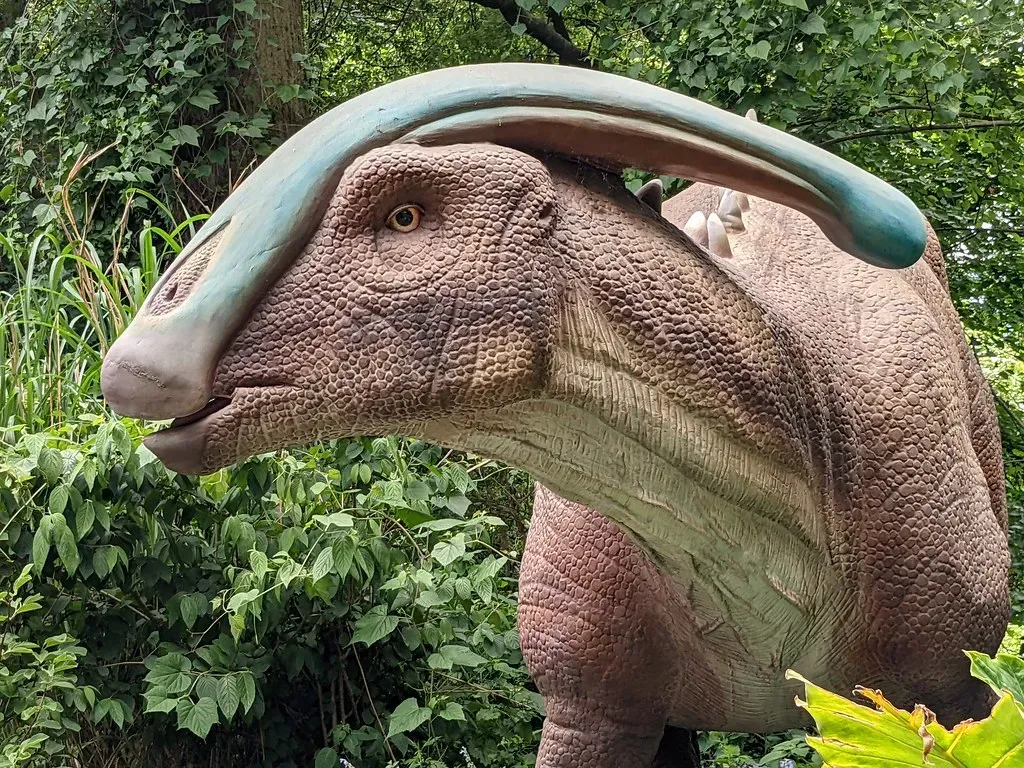
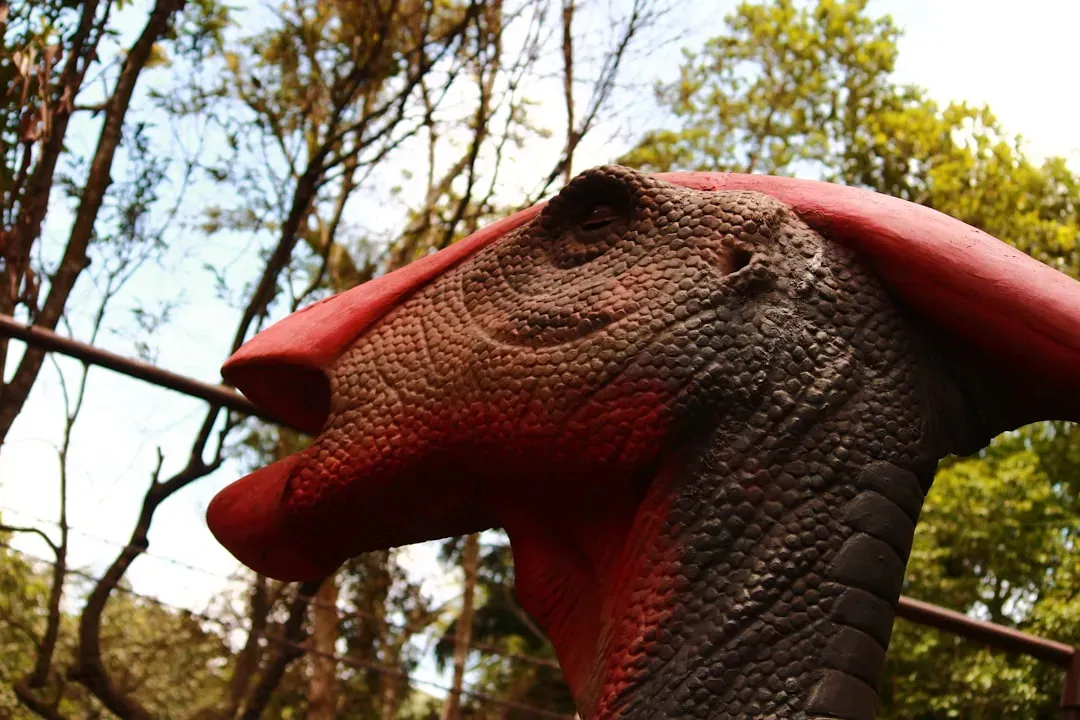
One dinosaur species has become the poster child for understanding ancient vocalizations: Parasaurolophus. Based on the structure of the crest, this dinosaur apparently emitted a resonating low-frequency rumbling sound that can change in pitch. The dinosaur had a bony tubular crest that extended back from the top of its head, containing a labyrinth of air cavities and shaped something like a trombone, which scientists have believed might have been used to produce distinctive sounds.
Researchers created a physical setup made of tubes to represent a mathematical model that will allow them to discover what was happening acoustically inside the Parasaurolophus crest, with the physical model suspended by cotton threads and excited by a small speaker. The work has been painstaking but revelatory. Initial results indicate that the Parasaurolophus’ crest was used for resonance, similar to the crests of birds we see today, with the mathematical model still in progress. Imagine herds of these creatures communicating across vast distances, their haunting calls echoing through ancient forests.
CT Scans Bring Ancient Voices Back to Life
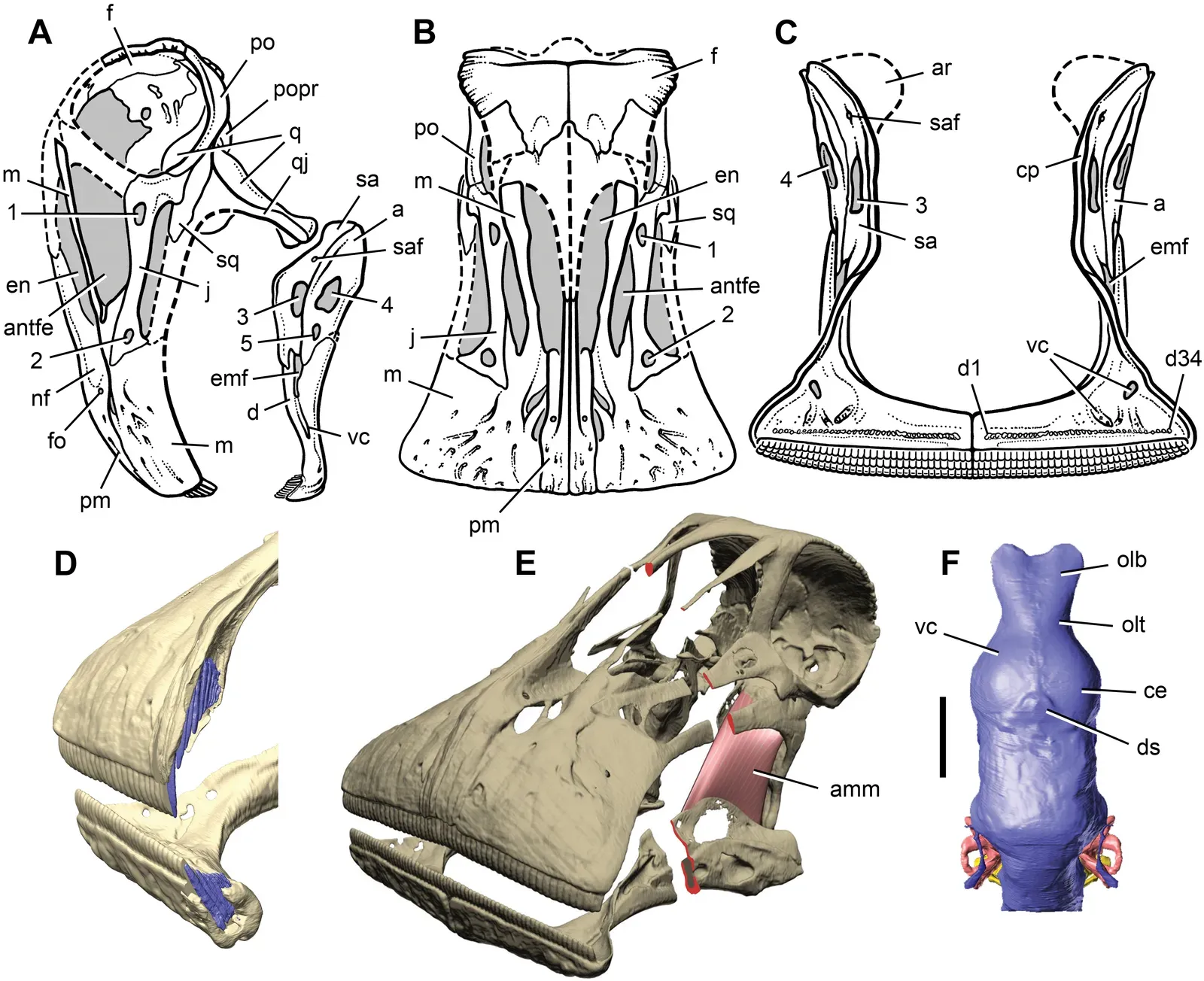
Digitized cross sections were used to reconstruct an undistorted model of the crest, separating material that was originally bone from the sandstone and clay that filled the fossil’s cavities, allowing scientists to calculate the natural frequency of the sound waves the dinosaur pumped out. This technology has revolutionized our ability to peer inside fossilized structures without damaging priceless specimens. The computational power required is staggering.
Fossil records of the large bones in the dinosaur’s ears compared to corresponding bones in human ears suggests they were able to hear lower frequencies than humans. This detail is crucial because it suggests these animals evolved both to produce and detect sounds below our hearing range. Each Parasaurolophus probably had a voice that was distinctive enough to not only distinguish it from other dinosaurs, but from other Parasaurolophuses. They weren’t just making noise – they were having conversations.
The Extraordinarily Rare Fossilized Larynx
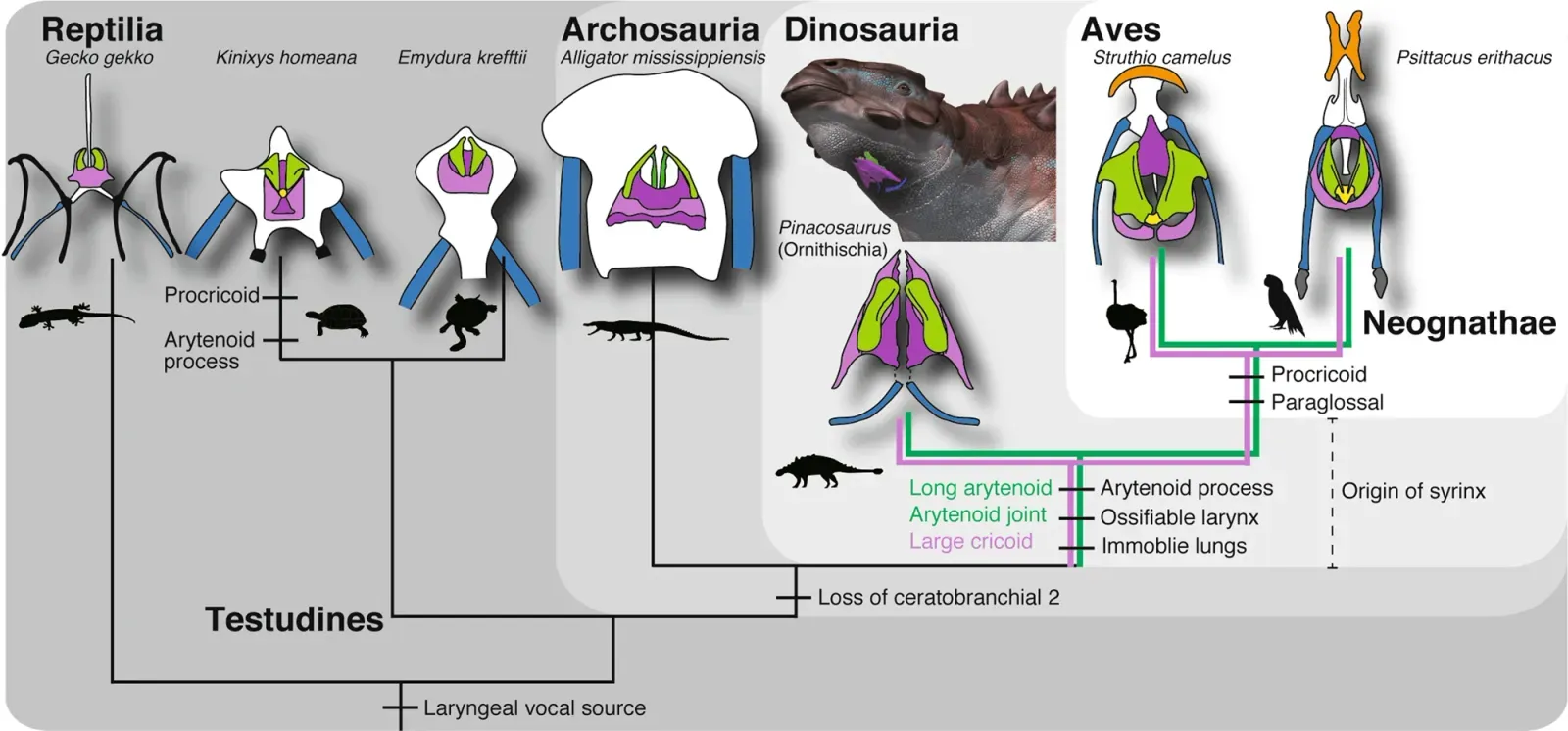
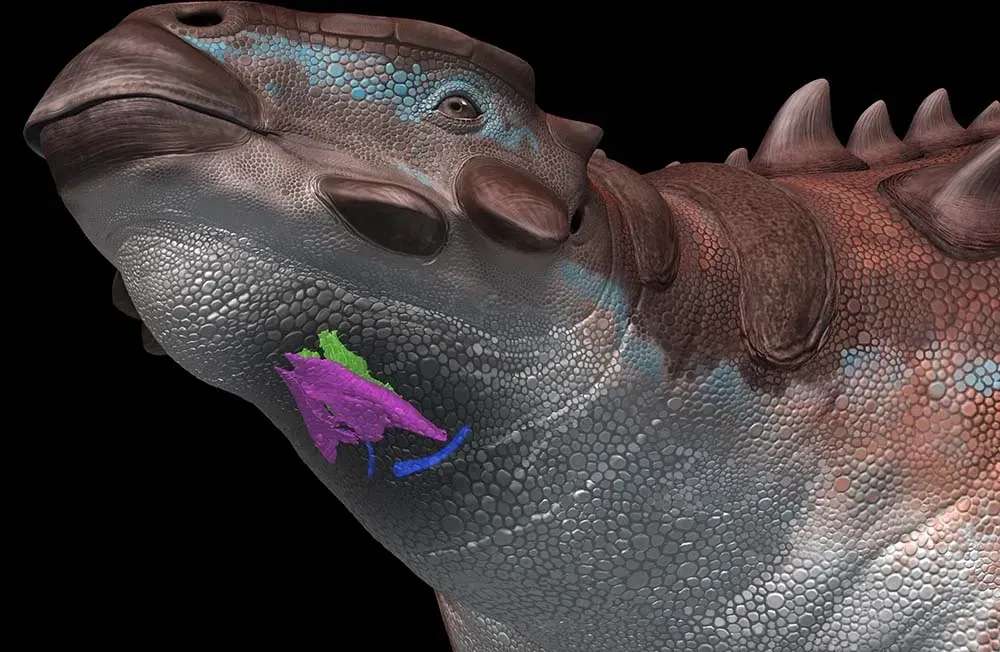
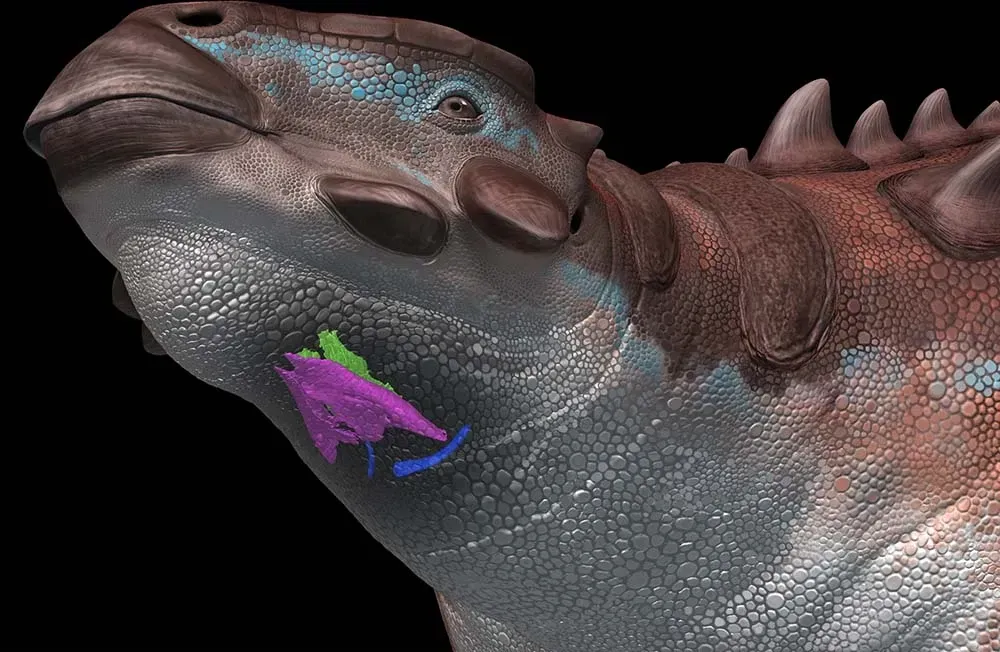
The “extremely rare” discovery of an 80 million-year-old fossilized voice box that belonged to Pinacosaurus grangeri reveals that the ancient beast may have sounded more birdlike than experts previously thought. Finding soft tissue structures like larynxes in the fossil record is almost unheard of. These cartilaginous structures typically decompose long before fossilization can occur, which makes this discovery all the more precious.
Researchers studied two parts of the fossilized larynx and found that Pinacosaurus grangeri had a very large cricoid and two long bones that were used to adjust its size, a layout that turned the voice box into a vocal modifier, likely meaning the ancient herbivore was capable of making a large array of sounds including rumbles, grunts, roars and possibly even chirps. The diversity of potential sounds challenges our assumptions about herbivorous dinosaurs being relatively quiet animals. These armored tanks of the Cretaceous may have been quite chatty.
Birds Hold the Key to Dinosaur Sounds
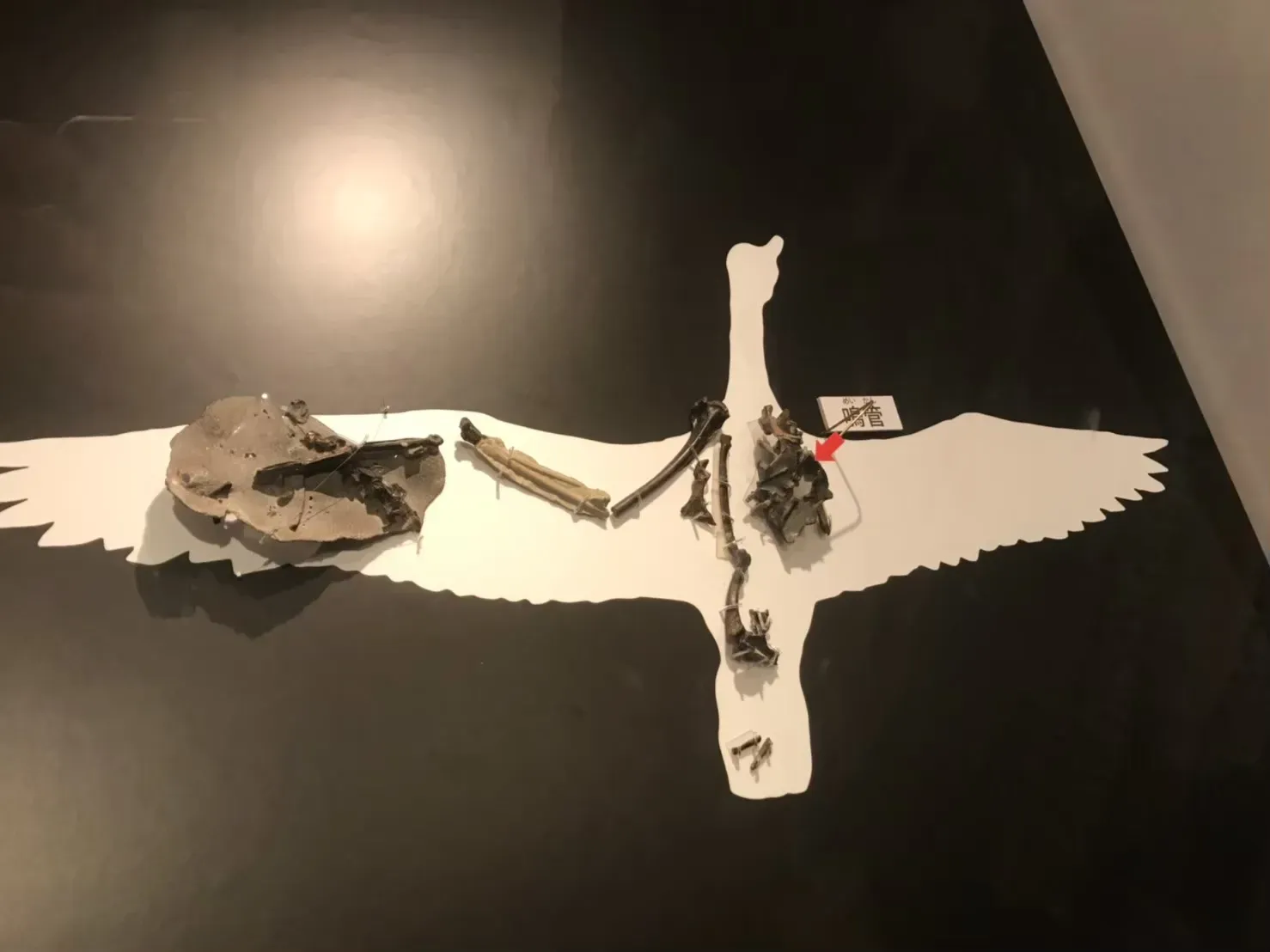
In extant bird species, the syrinx is responsible for all the vocalizations we identify as bird songs or calls, and ancient bird Vegavis most likely honked not unlike a goose. The ancient bird Vegavis iaai lived some 66 to 68 million years ago, and a researcher was CT scanning the specimen to create a more detailed picture of an extinct relative of today’s ducks and geese. This fossil represents one of the only syrinxes ever found from the age of dinosaurs.
Non-avian dinosaur fossils lack the syrinx structure, and researchers still don’t know when it evolved. This absence is telling. It suggests that most dinosaurs lacked the sophisticated vocal apparatus that allows modern songbirds to produce their complex melodies. A massive extinction event 65 million years ago killed all dinosaurs except for a single group of feathered dinosaurs, which evolved over the next 65 million years into modern birds, meaning birds really are dinosaurs and are most closely related to crocodiles.
Modern Technology Meets Ancient Creatures
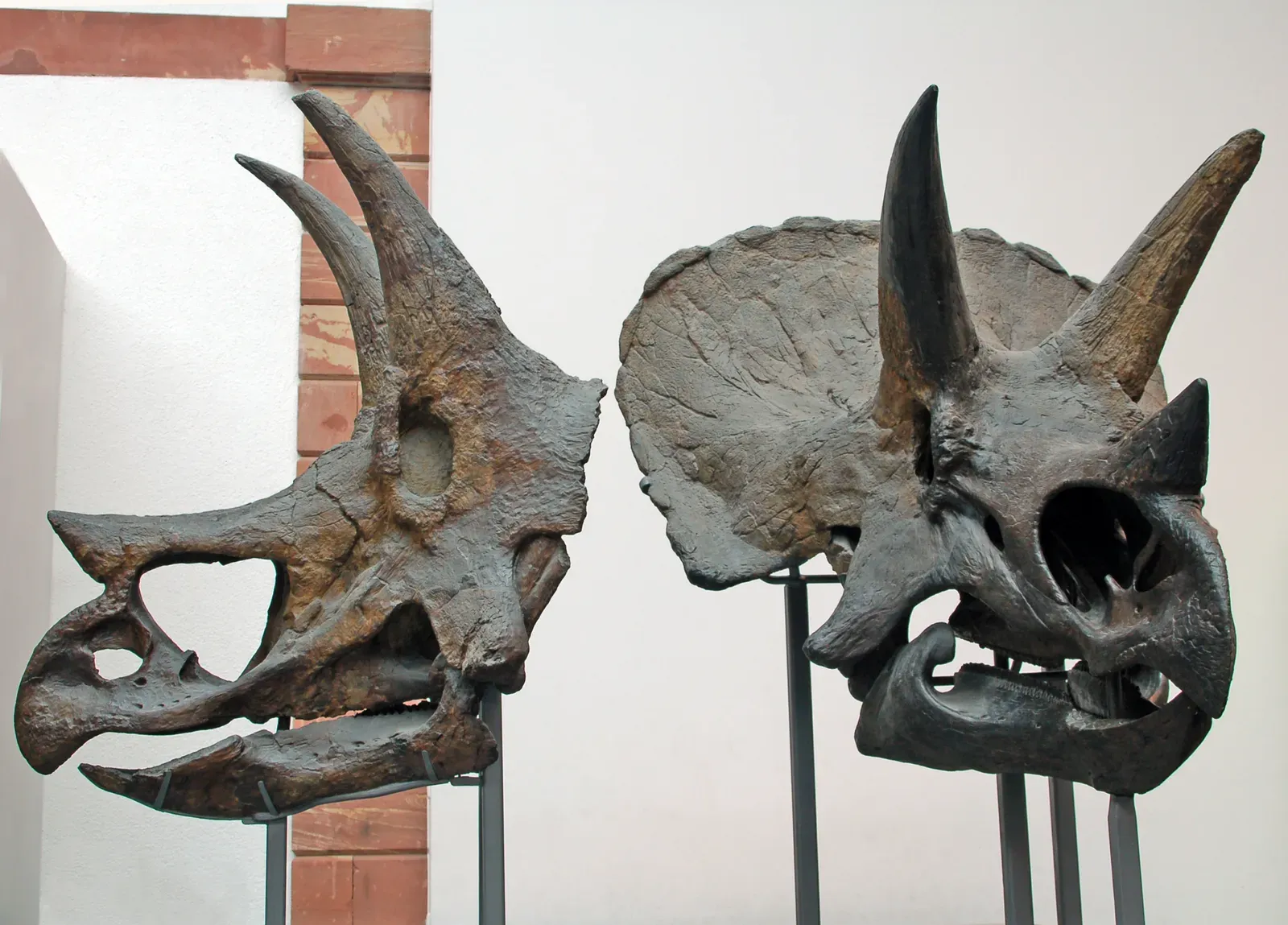
The Dinosaur Choir project, which was recently recognized at Georgia Tech’s 2025 Guthman Musical Instrument Competition, uses 3D models of dinosaur skulls and produces sounds more akin to deep wails than the roars depicted in movies, with the journey beginning in 2011 when a researcher was inspired by a visit to a dinosaur museum. These are not merely academic exercises – they’re bridging art and science in fascinating ways.
To play the Dinosaur Choir instrument, you stand before a camera and blow into a microphone, which activates a vocal-organ-like structure that forces sound vibrations through the 3D model’s nasal passage and skull, with the sounds changing based on the player’s mouth shape and the power of their blow. Imagine being able to actually hear approximations of sounds that haven’t existed for tens of millions of years. It’s simultaneously humbling and exhilarating. These instruments represent our best current attempts to resurrect the lost soundscape of deep time.
Crocodilians Provide Living Clues
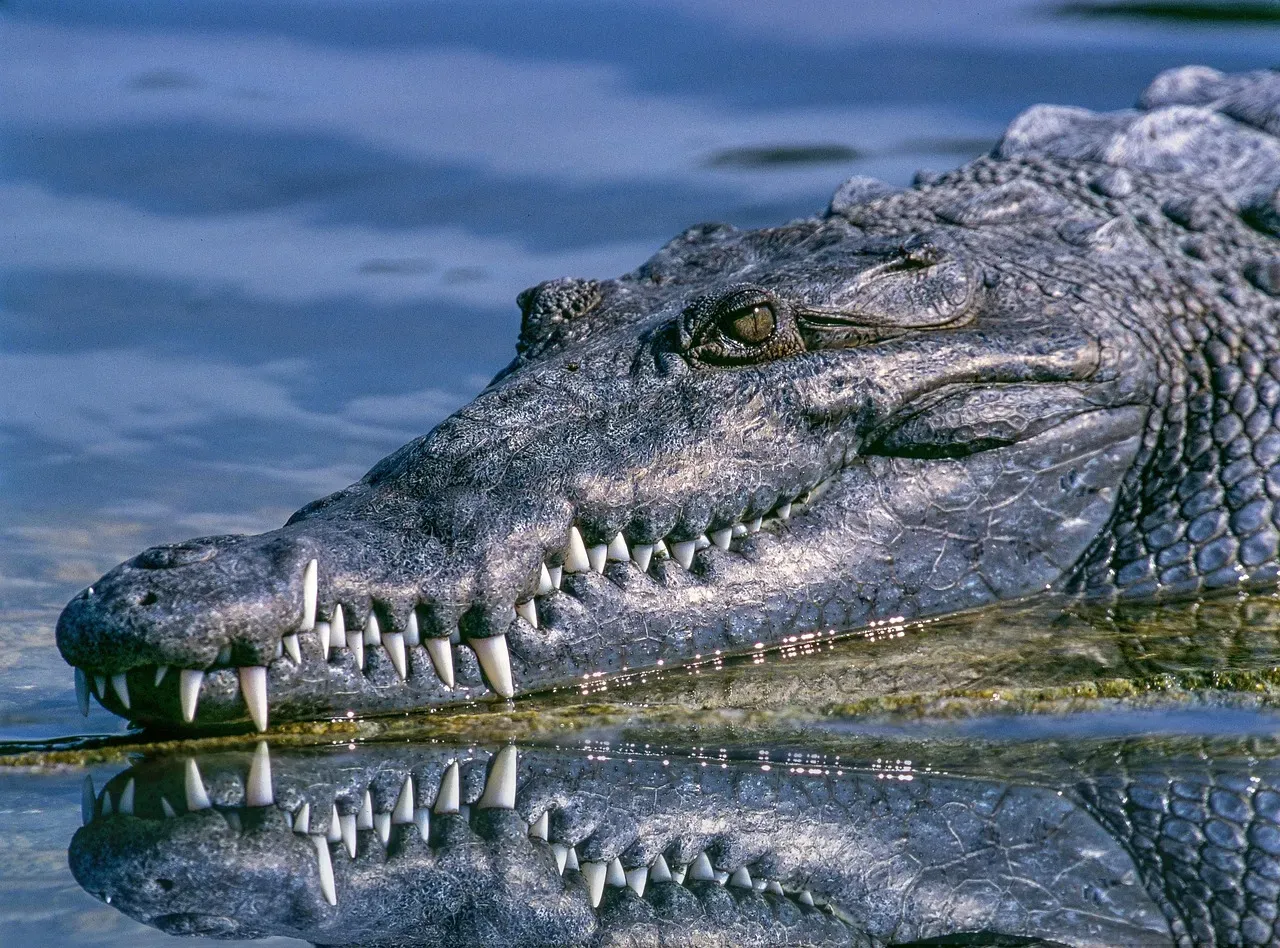
Crocodiles are the closest living relatives of birds, sharing a common ancestor that lived around 240 million years ago and also gave rise to the dinosaurs. When scientists want to understand how dinosaurs might have vocalized, they look to crocodilians as one of their primary references. The deep bellows and grunts of modern crocodiles and alligators provide a window into what non-avian dinosaur vocalizations might have resembled.
In crocodilians, the larynx produces sound as a vocal source, while in birds, the syrinx produces sound at the posterior end of the trachea and increases vocal efficiency as a vocal source, while the larynx functions as part of the vocal tract. This evolutionary divergence helps explain why reconstructing dinosaur sounds is so challenging – they existed at a transitional point between these two very different vocal systems. Some dinosaurs may have sounded more like crocs, others more like birds, and many probably fell somewhere in between.
Implications for Understanding Dinosaur Behavior
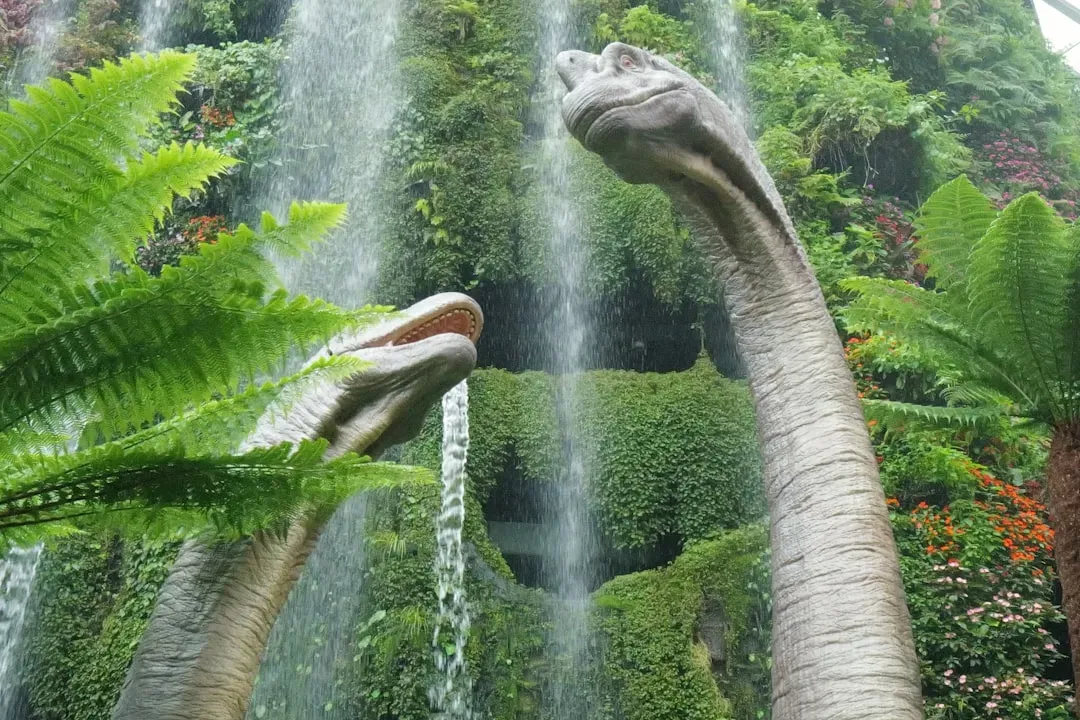
The dinosaur’s ability to make distinctive sounds probably enhanced its tendency to socialize with other members of its species. Vocalization isn’t just about making noise – it’s fundamental to social behavior, mating rituals, territorial defense, and parental care. Dinosaurs are archosaurs, a group whose living members include crocodilians and birds, and these animals use sound for a variety of purposes including courtship, parental behavior, defense against predators and territorial calls.
Understanding how dinosaurs communicated transforms them from silent movie monsters into complex social animals with rich behavioral repertoires. Consider the implications for herding behavior, pack hunting strategies, or even how young dinosaurs might have called to their parents. Through the study of dinosaur vocalizations, researchers can gain valuable insights into their behavior, social structure, and ecosystem dynamics, helping reconstruct their world and paint a more comprehensive picture of life in the ancient past. Every sound would have carried meaning, contributing to the intricate web of prehistoric life.
What This Means for Our Understanding of Evolution
Although the bird-unique vocal source syrinx has never been reported in non-avian dinosaurs, Pinacosaurus could have employed bird-like vocalization with its bird-like large, kinetic larynx, providing the first step for understanding vocal evolution in non-avian dinosaurs toward birds. The evolutionary pathway from simple laryngeal sounds to complex bird songs represents one of nature’s most remarkable acoustic achievements. We’re witnessing evidence of that transition preserved in stone.
Research reveals an exceptionally slow rate of genome evolution in crocodilians, and scientists used crocodilian genomes combined with newly published bird genomes to reconstruct a partial genome of the common ancestor of crocodiles, birds, and dinosaurs. These genomic reconstructions complement the acoustic research, providing multiple lines of evidence about how these ancient creatures lived and communicated. The picture emerging is one of remarkable complexity – far from the simple-minded monsters of popular imagination. These were sophisticated animals adapted to their environments in ways we’re only beginning to fully appreciate.
The next time you imagine a dinosaur, forget the roar. Picture instead a massive creature communicating through deep, resonant booms, or perhaps cooing softly to its young with its mouth closed. The prehistoric world was likely filled with sounds more alien and wonderful than Hollywood ever dreamed. What other secrets are hiding in the fossil record, waiting for the right technology to unlock them?