

Have you ever wondered what sparked creativity in the minds of our ancient ancestors? Thousands of years before written language emerged, humans were already leaving behind breathtaking images on cave walls, carving intricate figurines, and etching symbols into rock faces across every inhabited continent. These prehistoric masterpieces weren’t just idle doodles or random scribbles. They represent something far more profound.
They’re a window into the souls , revealing their fears, dreams, beliefs, and connections to the world around them. Think of prehistoric art as humanity’s first attempt to communicate complex ideas, to tell stories, and to make sense of existence itself. What’s truly remarkable is how sophisticated these ancient artists were, using techniques and materials that still impress us today.
The Dawn of Human Creativity in Stone and Paint
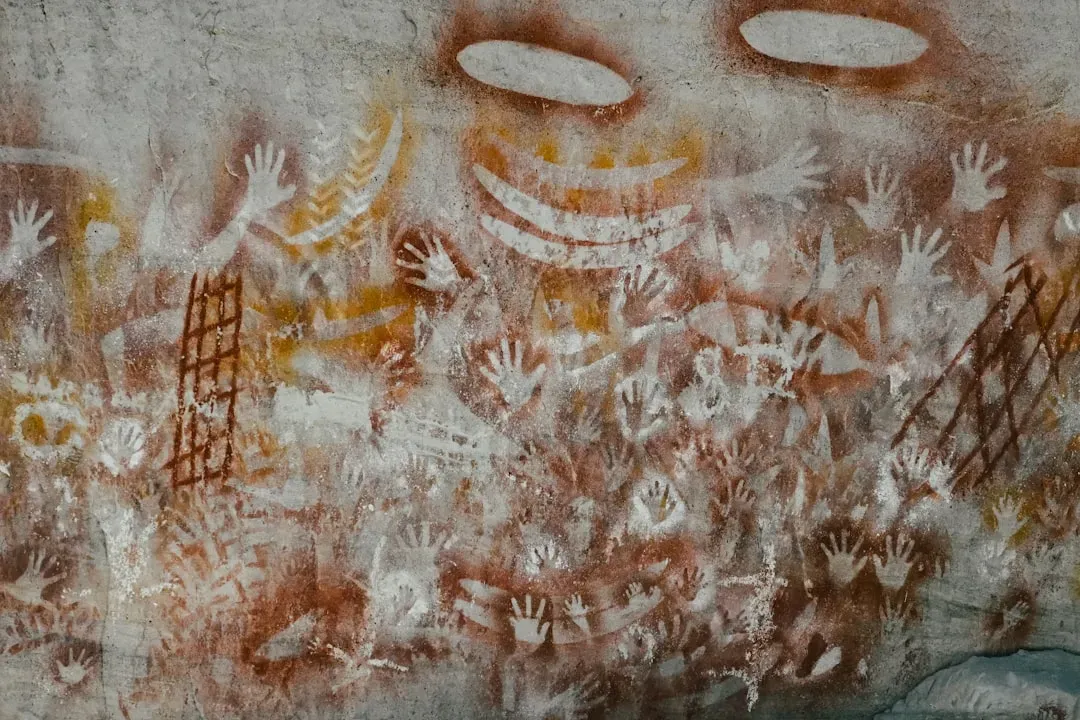
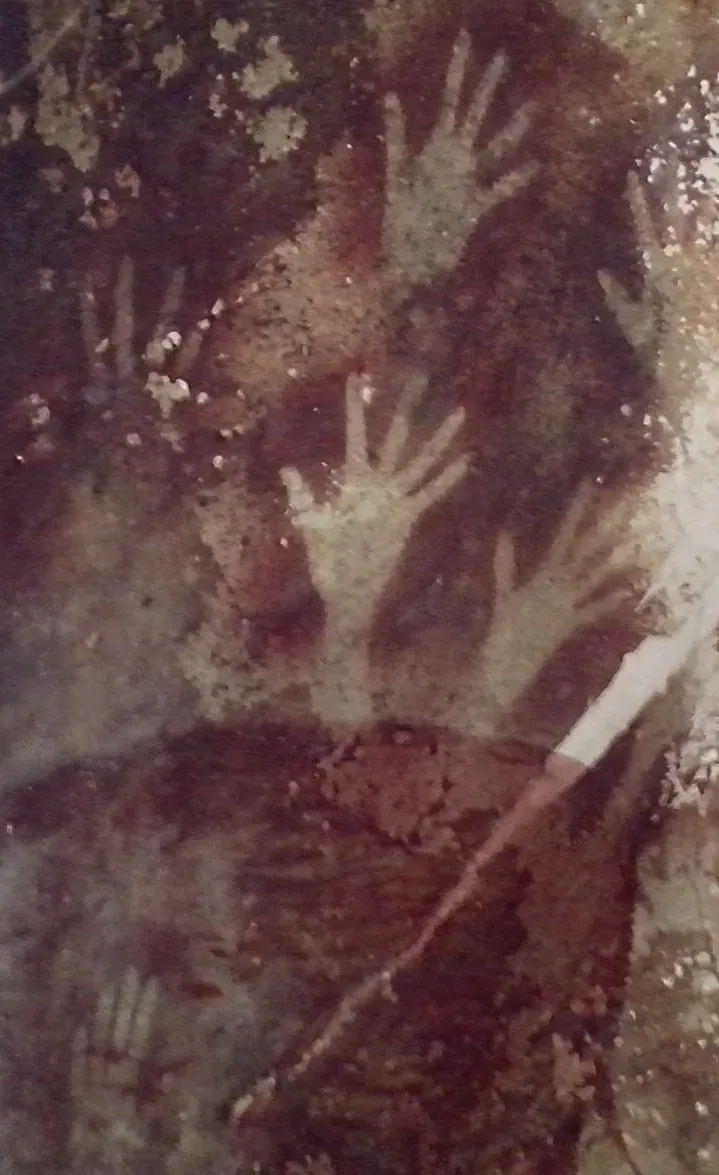
In January 2026, an older hand stencil was discovered in Muna Island, dated to be at least 67,800 years old, making it the oldest known cave paintings in the world. This staggering discovery pushes back our understanding of when humans first began creating art. It’s hard to imagine, honestly, what drove someone nearly 68,000 years ago to place their hand against a cave wall and leave behind their mark.
Images painted, drawn or carved onto rocks and cave walls reflect one of humans’ earliest forms of communication, with possible connections to language development. The earliest known images often appear abstract, and may have been symbolic, while later ones depicted animals, people and hybrid figures. Let’s be real, the fact that our ancient relatives could think symbolically and translate those thoughts into visual representations is nothing short of extraordinary. The significance of the painting is not to know that Neanderthals could paint, it’s the fact that they were engaging in symbolism, and that’s probably related to an ability to have language.
Cave Paintings: Masterpieces Hidden in Darkness
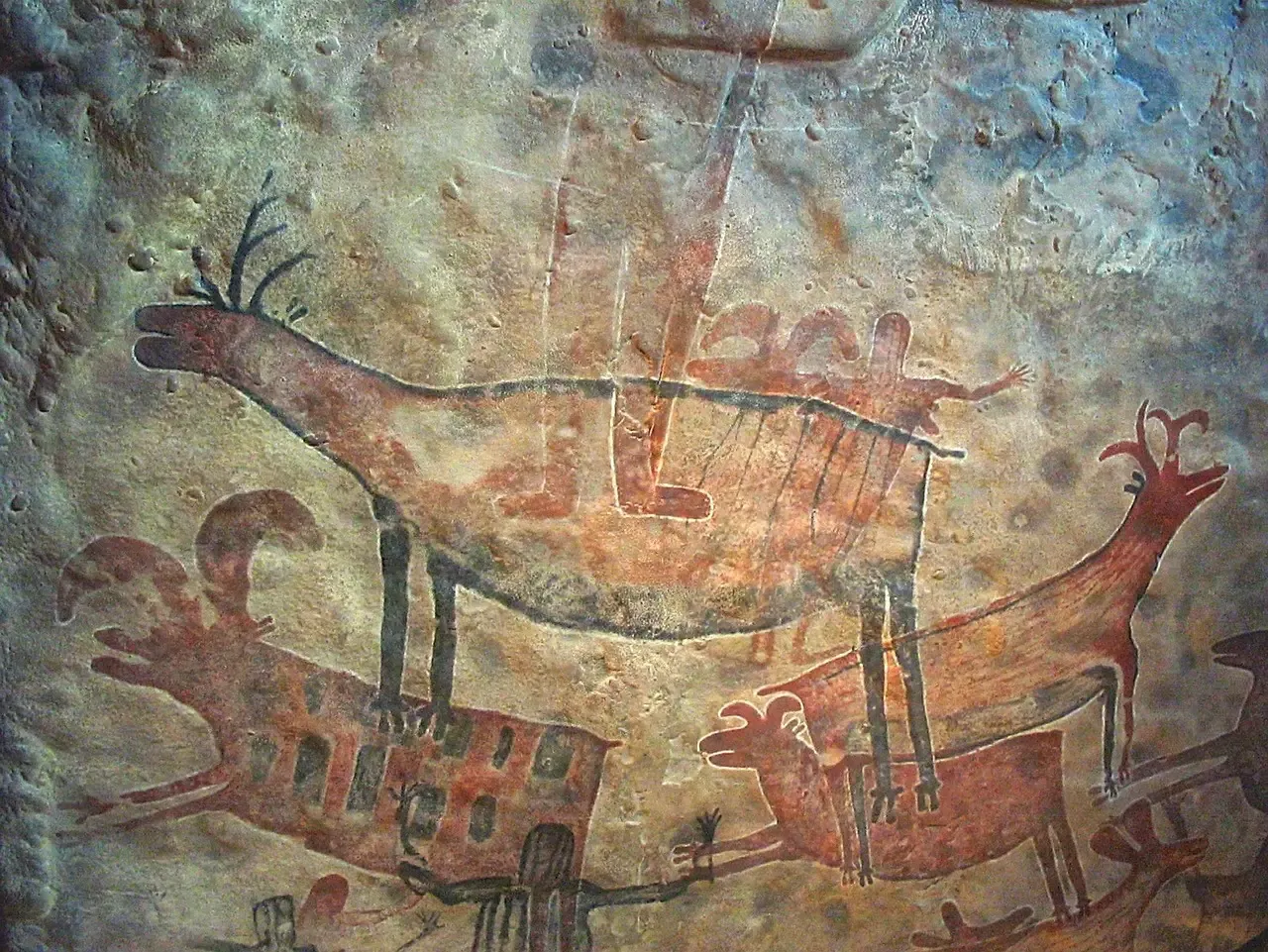
The most common subjects in cave paintings are large wild animals, such as bison, horses, aurochs, and deer, and tracings of human hands as well as abstract patterns, called finger flutings. Walking into one of these ancient galleries must have been an overwhelming experience, even for the people who created them. The deep caves of Europe, Asia, Africa, and beyond became canvases for some of humanity’s most stunning early artwork.
The cave contains nearly 6,000 figures, which can be grouped into three main categories: animals, human figures, and abstract signs. The paintings contain no images of the surrounding landscape or the vegetation of the time. Most of the major images have been painted onto the walls using red, yellow, and black colours from a complex multiplicity of mineral pigments. What strikes you immediately is the selective nature of what they chose to depict. These weren’t just random sketches of everything they saw. The artists made deliberate choices about what mattered enough to preserve on stone.
The pigments used include oxides of iron and manganese, as well as charcoal. Analysis of these pigments reveals that the red are hematites and the yellows are goethites. The catch is that there are no known deposits of the specific manganese oxides found at Lascaux anywhere in the area surrounding the cave. The closest known source is some 250 kilometres away, in the central Pyrenees. It was not uncommon for humans living around that time to source their materials a bit further afield. This dedication to obtaining the right materials speaks volumes about how important this artistic expression was to them.
The Sophisticated Techniques of Ancient Artists
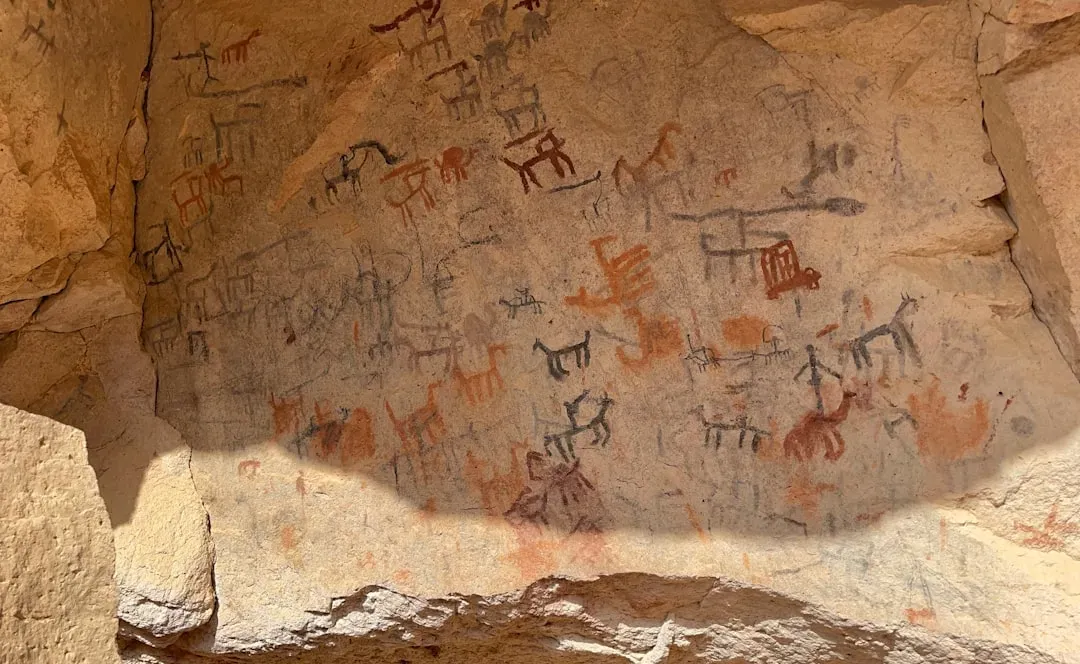
In other areas, the colour was applied by spraying the pigments by blowing the mixture through a tube. Where the rock surface is softer, some designs have been incised into the stone. The variety of techniques employed by prehistoric artists is genuinely impressive. They weren’t working with just one method but experimenting with different approaches to achieve various effects.
Shading is a technique that had not been identified before the discovery of the Chauvet Cave. It gives volume and relief to the parietal representations. Shading first involves the application of a charcoal mark on the wall. The charcoal is then re-applied and spread with a finger or a tool. Think about what this means – these artists understood concepts like depth, shading, and perspective tens of thousands of years ago.
Artists placed their hands against cave walls and blew pigment over them to leave behind a negative handprint. These hand stencils appear across the world, from Europe to Indonesia to South America. In the absence of natural light, these works could only have been created with the aid of torches and stone lamps filled with animal fat. Imagine working in those conditions – smoke filling your lungs, shadows dancing on the walls, the physical effort required to apply pigment to uneven stone surfaces.
Lascaux and Chauvet: Europe’s Prehistoric Galleries
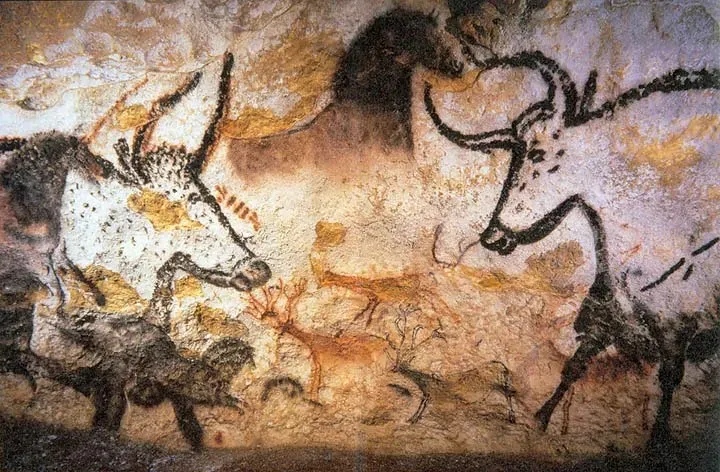
Once thought to house the oldest representational art, the more than 1,000 paintings of predators like lions and mammoths are unmatched in their sophistication. The Chauvet Cave stands as a testament to how developed artistic ability already was by the time modern humans arrived in Europe roughly 40,000 years ago. Here’s the thing: these weren’t crude stick figures or primitive scratches. They were sophisticated, dynamic, and technically accomplished works.
Over 600 parietal wall paintings cover the interior walls and ceilings of the cave. The paintings represent primarily large animals, typical local contemporary fauna. With continued debate, the age of the paintings is now usually estimated at 17,000 to 22,000 years. Lascaux has captivated imaginations since its discovery in 1940, and for good reason. The sheer number of images and their quality make it one of the most important archaeological sites in the world.
During the earliest millennia when cave art was first being made, the species most often represented were the most-formidable ones, now long extinct – cave lions, mammoths, woolly rhinoceroses, cave bears. Later on, horses, bison, aurochs, cervids, and ibex became prevalent. This shift in subject matter over time tells us something fascinating about changing relationships between humans and their environment, possibly reflecting evolving spiritual beliefs or practical concerns.
Indonesia’s Ancient Artistic Traditions
A prehistoric painting in Indonesia has been dated to at least 51,200 years ago, making it the earliest known example of “figurative” cave art in the world. According to a study published in the journal Nature, it is also possibly the oldest known surviving example of “visual storytelling” – or a narrative scene – in the world. This discovery completely reshapes our understanding of where and when sophisticated art first emerged.
Using the novel LA-U approach, the researchers dated the painting at Leang Karampuang, which depicts a wild pig and what the authors interpret as three human-like figures interacting with it. The method yielded a minimum age of 51,200 years ago. What makes this particularly significant is the narrative quality – the scene shows figures interacting, telling a story. They smash our most common ideas about the origins of art and force us to embrace a far richer picture of how and where our species first awoke. This curly-tailed creature is our closest link yet to the moment when the human mind switched on.
Venus Figurines: Celebrating the Female Form
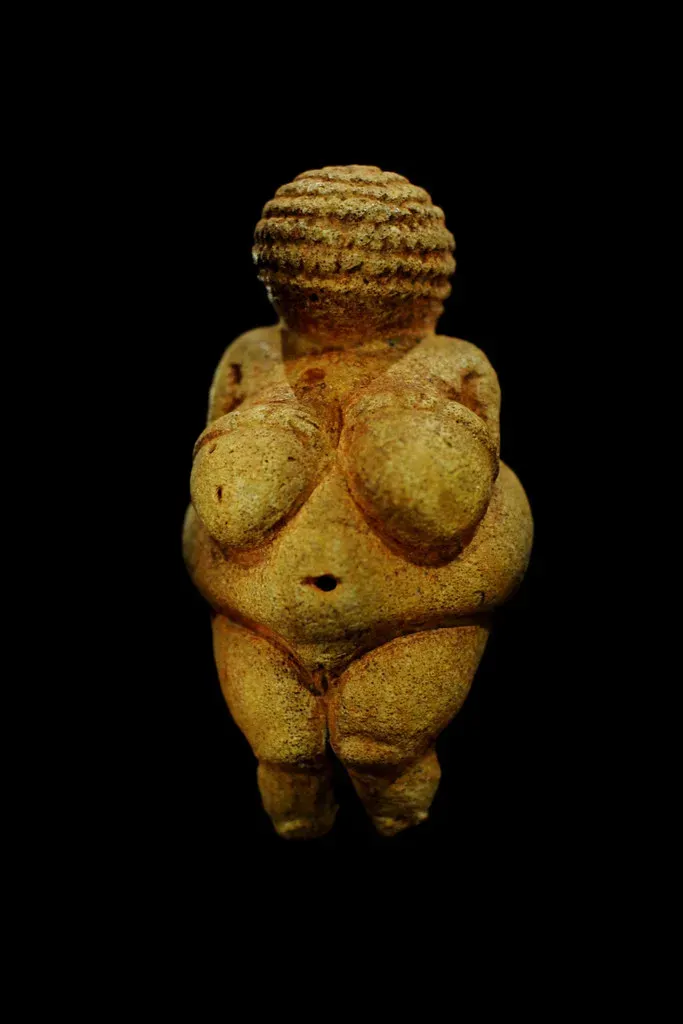
Most date from the Gravettian period (26,000–21,000 years ago). However, findings are not limited to this period; for example, the Venus of Hohle Fels dates back at least 35,000 years to the Aurignacian era. These small carved figures of women represent some of the earliest three-dimensional art created by humans. Over 200 of these mysterious figurines have been discovered across Europe and beyond.
Most of the figurines display the same body shape with the widest point at the abdomen and the female reproductive organs exaggerated. Oftentimes other details, such as the head and limbs, are neglected or absent which leads the figure to be abstracted to the point of simplicity. The consistency of these features across vast distances and time periods is striking. Were these fertility symbols? Representations of actual women? Self-portraits by female artists? Religious figures?
Figurines of obese or pregnant women from Upper Paleolithic Europe rank among the earliest art, and endured from 38,000 to 14,000 BP, one of the most arduous climatic periods in human history. We propose that the Venus representation relates to human adaptation to climate change. Because survival required sufficient nutrition for child-bearing women, we hypothesize that the over-nourished woman became an ideal symbol of survival and beauty during episodes of starvation. This theory offers a surprisingly touching explanation – that these figures represented hope and survival during one of humanity’s harshest periods.
Petroglyphs: Stories Carved in Stone
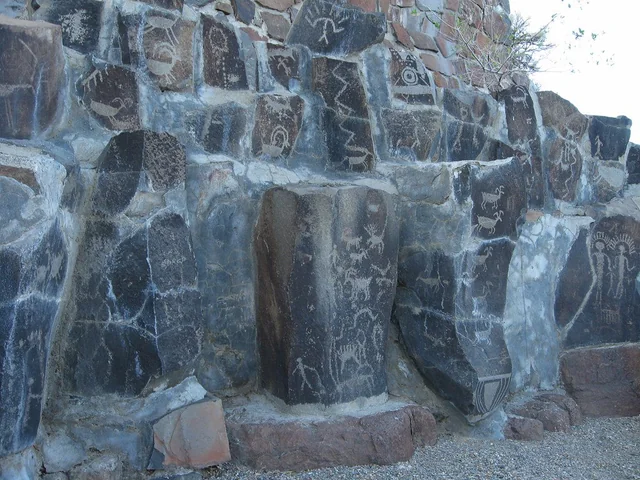
A petroglyph is an image created by removing part of a rock surface by incising, picking, carving, or abrading, as a form of rock art. The term generally refers to rock engravings of ancient origin, often associated with prehistoric peoples. While painted images are spectacular, petroglyphs have their own lasting power. By carving directly into rock, these artists created works that could endure for tens of thousands of years.
Many examples of petroglyphs found globally are dated to approximately the Neolithic and late Upper Paleolithic boundary (roughly 10,000 to 12,000 years ago). The oldest petrogryphs are those in Murujuga, Western Australia, some of which are estimated to be 40,000–50,000 years old. Australia’s rock art tradition is among the oldest continuous artistic traditions on Earth, with Aboriginal peoples maintaining connections to these sites for millennia.
Some petroglyph images most likely held a deep cultural and religious significance for the societies that created them. Many petroglyphs are thought to represent a type of symbolic or ritualistic language or communication style that remains not fully understood. That’s the fascinating – and frustrating – thing about prehistoric art. We can marvel at its beauty and skill, but the precise meanings often elude us. We’re looking through a window into the distant past, but the view is sometimes obscured.
The Purpose and Meaning Behind the Images
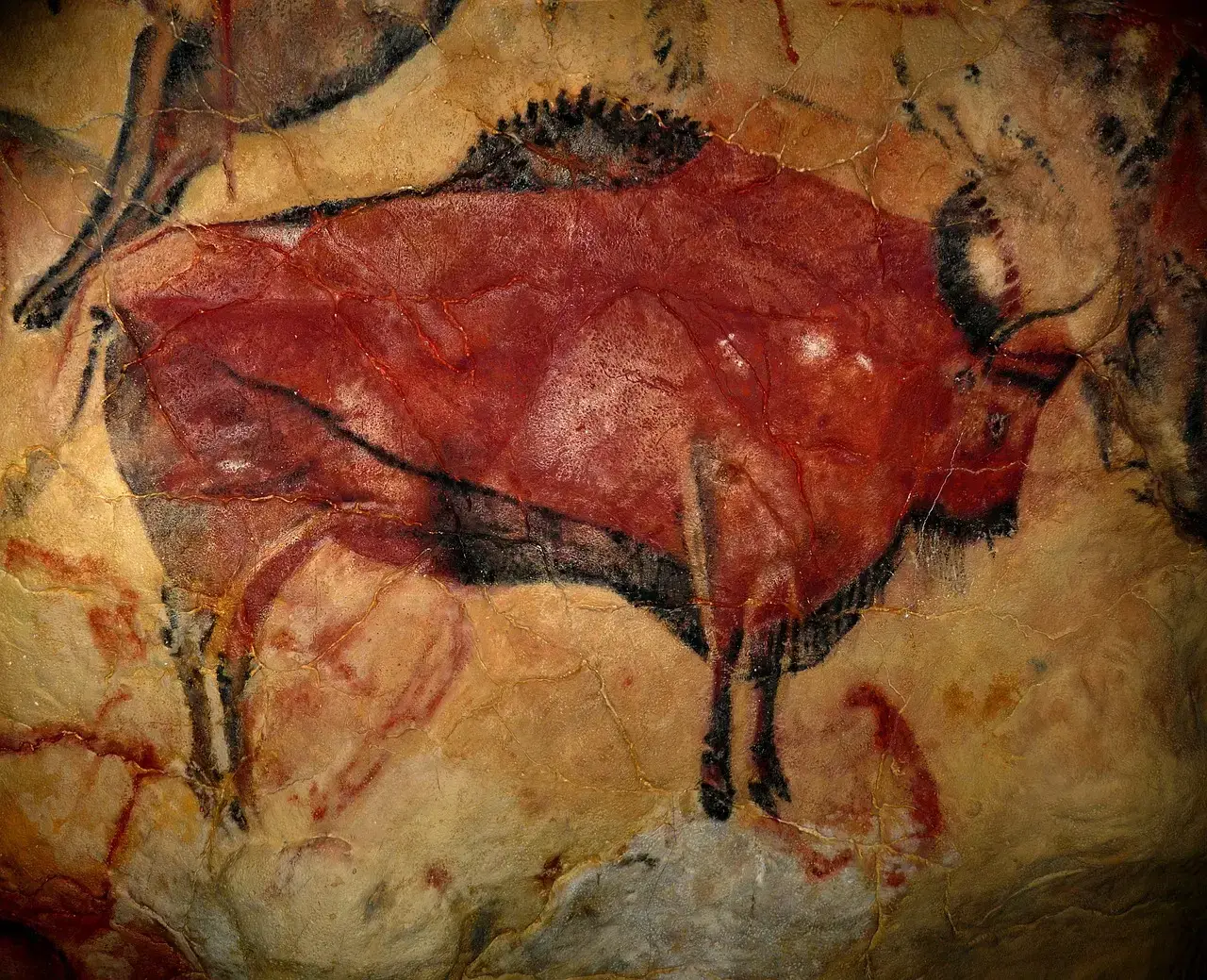
The exact meanings of the images remain unknown, but some experts think they may have been created within the framework of shamanic beliefs and practices. One such practice involved going into a deep cave for a ceremony during which a shaman would enter a trance state. The spiritual interpretation of prehistoric art has gained considerable support among researchers. The placement of many paintings deep within caves, far from living areas, suggests these weren’t casual decorations.
Some ethnographers have theorized that many paintings represent some kind of “hunting magic” and that the shamanistic act of painting animals on walls summons them and provides spiritual support for a successful hunt. Given the human propensity for communication and narrative, it is also very likely that cave art functioned as a visual storytelling technique. It’s hard to say for sure, but multiple explanations could coexist. Art rarely serves just one purpose, even today.
It’s clear from the way that some paintings in the Cumberland Plateau caves are grouped that the artists were telling a story or narrative. Even if archaeologists can’t tell what an early artist was saying, they can see that the artist was using images purposefully to create a narrative. A striking feature of many of these cave paintings is the fact that they are often in large caverns with interesting sound qualities. So, was singing or chanting another aspect of the art experience for the Palaeolithic peoples? This multisensory dimension adds another layer to our understanding of how these sites were used.
A Global Phenomenon Across Continents
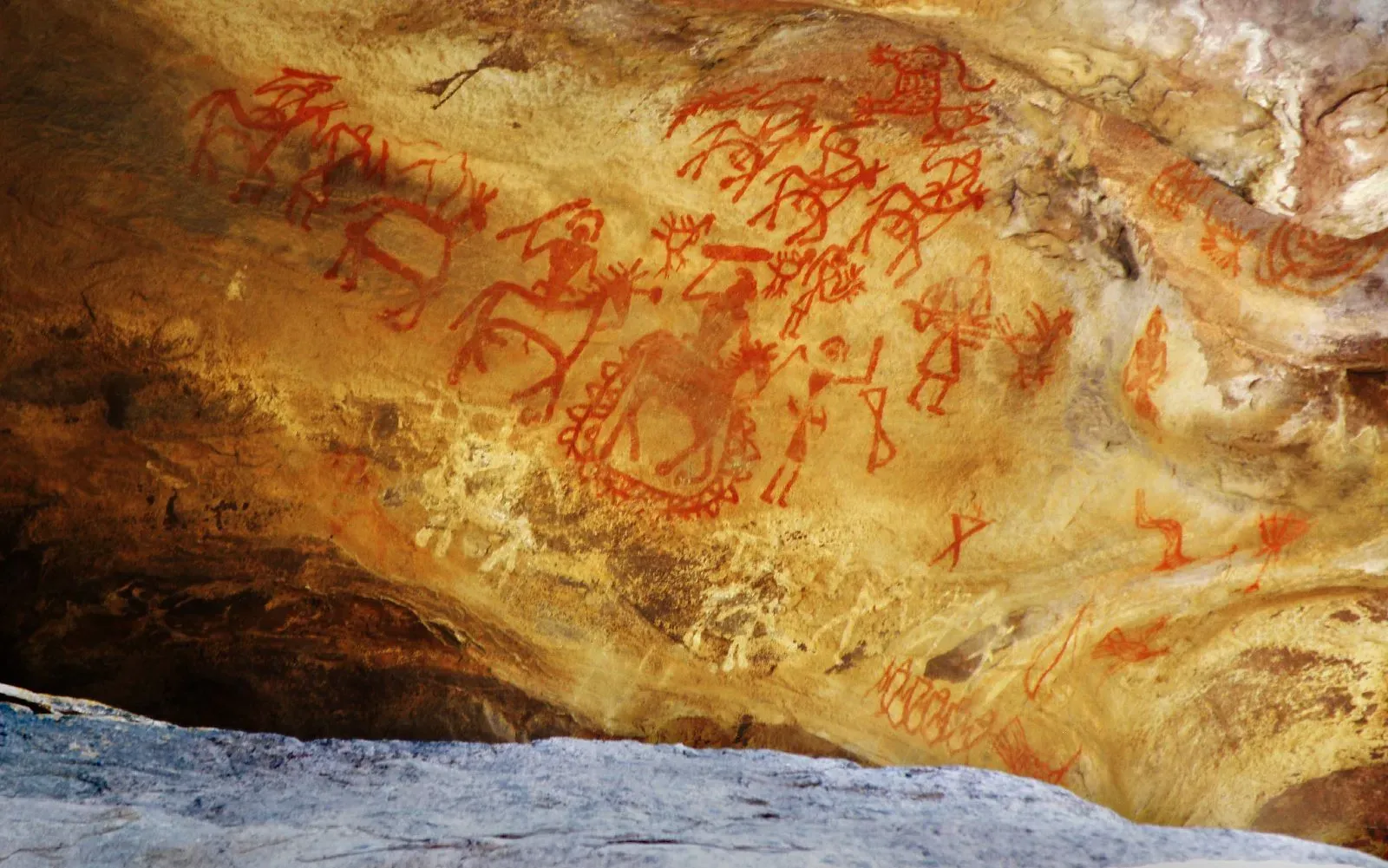
Cave paintings and rock art can be found all over the world, from the deserts of Australia to caves of Europe and Asia, as well as Africa, and the Americas. Wherever humans went, they left their mark on the walls of their homes. In fact, the only continent where cave paintings have not been discovered is Antarctica. This universal impulse to create art is one of the defining characteristics of our species.
Nearly 700 miles southwest of Buenos Aires, archaeologists from Argentina and Chile discovered the earliest known cave paintings in South America. Dating back 8,200 years, the 895 works of art come from the Huenul 1 cave. Each region developed its own distinctive styles and traditions, yet common themes – animals, hands, geometric patterns – appear across cultures that never had contact with each other.
In Kakadu National Park in Australia, you can admire outstanding examples of Aboriginal rock art at Ubirr, Nourlangie and Nanguluwur. Kakadu’s rock art showcases one of the longest historical records of any group of people in the world. Some traditions continued into relatively recent times. In isolated areas, people were still creating rock art when European explorers first encountered them. This continuity helps researchers better understand what these ancient images might have meant.
Preserving Humanity’s Earliest Masterpieces
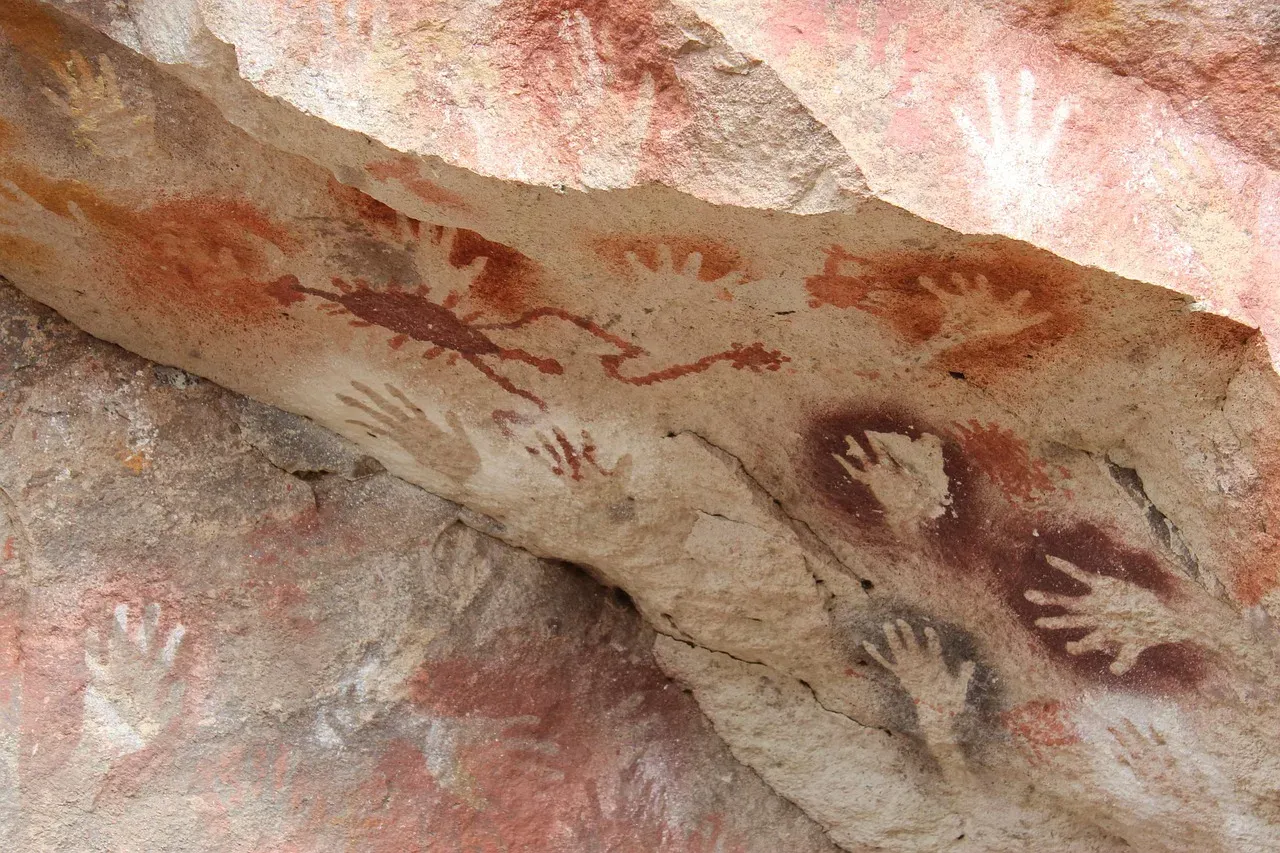
The challenge of protecting prehistoric art for future generations has become increasingly urgent. Now only a few scientific experts are allowed to work inside the cave and just for a few days a month, but the efforts to remove the mold have taken a toll, leaving dark patches and damaging the pigments on the walls. Lascaux’s conservation struggles highlight the delicate balance between public access and preservation.
At the time, tourists were allowed into the caves to admire and observe the early human art. Soon, the exposure to light, microorganisms from the visitors, and the air pollution began to fade and deteriorate the paintings. It’s a sobering reminder that these irreplaceable treasures are vulnerable. Every breath, every touch, every bit of moisture introduces can contribute to their degradation.
Animistic depictions, combined with spiritual aspects, as well as the local fauna, show a world where our ancestors held a deep connection to nature around them. Ultimately, what the paintings show is that human beings have a deep-seated desire to create and engage their imagination through art, a defining feature of the human species. This is perhaps the most important lesson prehistoric art teaches us. Despite the vast gulf of time separating us from those ancient artists, we share fundamental human traits – creativity, curiosity, and the need to leave our mark on the world.
What do you think drove our ancestors to venture deep into dark caves and spend hours creating these magnificent works? The mystery continues to captivate us, inviting each generation to wonder anew about the origins of human creativity and consciousness.