You probably think you know everything about dinosaurs. The ferocious Tyrannosaurus rex, the towering Brachiosaurus, and those sharp-toothed velociraptors that have populated countless movies and nightmares. Yet one of the most incredible groups of creatures from that ancient world often gets mistaken for dinosaurs when they were actually something entirely different. Pterosaurs ruled the skies for more than a hundred and fifty million years, soaring above the heads of land-dwelling dinosaurs with wings unlike anything we see today.
These remarkable reptiles were the earliest vertebrates known to have evolved powered flight, beating birds to the skies by tens of millions of years. Their story is one of incredible adaptation, surprising diversity, and ultimately, a mysterious disappearance that still puzzles scientists. What made these creatures so successful for so long, and what can their extinction teach us about the fragility of even the most dominant species?
The Dawn of Flight: A Revolutionary Adaptation
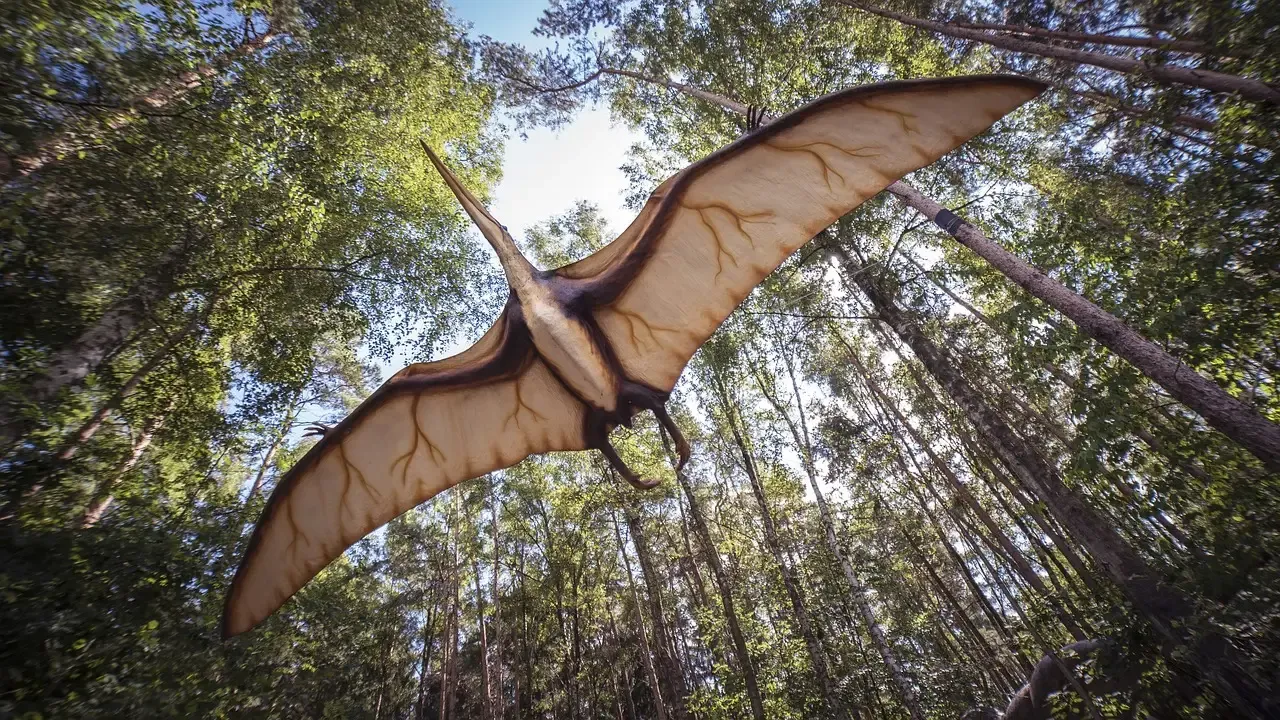
Picture a world where nothing with a backbone had ever left the ground under its own power. Then, suddenly, creatures appeared that could climb into the air and stay there, flapping and gliding through ancient skies. Pterosaurs were the first vertebrates to fly, achieving this remarkable feat long before birds or bats existed.
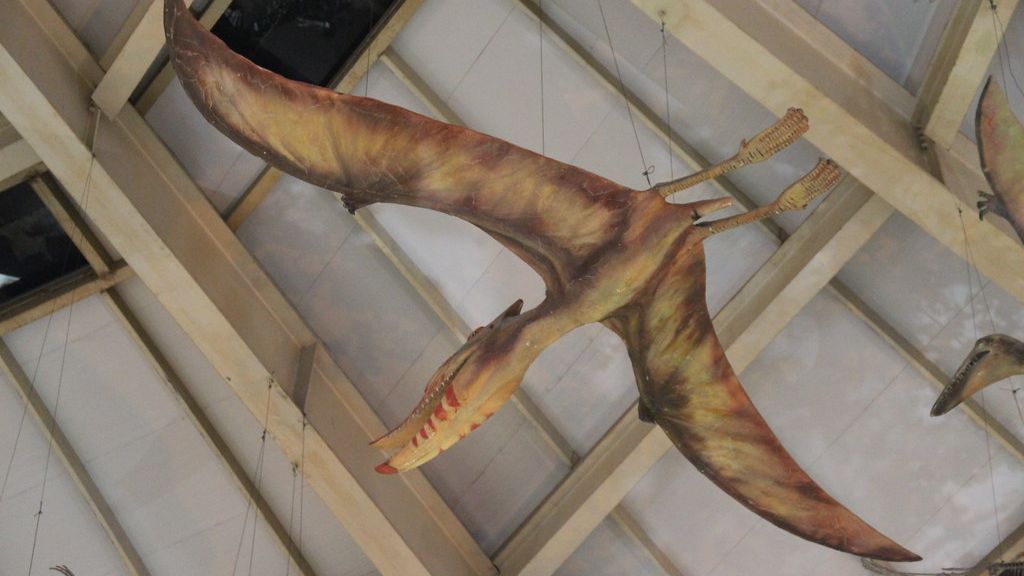
Their wings were formed by a membrane of skin, muscle, and other tissues stretching from the ankles to a dramatically lengthened fourth finger. Honestly, it’s hard to imagine a more unusual wing structure. Unlike birds with their feathered wings or bats using multiple fingers, pterosaurs evolved a single, enormously elongated finger to support their entire flight surface. This design was unique in the history of life on Earth, and it worked spectacularly well.
Recent research has revealed something even more fascinating about how quickly pterosaurs mastered the skies. Flying pterosaurs likely acquired flight in a burst at their origin, transforming their brains and bodies rapidly to meet the demands of aerial life. This stands in sharp contrast to birds, which developed flight more gradually over millions of years through their dinosaur ancestors.
Anatomical Marvels Built for the Skies
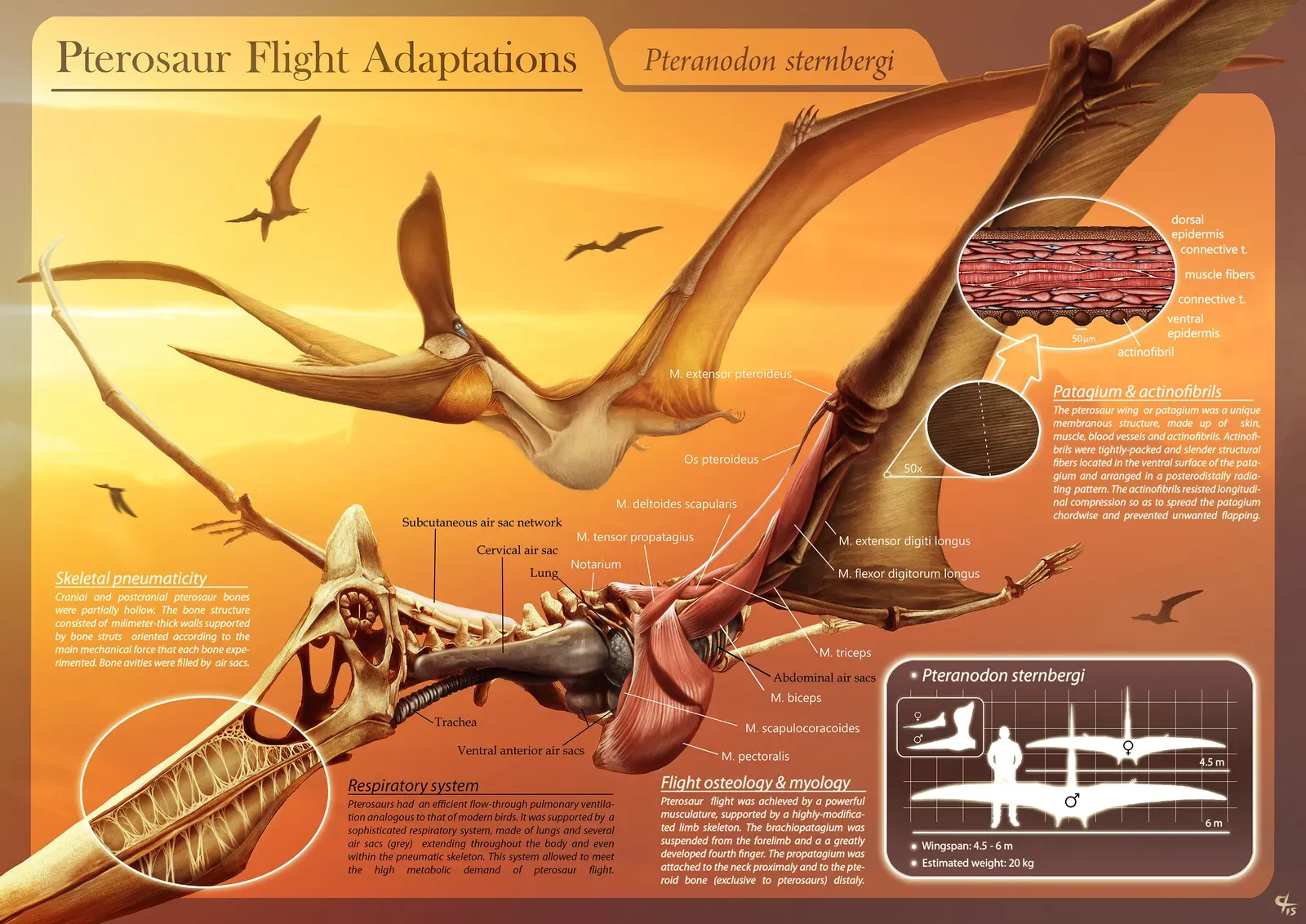
Let’s be real: pterosaurs were engineering masterpieces. Every aspect of their body seemed designed to minimize weight while maximizing strength. Pterosaur bones were hollow and air-filled, like those of birds, with bone walls often paper-thin. Imagine bones so delicate they could easily crumble in your hands, yet strong enough to support powerful flight muscles and withstand the stresses of aerial acrobatics.
They had a large and keeled breastbone for flight muscles and an enlarged brain able to coordinate complex flying behaviour. Their skeletal structure featured extensive fusion, which sounds like a disadvantage until you realize it provided crucial stability. In some later pterosaurs, the backbone over the shoulders fused into a structure known as a notarium, which served to stiffen the torso during flight.
The wing itself was far more sophisticated than just a simple membrane stretched between bones. Scientists discovered that pterosaurs possessed intricate muscle structures at the wing root that provided multiple benefits. The pterosaur wing root fairing was unique in being primarily made of muscle rather than fur or feathers, giving them sophisticated control over their wings and contributing to wing force generation during flight.
A Spectrum of Sizes: From Sparrow to Small Airplane
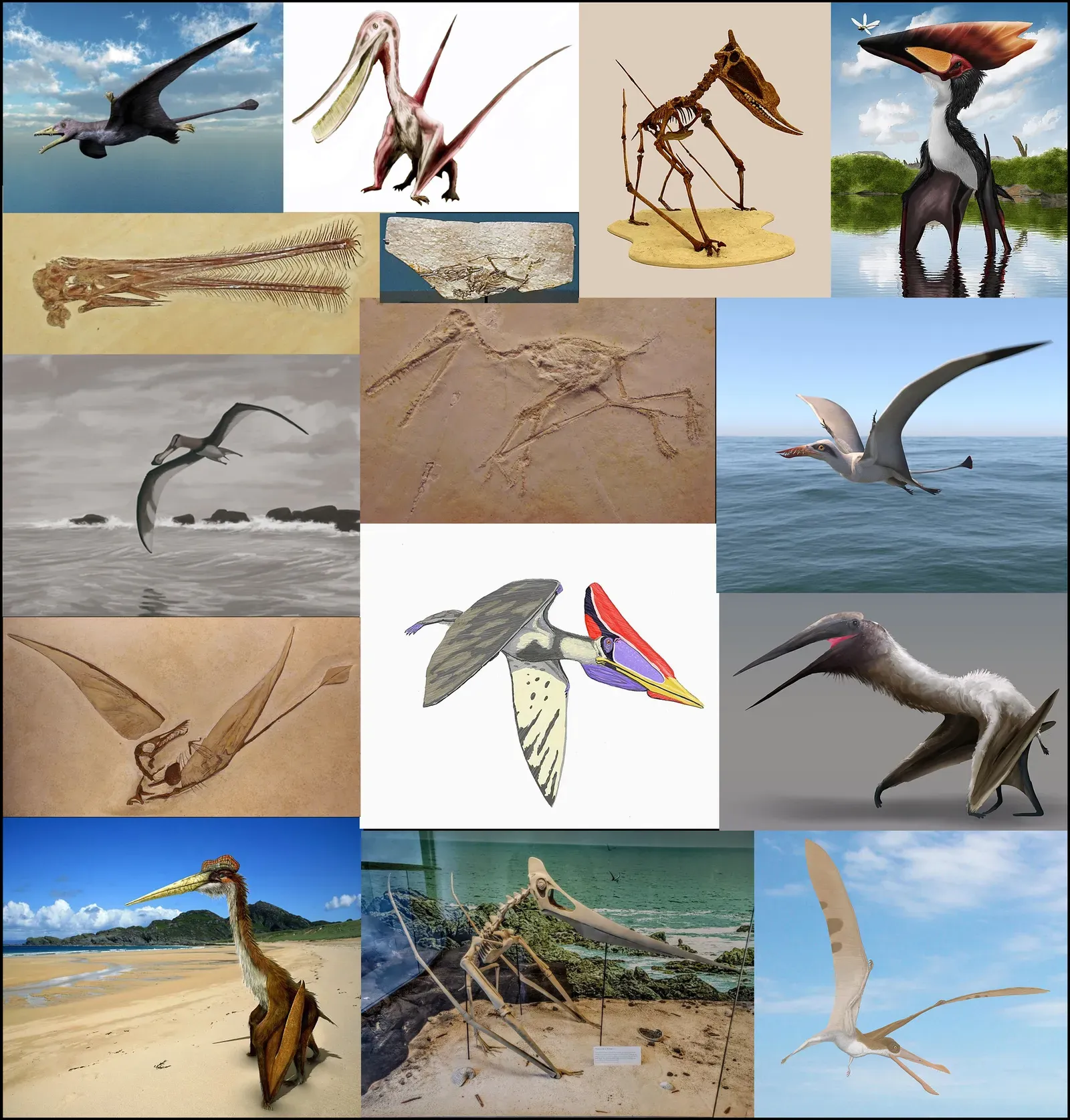
Here’s something that might surprise you. Pterosaurs were highly diverse in size, with early pterosaurs of the Triassic and Jurassic periods typically small animals with wingspans only up to two metres, while most Cretaceous pterosaurs were larger. The smallest among them measured barely larger than your hand.
The smallest pterosaurs like Nemicolopterus were about the size of a sparrow, with a wingspan around twenty-five centimeters. Picture something you could cradle in your palm, a tiny flying reptile zipping through Jurassic forests chasing insects. Yet the same group also produced absolute giants.
The largest pterosaur, Quetzalcoatlus, had a wing span from eleven to twelve meters long, roughly the size of a small aircraft. Standing on the ground, some of these massive creatures would have been as tall as a giraffe. This incredible size range within a single group of animals is remarkable and speaks to their adaptability to different ecological niches over millions of years.
Masters of Diverse Diets and Hunting Strategies
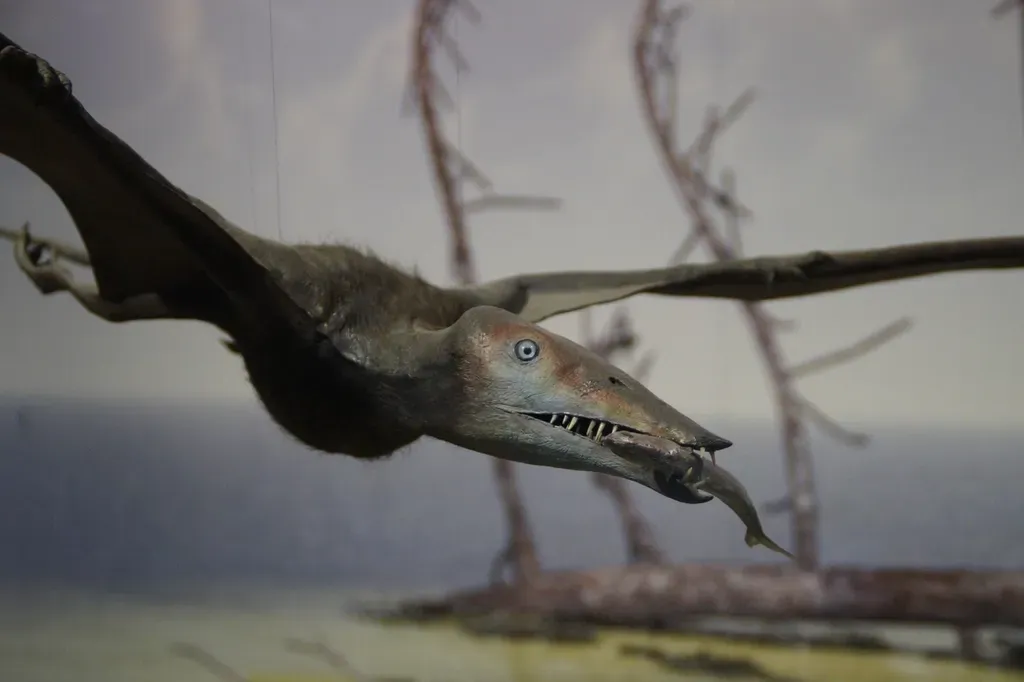
For a long time, scientists assumed pterosaurs were simply fish-eaters. Turns out, that assumption was way off the mark. The group is now understood to have also included hunters of land animals, insectivores, fruit eaters and even predators of other pterosaurs. Their dietary diversity was stunning.
Different species developed wildly different feeding strategies based on their anatomy and environment. Germanodactylus and Pterodactylus were piscivores, while the Ctenochasmatidae were suspension feeders, using their numerous fine teeth to filter small organisms from shallow water, and Pterodaustro was adapted for flamingo-like filter-feeding. Some species had sensitive beaks covered with nerve endings, allowing them to feel for prey in murky waters or soft sediment.
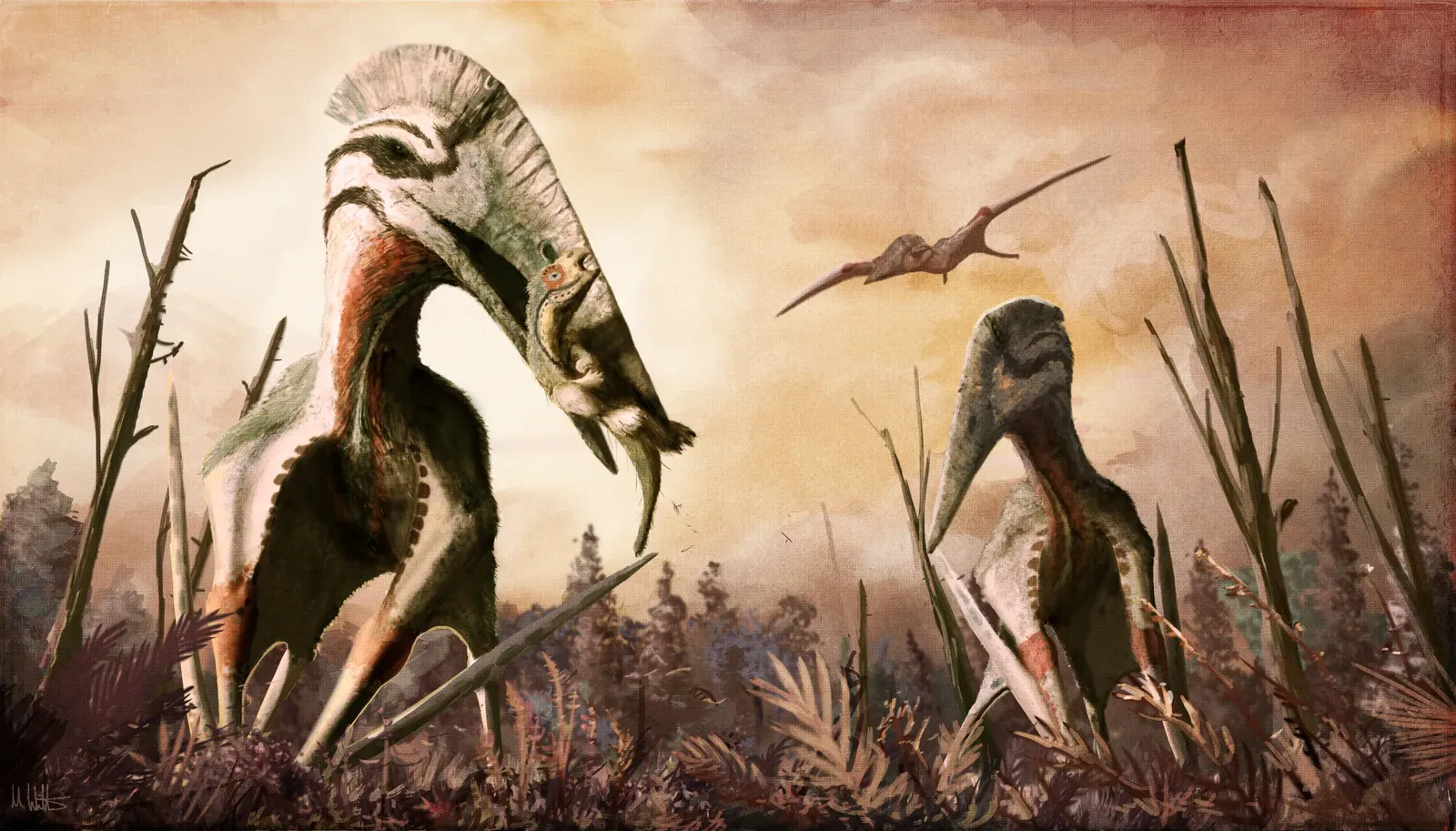
Azhdarchidae are now understood to be terrestrial predators akin to ground hornbills or some storks, eating any prey item they could swallow whole, with Hatzegopteryx being a robustly built predator of relatively large prey, including medium-sized dinosaurs. Imagine a giraffe-sized flying reptile stalking through prehistoric landscapes, snapping up dinosaurs the way modern herons catch fish.
Warm-Blooded Fliers with Fuzzy Coats
Early scientists got this completely wrong too. Because pterosaurs were reptiles, generations of scientists imagined that these creatures must have been cold-blooded, like modern snakes and lizards, making them awkward aerialists at best. This misconception persisted for decades until fossil discoveries revealed something unexpected.
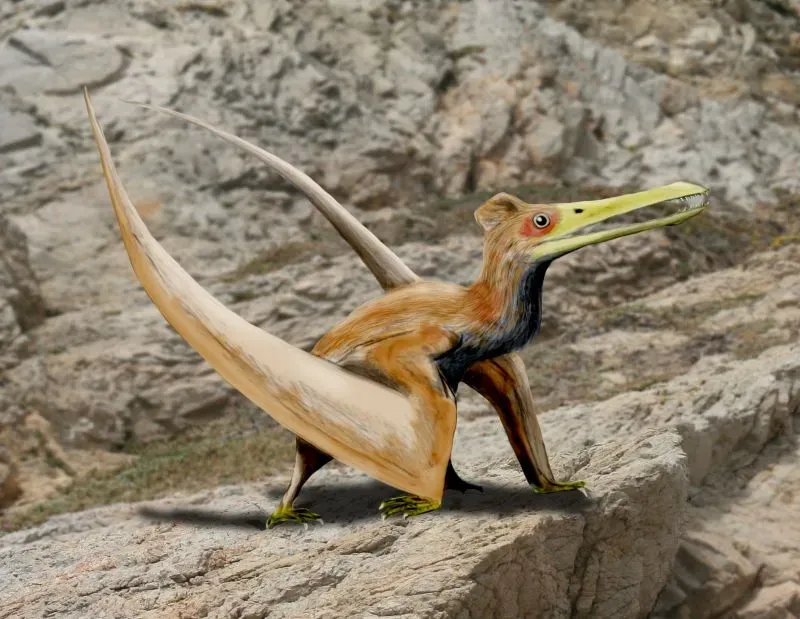
Some pterosaurs, including Sordes pilosus and Jeholopterus ninchengensis, had furry coats consisting of hairlike filaments called pycnofibers, suggesting they were warm-blooded and generated their own body heat. These weren’t true hairs like mammals have, but they served a similar purpose: insulation. Pterosaurs sported coats of hair-like filaments known as pycnofibers, which covered their bodies and parts of their wings, growing in several forms, from simple filaments to branching down feathers.
They were warm-blooded, active animals, capable of sustained flight and complex behaviors that would have been impossible for cold-blooded creatures. This metabolic revolution allowed them to be active hunters, traveling vast distances and maintaining the energy-intensive lifestyle that powered flight demands.
Life on Land and Reproduction
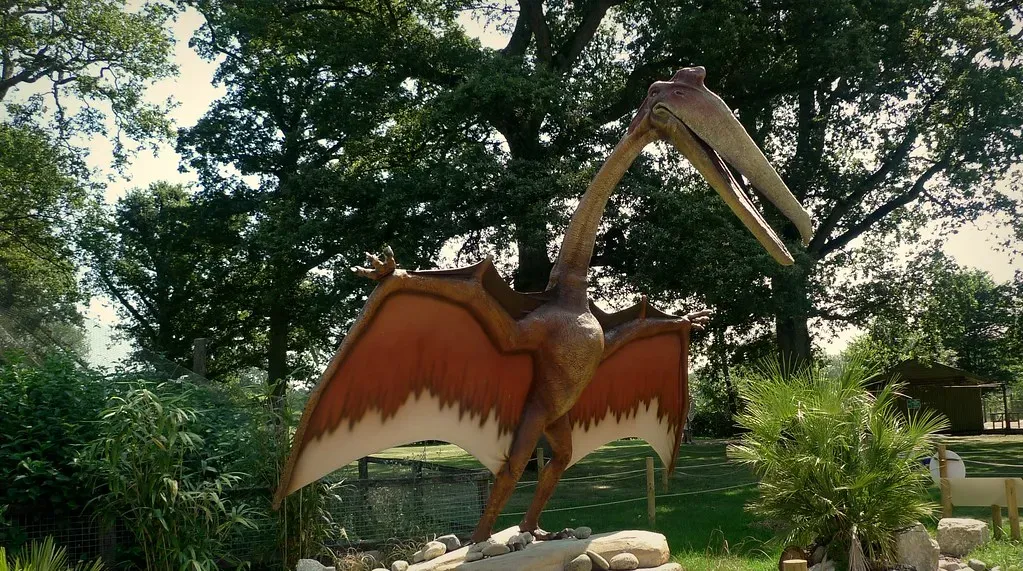
Pterosaurs weren’t just masters of the air. Recent studies have completely changed how we understand their terrestrial abilities. Some species were bipedal, whereas others walked on all fours, with different groups adopting different postures depending on their size and lifestyle.
Their hips, femurs, and preserved tracks indicate that they were adept at land locomotion as well, having an erect, energy-efficient stance close to that of mammals, with families Azhdarchidae and Ornithocheiridae having relatively long forelimbs similar in size and shape to mammals like horses or cows. The largest species likely spent significant time on the ground, stalking prey through ancient forests and floodplains.
They reproduced by laying eggs, though pterosaur eggs are remarkably rare finds. Evidence suggests that different-sized pterosaurs had dramatically different reproductive strategies. Smaller Jurassic pterosaurs produced hatchlings that were essentially miniature adults, ready to fly within days. Larger Cretaceous species, however, may have cared for their young, which were born less developed and needed time before taking their first flight.
Thriving Until the Very End: A Misunderstood Decline
Here’s where the story gets really interesting. For years, textbooks taught that pterosaurs were already fading away before the final extinction event, supposedly outcompeted by birds. The pterosaurs were previously thought to be declining before the mass extinction at the end of the Cretaceous period. That narrative has now been thoroughly debunked.
A diverse pterosaur assemblage from the late Maastrichtian of Morocco includes not only Azhdarchidae but the youngest known Pteranodontidae and Nyctosauridae, with three families and at least seven species present. Pterosaur diversity did not decline in the latest Cretaceous and may have been increasing prior to the extinction.
The apparent decline was actually an artifact of the fossil record. The apparent decline in pterosaur diversity is due to a bias in the fossil record called the Signor-Lipps Effect, which makes it look like groups are declining when they’re really just less likely to be preserved as fossils near mass extinction events.
The Catastrophic End: Asteroid Impact and Extinction
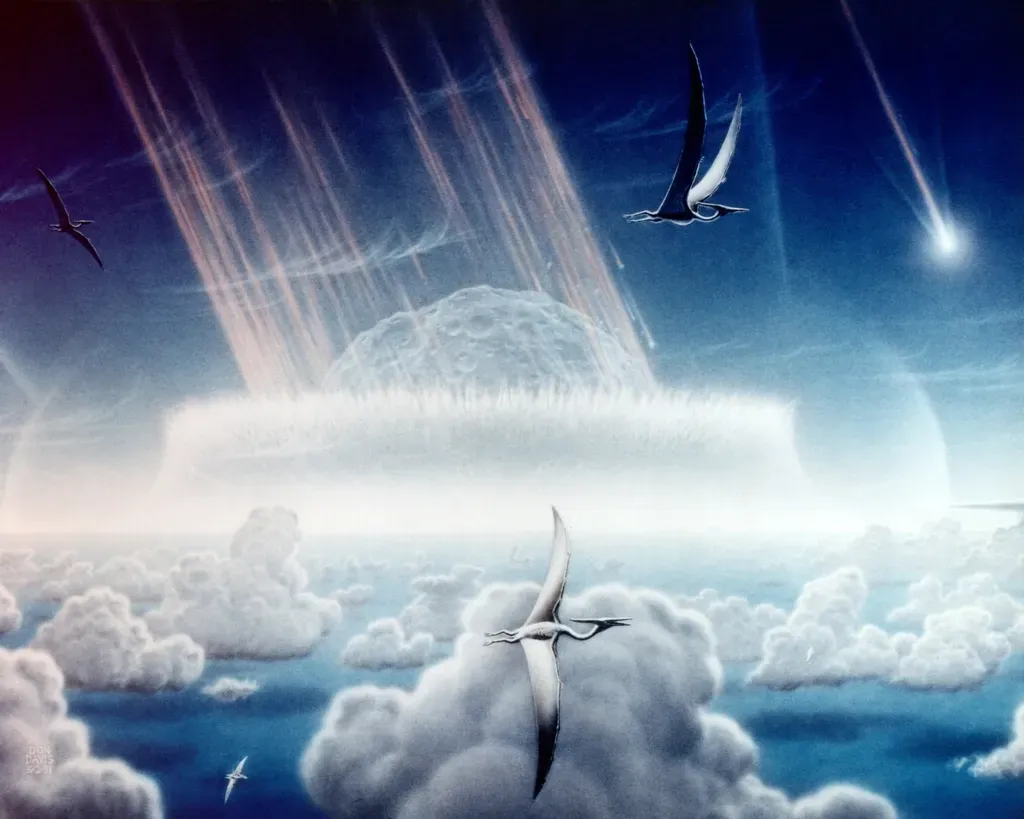
Sixty-six million years ago, an immense asteroid slammed into what is now the Yucatan Peninsula, triggering one of the worst extinction crises of all time. This wasn’t a slow fade into oblivion. Pterosaurs were thriving right up until the moment disaster struck.
The extinction event at the end of the Cretaceous, which wiped out all non-avian dinosaurs and many other animals, was the direct cause of the extinction of the pterosaurs. The world saw the last of coil-shelled squid cousins called ammonites, seagoing lizards called mosasaurs, and myriad other forms of life, including the strange, sometimes massive, flying pterosaurs.
The aftermath was catastrophic. Species that depended on photosynthesis declined or became extinct as atmospheric particles blocked sunlight and reduced the solar energy reaching the ground. Pterosaurs, as active, warm-blooded animals with high metabolic demands, would have struggled tremendously in the darkened, disrupted world that followed the impact. Their specialized diets and large sizes made many species particularly vulnerable to ecosystem collapse.
Why Pterosaurs and Not Birds?
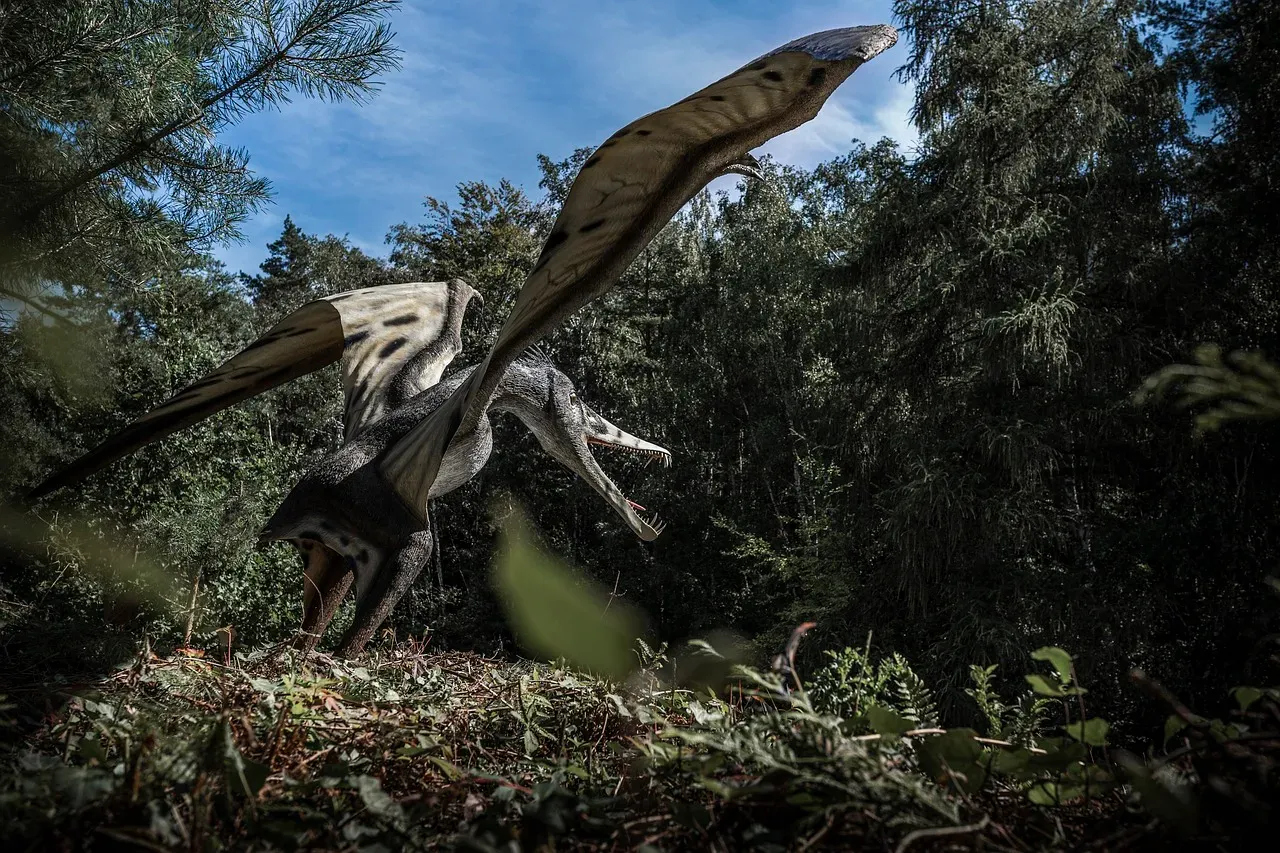
So here’s the million-dollar question: why did pterosaurs go extinct while birds survived? Scientists don’t have a definitive answer, but several factors likely contributed. Pterosaur decline seems unrelated to bird diversity, as ecological overlap between the two groups appears to be minimal, and in fact, at least some avian niches were reclaimed by pterosaurs prior to the extinction event.
Size might have been a critical factor. Most surviving bird species at the extinction boundary were relatively small, which gave them advantages in a resource-scarce world. They needed less food, could shelter more easily, and had faster reproductive rates. Many pterosaurs, particularly the dominant late Cretaceous species, had grown enormous, specializing in niches that simply collapsed when the asteroid struck.
Birds may also have benefited from different nesting strategies, dietary flexibility, and the ability to exploit seed banks and other resources that persisted after the initial catastrophe. Pterosaurs, with their more specialized lifestyles and higher energy requirements, found themselves in an impossible situation with no escape route.
Legacy and Lessons from the Flying Reptiles
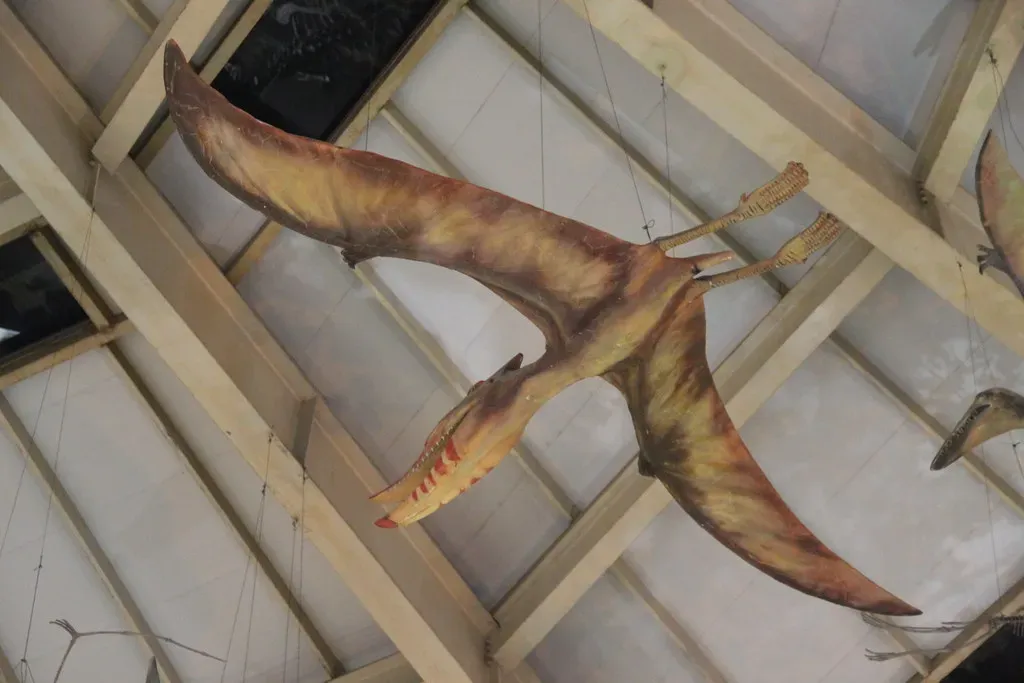
The pterosaurs’ story spans over one hundred and fifty million years of success. Pterosaurs were the first vertebrates to evolve powered flight and the largest animals to ever take wing, persisting for over one hundred and fifty million years before disappearing at the end of the Cretaceous. That’s three times longer than mammals have dominated the Earth since the dinosaurs disappeared.
Their legacy lives in the skies today, though not through direct descendants. Pterosaurs left no living relatives. They were an evolutionary experiment that succeeded brilliantly for eons before being wiped out by a cosmic accident. Their fossils teach us about the incredible diversity of solutions evolution can produce for the challenge of flight, and about the vulnerability of even the most successful groups to sudden environmental catastrophe.
What’s truly sobering is that pterosaurs weren’t failing when they disappeared. They were diversifying, adapting, and thriving. Their extinction wasn’t the result of competitive inferiority or evolutionary dead ends, it was simply catastrophically bad timing. In a world without that asteroid impact, pterosaurs might still rule the skies alongside birds today, adding yet another dimension to the already incredible diversity of flying animals. The thought of Quetzalcoatlus-sized creatures soaring over modern cities is both thrilling and terrifying, isn’t it?