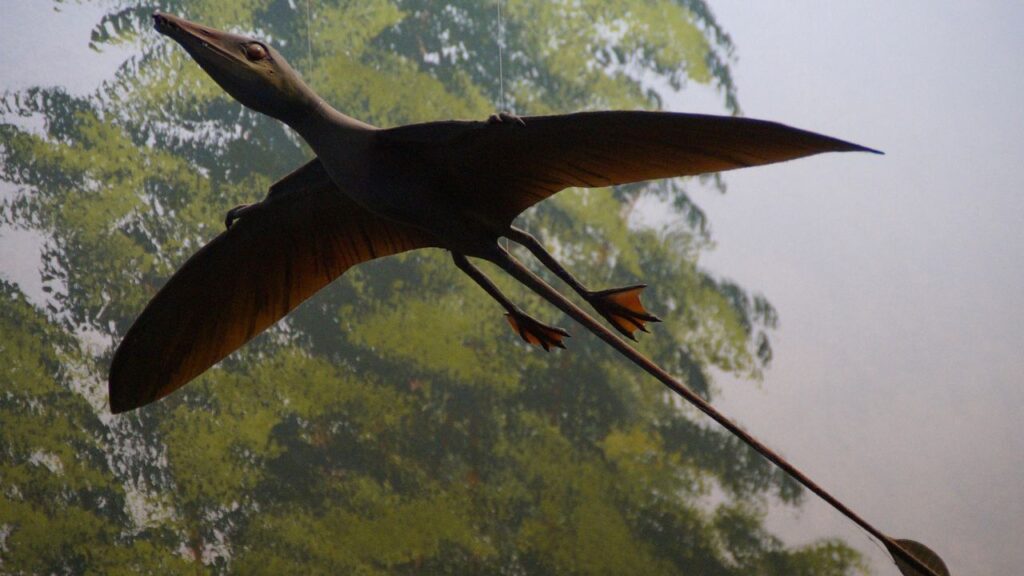
You probably remember seeing them in movies, soaring over dinosaurs with wings that seemed impossibly vast. Maybe as a child, you wondered how anything that gigantic could stay airborne. Here’s the thing: pterosaurs weren’t just lucky evolutionary flukes that stumbled into flight and barely held on. These creatures owned the skies for over 150 million years, which is far longer than modern birds have been around. That’s not a coincidence or survival by chance.
Their dominance wasn’t about one single advantage, but a combination of innovations that made them virtually unbeatable in the air. From their bizarre anatomy to their surprisingly clever brains, pterosaurs evolved into flying machines that pushed the boundaries of what physics should allow. So let’s dive in and uncover what made these ancient reptiles the true rulers of prehistoric skies.
They Were the First Vertebrates to Master Powered Flight
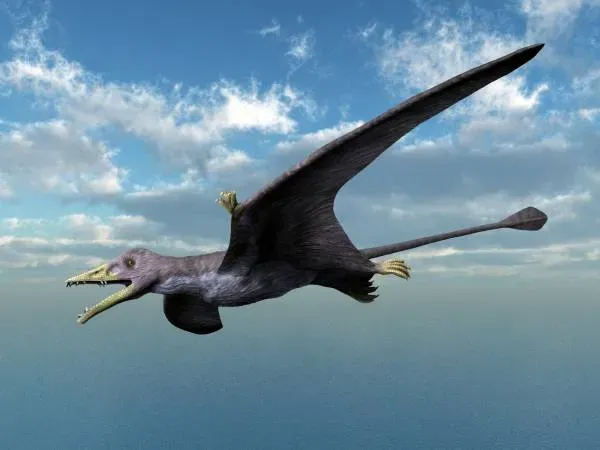
Pterosaurs were the first vertebrate creatures to evolve powered flight and conquer the air – long before birds took wing. Think about that for a moment. While dinosaurs were still figuring out how to walk on two legs, pterosaurs had already taken to the skies. The first pterosaurs turn up in the fossil record around 215 million years ago, in the Late Triassic. Birds didn’t show up until roughly 165 to 150 million years ago, meaning pterosaurs had a head start of about 50 to 65 million years.
This early innovation gave them an enormous evolutionary advantage. They weren’t competing with anyone else for aerial niches because no one else could fly yet. They prevailed for more than 160 million years before vanishing along with the nonbird dinosaurs at the end of the Cretaceous period, around 66 million years ago. That’s a staggering run of success.
Their Hollow Bones Were Engineering Marvels
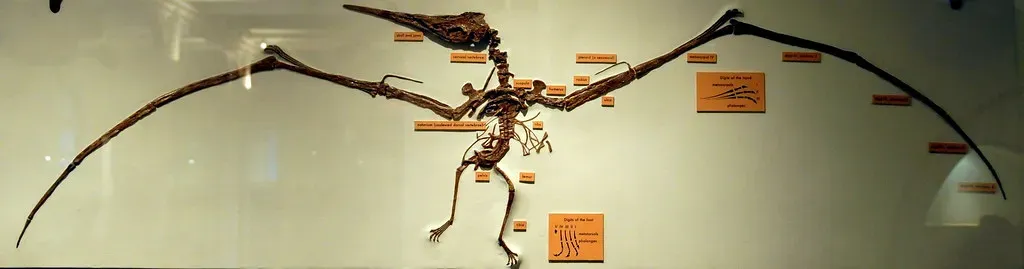
Pterosaur bones were hollow and air-filled, like those of birds. This provided a higher muscle attachment surface for a given skeletal weight. The bone walls were often paper-thin. Imagine constructing a building where the support beams are hollow tubes thinner than cardboard, yet strong enough to withstand hurricane-force winds. That’s basically what pterosaur bones achieved.
A pterosaur’s wing bones were hollow tubes, with walls no thicker than a playing card. Like bird bones, they were flexible and lightweight, while strengthened by internal struts. Some species had bones barely one millimeter thick. These ultra-light skeletons allowed even the largest pterosaurs to get airborne, despite weighing hundreds of pounds. The structure was so efficient that it resembled modern carbon-fiber racing bike frames.
A Revolutionary Respiratory System Powered Their Flight
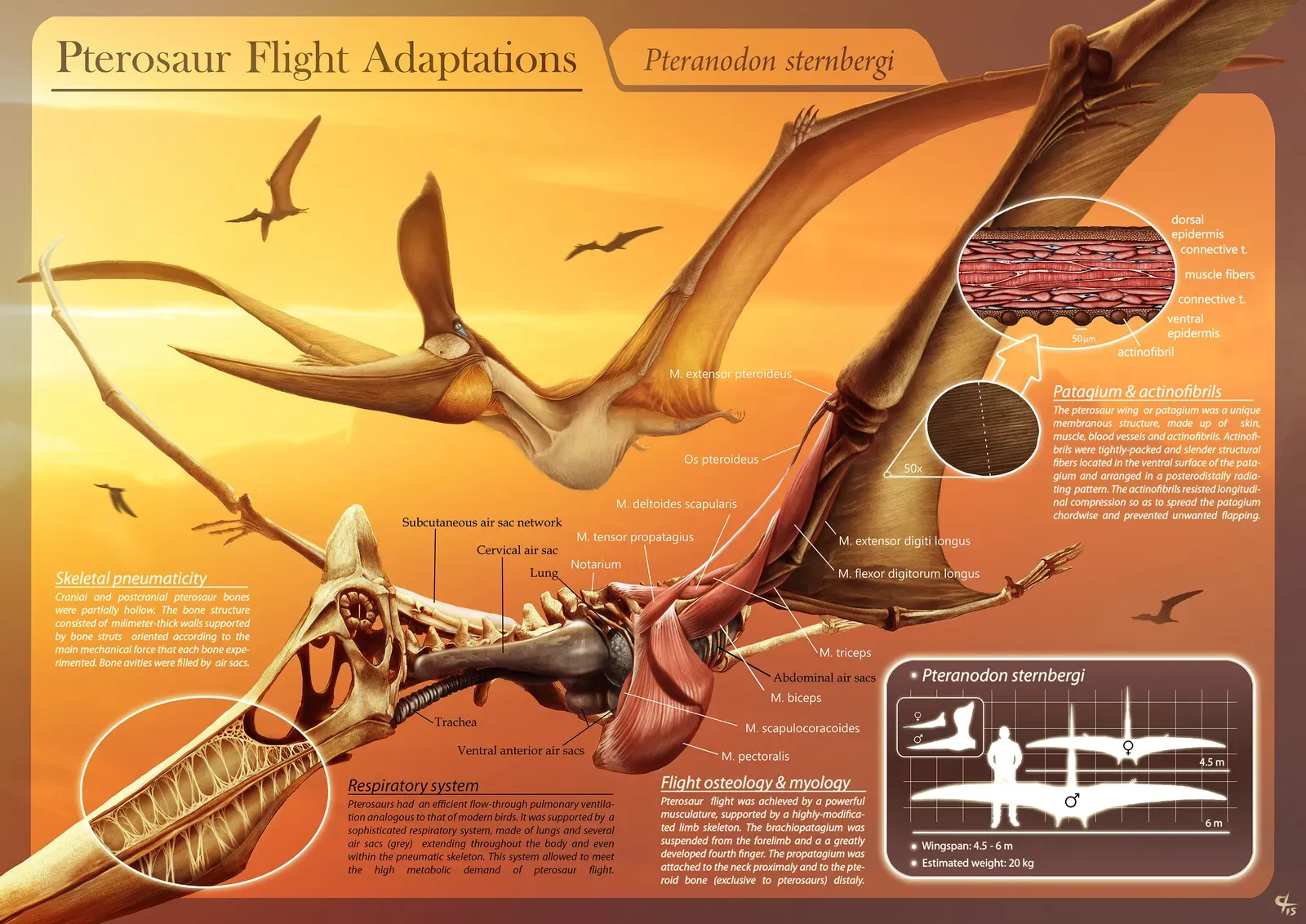
Pterosaurs had a highly effective flow-through respiratory system, capable of sustaining powered flight, predating the appearance of an analogous breathing system in birds by approximately seventy million years. This wasn’t your average reptilian lung setup. Pterosaurs developed air sacs throughout their bodies that created a continuous flow of oxygen-rich air through their lungs, similar to what modern birds have today.
The respiratory system had efficient unidirectional “flow-through” breathing using air sacs, which hollowed out their bones to an extreme extent. The combination of endothermy, a good oxygen supply and strong muscles made pterosaurs powerful and capable flyers. This system didn’t just make them lighter. It allowed them to sustain the intense energy demands of flapping flight, especially for larger species that needed constant power to stay aloft.
Flight Efficiency Improved Dramatically Over Millions of Years
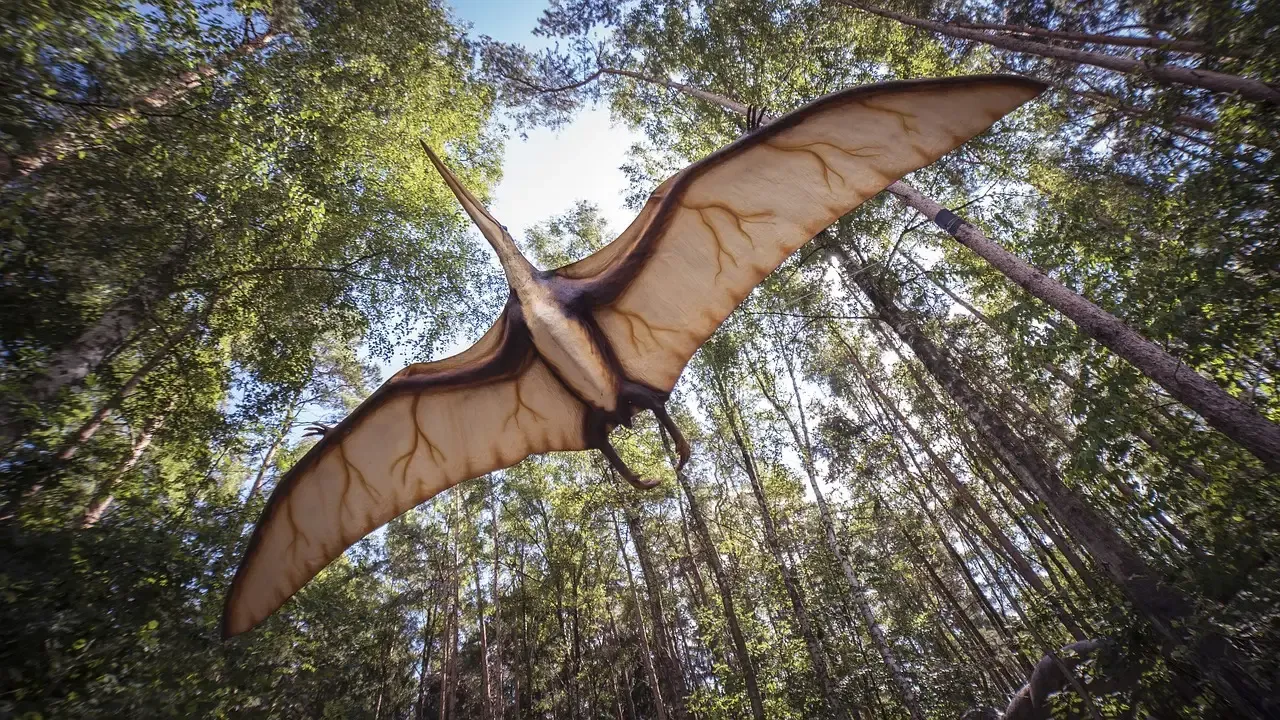
Pterosaur flight efficiency improved by 50% over the period from 230 million years ago to their extinction 66 million years ago. This enabled them to fly for over much greater distances for long periods of time. Natural selection wasn’t done with pterosaurs after they evolved flight. Instead, they kept getting better at it, continuously refining their aerial abilities through evolutionary fine-tuning.
The models showed that pterosaurs adapted their body shape and size, so they used 50% less energy when flying, over their 150 million-year history. They showed the creatures increased in mass ten fold, with some eventually weighing more than 300 kg. This is evidence of Darwinian evolution playing out over an incomprehensibly long timescale. They didn’t just survive. They thrived and improved.
Their Brains Were Specialized Flight Computers

Let’s be real: you don’t need a massive brain to fly. Pterosaurs evolved flight early on in their existence and did so with a smaller brain similar to true non-flying dinosaurs. Unlike birds, which gradually evolved larger brains over time, pterosaurs acquired flight capabilities rapidly, almost in an evolutionary burst.
The pterosaurs’ flocculi occupied 7.5% of the animals’ total brain mass, more than in any other vertebrate. Birds have unusually large flocculi compared with other animals, but these only occupy between 1 and 2% of total brain mass. The flocculus sends out neural signals that produce small, automatic movements in the eye muscles. This specialized brain region stabilized their vision during rapid flight movements. Pterosaurs essentially had built-in image stabilization technology millions of years before cameras existed.
Wing Design That Defied Convention
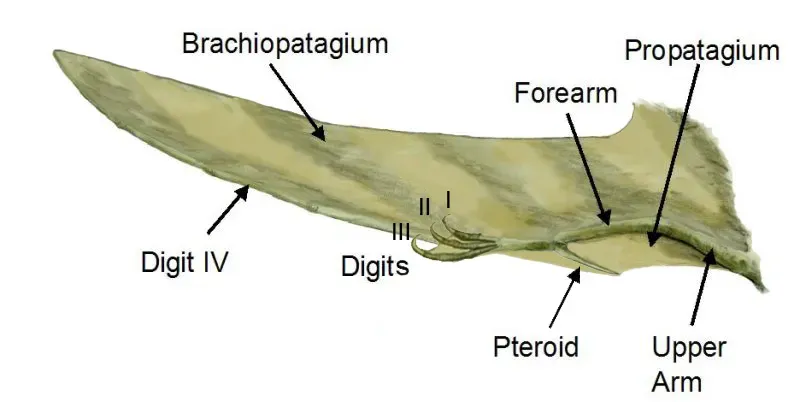
Pterosaur wings were formed by bones and membranes of skin and other tissues. The primary membranes attached to the extremely long fourth finger of each arm and extended along the sides of the body. Unlike bird wings made of feathers or bat wings spread across multiple fingers, pterosaur wings were supported by a single, ridiculously elongated finger bone. Picture your ring finger stretching out longer than your entire body, and you’ll get the idea.
The wing membranes of pterosaurs were highly complex dynamic structures suited to an active style of flight. The outer wings were strengthened by closely spaced fibers called actinofibrils. The wing membranes also contained a thin layer of muscle, fibrous tissue, and a unique, complex circulatory system of looping blood vessels. The combination of actinofibrils and muscle layers may have allowed the animal to adjust the wing slackness and camber. These weren’t simple glider wings. They were sophisticated flight surfaces capable of real-time adjustment.
Incredible Diversity Filled Every Ecological Niche
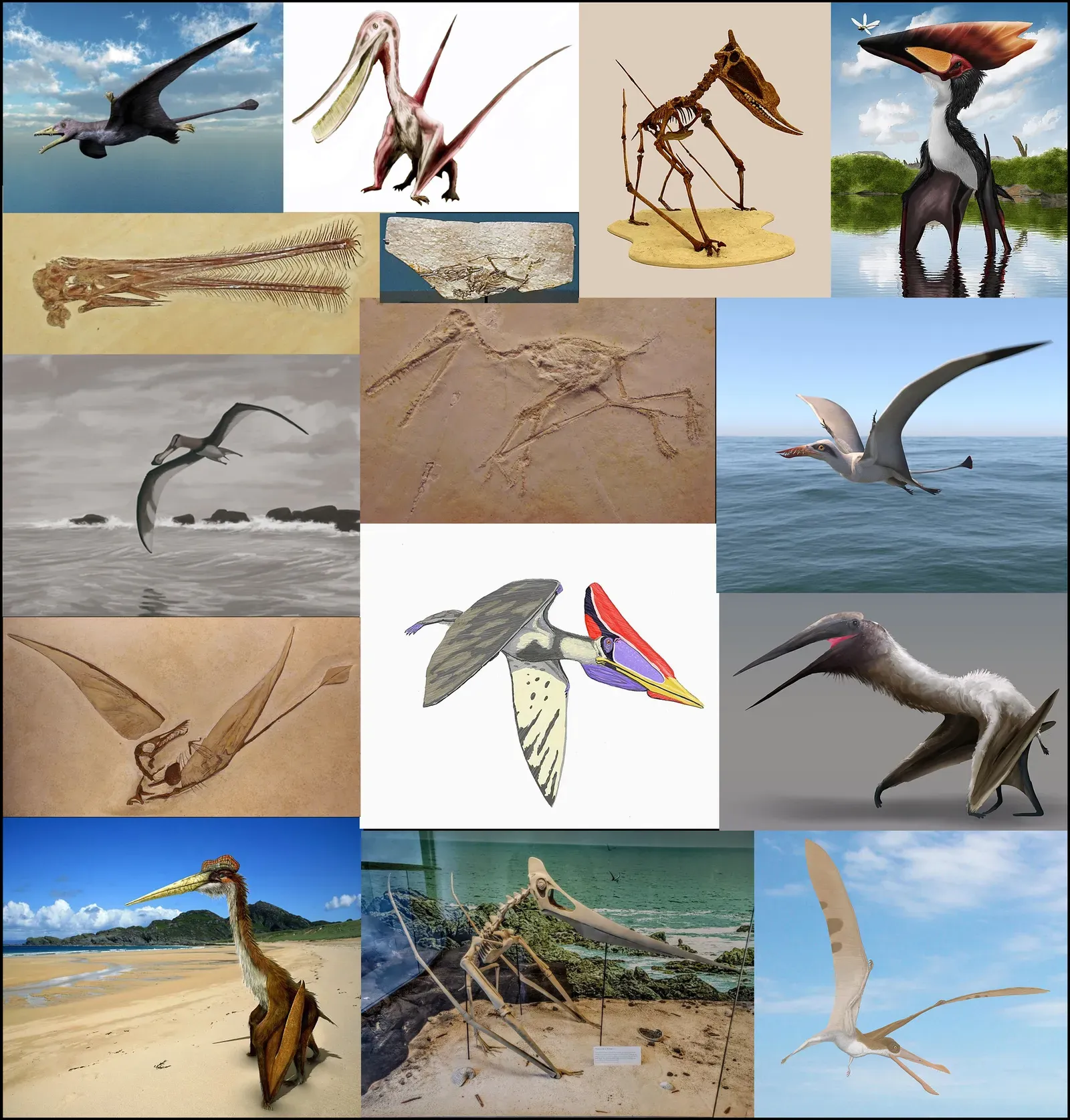
More than 200 species of pterosaur have been discovered, and palaeontologists are regularly finding more. The diversity among pterosaurs was staggering. Some were tiny insect hunters the size of sparrows, while others were apex predators as tall as giraffes with wingspans exceeding 30 feet. Some pterosaurs led lives similar to today’s seabirds, feasting on fish. The toothy jaws of Anhanguera, for example, appear well adapted for gripping onto such slippery prey.
Others had specialized diets that sound almost comical. Some species had comb-like teeth for filter feeding, similar to flamingos. Others had crushing teeth for shellfish. Pterosaurs initially evolved as invertebrate consumers before expanding into piscivorous and carnivorous niches. Dietary preferences ranged across consumption of invertebrates, carnivory and piscivory. This ecological flexibility meant they could exploit resources that other animals simply couldn’t access.
They Dominated the Skies Right Until the Very End
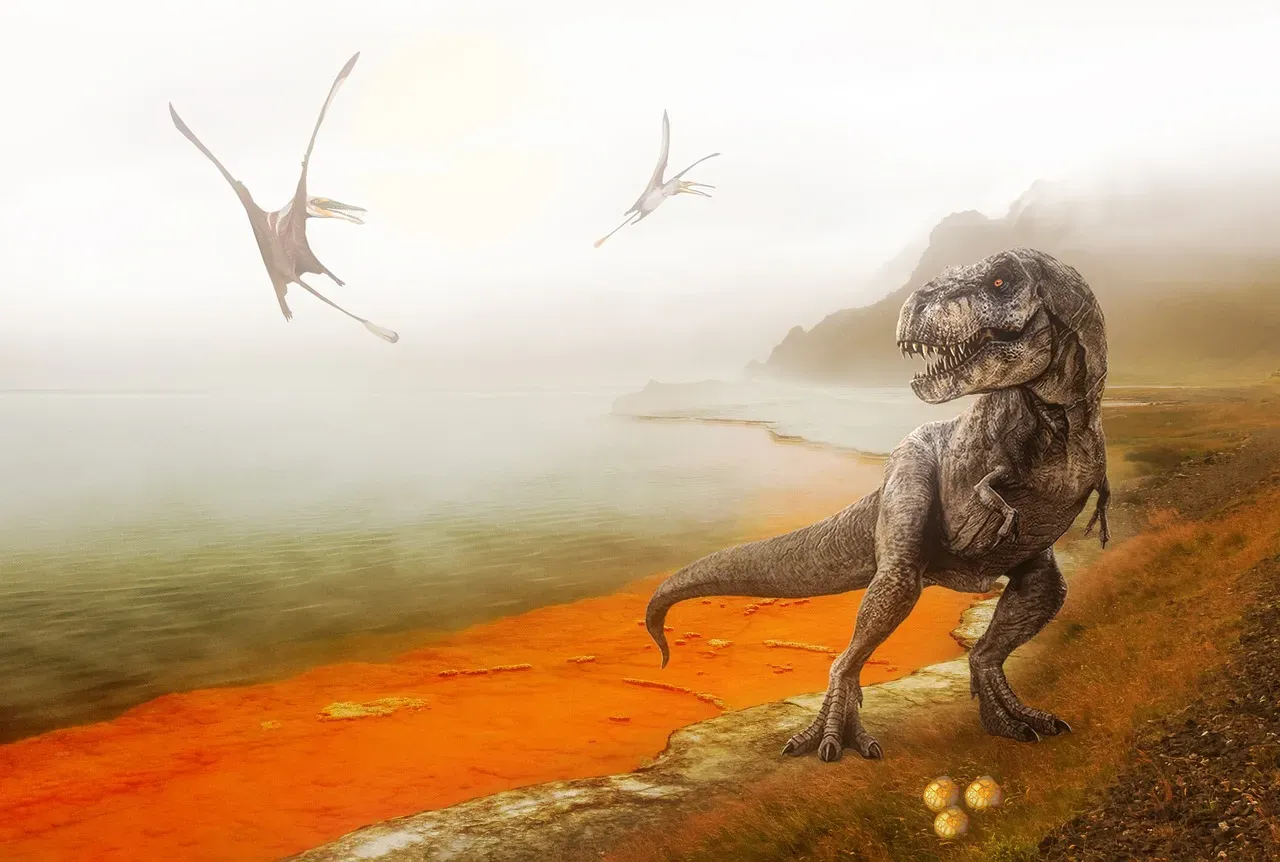
Here’s something that might surprise you: pterosaurs weren’t gradually declining when the asteroid hit. Not only were there much larger numbers of pterosaur species in the final 10 million years of the Cretaceous than previously appreciated, pterosaurs were actually increasing their functional diversity. Rather than gradually losing out to birds over the course of the Cretaceous, pterosaurs remained dominant in all ecological niches for wingspans of 2 meters or more.
Two Moroccan phosphate mines have yielded dozens of specimens from at least seven different pterosaur species in three different families. The high diversity of sizes and ecological roles found there suggests that pterosaurs remained competitive with birds at medium and large body sizes until the mass extinction at the close of the Mesozoic Era. They weren’t evolutionary relics clinging to survival. They were thriving, diversifying, and showing no signs of slowing down before the catastrophic extinction event wiped them out along with the non-avian dinosaurs.
Their Unique Launch Ability Gave Them an Edge

To get into the air, pterosaurs used their folded forelimbs like pole vaulters to launch themselves into the sky. The tremendous power of their wings quickly lifted them into flight. This quadrupedal launch technique was something birds couldn’t replicate. Birds are stuck with their two legs, limiting their takeoff power.
Pterosaurs had hollow bones, some with an even more sophisticated structure than birds; it’s one of the things that allowed them to grow to such immense size: the largest pterosaur was bigger than an F-16 fighter jet, with a wingspan of 33 ft. These gigantic beasts were able to launch themselves because they were quadrupeds, which allowed them to run to get airborne. Even the giants could vault into the air using all four limbs for thrust, a biomechanical advantage that no other flying creature has ever possessed.
Conclusion
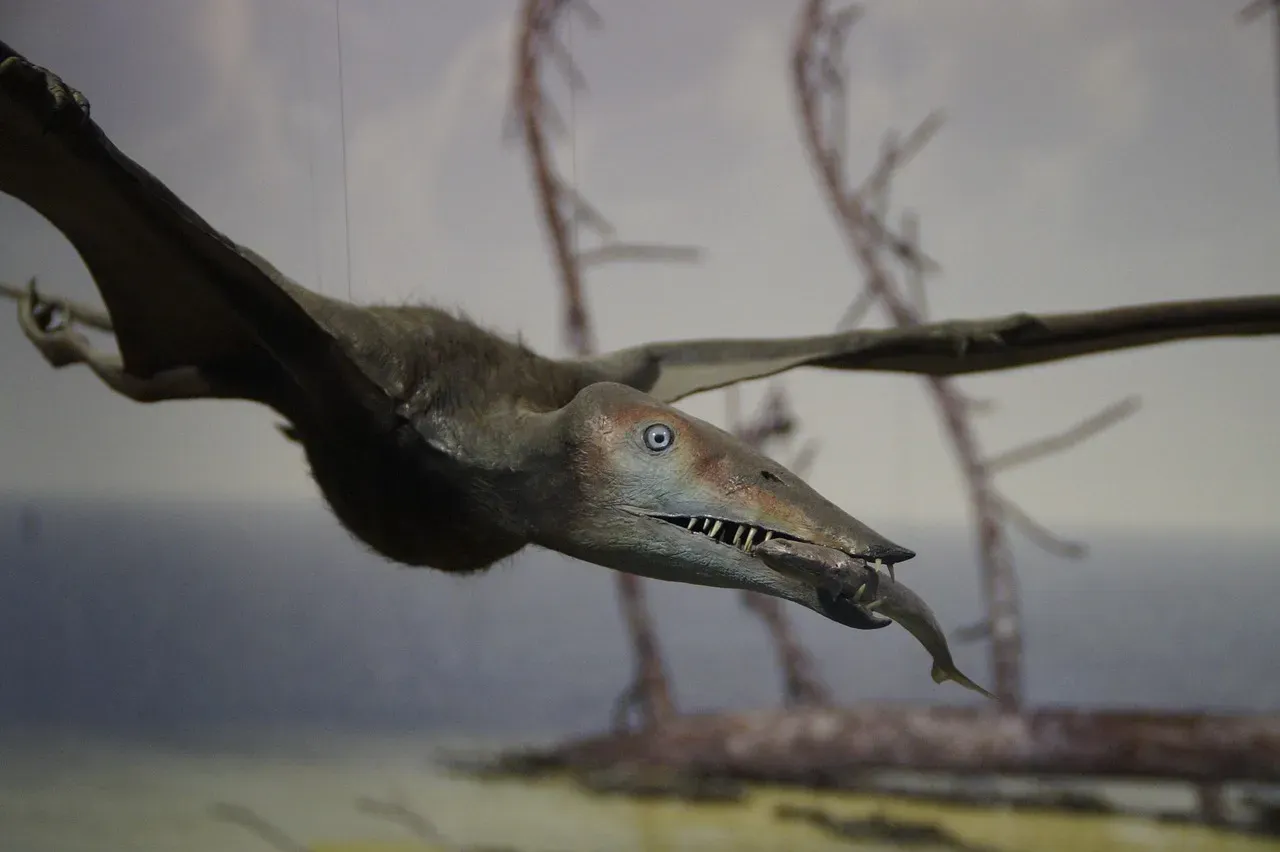
Pterosaurs weren’t just flying reptiles that happened to survive for a while. They were evolutionary masterpieces, combining ultra-light skeletons, advanced respiratory systems, specialized brains, and wing designs that remain unmatched in the animal kingdom. Their success wasn’t a fluke. It was the result of millions of years of natural selection refining every aspect of their anatomy for aerial dominance.
For more than 150 million years, they ruled the skies without serious competition, adapting to countless ecological niches and continuing to thrive right up until the asteroid impact ended their reign. The next time you see a bird soaring overhead, remember that pterosaurs did it first, did it longer, and in many ways, did it better. What do you think about these incredible creatures? Tell us in the comments.