
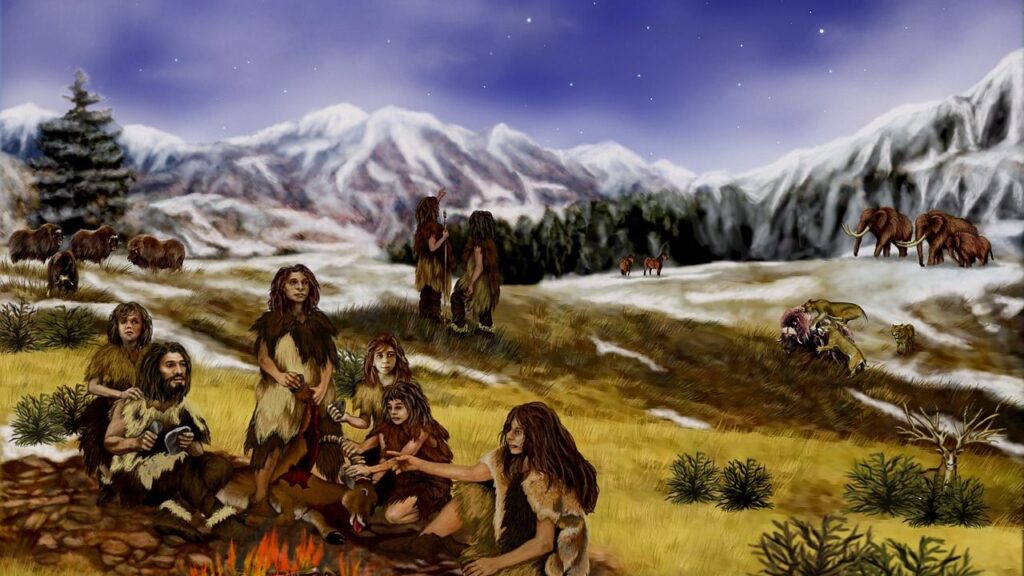
Think for a moment about how your mornings unfold. Maybe you check your phone, brew some coffee, rush through breakfast. Now imagine a life thousands of years ago, when there were no phones, no stores, no traffic jams. You probably picture rough survival, constant danger, maybe even chaos. Here’s the thing though: the daily routines of Stone Age hunter-gatherers might surprise you. Their lives were far more organized, social, and dare I say sophisticated than most of us realize.
Let’s be real, we often underestimate our ancient ancestors. Yet recent archaeological discoveries and studies of modern hunter-gatherer communities reveal a world where people worked together, raised their children with remarkable care, and managed their homes with surprising attention to detail. So let’s dive in and explore what their days actually looked like.
They Didn’t Sleep as Much as You’d Think
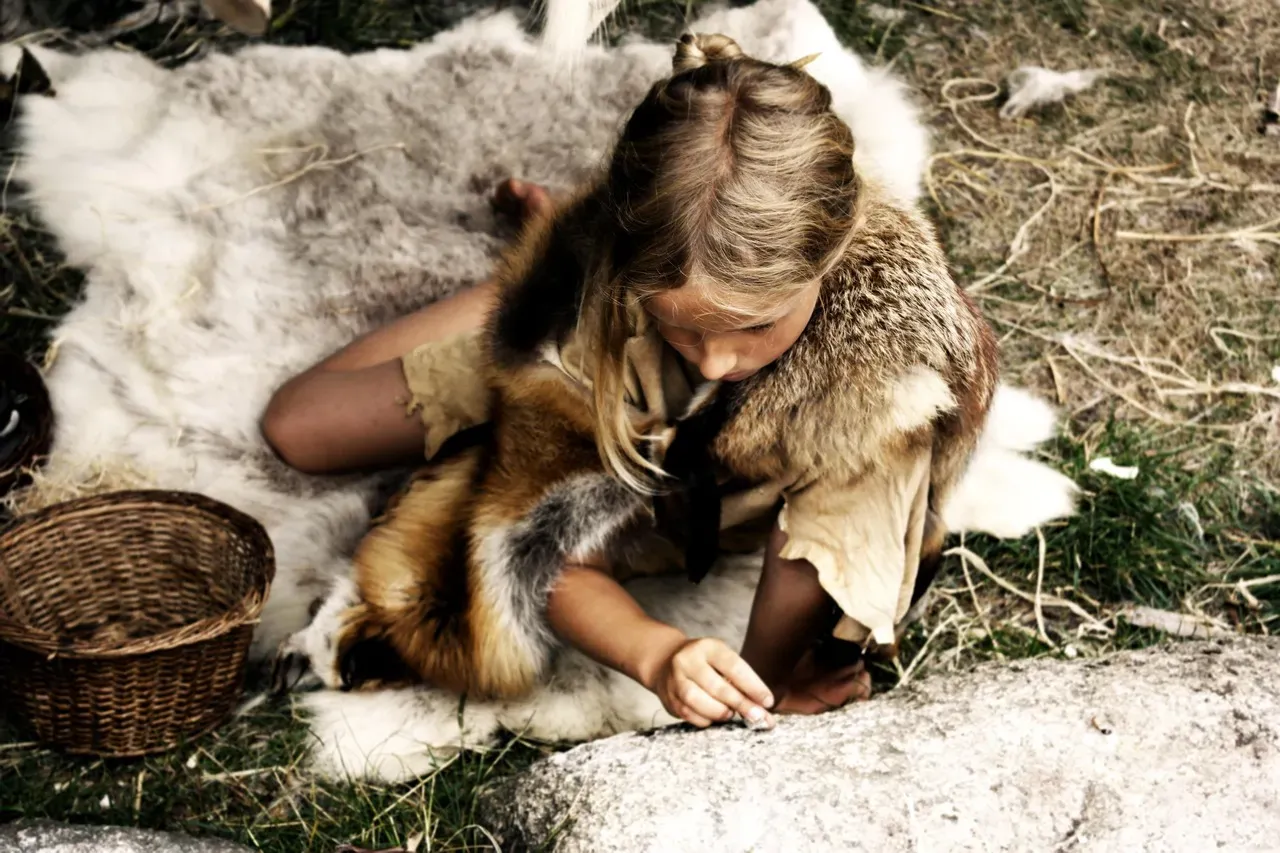
You might assume that without electric lights and Netflix to keep them awake, Stone Age people slept far more than we do today. Actually, research shows they slept less than seven hours a night, getting an average of six and a half hours of sleep per day, with no naps. They stayed awake an average of three and a half hours after it got dark, which means artificial lighting isn’t really the sleep thief we imagined.
Instead of waking randomly, they slept until temperatures hit their lowest point in a 24-hour period, waking up around the same time each morning. Temperature seems to have been a bigger factor in their sleep patterns than light. Insomnia was so rare among those studied that some groups don’t even have a word for the disorder, which affects more than 20 percent of Americans. Makes you wonder what they knew that we’ve forgotten, right?
Their Homes Were Surprisingly Clean and Organized
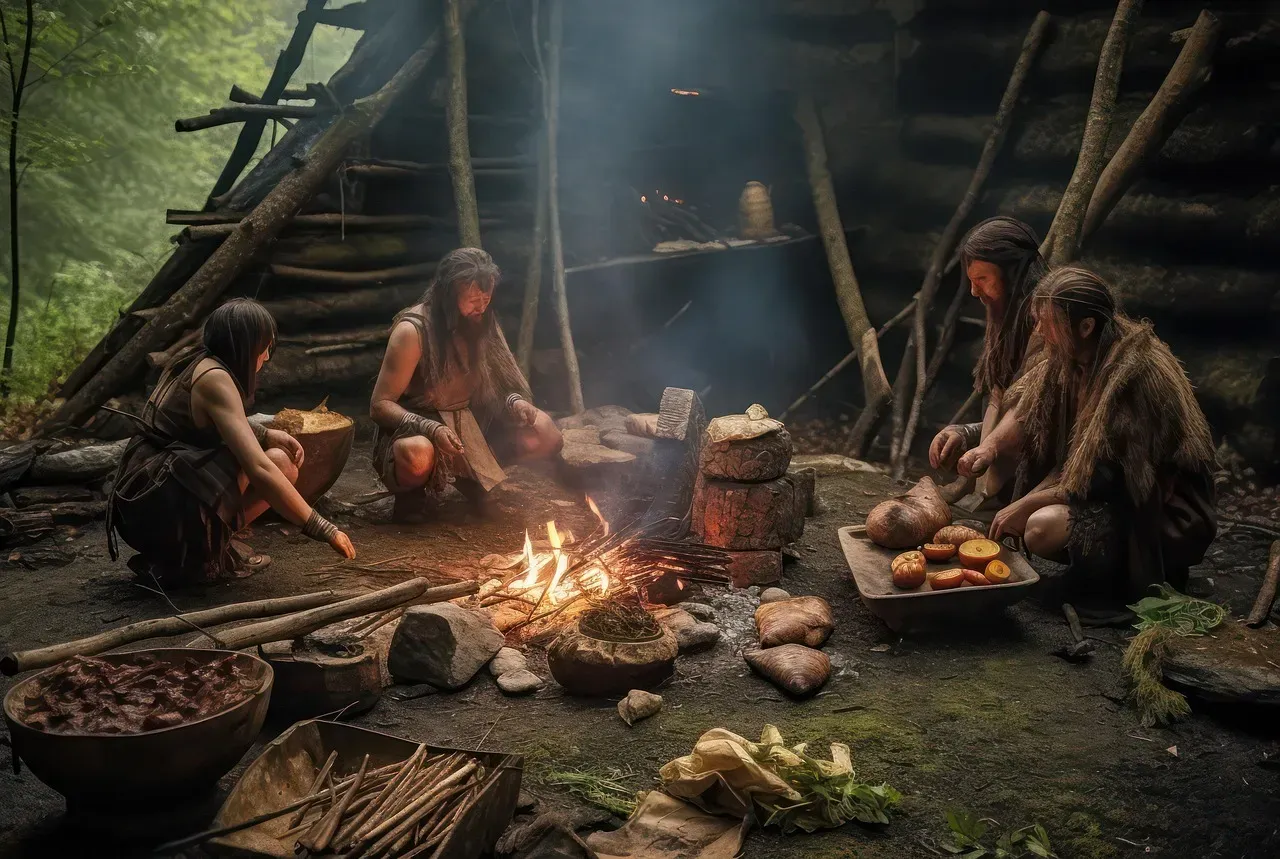
Let’s be honest, when you think caveman, you probably don’t picture someone tidying up their living space. Recent discoveries from the Mesolithic site of Star Carr in North Yorkshire show that distinct behavioral patterns inside their dwellings imply that they meticulously created zones for specific household chores. Think about that for a second. These weren’t just random shelters where people crashed at night.
Evidence suggests that these ancient homes were kept clean and tidy, with the insides being regularly swept and maintained, indicating a surprising level of care and attention to their living environments. People constructed tents and huts of animal skins, brush, and wood, and in very cold climates, some people made shelters from ice and snow. They created genuine homes, not just survival structures. It’s hard to say for sure, but this level of domestic organization hints at a much deeper sense of identity and belonging than we typically associate with nomadic life.
Children Learned Through Play, Not School
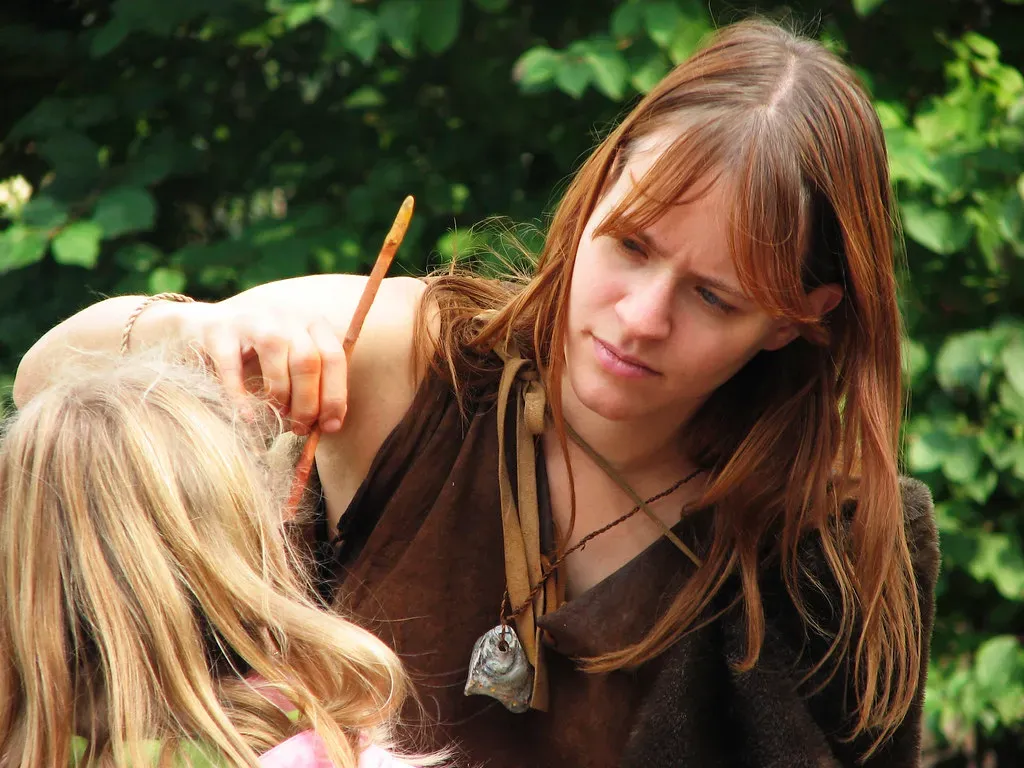
Although hunter-gatherer children must learn an enormous amount, hunter-gatherers have nothing like school, and adults do not establish a curriculum, or attempt to motivate children to learn, or give lessons, or monitor children’s progress. Imagine letting kids just figure things out on their own. Sounds crazy in our world of standardized tests and homework, doesn’t it?
In early and middle childhood, children transition into the multi-age playgroup, where they learn skills through play, observation, and participation, and by the end of middle childhood, most children are proficient food collectors. It is not until adolescence that adults begin directly teaching children complex skills such as hunting and complex tool manufacture. The system worked brilliantly because children naturally wanted to imitate the successful adults around them. No forcing required.
They Moved Around More Than You Walk in a Week

Groups of around 40 individuals moved every few days in search of plant and animal food, moving a few miles and staying within ancestral hunting territories. This wasn’t aimless wandering though. The adults knew their area and where to find food and fresh water and the locations of caves and safe camping grounds.
Their nomadic lifestyle provided daily exercise as they walked in search of food, and skeletal remains indicate that they were tall, well-nourished, and had good teeth. Think about how much time we spend sitting nowadays. These people were constantly moving, which kept them in excellent physical condition. The hunter-gatherer lifestyle required access to large areas of land, between seven and 500 square miles, to find the food they needed to survive.
Childcare Was a Community Effort, Not a Solo Mission
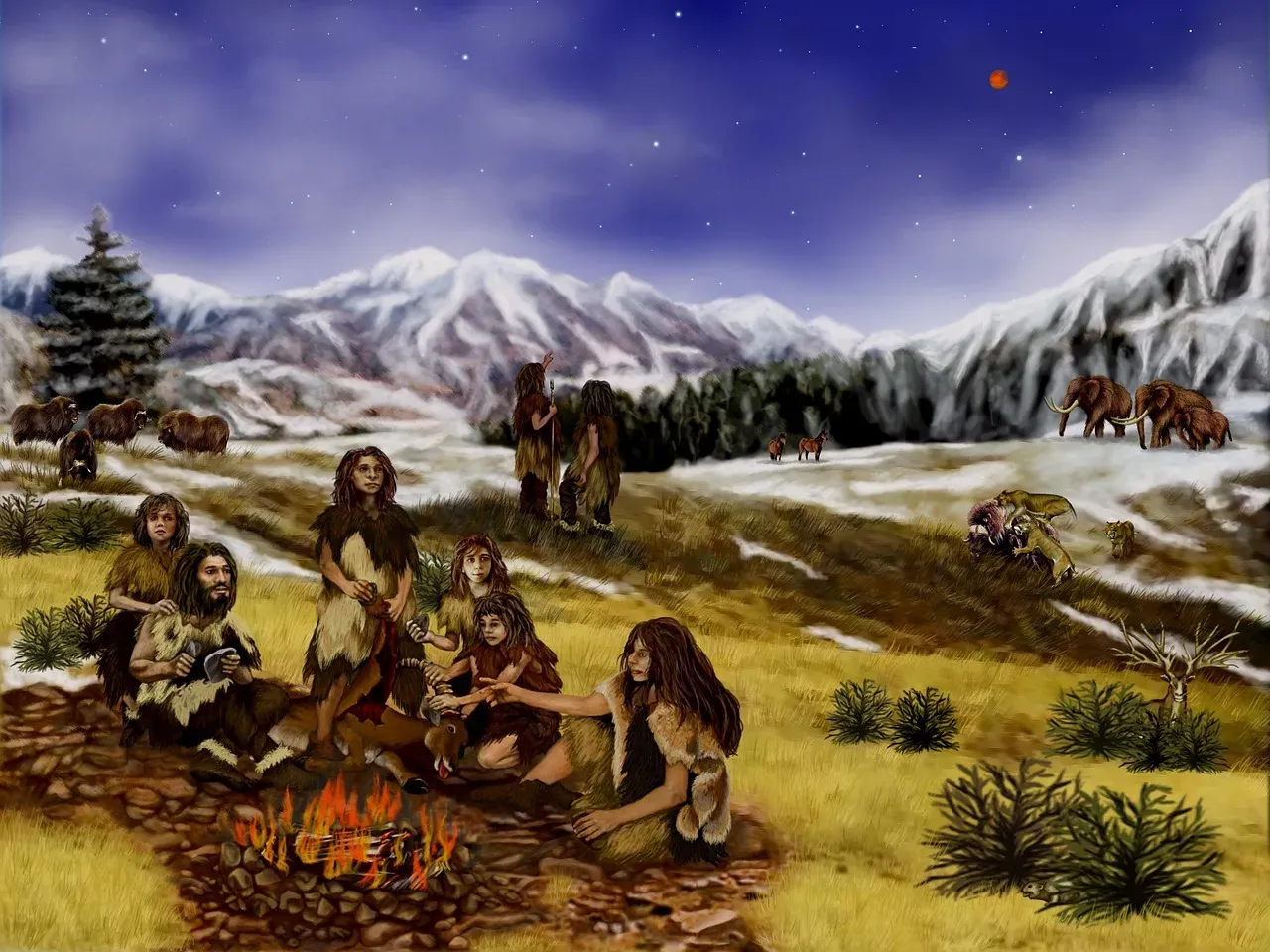
In many hunter-gatherer societies, alloparents provide almost half of a child’s care, and a study found that in the DRC, Efe infants have 14 alloparents a day by the time they are 18 weeks old, and are passed between caregivers eight times an hour. Can you imagine your baby being cared for by that many people in a single day? It seems overwhelming to us, but it was perfectly normal for them.
Children tend to spend their time in multi-age playgroups, with the oldest kids serving as babysitters, with back-up from the adult neighbors who stay behind to monitor things and do chores. In some communities, children as young as four will care for infants. This freed up parents to gather food and work, while children learned caregiving skills early. The nuclear family model we have today would have seemed strange, even isolating, to them.
Their Diet Was More Balanced Than Many Modern Diets
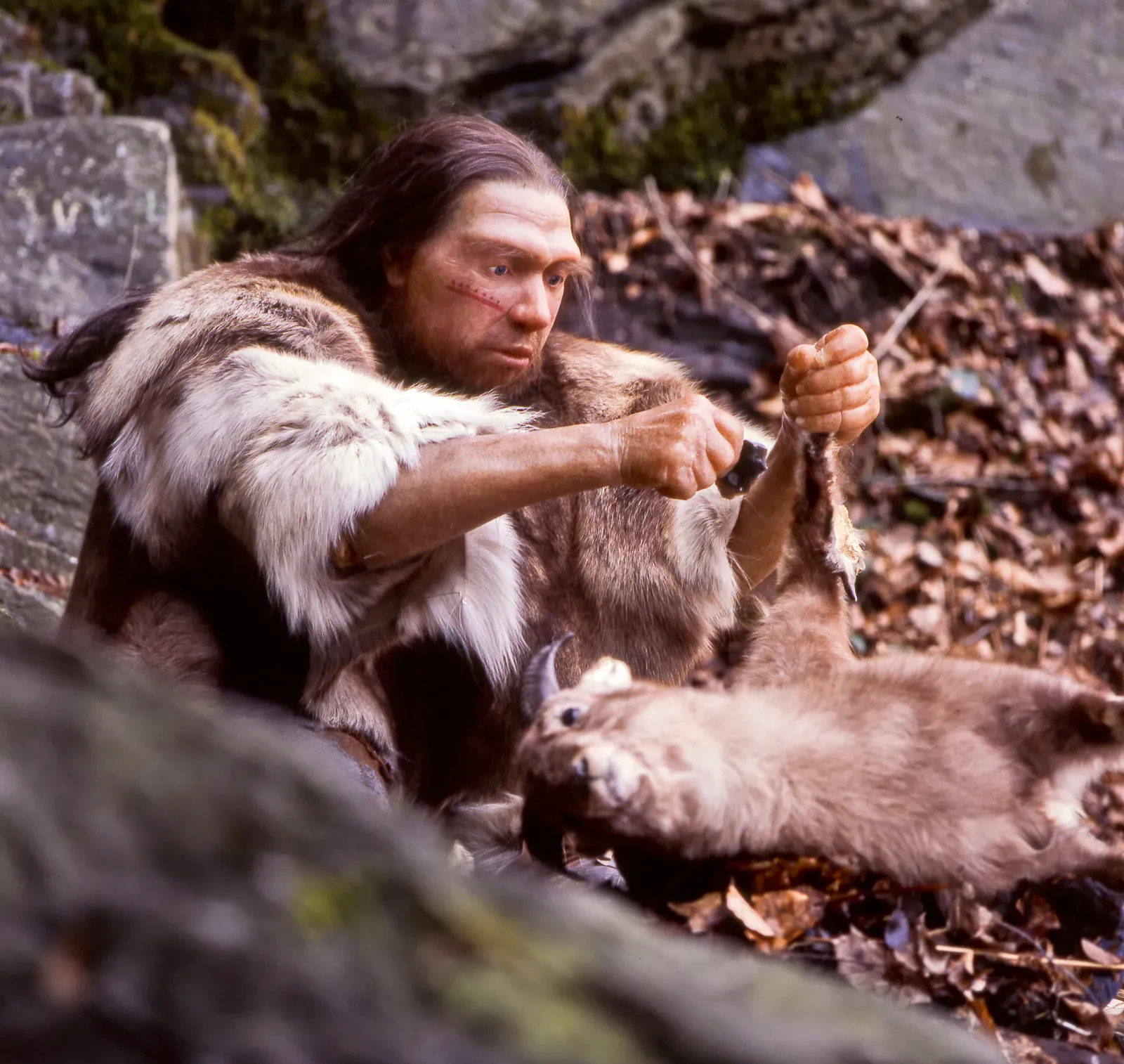
Men were in charge of hunting large mammals, seafood, and birds, while women were in charge of gathering grains, seeds, nuts, fruits, roots, eggs, grubs, small animals, and insects, and by dividing the work this way, hunter-gatherers were able to have a nutritious diet with variety. No processed foods, no drive-thrus, just whole foods hunted and gathered fresh.
Because they ate many different kinds of plants, as well as some animal protein, their diets were well-balanced. Honestly, the so-called paleo diet that’s popular today barely scratches the surface of what they actually ate. Early humans mainly ate uncultivated fruits, roots or tubers, vegetables, and sometimes honey, fish, and meats, consuming varying amounts of fats and protein and, most likely, a diet high in plant fiber. It wasn’t just meat all the time like some modern diet trends would have you believe.
Fire Was Central to Their Social Life

People gathered around fires to share stories and to cook, discovering that cooked food tasted better and was easier to chew and digest. Fire wasn’t just practical. It became the heart of their social world. Controlled use of fire fostered societal growth through communal time around the hearth.
Archaeologists believe early humans produced fire by friction, learning that by rubbing two pieces of wood together, the wood became heated and charred, and when the wood became hot enough, it caught fire. Meat that was smoked by fire did not have to be eaten right away and could be stored. Fire transformed everything from food preservation to safety to how they spent their evenings together. It was their version of gathering around the television, except way more interactive.
They Shared Everything, Creating a True Gift Economy
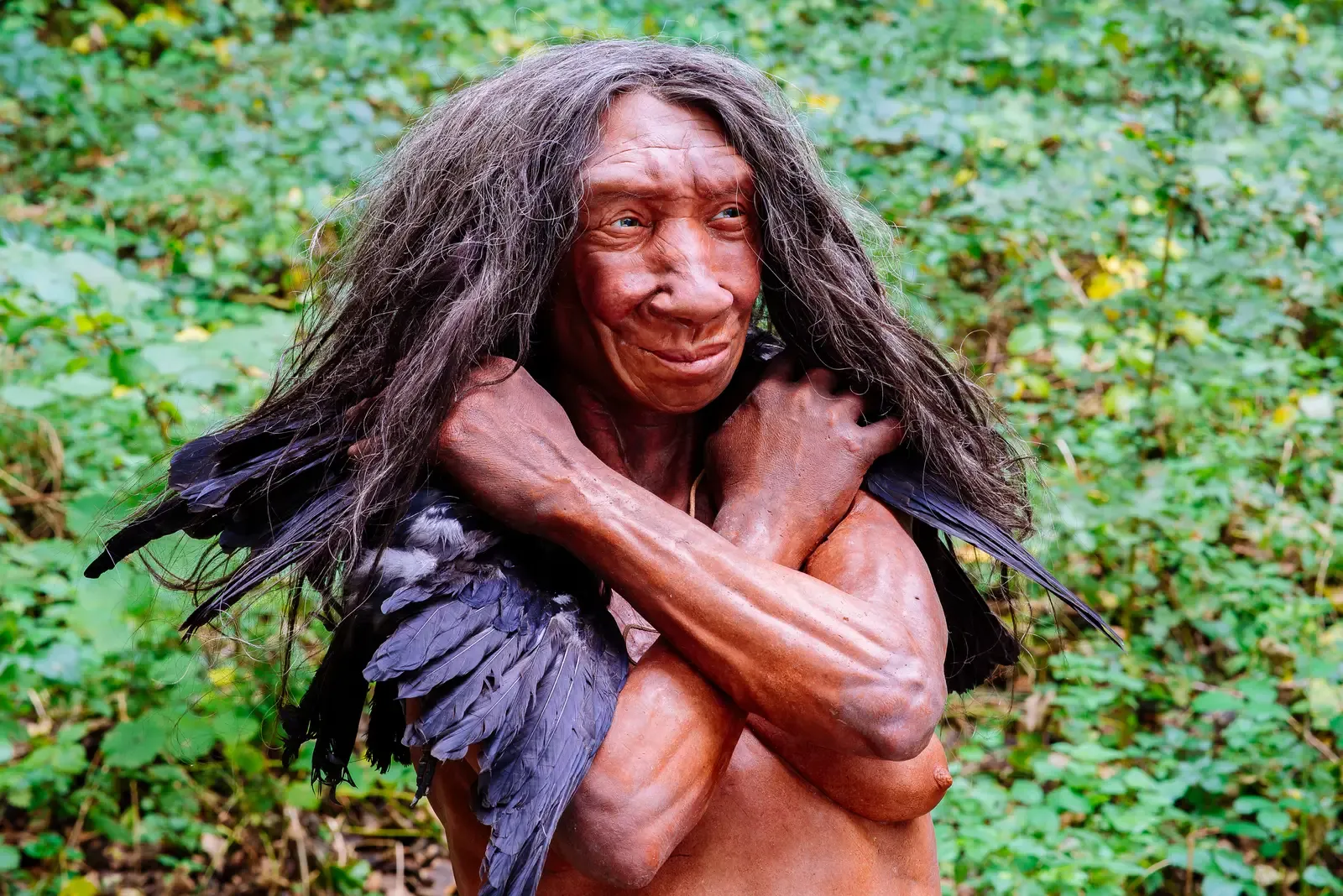
Mutual exchange and sharing of resources, particularly meat gained from hunting, are important in the economic systems of hunter-gatherer societies, and therefore, these societies can be described as based on a gift economy. There was no hoarding. When meat was obtained, either by hunting or by finding a dead animal, it was shared among the group.
The San people of southern Africa have social customs that strongly discourage hoarding and displays of authority, and encourage economic equality via sharing of food and material goods. This wasn’t charity or kindness in the way we think of it today. It was survival strategy and cultural norm rolled into one. You helped your neighbor because one day you’d need help too. These groups were tightly-knit communities that relied on cooperation and shared responsibilities, with archaeological evidence showing communal activities like food preparation and tool-making, fostering a sense of belonging and mutual support.
They Had Over 100 Different Types of Tools
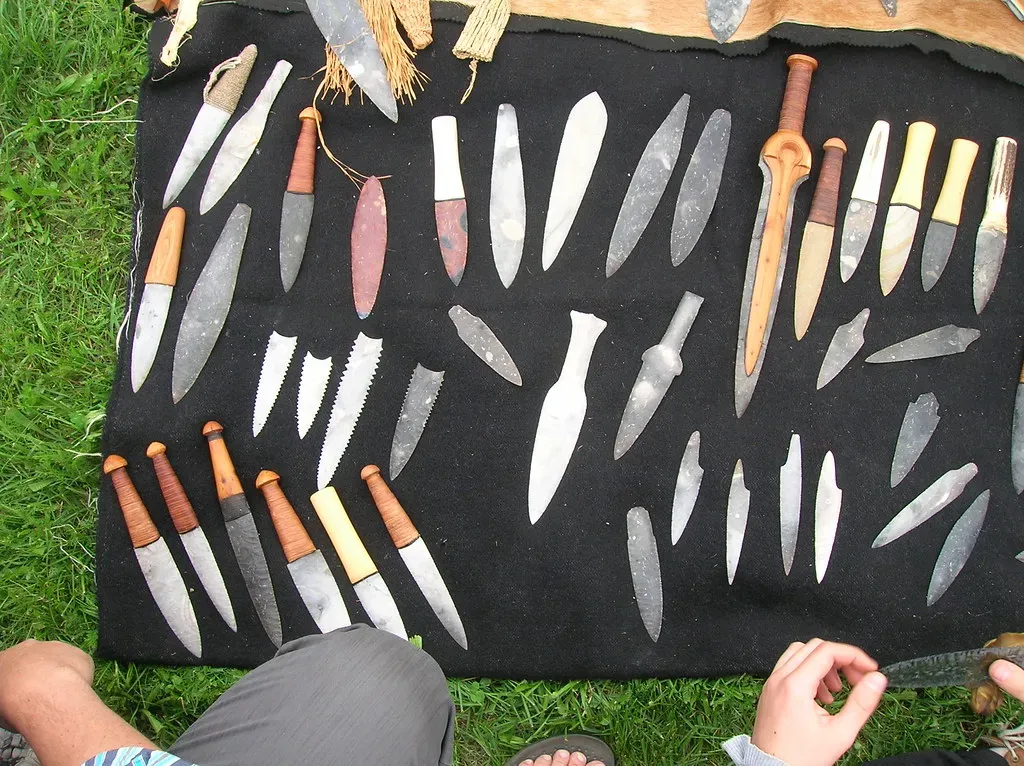
There were over 100 different kinds of tools in hunter-gatherer society, and a hunter’s kit could include fishing hooks, harpoons, and various knives. Think about that for a moment. These weren’t primitive cavemen banging rocks together. Specialization of work involved creating specialized tools such as fishing nets, hooks, and bone harpoons.
Paleolithic people learned that by hitting flint with another hard stone, the flint would flake into pieces with very sharp edges that could be used for cutting. They used sharp stones to scrape and cut leather for various uses and chop wood to build shelters and use for campfires, and they made sewing needles of bone and cords of plant fibers, so they could sew leather into clothing. Their technological knowledge was impressive, developing tools perfectly adapted to their specific needs and environments.
Conclusion
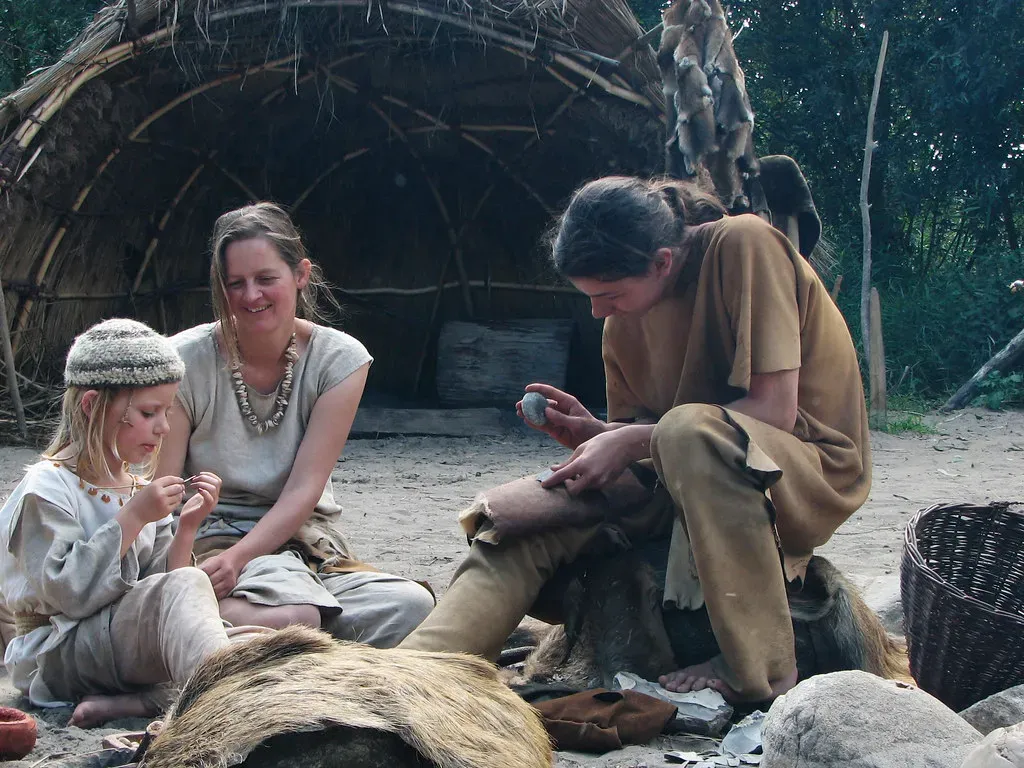
When you really look at , it becomes clear they weren’t just surviving. They were thriving in ways that challenge our modern assumptions about progress and civilization. These people created organized homes, raised emotionally secure children through communal care, maintained excellent health through movement and balanced diets, and built tight social bonds through sharing and cooperation.
Maybe the biggest lesson here is that humans have always been ingenious, adaptable, and deeply social. Our ancestors figured out how to live well without any of the technology we think we can’t live without. Makes you think about what truly matters, doesn’t it? What do you think we’ve gained in modern life, and what might we have lost along the way?