Who truly were the first people to walk upon the vast landscapes of the Americas? For decades, the story seemed settled. Yet scratch beneath the surface, and you’ll find a puzzle far more intricate than anyone imagined. This journey takes us back through tens of thousands of years, across frozen lands and treacherous seas, to a time when humanity first set eyes on two pristine continents. The answers emerging from laboratories and excavation sites today are rewriting what we thought we knew.
Every new discovery chips away at old assumptions, revealing surprising routes, unexpected timelines, and forgotten populations. Think about it: imagine crossing into a completely unknown world with nothing but the tools you could carry and the knowledge passed down through generations. It’s hard to fathom the courage, or perhaps desperation, that drove these ancient pioneers forward.
The Beringia Gateway: Where Asia Met the Americas
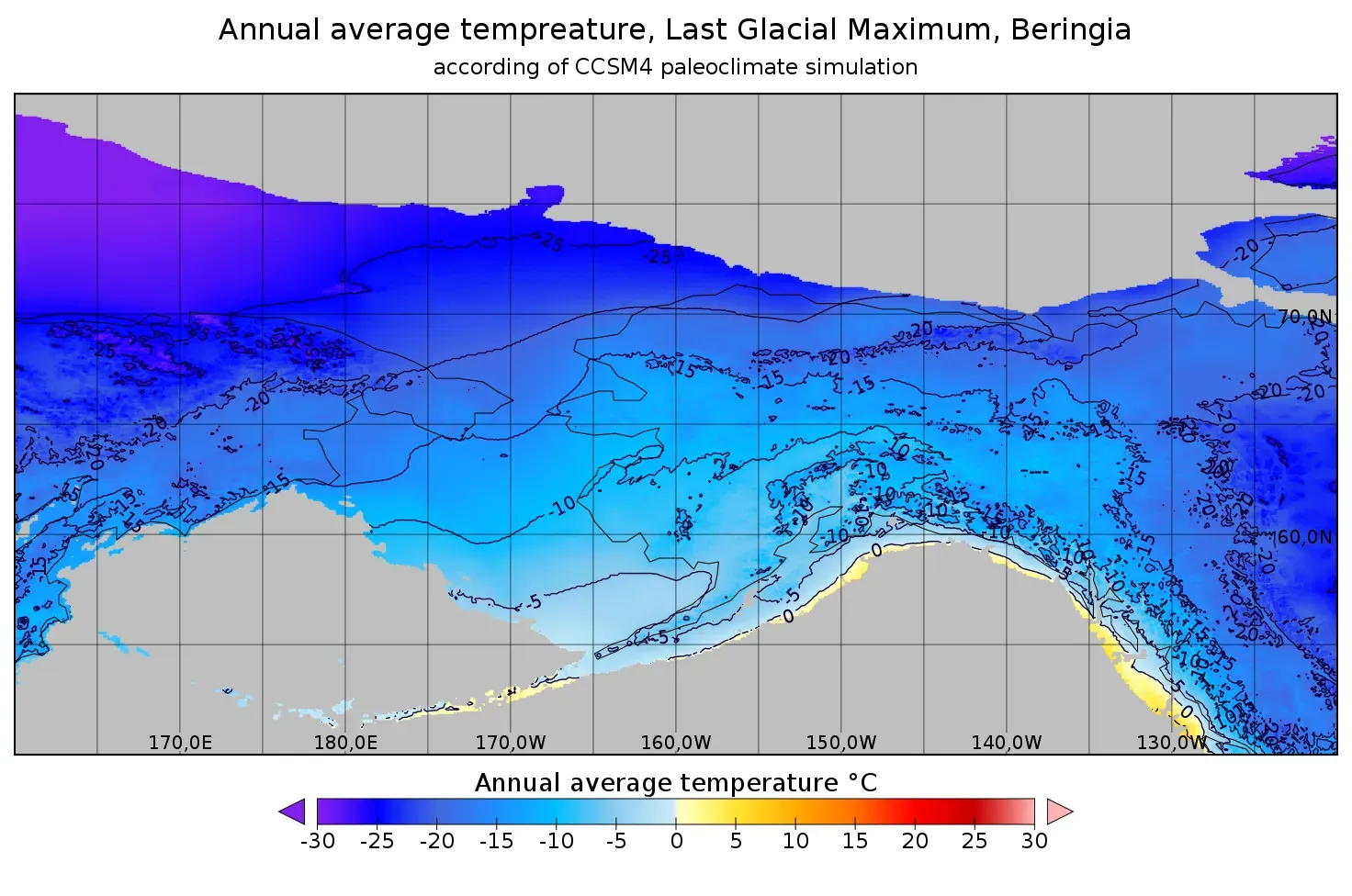
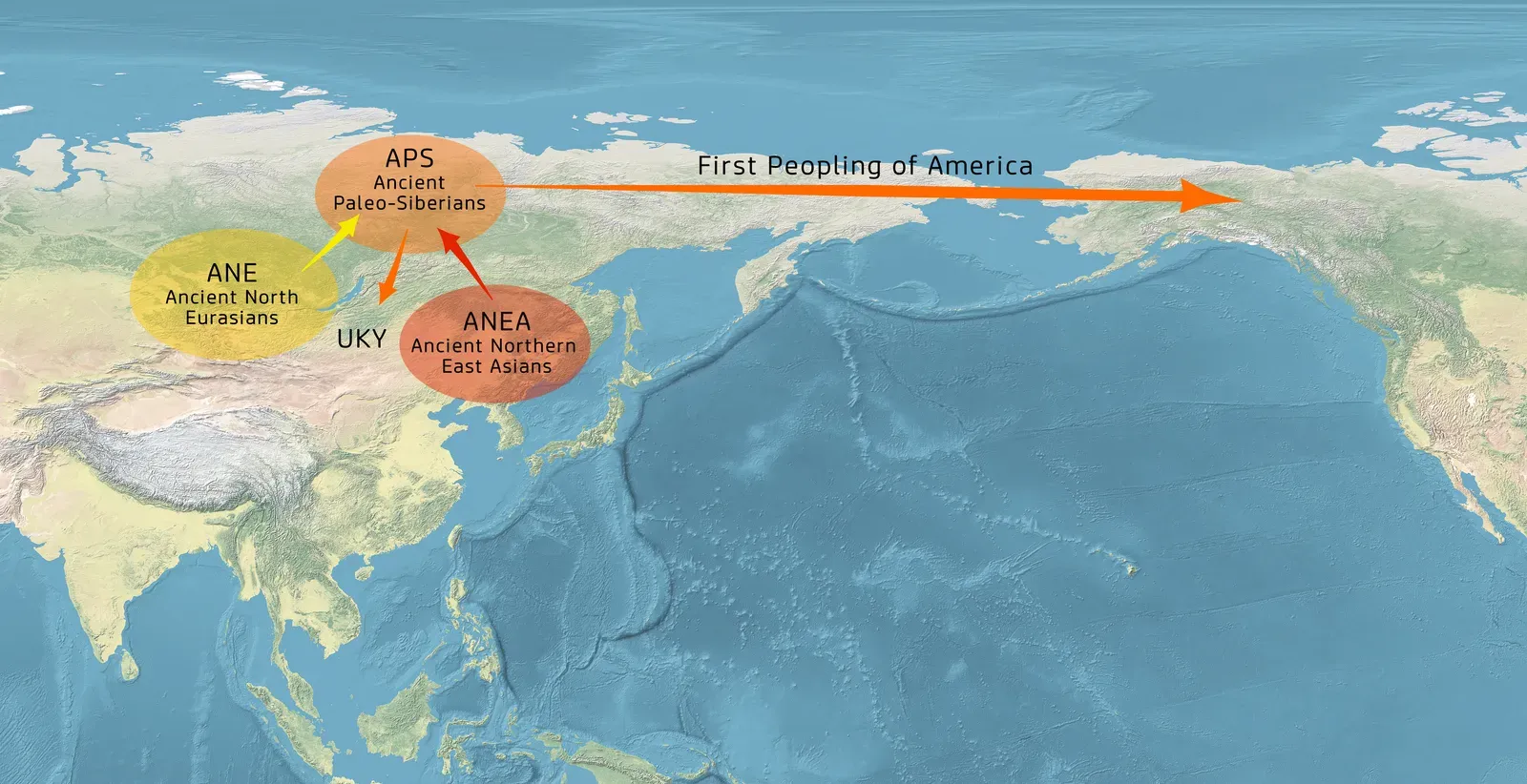
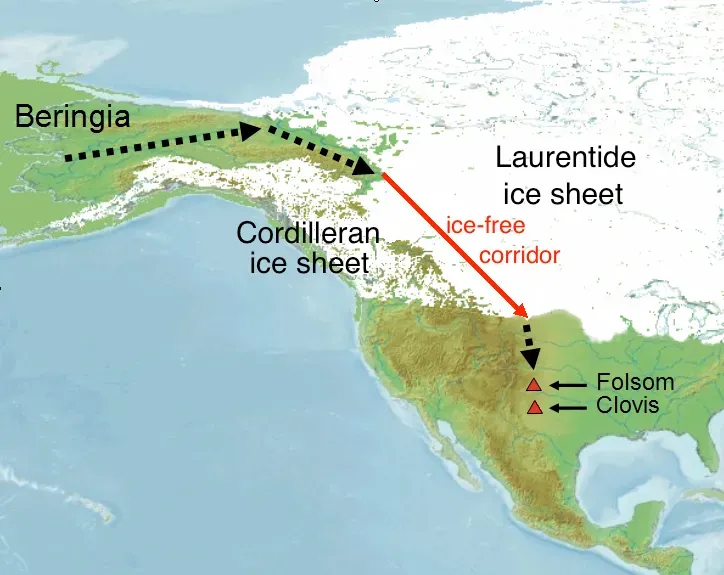
Paleolithic hunter-gatherers entered North America from northeastern Siberia via the Beringia land bridge, which formed between the regions due to lowering sea levels during the Last Glacial Maximum from around 26,000 to 19,000 years ago. This wasn’t just a narrow strip you could race across in a day or two. At its greatest extent, the bridge was up to 1,000 kilometers wide and covered an area as large as British Columbia and Alberta combined, totaling roughly 1.6 million square kilometers.
Recent discoveries have dramatically altered our understanding of when this land bridge actually opened for travel. Research revealed that the Bering Land Bridge might have been flooded from between 46,000 years ago and 35,700 years ago, meaning it wasn’t exposed for land crossings until after that. The implications are startling. As soon as the land bridge opened up, human populations made their way into North America. Why such urgency? What pushed these people to venture across as soon as the opportunity presented itself?
Genetic Clues: Tracing Ancient Bloodlines
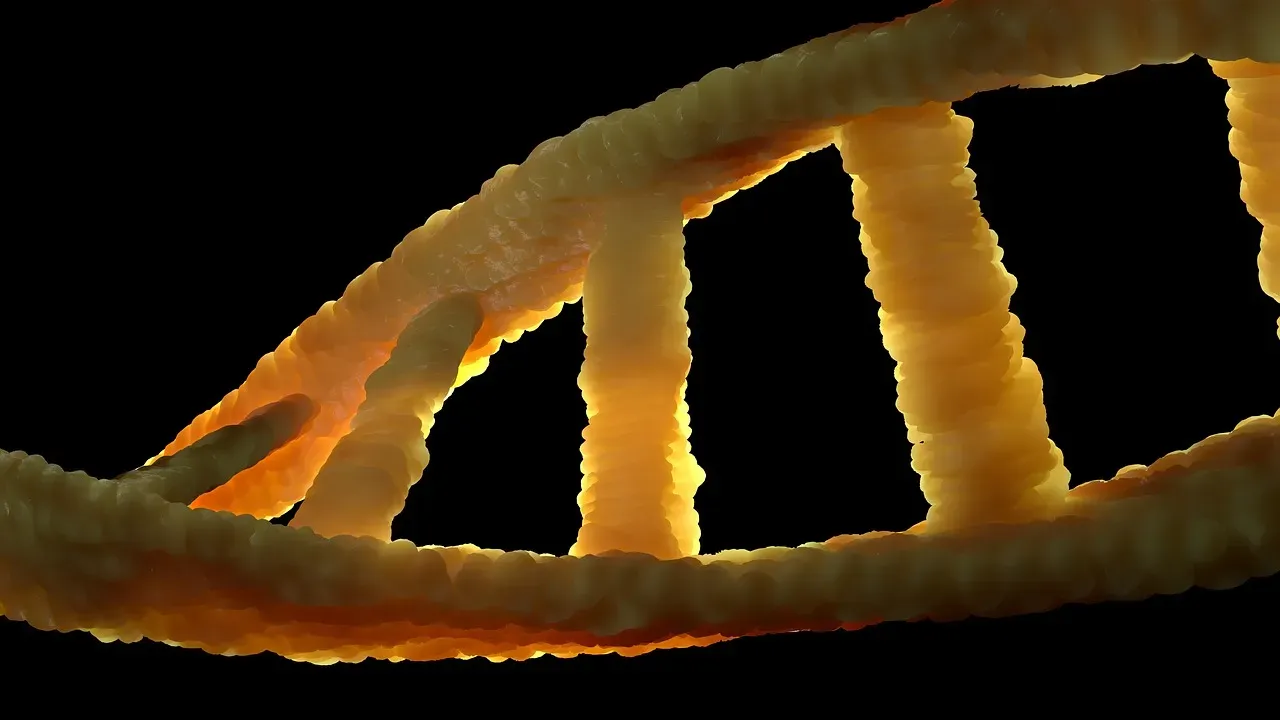
Your DNA tells stories your ancestors couldn’t write down. The ancient ancestors of the first Americans left Siberia between 24,000 and 21,000 years ago, confirmed by comparing the DNA of Paleo-Americans with Paleo-Siberians to pinpoint when these populations diverged. Sophisticated genomic analyses of ancient human remains show that the forebears of Native Americans became isolated from other Asian groups around 23,000 years ago.
Here’s where things get fascinating. The Ancestral Native Americans descended from the admixture of an Ancient East Asian lineage and a Paleolithic Siberian population known as Ancient North Eurasians. This genetic isolation period suggests something remarkable: somewhere between Asia and the Americas, these founding populations lived in relative separation for thousands of years. The developing theory about Beringia’s pivotal role is known as the Beringian Standstill hypothesis, suggesting generations of people settled there before moving on to North America. Picture entire communities establishing themselves in this harsh environment, adapting, evolving, before their descendants finally moved southward.
The Coastal Migration Mystery: Following the Kelp Highway
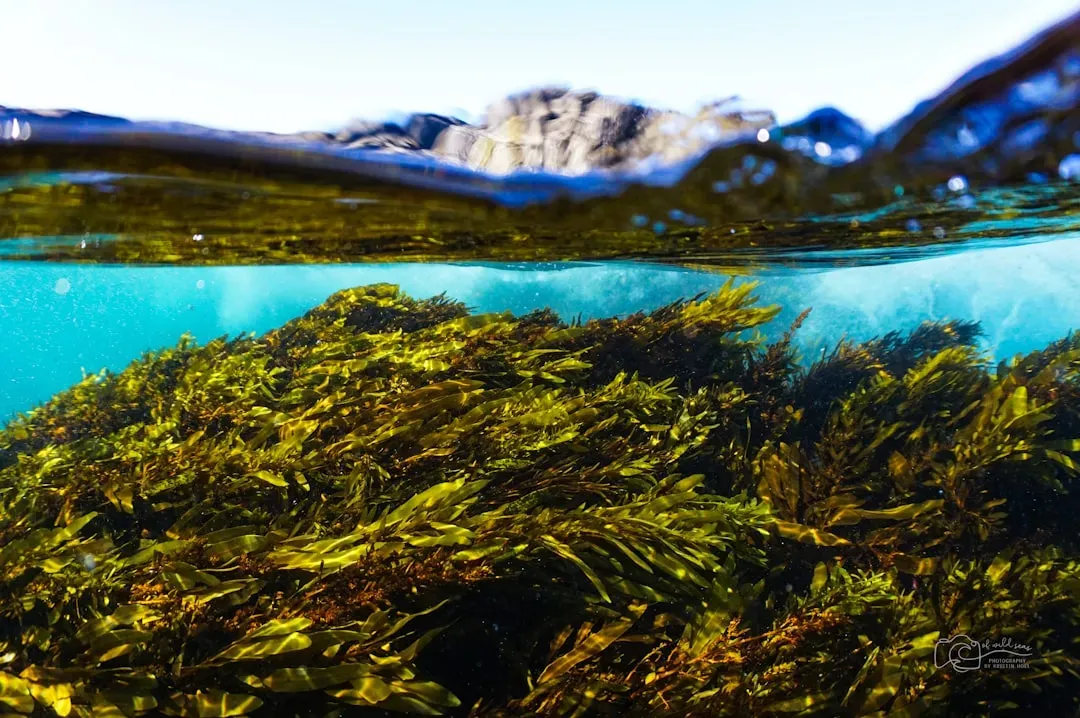
Forget the image of hunters trudging through an icy corridor between massive glaciers. Increasing evidence points to a far more compelling route. The kelp highway hypothesis proposed that the first Americans followed a Pacific Coast route from Northeast Asia to Beringia and the Pacific Northwest, using boats to navigate highly productive nearshore kelp-forest ecosystems. Let’s be real, this makes intuitive sense. Why struggle inland when the coast offers abundant resources?
Research identified two likely migration windows: 24,500 to 22,000 years ago and 16,400 to 14,800 years ago, based on paleoclimate data showing favorable conditions for coastal migration. Based on overwhelming genetic evidence and archaeological occurrences of humans south of continental ice sheets prior to the opening of an ice-free corridor, the First Americans initially migrated from Asia via a coastal route before roughly 16,000 years ago. The challenge? Most evidence now lies beneath roughly 400 feet of seawater, buried when glaciers melted and sea levels rose dramatically.
Nevertheless, tantalizing clues survive. New evidence from the Monte Verde archaeological site in southern Chile confirmed it as the earliest known human settlement in the Americas, with seaweed samples directly dated between 14,220 to 13,980 years ago. Seaweed, found so far inland, speaks volumes about maritime connections and coastal knowledge.
Breaking Through the Clovis Barrier
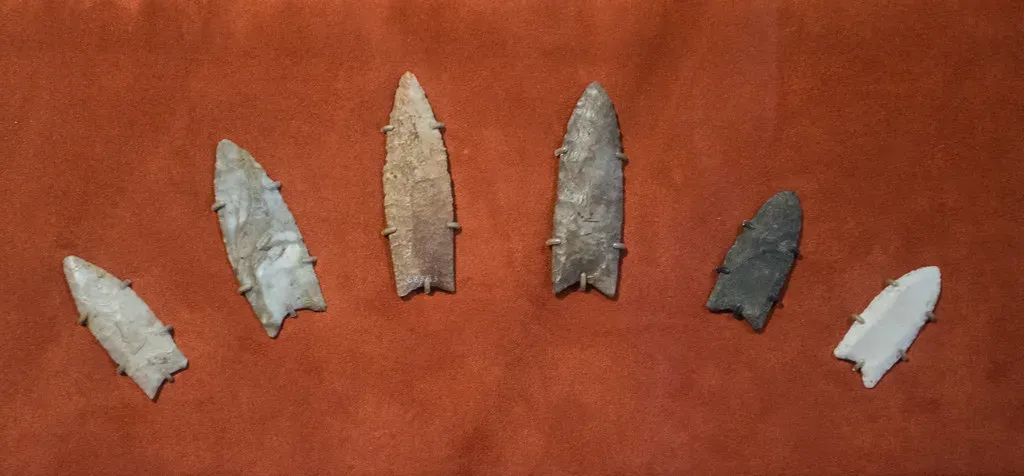
For generations, the Clovis people held an unshakeable position in archaeology textbooks. The Clovis culture spanned around 13,050 to 12,750 years before present. These were sophisticated hunter-gatherers, creators of beautiful fluted spear points found scattered across North America. Clovis points are projectile points with a fluted, lanceolate shape, sometimes exceeding 10 centimeters in length.
The problem? Sites kept turning up that predated Clovis. Researchers found a stone tool at Meadowcroft dated to 16,000 years ago, making it the oldest tool discovered in North America, with evidence showing human habitation possibly as long as 19,000 years ago. Studies confirmed that human footprints discovered at White Sands National Park dated up to 23,000 years old based on 2025 radiocarbon dating performed by two independent labs. That’s thousands of years before anyone thought possible. The Clovis-first model, once gospel, had crumbled.
The Rapid Southern Expansion: A Continental Sprint
Once humans made it south of the ice sheets, something extraordinary happened. Ancient DNA studies find that ancient populations expanded rapidly across the Americas about 13,000 years ago. We’re talking about people reaching the southern tip of South America in what geologists would call the blink of an eye. The first Americans, probably numbering in the hundreds or low thousands, traveled south of the ice sheets and split into northern and southern branches, with the southern branch exploding down through the continents with remarkable speed.
How did they move so fast across such diverse terrain? Genomic evidence showing rapid divergence of different lineages suggests people were moving very quickly, and it’s harder to move that quickly on foot than by boat. Think about the implications. These weren’t just land-based nomads following game herds. They were versatile, adaptive people comfortable with multiple environments and technologies, including watercraft.
Multiple Waves and Forgotten Populations
I think this is where the story gets truly mind-bending. The Americas weren’t populated by a single migration event. Genome-wide data shows that some Amazonian Native Americans descend partly from a Native American founding population that carried ancestry more closely related to indigenous Australians, New Guineans and Andaman Islanders. This mysterious group, dubbed Population Y by researchers, has left geneticists scratching their heads for years.
Researchers found strong Australasian genetic signals in an ancient genome from Panama, yet there’s an entire Pacific Ocean between Australasia and the Americas, with no explanation for how these ancestral genomic signals appeared without leaving traces in North America. Could there have been trans-oceanic contact we’ve never imagined? Analysis revealed a distinct relationship between ancient genomes from Northeast Brazil, Lagoa Santa, Uruguay and Panama, representing substantial genomic evidence for ancient migration events along South America’s Atlantic coast. The movement patterns were far more complex than simple north-to-south dispersal.
Living in a New World: Adaptation and Survival
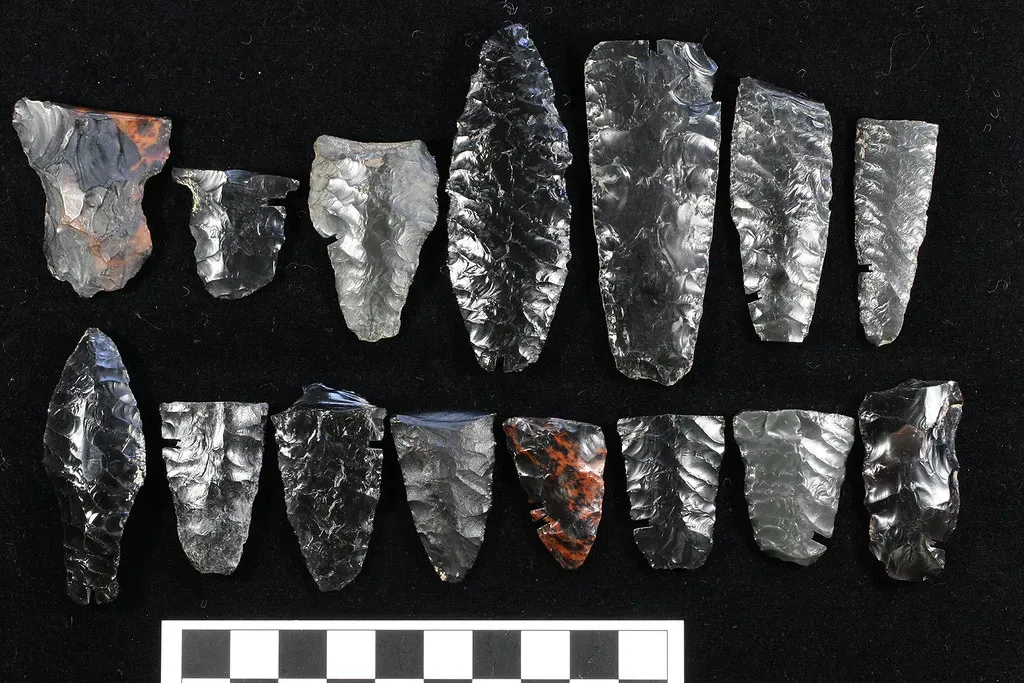
What was life actually like for these pioneers? Honestly, we’re still piecing it together. Clovis hunter-gatherers were high-technology foragers who utilized sophisticated technology to maintain access to resources while being highly mobile, with stone tools found at sites sometimes over 900 kilometers from the source stone outcrop. These weren’t primitive wanderers bumbling through unfamiliar territory. They were skilled, organized, and connected across vast distances.
Evidence suggests Clovis people depended mostly on foraging for plants, hunting small mammals, and probably fishing, using a generalized tool kit that allowed humans to flood into still-new land. The old notion of big-game hunters pursuing mammoths across the continent? Mostly myth. Sure, they hunted large animals when opportunities arose, but survival meant flexibility and exploitation of diverse resources. A hearth excavated at a site on Triquet Island was determined by radiocarbon dating to be between 13,613 and 14,086 years old, making it one of the oldest settlements in North America. From coastal shellfish to inland game, from seaweed to edible plants, they learned to thrive everywhere.
Conclusion: An Unfinished Story
What began as a straightforward tale of hunters crossing a land bridge has transformed into an epic of multiple migrations, diverse routes, and populations we’re only beginning to understand. Every archaeological dig, every DNA analysis, every dated artifact adds another piece to this immense puzzle. The first Americans were far more diverse, traveled by more routes, and arrived much earlier than the textbooks of just a generation ago suggested.
The mystery isn’t fully solved. Crucial evidence remains buried beneath rising seas or locked away in sediments we haven’t yet discovered. Perhaps the most humbling realization is how much we still don’t know. These ancient peoples left behind fragments of their story, but so much has vanished into time. What would they think, knowing that tens of thousands of years later, we’re still trying to understand their incredible journey? Did you ever imagine the story of how humans reached the Americas could be this complicated?