
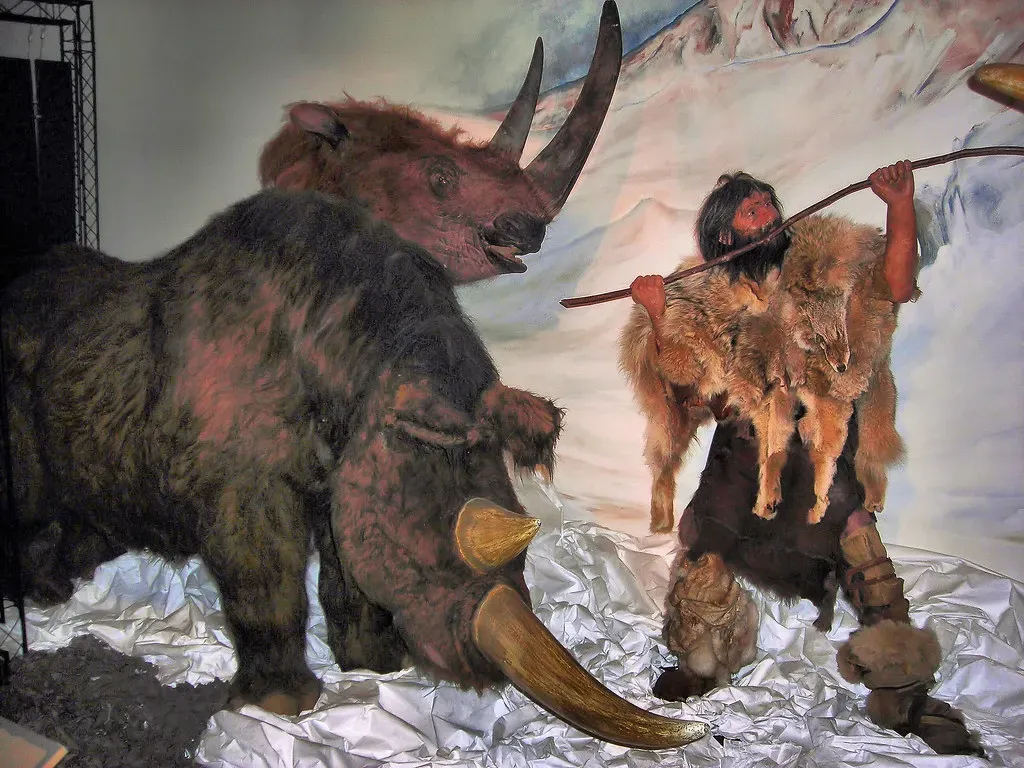
Picture an ancient world where colossal creatures roamed freely. Woolly mammoths towered over frozen tundras, giant ground sloths shuffled through dense forests, and saber-toothed cats stalked prey nearly twice their size. Now imagine our earliest ancestors walking among them, sharing the same landscapes, competing for the same resources, and perhaps even hunting them. For decades, scientists have argued about whether these two forces of nature truly overlapped in time and space. Recent discoveries are finally painting a clearer picture, and honestly, the findings are more remarkable than many expected.
You might wonder why this matters now, in our modern era. Let’s be real, understanding how our ancient relatives interacted with these giants tells us something profound about ourselves. The story isn’t just about bones and extinction dates. It’s about survival, adaptation, and the ripple effects of human presence on Earth’s ecosystems. So let’s dive in.
The Timeline Debate: How Long Did They Actually Share the Earth?
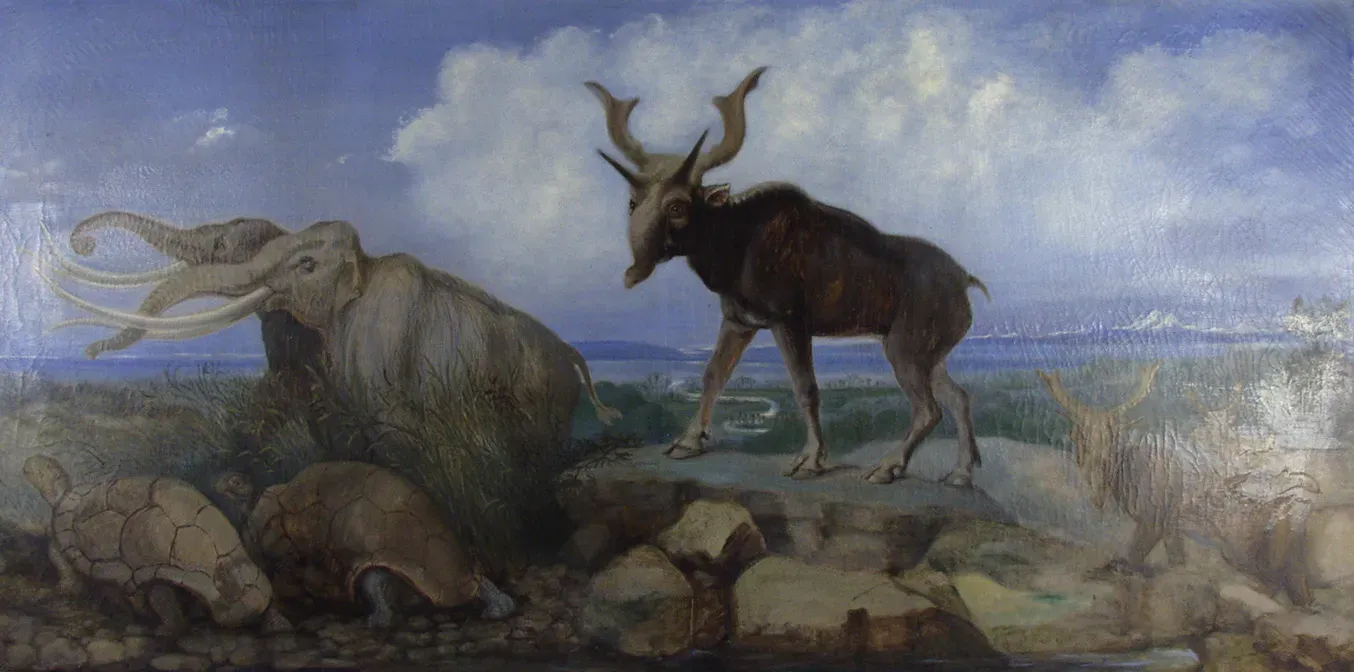
There is now unequivocal evidence of human-megafauna coexistence across North and South America, Australia, and on several islands. This wasn’t some brief encounter either. Humans coexisted with the megafauna over about 80 percent of south-eastern Sahul for up to 15,000 years, depending on the region in question. Think about that for a moment. Fifteen thousand years is longer than all of recorded human history combined.
The evidence from Australia is particularly fascinating. Humans and megafauna, such as gigantic three tonne wombat-like creatures, a ferocious marsupial lion and the world’s all-time biggest lizard, may have co-existed for around 15,000 years. There is at least 17,000 years of overlap between people and megafauna at one of Australia’s richest archaeological landscape. These aren’t minor creatures we’re talking about – these were animals that would have dominated their environments completely.
From Woolly Mammoths to Giant Sloths: The Incredible Beasts of the Pleistocene
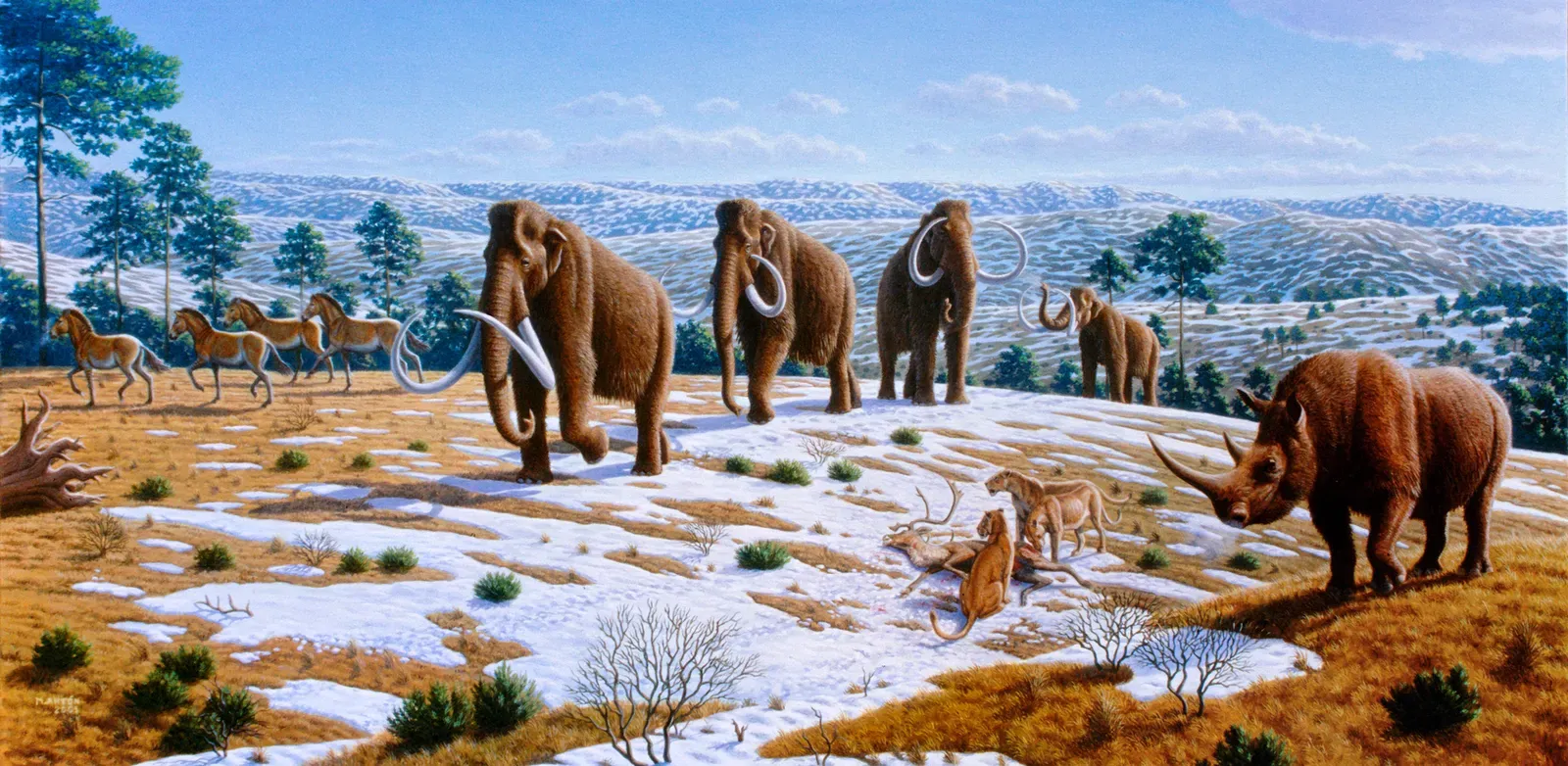
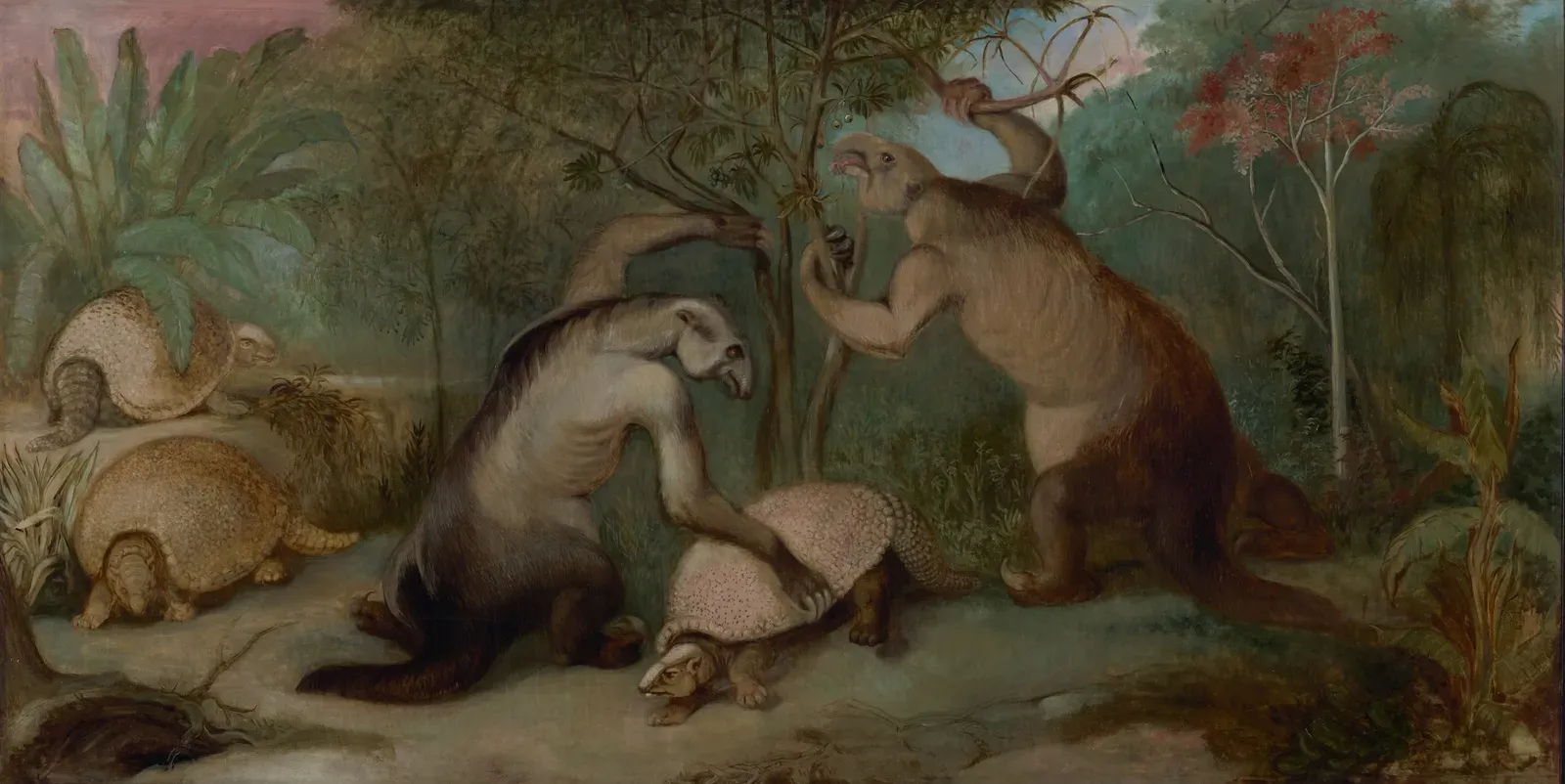
What exactly did early humans encounter? Humans coexisted with a stunning array of megafauna, the large animals of the Pleistocene epoch, including iconic creatures like the woolly mammoth, saber-toothed cat, and giant ground sloth. During the Pleistocene epoch, spanning from approximately 2.6 million to 11,700 years ago, the Earth was home to a vastly different collection of large mammals, birds, and reptiles compared to today.
North America alone was teeming with diversity. About 13,000 years ago, North America had a mammal megafauna community that was more diverse than in modern-day Africa – woolly mammoths, llamas, camels, ground sloths, short-faced bears, Smilodon, cave lions. South America wasn’t far behind in biodiversity. It’s hard to say for sure, but imagine walking through a landscape where creatures weighing several tonnes were just part of the everyday scenery.
Where the Evidence Gets Messy: Archaeological Sites Tell Conflicting Stories
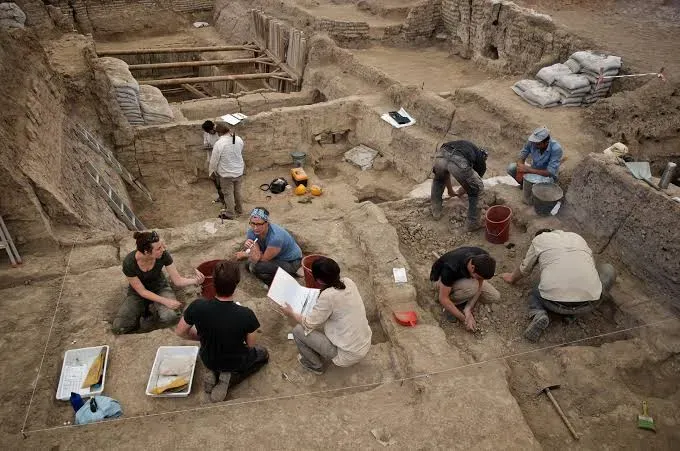
Here’s the thing – physical proof of human-megafauna interaction has been frustratingly sparse in some regions. There is no archeological evidence that in North America megafauna other than mammoths, mastodons, gomphotheres and bison were hunted, despite the fact that camels and horses are very frequently reported in fossil history. The skeptics had a point for years.
Yet recent systematic reviews are changing this narrative. Archaeological sites with evidence of human-megafauna interactions over the late Quaternary of South America ranged from approximately 17,000 to 7,900 years ago, with up to 17 reliable megafauna kill sites identified. Humans have exploited mastodons, giant ground sloths, giant armadillos, equids, bears, cervids and camelids for over 10,000 years. Archaeological sites containing megafauna bones with cut marks from stone tools, along with stone tools found in association with megafauna remains, provide strong evidence of human hunting activities.
The preservation bias is real though. Archaeological sites dating to the time of the coexistence of humans and extinct fauna are rare, and those that preserve bone are considerably more rare.
What Killed the Giants? Unpacking the Human Impact Hypothesis
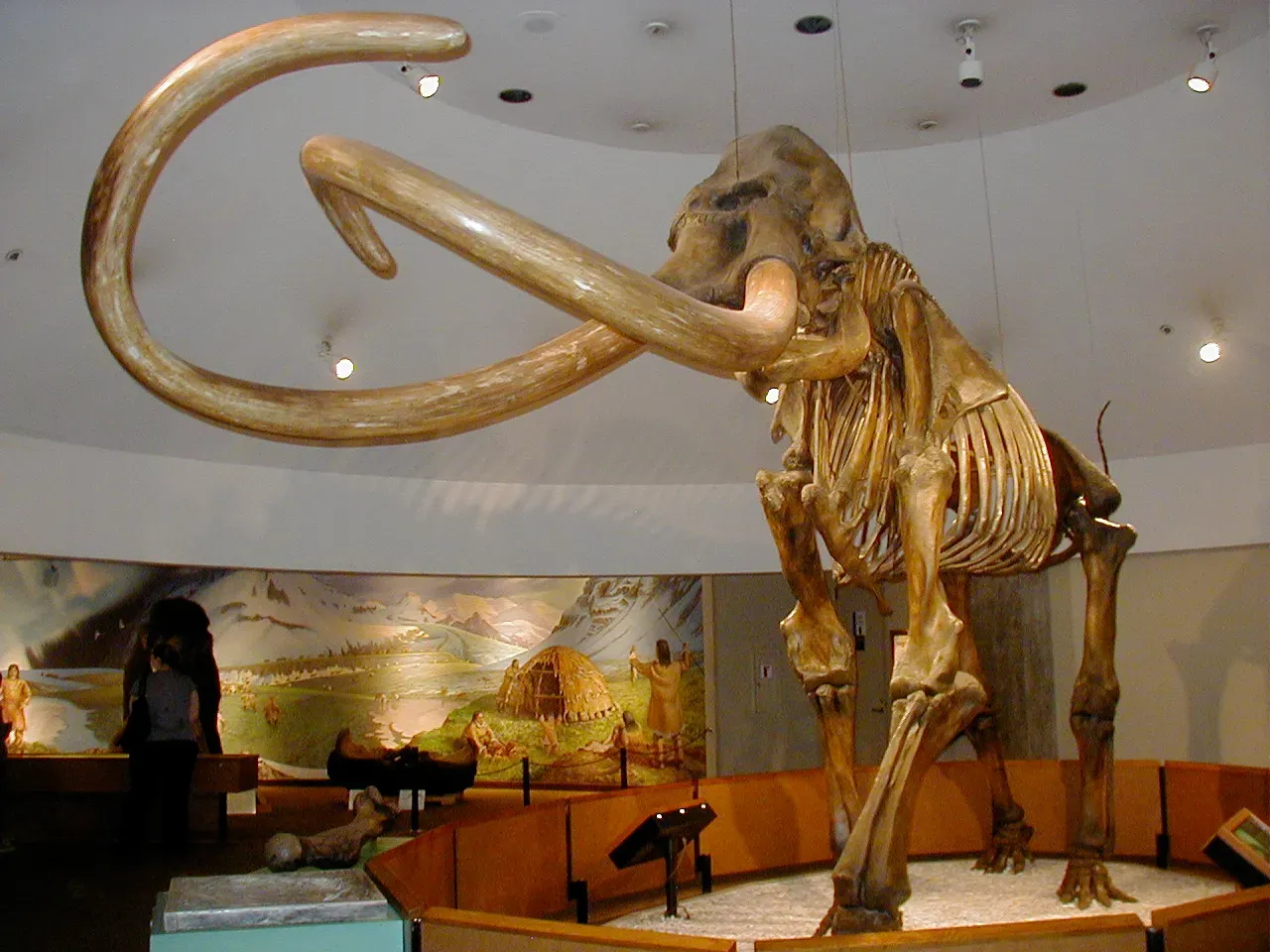
So were humans really responsible for wiping out these magnificent beasts? The late Quaternary megafauna extinctions were strongly linked to hominin palaeobiogeography and only weakly to glacial-interglacial climate change. The pattern is striking once you map it out. There were universally low extinctions in sub-Saharan Africa where hominins and the megafauna have long coexisted, but widespread exceptionally high extinctions in Australia and the Americas, where modern humans were the first hominin present.
The numbers are staggering. During the Late Pleistocene about 65 percent of all megafaunal species worldwide became extinct, rising to 72 percent in North America, 83 percent in South America and 88 percent in Australia. Humans reached Australia somewhere between 65 to 44,000 years ago, and between 50 and 40,000 years ago, 82 percent of megafauna had been wiped out. The timing correlation is difficult to ignore.
Climate Change or Human Hunting? The Great Scientific Debate
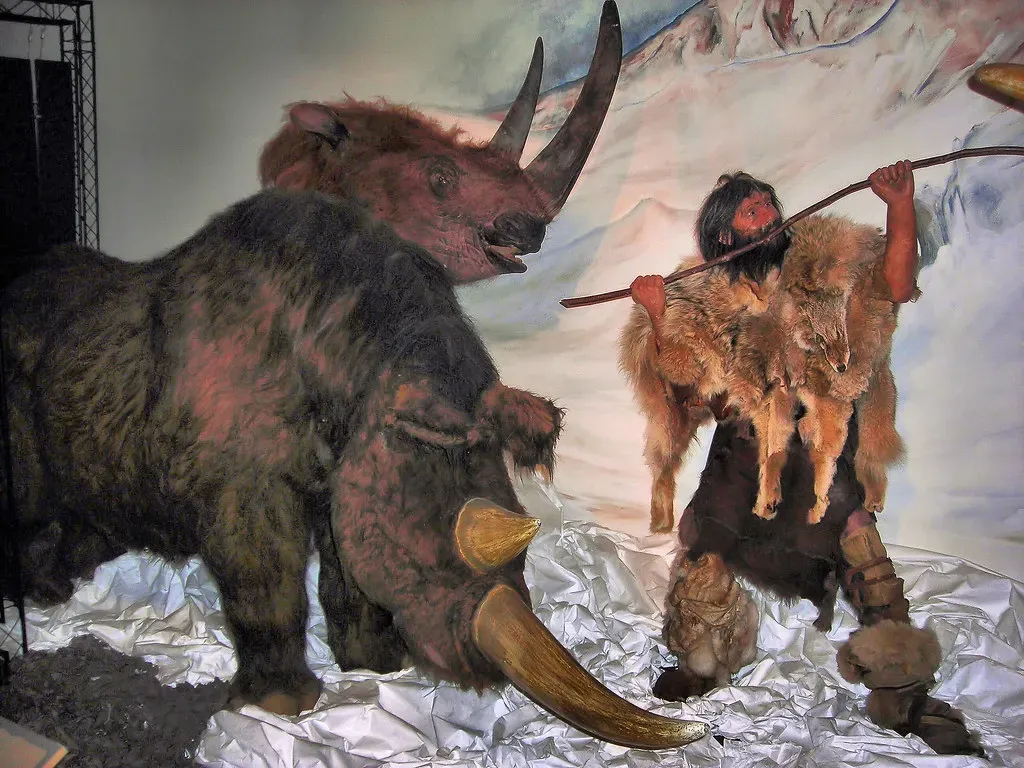
Not everyone accepts the human overkill theory completely. The causes for extinctions varied across taxa and by region – in three cases, extinctions appear linked to hunting, while in five others they are consistent with the ecological effects of climate change, and in a final case, both hunting and climate change appear responsible. This is the first evidence that tens of thousands of years ago, the combination of humans and climate change was already making species more likely to disappear.
Let me be honest with you – disentangling these factors is incredibly complex. Climate change at the end of the Pleistocene led to significant shifts in temperature, precipitation, and vegetation patterns, which altered habitats and food availability, potentially making it difficult for megafauna to survive. However, The large and very selective loss of megafauna over the last 50,000 years is unique over the past 66 million years, and previous periods of climate change did not lead to large, selective extinctions.
Hunting Techniques: How Did They Actually Do It?
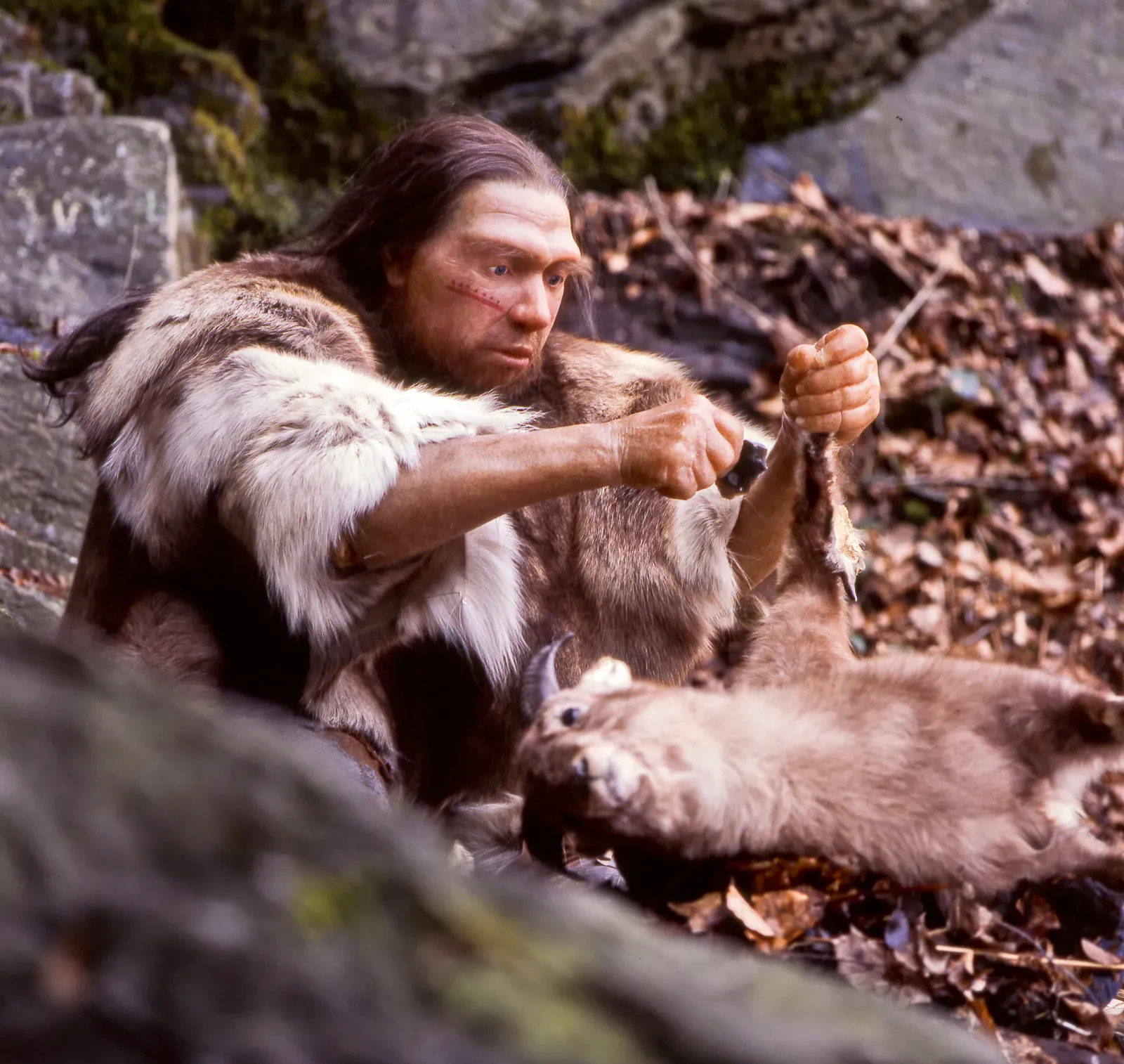
Early humans weren’t equipped with rifles or steel weapons. So how did they manage to take down animals that weighed several tonnes? Early humans crafted stone-tipped spears and later developed more advanced projectile weapons like the atlatl. Evidence suggests the use of traps, such as pitfalls, and strategically planned ambushes to capture large animals.
The archaeological evidence is getting more sophisticated. Archaeologists have found traps designed for very large animals, and isotope analyses of ancient human bones and protein residues from spear points show that they hunted and ate the largest mammals. Early human populations of southern South America relied on extinct megafauna – such as giant sloths, giant armadillos, and prehistoric horses – as a regular food source, with megafauna yielding greater caloric returns than small mammals. It wasn’t just opportunistic hunting – these were deliberate strategies to maximize food acquisition.
What This Means for Modern Conservation Efforts
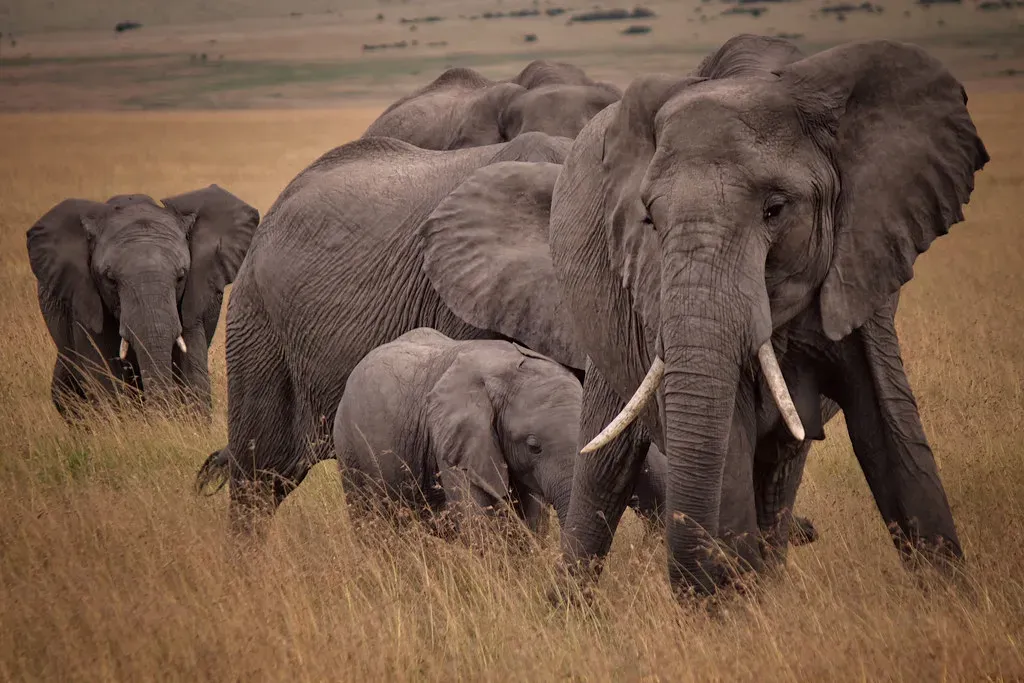
Why should you care about what happened tens of thousands of years ago? The loss of megafauna has had profound ecological consequences, as large animals play a central role in ecosystems by influencing vegetation structure, seed dispersal, and nutrient cycling, and their disappearance has resulted in significant changes in ecosystem structures and functions. Those changes are still reverberating through our world today.
Understanding our deep past with these giants reshapes how we think about conservation. The most important thing we can do is maintain habitat for large-bodied animals and maintain connectivity between habitats to hopefully continue having these species in the future. Some researchers even suggest rewilding programs might help restore ecological balance by reintroducing large mammals to areas where they once thrived. The extinction event that happened millennia ago serves as a cautionary tale about human impact on fragile ecosystems.
Conclusion
The evidence has mounted over decades of painstaking research, and the picture is becoming clearer. Early humans did coexist with megafauna for thousands of years across multiple continents. Whether through direct hunting, habitat alteration, or a combination of factors amplified by climatic shifts, human arrival consistently correlates with the disappearance of these magnificent creatures. The debate hasn’t ended completely, and regional variations suggest the story is more nuanced than a simple “humans killed everything” narrative.
Still, the patterns are undeniable. Our ancestors walked among giants, hunted them, competed with them, and ultimately outlived them. This coexistence fundamentally shaped both human evolution and the fate of Earth’s largest land animals. Understanding this relationship matters because it reveals something essential about our species – we’ve been reshaping the planet’s ecosystems far longer than we once believed.
What do you think drove these extinctions most – climate shifts or human activity? The answer might determine how we approach conservation in our rapidly changing world today.