
Have you noticed a strange distance growing between you and your partner lately? Maybe conversations feel more surface-level, or perhaps there’s a heaviness that wasn’t there before. Emotional withdrawal doesn’t happen overnight. It creeps in slowly, building invisible walls that leave both partners feeling confused and alone.
The truth is, most people don’t pull away because they’ve stopped caring. More often than not, withdrawal happens because something deep inside gets triggered, setting off an automatic protective response. Understanding these psychological triggers can help you recognize patterns before they spiral into something more damaging. Let’s explore what really causes people to emotionally check out.
Unresolved Childhood Trauma and Early Attachment Wounds

Here’s the thing about childhood experiences: they don’t just stay in the past. When you’ve experienced trauma early in life, emotional withdrawal often becomes a learned survival mechanism, especially if that’s how you stayed safe as a child. Your brain essentially creates a blueprint for relationships based on those early interactions, and when similar situations arise in your adult relationships, that old programming kicks in automatically.
You might find yourself pulling away because, somewhere deep down, you learned that engaging with painful emotions leads to rejection or abandonment, so withdrawing feels like the safer option during stressful moments. The problem is, what protected you back then now sabotages the intimacy you crave. When you mute your emotions to protect yourself, you actually become disconnected from yourself, forcing your nervous system to work harder, while also numbing out the positive emotions along with the difficult ones.
Fear of Vulnerability and Being Truly Seen

The fear of vulnerability involves hesitation to open up emotionally due to the risk of being hurt or judged. Think about it. Opening yourself up completely means someone could see all your flaws, insecurities, and fears. For many people, that level of exposure feels absolutely terrifying. Emotional intimacy requires exposing yourself and sharing thoughts and feelings openly, which carries the possibility of being hurt, and sometimes the closer you get to someone, the more they might pull away because of the anxiety associated with vulnerability.
Despite a desire for intimacy, many people hesitate to open up due to fear of rejection or past hurt. You want closeness, but the risk feels too high. Opening up and exposing vulnerabilities can feel daunting, as many people fear that showing their true emotions or struggles could lead to rejection, judgment, or abandonment. So instead of reaching out when you need connection most, you retreat into yourself, creating the exact distance you were afraid of in the first place.
Avoidant Attachment Styles and Independence Anxiety

People with an avoidant attachment style may value independence to the point where intimacy feels uncomfortable or overwhelming, often because they learned in childhood to be self-sufficient, and they may withdraw when they perceive their independence is at risk or feel pressured to be more emotionally present. Let’s be real, if you grew up believing you had to handle everything on your own, relying on someone else can feel like weakness or a loss of control.
This attachment style creates a really painful dynamic in relationships. When someone with an anxious attachment encounters a partner with an avoidant attachment, it can create a cycle where the anxious partner pursues closeness, which causes the avoidant partner to pull away even more, further increasing the anxiety in the pursuing partner. The avoidantly attached partner instinctively moves away to regain emotional control or reduce overwhelm, and feeling overwhelmed by pursuit, withdraws further, leaving both partners feeling misunderstood, alone, and discouraged. Neither person is the villain here; they’re just responding to deeply ingrained patterns.
Overwhelming Emotional Intensity and Burnout
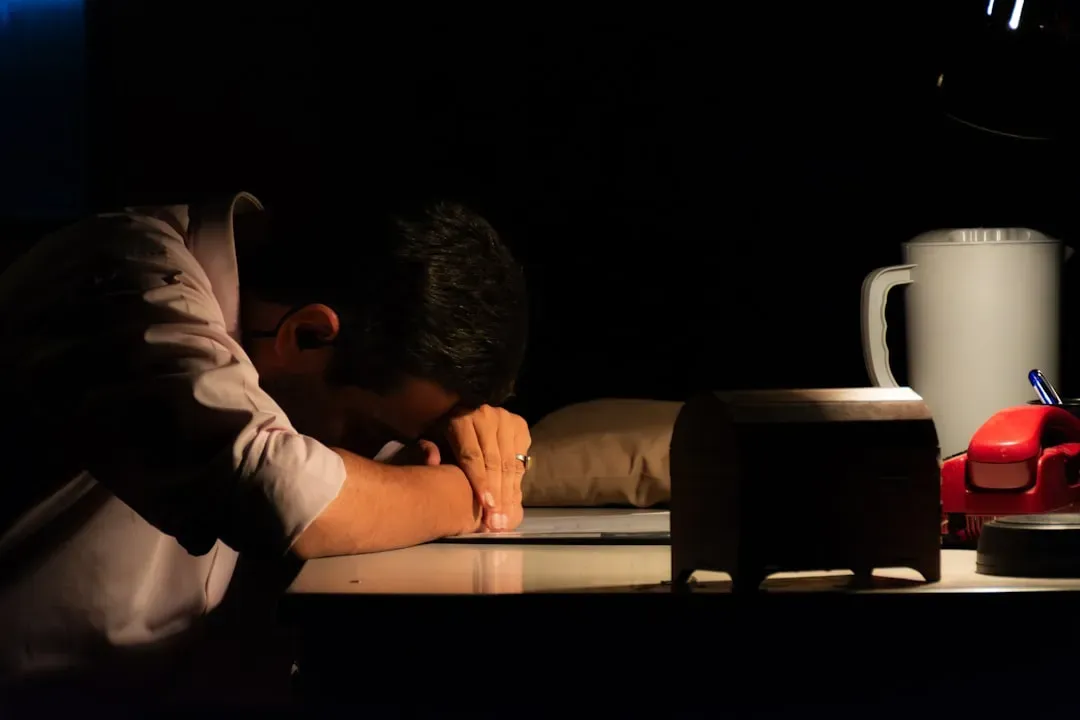
Everyone reacts to their emotions differently, and a magnitude of emotion that feels comfortable for one person may be very overwhelming to another, with people who experience emotions very strongly often experiencing feelings of burnout, leading to the desire to withdraw. Imagine your emotional capacity as a battery. When constant conflict, intense conversations, or even positive but demanding interactions drain that battery, your system eventually shuts down to protect itself.
Depression, anxiety, trauma, or stress can lead to withdrawal, and a partner may feel emotionally numb, exhausted, or like they just don’t have the capacity to show up, though they deeply wish they could. It’s not that you don’t care. Sometimes you’re just running on empty. Emotional withdrawal can be a response to feeling overworked and being under insurmountable pressure, functioning as a survival tactic in such instances. When everything feels like too much, withdrawal becomes a way to catch your breath.
Suppressed Anger and Unspoken Resentment
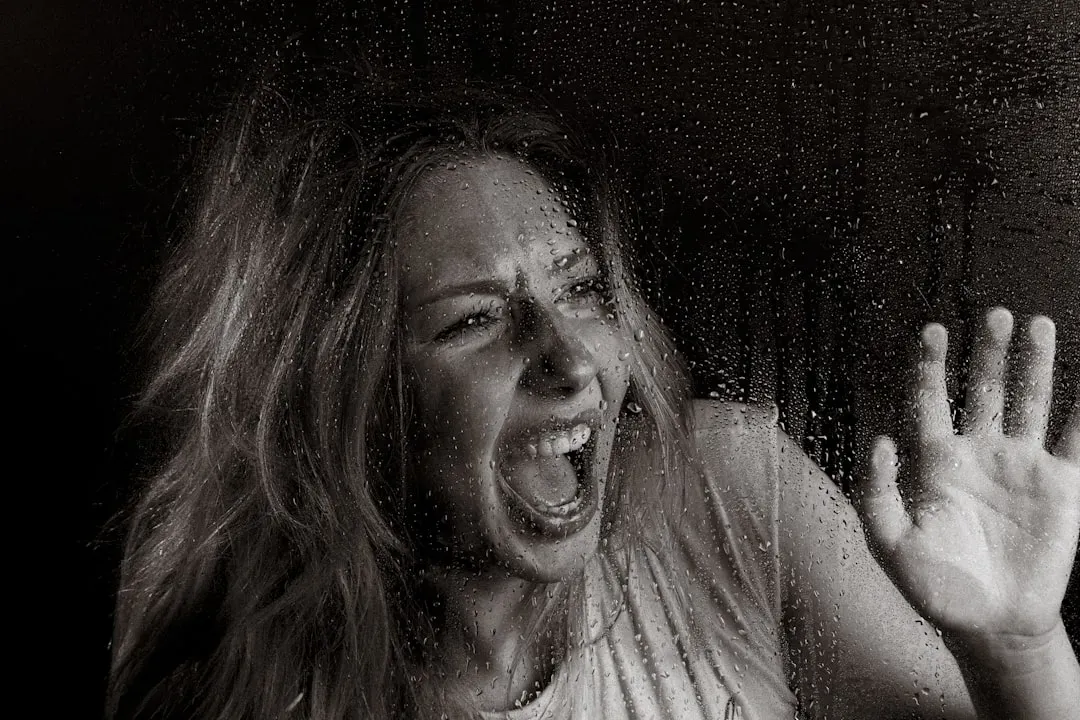
Some people don’t mind making others aware of their anger, but others are very good at hiding their anger because they don’t want to deal with the root cause, and suppressed anger can often result in withdrawal where one person in the relationship is simmering in secrecy. You know what happens when you keep swallowing your frustrations? They don’t just disappear. They build up like pressure in a closed container until you’re so disconnected you don’t even know where to begin.
Thinking that suppressing feelings of anger, sadness, or upset with one another is better than expressing them can continue cycles of disconnect. Honestly, avoiding difficult conversations might seem easier in the moment, but it creates emotional distance that becomes harder to bridge over time. When the truth is not spoken, resentment can build, as the silent treatment dissolves love and breaks apart bonding, shutting out the other person and keeping them in the dark about what’s going on in you.
Fear of Rejection and Inadequacy
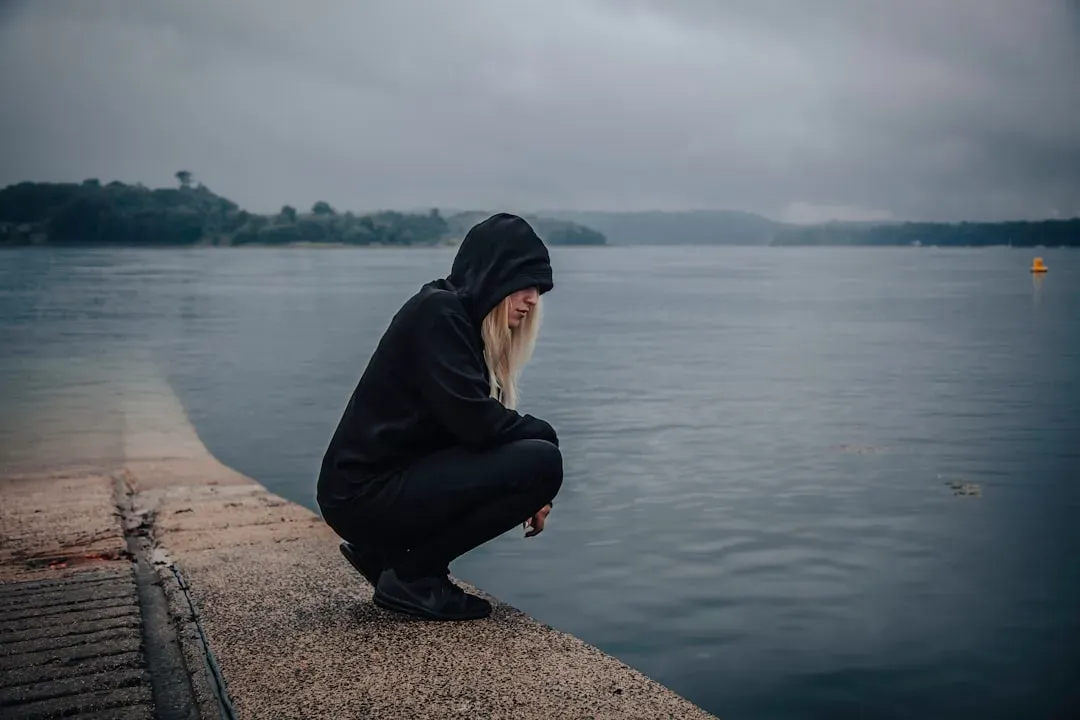
Fear can lead to withdrawal, as you may be afraid to voice your desires and needs to your partner because you fear rejection, so instead you withdraw, which can result in your partner now feeling rejected by the distance you have created. I think this is one of the most misunderstood triggers. You’re not withdrawing because you’re cold or uncaring; you’re protecting yourself from what feels like inevitable disappointment.
Many people withdraw from relationships not because they lack feelings, but because they fear they won’t measure up to their partner’s expectations, and this fear can lead to self-doubt, with some individuals withdrawing and hoping to avoid the potential disappointment of not meeting expectations. When you’re constantly worried about being “enough,” it’s exhausting. Eventually, pulling back feels safer than constantly trying to prove your worth. Individuals who are highly sensitive to rejection often interpret ambiguous relational cues as threatening, leading to defensive behaviors that hinder emotional closeness, interfering with vulnerability and trust, and often causing individuals to withdraw during interactions.
External Stressors and Life Overwhelm

Sometimes emotional withdrawal has nothing to do with the relationship itself. Chronic illnesses, inability to balance work and family, or job-related issues can lead to emotional withdrawal. When you’re dealing with major stress outside the relationship, you might not have the emotional bandwidth to show up fully for your partner, even though you want to.
Relationships are not safe from outside influences, and emotional withdrawal can be a response to feeling overworked and being under insurmountable pressure, functioning as a survival tactic that allows you to concentrate on what is most pressing at the moment. Think about when you’re juggling financial worries, health concerns, or career pressures. Your capacity for emotional connection naturally shrinks. It’s not a character flaw; it’s human limitation. The challenge is communicating this to your partner rather than just disappearing emotionally.
The Silent Treatment as a Protection Mechanism

The silent treatment is a protection mechanism that kicks in when you feel hurt, unsafe, or triggered in some way, and when someone does or says something that betrays your values, morals, or beliefs, you may withdraw and put on your emotional armor. Sometimes you need space to process difficult information or intense emotions. That’s completely normal. The problem arises when silence becomes the default response to discomfort.
It’s better to let your partner know what you’re angry or upset about so that the silence doesn’t slowly eat away at your love or respect for them, because repeatedly withdrawing emotions from the relationship causes love to be lost with no turning back. Here’s something to consider: temporary withdrawal to calm down is healthy, but prolonged emotional absence becomes damaging. When one partner withdraws, the other partner may feel neglected, unimportant, and insecure, which can lead to feelings of anger, resentment, and even depression, as withdrawal can erode the trust and intimacy in a relationship over time, leading to a sense of hopelessness and despair.
Finding Your Way Back to Connection

Emotional withdrawal doesn’t have to be the end of your relationship story. Recognizing these triggers is actually the first step toward breaking free from patterns that no longer serve you. The good news? To begin healing, focus on rebuilding the emotional bond while addressing the unresolved emotional pain that may be driving the withdrawal, and when partners recognize and validate these emotions, they respond to the real attachment need rather than getting stuck, strengthening trust and rebuilding emotional safety within the relationship.
Change isn’t instant, and it’s definitely not always comfortable. You’ll need patience with yourself and your partner as you both learn new ways of responding to emotional challenges. Sometimes professional support through couples therapy can provide the tools and safe space needed to navigate these deeply ingrained patterns. The key is understanding that withdrawal is often a symptom, not the core problem. When you address what’s underneath, real connection becomes possible again.
So what do you think? Have you recognized any of these triggers in your own relationship? Understanding what causes emotional withdrawal is powerful, but the real transformation happens when you take that knowledge and actually do something with it. What’s one small step you could take today toward more emotional openness?