San Francisco Bay – Gray whales, renowned for one of the longest migrations among mammals, now face unexpected dangers in this bustling urban waterway. Researchers documented 114 individual whales entering the bay between 2018 and 2025, a pattern that emerged after years of rarity. Climate-driven food shortages in their Arctic habitats push these massive creatures into the area, where heavy vessel traffic turns a potential foraging stop into a lethal hazard. At least six whales died there between mid-March and early April this year alone.
A Migration Disrupted by Shifting Seas
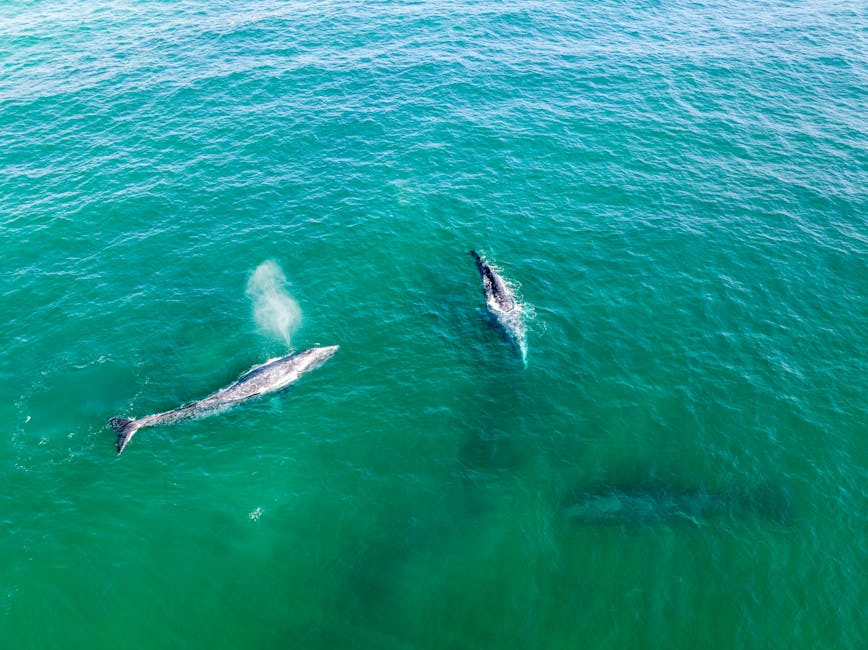
A Migration Disrupted by Shifting Seas (Image Credits: Pexels)
Each year, eastern North Pacific gray whales travel 15,000 to 20,000 kilometers round trip from warm lagoons in Baja California, Mexico, to feeding grounds near Alaska. Mothers and calves head south in fall, while adults return north in spring, skimming the ocean floor for amphipods and other benthic invertebrates. This journey, perfected over millennia, sustained a population rebound from near-extinction in the mid-20th century.
Conditions changed around 2016. The eastern North Pacific population plummeted by more than half, coinciding with an Unusual Mortality Event from 2019 to 2023. Arctic warming accelerated sea ice melt, disrupting phytoplankton cycles that underpin the whales’ prey base. Earlier blooms sank before feeding bottom-dwellers, leaving whales malnourished on their northward trek.
Hungry Whales Venture into Unfamiliar Waters
Since 2018, photo-identification surveys revealed gray whales lingering in San Francisco Bay for days or weeks, far from their coastal route. Stays averaged 27 days in 2023 and 24 days in 2025, with some whales entering and exiting multiple times. Researchers identified peaks in sightings, such as 36 individuals in 2025.
These detours likely stem from desperation. Declining Arctic prey forces flexible foraging, possibly targeting local species like anchovies near the bay. Only a small fraction belonged to known Pacific Coast feeding groups, suggesting most represent an emerging “Bay Grays” adaptation. Yet this novel habitat exposes them to urban threats unseen in traditional paths.
Vessel Strikes Claim a Heavy Toll
Of 70 gray whale carcasses examined in the region, 21 matched previously photographed live individuals, yielding a minimum 18% mortality rate among the 114 cataloged whales. The figure likely underestimates reality, as skin degradation and sunken bodies hinder matches. Blunt force trauma from vessel strikes marked 43% of cases, or 30 whales.
Ferries, cargo ships, fishing boats, and recreational craft navigate busy lanes through the Golden Gate Strait and central bay. High speeds amplify collision risks, especially for bottom-feeding whales surfacing unpredictably. Necropsies confirmed strikes in over 40% of determined deaths, dwarfing range-wide averages. Malnutrition weakened others, impairing escape from harm.
- 43% of carcasses showed vessel strike trauma.
- 18.2% confirmed mortality for photo-ID’d whales.
- 70 total carcasses studied from 2018-2025.
- 21 matched to live sightings.
- Recent spike: Seven deaths in Bay Area since mid-March 2026.
Conservation Efforts Gain Urgency
Scientists urge adaptive measures to protect these visitors. The Marine Mammal Center’s Whale Smart program educates mariners on whale behavior. Voluntary NOAA speed reductions below 10 knots begin around May off San Francisco and Monterey. Ports recommend similar limits, though compliance hovers near 50%.
Advanced tools offer promise. AI-driven thermal cameras, like Alaska’s WhaleSpotter, detect whales for course adjustments. Expanded necropsies, dynamic slow zones, and onboard observers could curb strikes. Integrating photo catalogs from Baja with bay data aids tracking. Researchers stress monitoring prey and body condition to predict future use.
Key Takeaways
- Climate change starves gray whales, driving them into risky urban bays.
- Vessel strikes cause most local deaths; mitigation demands swift action.
- 18% documented mortality signals a conservation crisis for this population.
Gray whales’ plight in San Francisco Bay underscores how climate shifts ripple through ecosystems, forcing ancient migrations into modern peril. Stronger protections could safeguard these resilient giants. What steps should authorities take next? Share your thoughts in the comments.