You probably grew up hearing a simple story: a giant rock hit Earth, the sky went dark, and the dinosaurs vanished almost overnight. It sounds dramatic and strangely neat, like someone flipped a switch on an entire world. But when you look closer, the end of the dinosaurs turns out to be messier, weirder, and far more interesting than that one-line explanation you learned in school.
In the last few decades, you’ve been living through a quiet revolution in how scientists think about that catastrophe sixty-six million years ago. New fossils, better dating methods, computer models, and even chemical traces locked in rocks are forcing you to see the extinction not as a single event, but as a perfect storm. When you piece those clues together, you start to realize the real question isn’t just what killed the dinosaurs, but how they managed to survive as long as they did in a world that was already going off the rails.
The Classic Asteroid Story You Thought You Knew
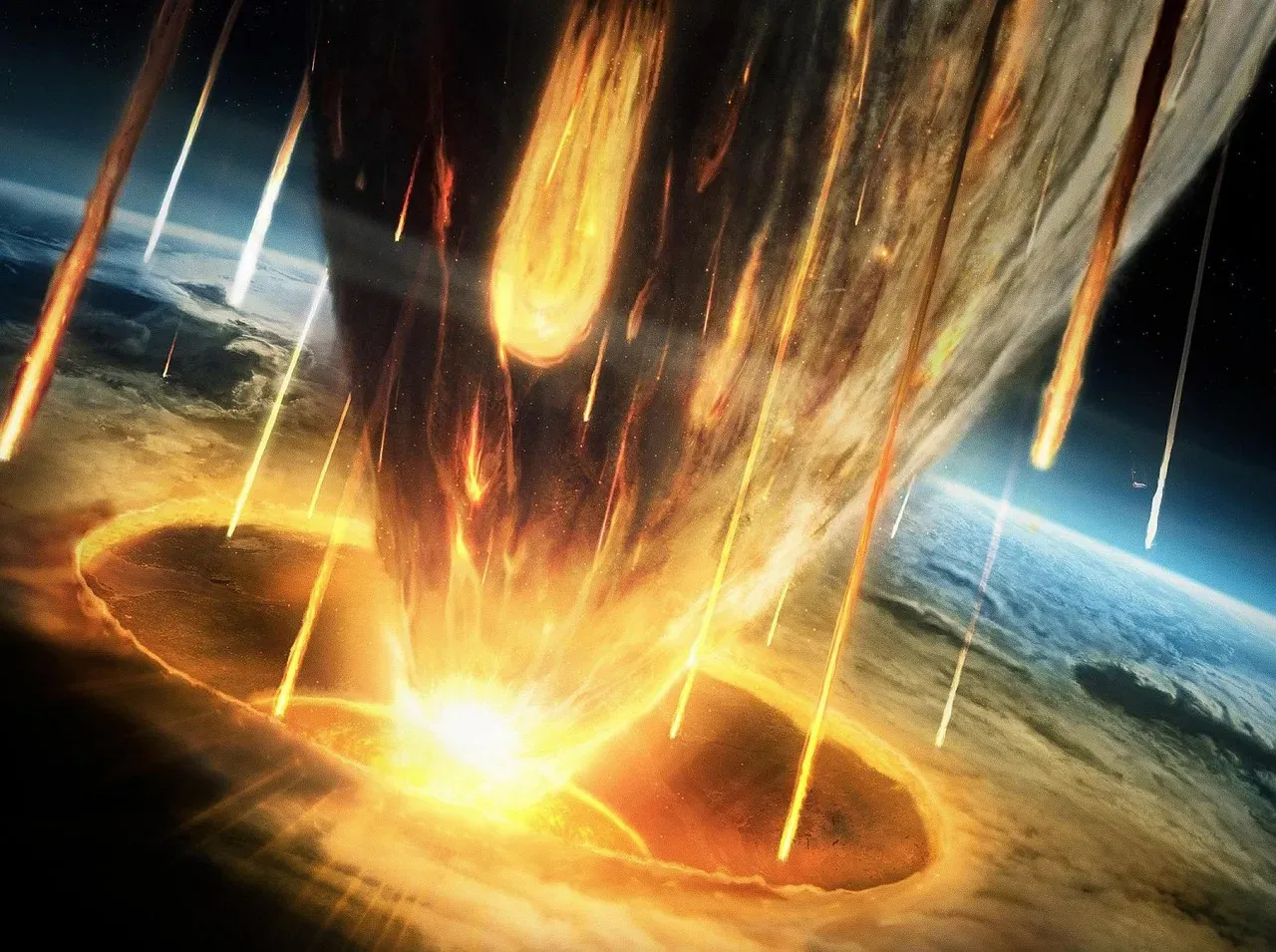
When you picture the end of the dinosaurs, you probably imagine a fireball streaking across the sky and slamming into Earth with unimaginable force. That part is solid: an asteroid roughly several miles wide hit what is now the Yucatán Peninsula in Mexico, carving out the buried structure known as the Chicxulub crater. You can think of it as a scar on the planet’s face, preserved under layers of sediment, only fully recognized once modern imaging technologies let you see what was hiding below.
For you, what makes this impact so important is not just the crater itself but what it unleashed. The energy released was greater than billions of nuclear bombs going off at once. Rock and vapor shot high into the atmosphere, shock waves rippled around the globe, and wildfires likely ignited across entire continents. If you had been standing anywhere near ground zero, the world would have ended in a fraction of a second; but for the rest of the planet, the real horror unfolded over days, months, and years.
Fire, Darkness, and a World That Suddenly Stopped Growing
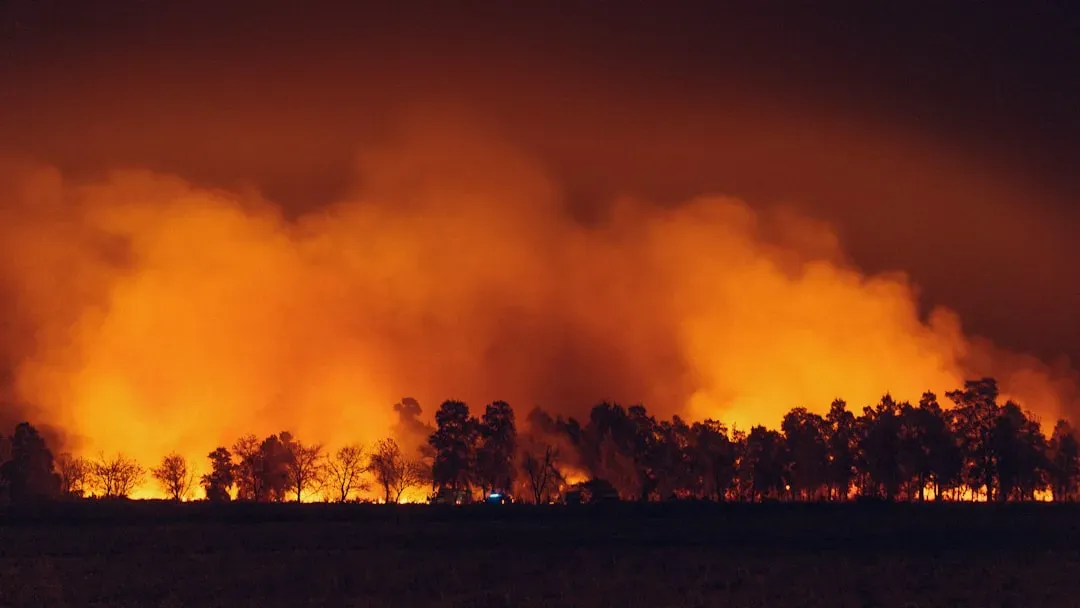
If you rewind the clock to the hours and days after the impact, you’re not just dealing with a crater; you’re facing a cascade of environmental disasters. The blast would have hurled molten rock and hot debris back down through the atmosphere, potentially starting vast wildfires. Imagine stepping outside to a sky that glows orange and red, where the air smells like burning forests and the sun is a dim smear through choking haze. You’re living in a world where the surface itself is trying to burn.
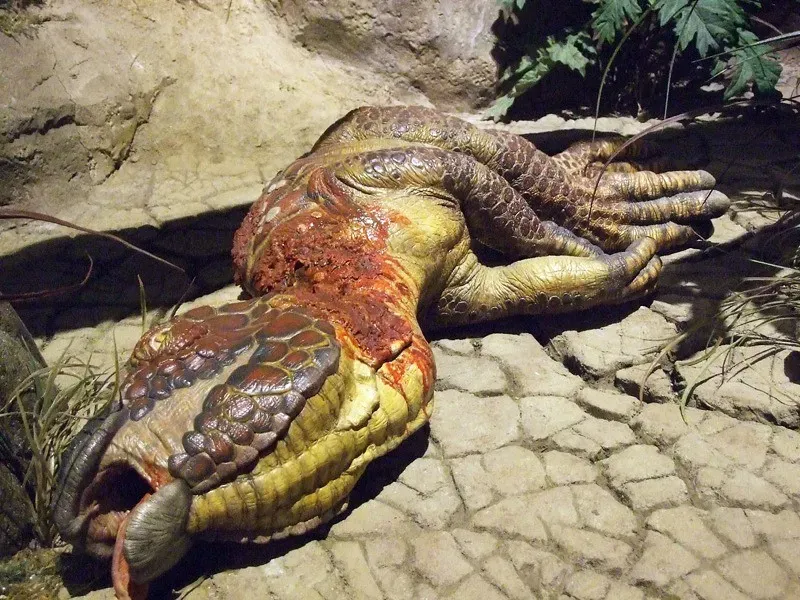
Then comes the most brutal twist for you and any living thing that depends on plants: the darkness. Dust, soot, and tiny particles likely spread high into the atmosphere, blocking sunlight across the globe. Without enough light, plants stop photosynthesizing properly, food chains snap, and even the mightiest dinosaurs suddenly face a world where their massive bodies become a liability instead of a strength. You can imagine ecosystems collapsing from the bottom up, like pulling support beams out from under a building and watching every floor slam down in slow motion.
Volcanoes, Toxic Gases, and a Planet Already on Edge
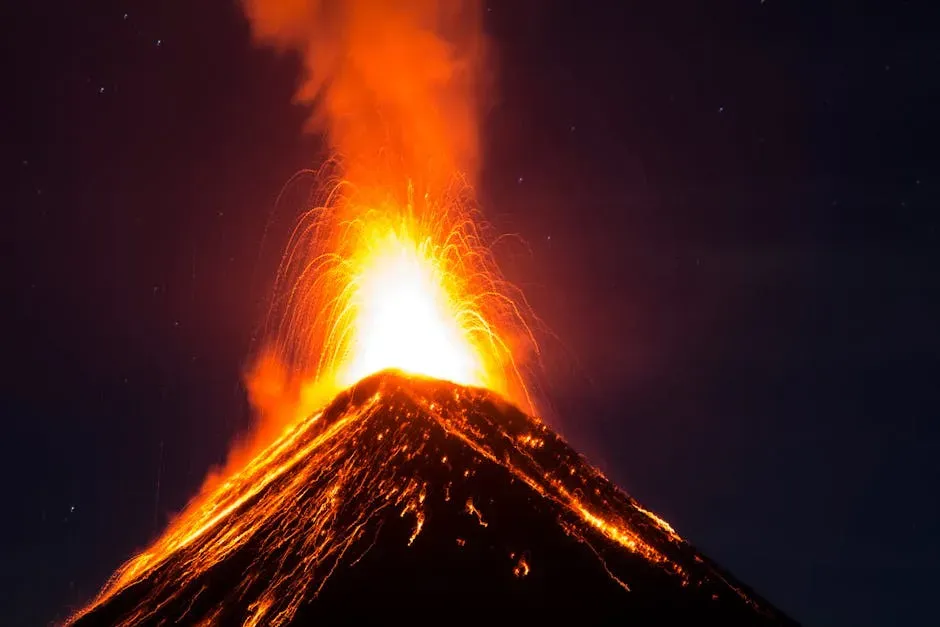
Here’s the part that probably doesn’t get enough attention when you first hear the story: by the time the asteroid hit, Earth might have already been sick. In what is now India, huge volcanic eruptions known as the Deccan Traps had been pouring out lava and gases on and off for a long time. If you were living back then, you might have faced repeated waves of poisonous gases, temperature swings, and acid rain long before that final impact nailed the coffin shut.
These eruptions would have pumped massive amounts of carbon dioxide and sulfur compounds into the atmosphere, messing with the climate and oceans. For you, that means a slower, grinding kind of stress on life: hotter periods, cooler intervals, changing rainfall, and oceans becoming more acidic. When you layer a devastating asteroid impact on top of a planet already grappling with volcanic chaos, it starts to feel less like one clean cause and more like a brutal combination punch that knocked out the dinosaurs for good.
A Perfect Storm: Why One Cause Is No Longer Enough for You
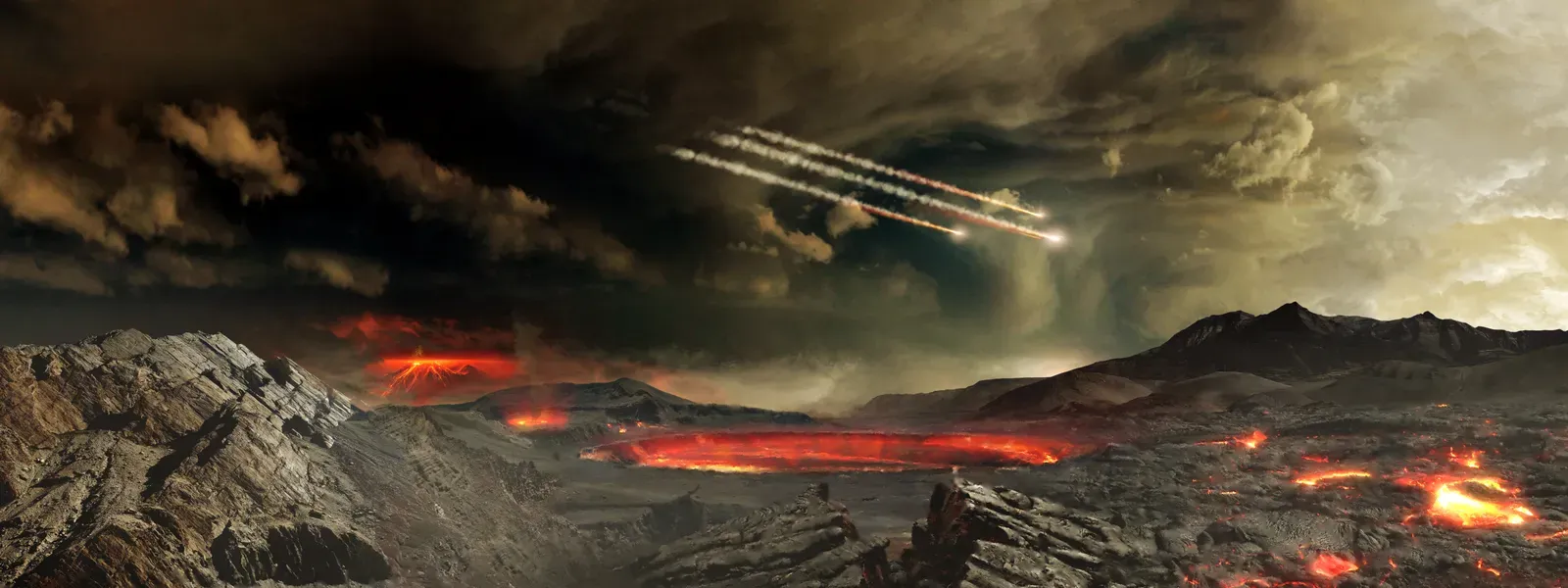
As you dig into the evidence, you start noticing something unsettling: the timing of the impact, the volcanic eruptions, and the extinction lines up almost too well. Instead of choosing between asteroid or volcanoes, you’re pushed to consider how both worked together. In your mind, the extinction stops being a simple crime scene with one suspect and becomes a conspiracy of geological forces, each one weakening life until the final blow landed.
For you, this idea of a perfect storm explains why some groups were wiped out while others squeaked through. If ecosystems had already been stressed by volcanic gases and climate swings, then the sudden darkness and cooling from the impact might have been the last straw. It is like watching a bridge that has been rusting and cracking for years, then finally collapsing during one big storm. You do not just blame the storm; you recognize how years of strain made that failure almost inevitable.
Why Some Creatures Lived While the Dinosaurs Died
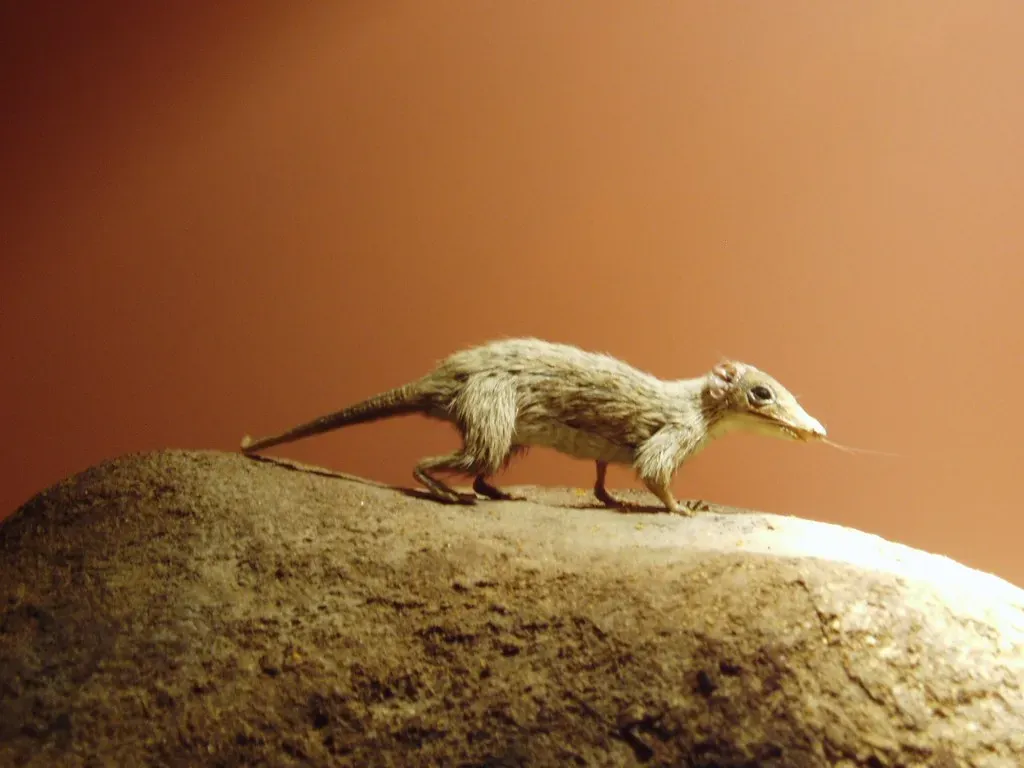
One of the most fascinating questions for you is not just why dinosaurs vanished, but why some animals survived. Early birds, small mammals, crocodilians, turtles, and some fish made it through, even though they lived in the same chaotic world. When you look at their traits, you start seeing patterns: smaller bodies, flexible diets, the ability to burrow or hide, and in some cases, the capacity to go dormant or endure long periods of scarcity.
If you put yourself in that world, being a small, adaptable generalist would have been far better than being a giant specialist at the top of the food chain. You could survive on seeds, insects, or whatever scraps you could find, while big plant-eaters starved and the predators that depended on them went down too. In a sense, the extinction tested life’s backup plans, and the species that stuck around were the ones able to switch strategies when the old rules of the game suddenly stopped applying.
What the Rocks, Fossils, and Tiny Clues Are Really Telling You

You might wonder how anyone can be so sure about events that happened tens of millions of years before you existed. The answer is that Earth keeps surprisingly detailed receipts. In thin layers of clay and rock around the world, you find traces of rare elements associated with asteroids, shocked minerals formed by intense pressure, and tiny glassy beads thought to be droplets of melted rock from the impact. When you stand in front of these layers in a museum or outcrop, you are literally looking at the line between two eras.
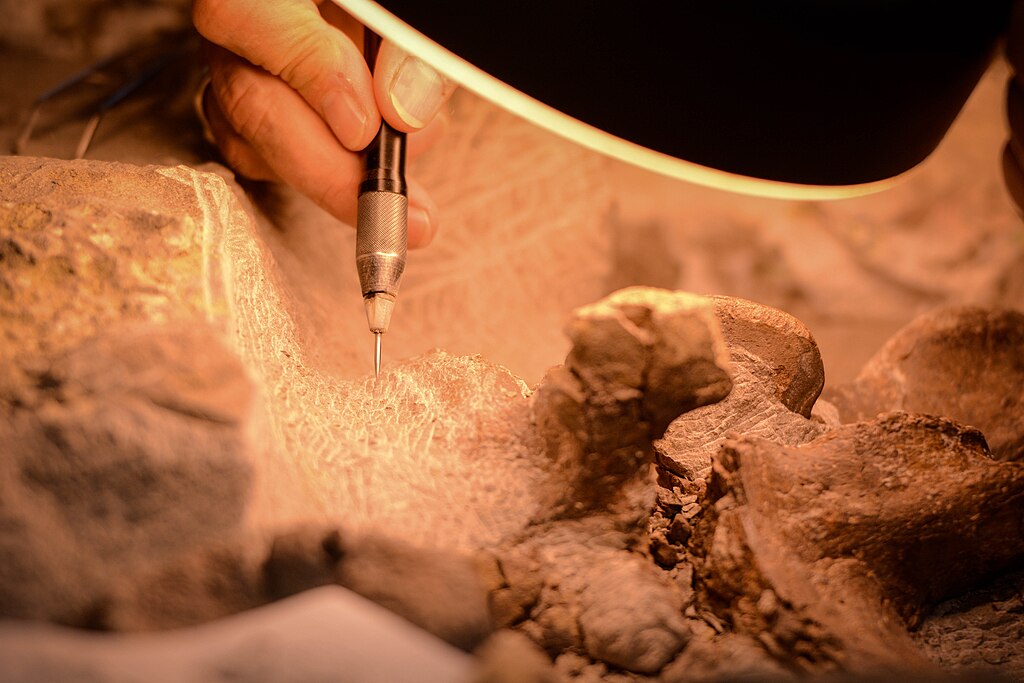
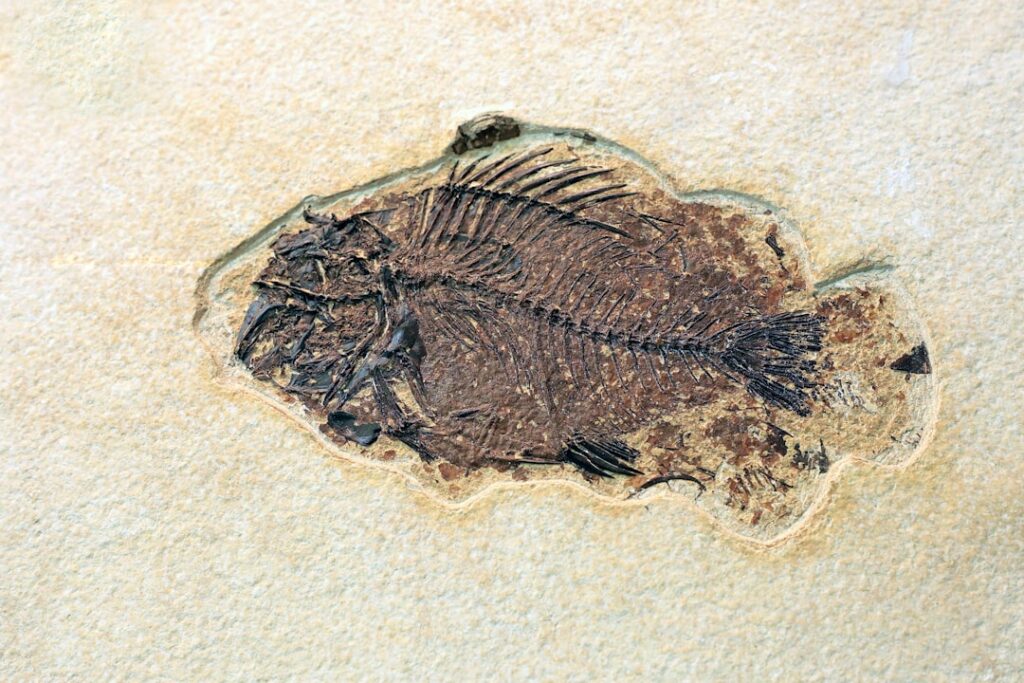
Fossil records add another layer of clues for you to interpret. In many places, dinosaur bones become scarce right at the boundary, while other groups show patterns of decline or sudden disappearance. New techniques that measure isotopes, analyze ancient temperatures, and track chemical signatures in shells or teeth give you a sense of how climates and oceans changed before and after the extinction. It is a bit like reconstructing a crime scene from scattered fingerprints, footprints, and security footage that has been partially erased, but with patience, you start seeing a coherent story emerge.
Why This Ancient Disaster Still Matters to You Today
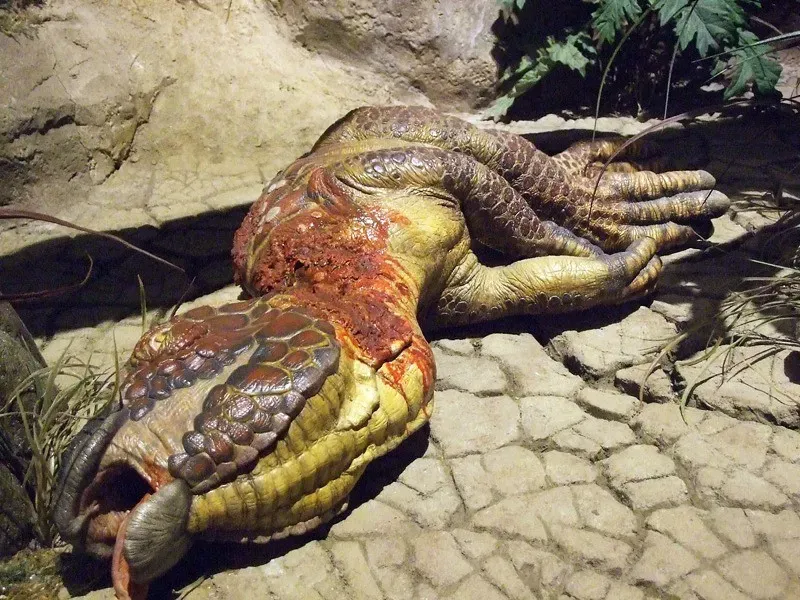
At first glance, the death of the dinosaurs might feel like distant trivia, something you file away as a kid and rarely think about again. But once you understand how sensitive life is to rapid climate shifts, darkness, and ecological disruption, the story hits much closer to home. You live in a time when humans are pushing the climate, atmosphere, and oceans in new directions at an unnerving pace, and the fossil record quietly reminds you that Earth does not always respond gently to sudden stress.
When you see how quickly entire ecosystems unraveled sixty-six million years ago, you start to appreciate that stability is not guaranteed. The dinosaurs did not get a warning label or a second chance, and neither will you if you ignore the signals your own planet is sending. That ancient catastrophe becomes less of a distant legend and more of a case study in how fragile your own world can be when powerful forces, natural or human-made, spin out of control.
Conclusion: Rethinking the End to Rethink Your Future
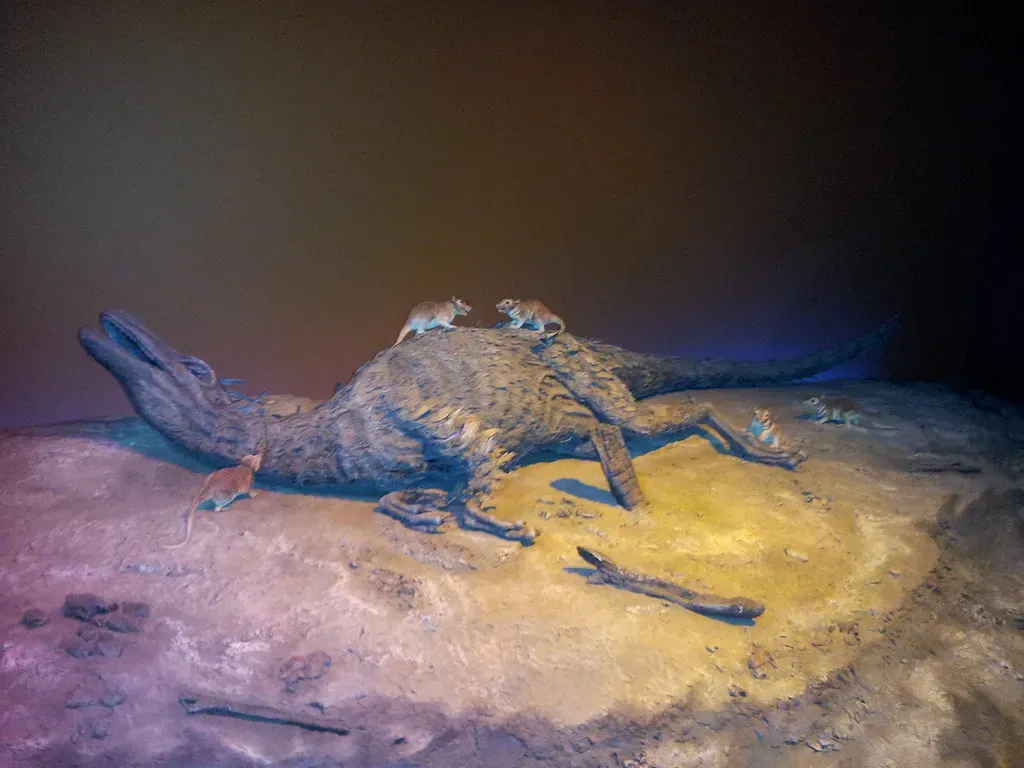
When you step back, the great dinosaur extinction no longer looks like a single freak accident; it looks like the result of multiple stressors piling up until life could not cope. An asteroid impact, massive volcanic eruptions, climate swings, darkness, and collapsing food chains all combined to reshape the planet and clear the way for new forms of life, including eventually, you. The story you carry with you should not be that dinosaurs were simply unlucky, but that even dominant species can lose everything when their environment changes too fast.
In that sense, the extinction is not just about them; it is a mirror held up to your own time. You are living on a world that has already survived unimaginable disasters, but every one of those came at a cost measured in lost species and shattered ecosystems. If you let this ancient story sink in, it challenges you to ask how you want your chapter in Earth’s history to read: as another sudden break in the record, or as the moment when you learned from a vanished world before it was too late. What kind of ending do you want your own era to have?