
You might have learned in school that life began in a warm pond, sparked by lightning. It’s a comforting image, almost poetic. Simple chemicals mixing together, energy from above, and suddenly the first living things start to emerge. That story felt complete, satisfying even.
Here’s the thing, though: science rarely stands still. Over the past couple of decades, researchers have been uncovering evidence that challenges this classic narrative in profound ways. The more we learn about the conditions necessary for life, the more those old assumptions start to crack. What if the environment we thought was perfect for life’s beginning was actually all wrong?
The Primordial Soup Theory Is Losing Steam
For nearly nine decades, the primordial soup idea dominated scientific thinking about life’s origins, suggesting that life began from chemical reactions in a warm pond triggered by lightning or ultraviolet light. The concept felt intuitive. Mix water, add some basic chemicals, throw in some energy, and wait. Eventually, you’d get the building blocks of life, right?
Recent pioneering research has overturned this theory, claiming instead that Earth’s chemical energy from hydrothermal vents on the ocean floor kick-started early life. Studies increasingly suggest that the primordial soup was not the right kind of environment to drive the energetics of the first living cells. The problem isn’t just about creating molecules. It’s about maintaining the energy flows that keep those molecules organized and active. Without sustained energy gradients, you’re just left with a chemical mess that never goes anywhere.
Energy Problems That Scientists Couldn’t Ignore
Critics pointed out that the soup theory lacked a sustained driving force to make reactions occur, and without an energy source, life as we know it cannot exist. Think about it like this: you can have all the ingredients for a cake sitting on your counter, but without applying heat in an oven, those ingredients never transform into anything edible.
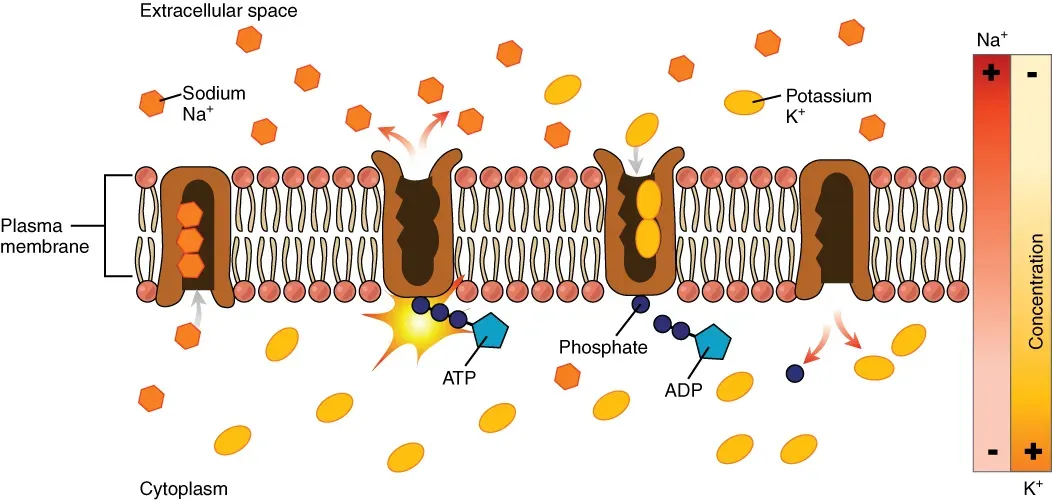
Modern life isn’t powered by lightning strikes or ultraviolet radiation; at its core, life’s energy production relies on ion gradients across biological membranes, something that could never have emerged within warm ponds of primeval broth on Earth’s surface. Honestly, when you look at how every living cell generates energy today, the primordial soup starts to seem like wishful thinking. In those surface environments, chemical compounds and charged particles tend to get evenly diluted instead of forming the gradients or non-equilibrium states central to life.
Deep Sea Vents Offer A Better Answer
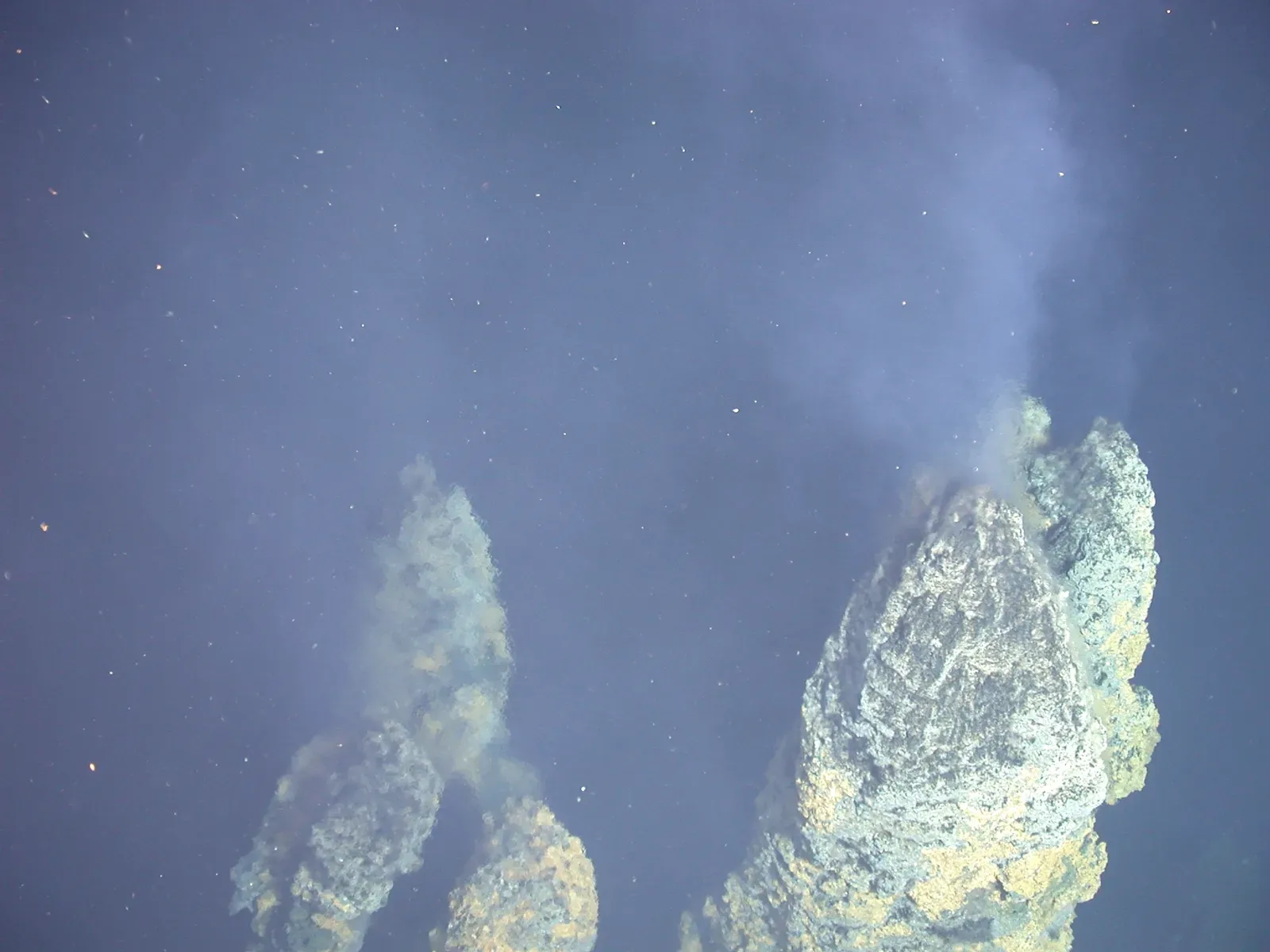
So where does that leave us? Research adds weight to the idea that life arose deep in the ocean within hydrothermal vents, with a study suggesting the last common ancestor of all living cells fed on hydrogen gas in a hot iron-rich environment similar to conditions within the vents.
By creating protocells in hot, alkaline seawater, a research team has added to evidence that the origin of life could have been in deep-sea hydrothermal vents rather than shallow pools. Deep-sea hydrothermal vents represent the only known environment that could have created complex organic molecules with the same kind of energy-harnessing machinery as modern cells. These vents provide natural chemical gradients, constant energy supplies, and protective mineral structures. They tick every box that the primordial soup couldn’t.
The RNA World Hypothesis Faces Its Own Challenges
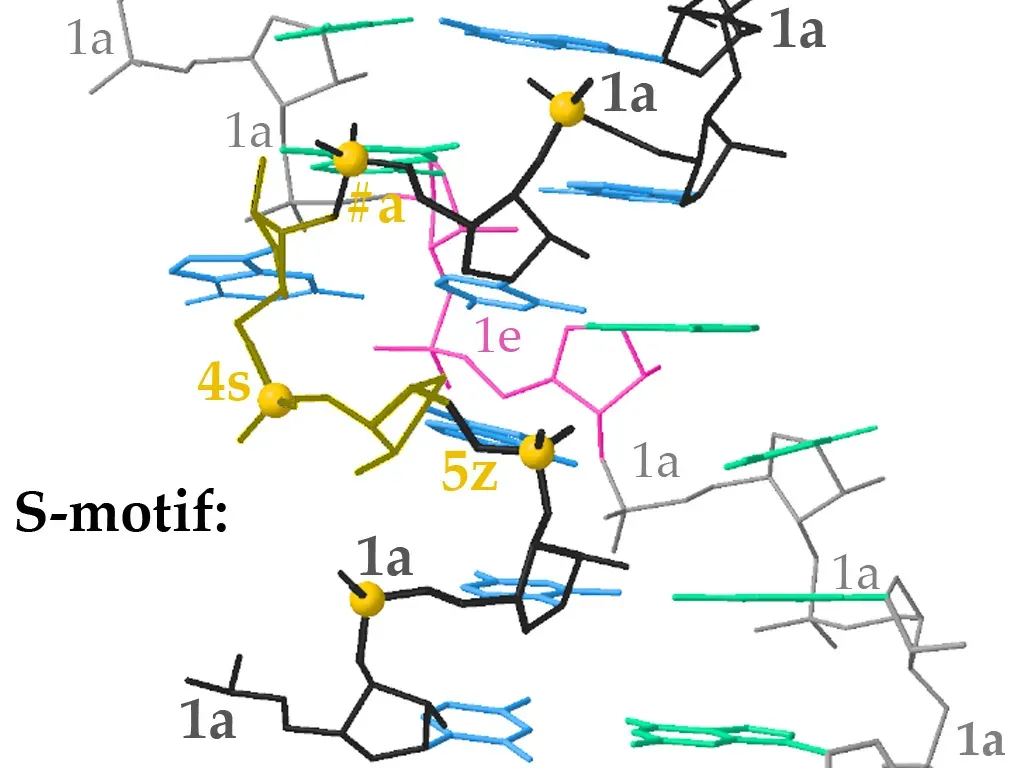
Let’s be real: the RNA world hypothesis has been a cornerstone of origin-of-life research for decades. This hypothesis postulates that RNA, with both genetic information and catalytic activity, had an essential role in the origin of life and is now supported by many scientists.
Yet there are problems. Objections raised to the RNA world hypothesis include that RNA is too complex a molecule to have arisen prebiotically, RNA is inherently unstable, catalysis is a relatively rare property of long RNA sequences only, and the catalytic repertoire of RNA is too limited. Studies suggest the model represents an expedient proposal rather than a sufficient foundation, noting there’s no way a single polymer could carry out all necessary processes we now characterize as part of life, and that single polymer certainly couldn’t be RNA. I think it’s hard for scientists to let go of elegant theories, but sometimes reality demands messier answers.
Maybe RNA And DNA Evolved Together
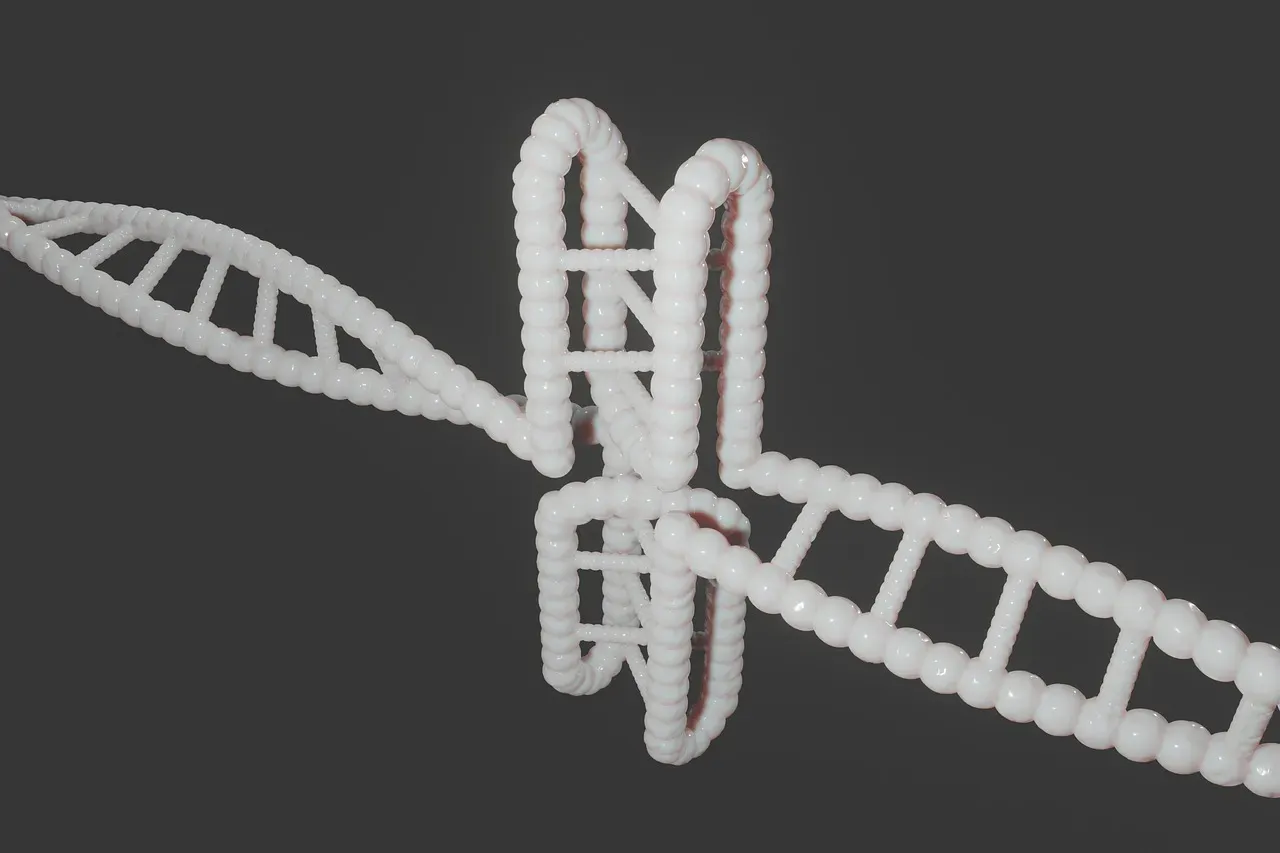
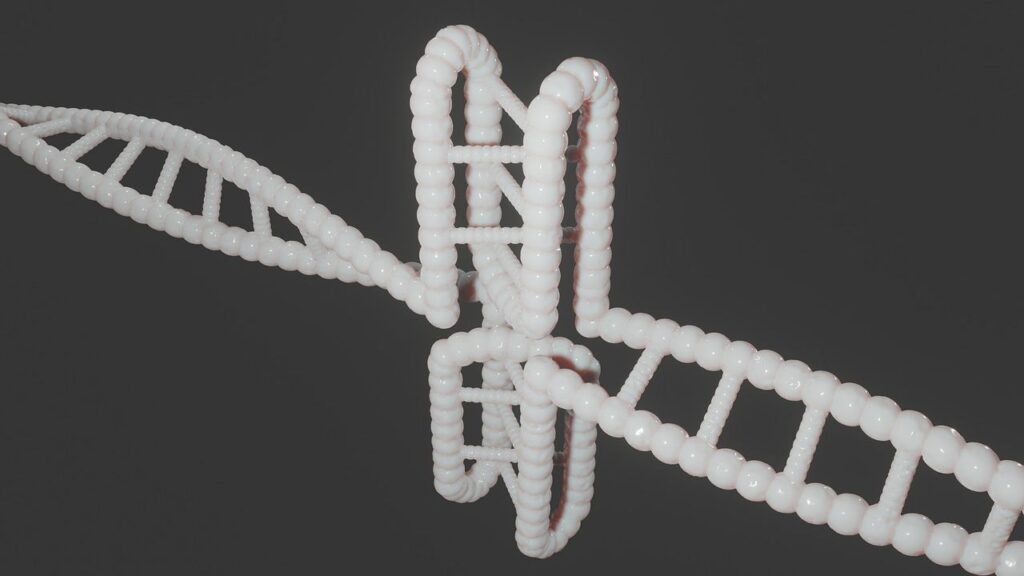
A new study supported by the NASA Exobiology Program provides experimental evidence that RNA and DNA could have originated simultaneously and co-existed on early Earth, with findings that have implications for the RNA World hypothesis. This changes everything.
Researchers showed that a heterogenous mixture of chimeric molecules could have led to the simultaneous formation of homogeneous strands of RNA and DNA, with experiments beginning with a mess of small oligonucleotides that were eventually sorted out into separate, homologous strands. The study shows that a heterogenous mixture can lead to the simultaneous production of homogenous products, evidence that DNA may not have been the descendent of RNA. It’s almost like nature wasn’t following a neat, linear recipe at all.
Rethinking Amino Acid Origins
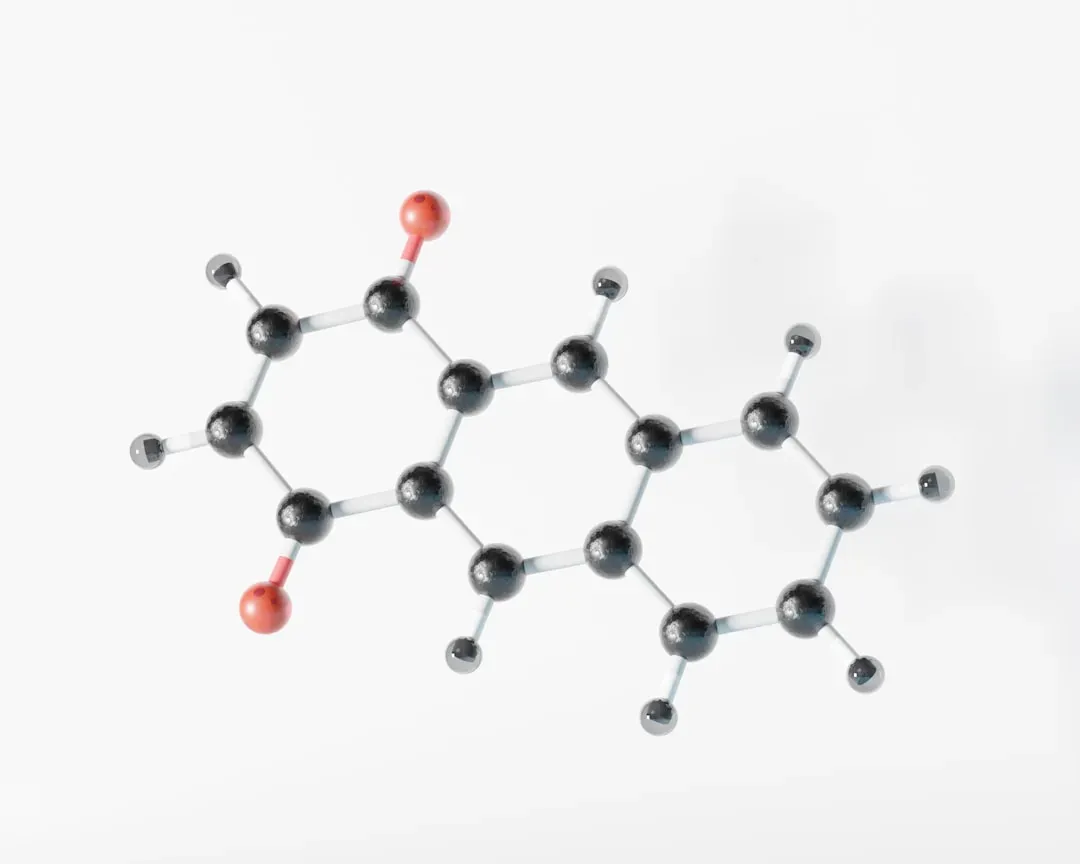
New research rethinks amino acid origins, revealing insights into life’s earliest building blocks on Earth and potential clues for finding life on other planets. For a while, there’s been a consensus about the order in which building-block amino acids were added into genetic material, but researchers at the University of Arizona suggest previous assumptions may reflect biases in understanding biotic versus abiotic sources.
What does this mean? Our models of how genes first emerged might be undervaluing early protolife compared to what emerged with and after the last universal common ancestor. The order we thought things happened in might be completely backwards. The implications ripple outward: if we’ve misunderstood the sequence of events on Earth, we might be looking for the wrong signs of life on other worlds.
Could Life Have Come From Space?
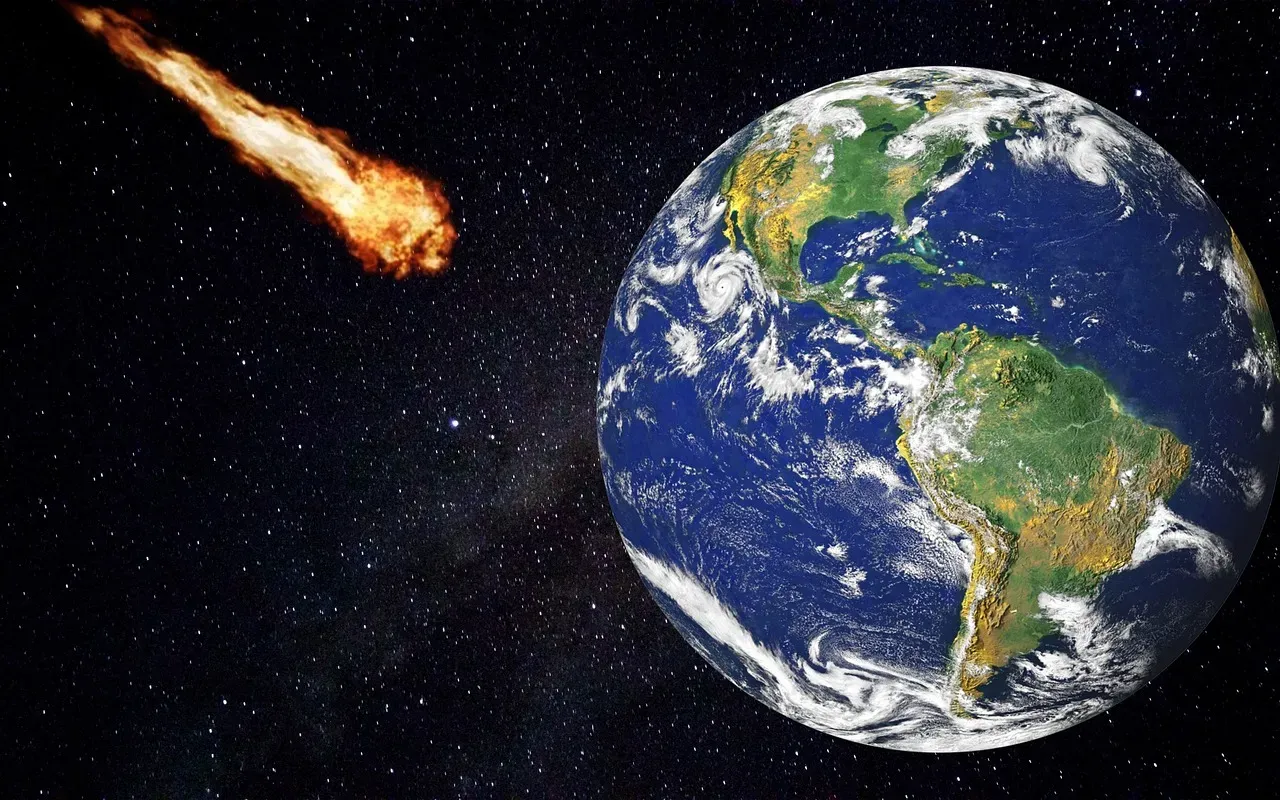
Pseudo-panspermia is the well-supported hypothesis that many small organic molecules used for life originated in space and were distributed to planetary surfaces, with life then emerging on Earth through abiogenesis, supported by evidence including the discovery of organic compounds such as sugars, amino acids, and nucleobases in meteorites.
This hypothesis suggests that essential building blocks of life formed in space and were delivered to Earth, with the Murchison meteorite containing over 70 different amino acids, and NASA scientists confirming in 2020 that key organic molecules have been found in multiple meteorites. It’s not saying aliens dropped off bacteria. It’s saying the ingredients for life might be more universal, more cosmic, than we realized. Most scientists now accept at least the pseudo-panspermia variant, with the presence of organic compounds on meteorites well-established and the delivery of these prebiotic molecules to early Earth considered highly probable.
What This Means For Finding Life Elsewhere
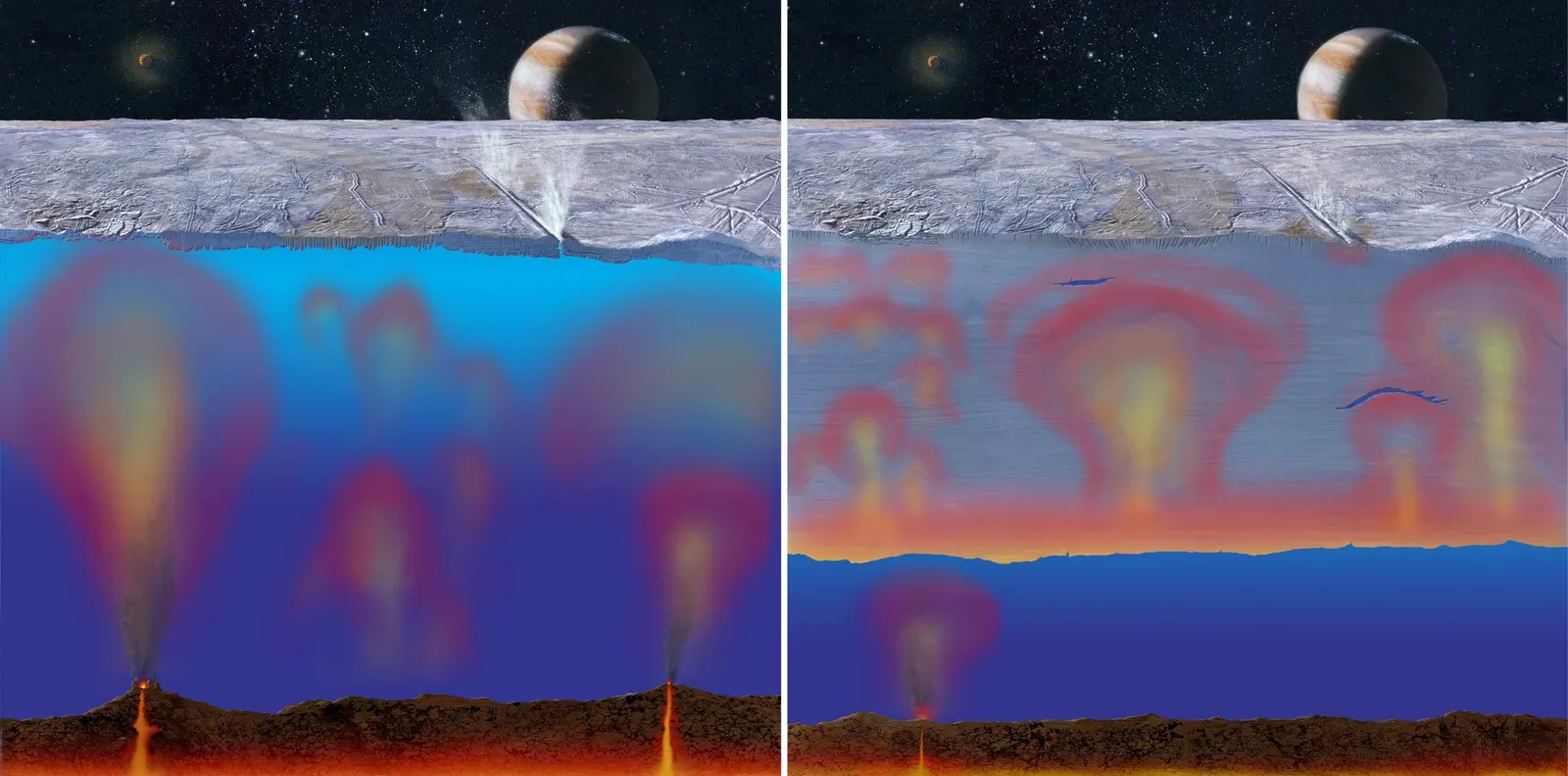
All these revelations aren’t just academic exercises. They fundamentally change how we search for life beyond Earth. If life didn’t start in a warm little pond but in deep ocean vents with specific chemical gradients, then icy moons like Europa and Enceladus suddenly become prime candidates.
Space missions have found evidence that icy moons of Jupiter and Saturn might have similarly alkaline hydrothermal vents in their seas, and while we have never seen evidence of life on those moons, studies can help us decide where to look. We’re not just looking for water anymore. We’re looking for the right kind of energy environment, the right mineral interactions, the right protective barriers. The criteria have gotten more specific, and honestly, more exciting. Did you expect that discovering we might have been wrong would actually expand our possibilities rather than limit them?