You’ve seen them in movies, on toy shelves, and plastered across museum gift shops. Those leathery wings, the snapping beaks, the prehistoric skies filled with screeching reptiles. Pterodactyls are as iconic as dinosaurs get, right?
Here’s the thing, though. Nearly everything most people believe about these ancient creatures turns out to be a mixture of myths, misconceptions, and straight up inaccuracies. From their name to their classification, their size to their behavior, the popular image of pterodactyls barely resembles what science has actually uncovered. Let’s dig into the truth and see just how wrong our mental picture really is.
They’re Not Actually Dinosaurs
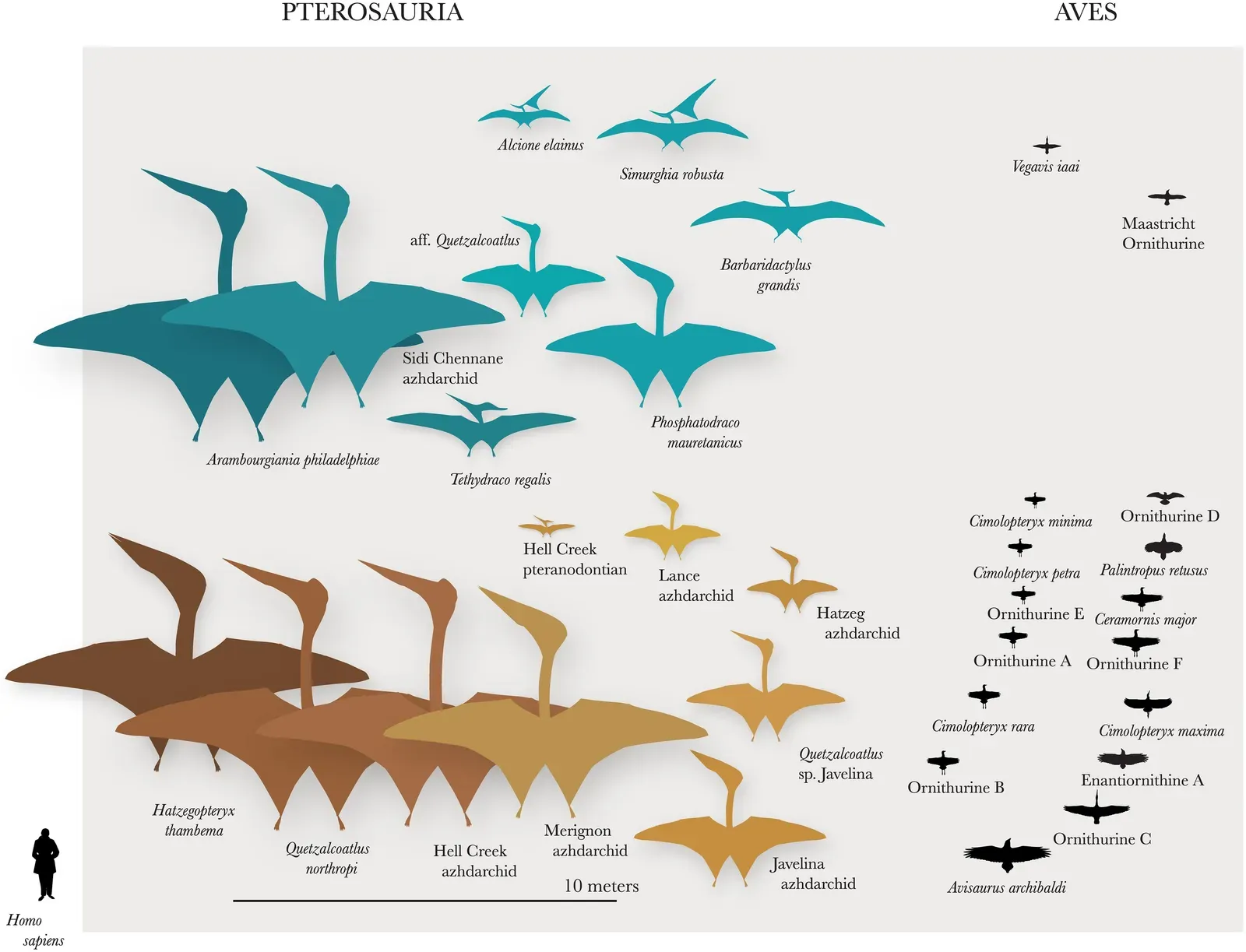
This might be the biggest shock of all. Pterosaurs lived among the dinosaurs and became extinct around the same time, but they were not dinosaurs. They belong to an entirely different group of reptiles. Think of them as evolutionary cousins who just happened to share the same time period and ended up at the same extinction party.
Dinosaurs are descended from specific groups based on their hip structures and had legs directly beneath their bodies. Furthermore, dinosaurs are defined as land-dwelling, and therefore do not include any flying reptiles. Pterosaurs evolved along their own distinct path. Calling them flying dinosaurs is like calling a whale a fish. Sure, they both swim, but the biology tells a completely different story.
Pterodactyl Isn’t Even the Right Name
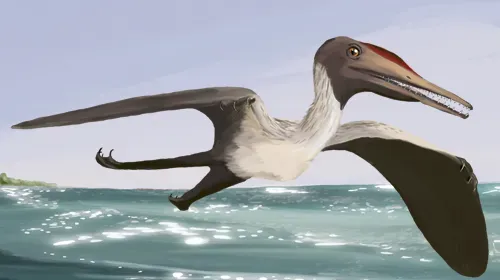
The informal name “pterodactyl” is sometimes used to refer to any kind of animal belonging to the order Pterosauria. While all pterodactyls are pterosaurs, not all pterosaurs are pterodactyls. In fact, most things you probably automatically call pterodactyls on sight are not pterodactyls at all, but some other type of pterosaur. It’s like calling every rectangle a square.
Pterodactylus antiquus was the first pterosaur to be named and identified as a flying reptile and one of the first prehistoric reptiles to ever be discovered. The name stuck in popular culture, even though scientists have been trying to move past it for nearly two centuries. There are at least 130 valid pterosaur genera, according to David Hone, a palaeontologist at Queen Mary University of London. That giant creature with the huge head crest you’re picturing? Probably Pteranodon, not Pterodactylus.
Scientists First Thought They Were Sea Creatures
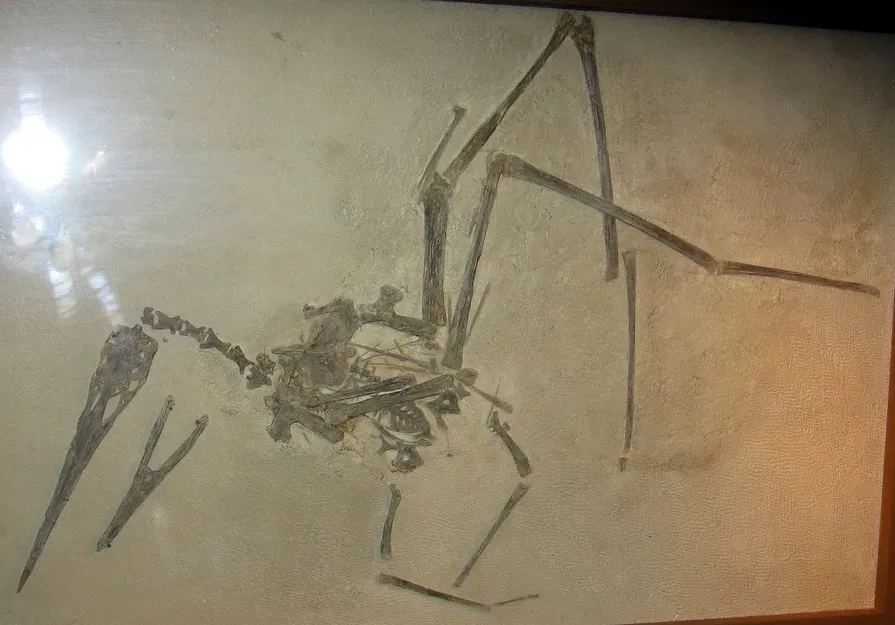
Let’s be real, early scientists had no idea what they were looking at. When the first pterosaur fossil was described in 1784, the Italian scientist Cosimo Alessandro Collini speculated that it may have been a sea creature, not for any anatomical reason, but because he thought the ocean depths were more likely to have housed unknown types of animals. Hard to blame the guy, honestly. Imagine finding those bizarre bones and trying to make sense of them with zero frame of reference.
The idea that pterosaurs were aquatic animals persisted among a minority of scientists as late as 1830, when the German zoologist Johann Georg Wagler published a text on “amphibians” which included an illustration of Pterodactylus using its wings as flippers. It took decades before anyone realized these creatures actually flew. The early history of paleontology is filled with wild guesses that we’d find laughable today.
They Were Much Smaller Than You Think
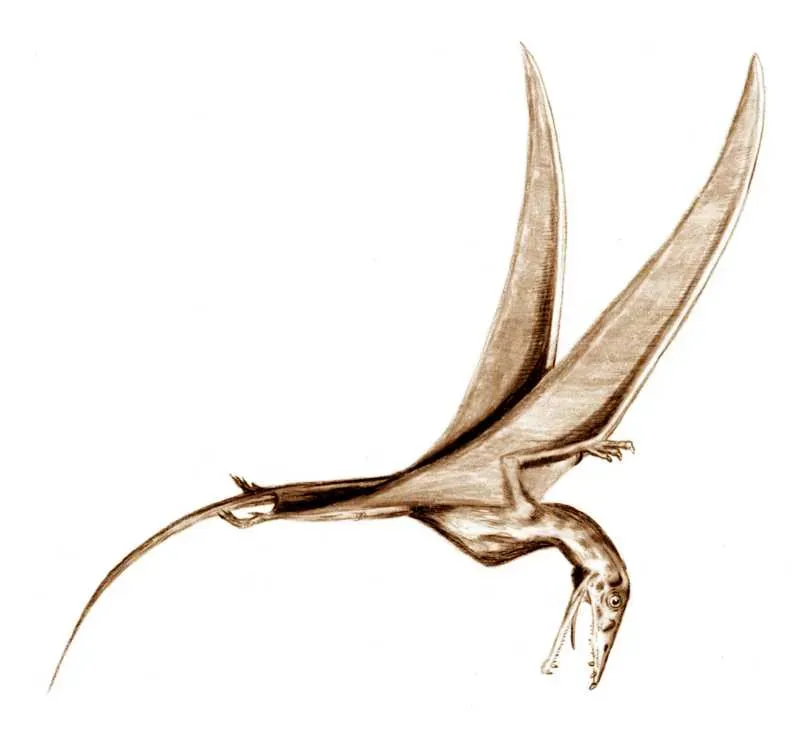
Hollywood has done us dirty on this one. Pterodactylus antiquus was also a comparatively small pterosaur, with an estimated adult wingspan of about 3.5 feet (1.06 meters). That’s smaller than many modern birds. You could probably fit one on your arm like a parrot, assuming it didn’t immediately try to bite your face off.
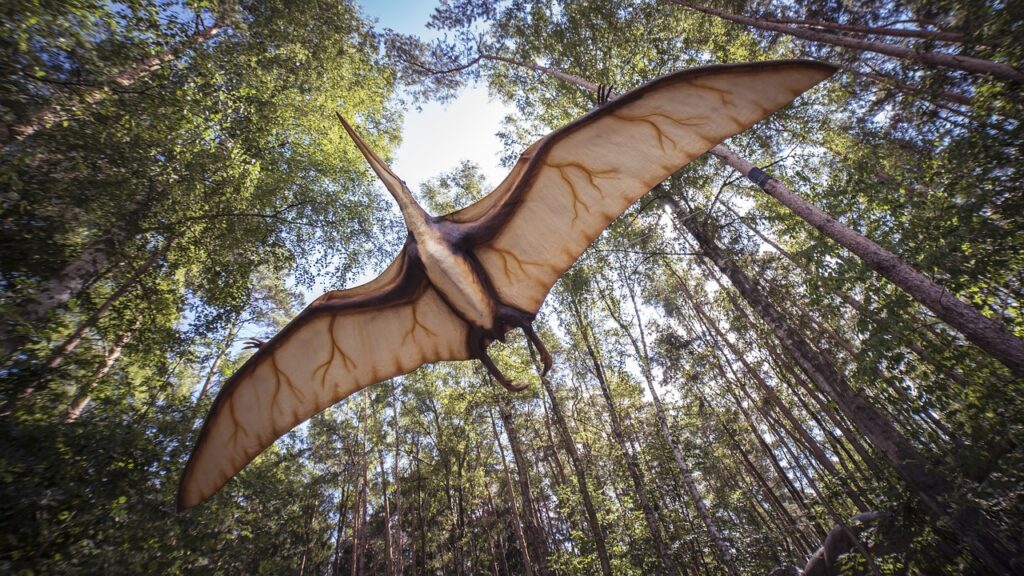
Pterodactylus had a body length of about 3.5 feet (1 meter), a long neck and a skull crest. Unlike Pteranodon, it had teeth. Pteranodon was significantly bigger, sure, with wingspans reaching up to twenty feet in some cases. Still, even that’s nowhere near the monstrous size people imagine. The truly giant pterosaurs like Quetzalcoatlus are a whole different story and lived millions of years later.
Their Crests Were Often Made of Soft Tissue
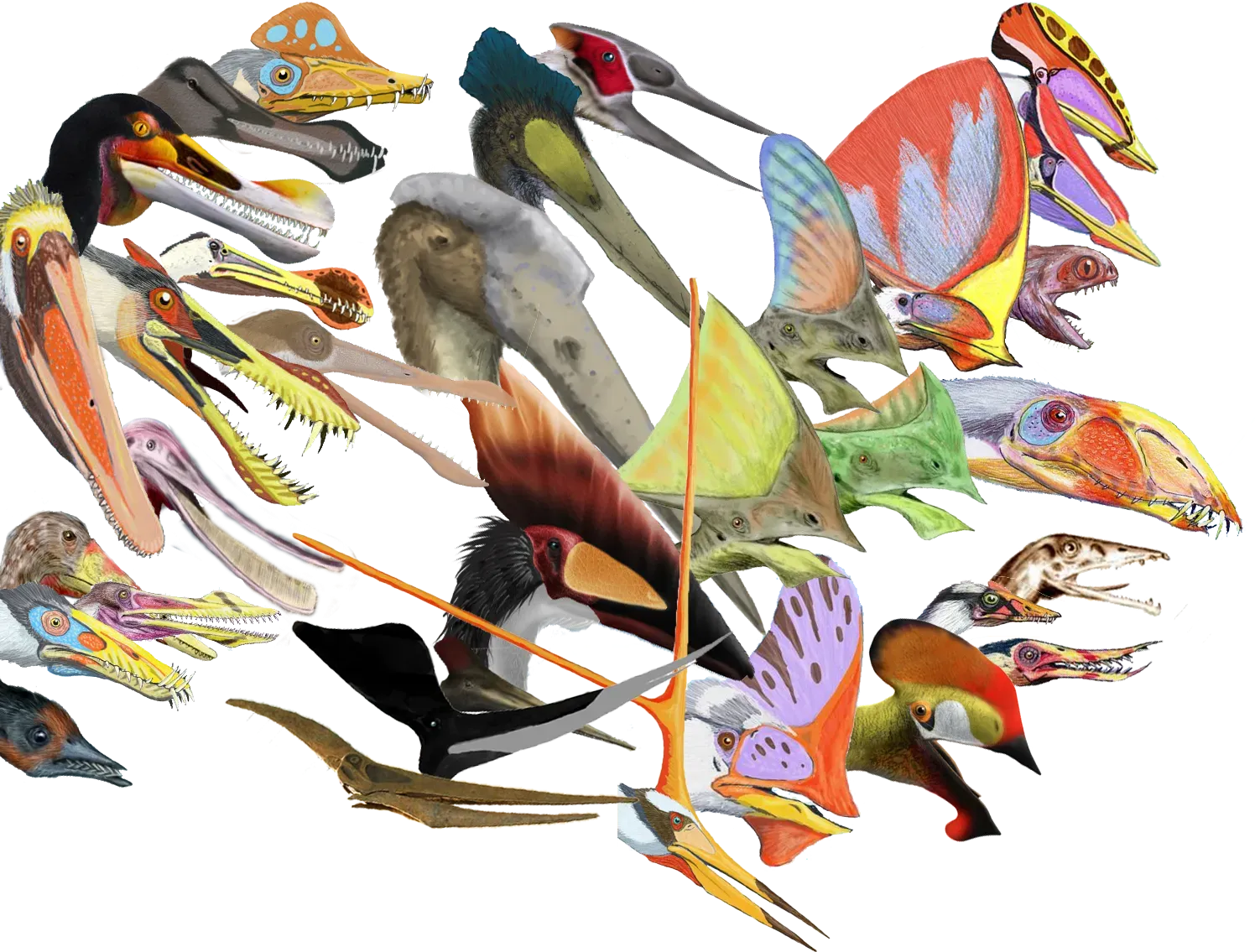
Studies of Pterodactylus conclude that it may even lack a bony cranial crest, though several analysis have proven that Pterodactylus may in fact have a crest made up of soft tissue instead of bone. This means many reconstructions showing elaborate bony head crests are just educated guesses at best. Soft tissue rarely fossilizes, so we’re left filling in the blanks.
The Pteranodon had a cranial crest which was made of skull bones that extended to the back and pointed upward. This is unlike the Pterodactyl’s crest which was made of soft tissue. Different species had wildly different crest structures, and many likely used them for display purposes rather than aerodynamics. Think peacock tail, not airplane rudder.
They Evolved Flight Incredibly Quickly
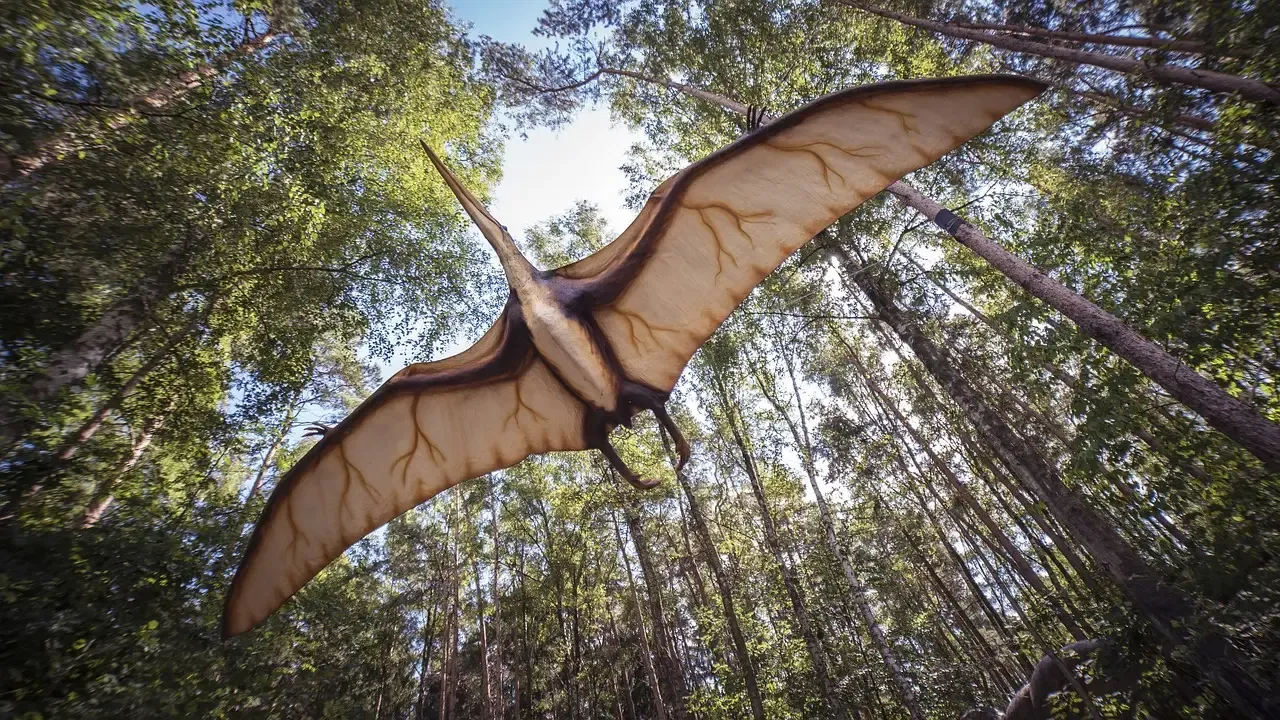
Recent research has turned old assumptions upside down. Our study shows that pterosaurs evolved flight early on in their existence and that they did so with a smaller brain similar to true non-flying dinosaurs. The few similarities suggest that flying pterosaurs, which appeared very soon after the lagerpetid, likely acquired flight in a burst at their origin. Essentially, pterosaurs went from zero to airborne almost immediately in evolutionary terms.
By contrast, modern birds are believed to have acquired flight in a step-by-step, more gradual process, inheriting certain features such as an enlarged cerebrum, cerebellum and optic lobes. Pterosaurs took a completely different evolutionary route to the skies. They didn’t need massive brains or a long developmental runway. They just, well, did it.
Pterosaurs Are Still Being Discovered Today
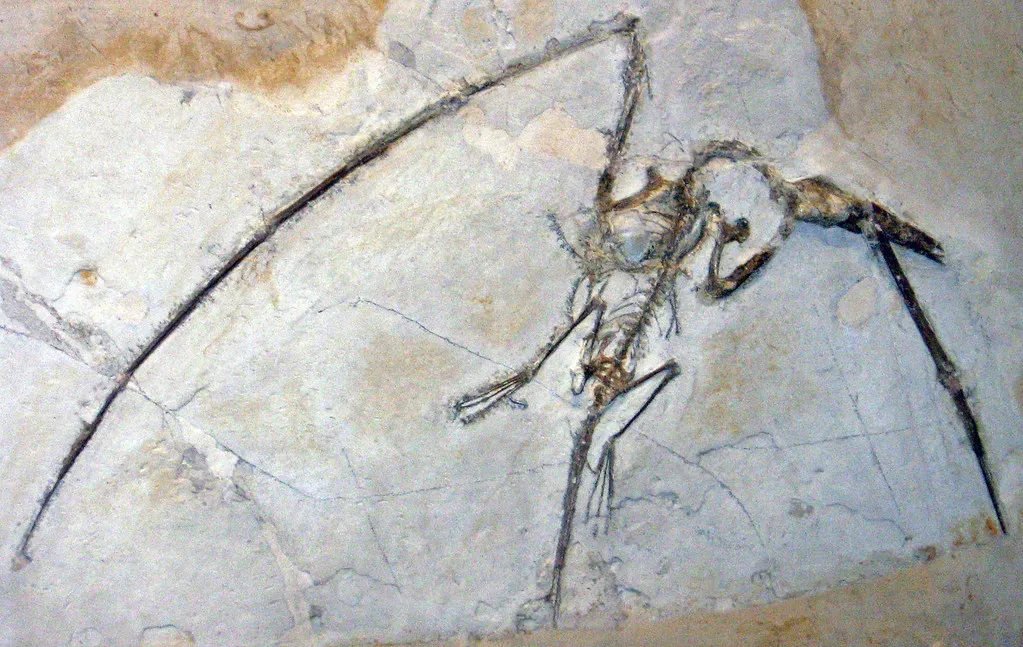
The story isn’t over. Paleontologists excavating a bonebed in a remote area of Petrified Forest National Park in Arizona recently unearthed the fossilized remains of North America’s oldest known pterosaur. The winged reptile, which was small enough to perch on a person’s shoulder, lived 209 million years ago during the Late Triassic period. The team described the pterosaur in the journal Proceedings of the National Academy of Sciences in July.
New species continue to emerge from fossil beds around the world. When paleontologists recently examined petrified puke, they found the bones within it came from two pterosaurs representing a previously unknown species. The discovery, published this week in Scientific Reports, is the first instance of an animal being described based on remains found in fossilized vomit. The team named the new pterosaur Bakiribu waridza. Science keeps surprising us with what’s still hidden in the rocks.
Conclusion
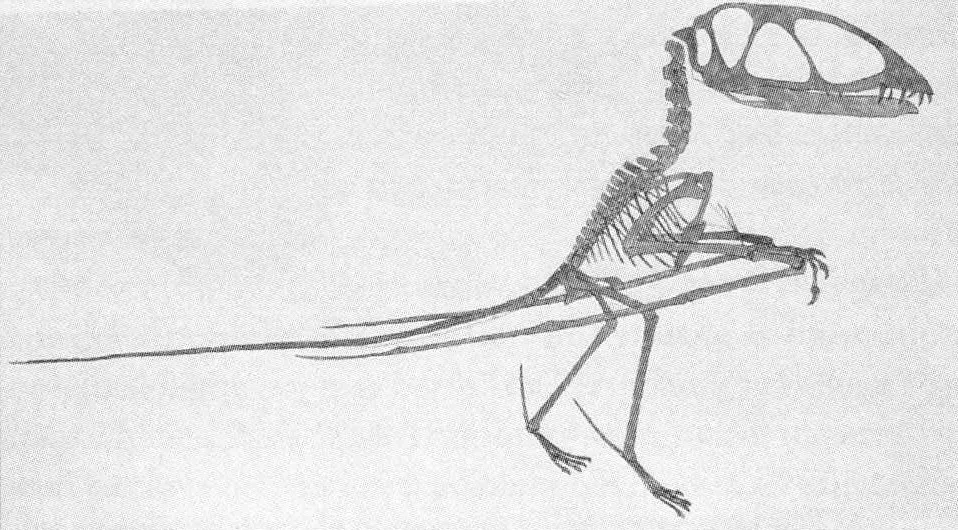
The pterodactyls of our imagination are mostly fiction. The real animals were smaller, stranger, and far more diverse than pop culture ever gave them credit for. They weren’t dinosaurs, they weren’t called pterodactyls, and they definitely didn’t evolve the way we thought they did.
Every new fossil discovery rewrites a little more of the story. Maybe that’s the most exciting part. The pterosaurs we think we know are constantly being replaced by the pterosaurs that actually existed. So next time you see one in a movie, take it with a grain of salt. Reality, as usual, is way more interesting than Hollywood. What else do you think we’ve gotten wrong about prehistoric life?