
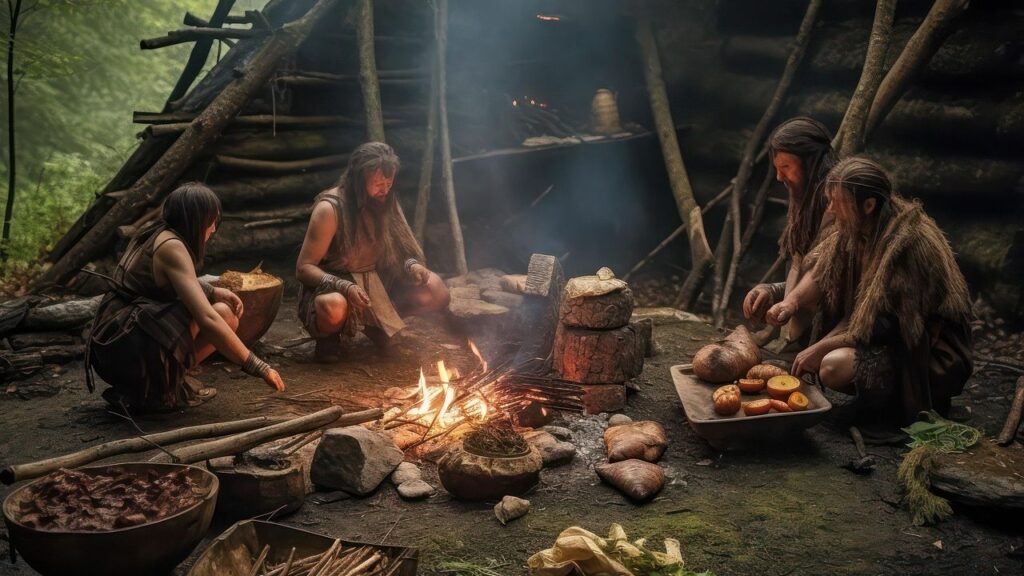
Picture yourself standing on a frozen plain, with temperatures plummeting far below anything you’ve ever experienced. Massive ice sheets stretch endlessly across the horizon, and towering mammoths lumber through the snow. No heated homes, no insulated jackets from your favorite store, and definitely no hot coffee to warm your hands. This was reality for your ancestors around twenty thousand years ago, and somehow they didn’t just survive – they actually thrived. It’s almost hard to wrap your mind around it, honestly.
The peak of the last ice age hit between roughly twenty-four thousand and twenty-one thousand years ago, when massive ice sheets blanketed North America and northern Europe. Yet our Homo sapiens ancestors, having migrated from Africa into these freezing European and Eurasian regions, survived and prospered despite being physically almost identical to us. So what made the difference? Let’s dive in and discover the remarkable strategies that allowed early humans to conquer one of Earth’s most brutal climates.
Ingenious Shelter Design Beyond the Cave Myth
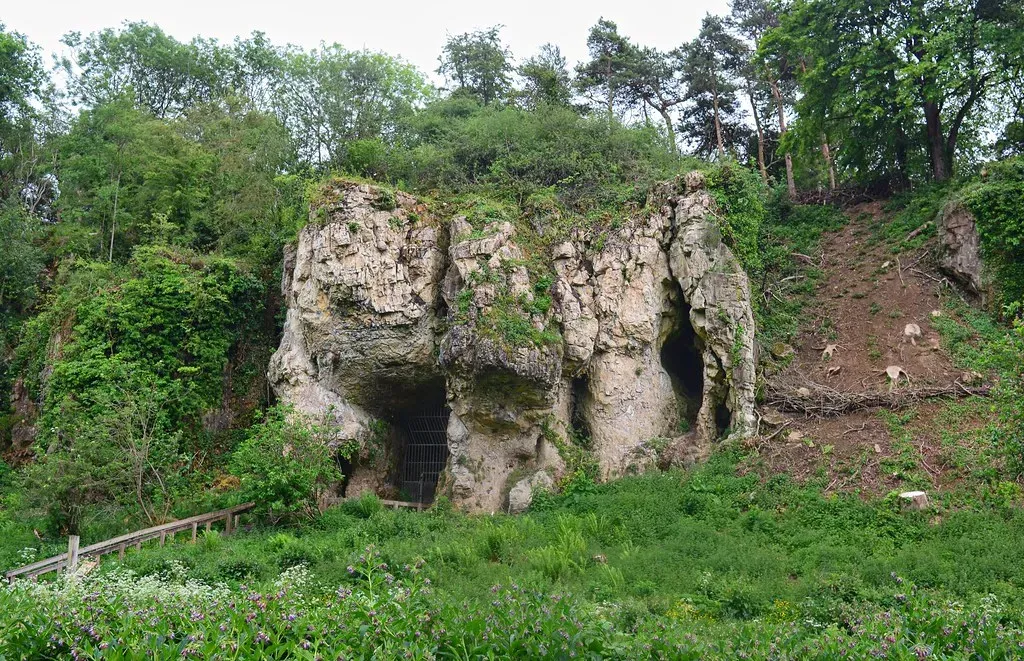
When you think of Ice Age people, you probably imagine cavemen huddling deep inside dark, dank caves. Turns out, that’s mostly Hollywood fiction. Caves were generally cold, dark, cramped, and had terrible air circulation, making them pretty unsuitable for long-term living. Early humans were far smarter than that.
Ice age humans weatherproofed rock shelters by draping large animal hides from overhangs to block piercing winds, then built internal tent-like structures using wooden poles covered with sewn hides, all centered around a blazing hearth that reflected heat and light. During summer months, things got even more creative. They constructed dome-shaped huts partially dug into the earth with frameworks built from mammoth bones – either hunted or scavenged – then covered them with sod or animal hides for shelters that lasted months. Imagine building your entire house from the skeleton of an elephant-sized creature. The resourcefulness is absolutely staggering.
The Revolutionary Invention of Tailored Clothing

Staying warm meant more than just finding shelter. When humans first migrated to northern climates about forty-five thousand years ago, they wore rudimentary clothing – loose-fitting hides that doubled as sleeping bags, baby carriers, and hand protection. Functional, sure, but not exactly designed for the brutal cold ahead.
Everything changed around thirty thousand years ago with what some experts call the most important invention in human history: the needle. The needle enabled humans to create tight-fitting, tailored clothing meant to be worn in layers, like modern mountaineering gear, with carefully selected animal skins from reindeer, arctic foxes, hares, and even birds sewn into three or four layers. It’s almost like they invented the first high-tech outdoor apparel. Thread was made from wild flax and vegetable fibers, sometimes dyed in colors like turquoise and pink, creating a fitted wardrobe that fully protected wearers from subfreezing temperatures. Fashion and function, all those millennia ago.
Mastering Fire Technology in Extreme Conditions

You might assume fire was just a basic survival tool – light it up, stay warm, done. Not quite. Stone Age humans mastered fire technology during Earth’s harshest climate period around twenty-three thousand years ago, creating hearths that reached temperatures over six hundred degrees Celsius, comparable to modern campfires. Let’s be real, that takes serious skill.
The fires reaching temperatures exceeding six hundred degrees Celsius indicated controlled, deliberate use of fire, with people perfectly controlling it and knowing how to use it in different ways depending on the fire’s purpose. Analysis revealed spruce wood was the primary fuel, but animal bones found at sites had been charred at temperatures exceeding six hundred fifty degrees Celsius, raising the possibility that people also burned bones or animal fat. When wood became scarce, they adapted. That’s the kind of problem-solving that keeps a species alive.
Strategic Hunting Techniques That Defied the Odds
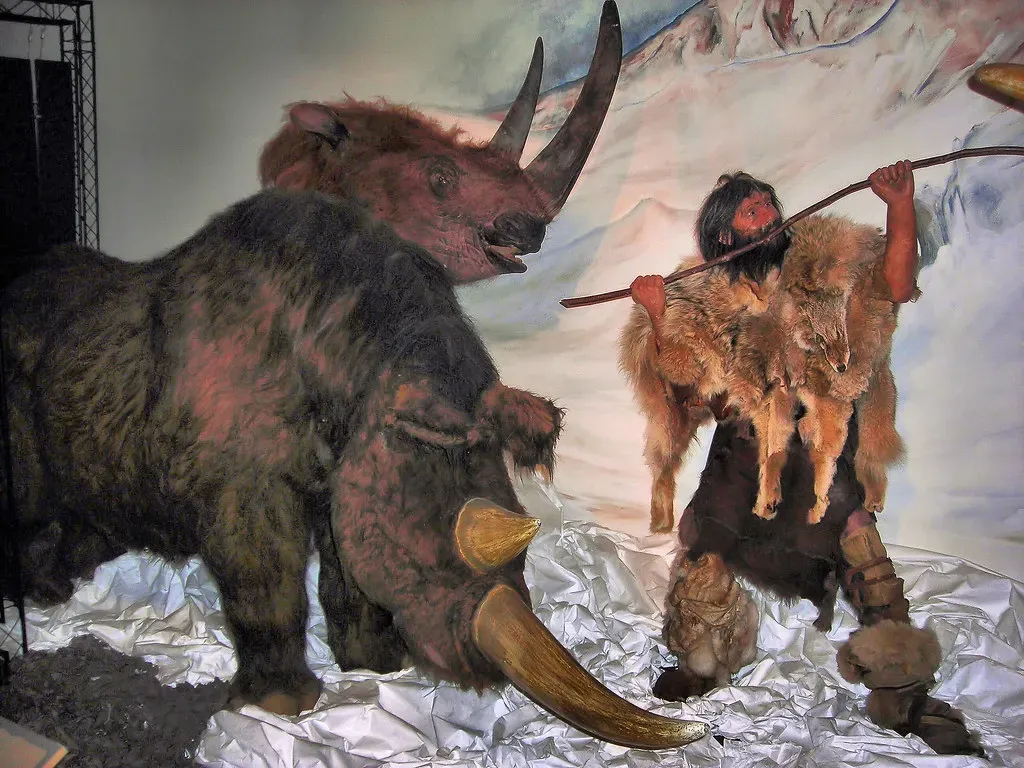
Hunting a nine-ton woolly mammoth with Stone Age tools sounds impossible, right? Early humans figured out ways to level the playing field. Recent research suggests they didn’t rely on throwing spears – the force generated by a human arm is nothing compared to a charging mammoth.
The Clovis people who lived roughly thirteen thousand years ago may have planted spears in the ground with sharp tips pointing upward to impale approaching wildlife using the animals’ own weight and momentum, a technique known as pike hunting that probably generated more force than humans throwing or thrusting spears. Think of it like prehistoric booby traps. In one famous hunting ground in eastern France, hunters built fires every fall and spring to corral migrating herds of wild horses and reindeer into a narrow valley, where the animals could be safely killed at close quarters, with archeological evidence showing this coordinated slaughter continued for tens of thousands of years. Working smarter, not harder, has always been the human way.
Language and Knowledge Transmission as Survival Tools

Here’s something you might not have considered: talking probably saved as many lives as fire did. Homo sapiens had fluent speech plus the ability to conceptualize and plan ahead, allowing knowledge about the natural world and new technologies to be shared between neighboring bands and passed down through generations via storytellers, creating institutional memory through symbolic storytelling. Information became currency.
Through music, dance, and art, ancestors collected and transmitted vast amounts of information about seasons, edible plants, animal migrations, weather patterns, with elaborate cave paintings at sites like Lascaux and Chauvet displaying the intimate understanding that late ice age humans possessed about the natural world. Wildlife biologists today can identify the season a painting was created just by examining the depicted animals’ hides. That level of observational detail is honestly remarkable.
Sophisticated Toolmaking and Technological Innovation

You can’t survive extreme conditions without the right equipment. The last ice age corresponds with the Upper Paleolithic period, roughly forty thousand to ten thousand years ago, when humans made great leaps in toolmaking and weaponry, including the first tools used exclusively for making other tools, such as the burin, a rock chisel used to cut grooves into bone and antler. It was basically the Stone Age equivalent of a Swiss Army knife.
Homo sapiens made substantial innovations in toolmaking by intentionally planning and spreading their technology, a process potentially connected to communication abilities, with the diversity and innovation of stone tools going far beyond what Neanderthals ever produced. This wasn’t just about having sharp rocks. It was about systematically improving designs, sharing those improvements, and building on previous generations’ knowledge. That’s how civilizations advance.
Social Cooperation and Community Resilience
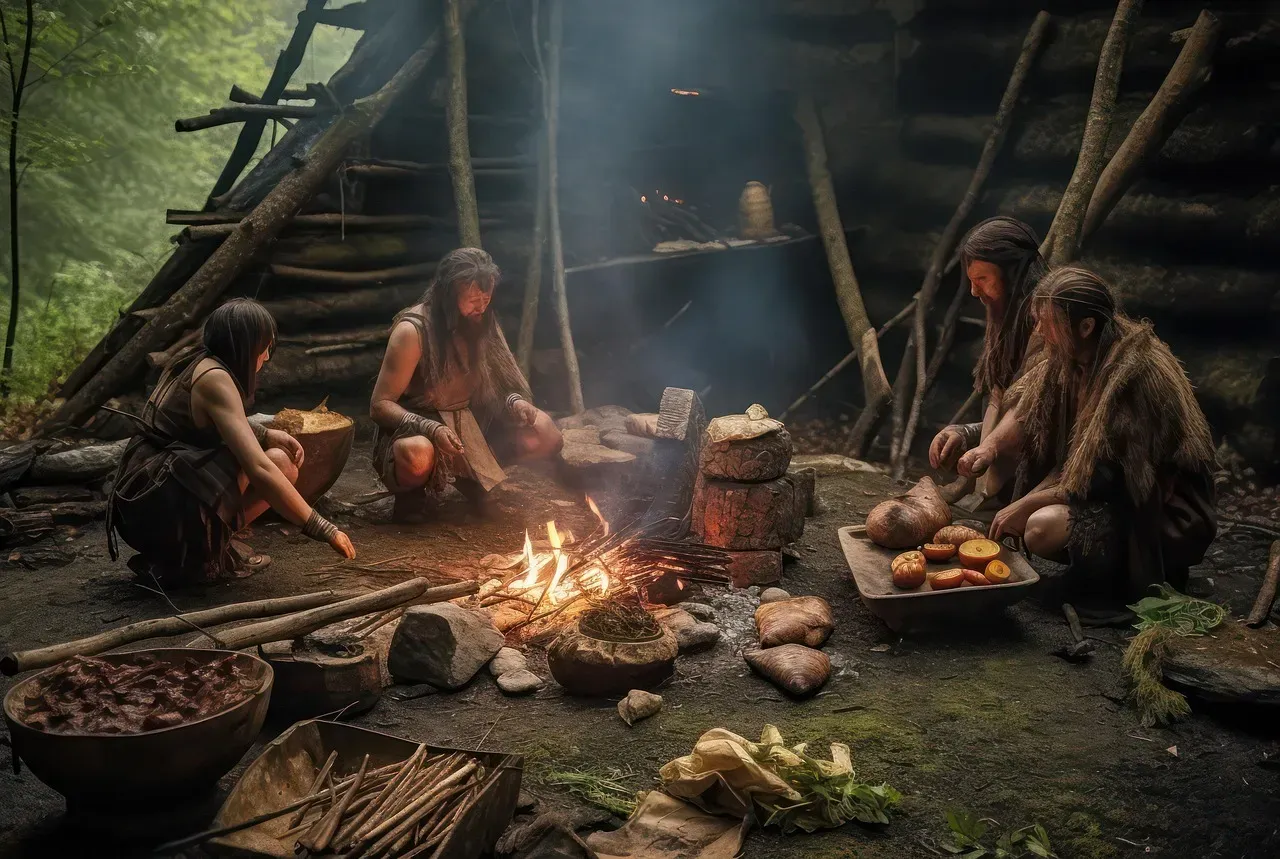
No one survived the Ice Age alone. Through spoken language and symbolic activities such as rituals, personal adornments, and art, ancestors created a shared sense of social identity, allowing them to band together and forge connections beyond their immediate communities, giving early humans a far greater chance of surviving the extremes by collaborating. Community wasn’t just nice to have – it was essential for survival.
Research suggests human populations remained spread across Europe even during the harshest conditions, with resilient animals such as wolves and bears following a similar survival strategy by staying in habitats across Europe. Rather than fleeing south to warmer climates as previously thought, many groups toughed it out. It’s surprising that humans followed this pattern, having originated in Africa, making their resilience to such cold climates seem unlikely. Yet they managed it, defying expectations at every turn.
The Ice Age wasn’t just something our ancestors endured – it shaped them into the resilient, innovative species we are today. From tailored clothing and sophisticated fire control to strategic hunting and powerful social bonds, every adaptation tells a story of human ingenuity. These weren’t primitive cavemen stumbling through the snow. They were skilled survivors who mastered their environment through creativity, cooperation, and relentless problem-solving. Next time you’re bundled up against the cold or gathering around a fire with friends, remember you’re participating in traditions that literally kept humanity alive. What do you think was the most crucial adaptation? Tell us in the comments.