You’ve probably heard of dinosaurs and woolly mammoths. Those are the famous ones, right? The ones in movies and museums. Yet there are so many other creatures from our planet’s ancient past that remain shrouded in mystery. These bizarre animals left behind just enough clues to keep scientists scratching their heads.
Let me be clear, these aren’t your typical prehistoric stars. These are the oddities. The ones that make paleontologists question everything they thought they knew about evolution. We’re talking about creatures so strange that when their fossils were first discovered, experts literally burst out laughing.
From animals with zipper-shaped mouths to creatures sporting five eyes on stalks, the prehistoric world was far weirder than most people realize. So let’s dive in and explore nine of the most puzzling ancient animals that continue to baffle the scientific community.
The Tully Monster: An Animal That Defies Classification
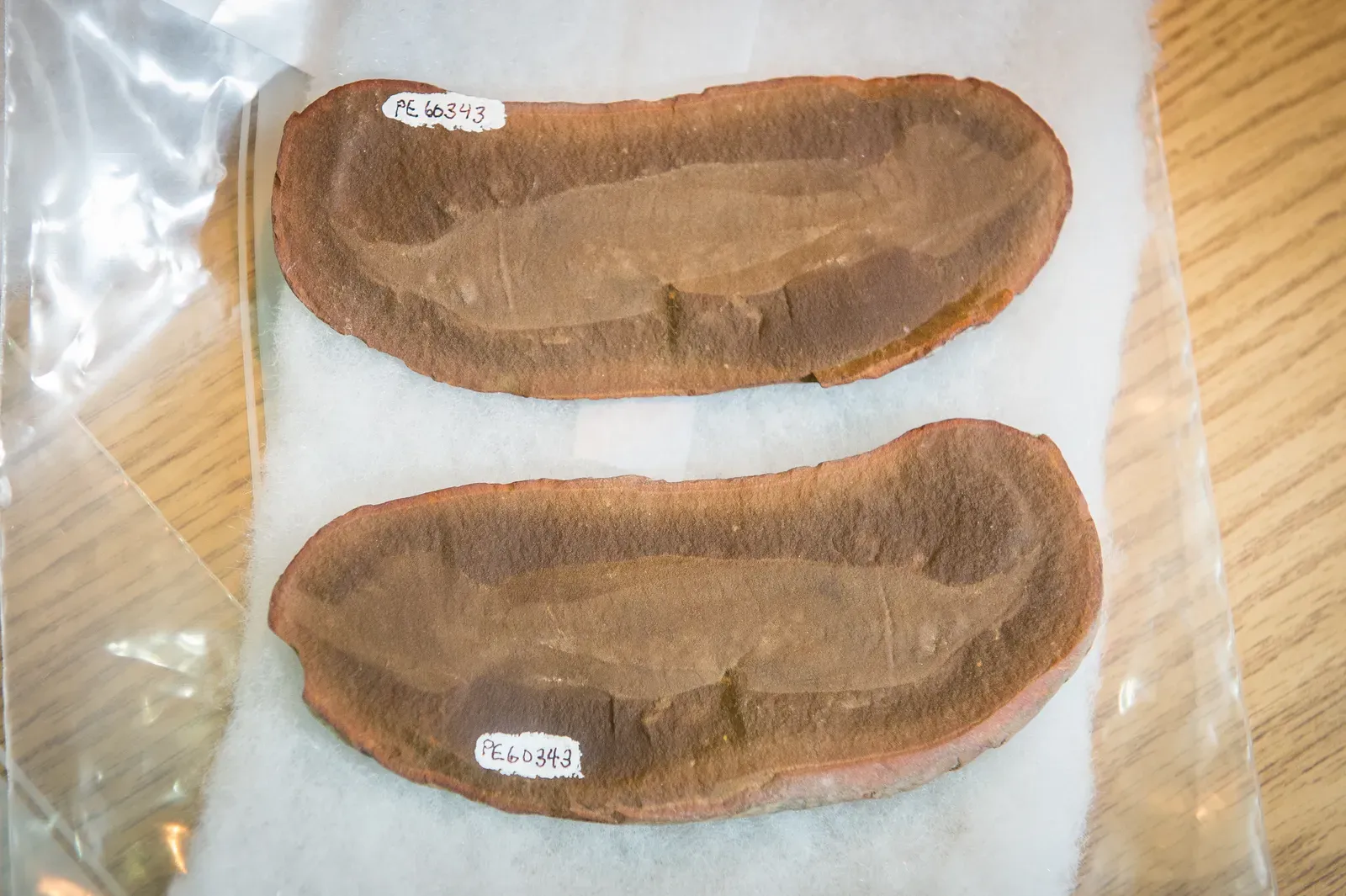
Tullimonstrum, affectionately known as the Tully Monster, remains one of the most perplexing creatures in the fossil record with its stalk eyes and claw-like mouth defying classification. Found in Illinois back in the 1950s, this bizarre animal has sparked decades of intense scientific debate. Researchers have been debating the Tully monster’s evolution since the creature was discovered in the 1950s.
What makes this creature so confounding? Scientists can’t agree if it’s a worm, a fish, or something else entirely, and the debate rages on, with each new study offering tantalizing clues but no definitive answers. The latest study puts forward a potential compromise for the discrepancies: that Tully monsters could possibly be nonvertebrate chordates like modern tunicates or lancelets. Deciding where the Tully monster belongs is significant because the species is so unusual that it will expand the diversity of whatever group it ends up in, changing the way we think about that group.
Hallucigenia: The Creature Scientists Couldn’t Identify Upside Down
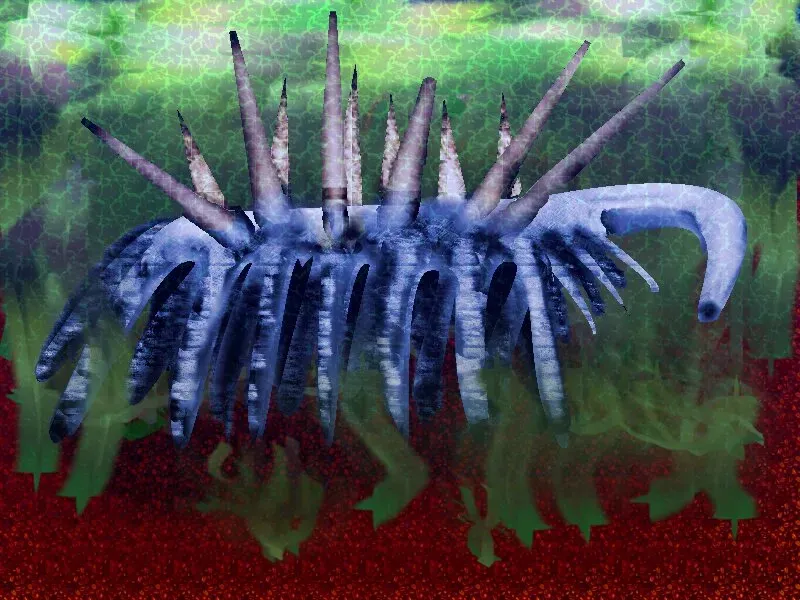
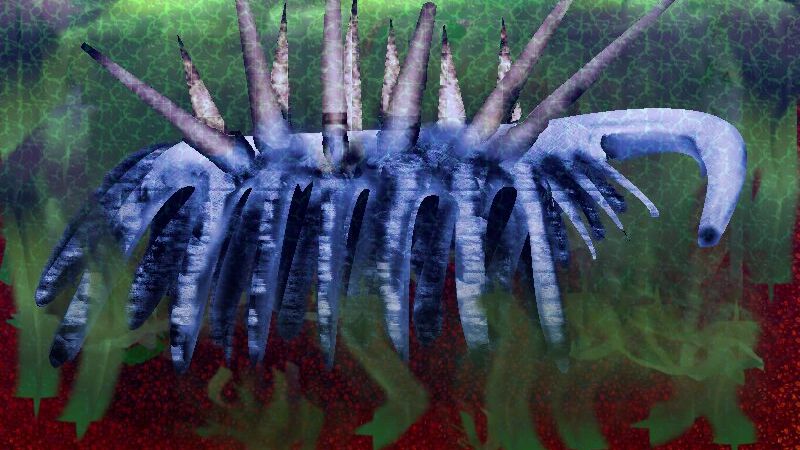
Hallucigenia defies imagination with its surreal appearance as a tiny creature with its spiked back and tentacle-like legs, puzzling scientists for decades, and initially they couldn’t even identify its head. It’s hard to say for sure, but imagine studying a fossilized creature for years only to realize you’ve been looking at it completely wrong. That’s exactly what happened with Hallucigenia.
This tiny oddity from the Cambrian period looked so alien that paleontologists couldn’t even figure out which end was the head and which was the tail. Recent studies have shed some light, revealing the correct orientation and feeding habits. The name itself tells you everything: it appeared like a hallucination, something so bizarre it couldn’t possibly be real. Yet real it was, crawling along the ancient seafloor half a billion years ago in a body plan that seems utterly nonsensical by today’s standards.
Opabinia: The Five-Eyed Wonder With a Clawed Trunk
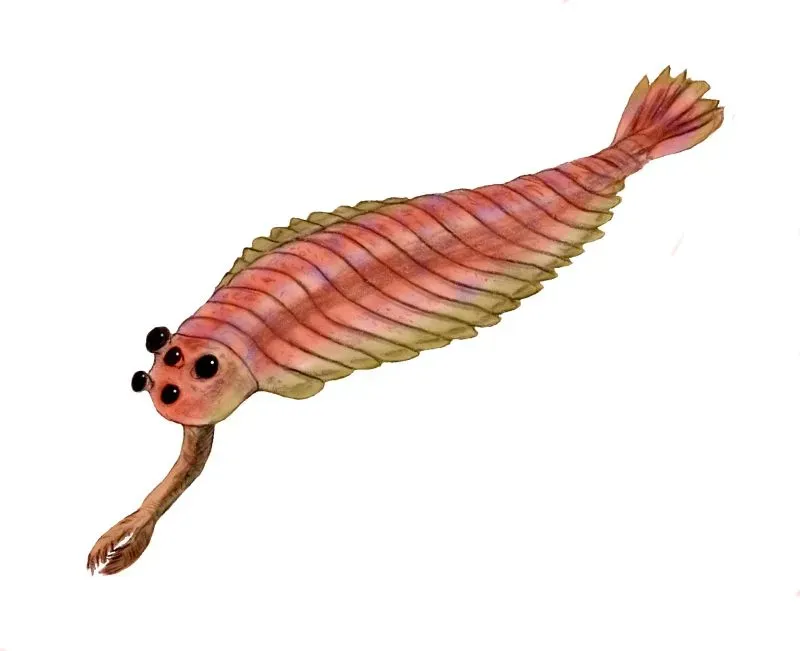
When Opabinia was first revealed to paleontologists at a scientific conference, the audience burst out laughing. Honestly, who could blame them? This bizarre creature from the Cambrian period features five eyes and a hose-like snout.
Opabinia remains a mystery in terms of its evolutionary relatives, and its peculiar structure challenges conventional classifications, sparking debates about its place on the tree of life. Paleontologists still puzzle over how this animal lived, and perhaps the position of the hose-like appendage beneath the body indicates that Opabinia “must have eaten like an elephant snacking on peanuts.” This ancient relative of arthropods continues to remind us that evolution has experimented with body plans far stranger than anything we see alive today.
Atopodentatus: The Zipper-Mouthed Marine Reptile
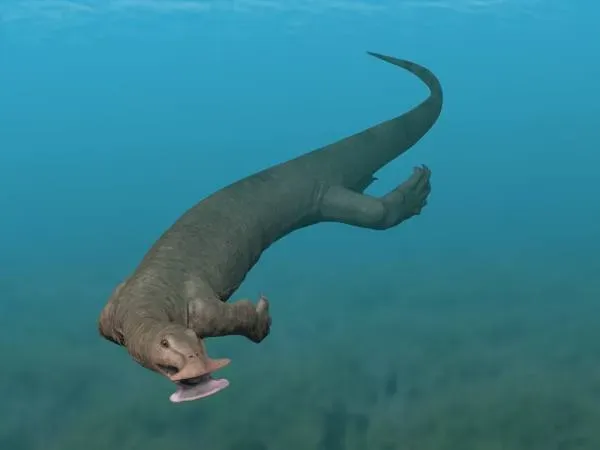
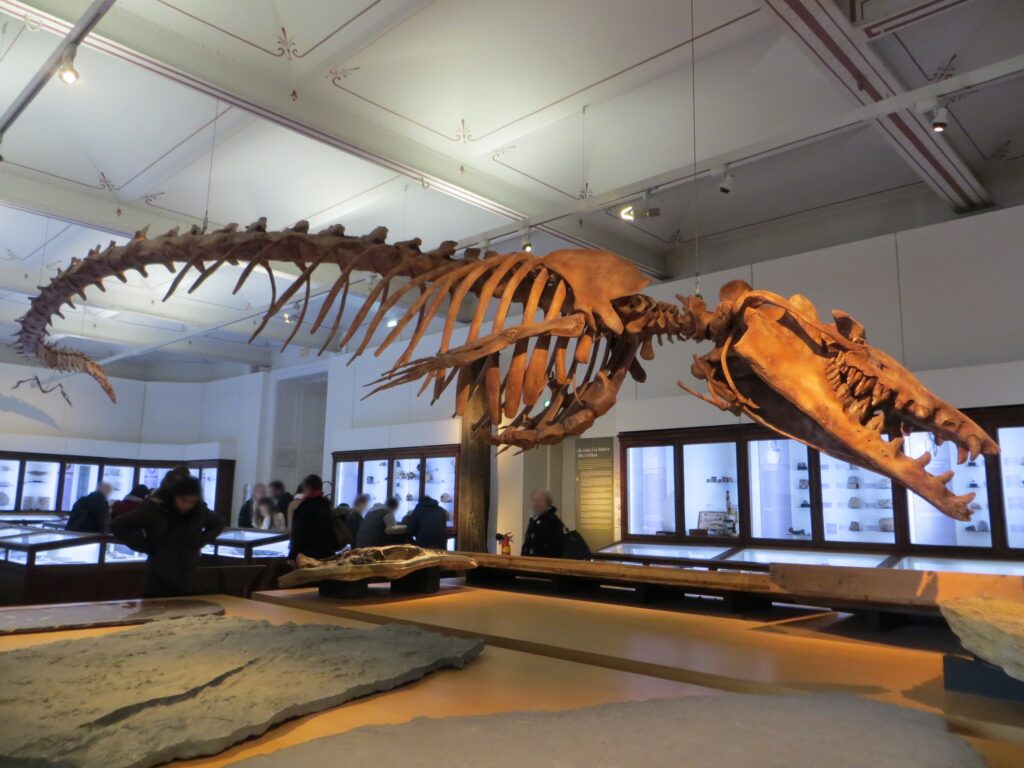
Atopodentatus, with its zipper-shaped mouth, presents a puzzle for paleontologists, and this marine reptile’s unusual dental structure invites speculation about its diet and lifestyle. Picture a creature swimming through ancient oceans with a mouth that looks like it was designed by someone who’d never seen a normal animal before. That’s Atopodentatus in a nutshell.
Some suggest a filter-feeding mechanism, akin to modern baleen whales, while others propose different feeding strategies. Its role in the ancient ecosystem remains an active area of research, and the intricacies of Atopodentatus’s life continue to challenge and intrigue scientists, symbolizing the diversity and adaptability of life in prehistoric oceans. What did it actually eat with that bizarre zipper mouth? We’re still working on figuring that out, honestly.
Anomalocaris: The Cambrian Apex Predator Nobody Understands
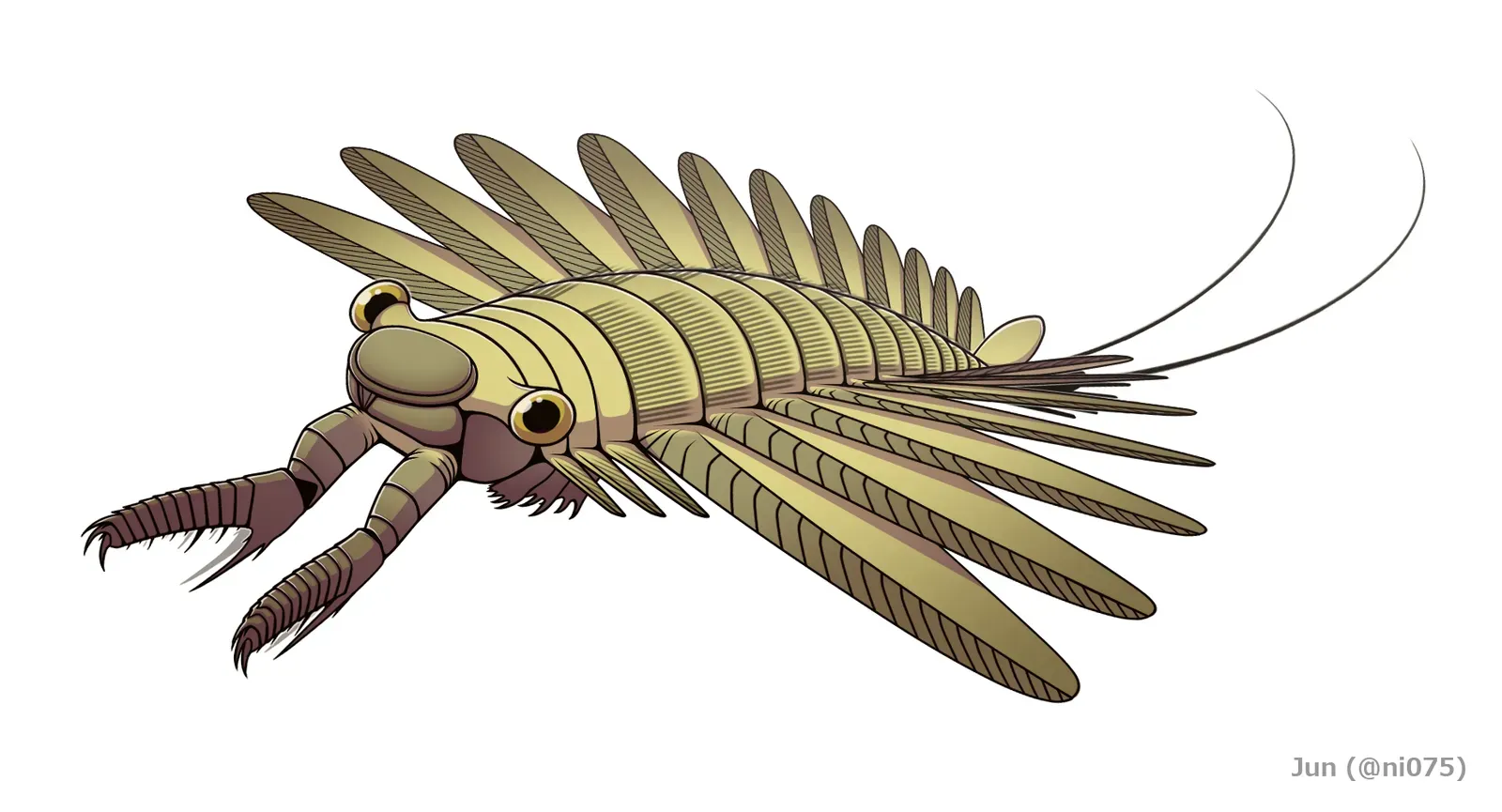
Anomalocaris, the apex predator of the Cambrian, appears as a creature from a sci-fi novel with its unique shrimp-like claws and googly eyes. This creature dominated the ancient seas, yet we still don’t fully understand how it lived or hunted. Despite being a dominant predator, its exact body structure and hunting methods remain a topic of debate, with some researchers suggesting a flexible body for swift movements while others propose a more rigid form.
Fossils provide a tantalizing glimpse, but with details still shrouded in mystery, each discovery leads to more questions, and Anomalocaris serves as a testament to the enigmatic beauty of prehistoric life. Here’s the thing: for the top predator of its time, we sure don’t know much about how it actually caught and killed its prey. That’s what makes paleontology so frustrating and fascinating at the same time.
Adalatherium: The Crazy Beast From Madagascar
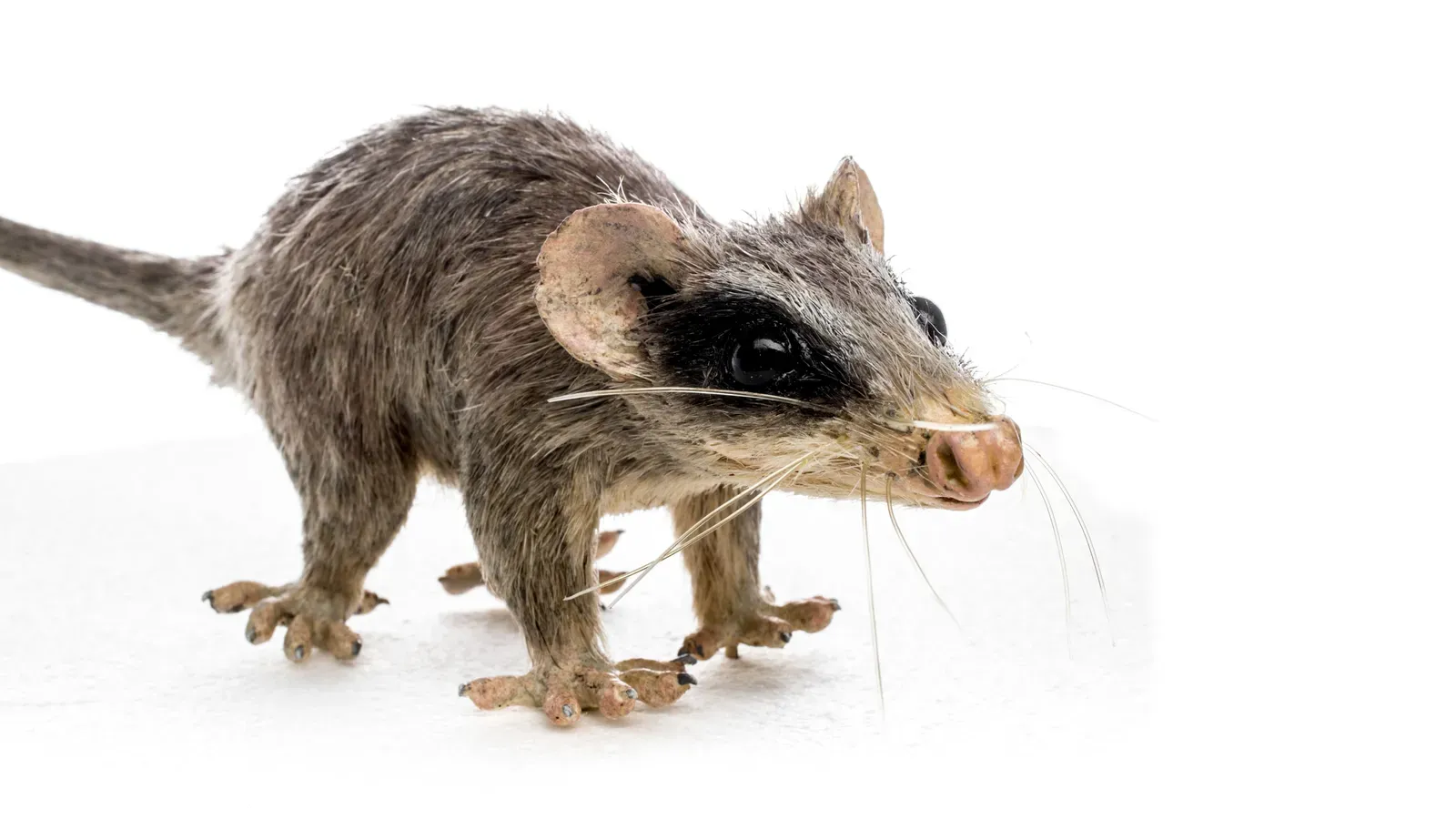
An international team of researchers uncovered a puzzling discovery: the remains of a prehistoric, possum-sized mammal from Madagascar dubbed Adalatherium, translated from the Malagasy and Greek terms for “crazy beast.” This little creature lived alongside dinosaurs roughly 66 million years ago, yet it looked like nothing else on Earth.
Perhaps most strange is the singular large hole on the top of its snout, which is unlike anything we’ve ever seen in any living or extinct mammal, and remains to be explained. Scientists believe that while its muscular hind legs may have made Adalatherium a powerful digger, its front legs were less brawny and are more similar to mammals today that can run fast. Its front and back ends tell completely different stories about how it moved, creating a biological contradiction that scientists are still trying to resolve.
Ediacara Biota: Life Forms That Defy Kingdom Classification
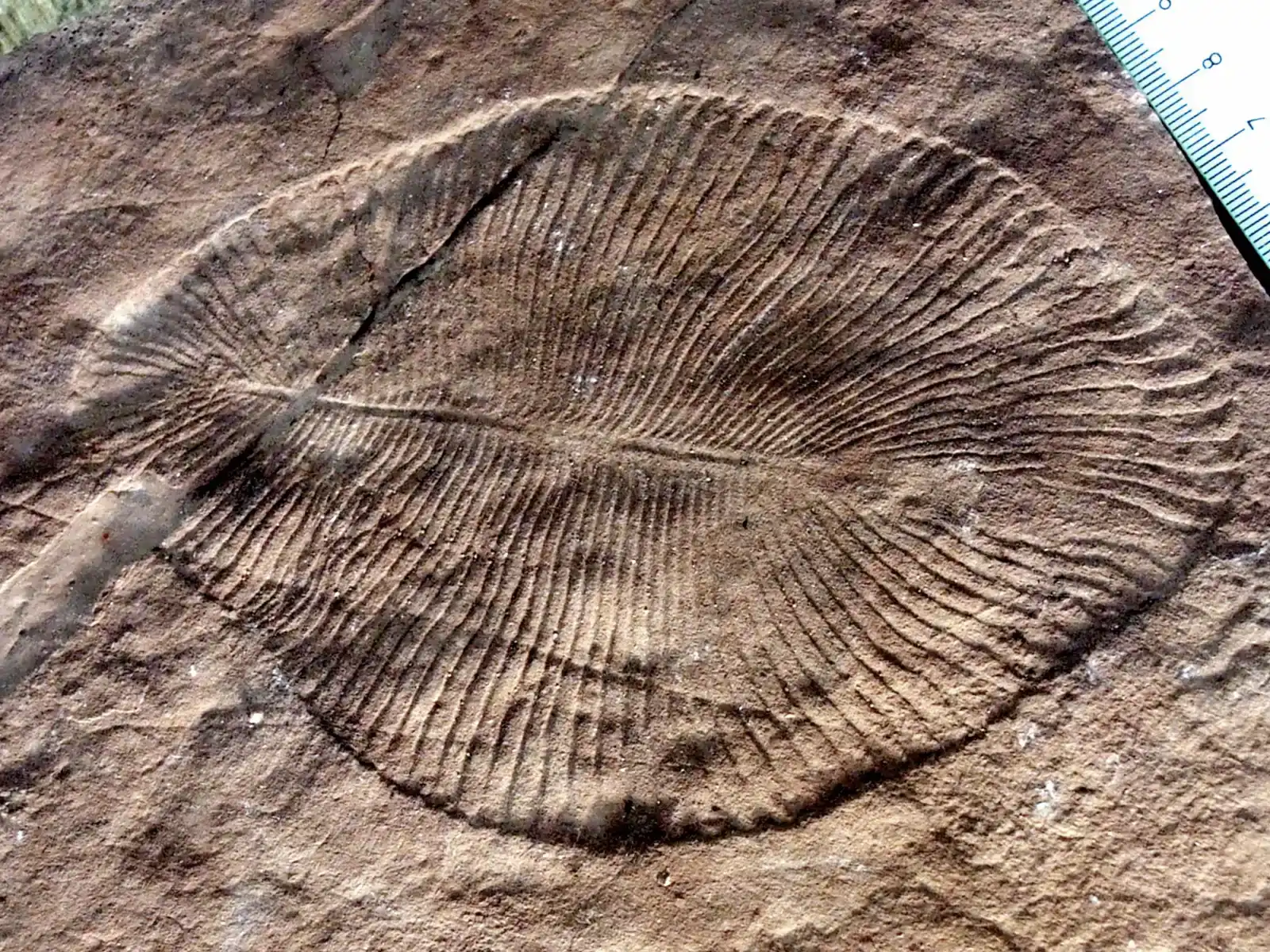
The fossils are among the strangest ever found, including a corkscrew-shaped tube, an eight-armed spiral, and a mysterious ropelike creature that might have engaged in the oldest known sexual reproduction among animals, as Earth’s oldest complex organisms dating back to 571 million years ago, and their bizarre forms defy classification. Some have been described as jellyfish, worms, algae, or fungi, yet none of these labels quite fit.
Scientists have for years been chasing an even bigger mystery about the so-called Ediacara biota: How could these mostly soft-bodied animals be preserved in rock? These strange pancake-like organisms represent some of the earliest complex life on Earth, yet we still can’t definitively say what kingdom of life they belonged to. Some have been described alternately as jellyfish or worms, algae or fungi. They might represent an entirely failed experiment in multicellular life with no living descendants whatsoever.
Arthropleura: The Eight-Foot-Long Millipede From Your Nightmares
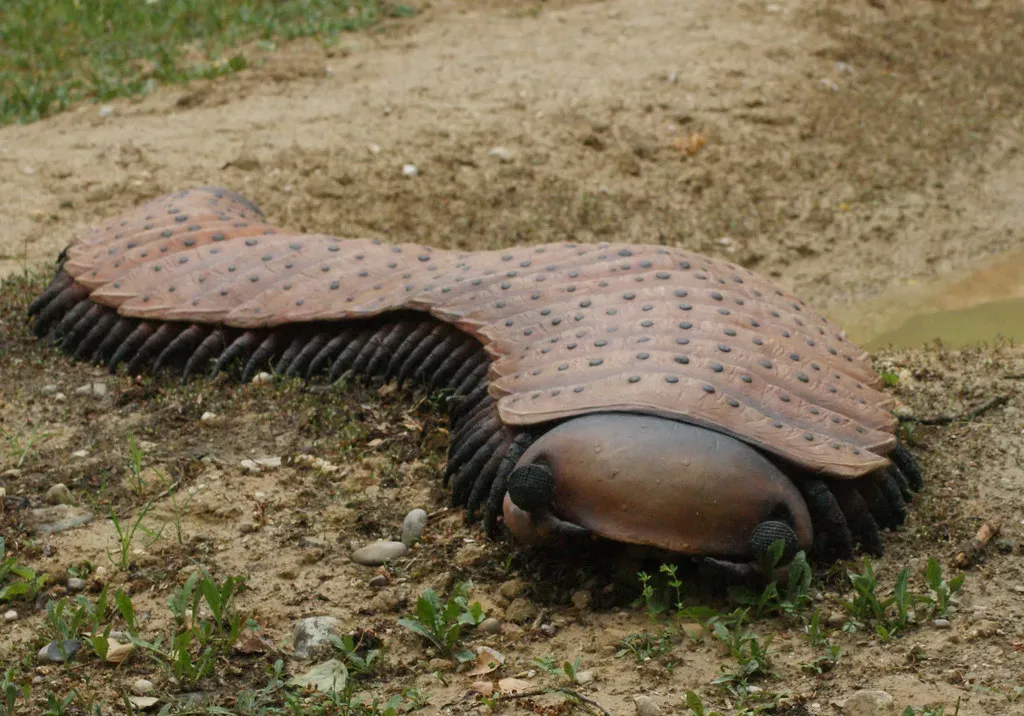
The weirdest extinct animals create nightmares, and the arthropleura is a genus of creatures from the darkest imaginations as six to eight-foot-long millipede-like creatures and the biggest arthropods ever. Let’s be real, if you think modern insects are creepy, be grateful you didn’t live 300 million years ago. Scientists aren’t completely sure why bugs got so big during that time, but the main theories are that having a lot of oxygen in the atmosphere helped them grow and that there wasn’t anything around to eat them.
It’s the stuff of nightmares, but arthropleura were most likely isopods similar to woodlice, and the most probable theory is that they scuttled around woodland floors eating decomposing wood and carrion. It’s not certain because arthropleura lived 300 million years ago, and evidence is thin on the ground. Despite its terrifying size, this gentle giant probably wasn’t hunting anyone, though the mysteries surrounding its gigantism continue to puzzle researchers.
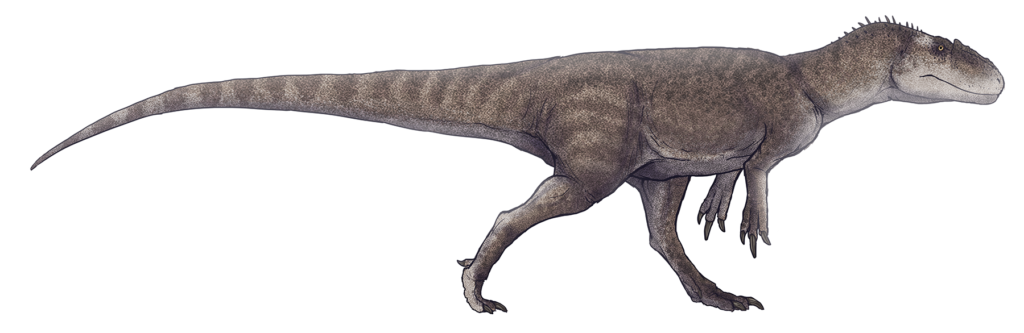
Argentinosaurus: The Colossal Mystery With Only a Few Bones
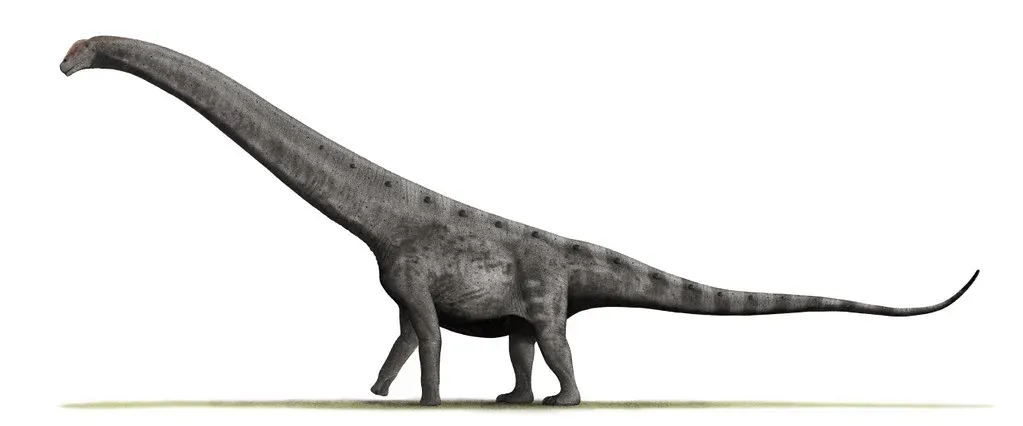
Argentinosaurus stands as a symbol of prehistoric grandeur, representing one of the largest land animals to have roamed the Earth, yet with only a few bones discovered, much of its life remains a mystery. Try to picture this: scientists attempting to understand an animal larger than most buildings based on just a handful of fossilized bones. That’s the challenge with Argentinosaurus.
Scientists ask how did it sustain such a massive body, and what environments did it inhabit, as these questions continue to intrigue paleontologists and fuel further exploration. The sheer scale of this dinosaur boggles the mind, yet we know frustratingly little about how it actually lived. How much did it need to eat daily? How did its circulatory system pump blood all the way up that massive neck? These fundamental questions remain unanswered, making Argentinosaurus one of the most mysterious giants ever to walk the Earth.
Conclusion
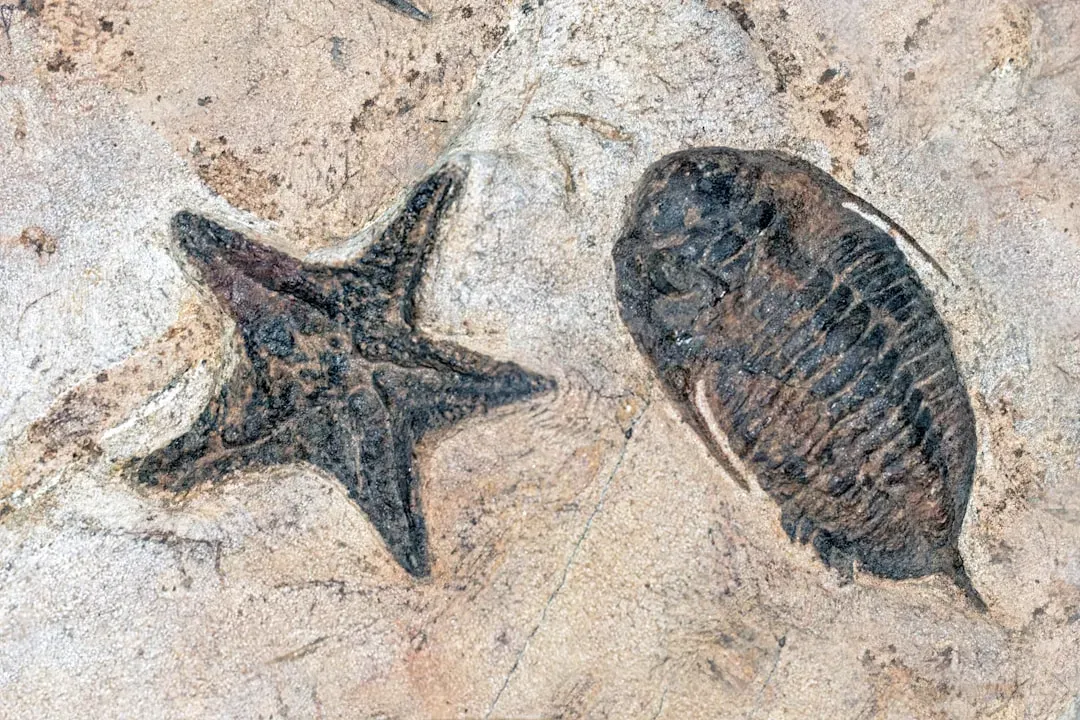
These nine creatures remind us that our planet’s history is far stranger and more mysterious than most textbooks suggest. Each fossil discovery answers some questions while raising a dozen more. The prehistoric world was a laboratory of bizarre evolutionary experiments, some successful, others not so much.
What strikes me most about these enigmatic animals is how they challenge our understanding of what’s possible in nature. Five eyes? Zipper mouths? Bodies that defy physics? These creatures actually existed, crawled, swam, and hunted in ecosystems we can barely comprehend.
Perhaps that’s what makes paleontology so compelling. Despite all our advanced technology and scientific knowledge, these ancient mysteries continue to resist easy answers. Which of these strange creatures do you find most fascinating? What would you have guessed their purpose or lifestyle to be?