
When you picture dinosaurs, you probably imagine massive reptiles stomping through prehistoric jungles or locked in epic battles. But here’s the thing: scientists have spent decades piecing together not just what these creatures looked like, but how they actually lived. The fossil record gives us bones and tracks, sure, but behavior? That’s where things get really mysterious.
Despite all our advanced technology and research methods, there are still dinosaur behaviors that leave paleontologists scratching their heads. From puzzling social habits to weird physical quirks, these ancient animals continue to surprise us. Let’s dive into some of the most baffling behavioral mysteries that researchers are still working to crack.
The Mystery of Dinosaur Migration Patterns
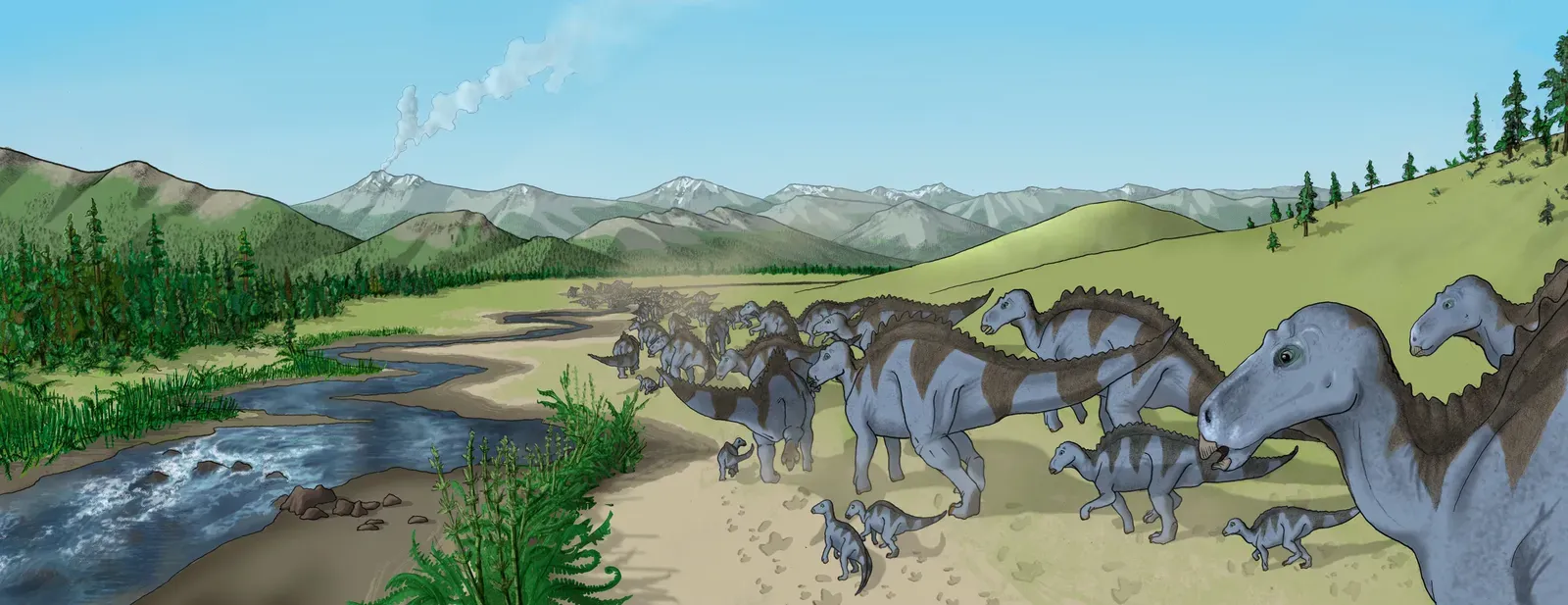
You might assume dinosaurs just stayed put in one area their whole lives, but evidence suggests otherwise. Scientists have found fossils of the same species spread across massive geographical ranges, and chemical analysis of bones reveals some dinosaurs traveled hundreds of miles seasonally. The real head-scratcher? We’re still not entirely sure why they migrated or what routes they took.
Some researchers think these journeys were about following food sources or finding better nesting grounds. Others wonder if climate shifts forced them to move. Trackways discovered in various locations hint at group movements, but connecting all the dots across millions of years is incredibly tough. It’s one of those cases where we have tantalizing clues but not the complete picture.
Bizarre Headbutting Contests in Pachycephalosaurs
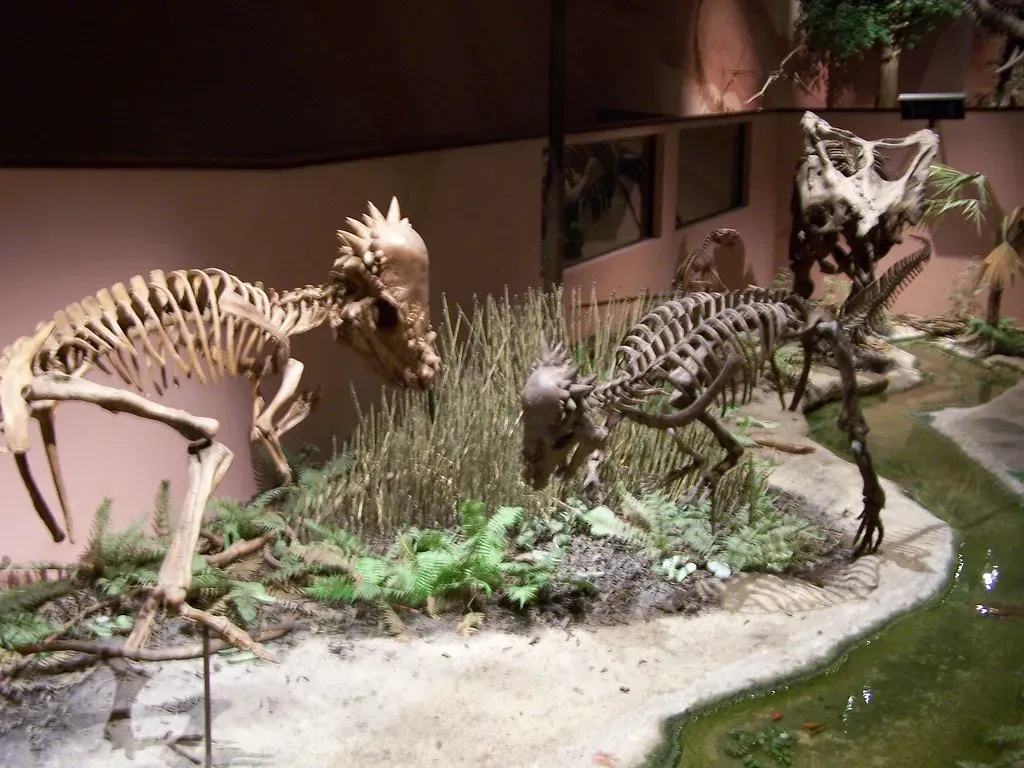
Pachycephalosaurs had these incredibly thick, dome-shaped skulls that looked tailor-made for ramming into things. For years, scientists assumed these dinosaurs headbutted each other like modern bighorn sheep, probably to establish dominance or win mates. Sounds straightforward, right? Well, not exactly.
Recent studies of skull structures suggest their heads might not have been built to withstand full-force collisions without causing serious brain damage. Some experts now think they might have engaged in flank-butting instead, shoving each other sideways. Others argue the domes were purely for display. Honestly, we’re still debating whether these guys were prehistoric battering rams or just showing off fancy headgear.
Cannibalistic Tendencies Among Predators
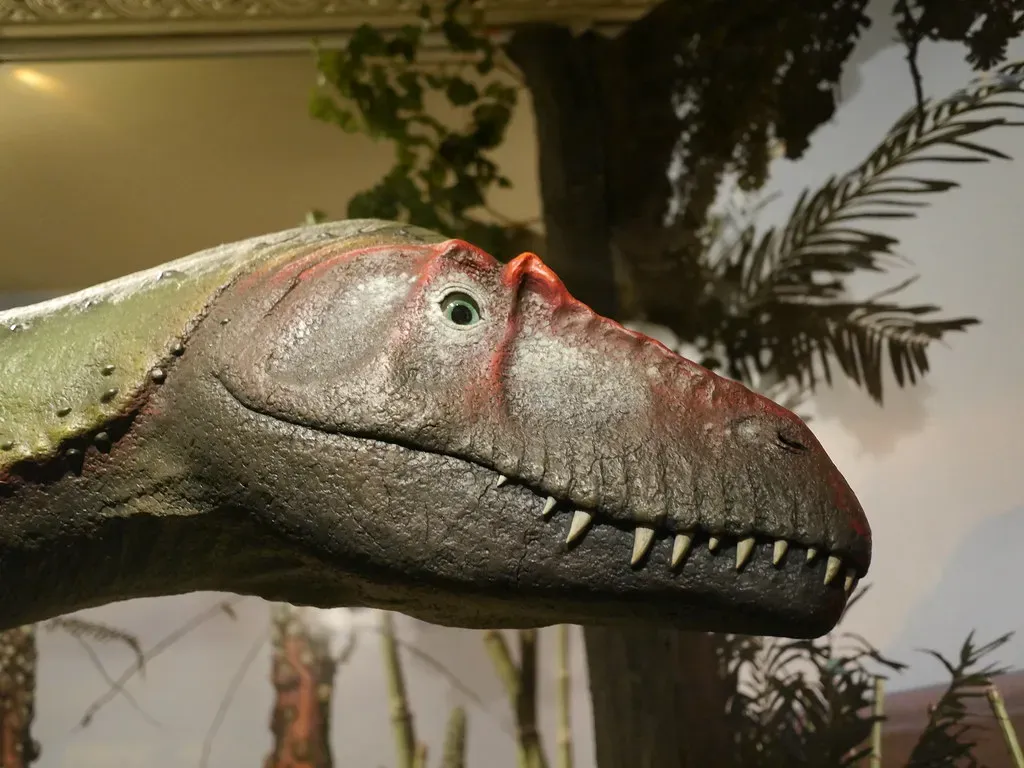
Here’s something unsettling: fossil evidence shows that some carnivorous dinosaurs ate their own kind. Bite marks matching tyrannosaur teeth have been found on tyrannosaur bones, and similar evidence exists for other predator species. The big question is whether this was normal behavior, desperation during food shortages, or something else entirely.
You have to wonder what drove these behaviors. Was it territorial disputes that got out of hand? Were they scavenging already-dead relatives? Or did larger individuals actively hunt smaller members of their species? The fossil record gives us proof it happened, but the motivation behind this grim practice remains frustratingly unclear.
Strange Nesting Behaviors and Parental Care
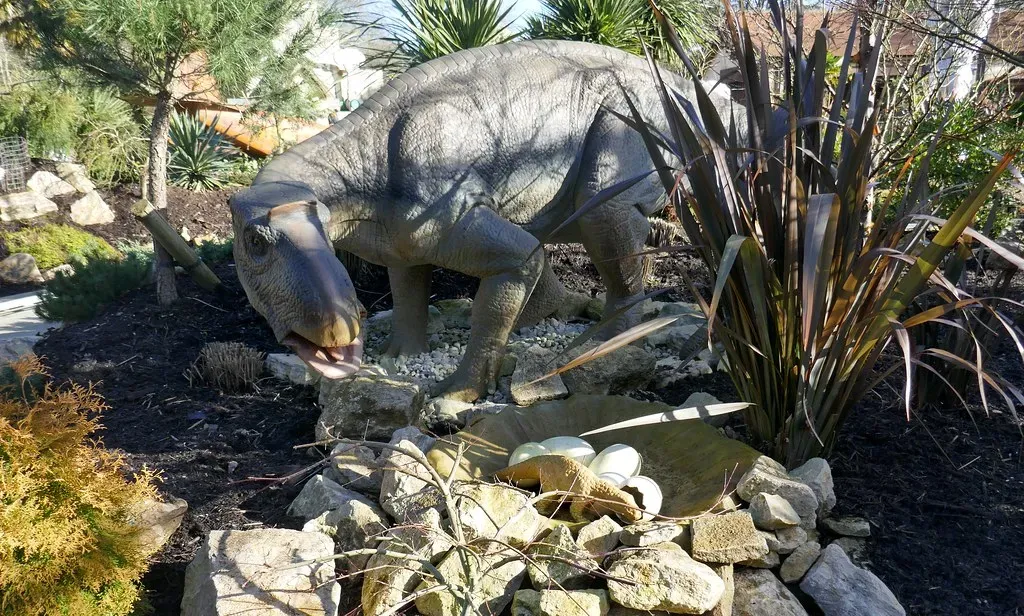
Discovering dinosaur nesting sites has been revolutionary for understanding their family lives. Some species built elaborate nests and arranged eggs in careful patterns, suggesting they cared about their offspring. But the extent of parental involvement varies wildly between species, and scientists can’t quite figure out why.
Certain dinosaurs appear to have been incredibly attentive parents, staying with their young for extended periods. Others seem to have laid eggs and basically wandered off. What determined these different strategies? Environmental factors, predation risks, or something about their metabolism? We’re still piecing together the parenting puzzle from fragmented evidence.
The Purpose of Elaborate Display Structures
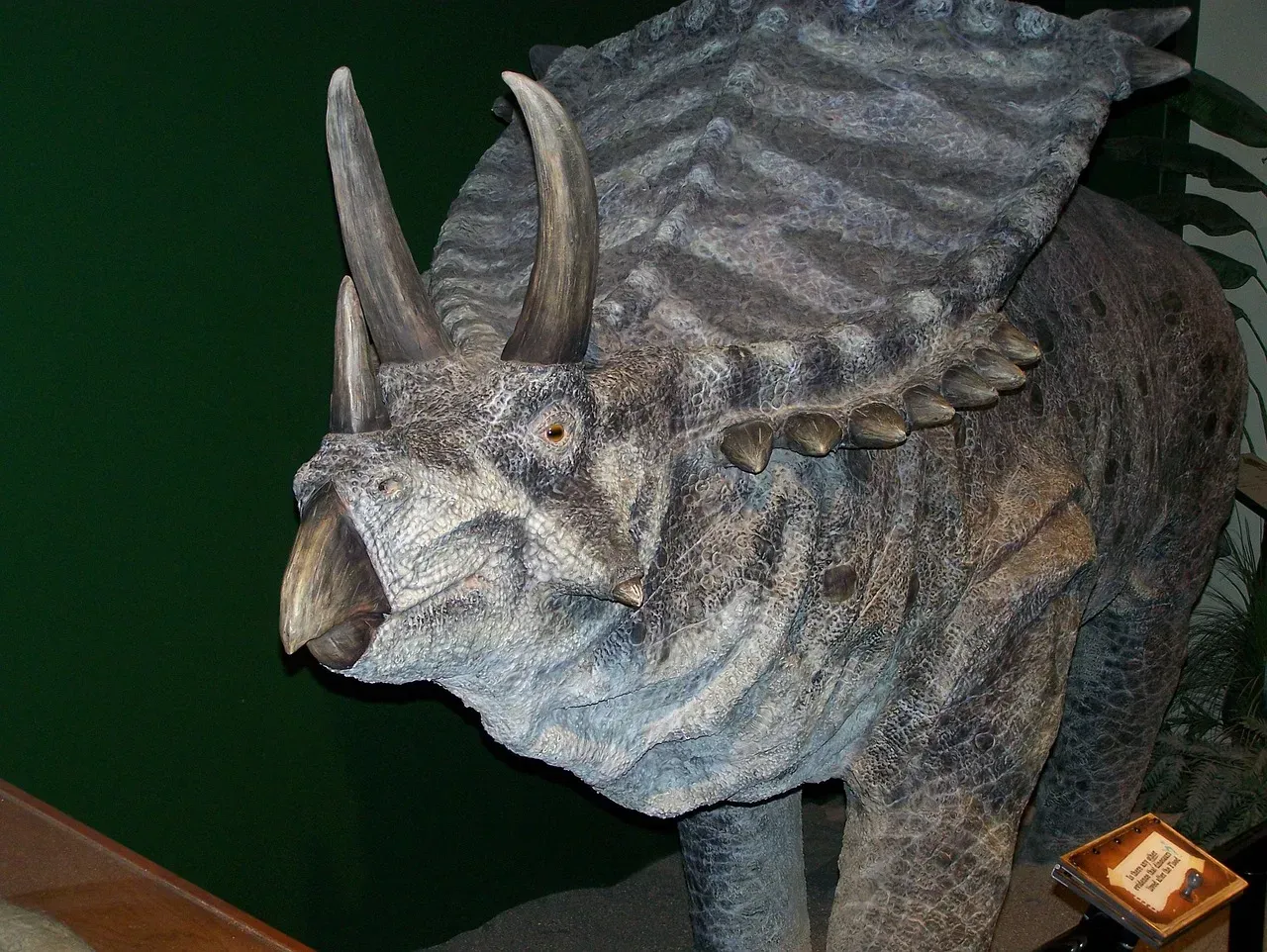
Think about the massive frills on Triceratops, the plates on Stegosaurus, or the bizarre crests on various hadrosaurs. These structures consumed enormous amounts of energy to grow and maintain, so they must have served important purposes. The trouble is, scientists still debate exactly what those purposes were.
Most researchers agree these features played roles in species recognition or attracting mates. But were they also used for temperature regulation? Communication through sound amplification? Intimidating rivals or predators? Probably all of the above to varying degrees, but determining which function was primary for each species is tricky. It’s hard to say for sure when you can’t watch them in action.
Coordinated Pack Hunting Strategies
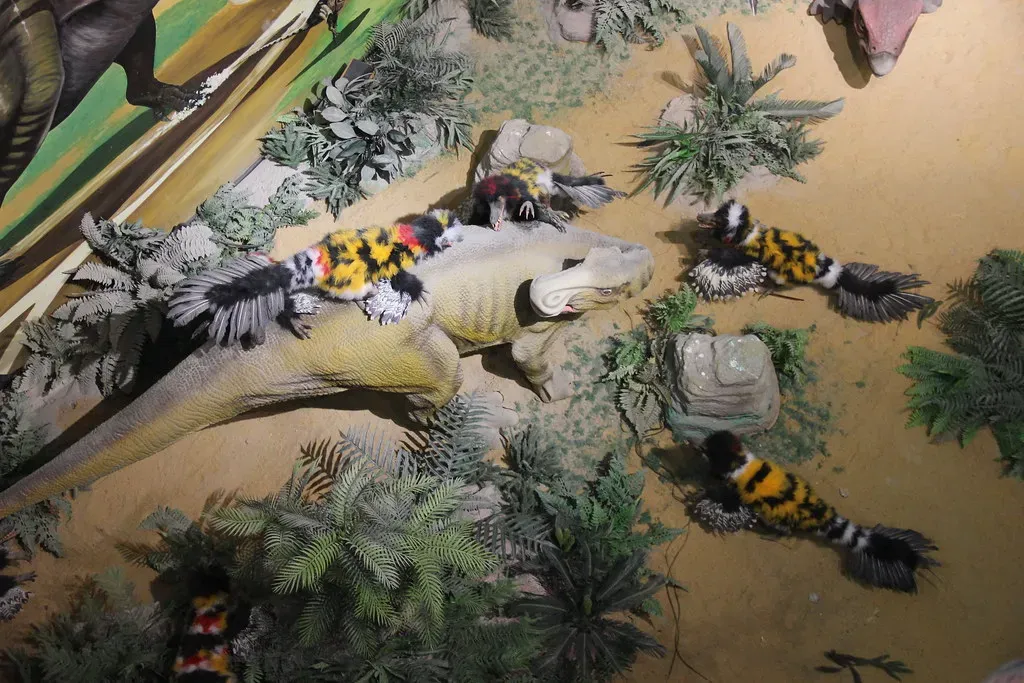
Movies love showing velociraptors working together to take down prey in coordinated attacks. While Hollywood dramatizes things, there’s actually fossil evidence suggesting some predatory dinosaurs hunted in groups. Multiple predators found alongside prey animals, trackways showing group movements, and bone beds containing several individuals all point to social hunting.
What remains unclear is how sophisticated these strategies actually were. Did they communicate and plan like wolves? Or were they more loosely organized, basically just multiple hunters showing up at the same carcass? The level of intelligence and coordination required for true pack hunting is substantial, and determining whether dinosaurs possessed those capabilities is still up for debate.
Unexplained Swimming and Diving Abilities
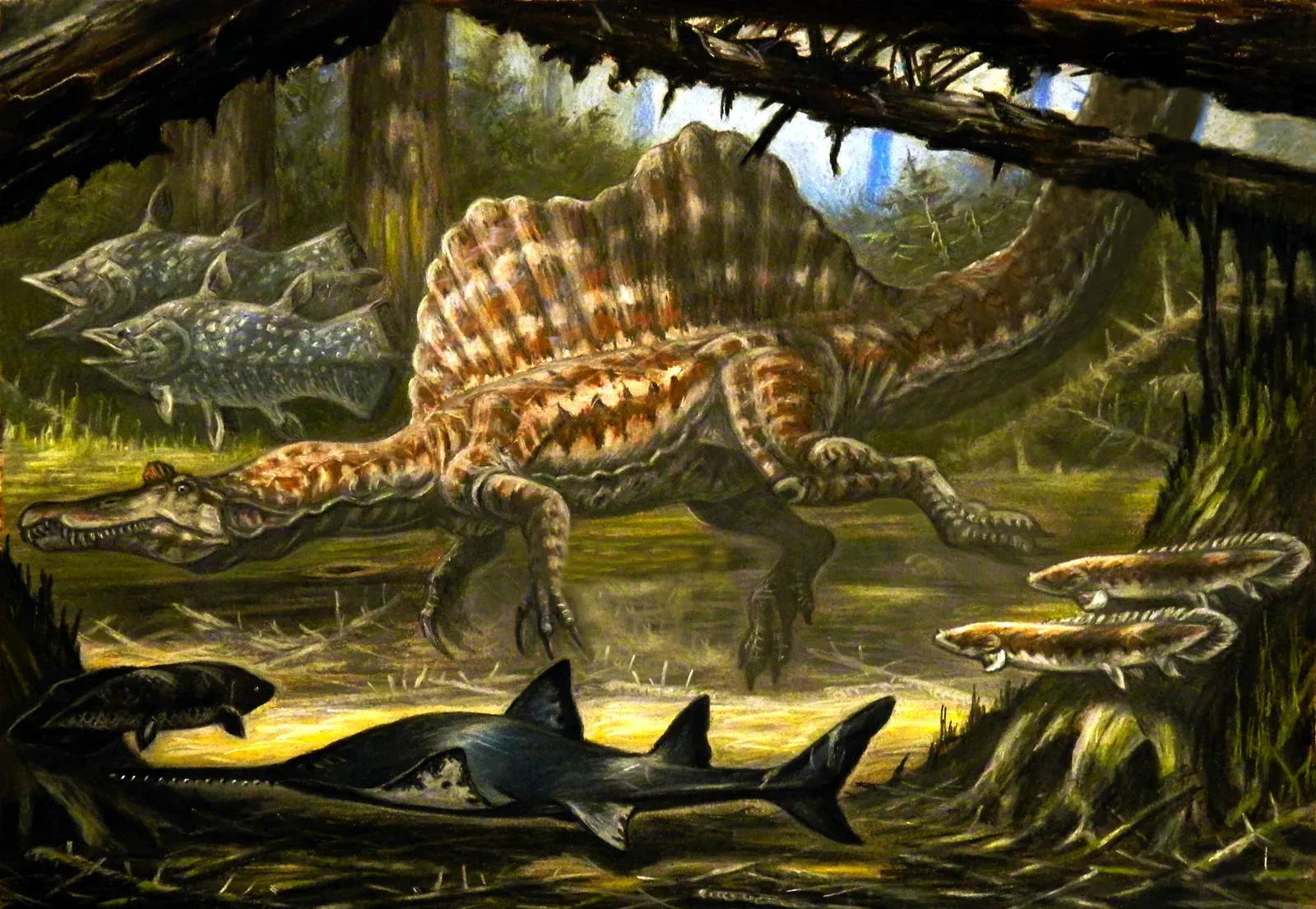
You probably know about marine reptiles like plesiosaurs, but evidence suggests some land-dwelling dinosaurs were surprisingly aquatic too. Trackways show theropods walking into deep water, and certain species had anatomical features suited for swimming. The mystery is why these adaptations evolved and how extensively they used aquatic environments.
Were they actively hunting fish and other water-dwelling prey? Crossing rivers during migrations? Using water as refuge from larger predators? Some dinosaurs might have been semi-aquatic, living lifestyles similar to modern crocodiles or hippos. The fossil record hints at these behaviors but doesn’t give us the full story of their relationship with water.
Vocal Communication and Sound Production
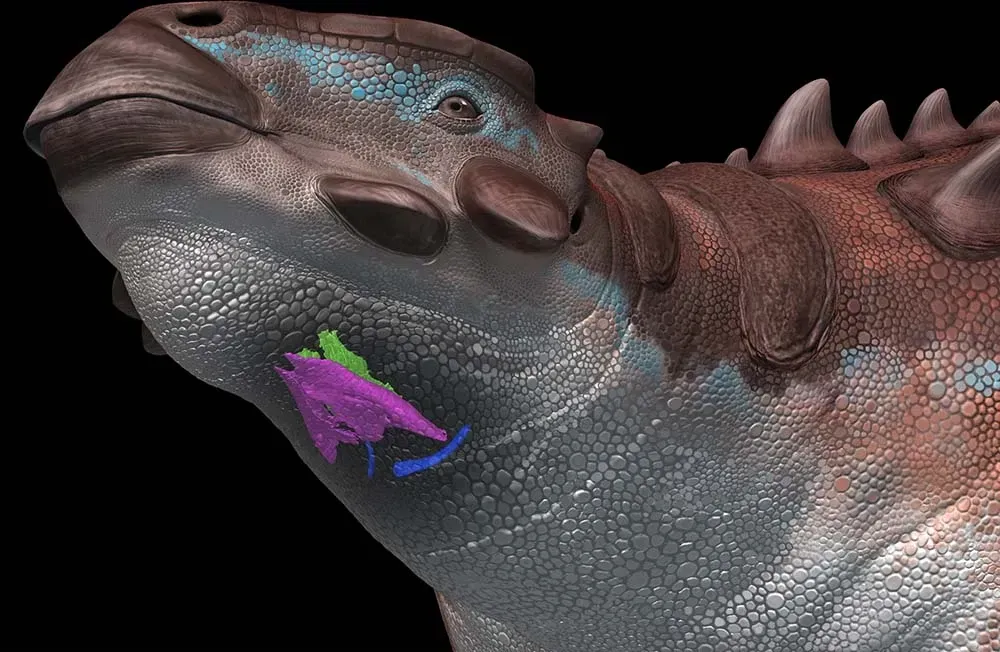
What did dinosaurs sound like? That’s one question that genuinely keeps paleontologists up at night. We’ve found hollow crests in hadrosaurs that could have amplified sounds, and computer models suggest they might have produced deep, resonant calls. But reconstructing extinct animals’ vocalizations from bones alone is incredibly challenging.
Modern birds and crocodiles give us clues since they’re dinosaur relatives, but that still leaves massive gaps. Did they roar, honk, hiss, or make sounds we can’t even imagine? How did they use these vocalizations – for mating, establishing territory, warning of danger? Understanding their acoustic world would revolutionize our picture of dinosaur behavior, but right now we’re mostly guessing.
The Mystery of Feathered Dinosaur Functions
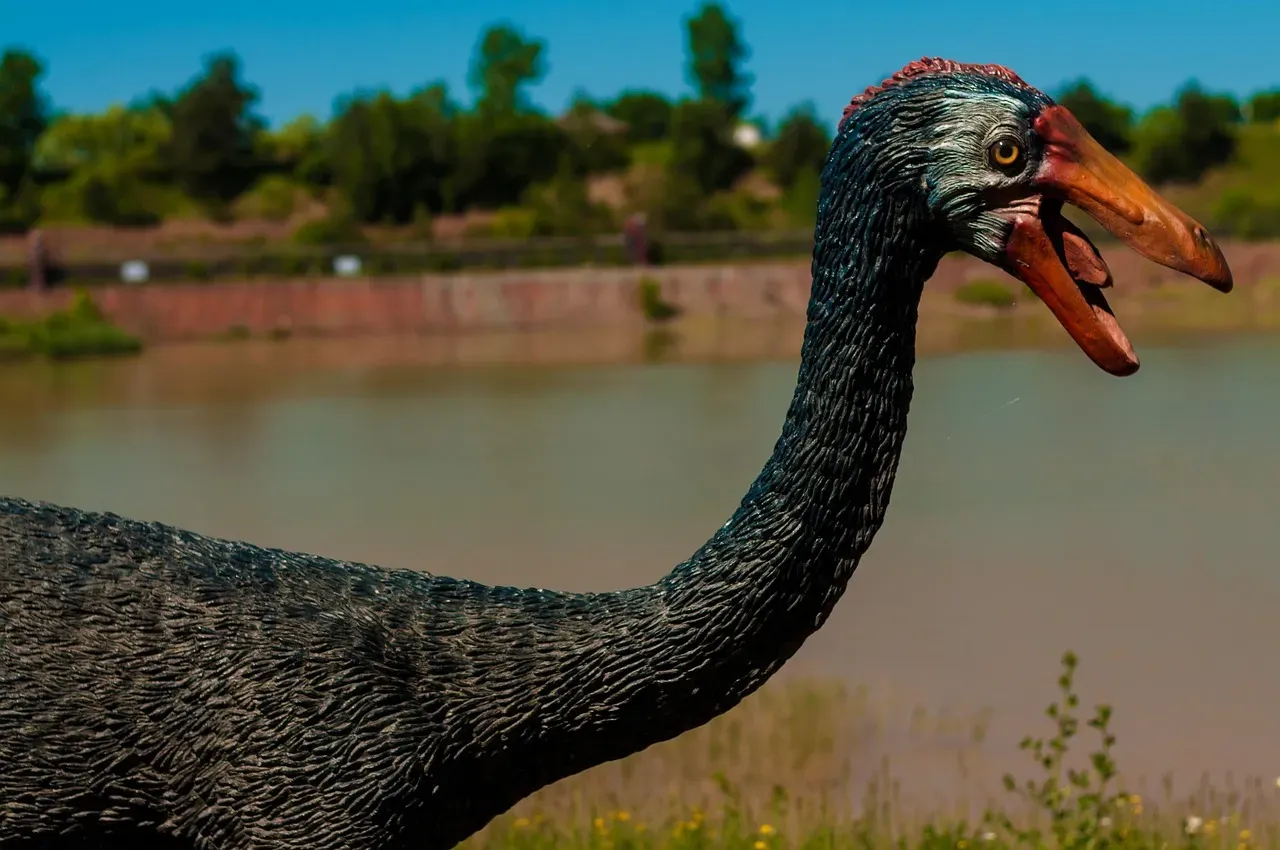
The discovery that many dinosaurs had feathers completely changed how we see them. Initially, everyone assumed feathers evolved for flight, but we now know tons of non-flying dinosaurs were feathered too. So what were they using those feathers for? Insulation seems likely, display certainly, but the full range of functions remains murky.
Some small theropods had elaborate, colorful plumage that couldn’t have helped with flight at all. Were these purely for attracting mates or intimidating rivals? Did feathers help with brooding eggs or protecting young? Maybe they served multiple purposes across different species and life stages. What’s fascinating is that each new feathered dinosaur discovery adds another piece to this puzzle without quite completing the picture.
Conclusion
These behavioral mysteries remind us how much we still don’t know about dinosaurs despite decades of intensive research. Every fossil discovery, every new analysis technique, and every computer simulation brings us closer to understanding how these incredible creatures actually lived. Yet some questions may never have definitive answers, and honestly, that’s part of what makes paleontology so captivating.
The more we learn about dinosaur behavior, the more complex and fascinating they become. They weren’t just giant reptiles trudging through swamps – they were sophisticated animals with intricate social lives, surprising abilities, and adaptations we’re still working to comprehend. What behaviors do you find most intriguing? Share your thoughts in the comments below.