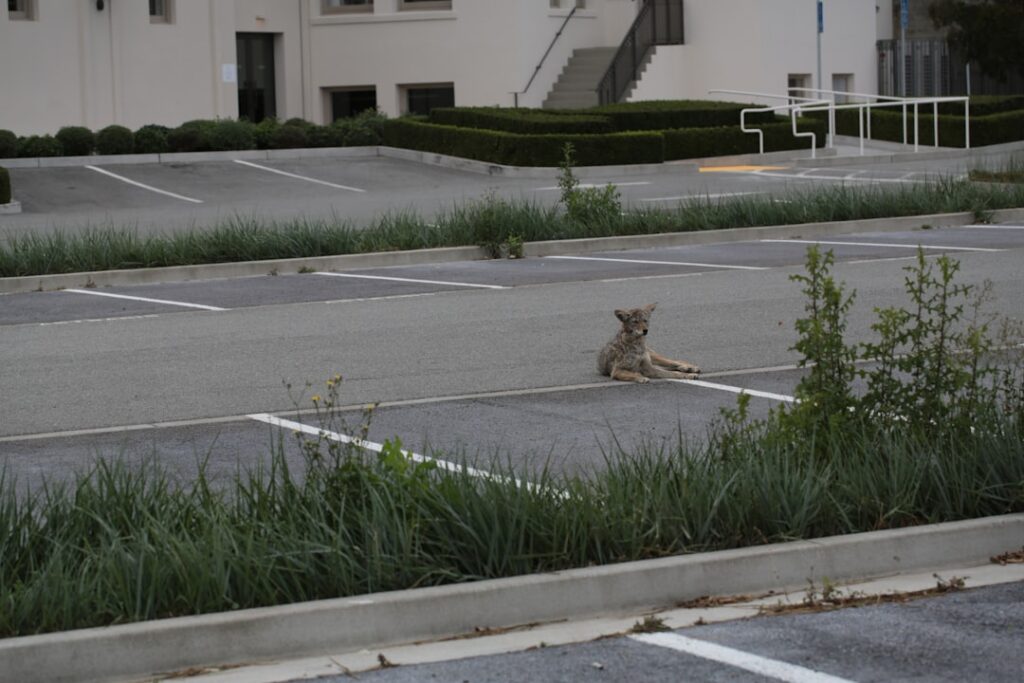
Across the United States, coyotes have carved out homes in nearly every major metropolitan area, from bustling Chicago to sprawling Los Angeles. These resilient animals navigate sidewalks, parks, and suburbs alongside millions of residents. Despite their widespread presence, serious encounters between coyotes and people remain infrequent, highlighting a model of urban wildlife adaptation.
A Surge in Sightings Signals Successful Urban Adaptation
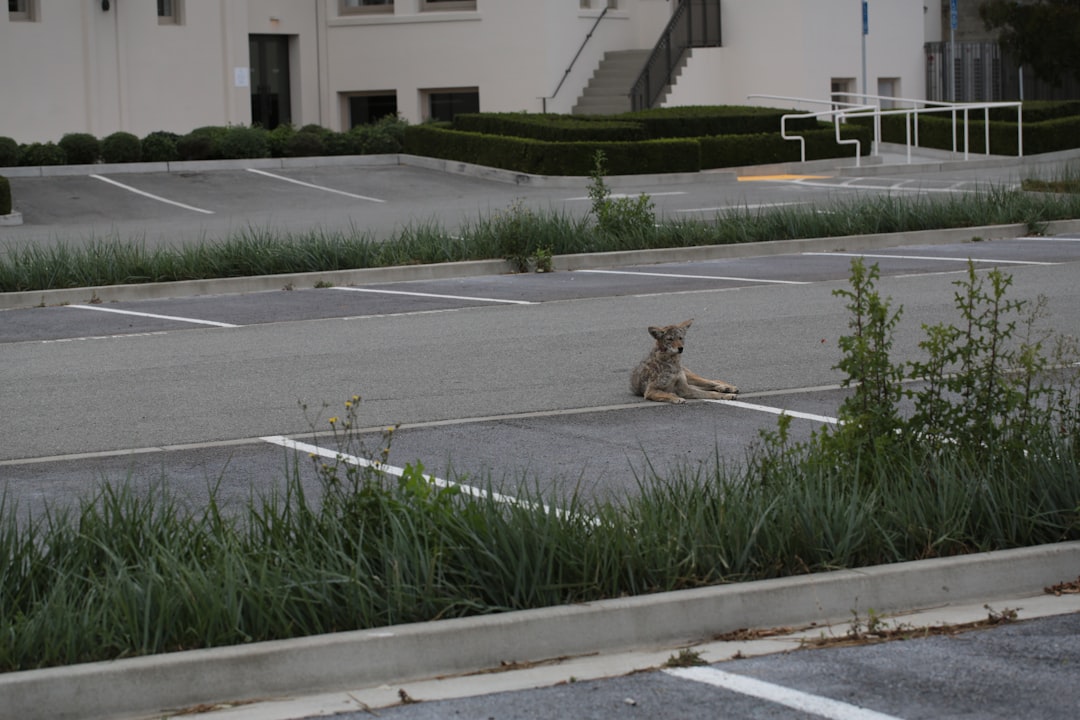
A Surge in Sightings Signals Successful Urban Adaptation (Image Credits: Unsplash)
Researchers documented coyotes in all large and medium-sized cities surveyed across 105 urban areas, with presence in three-quarters of smaller ones as well. Populations thrive in places like Chicago, where estimates place the number at around 4,000 individuals. In Portland, studies identified 600 to 800 coyotes within city limits, concentrated near green spaces.
Coyotes expanded their range dramatically since the 1700s, moving into human-dominated landscapes. They favor fragmented habitats with access to food like rodents, which they help control. Urban densities sometimes support higher numbers than rural areas, as coyotes exploit parks and golf courses effectively. This adaptability underscores their role as top urban predators.
Attack Statistics Reveal Minimal Threat to People
Between 1960 and 2006, records showed only 142 to 146 coyote attacks on humans across the United States and Canada, affecting 159 victims in total. Most incidents involved young children under age five, and fatalities numbered just two over that entire period. Recent nationwide reports indicate fewer than 20 attacks per year, with the vast majority classified as minor.
Contrast this with domestic dogs: approximately 4.5 million bites occur annually in the U.S. alone, sending about 800,000 people for medical treatment. Dog-related deaths average 43 each year. Coyote risks pale in comparison, at roughly one in ten million odds for any individual.
Factors Keeping Conflicts at Bay
Coyotes generally avoid humans, preferring rodents and small mammals that benefit urban ecosystems by curbing pest populations. Habituation arises mainly from human-provided food, such as unsecured trash or pet meals left outside. Cities with proactive education see fewer issues, as residents remove attractants and haze bold animals.
Studies link lower survivorship to heavy human activity in some spots, yet coyotes persist by shifting to less dense zones at night. Larger metros report more sightings but proportional conflicts remain low due to vast populations and space. Development patterns influence behavior, with coyotes favoring open areas over dense neighborhoods.
Steps Residents Can Take for Safe Shared Spaces
Wildlife experts emphasize prevention through simple habits. Secure garbage bins tightly and pick up fallen fruit to eliminate free meals. Avoid feeding any wildlife, including birds, if it draws coyotes indirectly.
Supervise pets closely, especially small dogs and cats at dawn or dusk when coyotes hunt. Keep them leashed in open spaces and indoors overnight. If a coyote approaches, stand tall, make noise with yells or objects, and back away slowly – never run.
- Remove food attractants like pet bowls or compost.
- Haze coyotes with water hoses, air horns, or thrown items to reinforce fear.
- Install fencing at least six feet high for yards.
- Report aggressive behavior to local animal control.
- Educate neighbors on shared responsibility.
These measures, promoted by groups like the Urban Coyote Research Project, foster tolerance without eradication.
Key Takeaways:
- Coyotes inhabit nearly all U.S. cities but attack humans far less often than dogs.
- Remove food sources to prevent habituation and conflicts.
- Hazing and supervision ensure safe coexistence for people and wildlife alike.
Urban coyotes demonstrate that wildlife and humans can share cities harmoniously when basic precautions guide interactions. Their presence even aids conservation by regulating rodents and mesopredators. What experiences have you had with coyotes in your neighborhood? Tell us in the comments.