Bird’s Head Peninsula, Indonesian Papua — Researchers confirmed the existence of two marsupial species presumed extinct for millennia, drawing on photographs and deep-rooted knowledge from local Indigenous communities. These discoveries in the dense rainforests of western New Guinea reveal ongoing biodiversity in a region renowned for its evolutionary uniqueness. The findings emphasize how traditional wisdom complements scientific methods to uncover hidden wildlife.
Mystery Photos Ignite a Scientific Pursuit
Mystery Photos Ignite a Scientific Pursuit (Image Credits: Facebook)
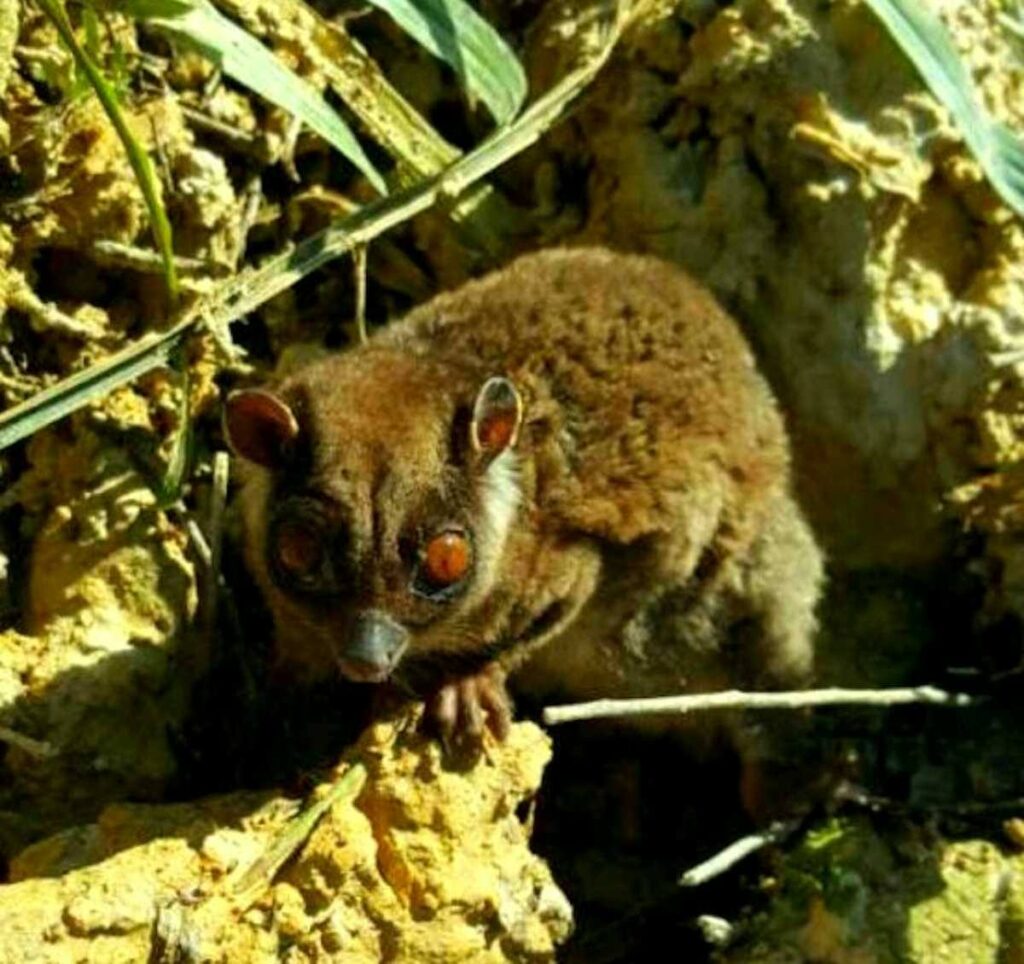
Photographs captured in 2015 showed a small marsupial with oversized hands on the Bird’s Head Peninsula, puzzling experts at first glance. The creature resembled a slow loris or cuscus, but closer analysis pointed to the pygmy long-fingered possum, a species documented only through fossil teeth and bone fragments from caves excavated decades earlier. Scientists had concluded it vanished around 6,000 years ago.
In 2023, mammal enthusiasts photographed a live specimen, solidifying the evidence. This sparked formal descriptions in the journal Records of the Australian Museum, led by experts from Bishop Museum and the Australian Museum. The effort marked a rare case of “Lazarus taxa” — species reappearing after long absence from records.
Elders’ Testimony Confirms a Sacred Survivor
Interviews with Tambrauw and Maybrat elders provided crucial confirmation for the second species, the ring-tailed glider. Barnabas Baru and Carlos Yesnat described encounters in nearby forests, noting its decline after logging near Sorong town. They spoke of it in hushed tones, revealing its sacred status in Tambrauw culture — central to initiation rites and cosmology.
Rika Korain, a Maybrat Indigenous woman and human rights lawyer, facilitated these discussions alongside mammalogist Tim Flannery. The elders called it “tous wan,” inspiring the new genus name Tous for Tous ayamaruensis. Women avoided naming it directly, underscoring taboos tied to ancestral connections. This collaboration bridged cultural reverence with empirical verification.
Extraordinary Adaptations in Tiny Packages
The pygmy long-fingered possum, weighing about 200 grams, sports bold black-and-white stripes and a uniquely elongated fourth finger — the longest proportionally among mammals. It functions like a marsupial woodpecker, tapping bark to detect grubs, then hooking them with a curved claw. Specialized ears and robust incisors aid its quest for insects in rotting wood.
The ring-tailed glider, around 300 grams, glides via skin flaps and grips branches with a prehensile tail. Nocturnal with bulging eyes, it feeds on leaves and sap, living monogamously in tree hollows and producing one offspring yearly. Elders observed it trimming glide paths, a behavior symbolizing environmental stewardship in their traditions.
| Species | Key Features | Weight |
|---|---|---|
| Pygmy long-fingered possum | Striped, long fourth finger for grubs | 200g |
| Ring-tailed glider | Gliding membrane, prehensile tail | 300g |
Threats Loom Amid Hopeful Rediscoveries
New Guinea’s geological history as an “engine of speciation” fosters such rarities, yet logging, agriculture, and oil palm expansion endanger habitats. Road networks and ports heighten vulnerability on the accessible Bird’s Head Peninsula. Local guide Isai Onesimus Paa warned of lowland forest clearances in Klasow Valley.
Flannery stressed integrating Indigenous knowledge: “My career really is a result of the cumulative knowledge that’s been passed on to me by tribal elders all across the island. They really are my great professors.” Kristofer Helgen echoed this, calling the finds a “second chance” for protection. Ecotourism offers promise, but securing customary land rights remains essential.
Key Takeaways
- Indigenous elders hold vital clues to species presumed lost.
- Both marsupials evolved unique traits suited to rainforest life.
- Conservation demands partnerships respecting cultural taboos and habitats.
These rediscoveries affirm New Guinea’s untapped wonders and the urgency of collaborative guardianship. What steps should global efforts take to safeguard such treasures? Share your thoughts in the comments.